Menu

Weird Smells from Vents in St. Louis – Fast Diagnosis and Permanent Odor Elimination

When strange odors from air ducts disrupt your home or business, our certified technicians pinpoint the source and eliminate weird smells from vents using advanced diagnostic equipment and targeted air quality solutions.

Slider Image 1
Slider Image 2
Slider Image 3
Slider Image 4
Slider Image 5
Slider Image 7
Slider Image 8
Slider Image 9
Slider Image 10
Slider Image 11

Why St. Louis Homes Experience More Vent Odors Than Most Cities

You walk past a vent and catch a whiff of something off. Maybe it smells like gym socks, burning rubber, or rotting vegetation. You are not imagining it, and you are not alone.

St. Louis sits at the confluence of the Mississippi and Missouri Rivers, creating humidity levels that consistently hover between 60 and 80 percent during summer months. This moisture infiltrates ductwork, creating ideal conditions for mold, mildew, and bacterial growth. When your system cycles on, these contaminants become airborne, producing bad smells coming from vents that range from musty to sour.

The region's clay-heavy soil shifts with seasonal freeze-thaw cycles, causing foundation movement that can crack duct connections. These gaps allow sewer gas, pest droppings, and outdoor pollutants to enter your air distribution system. Historic neighborhoods like Soulard and Lafayette Square often have older homes with original ductwork that has never been professionally cleaned, accumulating decades of dust, pet dander, and organic debris.

Odd smells from HVAC systems also stem from oversized equipment, a common installation mistake in St. Louis. When your air conditioner is too powerful for your space, it short-cycles without running long enough to remove humidity. This creates a damp environment inside the air handler where biological growth thrives. Foul air conditioner odors intensify during spring and fall when temperature swings cause condensation to pool in drain pans, creating swampy conditions perfect for microbial colonies.

Funny smells from heating systems often indicate different problems. If you notice a metallic or burning scent when your furnace kicks on after months of dormancy, dust on the heat exchanger is likely combusting. A rotten egg smell signals a natural gas leak requiring immediate attention.

Why St. Louis Homes Experience More Vent Odors Than Most Cities
How We Identify and Eliminate Vent Odor Sources

How We Identify and Eliminate Vent Odor Sources

Most HVAC companies spray deodorizer in your vents and call it fixed. That approach masks symptoms without addressing root causes. Keystone HVAC St. Louis uses diagnostic protocols that identify exactly where strange odors from air ducts originate.

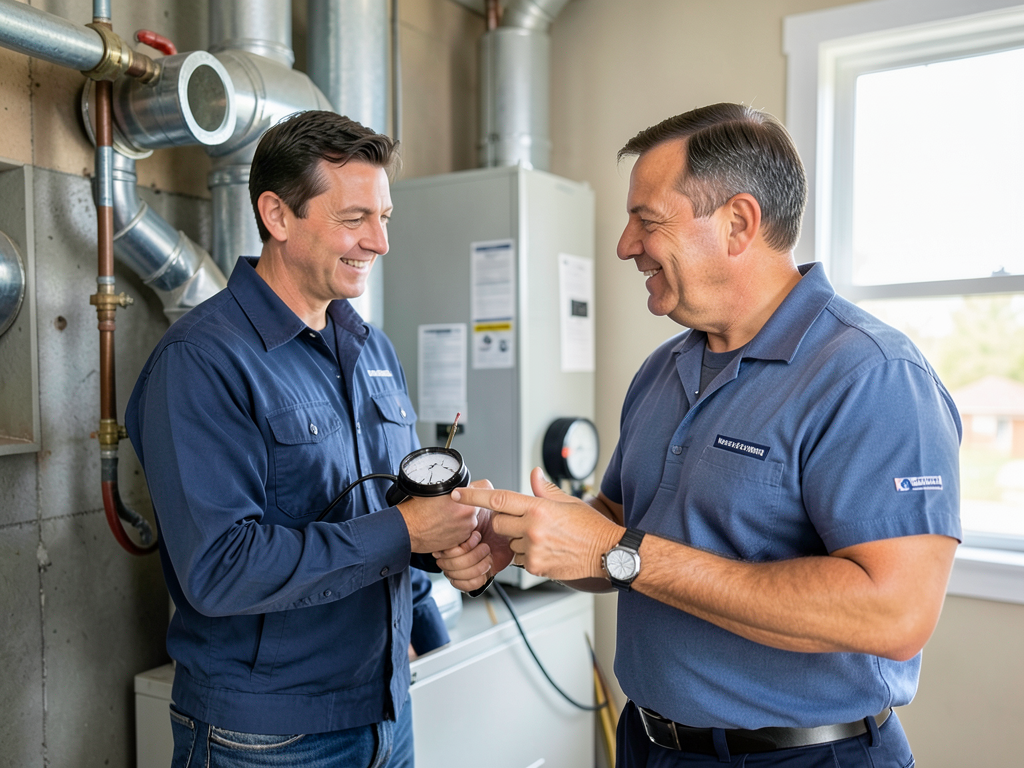
We start with a complete system pressure test. Using manometers and airflow meters, we measure static pressure throughout your duct network to locate leaks, disconnections, or restrictions that allow contaminated air infiltration. This reveals problems invisible to the naked eye, like separated flex duct connections in crawlspaces or attics.

Next, we inspect your evaporator coil and condensate system. The coil sits in a dark, damp environment where mold colonies establish themselves on aluminum fins. We use borescope cameras to examine coil surfaces without dismantling your air handler. If we find biological growth, we apply EPA-registered antimicrobial treatments that kill existing colonies and prevent future growth.

Your condensate drain line gets flushed with a specialized solution that breaks down biofilm, the slimy layer where bacteria multiply. A clogged drain pan creates standing water that produces musty odors every time your blower fan operates. We verify proper drainage slope and install secondary overflow switches that prevent water accumulation.

Ductwork inspection includes checking for pest intrusions. Squirrels, raccoons, and birds often nest in uncapped chimneys or damaged vent terminations, leaving behind droppings and nesting materials that decompose inside your ducts. We seal all penetrations and install proper vent caps.

We also evaluate your return air pathways. Many St. Louis homes have return vents located near kitchens or bathrooms, pulling cooking odors and moisture directly into the system. Strategic return placement modifications prevent this cross-contamination.

Finally, we test your heat exchanger for cracks using combustion analysis equipment. A compromised heat exchanger allows combustion byproducts to enter your airstream, creating chemical odors and dangerous carbon monoxide exposure.

What Happens During Your Odor Diagnosis Visit

Weird Smells from Vents in St. Louis – Fast Diagnosis and Permanent Odor Elimination
01

Initial System Assessment

Our technician arrives with diagnostic equipment and asks detailed questions about when odors occur, which rooms are affected, and whether smells change with weather conditions. We document your concerns and perform a visual inspection of accessible ductwork, registers, and HVAC equipment. This conversation helps us narrow down probable causes before testing begins, saving you time and preventing unnecessary system disassembly.
02

Comprehensive Diagnostics

We conduct pressure testing, airflow measurements, and thermal imaging to identify hidden problems. Borescope cameras inspect coils and ductwork interiors. We check condensate drainage, test for gas leaks using electronic sensors, and examine your air filter condition and housing fit. Each test provides data about your system's actual operating conditions, not guesses. This phase typically takes 60 to 90 minutes depending on system complexity and home size.
03

Solution and Resolution

After diagnostics, we explain exactly what is causing your vent odors and present solution options with transparent explanations of each approach. We prioritize fixes by urgency, starting with safety issues like gas leaks or carbon monoxide risks. You receive a detailed report with photos documenting problem areas. Most odor issues resolve within the same visit through cleaning, sealing, or minor repairs. Complex situations requiring duct replacement or major modifications get scheduled promptly.

Why St. Louis Residents Trust Local HVAC Expertise for Odor Problems

When bad smells coming from vents disrupt your home, you need someone who understands the specific challenges St. Louis properties face. National chains rotate technicians through zip codes without building local knowledge. Keystone HVAC St. Louis employs technicians who live and work in the metro area, servicing systems affected by the same humidity, soil conditions, and seasonal extremes you experience.

We know that homes in Dogtown and The Hill often have original 1940s ductwork hidden behind plaster walls, requiring specialized access techniques. Tower Grove and Shaw neighborhoods feature century-old homes with gravity furnaces converted to forced air systems, creating unique ductwork configurations prone to airflow problems. South City properties frequently have exposed ductwork in unfinished basements where condensation issues are common.

Our familiarity with St. Louis building codes ensures repairs meet current standards. We understand local permit requirements for significant ductwork modifications and maintain relationships with city inspectors, preventing project delays. This local expertise matters when odor sources require structural access or modifications that impact your home's integrity.

We also recognize regional HVAC brands common in St. Louis installations. Whether you have a Trane, Carrier, Lennox, or Rheem system, we stock parts for equipment popular in this market. This means faster repairs without waiting for special orders when components need replacement during odor investigations.

St. Louis experiences dramatic temperature swings between seasons, stressing HVAC systems in ways that mild climates never encounter. We account for this when diagnosing intermittent odors that only appear during certain weather conditions. A musty smell during humid August afternoons requires different solutions than a burning odor on the first cold November morning.

You can verify our work through neighbors who have used our services. Local reputation matters when your family's indoor air quality is at stake.

What You Can Expect From Our Odor Elimination Service

Rapid Response Availability

We schedule diagnostic visits within 24 to 48 hours of your call for standard odor concerns. Emergency situations involving gas odors or sudden chemical smells receive same-day priority dispatch. Our service area covers St. Louis City, St. Louis County, and surrounding communities including Clayton, University City, Webster Groves, Kirkwood, and Affton. You receive a confirmed arrival window, not vague all-day appointments. Technicians call 30 minutes before arrival and come prepared with common repair parts to resolve issues during the initial visit when possible.

Thorough Diagnostic Process

Your odor diagnosis includes a complete system evaluation, not just a quick sniff test at your registers. We inspect the air handler, evaporator coil, condensate system, ductwork connections, heat exchanger, and ventilation pathways. Advanced tools like thermal cameras, pressure gauges, and borescope cameras reveal hidden problems other companies miss. You receive photo documentation of issues found, helping you understand exactly what needs correction. We explain findings in plain language, avoiding technical jargon unless you request detailed explanations. This transparency ensures you make informed decisions about repairs.

Permanent Odor Resolution

We eliminate odor sources instead of temporarily masking smells with fragrances or foggers. Solutions range from coil cleaning and duct sealing to drain line sterilization and vent cap installation. Biological growth gets treated with EPA-approved antimicrobials that prevent recurrence. Ductwork leaks get sealed with mastic compound and metal-backed tape that maintains integrity for years. When parts need replacement, we install quality components designed for St. Louis climate conditions. You receive confirmation that repairs resolved the problem through post-service airflow testing and odor verification before we leave.

Preventive Maintenance Options

After resolving your immediate odor problem, we offer maintenance plans that prevent future issues. Scheduled service includes coil cleaning, drain line flushing, filter replacement, and ductwork inspection twice yearly. Spring visits prepare your cooling system for humid summer months when biological growth accelerates. Fall maintenance ensures your heating system operates safely after months of dormancy. Plan members receive priority scheduling and discounted repair rates. We track your equipment's service history, identifying patterns that signal developing problems before they create new odor issues or system failures.

Frequently Asked Questions

You Have Questions,
We Have Answers

Why is there a bad smell coming from my vents? +

Bad smells from vents usually signal trapped debris, mold growth, or system issues. In St. Louis homes, high humidity creates the perfect environment for mold and mildew inside ductwork. Dust buildup on heat exchangers can burn when your furnace kicks on, creating a musty or burning odor. Dead rodents in ducts produce a sharp, decaying smell. If you smell something rotten or moldy, check your air filter first. A clogged filter restricts airflow and traps moisture. If the smell persists after changing the filter, you need a professional duct inspection to identify the source.

What does an electrical fire smell like before it starts? +

An electrical fire smells like burning plastic, rubber, or fish. You might notice a sharp, acrid odor that stings your nose. This happens when wire insulation melts from overheating. The smell often starts faint and grows stronger as the problem worsens. If you detect this odor coming from vents or outlets, shut off power at the breaker immediately. St. Louis homes built before 1980 often have older wiring that can degrade over time. Do not ignore this smell. Call an electrician right away, then have your HVAC system inspected to make sure no damaged wiring runs through your ductwork.

What does mold in air vents smell like? +

Mold in air vents smells musty, earthy, or like wet socks. The odor intensifies when your system runs because air pushes mold spores through the ducts. St. Louis humidity, especially during summer months, creates ideal mold conditions inside ductwork. You might notice the smell strongest in rooms farthest from your air handler. Black or green spots around vent grilles confirm mold growth. Condensation from your AC coils can drip into ducts if the drain pan clogs. This standing water feeds mold colonies. Professional duct cleaning and fixing moisture sources solves the problem permanently.

Why is there a weird chemical smell coming from my AC? +

A chemical smell from your AC suggests refrigerant leaks, electrical issues, or off-gassing from new components. Refrigerant smells sweet or like chloroform. If you detect this, turn off your system immediately. Refrigerant exposure causes health problems. A plastic or burning smell points to overheating wires or a failing capacitor. New systems sometimes smell like paint or solvents for the first few uses as manufacturing residues burn off. This should disappear within hours. If the chemical smell persists or returns after several uses, call an HVAC technician. Refrigerant leaks require immediate repair.

Why does my air vent smell like something died? +

That rotting smell means something actually died in your ductwork. Rodents, birds, or squirrels enter through damaged vent caps or gaps in St. Louis homes, especially older properties near wooded areas. Once inside, they get trapped and die. The decomposition smell grows unbearable as temperatures rise. You cannot mask this odor with air fresheners. The carcass must be removed. Turn off your HVAC system to stop spreading the smell. Call a professional to locate and remove the animal, then sanitize the affected ductwork. Seal any entry points to prevent future problems.

How to sanitize air ducts yourself? +

You can clean accessible vent grilles with soap and water, but true duct sanitizing requires professional equipment. Remove floor and wall registers, then vacuum visible dust with a shop vac. Wipe grilles with a mild detergent solution and let them dry completely before reinstalling. Change your air filter monthly. This DIY approach only addresses surface grime. St. Louis humidity encourages mold deep inside ductwork where you cannot reach. Professional duct cleaning uses negative pressure systems and rotary brushes to remove buildup throughout the entire system. Attempting deep cleaning yourself risks pushing contaminants further into ducts or damaging components.

Are there warning signs before an electrical fire? +

Yes. Warning signs include flickering lights, discolored outlets, burning smells, buzzing sounds from switches, and frequently tripped breakers. Outlets might feel warm to the touch. You may see sparks when plugging in devices. St. Louis homes in older neighborhoods often have outdated electrical panels that cannot handle modern appliance loads. Aluminum wiring common in 1960s-1970s construction poses higher fire risks. If your lights dim when the AC starts, your system draws too much power. These signs mean faulty wiring or overloaded circuits. Address electrical issues immediately. This prevents fires and protects your HVAC equipment from power surges.

What does bad wiring smell like? +

Bad wiring smells like burning plastic, fish, or sulfur. The odor comes from melting wire insulation when connections overheat. You might smell it near outlets, switches, or your electrical panel. Sometimes the smell travels through walls and emerges from vents as your HVAC system pulls air. Loose connections create resistance, generating heat that degrades insulation. Overloaded circuits cause similar problems. St. Louis homes with aluminum wiring face higher risks because aluminum expands and contracts more than copper, loosening connections over time. If you smell burning near electrical components, shut off power at the breaker and call an electrician immediately.

What are signs of faulty wiring? +

Faulty wiring shows several signs. Breakers trip repeatedly. Lights flicker or dim without explanation. Outlets feel warm or show scorch marks. You hear buzzing or crackling from switches. Sparks appear when plugging in devices. Your electricity bill spikes unexpectedly. In St. Louis homes, outdated panels with fuses instead of breakers signal old wiring that needs upgrading. Knob-and-tube or aluminum wiring common in older neighborhoods creates fire hazards. Rodents chewing wires in attics or crawl spaces cause hidden damage. If your HVAC system struggles to start or runs inconsistently, electrical issues might be the cause. Get a licensed electrician to inspect your system.

What are the 10 warning signs of mold toxicity? +

Mold toxicity warning signs include persistent headaches, fatigue, brain fog, respiratory issues, sinus congestion, coughing, skin rashes, joint pain, digestive problems, and sensitivity to light. You might experience memory problems or mood changes. Symptoms worsen when you spend time at home and improve when you leave. St. Louis humidity, especially in poorly ventilated basements, creates mold hotspots. If multiple family members show these symptoms, mold exposure is likely. Check your HVAC system, as contaminated ducts spread spores throughout your home. Address moisture sources immediately. Professional mold remediation and duct cleaning eliminate the problem. See a doctor if symptoms persist.

How St. Louis Humidity Creates Perfect Conditions for HVAC Odor Problems

St. Louis averages 110 days per year with humidity above 70 percent, creating constant moisture exposure for HVAC systems. When outdoor air infiltrates ductwork through foundation cracks or poor sealing, this humidity condenses on cool duct surfaces during air conditioning operation. The resulting dampness combines with dust and organic particles to create nutrient-rich environments where mold and bacteria colonies establish themselves within weeks. Homes near the riverfront or in low-lying areas like Fenton and Valley Park experience even higher moisture levels, accelerating biological growth that produces musty, earthy odors every time your blower fan operates. This geographical reality makes regular duct inspection and proper sealing critical for maintaining odor-free air quality.

Keystone HVAC St. Louis technicians understand these regional challenges because we service systems throughout the metro area daily. We recognize that a funny smell from a heating system in a Benton Park bungalow requires different diagnostic approaches than foul air conditioner odors in a newer Chesterfield subdivision. This local experience helps us quickly identify probable causes based on your home's age, construction type, and neighborhood characteristics. We maintain relationships with local building inspectors and comply with St. Louis County and City codes for ductwork modifications, ensuring repairs meet regulatory standards while solving your odor problem permanently.
HVAC Services in The St. Louis Area

Our service area spans across the St. Louis metropolitan area and surrounding communities. We’re dedicated to bringing our top-quality HVAC services directly to your doorstep. Use the map to see our coverage and feel free to contact us with any questions about whether we can service your specific location. We’re always here to help you find the comfort solutions you need.

Address:
Keystone HVAC St. Louis, 4452 Manchester Ave, St. Louis, MO, 63110

Additional Services We Offer

Our news updates

Latest Articles & News from The Blogs

Does Your Maryland Heights Attic Have Enough Ventilation for the Summer Heat? Your Maryland Heights attic can reach 150°F on…

Does Your Maryland Heights Attic Have Enough Ventilation for the Summer Heat?

Does Your Maryland Heights Attic Have Enough Ventilation for the Summer Heat? Your Maryland Heights attic can reach 150°F on…

What That Strange Metallic or Burning Plastic Smell from Your Furnace Actually Means

What That Strange Metallic or Burning Plastic Smell from Your Furnace Actually Means If your furnace smells like burning plastic…

Why Closing Vents in Unused Rooms Is Actually Hurting Your Ladue Home

Many Ladue homeowners close vents in unused rooms to save money on energy bills. This common practice seems logical at…

Contact Us

Weird smells from vents signal problems that worsen over time. Schedule your diagnostic visit today and breathe cleaner air by this weekend. Call Keystone HVAC St. Louis at (314) 417-7771 for fast, professional odor elimination.