


Florissant sits in the humid continental climate zone where summer humidity regularly pushes past 70% and winter temperatures drop below freezing for extended stretches. This constant swing from 95-degree July days to 15-degree January nights puts extreme stress on HVAC equipment. Your air conditioner works overtime fighting Missouri River Valley humidity that seeps into ductwork and causes condensation issues. Your furnace battles cold snaps that arrive fast off the plains and linger for weeks.
The clay-heavy soil throughout Old Florissant and Spanish Village neighborhoods shifts with seasonal moisture changes, cracking foundations and pulling ductwork connections loose. Homes built in the 1960s and 1970s near Chambers Road often have original duct systems never designed for modern high-efficiency equipment. St. Ferdinand Township enforces updated building codes for HVAC replacements, requiring proper sizing calculations and sealed duct testing that many fly-by-night contractors ignore.
Your HVAC system is not optional here. It protects your family from dangerous heat exhaustion in summer and hypothermia risks in winter. When it fails, every hour without climate control puts stress on everyone in the house.
We built our reputation in Florissant by showing up when we say we will and fixing problems the first time. Our technicians live and work in the greater St. Louis metro, so we understand how Missouri weather beats up heating and cooling equipment. We have seen what happens when humid air condenses in poorly sealed attic ductwork in Parker Road homes, and we know which furnace models hold up best during prolonged cold snaps near Cross Keys.
Every truck carries common parts for major residential HVAC brands so we can complete most repairs without ordering components or making return trips. We do not upsell unnecessary replacements or push expensive service plans. If your 12-year-old air conditioner needs a capacitor, we replace the capacitor and get you back online. If your system is truly beyond repair, we explain why and show you the failed components before discussing replacement options.
Our pricing is clear before we start work. You receive a written estimate that breaks down parts and labor with no hidden fees. We accept multiple payment options and work with most home warranty companies. Our technicians arrive in marked vehicles, wear uniforms with photo IDs, and protect your floors with shoe covers. We treat your home with respect because we live in these same neighborhoods and understand what matters to Florissant families.
We also understand urgency. When your air conditioner quits at 9 PM on a Saturday in July, you need help tonight, not Monday morning. Our emergency dispatch line connects you to a real person who sends a technician to your door, not an answering service that takes messages.

Our emergency line is answered by real dispatch staff every hour of every day. We send technicians to Florissant homes on weekends, holidays, and late nights without charging triple rates or making you wait until business hours. When your heating or cooling fails, we respond immediately.

You receive a written estimate before we touch your system. Every repair quote includes parts, labor, and any applicable fees with no surprise charges added later. If the scope changes during the repair, we stop and get your approval before continuing. You control the spending.
Our team completes ongoing manufacturer training for all major residential HVAC brands. We diagnose problems accurately using proper testing equipment, not guesswork. Each technician carries EPA certification for refrigerant handling and follows Missouri contractor licensing requirements for all installations and major repairs.
We know the housing stock throughout Old Florissant, Spanish Village, and Parker Road neighborhoods. We understand which HVAC configurations work best in split-level homes common near Charbonier Road and how to navigate crawl space access in mid-century ranches. Local knowledge speeds up repairs and prevents mistakes.
Keystone HVAC St. Louis handles everything from middle-of-the-night emergency breakdowns to planned system replacements and routine seasonal maintenance. We service all major brands of central air conditioners, heat pumps, gas furnaces, and electric heating systems in residential properties throughout Florissant. Our service range covers urgent repairs when equipment fails, scheduled maintenance to prevent breakdowns before they happen, and complete system installations when replacement makes more sense than another repair.
Each service category addresses different needs and timelines. Emergency HVAC repair focuses on restoring comfort fast when your system quits unexpectedly. Maintenance service keeps equipment running efficiently and catches small problems before they become expensive failures. System replacement involves careful planning, proper sizing, and installation that meets current building codes. We handle all three with the same commitment to quality work and honest communication.
Air conditioners quit during heat waves. Furnaces fail during cold snaps. We dispatch technicians to Florissant homes within hours for no heat or no cooling emergencies. Our trucks carry common repair parts for compressors, blower motors, control boards, capacitors, and ignition systems. We diagnose the failure, explain what broke and why, then complete the repair to restore your comfort. Emergency service includes evenings, weekends, and holidays with straightforward pricing and no surprise fees.
Scheduled maintenance catches worn components before they fail and keeps your HVAC system running at peak efficiency. We clean coils, check refrigerant levels, test electrical connections, measure airflow, inspect ductwork, and calibrate thermostats. Spring air conditioning tune-ups prepare your cooling system for summer heat. Fall furnace inspections ensure safe, reliable heating through winter. Regular maintenance extends equipment life, lowers utility bills, and prevents emergency breakdowns during extreme weather.
When your HVAC system reaches end of life or repair costs exceed replacement value, we guide you through selecting new equipment matched to your home and budget. We perform Manual J load calculations to size equipment correctly, not just match the old unit. Installation includes sealed ductwork testing, proper refrigerant charging, condensate drain configuration, and building permit coordination. We install Carrier, Trane, Lennox, Rheem, and other major brands with manufacturer warranties and our own installation guarantee.
Missouri climate extremes and the housing characteristics common throughout Florissant create predictable HVAC problems. Summer humidity overworks air conditioners and causes condensation issues in ductwork. Winter temperature swings stress furnace heat exchangers and ignition systems. Homes built in the 1960s and 1970s often have undersized ductwork and insufficient insulation that forces HVAC equipment to run constantly. Clay soil movement cracks duct connections and creates air leaks that waste energy and reduce comfort.
We see the same issues repeatedly in neighborhoods from Old Florissant to Parker Road. Many problems start small and worsen over time until equipment fails completely. Recognizing these common failures helps homeowners act before a minor issue becomes an expensive emergency.
Ice forming on refrigerant lines or indoor coils means airflow is restricted or refrigerant charge is wrong. Dirty filters, blocked return vents, failing blower motors, and refrigerant leaks all cause freeze-ups. The system runs constantly but produces little cooling. We diagnose the root cause and fix it rather than just thawing the ice temporarily.
Short cycling wastes energy and wears out components fast. Causes include dirty flame sensors, failed limit switches, clogged filters restricting airflow, or oversized equipment installed incorrectly. The furnace fires up, runs briefly, shuts down, then repeats the cycle every few minutes. This creates uneven heating and drives up gas bills unnecessarily.
One room stays hot while another freezes, or upstairs temperatures differ drastically from downstairs. Leaking ductwork, closed or blocked vents, inadequate insulation, and improper system balancing all create hot and cold spots. Split-level homes near Charbonier Road commonly experience this due to ductwork design that favors certain zones over others.
Efficiency drops as HVAC equipment ages and components wear out. Refrigerant leaks, dirty coils, failing capacitors, and duct leakage force systems to run longer to maintain temperature. Homes in Spanish Village with original 1970s ductwork often lose 30% of conditioned air before it reaches living spaces. Sealing ducts and replacing worn parts restores efficiency quickly.
From your first phone call to final system testing, we focus on clear communication and respect for your time and property. You will know who is coming to your home, when they will arrive, and what the repair will cost before any work begins. Our process eliminates surprises and keeps you in control of decisions about your HVAC system.
We built this approach after hearing too many stories from Florissant homeowners frustrated by contractors who show up late, leave messes, and add mysterious charges to final bills. You deserve better, and we deliver it on every service call.
When you call our dispatch line, we collect information about your HVAC problem and schedule a service visit based on urgency. Emergency calls get same-day response. Non-urgent repairs are scheduled within your preferred timeframe. We provide narrow arrival windows and call ahead when the technician is 30 minutes away. You will not waste your entire day waiting for someone to show up.
Our technician tests your system with proper diagnostic equipment, not guesswork. We measure refrigerant pressures, check electrical voltages, inspect heat exchangers, and evaluate airflow. Once we identify the problem, you receive a written repair estimate that breaks down parts and labor costs. We explain what failed, why it failed, and what the repair involves before you commit to anything.
After completing the repair, we test the entire system through multiple heating or cooling cycles to confirm proper operation. We check airflow at registers, verify thermostat calibration, and measure temperature differentials. Our technicians clean up completely, removing all packaging and old parts. You receive documentation of work performed and recommendations for preventing future issues.
We keep the process simple because HVAC emergencies are stressful enough without complicated procedures. Three clear steps take you from system failure to restored comfort.
Call our dispatch line at (314) 417-7771 and describe your heating or cooling problem. We ask questions to understand urgency and system type, then schedule a technician visit. Emergency calls get same-day response. You receive confirmation of your appointment window and the technician's name. We call 30 minutes before arrival so you are not left guessing when we will show up.
The technician examines your HVAC system, runs diagnostic tests, and identifies what failed. We explain the problem in plain language and show you the failed component when possible. You receive a written repair estimate before we start work. If you approve the estimate, we proceed immediately. Most repairs are completed the same visit because our trucks carry common parts for all major brands.
We complete the repair, test the system through multiple cycles, and verify proper operation. You see the system running correctly before the technician leaves. We clean up the work area, haul away old parts, and provide documentation of services performed. Your HVAC system is restored to full operation with a warranty on parts and labor.
St. Ferdinand Township and St. Louis County enforce specific building codes for HVAC installations and major repairs. These regulations exist to protect homeowners from unsafe installations and inefficient systems that waste energy and money. Knowing what code requires helps you evaluate contractor proposals and avoid problems during home sales or insurance claims.
Manual J load calculations are required for all new HVAC installations. This engineering calculation accounts for home square footage, insulation levels, window area, orientation, and occupancy to determine correct equipment size. Contractors who skip this step and simply match the old unit tonnage often install oversized equipment that short cycles, creates humidity problems, and fails prematurely. Proper sizing ensures your new system runs efficiently and maintains consistent comfort.
Duct sealing and testing standards have tightened significantly. Building inspectors now require duct leakage testing on new installations and verify that total leakage stays below 8% of system airflow. Leaky ductwork wastes conditioned air in attics and crawl spaces, forcing your equipment to work harder and driving up utility bills. Mastic sealant and metal-backed tape create permanent seals that hold up better than standard duct tape.
Refrigerant handling requires EPA certification. Technicians must recover old refrigerant rather than venting it to atmosphere, document refrigerant charges, and follow manufacturer specifications for charge amounts. Overcharging or undercharging refrigerant reduces efficiency and can damage compressors. Proper charging requires measuring superheat or subcooling values, not just adding refrigerant until pressures look right.
Electrical permits are required for furnace and air conditioner replacements. Licensed electricians or HVAC contractors with electrical credentials must pull permits, install disconnects at required distances from equipment, and pass inspections. Unpermitted work creates liability issues and problems when you sell your home. Insurance companies sometimes deny claims for fires or failures involving unpermitted HVAC installations.
Manual J calculations account for insulation, windows, orientation, and occupancy to size equipment properly. Oversized systems short cycle and create humidity problems. Undersized systems run constantly and never reach set temperature. We calculate loads for every installation rather than guessing based on old equipment or square footage rules of thumb.
Equipment brand, efficiency rating, and warranty length affect replacement costs significantly. Installation complexity varies based on ductwork condition, electrical service capacity, and accessibility. Repairs range from simple capacitor swaps to compressor replacements that approach system replacement cost. We explain cost factors clearly and help you evaluate repair versus replacement decisions.
Most repairs are completed in 2 to 4 hours once the technician arrives with proper parts. System replacements take one to two days depending on scope. Permit approval adds 24 to 48 hours in St. Ferdinand Township. Emergency repairs receive same-day service. We schedule installations around your availability and complete work efficiently without rushing quality.
Building permits ensure installations meet electrical, mechanical, and energy codes. Inspectors verify equipment is sized correctly, properly supported, and safely installed. Permitted work creates documentation that protects home value and prevents insurance claim denials. We handle all permit applications and coordinate inspections as part of installation service.
This video explains HVAC repair, maintenance, and replacement considerations for Florissant, Missouri homeowners. Topics include common heating and cooling failures in the Florissant area, climate impacts on HVAC equipment, building code requirements for St. Ferdinand Township, proper system sizing using Manual J calculations, duct sealing standards, and how to evaluate repair versus replacement decisions. The video covers emergency AC service, furnace repair, preventive maintenance benefits, and what quality HVAC contractors deliver.
Keystone HVAC St. Louis serves the entire Florissant area including Old Florissant, Spanish Village, Parker Road neighborhoods, and communities near Charbonier Road and Chambers Road. We respond quickly to service calls throughout the greater St. Ferdinand Township area and adjacent municipalities. Our central location allows fast response times whether you live near St. Ferdinand Park, Cross Keys, or the residential areas extending north toward Hazelwood and south toward Berkeley.
Old Florissant features many mid-century ranch homes with original ductwork that needs updating to handle modern high-efficiency equipment. These properties often have crawl space HVAC installations that create access challenges during repairs. We know how to navigate these tight spaces and complete quality work without tearing up flooring or landscaping. Spanish Village homes typically feature split-level designs with separate heating and cooling zones that require careful balancing to maintain comfort throughout the house.
The Parker Road corridor includes newer construction with more modern HVAC systems, but even these homes face issues when equipment reaches 15 to 20 years of age. We service this entire area with the same fast response and quality workmanship regardless of home age or system type. Properties near Chambers Road and the Missouri River experience higher humidity levels that stress air conditioning equipment and create condensation problems in poorly sealed ductwork.
We also serve Florissant residents in communities near Interstate 270 and Highway 67, where road access allows quick response during emergency calls. Our technicians know the neighborhoods, understand local housing characteristics, and carry parts that fit common HVAC configurations throughout the Florissant area. Whether you need emergency repair in the middle of a heat wave or scheduled maintenance before winter arrives, we respond promptly and complete quality work that restores your comfort and keeps your system running reliably through extreme Missouri weather.
The $5000 rule is a quick calculation to decide whether to repair or replace your HVAC system. Multiply the age of your unit by the estimated repair cost. If the result exceeds $5000, replacement makes more financial sense. For example, a 12-year-old system needing a $500 compressor repair equals $6000, suggesting replacement. In Florissant, where high humidity and temperature swings stress equipment, older systems often fail repeatedly. This rule helps you avoid throwing money at a dying unit when investing in a new, efficient system protects your home better long-term.
A new HVAC system varies widely based on unit size, efficiency rating, and installation complexity. Florissant homes typically need 2.5 to 5-ton systems depending on square footage and insulation quality. Standard efficiency systems cost less upfront but consume more energy during our humid summers and cold winters. High-efficiency models with variable-speed technology reduce utility bills. Ductwork modifications, zoning systems, and removal of old equipment add to total investment. Regional factors like Missouri's freeze-thaw cycles and humidity levels influence equipment selection. Get multiple quotes from local contractors familiar with Florissant's specific climate challenges.
A standard HVAC service call in the Florissant area typically includes a diagnostic fee covering the technician's travel, time, and initial inspection. This fee usually applies toward repair costs if you proceed with the work. Emergency calls during weekends, holidays, or extreme weather events cost more due to after-hours scheduling. The diagnostic portion identifies issues like refrigerant leaks, electrical failures, or airflow problems. Actual repair costs depend on parts and labor required. Regular maintenance visits cost less than emergency diagnostics. Always confirm pricing upfront before authorizing work to avoid surprises on your invoice.
The $5000 rule is a quick calculation to decide whether to repair or replace your HVAC system. Multiply the age of your unit by the estimated repair cost. If the result exceeds $5000, replacement makes more financial sense. For example, a 12-year-old system needing a $500 compressor repair equals $6000, suggesting replacement. In Florissant, where high humidity and temperature swings stress equipment, older systems often fail repeatedly. This rule helps you avoid throwing money at a dying unit when investing in a new, efficient system protects your home better long-term.
A new HVAC system varies widely based on unit size, efficiency rating, and installation complexity. Florissant homes typically need 2.5 to 5-ton systems depending on square footage and insulation quality. Standard efficiency systems cost less upfront but consume more energy during our humid summers and cold winters. High-efficiency models with variable-speed technology reduce utility bills. Ductwork modifications, zoning systems, and removal of old equipment add to total investment. Regional factors like Missouri's freeze-thaw cycles and humidity levels influence equipment selection. Get multiple quotes from local contractors familiar with Florissant's specific climate challenges.
A standard HVAC service call in the Florissant area typically includes a diagnostic fee covering the technician's travel, time, and initial inspection. This fee usually applies toward repair costs if you proceed with the work. Emergency calls during weekends, holidays, or extreme weather events cost more due to after-hours scheduling. The diagnostic portion identifies issues like refrigerant leaks, electrical failures, or airflow problems. Actual repair costs depend on parts and labor required. Regular maintenance visits cost less than emergency diagnostics. Always confirm pricing upfront before authorizing work to avoid surprises on your invoice.
A 3000 square foot house in Florissant generally requires a 3.5 to 5-ton HVAC system, depending on insulation quality, ceiling height, window efficiency, and sun exposure. Missouri's humid summers and cold winters demand properly sized equipment. An undersized system runs constantly, driving up energy bills and wearing out faster. An oversized unit short-cycles, failing to dehumidify properly and creating comfort issues. Homes with poor insulation or older windows need larger capacity. Two-story layouts may benefit from zoned systems. A proper load calculation by a qualified technician ensures your equipment matches your home's specific heating and cooling demands.
A 4000 square foot home typically needs a 5-ton system or larger, though exact sizing depends on construction quality and layout. Florissant's climate requires equipment that handles both humid cooling loads and heating demands during winter cold snaps. Larger homes often benefit from dual-zone systems, allowing independent temperature control for different areas. Open floor plans versus segmented rooms affect airflow requirements. Older homes with minimal insulation need more capacity than newer construction. Cathedral ceilings, large window expanses, and orientation to sun exposure all factor into sizing. Professional load calculations prevent costly mistakes that lead to inefficiency and premature equipment failure.
The 3-minute rule prevents compressor damage by allowing refrigerant pressures to equalize before restart. When you shut off your air conditioner, high and low pressure sides need time to balance. Restarting too quickly forces the compressor to work against unequal pressure, causing mechanical stress and potential failure. Modern thermostats include built-in delay timers. Avoid rapidly cycling your system on and off during Florissant's hot summer days. If your AC short-cycles frequently, you have a bigger problem like incorrect sizing, refrigerant issues, or thermostat malfunction. Address these underlying causes rather than fighting your equipment's protective mechanisms.
Installing central air in a 2000 square foot house depends on whether you have existing ductwork. Homes with forced-air heating already have ducts, reducing installation complexity. You need a 2.5 to 3.5-ton air conditioner for this size in Florissant's climate. Older homes without ducts require full system installation including supply and return runs, which significantly increases costs. Ductless mini-split systems offer alternatives for homes where traditional ductwork proves impractical. Insulation quality, window efficiency, and shade coverage affect equipment sizing and performance. Energy-efficient models cost more upfront but reduce summer utility bills during Missouri's humid heat.
Most HVAC systems last 15 to 20 years with proper maintenance, though Florissant's climate can shorten lifespan if neglected. High humidity stresses cooling components while freeze-thaw cycles challenge heating elements. Systems that receive annual professional maintenance, regular filter changes, and prompt repairs when issues arise reach the upper end of this range. Cheap builder-grade equipment or installations with poor airflow design fail sooner. Coastal salt air and industrial pollution accelerate deterioration in some areas, but Florissant's environment is moderate. Once your system exceeds 12 years and needs major repairs, start budgeting for replacement to avoid emergency decisions during temperature extremes.
Fall and spring offer the best pricing for HVAC replacement in Florissant. October through November and March through April represent shoulder seasons when contractors have lighter schedules and manufacturers offer promotional pricing. Avoid peak summer and winter months when equipment demand spikes and installation crews are slammed with emergency replacements. You also avoid the stress of living without climate control during installation. Missouri weather makes spring particularly smart, allowing you to test both heating and cooling before extreme temperatures arrive. Financing promotions often coincide with off-peak periods. Planning ahead rather than waiting for complete failure gives you negotiating leverage and better equipment selection.
Compare multiple quotes from licensed contractors to ensure competitive pricing. Schedule replacement during off-peak seasons when promotional pricing appears. Choose appropriately sized equipment rather than oversizing, which wastes money upfront and on operating costs. Standard efficiency models cost less than premium units, though higher SEER ratings reduce long-term utility bills in Florissant's climate. Ask about rebates from utility companies and tax credits for energy-efficient equipment. Maintain your new system properly to maximize lifespan. Avoid financing with high interest rates. If ductwork is sound, you save on modification costs. Sometimes repairing your existing system makes more sense than premature replacement.
A 3000 square foot house in Florissant generally requires a 3.5 to 5-ton HVAC system, depending on insulation quality, ceiling height, window efficiency, and sun exposure. Missouri's humid summers and cold winters demand properly sized equipment. An undersized system runs constantly, driving up energy bills and wearing out faster. An oversized unit short-cycles, failing to dehumidify properly and creating comfort issues. Homes with poor insulation or older windows need larger capacity. Two-story layouts may benefit from zoned systems. A proper load calculation by a qualified technician ensures your equipment matches your home's specific heating and cooling demands.
A 4000 square foot home typically needs a 5-ton system or larger, though exact sizing depends on construction quality and layout. Florissant's climate requires equipment that handles both humid cooling loads and heating demands during winter cold snaps. Larger homes often benefit from dual-zone systems, allowing independent temperature control for different areas. Open floor plans versus segmented rooms affect airflow requirements. Older homes with minimal insulation need more capacity than newer construction. Cathedral ceilings, large window expanses, and orientation to sun exposure all factor into sizing. Professional load calculations prevent costly mistakes that lead to inefficiency and premature equipment failure.
The 3-minute rule prevents compressor damage by allowing refrigerant pressures to equalize before restart. When you shut off your air conditioner, high and low pressure sides need time to balance. Restarting too quickly forces the compressor to work against unequal pressure, causing mechanical stress and potential failure. Modern thermostats include built-in delay timers. Avoid rapidly cycling your system on and off during Florissant's hot summer days. If your AC short-cycles frequently, you have a bigger problem like incorrect sizing, refrigerant issues, or thermostat malfunction. Address these underlying causes rather than fighting your equipment's protective mechanisms.
Installing central air in a 2000 square foot house depends on whether you have existing ductwork. Homes with forced-air heating already have ducts, reducing installation complexity. You need a 2.5 to 3.5-ton air conditioner for this size in Florissant's climate. Older homes without ducts require full system installation including supply and return runs, which significantly increases costs. Ductless mini-split systems offer alternatives for homes where traditional ductwork proves impractical. Insulation quality, window efficiency, and shade coverage affect equipment sizing and performance. Energy-efficient models cost more upfront but reduce summer utility bills during Missouri's humid heat.
Most HVAC systems last 15 to 20 years with proper maintenance, though Florissant's climate can shorten lifespan if neglected. High humidity stresses cooling components while freeze-thaw cycles challenge heating elements. Systems that receive annual professional maintenance, regular filter changes, and prompt repairs when issues arise reach the upper end of this range. Cheap builder-grade equipment or installations with poor airflow design fail sooner. Coastal salt air and industrial pollution accelerate deterioration in some areas, but Florissant's environment is moderate. Once your system exceeds 12 years and needs major repairs, start budgeting for replacement to avoid emergency decisions during temperature extremes.
Fall and spring offer the best pricing for HVAC replacement in Florissant. October through November and March through April represent shoulder seasons when contractors have lighter schedules and manufacturers offer promotional pricing. Avoid peak summer and winter months when equipment demand spikes and installation crews are slammed with emergency replacements. You also avoid the stress of living without climate control during installation. Missouri weather makes spring particularly smart, allowing you to test both heating and cooling before extreme temperatures arrive. Financing promotions often coincide with off-peak periods. Planning ahead rather than waiting for complete failure gives you negotiating leverage and better equipment selection.
Compare multiple quotes from licensed contractors to ensure competitive pricing. Schedule replacement during off-peak seasons when promotional pricing appears. Choose appropriately sized equipment rather than oversizing, which wastes money upfront and on operating costs. Standard efficiency models cost less than premium units, though higher SEER ratings reduce long-term utility bills in Florissant's climate. Ask about rebates from utility companies and tax credits for energy-efficient equipment. Maintain your new system properly to maximize lifespan. Avoid financing with high interest rates. If ductwork is sound, you save on modification costs. Sometimes repairing your existing system makes more sense than premature replacement.
Our service area spans across the St. Louis metropolitan area and surrounding communities. We’re dedicated to bringing our top-quality HVAC services directly to your doorstep. Use the map to see our coverage and feel free to contact us with any questions about whether we can service your specific location. We’re always here to help you find the comfort solutions you need.
Address:
Florissant, MO, 63031
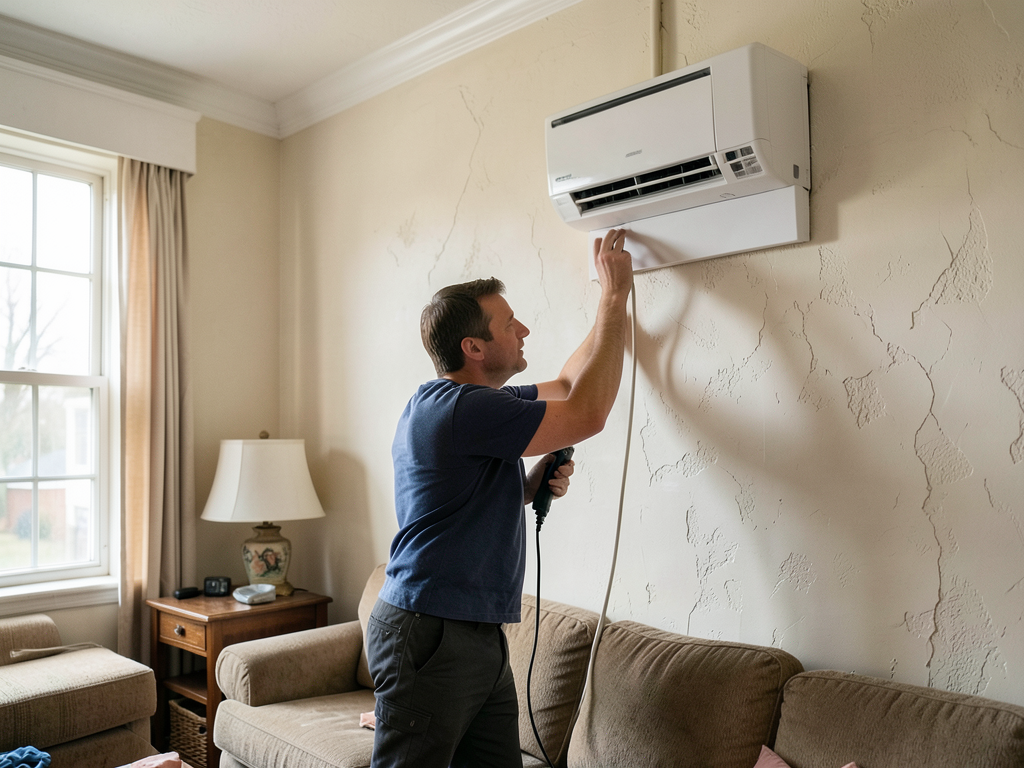
Modern Cooling Options for Vintage Condos in DeMun That Can't Use Window Units Living in a vintage condo in DeMun comes with undeniable charm but also unique cooling challenges. Many of these historic buildings were…
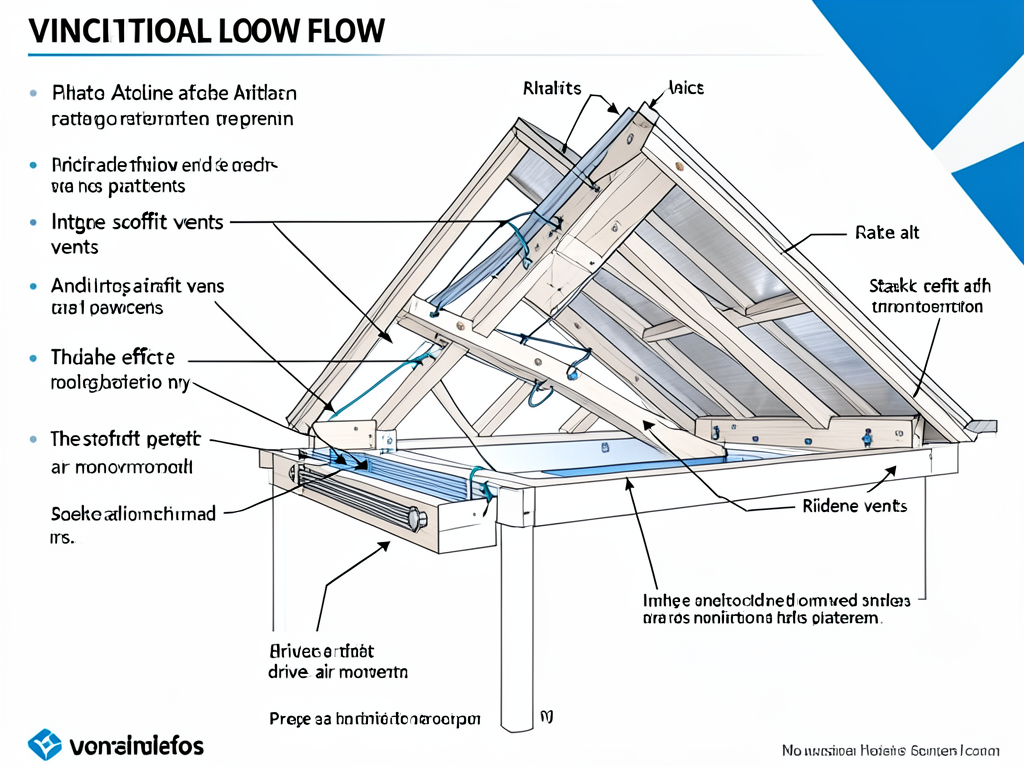
Does Your Maryland Heights Attic Have Enough Ventilation for the Summer Heat? Your Maryland Heights…
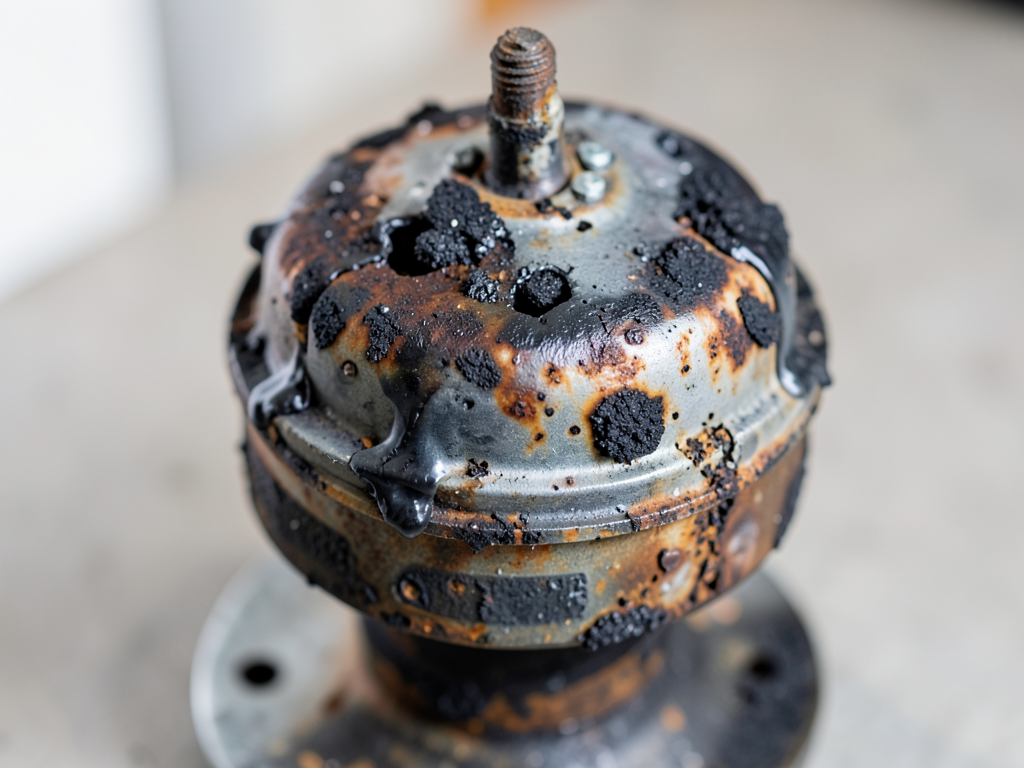
What That Strange Metallic or Burning Plastic Smell from Your Furnace Actually Means If your…
Many Ladue homeowners close vents in unused rooms to save money on energy bills. This…
Your comfort cannot wait. Call Keystone HVAC St. Louis at (314) 417-7771 for same-day emergency service or to schedule maintenance and system replacement. Our dispatch team is standing by to send a technician to your Florissant home today.