
Menu

AC Blowing Warm Air in St. Louis – Expert Diagnosis in Under 2 Hours

When your air conditioner is blowing hot air instead of cold, you need answers fast. Our certified technicians diagnose the root cause of AC Blowing Warm Air quickly and fix it right the first time.

Slider Image 1
Slider Image 2
Slider Image 3
Slider Image 4
Slider Image 5
Slider Image 7
Slider Image 8
Slider Image 9
Slider Image 10
Slider Image 11

Why Your AC Is Blowing Warm Air in St. Louis Homes

You flip the thermostat to cool. The system kicks on. But your ac vents are blowing hot air instead of the cold relief you need.

This is not a minor annoyance in St. Louis. When summer humidity climbs above 70 percent and heat indices push past 100 degrees, a central air blowing warm air creates a health risk. Bedrooms become unbearable. You cannot sleep. Elderly family members struggle. Pets pant in corners.

St. Louis homes face specific challenges. The moisture-heavy air puts constant strain on evaporator coils. Clay soil shifts foundations, which can crimp refrigerant lines over time. Older homes in neighborhoods like Soulard and the Central West End often have undersized ductwork that restricts airflow and causes the compressor to overheat.

When your air conditioning is not blowing cold air, the cause is rarely simple. A frozen evaporator coil looks like an ice problem but signals a deeper airflow restriction. A failing compressor might run constantly but produce zero cooling. Low refrigerant from a slow leak means your ac is running but not cooling, wasting energy while you sweat.

You need a technician who can tell the difference between a dirty filter and a failing capacitor. You need someone who understands how St. Louis humidity accelerates coil corrosion and how our voltage fluctuations during summer storms damage compressor contactors. Guessing costs you money. Proper diagnosis saves it.

Why Your AC Is Blowing Warm Air in St. Louis Homes
How We Diagnose Why Your Air Conditioner Is Blowing Hot Air

How We Diagnose Why Your Air Conditioner Is Blowing Hot Air

We do not guess. We test.

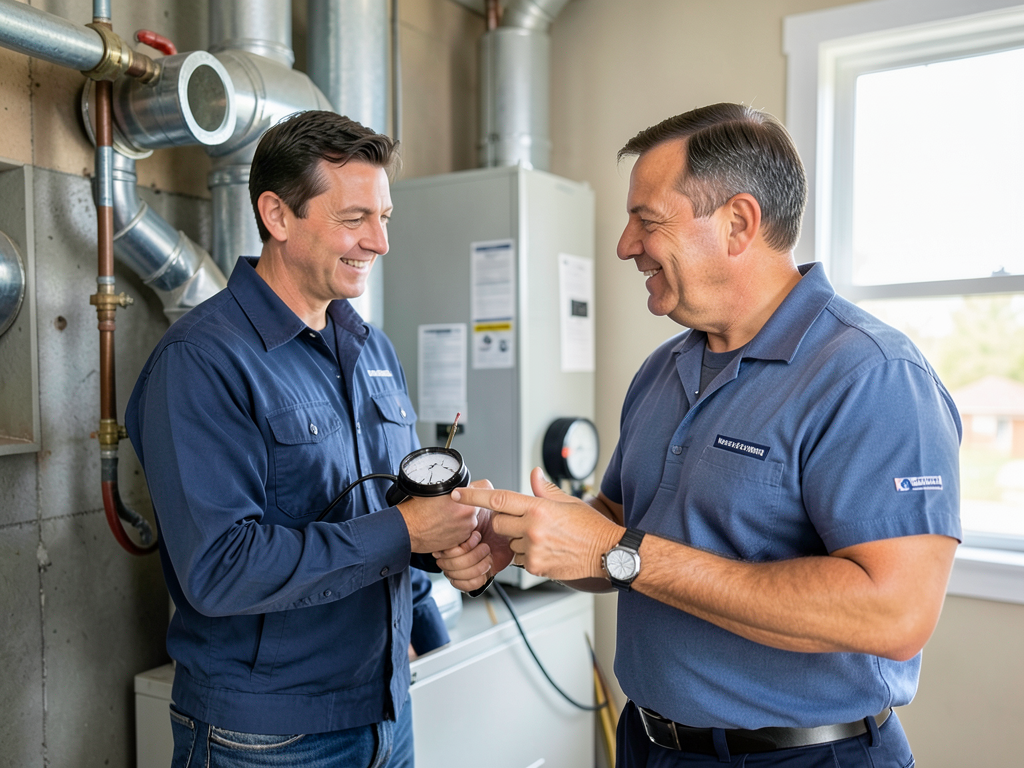
Our diagnostic process starts with a digital manifold gauge set that measures refrigerant pressures on both the low side and high side of the system. If your ac is running but not cooling, we check for subcooling and superheat values to pinpoint whether you have a refrigerant leak, a restriction in the metering device, or a failing compressor.

We inspect the evaporator coil for ice buildup. If the coil is frozen, we identify why airflow is restricted. This could be a clogged filter, a failing blower motor, collapsed ductwork, or closed supply registers. We use an anemometer to measure airflow at each vent to detect imbalances.

We test the compressor contactor, run capacitor, and start capacitor with a multimeter. A weak capacitor will cause the compressor to struggle, overheat, and eventually blow warm air from the vents. We check voltage at the disconnect box because low voltage from the utility during peak summer demand in St. Louis can cause compressor short cycling.

We inspect the outdoor condensing unit for debris, bent fins, and failed fan motors. If the condenser fan is not spinning, the compressor cannot reject heat. The refrigerant stays hot. Your system blows warm air.

We also check the thermostat calibration and wiring. A thermostat losing its connection to the air handler will signal cooling mode but never engage the compressor.

This level of precision is how we find the real problem while others are still swapping parts and hoping.

What Happens When You Call About Warm Air From Your AC

AC Blowing Warm Air in St. Louis – Expert Diagnosis in Under 2 Hours
01

Immediate Phone Diagnosis

When you call about your air conditioner blowing hot air, we ask specific questions to determine urgency and prepare the right tools. We ask if the outdoor unit is running, if you hear unusual sounds, and when the problem started. This helps us arrive prepared with the correct refrigerant, capacitors, or contactors your system likely needs.
02

On-Site System Testing

Our technician arrives with a full set of diagnostic tools. We test refrigerant pressures, airflow velocity, electrical components, and coil temperatures. We check for refrigerant leaks using electronic detectors and UV dye if needed. We measure amp draw on the compressor and blower motor to detect failing components before they strand you in the heat.
03

Clear Repair Plan

You get a written diagnosis with photos if needed. We explain what failed, why it failed, and what it will take to restore cold air. You approve the work before we start. Most repairs for central air blowing warm air are completed the same day. If we need to order a part, we discuss temporary cooling solutions.

Why St. Louis Homeowners Trust Keystone HVAC for AC Repairs

St. Louis has no shortage of HVAC companies. But not all of them understand the specific conditions that damage air conditioners in this region.

We know how the Mississippi River valley traps humidity and accelerates coil corrosion. We know that homes in Kirkwood and Webster Groves often have older ductwork that was never designed for modern high-efficiency systems. We know that the voltage sags during July heat waves cause capacitor failures across the metro area.

We stock parts for the most common St. Louis system failures. When your ac vents are blowing hot air on a 98-degree Saturday, we do not tell you to wait until Tuesday for a part. We carry compressor contactors, run capacitors, blower motors, and refrigerant in every truck.

Our technicians are trained on both older R-22 systems and newer R-410A systems. If you have an older unit that is low on refrigerant, we can source reclaimed R-22 or discuss conversion options. If you have a newer system under warranty, we handle the manufacturer paperwork so you do not pay for covered parts.

We also understand St. Louis building codes. If your system needs a refrigerant line repair, we pull permits and follow city requirements. Unpermitted refrigerant work can void your homeowner's insurance if a leak causes property damage.

You are not hiring a guy with a truck. You are hiring a team that has diagnosed hundreds of air conditioning problems specific to this city.

What You Can Expect When We Fix Your Warm Air Problem

Same-Day Service Availability

We dispatch a technician within two hours for cooling emergencies. If your air conditioner is blowing hot air and temperatures are climbing, we prioritize your call. Most repairs are completed the same day. If we need to order a compressor or air handler, we provide a timeline and discuss temporary cooling options like window units or portable AC to keep you comfortable while we wait for parts.

Transparent Diagnostic Process

You will know exactly what is wrong before we touch a wrench. We show you the failed component. We explain why it failed. We discuss whether repair or replacement makes financial sense based on the age and condition of your system. If your 18-year-old system needs a $1,200 compressor, we will be honest about whether investing in an aging system is wise or if replacement is smarter.

Restored Cold Air Output

Once we complete the repair, we verify proper system operation. We measure supply air temperature at the vents to confirm it is dropping to the correct range. We check refrigerant pressures again to ensure the system is properly charged. We run the system through a full cooling cycle and listen for abnormal sounds. You will feel cold air from every vent before we leave your property.

Post-Repair System Check

We provide a written summary of what we repaired and what to watch for. If we replaced a capacitor, we note the expected lifespan and signs of future failure. If we recharged refrigerant, we document the amount added and advise you to monitor for recurring loss. We offer seasonal maintenance plans that include filter changes, coil cleaning, and refrigerant checks to prevent future warm air problems during peak summer heat.

Frequently Asked Questions

You Have Questions,
We Have Answers

Why is my AC just blowing warm air? +

Your AC blows warm air due to a refrigerant leak, failed compressor, frozen evaporator coil, or dirty air filter restricting airflow. In St. Louis homes, high summer humidity can also cause coils to freeze faster if airflow drops. Thermostat wiring issues or a malfunctioning reversing valve can send warm air instead of cold. Check your filter first. If it looks clean, the problem likely requires a technician to diagnose refrigerant levels or compressor function. Don't wait too long in our humid climate, or you risk secondary damage to components.

Why is my AC running but not cooling? +

An AC running without cooling typically means the compressor failed, refrigerant leaked out, or the evaporator coil froze solid. Your blower fan moves air, but the refrigeration cycle stopped working. In St. Louis, where outdoor units face intense summer heat and spring storm debris, compressor failure from overheating or electrical damage is common. A clogged condensate drain can also shut down the system. Turn off the AC and call a technician. Continuing to run it wastes energy and can damage the blower motor or other components.

What is the 3 minute rule for air conditioners? +

The 3 minute rule prevents compressor damage by delaying restart after shutdown. When your AC turns off, refrigerant pressure between the high and low sides needs time to equalize. Restarting too soon forces the compressor to start under high pressure, which strains the motor and can trip breakers. Most modern thermostats have this delay built in. If you manually cycle your thermostat in St. Louis heat, wait at least three minutes between off and on. Ignoring this rule shortens compressor lifespan and increases repair costs.

How to reset AC not blowing cold air? +

Turn off your AC at the thermostat and wait five minutes. Flip the breaker off for 30 seconds, then back on. This resets the control board and clears minor electronic glitches. Turn the thermostat to cool mode and set it five degrees below room temperature. If cold air returns, you fixed it. If not, check your air filter and outdoor unit for debris. St. Louis storms often knock branches onto condenser units. A true refrigerant or compressor issue needs professional diagnosis. Resetting only works for electronic faults.

Should I turn off the AC if it blows hot air? +

Yes, turn it off. Running an AC that blows hot air wastes electricity and can damage the compressor or blower motor. Hot air means the refrigeration cycle failed, but the fan keeps running. In St. Louis humidity, a failing system can also cause water damage if the condensate drain backs up. Switch the thermostat to off and contact a technician. If your home gets unbearably hot, use fans and close blinds. Continuing to run a broken AC costs you more in energy bills and potential repair expenses.

What are signs of a failing AC compressor? +

A failing compressor makes loud grinding, clicking, or screeching noises from the outdoor unit. You may notice the AC blows warm air or trips breakers frequently. The condenser fan runs, but the compressor stays silent or hums without starting. In St. Louis, compressors fail from electrical surges during summer storms, age, or refrigerant leaks that cause overheating. You might see hard start attempts where lights flicker when the AC tries to turn on. Compressor replacement costs thousands, so verify the diagnosis before approving repairs.

Should I turn off AC if it's not cooling? +

Yes, turn off your AC if it stops cooling. Running it wastes energy and risks damaging the compressor, which works harder trying to achieve the set temperature. A frozen evaporator coil can also cause water damage when it thaws. St. Louis homes with poor insulation may mask the problem longer, but the unit still suffers. Turn the system off and check your air filter and outdoor unit for obvious blockages. Call a technician if cold air does not return after clearing debris. Delaying the call increases repair costs.

What is the $5000 rule for AC? +

The rule suggests replacing your AC if repair costs plus remaining useful life value exceed replacement costs. Multiply the repair estimate by the system age. If that number exceeds five thousand, replacement makes financial sense. For example, a twelve-year-old AC needing a $500 compressor equals $6,000, so replace it. St. Louis heat and humidity shorten AC lifespan, and units over ten years old often need frequent repairs. Newer systems also cut energy bills significantly. This rule helps you avoid throwing money at a dying unit.

How to tell if AC is low on refrigerant? +

Low refrigerant causes weak airflow, ice buildup on refrigerant lines or evaporator coil, hissing sounds near the outdoor unit, and higher electric bills. Your AC runs longer without cooling the house. In St. Louis homes, you might notice the system struggles more on humid days. Refrigerant does not deplete naturally, so low levels mean a leak exists. A technician must find and repair the leak before recharging the system. Simply adding refrigerant without fixing the leak wastes money and harms the environment.

How cool should my house be if it's 100 outside? +

Your AC should keep your home 15 to 20 degrees cooler than outside temperature. If it is 100 degrees in St. Louis, expect indoor temps around 80 to 85 degrees. Units cannot overcome that temperature gap, especially during peak afternoon heat. High humidity also makes cooling harder. If your home exceeds 85 degrees, check your air filter, ensure vents stay open, and close blinds on sun-facing windows. Older or undersized units struggle more. Expecting 70 degrees when it is 100 outside overworks your system and shortens its life.

How St. Louis Humidity Accelerates AC Failures That Cause Warm Air

St. Louis sits at the confluence of the Mississippi and Missouri rivers. This creates a moisture-heavy environment that places constant stress on air conditioning systems. When humidity levels stay above 60 percent for weeks at a time, evaporator coils work overtime to remove moisture from the air. This leads to faster coil corrosion, clogged condensate drains, and increased risk of frozen coils. A frozen coil blocks airflow, which causes your ac to run but not cool. Homes near Forest Park or along the riverfront in Soulard see even higher humidity infiltration, which accelerates these failures. If your air conditioning is not blowing cold air, moisture-related damage is often the root cause.

St. Louis also experiences significant temperature swings between spring and fall. A system that runs flawlessly in May can fail by July when sustained heat and humidity push components past their limits. Local HVAC companies that understand these seasonal stress patterns can predict failure points before they strand you in 100-degree heat. Keystone HVAC has been diagnosing St. Louis AC problems for years. We know which neighborhoods have older electrical panels that cannot handle modern AC loads. We know which brands hold up better in high-humidity climates. Choosing a local team means choosing someone who knows your home faces challenges a technician from Kansas City or Chicago would miss.
HVAC Services in The St. Louis Area

Our service area spans across the St. Louis metropolitan area and surrounding communities. We’re dedicated to bringing our top-quality HVAC services directly to your doorstep. Use the map to see our coverage and feel free to contact us with any questions about whether we can service your specific location. We’re always here to help you find the comfort solutions you need.

Address:
Keystone HVAC St. Louis, 4452 Manchester Ave, St. Louis, MO, 63110

Additional Services We Offer

Our news updates

Latest Articles & News from The Blogs

Does Your Maryland Heights Attic Have Enough Ventilation for the Summer Heat? Your Maryland Heights attic can reach 150°F on…

Does Your Maryland Heights Attic Have Enough Ventilation for the Summer Heat?

Does Your Maryland Heights Attic Have Enough Ventilation for the Summer Heat? Your Maryland Heights attic can reach 150°F on…

What That Strange Metallic or Burning Plastic Smell from Your Furnace Actually Means

What That Strange Metallic or Burning Plastic Smell from Your Furnace Actually Means If your furnace smells like burning plastic…

Why Closing Vents in Unused Rooms Is Actually Hurting Your Ladue Home

Many Ladue homeowners close vents in unused rooms to save money on energy bills. This common practice seems logical at…

Contact Us

Your air conditioner should blow cold air, not hot air. Call Keystone HVAC St. Louis now at (314) 417-7771 for same-day diagnostics and repair. We arrive ready to fix the problem, not guess at it.