Menu

Importance of Air Filter Changes in St. Louis – Protect Your System and Indoor Air Quality Year-Round

Regular air filter replacement keeps your HVAC system running efficiently through St. Louis's humid summers and cold winters while preventing costly breakdowns and maintaining healthy indoor air for your family.

Slider Image 1
Slider Image 2
Slider Image 3
Slider Image 4
Slider Image 5
Slider Image 7
Slider Image 8
Slider Image 9
Slider Image 10
Slider Image 11

Why Air Filter Changes Matter More in St. Louis's Climate

St. Louis's high humidity levels and dramatic seasonal temperature swings create the perfect environment for air quality problems inside your home. When outdoor humidity regularly tops 70 percent during summer months, your HVAC system works overtime to maintain comfortable indoor conditions. That extra workload means your air filter traps more moisture, pollen, and particulates than systems in drier climates.

The benefits of changing air filters become obvious when you understand what happens when you skip this simple maintenance task. A clogged filter forces your blower motor to work harder, drawing more electricity and creating strain on components that can lead to premature failure. In neighborhoods near the Mississippi River or areas with older tree canopy like the Central West End, airborne debris accumulates faster in your filter media.

The significance of air filter replacement extends beyond just system performance. Dirty filters cannot trap allergens, mold spores, and dust mites that thrive in our humid environment. These particles recirculate through your ductwork and into the rooms where your family sleeps and breathes. The impact of dirty air filters shows up in increased allergy symptoms, respiratory issues, and poor sleep quality.

Why replace HVAC filters on schedule? Your system's longevity depends on consistent airflow across the evaporator coil. When restricted airflow causes that coil to freeze, you face expensive repairs that a five-minute filter change would have prevented. Reasons for changing AC filters include preventing compressor failure, reducing energy bills by up to 15 percent, and maintaining manufacturer warranty requirements that often mandate quarterly filter changes.

Why Air Filter Changes Matter More in St. Louis's Climate
How Filter Quality and Replacement Frequency Affect Your System

How Filter Quality and Replacement Frequency Affect Your System

Not all filters provide the same level of protection or restriction. The MERV rating system measures a filter's ability to capture particles between 0.3 and 10 microns. A MERV 8 filter captures dust, pollen, and lint but allows smaller particles through. MERV 11 to 13 filters trap pet dander, smoke, and bacteria while maintaining adequate airflow for residential systems.

Your ductwork design and system capacity determine which MERV rating works best. Installing a MERV 16 hospital-grade filter in a standard residential system creates excessive static pressure that starves your blower motor and reduces airflow across your heat exchanger. This restriction causes your furnace to overheat and trip the limit switch, leading to short cycling that wears out components faster than dirty filters ever would.

Filter replacement frequency depends on multiple factors specific to your home. Homes with pets need monthly changes due to dander and fur accumulation. If you live near construction sites in developing areas like Ballwin or Wildwood, airborne dust loads your filter faster than homes in established neighborhoods. Homes with occupants who have asthma or allergies benefit from more frequent changes regardless of visible dirt.

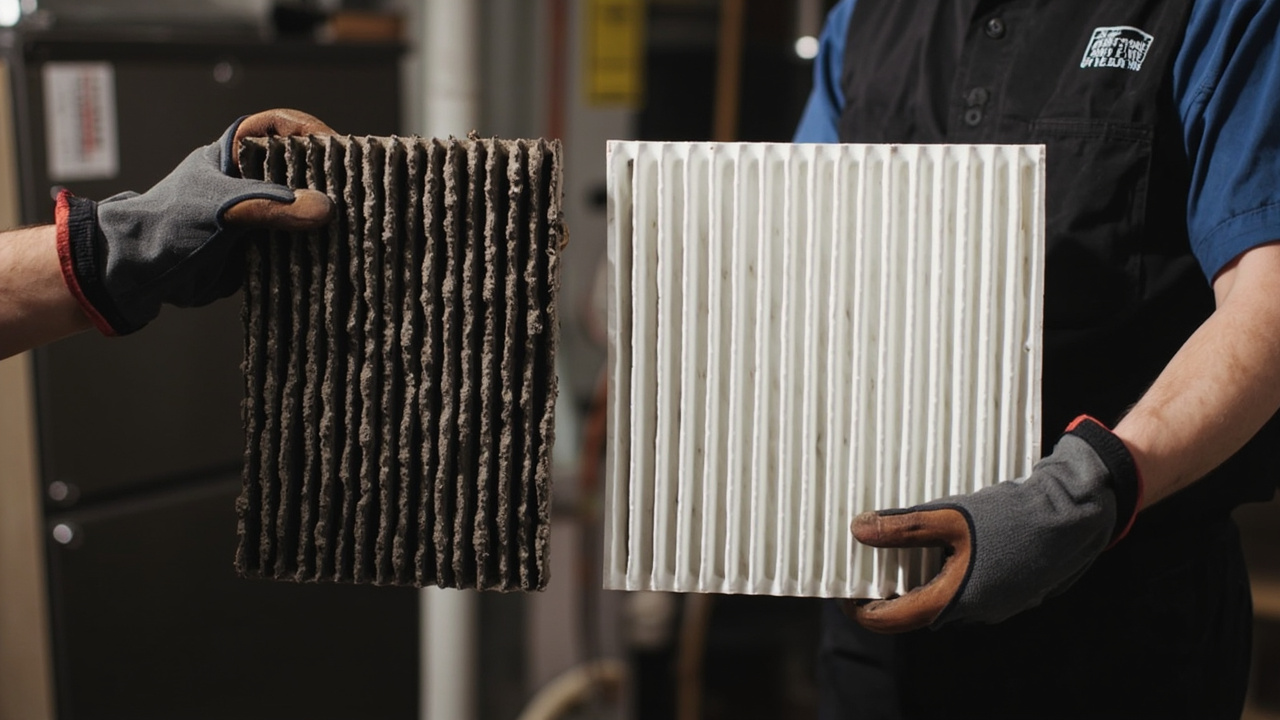
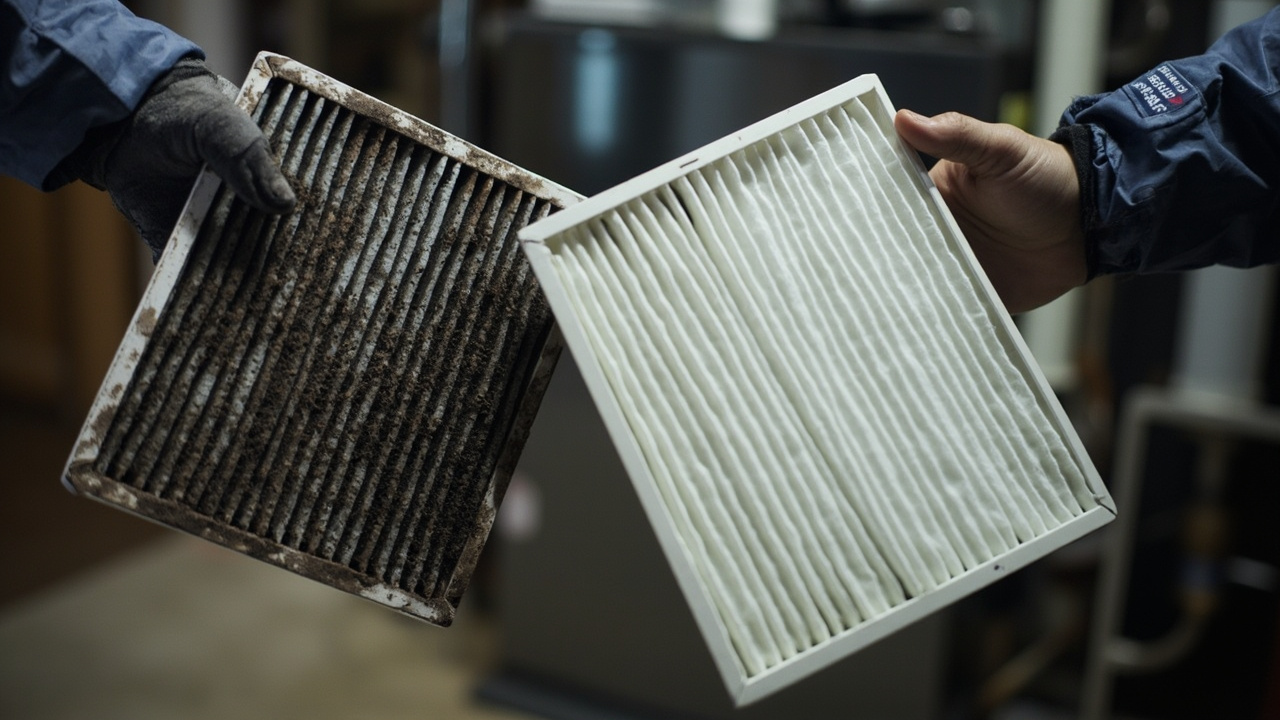
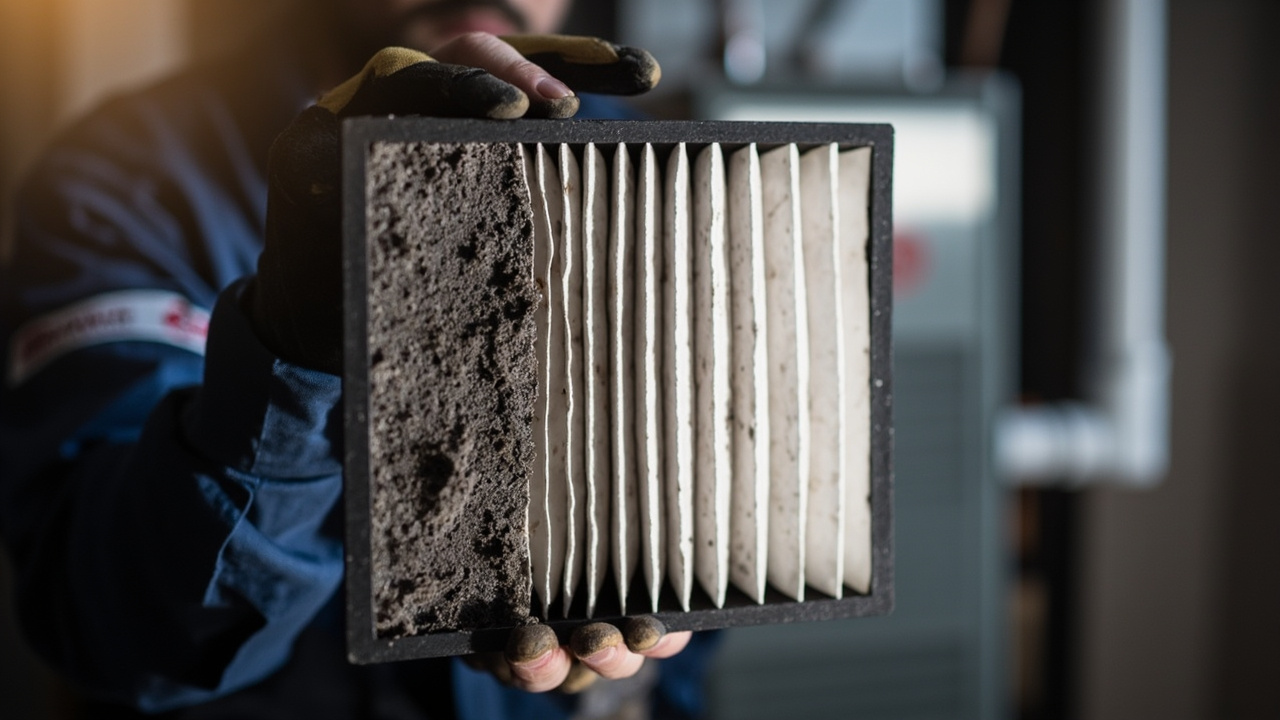
Keystone HVAC St. Louis recommends checking your filter monthly by holding it up to light. If you cannot see light passing through the media, airflow restriction has reached the point where system efficiency drops. The filter frame design matters too. Cardboard frames absorb moisture in our humid climate and collapse, allowing unfiltered air to bypass the media and coat your evaporator coil with debris that requires professional cleaning to remove.

What Happens During a Filter Assessment and System Check

Importance of Air Filter Changes in St. Louis – Protect Your System and Indoor Air Quality Year-Round
01

Current Filter Inspection

We remove your existing filter and examine the media loading, frame integrity, and fit within the return plenum. Heavy debris on the intake side confirms restricted airflow. We check for bypass gaps around the frame where unfiltered air enters your system. We measure your return plenum dimensions to verify you are using the correct filter size rather than forcing an undersized filter into the slot.
02

Airflow and Pressure Testing

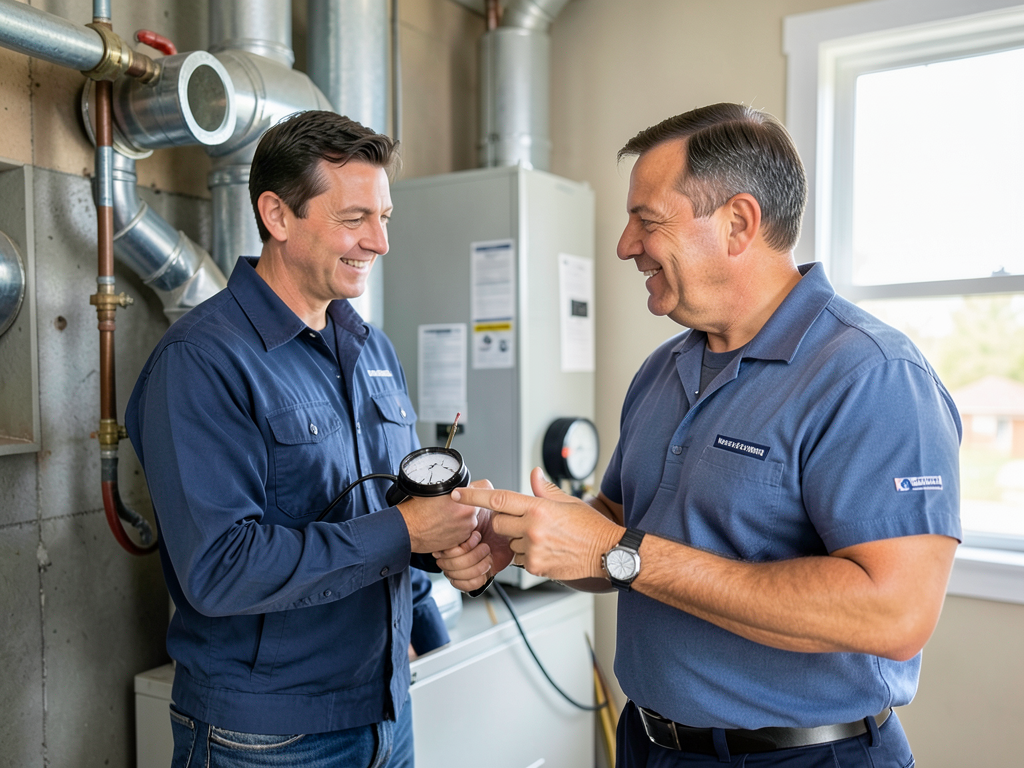
Using a manometer, we measure static pressure across your blower to determine if your current filter creates excessive restriction. We calculate your system's actual CFM against manufacturer specifications to identify airflow deficiencies. We inspect your evaporator coil for dirt accumulation that indicates past filter bypass or deferred maintenance. This diagnostic work reveals whether you need filter upgrades or ductwork modifications to support higher MERV ratings.
03

Filter Recommendation and Schedule

Based on your system capacity, ductwork design, and indoor air quality goals, we recommend the optimal filter type and replacement schedule. We explain the performance difference between pleated filters, electrostatic filters, and media cabinets for homes requiring superior filtration. We can set up reminder notifications or service plans that include regular filter delivery so you never miss a change that protects your investment.

Why St. Louis Homeowners Trust Local HVAC Expertise

Understanding local conditions separates competent HVAC service from generic advice. St. Louis homes built before 1970 often have undersized return ductwork that cannot support high-efficiency filters without modification. We recognize these limitations and recommend solutions that improve filtration without compromising system performance.

Our familiarity with local construction practices helps us identify common issues. Homes in South County with finished basements often have return registers that pull air from unconditioned crawlspaces, introducing moisture and musty odors that cheaper filters cannot address. We know which neighborhoods battle oak pollen in spring and ragweed in fall, allowing us to recommend seasonal filter upgrades that target specific allergens when they peak.

The Missouri energy code requires minimum MERV 8 filtration in new construction, but older homes were not designed for this level of restriction. We evaluate your existing system before recommending filter upgrades that could void your equipment warranty or cause premature failure. This local knowledge prevents the costly mistakes that result from following generic internet advice.

Keystone HVAC St. Louis technicians understand that filter changes connect to broader system health. When we replace your filter, we check your condensate drain for algae growth common in our humid climate. We verify your thermostat maintains proper temperature differential and inspect electrical connections at your air handler. This comprehensive approach catches small problems before they become emergency repairs.

We stock filters in all standard sizes plus custom dimensions for older homes with non-standard return grilles. When you need a replacement, we deliver the correct filter rather than forcing you to compromise with whatever the big box store has in stock.

What to Expect from Professional Filter Service

Same-Day Filter Replacement Available

We keep common filter sizes on our trucks for immediate replacement during service calls. If you discover a clogged filter and need same-day service, we can typically arrive within hours rather than days. For custom sizes or specialty filters, we source and deliver within 24 hours. Our service does not end with handing you a filter. We install it properly, check the seal around the frame, and verify your system operates correctly with restored airflow.

Complete System Airflow Assessment

Filter replacement provides an opportunity to evaluate your entire air distribution system. We measure supply register airflow in each room to identify ductwork problems or damper issues that reduce comfort. We check your blower wheel for dirt buildup that indicates filter bypass. We inspect your return air pathways to ensure adequate air reaches your system. This assessment often reveals efficiency improvements beyond simple filter changes, like sealing duct leaks that waste conditioned air in your attic or crawlspace.

Measurable Performance Improvement

After installing your new filter, we document your system's operating parameters. We measure supply air temperature, return air temperature, and calculate temperature differential to confirm proper refrigerant charge and airflow. We record amp draw on your blower motor and compressor to establish baseline performance for future comparison. You receive documentation showing how filter replacement restored your system to design specifications, giving you confidence the work improved efficiency and reliability.

Ongoing Filter Management Plans

We offer filter subscription services that deliver replacement filters to your door on the schedule your system requires. You choose monthly, quarterly, or custom intervals based on your home's specific needs. We maintain records of your filter size, MERV rating preference, and delivery schedule so you never need to measure your return grille or wonder when the last change occurred. For clients who prefer hands-off maintenance, we provide scheduled service visits where our technicians change your filter and perform a brief system check to catch potential issues early.

Frequently Asked Questions

You Have Questions,
We Have Answers

What happens if you don't change your air filter? +

Skipping air filter changes forces your HVAC system to work harder, reducing airflow and straining the blower motor. In St. Louis, where humidity and seasonal pollen are high, a clogged filter traps moisture and allergens, leading to mold growth inside your ductwork. You'll see higher energy bills, uneven heating or cooling, and potential system failure. The compressor can overheat when airflow is restricted. Dust circulates back into your home, aggravating allergies and asthma. Long-term neglect shortens your system's lifespan by years and can void manufacturer warranties. Regular filter changes prevent expensive repairs and keep indoor air quality safe.

Why is it important to change your air filters? +

Changing air filters protects your HVAC system and your health. A clean filter removes dust, pollen, mold spores, and pet dander from circulating air. In St. Louis, high humidity and Mississippi River proximity increase airborne particles that clog filters faster. A fresh filter maintains proper airflow, preventing the blower motor and compressor from overworking. This reduces energy consumption and lowers monthly utility bills. Regular changes extend your equipment's lifespan and prevent breakdowns during extreme heat or cold. For families with allergies or respiratory conditions, clean filters reduce indoor pollutants. It's the simplest maintenance task with the biggest impact on comfort and cost.

Does changing the air filter improve performance? +

Yes. A new air filter immediately improves airflow, allowing your HVAC system to distribute conditioned air efficiently. When airflow is unrestricted, the blower motor uses less energy and the compressor cycles properly. You'll notice faster temperature adjustments and more consistent comfort room to room. In St. Louis, where summer heat and winter freezes demand peak performance, a clean filter prevents your system from running constantly. Energy efficiency improves, lowering your utility bills. The evaporator coil stays cleaner, maintaining heat exchange capacity. Performance gains are measurable within the first day. Neglecting this simple step forces your system to compensate, wasting energy and money.

Will I notice a difference with a new air filter? +

Most homeowners notice improved airflow and temperature consistency within hours of installing a new filter. Rooms that felt stuffy or unevenly heated suddenly feel balanced. Dust buildup on vents and furniture decreases noticeably over the next week. If you have allergies, symptoms like sneezing or congestion often improve as fewer particles circulate. In St. Louis homes with older ductwork or pets, the difference is dramatic. Your system runs quieter because the blower motor isn't straining. Energy bills drop slightly over the billing cycle. If you don't notice any difference, your filter may not have been the problem, or ductwork issues exist. Regular changes make these benefits permanent.

Can I just clean my air filter instead of replacing it? +

It depends on the filter type. Disposable fiberglass or pleated filters must be replaced, not cleaned. Washing them damages the media and reduces filtration effectiveness. Reusable electrostatic or washable filters can be cleaned with water and mild soap, then fully dried before reinstalling. However, cleaning never restores 100% of the original filtering capacity. In St. Louis, where pollen and humidity accelerate debris buildup, disposable filters are more reliable and affordable. Even washable filters wear out after repeated cleaning cycles. If you choose reusable filters, inspect them carefully for tears or compression. Most HVAC professionals recommend disposable filters for consistent performance and convenience.

What is the $5000 rule for AC? +

The 5000 dollar rule is a repair-versus-replace guideline for aging air conditioners. Multiply the system's age by the repair cost. If the total exceeds 5000, replacement is usually smarter than repair. For example, a 12-year-old unit needing an 800 dollar compressor repair equals 9600, suggesting replacement makes financial sense. In St. Louis, where humidity stresses older systems and energy costs climb, this rule helps avoid throwing money at failing equipment. A new high-efficiency system pays for itself through lower bills and fewer breakdowns. This guideline accounts for diminishing returns on older technology. Always get a second opinion before major repairs.

How St. Louis River Valley Humidity Affects Filter Performance and Replacement Needs

Our proximity to the Mississippi and Missouri Rivers creates persistent humidity that challenges HVAC filtration. Summer dew points regularly reach 70 degrees, causing moisture to condense on cold evaporator coils and saturate filter media faster than in arid climates. This moisture becomes a breeding ground for mold and bacteria that degrade indoor air quality. Filters in St. Louis homes accumulate biological growth that reduces their effective service life by 30 to 40 percent compared to manufacturer estimates based on dry climate testing. The impact of dirty air filters compounds during our muggy summers when your AC runs constantly, pulling humid outdoor air through an increasingly clogged filter that restricts the airflow you need for proper dehumidification.

Local HVAC professionals understand these environmental factors and adjust maintenance recommendations accordingly. We recognize that homes in flood-prone areas near River des Peres or in low-lying sections of South City face higher humidity levels that require more frequent filter changes. Our familiarity with St. Louis's mixed housing stock means we know which homes have adequate return air pathways and which require ductwork modifications before upgrading to higher MERV filters. This local expertise prevents the common mistake of installing restrictive filters in systems that cannot support them, protecting you from the compressor failures and frozen coils that result from inadequate airflow.
HVAC Services in The St. Louis Area

Our service area spans across the St. Louis metropolitan area and surrounding communities. We’re dedicated to bringing our top-quality HVAC services directly to your doorstep. Use the map to see our coverage and feel free to contact us with any questions about whether we can service your specific location. We’re always here to help you find the comfort solutions you need.

Address:
Keystone HVAC St. Louis, 4452 Manchester Ave, St. Louis, MO, 63110

Additional Services We Offer

Our news updates

Latest Articles & News from The Blogs

How Painting Your Historic Soulard Radiators Could Be Impacting Your Heating Efficiency Painting your cast iron radiators in Soulard’s historic…

How Painting Your Historic Soulard Radiators Could Be Impacting Your Heating Efficiency

How Painting Your Historic Soulard Radiators Could Be Impacting Your Heating Efficiency Painting your cast iron radiators in Soulard’s historic…

Does Your New Radon Mitigation System Affect HVAC Performance in Your Glendale Home?

Does Your New Radon Mitigation System Affect HVAC Performance in Your Glendale Home? Radon mitigation systems and HVAC performance connect…

Finding the Safest and Most Consistent HVAC Settings for Your New Baby’s Nursery in Kirkwood

Finding the Safest and Most Consistent HVAC Settings for Your New Baby’s Nursery in Kirkwood New parents in Kirkwood need…

Contact Us

Do not let a clogged filter damage your HVAC system or compromise your indoor air quality. Call Keystone HVAC St. Louis at (314) 417-7771 now to schedule filter replacement and a complete airflow assessment. We will restore your system's efficiency and help you breathe easier.