


Clayton sits in the humid continental climate zone where summers push systems to their limits and winters demand reliable heat. The St. Louis metropolitan area experiences temperature swings that stress HVAC equipment more than moderate climates. Summer humidity levels regularly exceed 70 percent, forcing air conditioners to work harder removing moisture while cooling homes. This extra load shortens compressor life and drives up energy costs.
Winter temperatures drop below freezing for extended periods, creating stress on heat exchangers and ignition systems. Clay soil common throughout St. Louis County expands and contracts with moisture changes, which can shift ductwork connections in crawl spaces and basements. These shifts create air leaks that waste conditioned air and force systems to run longer cycles.
The older housing stock in neighborhoods like Demun and downtown Clayton often features original ductwork that was sized for less efficient systems. When homeowners upgrade to modern high-efficiency equipment, undersized ducts restrict airflow and reduce performance. Local building codes now require proper load calculations and duct sizing, but many existing homes still operate with outdated configurations that cost money every month.
Keystone HVAC St. Louis has built its reputation on showing up when promised and fixing problems completely. We serve Clayton with technicians who live in the area and understand the specific challenges St. Louis County homes face. Our trucks carry extensive parts inventory because we know that getting your system running today matters more than saving a few dollars on parts markup.
Every technician completes ongoing training on current refrigerant regulations, load calculation methods, and diagnostic procedures. We do not send apprentices to complex calls. The person who arrives at your door has the knowledge to identify problems quickly and explain your options clearly. You will never receive a vague diagnosis or feel pressured into unnecessary replacements.
Our approach focuses on extending equipment life through proper maintenance and accurate repairs. Many HVAC companies push replacement because it generates higher revenue. We recommend replacement only when repair costs approach 50 percent of replacement value or when efficiency improvements will recover the investment through lower utility bills. This honest assessment has earned us referrals from satisfied customers throughout Clayton, Ladue, and Richmond Heights.
We coordinate with local building inspectors and pull proper permits for installation work. You will never face compliance issues or insurance problems from unpermitted work. Our installations meet or exceed manufacturer specifications, which protects your warranty and ensures optimal performance. When we complete a job, it passes inspection the first time.

We keep trucks ready for emergency dispatch throughout Clayton and surrounding areas. Most emergency calls receive response within two hours. Our technicians carry common repair parts to complete fixes on the first visit. You will not wait days in uncomfortable conditions while parts get ordered. Night and weekend calls receive the same priority as weekday service.

Every repair receives a firm price quote before work begins. We diagnose the problem, explain what failed and why, then provide a written estimate. No surprise charges appear on your final bill. If we discover additional issues during repairs, we stop and discuss options before proceeding. You control the decisions about your home comfort system.
Missouri requires HVAC technicians to hold proper licensing for refrigerant handling and system installation. All Keystone technicians maintain current EPA certifications and complete manufacturer training on equipment we install. This expertise means accurate diagnostics, proper repairs, and installations that perform as designed. Licensing protects you from liability and ensures work quality meets professional standards.
We have worked in Clayton homes for years and understand the mix of historic properties and newer construction. Our technicians recognize common issues in different home styles and know which solutions work best for various building types. This local experience means faster diagnosis and repairs that address root causes rather than symptoms.
Keystone HVAC St. Louis handles everything from emergency breakdowns to planned system replacements. Our service range covers all aspects of heating and cooling because home comfort systems work as integrated units. A problem with ductwork affects AC performance. Thermostat issues can mimic equipment failure. We diagnose the complete system to find actual problems rather than treating symptoms.
Our repair services restore function to failed components using quality parts and proper installation techniques. We maintain relationships with equipment manufacturers to access technical support when diagnosing complex issues. Installation services include proper sizing calculations, duct design, and permit coordination. We also offer maintenance programs that catch problems before they cause breakdowns. Regular service extends equipment life and maintains efficiency.
System failures do not wait for business hours. We provide round the clock emergency response for AC breakdowns, furnace failures, and total system malfunctions. Our emergency technicians carry diagnostic equipment and common repair parts to fix most problems on the first visit. You receive the same quality work at 2 AM as you would during regular hours. Emergency calls get prioritized for rapid dispatch because we understand that losing heat or cooling creates genuine hardship for families and businesses.
Installing new HVAC equipment requires careful planning and precise execution. We perform Manual J load calculations to size equipment correctly for your home. Oversized units short cycle and waste energy. Undersized units run constantly and never achieve comfort. Our installations include duct evaluation, proper refrigerant charging, and airflow verification. We coordinate inspections with local building departments and handle all permit requirements. Every installation receives startup verification and performance testing to confirm the system operates as designed.
Regular maintenance prevents most emergency breakdowns and extends equipment life significantly. Our maintenance visits include cleaning coils, checking refrigerant levels, testing electrical connections, and verifying safety controls. We identify worn components before they fail and recommend repairs when needed. Maintained systems use less energy and provide more consistent comfort. Most manufacturers require annual professional maintenance to keep warranties valid. Our maintenance programs schedule service automatically so you never miss the recommended service intervals that protect your investment.
Clayton homes experience specific comfort problems driven by local climate conditions and housing characteristics. High humidity during summer months creates moisture problems that poor air circulation makes worse. Winter heating demands stress aging furnaces and heat pumps. The mix of older homes and newer construction means HVAC systems range from original equipment to modern high-efficiency installations.
Many Clayton homeowners discover efficiency problems only when utility bills spike. Others notice uneven temperatures between floors or rooms. These symptoms often indicate ductwork issues, undersized equipment, or failing components. Addressing problems early prevents expensive emergency repairs and reduces monthly operating costs. Understanding common issues helps homeowners recognize when professional service is needed rather than waiting until complete system failure occurs.
Air conditioners remove humidity while cooling, but oversized units or short cycling prevents proper dehumidification. You feel clammy even when the thermostat shows your target temperature. This problem damages wood floors, promotes mold growth, and makes homes uncomfortable. Proper equipment sizing and adequate run times solve most humidity issues. Variable speed systems provide better humidity control than single stage equipment in our climate.
Some rooms stay hot while others freeze. This common problem results from duct design issues, air leaks, or improper damper settings. Rooms above garages or over crawl spaces often show the biggest temperature variations. Duct sealing and proper insulation address most distribution problems. Zoning systems provide another solution for homes with significant temperature differences between areas. Identifying the root cause requires complete system evaluation.
Systems that run constantly never achieve set temperature, which drives up utility costs and stresses equipment. Refrigerant leaks, dirty coils, or undersized equipment cause this problem. Short cycling indicates oversized equipment, thermostat issues, or electrical problems. Both conditions waste energy and shorten equipment life. Diagnostic testing identifies the specific cause so repairs address the actual problem rather than symptoms.
Monthly utility costs that increase without explanation usually indicate declining HVAC efficiency. Dirty filters restrict airflow and force systems to work harder. Refrigerant leaks reduce cooling capacity. Aging equipment simply uses more energy to produce the same comfort. Duct leaks waste conditioned air in attics and crawl spaces. An efficiency evaluation identifies which factors are driving costs up and what solutions provide the best return on investment.
We designed our service process to reduce stress and deliver results quickly. When you call about an HVAC problem, you speak with someone who understands home comfort systems and can assess urgency. We ask questions about symptoms to help technicians arrive prepared with likely parts. You receive a firm appointment window, not an all-day wait.
Our technicians call when they are on the way and arrive in marked vehicles with your scheduled appointment confirmed. They protect your floors with shoe covers and respect your home. Diagnosis happens methodically using proper test equipment rather than guessing. You receive a clear explanation of what failed, why it happened, and what repair options make sense. Work begins only after you approve the quoted price.
You will never wonder what is happening with your repair. Our technicians explain findings in plain language and show you failed components when possible. If your situation requires parts we do not carry, we provide accurate timelines for ordering and return visits. You receive text or call updates about appointment times and any changes to the schedule. After service completes, we review what was done and answer questions about operating your system efficiently.
We arrive during your scheduled window and complete work efficiently without rushing. Our technicians use drop cloths and clean up completely before leaving. You will not find mud tracked through your house or parts debris left behind. We understand that having service work done disrupts your day, so we minimize that disruption through preparation and professionalism. Your time matters, and we protect it by showing up when promised and working efficiently.
Every repair includes a warranty on parts and labor. If the same problem returns within the warranty period, we fix it at no charge. Our goal is solving problems permanently rather than generating repeat calls. We follow up after major repairs to confirm your system is performing properly. If you have questions or concerns after we leave, you can reach someone who will address the issue promptly. Your satisfaction matters more than rushing to the next call.
We simplified our process to get your system working quickly without surprises. Every call follows the same basic structure so you know what to expect from first contact through completion.
When you call, we gather information about your problem and schedule a technician. Emergency calls receive priority dispatch. Standard service calls get firm appointment windows, usually same day or next day depending on schedule availability. Your technician calls when they are on the way and arrives prepared with common parts and diagnostic equipment. We respect your time with reliable scheduling and prompt arrival within the promised window.
Your technician inspects the system thoroughly and tests components to identify the actual problem. You receive a clear explanation of what failed and why. We provide a written estimate before starting repairs. If we find additional issues during diagnosis, we discuss them and let you decide how to proceed. No work happens without your approval. You stay in control of decisions about your comfort system and how much to spend.
After you approve the estimate, we complete repairs using quality parts and proper installation techniques. Work gets done right the first time because our technicians have the skills and tools to handle complex repairs. We test the system thoroughly after repairs to confirm proper operation. You receive documentation of work completed and recommendations for maintaining your system. We clean up completely and review everything before leaving your home.
Professional HVAC work in Clayton must meet multiple code requirements and industry standards. The International Mechanical Code adopted by St. Louis County governs installation practices, duct sizing, and ventilation requirements. Missouri requires specific licensing for anyone handling refrigerants, and EPA regulations control refrigerant recovery and charging procedures. These requirements exist to protect homeowners and ensure systems operate safely.
Manual J load calculations are required for new installations to determine proper equipment size. This calculation accounts for insulation levels, window area, orientation, and internal heat sources. Skipping this step results in oversized or undersized equipment that wastes energy and fails to maintain comfort. Manual D duct design ensures adequate airflow to each room based on calculated heating and cooling loads.
Refrigerant charging requires precise measurement rather than rule of thumb methods. Undercharged systems waste energy and fail to cool properly. Overcharged systems damage compressors and create high operating pressures. Proper charging uses superheat and subcooling measurements specific to each system type and ambient conditions. Digital manifolds and temperature probes provide the accuracy needed for optimal performance.
Electrical connections must meet National Electrical Code requirements for wire sizing, disconnect location, and overcurrent protection. HVAC systems draw significant amperage, especially during startup. Undersized wiring creates fire hazards and nuisance breaker trips. Proper installations include correctly sized disconnect switches within sight of equipment and appropriate circuit breaker sizing at the panel.
Manual J calculations determine proper equipment size based on your home's specific characteristics. This engineering analysis accounts for insulation, windows, ceiling height, and orientation. Proper sizing prevents short cycling in oversized units and constant running in undersized equipment. Every installation should begin with accurate load calculations rather than matching existing equipment size or using square footage rules of thumb.
HVAC system costs vary based on equipment efficiency, system complexity, and installation requirements. Higher SEER ratings cost more upfront but reduce monthly operating expenses. Ductwork modifications, electrical upgrades, and permit fees add to total investment. Quality installation matters more than equipment brand for long-term performance. Proper sizing, refrigerant charging, and airflow verification determine whether systems deliver rated efficiency.
Complete system replacement typically requires one to two days depending on complexity. Simple changeouts on existing pads with good ductwork finish faster. Installations requiring ductwork modifications, electrical upgrades, or structural access take longer. Weather affects outdoor work during installation. We schedule inspections promptly and coordinate with building departments to prevent delays. You receive realistic timelines upfront rather than optimistic estimates.
St. Louis County requires permits for HVAC system replacement and major modifications. Permit fees cover plan review and inspection to verify code compliance. Inspections protect you by confirming proper installation, adequate combustion air, and correct venting. Unpermitted work can affect home sale, void equipment warranties, and create insurance problems. We handle all permit applications and coordinate inspection scheduling as part of installation service.
This video explains HVAC service considerations for Clayton Missouri homeowners, covering common system problems related to local climate conditions, proper repair versus replacement decisions, and what to expect from professional service. The content addresses air conditioning repair, furnace service, system installation requirements, and maintenance practices that extend equipment life. Viewers learn about code requirements, load calculations, refrigerant handling, and ductwork issues specific to Clayton area homes.
Keystone HVAC St. Louis serves Clayton and the surrounding St. Louis County area with comprehensive heating and cooling services. Our service area extends throughout the Clayton neighborhoods including Demun, downtown Clayton near the Centene Plaza, and the residential areas surrounding Shaw Park. We regularly work in homes near the Clayton Business District and the neighborhoods surrounding Forest Park.
Our technicians know the housing stock throughout Richmond Heights and Maplewood where many homes date to the early 1900s and present unique ductwork challenges. We serve Brentwood and Rock Hill where post-war homes often need system upgrades to handle modern efficiency equipment. The University City area keeps us busy with both residential service and light commercial work for small businesses along Delmar Boulevard.
HVAC needs vary across different parts of the Clayton area. Older homes in Demun and the central Clayton neighborhoods often have gravity furnaces or outdated ductwork that requires careful modification during system replacement. Newer construction in areas near the Clayton boundary generally has modern forced air systems but may suffer from builder-grade equipment that underperforms. Historic homes near Forest Park require careful planning to add central air conditioning without compromising architectural details.
The mix of single family homes, townhomes, and small commercial buildings means we handle diverse HVAC challenges daily. Multi-story homes common throughout Clayton require proper zoning or careful duct balancing to maintain consistent temperatures between floors. We understand how different construction types affect heating and cooling performance. Our service vehicles cover the entire Clayton area quickly, with most calls receiving same-day or next-day service regardless of location. We maintain our response times through efficient routing and adequate technician staffing across the St. Louis County service area.
HVAC replacement expenses in Clayton depend on your home size, equipment efficiency, and system type. A complete system for an average Clayton home includes the outdoor unit, indoor components, labor, and necessary modifications. Higher efficiency models reduce monthly utility bills but require a larger upfront investment. Get quotes from three local contractors to compare options. Most offer financing plans. Your final expense reflects equipment quality, ductwork condition, and installation complexity. Schedule estimates during off-season months for better availability and potential savings.
Your air conditioner size depends on square footage, insulation quality, window count, and ceiling height. Most Clayton homes between 1,500 and 2,000 square feet need a 2.5 to 3.5-ton unit. Homes over 2,500 square feet typically require 4 to 5 tons. A contractor performs a Manual J load calculation to determine exact requirements. Oversized units cycle on and off too frequently, wasting energy and failing to remove humidity. Undersized units run constantly and struggle during hot summers. Proper sizing ensures comfort and efficiency.
Schedule furnace service every fall before heating season begins. Annual maintenance keeps your system running safely and efficiently throughout Clayton winters. A technician inspects the heat exchanger, cleans burners, tests safety controls, and checks gas connections. They also replace filters and calibrate your thermostat. Regular service prevents carbon monoxide leaks and unexpected breakdowns during cold weather. Most manufacturers require annual maintenance to keep warranties valid. Skip maintenance and you risk higher utility bills, shortened equipment life, and safety hazards.
HVAC replacement expenses in Clayton depend on your home size, equipment efficiency, and system type. A complete system for an average Clayton home includes the outdoor unit, indoor components, labor, and necessary modifications. Higher efficiency models reduce monthly utility bills but require a larger upfront investment. Get quotes from three local contractors to compare options. Most offer financing plans. Your final expense reflects equipment quality, ductwork condition, and installation complexity. Schedule estimates during off-season months for better availability and potential savings.
Your air conditioner size depends on square footage, insulation quality, window count, and ceiling height. Most Clayton homes between 1,500 and 2,000 square feet need a 2.5 to 3.5-ton unit. Homes over 2,500 square feet typically require 4 to 5 tons. A contractor performs a Manual J load calculation to determine exact requirements. Oversized units cycle on and off too frequently, wasting energy and failing to remove humidity. Undersized units run constantly and struggle during hot summers. Proper sizing ensures comfort and efficiency.
Schedule furnace service every fall before heating season begins. Annual maintenance keeps your system running safely and efficiently throughout Clayton winters. A technician inspects the heat exchanger, cleans burners, tests safety controls, and checks gas connections. They also replace filters and calibrate your thermostat. Regular service prevents carbon monoxide leaks and unexpected breakdowns during cold weather. Most manufacturers require annual maintenance to keep warranties valid. Skip maintenance and you risk higher utility bills, shortened equipment life, and safety hazards.
AC units freeze when airflow becomes restricted or refrigerant levels drop too low. Check your filter first. Dirty filters block airflow and cause the evaporator coil to ice over. Closed supply vents create the same problem. Low refrigerant from a leak makes coils too cold and attracts frost. Failing blower motors reduce air movement across coils. Turn off your system and let ice melt completely before restarting. Call a technician if freezing continues. Running a frozen unit damages the compressor and leads to expensive repairs.
Complete HVAC installation in Clayton takes one to three days for most homes. Straightforward replacements where ductwork remains intact finish in eight to twelve hours. Systems requiring duct modifications, electrical upgrades, or structural changes take longer. Two-story homes need more time than single-level properties. Crews typically arrive early morning and work through the day. Weather delays outdoor work. Your contractor provides a timeline during the estimate. Plan to be home during installation. Technicians need access to your basement, attic, and utility areas throughout the process.
Clayton winters bring dry indoor air from heating systems. Humidity levels often drop below 30 percent, causing dry skin, static electricity, and respiratory discomfort. Whole-home humidifiers attach to your furnace and add moisture to heated air throughout your home. They prevent wood floors and furniture from cracking. Proper humidity between 35 and 45 percent feels warmer, letting you lower thermostat settings. Portable units only treat single rooms. Whole-home systems require annual maintenance and water line connections. Homes with tight insulation benefit most from humidification.
Clayton contractors commonly install Carrier, Trane, Lennox, Bryant, and Rheem systems. These manufacturers offer strong warranties and reliable performance in Midwest climates. Carrier and Trane provide premium efficiency options. Bryant and Rheem deliver solid mid-range value. Your contractor recommends brands they service and stock parts for locally. Equipment quality matters less than proper installation and sizing. A correctly installed mid-tier system outperforms a poorly installed premium unit. Ask contractors which brands they install most and why. Choose based on their expertise and local parts availability.
Upgrade to a high-efficiency system with a 16 SEER rating or higher for air conditioning. Install a programmable or smart thermostat to reduce runtime when you're away. Seal ductwork to prevent heated and cooled air from escaping into unconditioned spaces. Add insulation to your attic and walls. Replace old single-pane windows. Clean or replace filters monthly. Schedule annual maintenance to keep systems running at peak efficiency. These upgrades reduce energy consumption by 20 to 40 percent. Your utility bills drop significantly while home comfort improves.
Gas furnaces work better for Clayton winters when temperatures regularly drop below freezing. They heat homes faster and maintain warmth during single-digit cold snaps. Heat pumps struggle when outdoor temperatures fall below 25 degrees and require backup heating. Gas furnaces last 15 to 20 years with proper maintenance. Heat pumps provide both heating and cooling but need replacement after 10 to 15 years. Natural gas costs less than electricity in Missouri. Choose gas furnaces for reliable winter heating. Consider heat pumps only if you want one system for year-round comfort.
Replace your air conditioner when it needs frequent repairs, struggles to cool your home, or exceeds 12 years old. Rising energy bills indicate declining efficiency. Strange noises like grinding or squealing signal mechanical problems. Inconsistent temperatures between rooms show the system fails to distribute air properly. Refrigerant leaks require expensive repairs on older units. Humidity problems mean your AC runs but doesn't dehumidify. Compare repair expenses against replacement value. Units over 10 years old with major component failures make better candidates for replacement than repair.
AC units freeze when airflow becomes restricted or refrigerant levels drop too low. Check your filter first. Dirty filters block airflow and cause the evaporator coil to ice over. Closed supply vents create the same problem. Low refrigerant from a leak makes coils too cold and attracts frost. Failing blower motors reduce air movement across coils. Turn off your system and let ice melt completely before restarting. Call a technician if freezing continues. Running a frozen unit damages the compressor and leads to expensive repairs.
Complete HVAC installation in Clayton takes one to three days for most homes. Straightforward replacements where ductwork remains intact finish in eight to twelve hours. Systems requiring duct modifications, electrical upgrades, or structural changes take longer. Two-story homes need more time than single-level properties. Crews typically arrive early morning and work through the day. Weather delays outdoor work. Your contractor provides a timeline during the estimate. Plan to be home during installation. Technicians need access to your basement, attic, and utility areas throughout the process.
Clayton winters bring dry indoor air from heating systems. Humidity levels often drop below 30 percent, causing dry skin, static electricity, and respiratory discomfort. Whole-home humidifiers attach to your furnace and add moisture to heated air throughout your home. They prevent wood floors and furniture from cracking. Proper humidity between 35 and 45 percent feels warmer, letting you lower thermostat settings. Portable units only treat single rooms. Whole-home systems require annual maintenance and water line connections. Homes with tight insulation benefit most from humidification.
Clayton contractors commonly install Carrier, Trane, Lennox, Bryant, and Rheem systems. These manufacturers offer strong warranties and reliable performance in Midwest climates. Carrier and Trane provide premium efficiency options. Bryant and Rheem deliver solid mid-range value. Your contractor recommends brands they service and stock parts for locally. Equipment quality matters less than proper installation and sizing. A correctly installed mid-tier system outperforms a poorly installed premium unit. Ask contractors which brands they install most and why. Choose based on their expertise and local parts availability.
Upgrade to a high-efficiency system with a 16 SEER rating or higher for air conditioning. Install a programmable or smart thermostat to reduce runtime when you're away. Seal ductwork to prevent heated and cooled air from escaping into unconditioned spaces. Add insulation to your attic and walls. Replace old single-pane windows. Clean or replace filters monthly. Schedule annual maintenance to keep systems running at peak efficiency. These upgrades reduce energy consumption by 20 to 40 percent. Your utility bills drop significantly while home comfort improves.
Gas furnaces work better for Clayton winters when temperatures regularly drop below freezing. They heat homes faster and maintain warmth during single-digit cold snaps. Heat pumps struggle when outdoor temperatures fall below 25 degrees and require backup heating. Gas furnaces last 15 to 20 years with proper maintenance. Heat pumps provide both heating and cooling but need replacement after 10 to 15 years. Natural gas costs less than electricity in Missouri. Choose gas furnaces for reliable winter heating. Consider heat pumps only if you want one system for year-round comfort.
Replace your air conditioner when it needs frequent repairs, struggles to cool your home, or exceeds 12 years old. Rising energy bills indicate declining efficiency. Strange noises like grinding or squealing signal mechanical problems. Inconsistent temperatures between rooms show the system fails to distribute air properly. Refrigerant leaks require expensive repairs on older units. Humidity problems mean your AC runs but doesn't dehumidify. Compare repair expenses against replacement value. Units over 10 years old with major component failures make better candidates for replacement than repair.
Our service area spans across the St. Louis metropolitan area and surrounding communities. We’re dedicated to bringing our top-quality HVAC services directly to your doorstep. Use the map to see our coverage and feel free to contact us with any questions about whether we can service your specific location. We’re always here to help you find the comfort solutions you need.
Address:
Clayton, MO, 63105
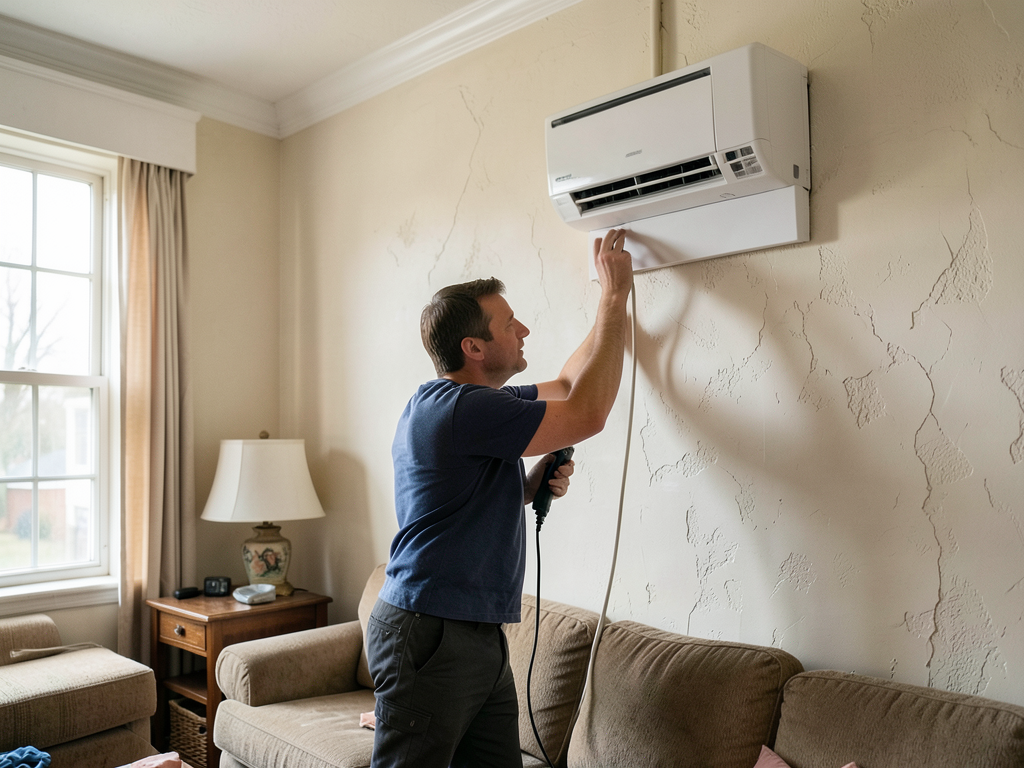
Modern Cooling Options for Vintage Condos in DeMun That Can't Use Window Units Living in a vintage condo in DeMun comes with undeniable charm but also unique cooling challenges. Many of these historic buildings were…
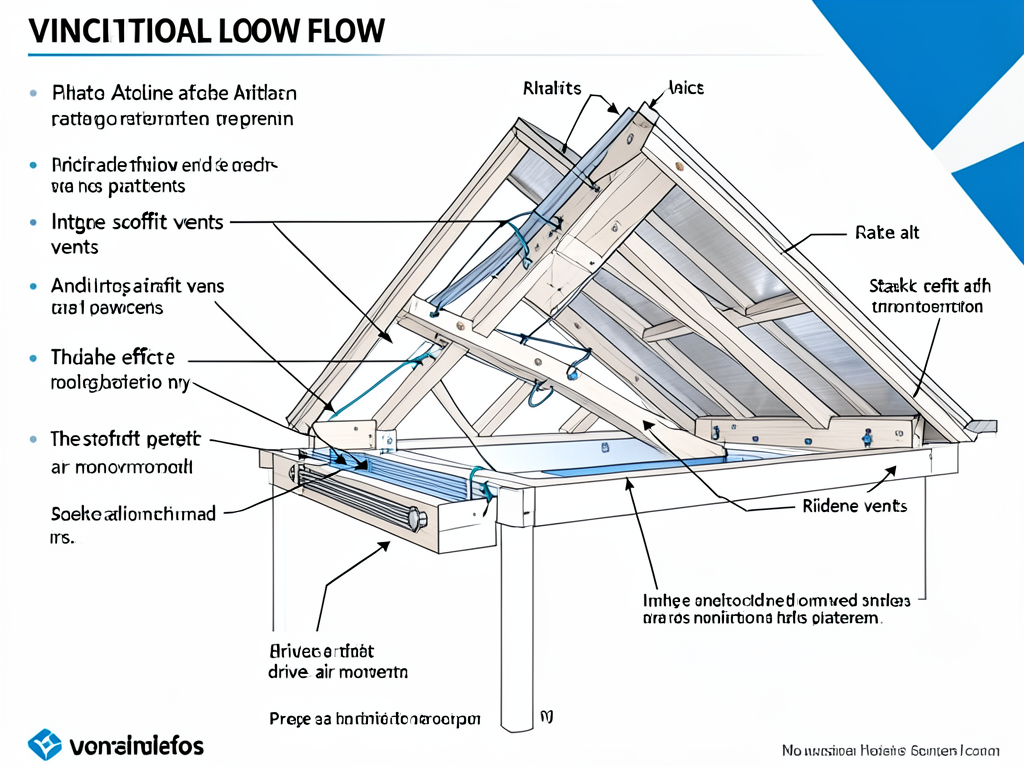
Does Your Maryland Heights Attic Have Enough Ventilation for the Summer Heat? Your Maryland Heights…
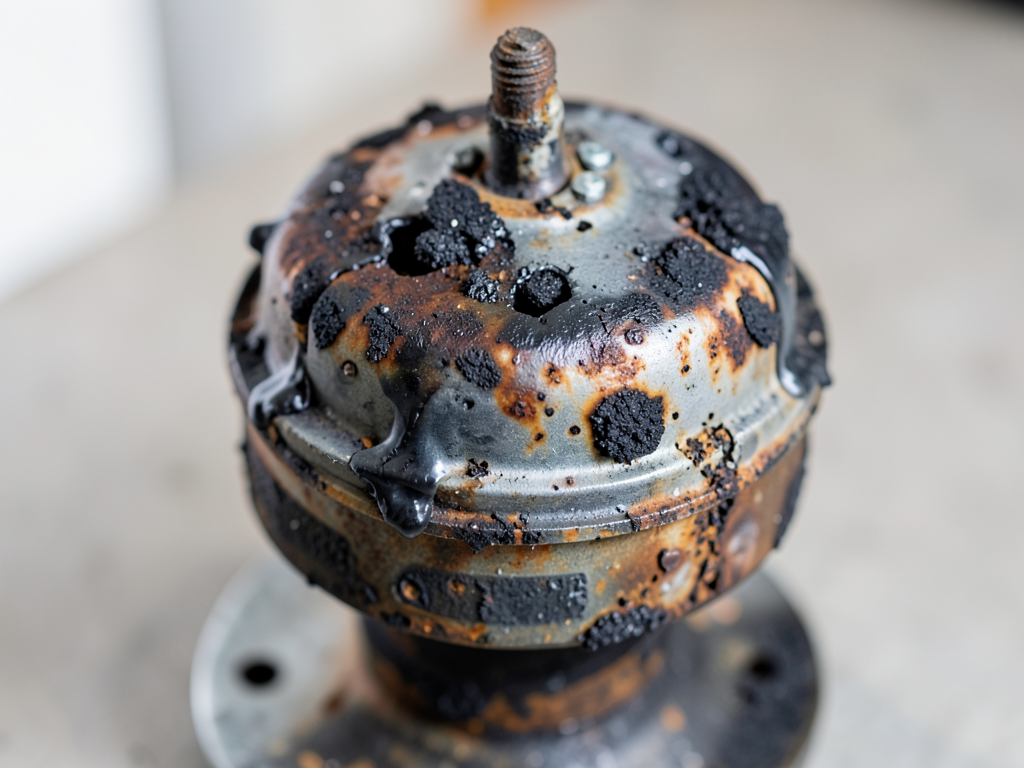
What That Strange Metallic or Burning Plastic Smell from Your Furnace Actually Means If your…
Many Ladue homeowners close vents in unused rooms to save money on energy bills. This…
Your comfort should not wait. Call Keystone HVAC St. Louis at (314) 417-7771 right now for emergency repairs or schedule service at your convenience. We provide upfront pricing, skilled technicians, and repairs that last. Clayton homeowners trust us to show up on time and fix it right.