
Menu

Air Conditioning Installation in St. Louis – Engineered for Missouri's High Humidity and Temperature Extremes

Expert central air installation designed to handle St. Louis's 80% summer humidity levels and 20-degree temperature swings, with proper load calculations and ductwork modifications for consistent comfort year-round.

Slider Image 1
Slider Image 2
Slider Image 3
Slider Image 4
Slider Image 5
Slider Image 7
Slider Image 8
Slider Image 9
Slider Image 10
Slider Image 11

Why St. Louis Climate Demands Precision AC Installation

St. Louis sits at the crossroads of humid subtropical and continental climate zones. You experience 90-degree summers with suffocating humidity, followed by winters that drop below freezing. Your home's air conditioner replacement cannot be a one-size-fits-all solution.

Most failed AC installations in the greater St. Louis metro stem from undersized units or improper ductwork sizing. When contractors skip Manual J load calculations, your system either short-cycles in mild weather or runs continuously during July heat waves. Neither scenario works.

The Mississippi River corridor creates microclimates across St. Louis County and St. Charles County. Homes near the riverfront face higher humidity infiltration. Properties in West County deal with different solar load factors than South City row houses. Your AC unit installation must account for these variables.

Clay soil movement in St. Louis causes foundation shifts that misalign ductwork over time. A professional central air installation includes flexible duct connections and proper support systems to handle seasonal ground movement. Without this step, you get air leaks that waste 30% of your cooling capacity.

The city's aging housing stock presents another challenge. Most homes in neighborhoods like Tower Grove, The Hill, and Webster Groves were built before central cooling became standard. Retrofitting these structures requires careful planning around plaster walls, limited attic access, and inadequate electrical panels. Cookie-cutter AC installation approaches fail in these conditions.

Your new air conditioner install needs to work with St. Louis's reality, not against it.

Why St. Louis Climate Demands Precision AC Installation
How Keystone HVAC St. Louis Engineers Your Installation

How Keystone HVAC St. Louis Engineers Your Installation

We start every AC installation with a room-by-room Manual J load calculation. This engineering standard accounts for your home's square footage, window orientation, insulation R-values, and occupancy patterns. The result tells us exactly what tonnage your home needs, not what fits our truck inventory.

St. Louis homes often have undersized electrical services. We evaluate your existing panel capacity and voltage stability before recommending equipment. A 3-ton unit requires different electrical infrastructure than a 5-ton system. If your panel cannot handle the load, we coordinate with licensed electricians to upgrade service before installation day.

Ductwork modifications separate professional installations from rushed jobs. We use a duct blaster test to measure leakage in your existing system. Leaky ducts waste conditioned air in your attic or crawlspace instead of cooling your living areas. We seal connections with mastic compound and metal-backed tape, then verify improved airflow with static pressure readings at each register.

Refrigerant line installation matters more than most homeowners realize. We use nitrogen purging during brazing to prevent oxidation inside copper lines. This step eliminates future blockages that reduce system efficiency. We also install proper line insulation rated for St. Louis's temperature extremes to prevent condensation and energy loss.

Condensate drainage requires special attention in St. Louis's humid climate. Your AC unit produces gallons of water daily during summer operation. We install primary and secondary drain lines with proper pitch, add float switches to prevent overflow, and use UV light purification in the drain pan to control algae growth. These details prevent water damage and maintain indoor air quality throughout the cooling season.

What Happens During Your AC Installation

Air Conditioning Installation in St. Louis – Engineered for Missouri's High Humidity and Temperature Extremes
01

Pre-Installation Assessment

We inspect your existing ductwork, electrical service, and home envelope before ordering equipment. This includes attic access evaluation, thermostat location assessment, and outdoor unit placement options. You receive a detailed proposal showing equipment specifications, installation scope, and timeline. We identify potential complications like asbestos duct wrap or inadequate attic ventilation before work begins, eliminating surprise costs.
02

Equipment Installation Day

Our crew arrives with all materials and completes installation in one day for most homes. We disconnect your old system, modify ductwork as needed, install the new air handler and condenser, run refrigerant lines, connect electrical service, and test system operation. We use furniture protection and clean up completely. You watch your new system run through multiple cycles before we leave, with airflow verified at every register.
03

System Commissioning and Verification

We measure refrigerant charge with digital manifolds to ensure factory specifications. Airflow testing confirms proper CFM delivery across your duct system. We program your thermostat, demonstrate maintenance procedures, and explain your warranty coverage. You receive documentation showing superheat and subcooling readings, static pressure measurements, and voltage readings. This data proves your system operates at peak efficiency from day one.

Why St. Louis Homeowners Choose Keystone HVAC

St. Louis building codes require specific HVAC installation standards that many contractors ignore. The City of St. Louis and St. Louis County enforce different permit requirements. We handle all permit applications and inspections for your AC unit installation, ensuring code compliance without delays.

Our technicians understand the unique challenges of St. Louis's historic neighborhoods. We have installed central air systems in century-old homes throughout Soulard, Lafayette Square, and Compton Heights. These projects require creative problem-solving around narrow stairwells, limited exterior wall access, and preservation guidelines. We find solutions that maintain your home's character while delivering modern comfort.

The Gateway City's temperature swings demand equipment that handles extreme conditions. We recommend units with two-stage or variable-speed compressors that adjust output based on actual cooling demand. This technology prevents the short-cycling problems common with single-stage units in St. Louis's variable spring and fall weather.

We stock equipment sized for St. Louis homes. Most local properties range from 1,200 to 2,500 square feet and require 2.5 to 4-ton systems. We maintain inventory of properly-sized units and can complete your air conditioner replacement within days of your decision, not weeks.

Our service area covers the entire St. Louis metropolitan region, from O'Fallon and St. Peters in St. Charles County to South County and Lemay. We understand the microclimates and construction styles across this diverse market. A ranch home in Florissant has different cooling needs than a two-story colonial in Kirkwood.

Every new air conditioner install includes written documentation of system performance. You receive refrigerant charge readings, airflow measurements, and electrical specifications. This baseline data helps diagnose any future issues and proves your system operates at manufacturer specifications.

What Your AC Installation Includes

Installation Timeline

Most residential central air installations take 8 to 12 hours to complete. We schedule your project with a specific date and arrival window, then finish the work in a single day. Homes requiring extensive ductwork modifications or electrical upgrades may need two days. We provide a firm timeline during your estimate so you can plan accordingly. Emergency replacements during heat waves receive priority scheduling, often within 24 to 48 hours of your call. We work year-round, with spring and fall offering the best availability before peak summer demand.

Load Calculation and Equipment Sizing

Your home receives a complete Manual J load calculation before we recommend equipment. This engineering analysis considers your home's dimensions, insulation levels, window types, orientation, and internal heat sources. We measure duct system capacity to ensure adequate airflow for the recommended tonnage. You receive documentation showing how we arrived at the proper system size for your specific property. This eliminates the guesswork that leads to undersized or oversized installations. We explain why your home needs a specific tonnage based on measurable factors, not sales targets.

Performance Testing and Quality

Every installation includes comprehensive performance verification. We use digital refrigerant manifolds to measure superheat and subcooling, confirming proper refrigerant charge. Static pressure testing validates airflow across your duct system. We measure supply and return temperatures at multiple locations to verify even cooling distribution. Electrical measurements confirm proper voltage and amperage draw. You receive a written report showing all measurements and confirming your system meets manufacturer specifications. This documentation provides proof of proper installation and serves as a baseline for future service needs.

Manufacturer Warranty Coverage

Your new equipment includes manufacturer warranty coverage on parts. We register your system immediately after installation to activate coverage without gaps. Different components carry different warranty terms, with compressors typically receiving extended coverage compared to other parts. We provide all warranty documentation and explain coverage terms in plain language. Our installation workmanship is backed separately from manufacturer parts warranties. We return for any installation-related issues promptly. You also receive guidance on maintenance requirements to keep warranties valid, including filter change frequency and annual tune-up scheduling.

Frequently Asked Questions

You Have Questions,
We Have Answers

How much would it cost to have air conditioning installed? +

Installation costs vary based on system size, efficiency rating, ductwork condition, and your home's layout. A standard central air system for an average St. Louis home typically involves equipment, labor, permits, and refrigerant line installation. Homes in older neighborhoods like Soulard or Tower Grove may need electrical upgrades or duct modifications, which increase total investment. High-efficiency units cost more upfront but reduce summer cooling bills, which matter in our humid Midwest climate. Get a load calculation from a licensed contractor to determine the right size for your square footage. Avoid quotes without a home inspection.

What is the $5000 rule for AC? +

The $5000 rule helps you decide between repair and replacement. If your AC repair cost multiplied by the system's age exceeds $5000, replacement makes more financial sense. For example, a $400 repair on a 15-year-old unit equals $6000, signaling replacement time. St. Louis humidity accelerates wear on older systems, reducing efficiency. Units over 10 years old often use R-22 refrigerant, which is expensive and phased out. Factor in rising energy bills and frequent breakdowns. This rule provides a practical benchmark, but a qualified technician should assess your specific system condition before you decide.

How much does it cost to install air conditioning in a house? +

Installing central air conditioning in a St. Louis home depends on existing ductwork, system capacity, and equipment efficiency. Homes without ducts require complete installation, including ductwork throughout the structure, which increases labor and material costs. Existing duct systems may need sealing or modifications to handle proper airflow. St. Louis homes built before 1980 often lack adequate insulation, forcing the AC to work harder. Split systems, ductless mini-splits, and central air each carry different installation requirements. Always get Manual J load calculations to match equipment to your home's cooling needs, especially given our summer heat and humidity.

How expensive is it to install an AC unit? +

AC unit installation costs depend on system type, tonnage, efficiency rating, and installation complexity. A basic split system for a standard St. Louis home includes the outdoor condenser, indoor air handler, refrigerant lines, electrical connections, and thermostat. Homes in historic districts like Lafayette Square may require special electrical panel upgrades or custom ductwork routing. High SEER ratings reduce operating costs but increase upfront investment. Installation complexity rises with multi-story homes or challenging attic access. Permits and inspections add to the total. Focus on proper sizing and professional installation rather than the cheapest bid to avoid future problems.

How much does an air conditioner cost for a 2000 sq ft home? +

A 2000 square foot home in St. Louis typically needs a 3 to 4-ton AC system, but load calculations determine exact sizing. Variables include ceiling height, insulation quality, window count, sun exposure, and occupancy. Brick homes in neighborhoods like Webster Groves retain heat differently than vinyl-sided ranch homes. High-efficiency systems with variable-speed compressors handle humidity better, which matters during St. Louis summers. Installation includes the outdoor unit, indoor coil, refrigerant lines, condensate drain, and electrical work. Older homes may need duct modifications or electrical upgrades. Get multiple quotes with detailed load calculations before committing.

What is the 3 minute rule for AC? +

The 3-minute rule protects your compressor from short cycling damage. After your AC shuts off, wait at least 3 minutes before restarting. This allows refrigerant pressure to equalize between the high and low sides of the system. Immediate restarts force the compressor to start against high pressure, causing mechanical strain and potential failure. Modern thermostats include built-in time delays to prevent this issue. If your system short cycles frequently during St. Louis summers, you likely have an oversized unit, a refrigerant leak, or a failing thermostat. Chronic short cycling reduces efficiency and shortens equipment lifespan. Call a technician.

Is HVAC system cost tax deductible? +

HVAC system costs may qualify for federal tax credits if you install high-efficiency equipment. The Inflation Reduction Act offers credits for ENERGY STAR certified systems meeting specific efficiency thresholds. You can claim a percentage of the installation cost, up to annual limits. Standard efficiency systems do not qualify. Keep all receipts, manufacturer certifications, and installation invoices for tax filing. Missouri does not offer state-level HVAC tax deductions beyond federal programs. Consult a tax professional to confirm eligibility and claim procedures. Energy-efficient upgrades also reduce utility bills long-term, which offsets the initial investment for St. Louis homeowners facing hot, humid summers.

What is the best month to buy an HVAC system? +

Fall and early spring offer the best HVAC buying opportunities in St. Louis. Contractors face lower demand after summer cooling season and before winter heating needs, creating negotiation leverage. Manufacturers release new models in spring, prompting dealers to discount prior-year inventory. Avoid buying during peak summer heat when demand spikes and emergency replacements command premium pricing. October through April gives you time for proper load calculations, multiple quotes, and scheduled installation without rushed decisions. Off-season installation also means faster service and more attention to detail. Plan ahead rather than waiting for your system to fail during a July heatwave.

Is it better to oversize or undersize an AC unit? +

Never oversize an AC unit. Oversized systems short cycle, running brief periods without removing humidity. St. Louis summers demand proper dehumidification due to Mississippi River valley moisture. Short cycling causes uneven temperatures, higher energy bills, and premature equipment failure. Undersized units run continuously, struggling to reach setpoint during peak heat but still removing humidity effectively. Proper sizing requires Manual J load calculations factoring insulation, windows, orientation, and ductwork. Many contractors oversize out of habit or to avoid callbacks. Demand load calculations and resist the urge to go bigger. Right-sized equipment maintains comfort and efficiency year-round.

Which brand of AC is most reliable? +

Reliable AC brands include Carrier, Trane, Lennox, Rheem, and American Standard. However, installation quality matters more than brand name. A premium unit installed poorly will fail faster than a mid-tier system installed correctly. Look for contractors who perform load calculations, seal ductwork properly, and verify refrigerant charge. St. Louis humidity demands systems with good dehumidification capability and variable-speed technology. Check warranty coverage, local parts availability, and the installing contractor's reputation. The best brand is one your contractor services regularly and stocks parts for. Focus on proper sizing and professional installation over brand loyalty.

How St. Louis Humidity Levels Impact Your AC Installation Requirements

St. Louis averages 78% relative humidity during summer months, ranking among the most humid metro areas in the Midwest. This moisture load forces your air conditioner to work harder removing water vapor than actual heat. A properly sized AC installation must balance sensible cooling with latent heat removal. Oversized units cool your home quickly but shut off before adequately dehumidifying the air. You end up with a cold, clammy house that feels uncomfortable despite running your system. Variable-speed equipment solves this problem by running longer at lower capacities, allowing extended dehumidification cycles that match St. Louis's humid conditions.

Keystone HVAC St. Louis has installed central air systems throughout the metro area for years. We understand St. Louis County and City building codes, work with local inspectors regularly, and know which equipment models perform best in Gateway City conditions. Our technicians live in the same neighborhoods we serve and deal with the same climate challenges you face. When you choose a local HVAC contractor with deep roots in St. Louis, you get installation expertise that accounts for regional factors other companies miss. We source equipment from distributors with local parts availability, ensuring fast service when you need repairs down the road.
HVAC Services in The St. Louis Area

Our service area spans across the St. Louis metropolitan area and surrounding communities. We’re dedicated to bringing our top-quality HVAC services directly to your doorstep. Use the map to see our coverage and feel free to contact us with any questions about whether we can service your specific location. We’re always here to help you find the comfort solutions you need.

Address:
Keystone HVAC St. Louis, 4452 Manchester Ave, St. Louis, MO, 63110

Additional Services We Offer

Our news updates

Latest Articles & News from The Blogs

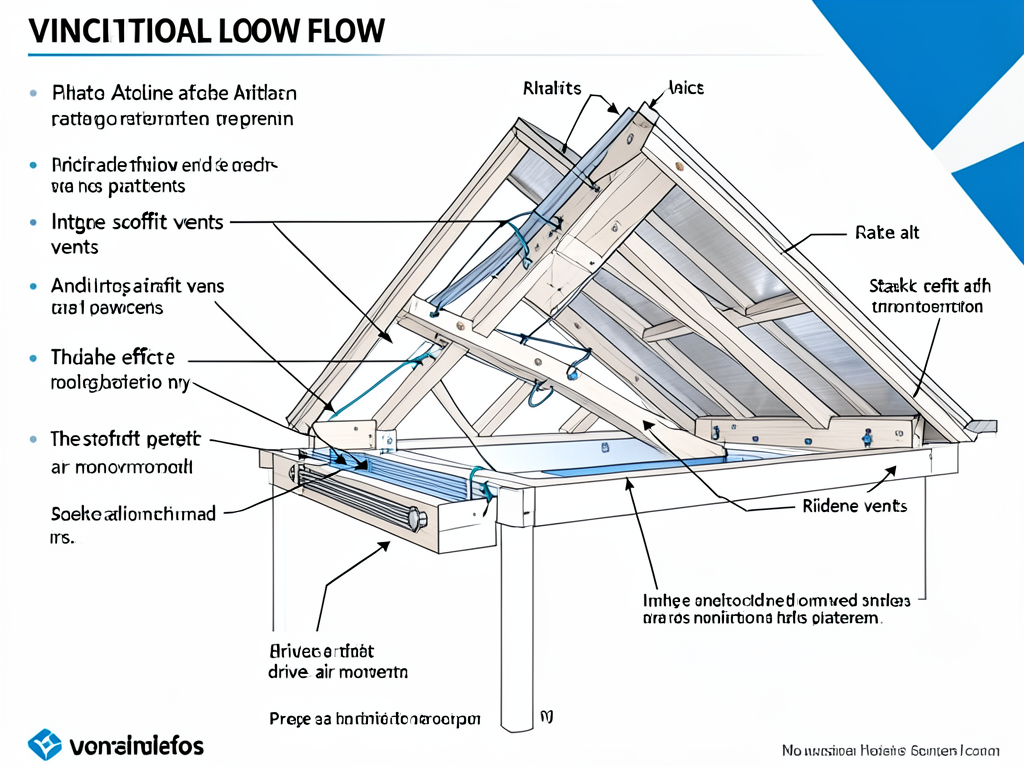
Does Your Maryland Heights Attic Have Enough Ventilation for the Summer Heat? Your Maryland Heights attic can reach 150°F on…

Does Your Maryland Heights Attic Have Enough Ventilation for the Summer Heat?

Does Your Maryland Heights Attic Have Enough Ventilation for the Summer Heat? Your Maryland Heights attic can reach 150°F on…

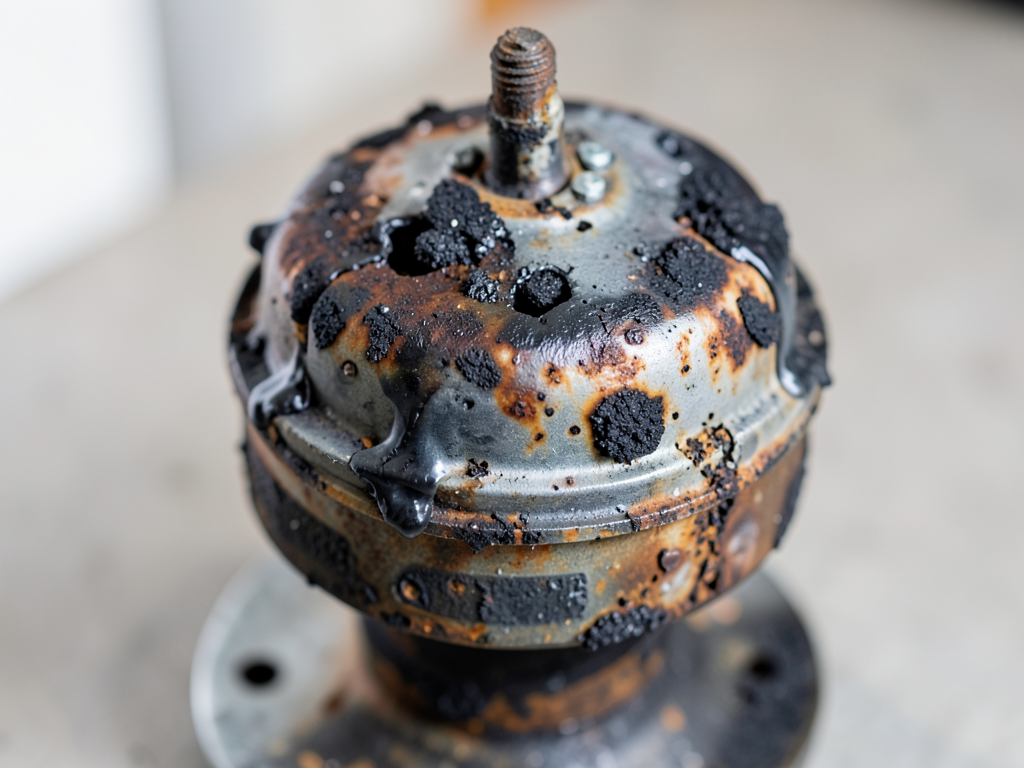
What That Strange Metallic or Burning Plastic Smell from Your Furnace Actually Means

What That Strange Metallic or Burning Plastic Smell from Your Furnace Actually Means If your furnace smells like burning plastic…

Why Closing Vents in Unused Rooms Is Actually Hurting Your Ladue Home

Many Ladue homeowners close vents in unused rooms to save money on energy bills. This common practice seems logical at…

Contact Us

Stop sweating through another St. Louis summer with inadequate cooling. Call Keystone HVAC St. Louis at (314) 417-7771 for a no-obligation consultation. We provide honest equipment sizing recommendations and transparent pricing. Your comfort is one phone call away.