Menu

Iced Up Evaporator Coil in St. Louis – Expert Diagnosis and Permanent Repair

When your air conditioner coil freezing up leaves you without cooling in St. Louis's humid summers, Keystone HVAC St. Louis diagnoses the root cause and fixes it right the first time.

Slider Image 1
Slider Image 2
Slider Image 3
Slider Image 4
Slider Image 5
Slider Image 7
Slider Image 8
Slider Image 9
Slider Image 10
Slider Image 11

Why St. Louis HVAC Systems Suffer from Frozen Evaporator Coils

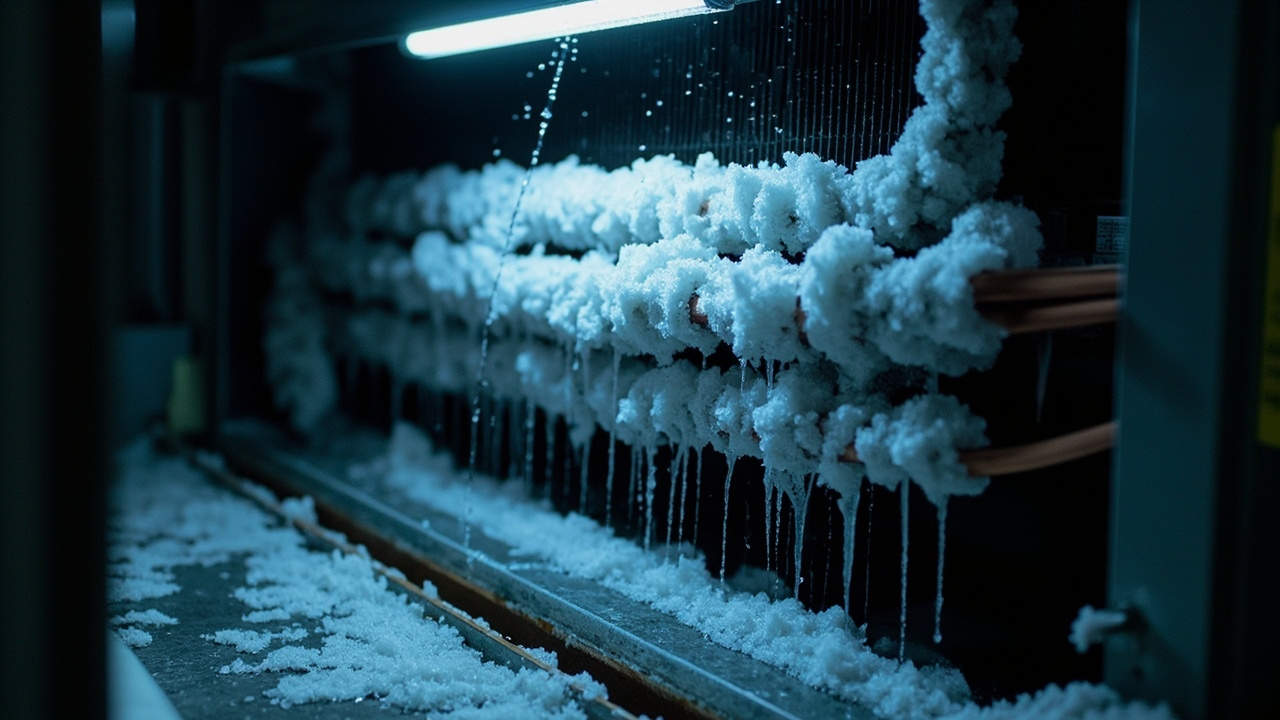
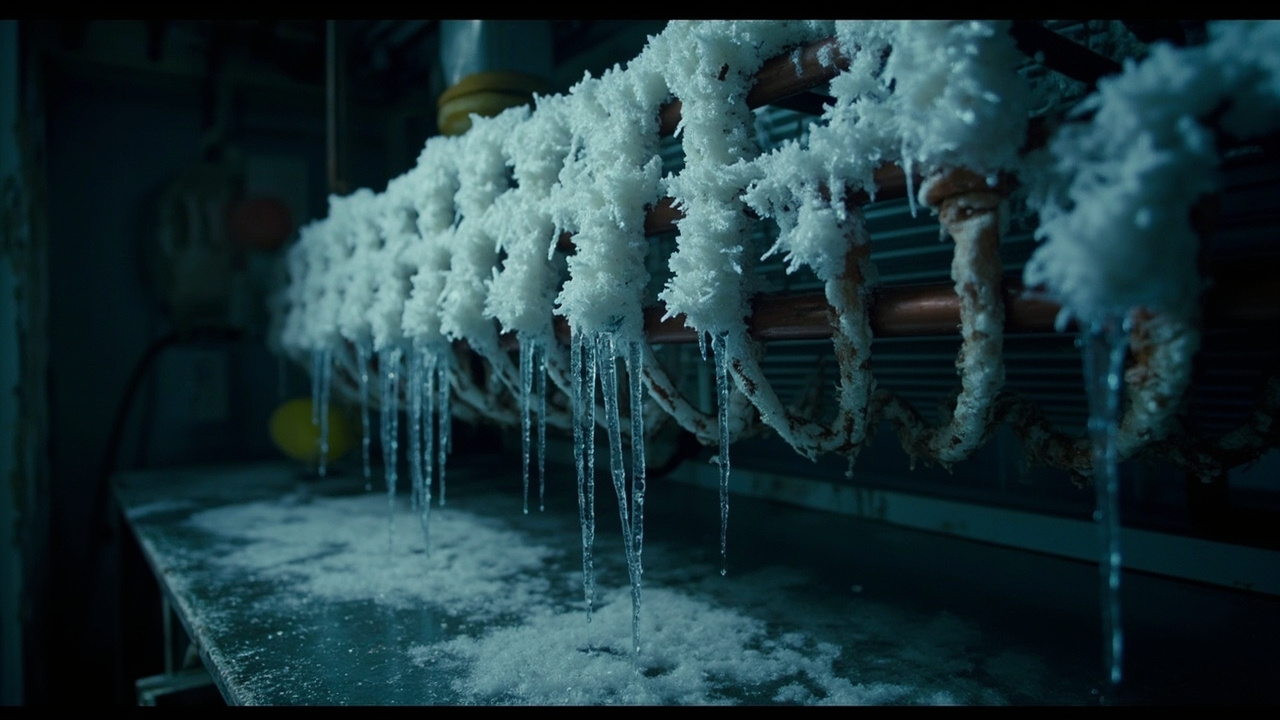
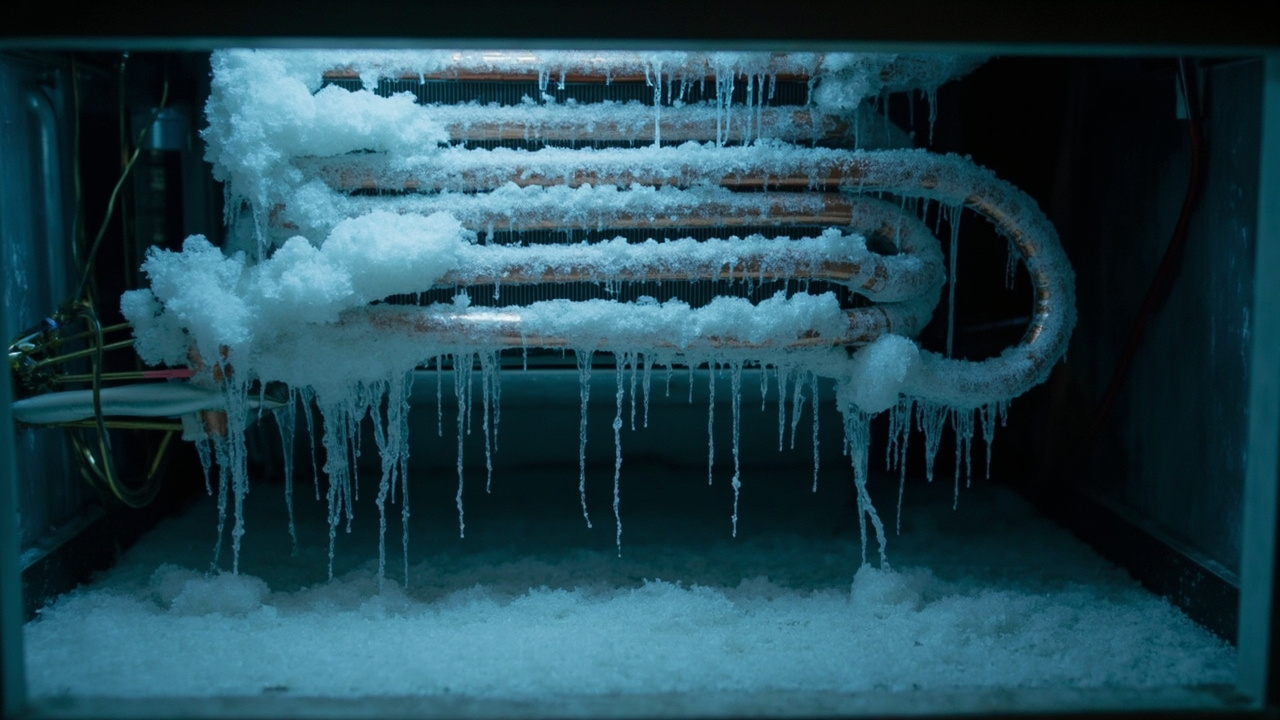
You walk to your thermostat expecting cold air, but your vents blow weak or warm. When you check the unit, you find ice on evaporator coil surfaces. This is not normal, and it means your system is failing.

St. Louis's combination of high summer humidity and extreme temperature swings creates the perfect conditions for a frozen ac evaporator coil. When outdoor temperatures hit 95 degrees with 80 percent humidity, your system works harder to pull moisture from the air. If airflow drops or refrigerant pressure changes, the evaporator coil temperature plummets below freezing. Condensation freezes instantly. The ice builds. Your cooling stops.

The Mississippi River Valley creates persistent humidity that St. Louis residents fight all summer. This moisture loads your evaporator coil constantly. When something restricts airflow, like a clogged filter or blocked return vent, the coil cannot shed heat fast enough. The refrigerant stays too cold. Water vapor condenses and freezes on contact.

A frozen cooling coil is not the problem. It is the symptom. The real issues hide behind the ice: dirty coils, refrigerant leaks, failed blower motors, crushed ductwork, or incorrect system sizing. Running your system with an ac evaporator iced over damages the compressor and ruins efficiency. The longer you wait, the more expensive the repair becomes.

St. Louis homeowners in neighborhoods like Tower Grove South and The Hill often discover air conditioner coil freezing up during the first major heatwave. Your system runs non-stop but cannot keep up. The ice blocks airflow completely. You need a diagnostic approach that finds the actual cause, not just a defrost and restart.

Why St. Louis HVAC Systems Suffer from Frozen Evaporator Coils
How We Diagnose and Repair Frozen AC Evaporator Coils

How We Diagnose and Repair Frozen AC Evaporator Coils

Keystone HVAC St. Louis does not guess. We measure, test, and verify before we repair. Our diagnostic protocol for an iced up evaporator coil starts with system shutdown and safe defrost. We never use heat guns or force the ice off. That damages coil fins and refrigerant lines. We let the ice melt naturally while we investigate the cause.

We measure static pressure across the air handler to check for airflow restriction. High static pressure means blocked filters, closed dampers, or undersized ductwork. We pull the blower assembly and inspect the evaporator coil directly. Dirt buildup on coil surfaces acts as insulation and drops airflow by 30 percent or more.

Next, we test refrigerant charge using superheat and subcooling measurements. Low refrigerant charge from a leak causes low suction pressure. The evaporator coil runs too cold. Refrigerant boils at the wrong temperature. Ice forms. We use electronic leak detectors and nitrogen pressure testing to find leaks in the line set, coil, or condensing unit.

We check blower motor amperage and capacitor microfarad ratings. A weak blower motor cannot move enough air across the coil. The coil stays cold too long. We verify thermostat operation and look for short cycling that prevents proper defrost cycles.

For homes with older ductwork, we inspect return air pathways. Blocked returns in basements or crawl spaces starve the system of air. The evaporator coil freezes because it cannot pull enough warm air to balance the refrigerant temperature.

After we find the cause, we fix it correctly. We replace filters, clean coils with specialized detergents, repair refrigerant leaks, recharge the system to manufacturer specs, replace failed capacitors or motors, and restore proper airflow. We verify operation with temperature split measurements before we leave.

What Happens When You Call About a Frozen Coil

Iced Up Evaporator Coil in St. Louis – Expert Diagnosis and Permanent Repair
01

System Shutdown and Inspection

We turn off your system immediately to prevent compressor damage. While the ice melts safely, we inspect the outdoor condensing unit, check filter condition, measure voltage at the disconnect, and look for obvious airflow restrictions. We document system age, tonnage, and refrigerant type. This baseline data guides our diagnostic testing and tells us what normal operation should look like for your specific equipment.
02

Diagnostic Testing Protocol

Once the coil defrosts, we run the system under controlled conditions while monitoring suction pressure, discharge pressure, amperage draw, and temperature split. We use manifold gauges to measure refrigerant pressures and compare them to manufacturer specifications. We test airflow with a manometer and check for duct leakage. We verify blower motor performance and inspect the coil for damage or contamination. These measurements reveal the root cause.
03

Repair and Verification

After identifying the failure point, we complete the repair using OEM parts and proper procedures. We replace components, clean coils, repair leaks, and recharge refrigerant by weight. We restart the system and monitor operation for at least 20 minutes. We verify correct temperature split, stable pressures, and no ice formation. We give you a written summary of what failed, why it failed, and what we fixed.

Why St. Louis Homeowners Trust Keystone HVAC for Coil Freezing Issues

St. Louis homeowners need technicians who understand how humidity and heat affect HVAC performance. Keystone HVAC St. Louis has repaired frozen evaporator coils in homes from Soulard to Webster Groves. We know how older homes with uninsulated ductwork in unconditioned attics create airflow problems. We understand how St. Louis clay soil settling shifts ductwork connections and creates leaks.

We do not use refrigerant top-offs as a permanent fix. Many companies add refrigerant without finding the leak. You pay for freon every year while the system slowly dies. We find the leak, repair it correctly, and recharge the system to factory specifications. You get permanent repairs, not temporary patches.

Our technicians carry diagnostic tools that most companies skip: digital manometers, electronic leak detectors, infrared thermometers, and refrigerant scales. These tools let us measure what is happening inside your system instead of guessing. We give you data-driven answers.

We also recognize when a system is too old or too small for the load. If your evaporator coil freezes because the system is undersized for St. Louis summers, we tell you. We do not sell unnecessary repairs. We explain your options clearly and let you decide.

St. Louis building codes require specific refrigerant handling procedures and EPA certification. We follow every rule. We recover old refrigerant properly, document all repairs, and provide you with service records that satisfy code inspectors and home buyers.

Our service area covers the entire St. Louis metro, including St. Charles, Creve Coeur, Clayton, and south into Jefferson County. We respond the same day for emergency calls. When your system freezes during a heatwave, you cannot wait three days for an appointment. We prioritize frozen coil calls because we know compressor damage escalates fast.

What to Expect During a Frozen Coil Service Call

Same-Day Emergency Response

We dispatch technicians within two hours for frozen coil emergencies. Most repairs take three to five hours, depending on what failed. If we need specialty parts, we source them the same day from local suppliers whenever possible. We do not leave your system disassembled overnight. If the repair requires extended work, we provide temporary cooling solutions or a clear timeline. You know exactly when your air conditioning will be running again.

Complete System Diagnostics

Our diagnostic process takes 60 to 90 minutes. We do not charge diagnostic fees if you approve the repair. We test every component that affects coil temperature: filters, blower motors, capacitors, refrigerant charge, metering devices, and ductwork. We measure airflow, static pressure, and temperature differentials. You receive a written diagnostic report that explains what failed, why it happened, and what we recommend. We show you the failed parts and explain how they caused the freeze.

Repairs That Last

We use OEM replacement parts that match your equipment manufacturer's specifications. Generic parts fail faster and void equipment warranties. We clean evaporator coils using biodegradable detergents that remove biological growth and mineral deposits without damaging aluminum fins. We repair refrigerant leaks with brazed connections, not quick-seal products that fail in six months. After repairs, we verify system performance with measured data. You see the temperature split, refrigerant pressures, and amperage readings that prove your system is operating correctly.

Preventive Maintenance Guidance

After we fix your frozen coil, we explain how to prevent it from happening again. We show you how to check filters monthly, what airflow sounds indicate problems, and when to call for service. We offer maintenance agreements that include twice-yearly inspections, priority scheduling, and discounted repairs. Regular maintenance catches dirty coils, weak capacitors, and refrigerant leaks before they cause system failures. You avoid emergency repairs and extend equipment life by five to ten years.

Frequently Asked Questions

You Have Questions,
We Have Answers

What causes ice on an evaporator coil? +

Ice forms on your evaporator coil when airflow gets restricted or refrigerant pressure drops. Dirty air filters are the most common culprit in St. Louis homes, blocking air and causing the coil to freeze. Other causes include closed supply vents, failed blower motors, or crushed return ducts. Low refrigerant from a leak will also drop coil temperature below freezing. The high humidity in St. Louis summers can make ice buildup worse once it starts. When warm, moist air hits the frozen coil, it forms more ice quickly. Turn off your system immediately if you see ice forming to prevent compressor damage.

What is the best way to thaw out an iced up evaporator coil? +

Turn off your AC at the thermostat and switch the fan setting to ON. This circulates air without running the compressor. Full thawing takes four to eight hours depending on ice thickness. Never chip or scrape ice off the coil. You will bend the delicate aluminum fins and reduce efficiency. Place towels or a drip pan under the air handler because melting ice produces several gallons of water. If your drain pan overflows, you risk water damage to ceilings or floors. Check your air filter while waiting. Replace it if dirty. Once thawed completely, inspect for the root cause before restarting.

Will low refrigerant cause an evaporator to ice up? +

Yes. Low refrigerant is a major cause of evaporator icing in St. Louis HVAC systems. When refrigerant levels drop from a leak, the remaining refrigerant expands more than normal as it enters the evaporator coil. This expansion causes extreme cold and drops coil temperature below 32 degrees. Ice forms rapidly on the coil surface. Low refrigerant also reduces system pressure, which compounds the freezing problem. Refrigerant does not get used up. If levels are low, you have a leak somewhere in the system. A qualified technician must find the leak, repair it, then recharge the system to manufacturer specifications. Simply adding refrigerant without fixing the leak wastes money.

What is the likely cause for heavy icing in the evaporator coil? +

Heavy ice buildup signals a serious airflow restriction or major refrigerant leak. In St. Louis homes, the most common cause is a severely clogged air filter that has not been changed in months. Other causes include multiple closed supply vents throughout the home, a failing blower motor running at reduced speed, or collapsed ductwork blocking return air. Heavy icing can also indicate a large refrigerant leak that has dropped system charge significantly. If ice covers the entire coil and extends to the refrigerant lines, you need professional diagnosis. The compressor may already be damaged from running under these conditions. Do not restart the system until a technician identifies and fixes the problem.

Can I turn my AC back on after it thaws? +

Not immediately. After the ice thaws completely, you must fix the underlying problem first. If you restart without addressing the cause, the coil will freeze again within hours. Check and replace your air filter. Open all closed supply vents. Verify the blower fan runs properly. If ice returns after these checks, you likely have a refrigerant leak or mechanical failure that requires professional repair. Running a system with recurring ice damages the compressor and shortens equipment life. St. Louis humidity makes ice buildup particularly aggressive once it starts. A qualified HVAC technician should inspect the system before you resume cooling if the problem is not obvious.

What are the six common causes of evaporator freezing? +

The six common causes are dirty air filters, closed or blocked supply vents, failed or weak blower motors, crushed or disconnected return ducts, low refrigerant from leaks, and dirty evaporator coils. In St. Louis, high pollen counts and humidity mean filters clog faster than in drier climates. Homeowners often close vents in unused rooms without realizing this disrupts system balance and reduces total airflow. Blower motors fail gradually and may run at reduced speed before stopping completely. Ductwork in St. Louis attics can get damaged by pest activity or settling. Refrigerant leaks develop at coil joints or service valves over time. Regular maintenance catches most of these problems before they cause freezing.

Can a frozen evaporator coil be fixed? +

Yes, but you must fix the cause, not just the symptom. The frozen coil itself is rarely damaged unless someone chipped the ice off and bent the fins. Once thawed, a technician can diagnose why it froze. Simple fixes include replacing filters or opening vents. Complex repairs involve fixing refrigerant leaks, replacing blower motors, or cleaning coils. St. Louis summers put heavy demand on AC systems, so small problems become big ones quickly. If caught early, most frozen coil situations cost less than $500 to repair. Ignoring the problem and restarting the system risks compressor failure, which can cost $2,000 or more to replace. Always identify and fix the root cause.

What is the 3 minute rule for AC? +

The three-minute rule prevents compressor damage after an AC system shuts off. When your compressor stops, refrigerant pressure equalizes between the high and low sides of the system. This takes about three minutes. If you restart the compressor before pressure equalizes, it tries to start against high resistance. This strains the motor and can trip breakers or damage internal components. Most modern thermostats in St. Louis homes have this delay built in. If your system short-cycles or you manually restart it repeatedly, you bypass this protection. After a frozen coil thaws, wait at least five minutes before restarting. This protects your compressor investment.

How to melt ice on an evaporator coil? +

Turn off the AC at the thermostat and switch the fan to ON. Let the blower circulate room temperature air across the coil. This is the safest thawing method. Never use heat guns, hair dryers, or space heaters. Direct heat can warp plastic drain pans, melt insulation, or damage electrical components. It also creates thermal shock that can crack brazed refrigerant joints. In St. Louis humidity, the melting process produces substantial water. Place towels or pans under the air handler. Check every hour for overflow. Complete thawing takes four to eight hours. Do not rush it. Once thawed, find and fix the cause before restarting the system.

What is the $5000 AC rule? +

The $5,000 rule is a repair-versus-replace guideline. Multiply the repair cost by the system age in years. If the result exceeds $5,000, replace the system instead of repairing it. For example, a $400 repair on a 10-year-old unit equals $4,000, so repair it. A $700 repair on an 8-year-old unit equals $5,600, so consider replacement. This rule accounts for diminishing returns on aging equipment in St. Louis climate conditions. Older systems lose efficiency and face more frequent breakdowns. A frozen coil repair might cost $300, but if your system is 15 years old, you are approaching replacement territory anyway. Factor in energy savings from newer, efficient models when deciding.

How St. Louis Humidity and Heat Stress Evaporator Coils Year After Year

St. Louis sits in the Mississippi River Valley where warm, moist air from the Gulf of Mexico collides with cooler continental air masses. Summer dew points regularly hit 70 degrees or higher. Your evaporator coil must condense gallons of water every day to keep your home comfortable. This constant moisture exposure corrodes coil fins, promotes mold growth, and accelerates dirt buildup. Systems in neighborhoods near the river like Carondelet and Lemay face even higher moisture loads. When coils get dirty or corroded, airflow drops and freezing becomes inevitable during peak cooling demand.

Keystone HVAC St. Louis understands the specific challenges that St. Louis weather creates for residential cooling systems. We have serviced HVAC equipment in historic homes in Lafayette Square with original ductwork, split-level ranch homes in Kirkwood with inadequate return air, and newer construction in O'Fallon with oversized equipment. We know which system designs fail first and which repairs actually solve frozen coil problems permanently. Our technicians live and work in St. Louis. We repair systems in our own neighborhoods using the same standards we use in your home.
HVAC Services in The St. Louis Area

Our service area spans across the St. Louis metropolitan area and surrounding communities. We’re dedicated to bringing our top-quality HVAC services directly to your doorstep. Use the map to see our coverage and feel free to contact us with any questions about whether we can service your specific location. We’re always here to help you find the comfort solutions you need.

Address:
Keystone HVAC St. Louis, 4452 Manchester Ave, St. Louis, MO, 63110

Additional Services We Offer

Our news updates

Latest Articles & News from The Blogs

Does Your Maryland Heights Attic Have Enough Ventilation for the Summer Heat? Your Maryland Heights attic can reach 150°F on…

Does Your Maryland Heights Attic Have Enough Ventilation for the Summer Heat?

Does Your Maryland Heights Attic Have Enough Ventilation for the Summer Heat? Your Maryland Heights attic can reach 150°F on…

What That Strange Metallic or Burning Plastic Smell from Your Furnace Actually Means

What That Strange Metallic or Burning Plastic Smell from Your Furnace Actually Means If your furnace smells like burning plastic…

Why Closing Vents in Unused Rooms Is Actually Hurting Your Ladue Home

Many Ladue homeowners close vents in unused rooms to save money on energy bills. This common practice seems logical at…

Contact Us

Call Keystone HVAC St. Louis now at (314) 417-7771 for same-day frozen coil diagnosis and repair. We answer emergency calls seven days a week. Your compressor is at risk every minute your system runs with ice on the coil.