Menu

Emergency Carbon Monoxide Leak Detection in St. Louis – Same-Day Response When Every Second Counts

When your CO alarm sounds or you suspect a gas leak, Keystone HVAC St. Louis dispatches certified technicians within the hour for urgent carbon monoxide check services that protect your family from invisible danger.

Slider Image 1
Slider Image 2
Slider Image 3
Slider Image 4
Slider Image 5
Slider Image 7
Slider Image 8
Slider Image 9
Slider Image 10
Slider Image 11

Why Carbon Monoxide Emergencies Are More Common in St. Louis Homes

You hear the alarm shrieking at 2 AM. Your head pounds. Your spouse feels dizzy. You smell nothing, but something is very wrong.

Carbon monoxide kills silently. In St. Louis, the combination of aging furnaces, sealed windows during harsh winter months, and improperly vented gas appliances creates the perfect environment for deadly CO buildup. When temperatures drop below freezing in December through February, residents seal their homes tight to fight heating bills. That same strategy traps combustion gases indoors.

St. Louis homes built before 1980 were not designed for modern HVAC efficiency standards. Many feature outdated natural draft furnaces, cracked heat exchangers, and deteriorating chimney liners. Add in Missouri's high humidity levels, which accelerate metal corrosion in flue pipes, and you have a recipe for emergency carbon monoxide testing calls.

Professional CO leak inspection is not optional when your detector activates. The colorless, odorless gas displaces oxygen in your bloodstream. At 400 parts per million, you lose consciousness in minutes. At 800 ppm, you die within hours. Every second you wait increases the risk.

Gas appliances in St. Louis homes fail predictably. Furnaces, water heaters, and gas ranges produce CO when combustion is incomplete. Blocked vents, damaged heat exchangers, and improperly adjusted burners are the usual suspects. During winter stress periods, when your furnace runs continuously, small leaks become catastrophic fast.

If your CO detector sounds, evacuate immediately. Call 911 to ventilate your home, then contact us for urgent carbon monoxide check services. Our CO gas detection service team arrives equipped with calibrated digital analyzers that measure parts per million in real time. We find the source before you return indoors.

Why Carbon Monoxide Emergencies Are More Common in St. Louis Homes
How We Conduct Emergency CO Leak Inspections in St. Louis Homes

How We Conduct Emergency CO Leak Inspections in St. Louis Homes

You cannot see or smell carbon monoxide. You need precise instrumentation and methodical troubleshooting. Our emergency carbon monoxide testing protocol eliminates guesswork.

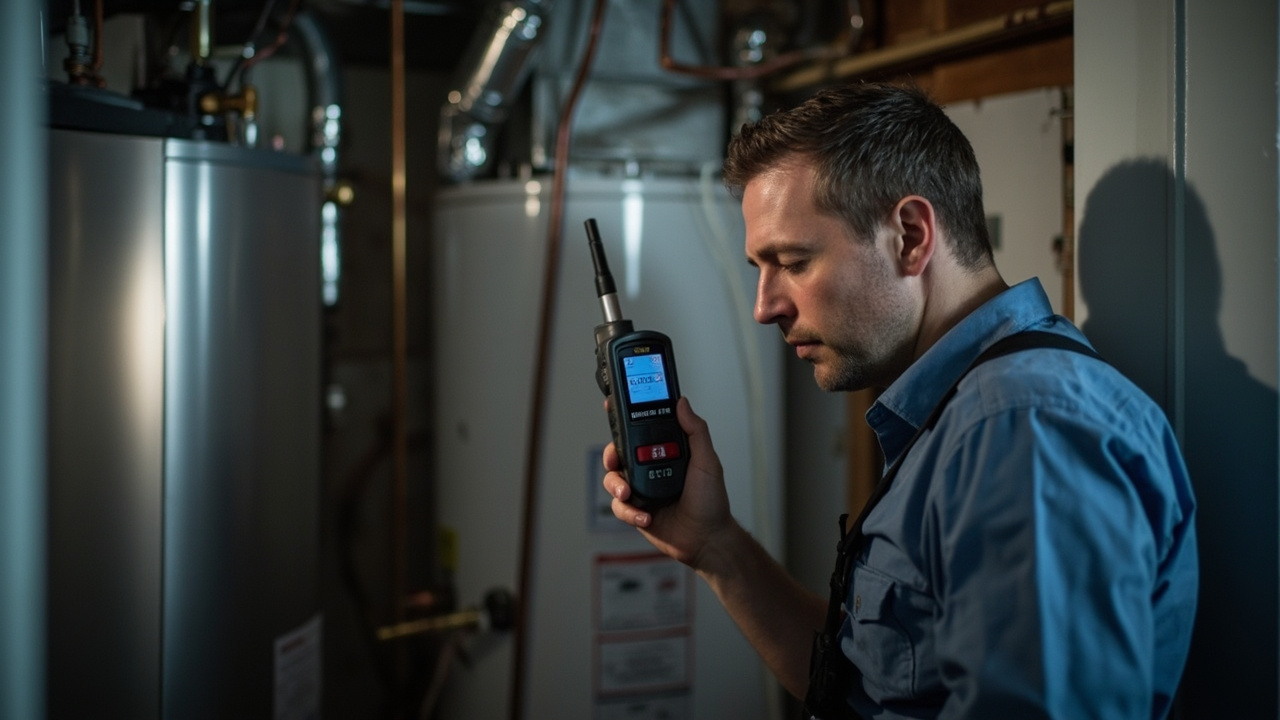
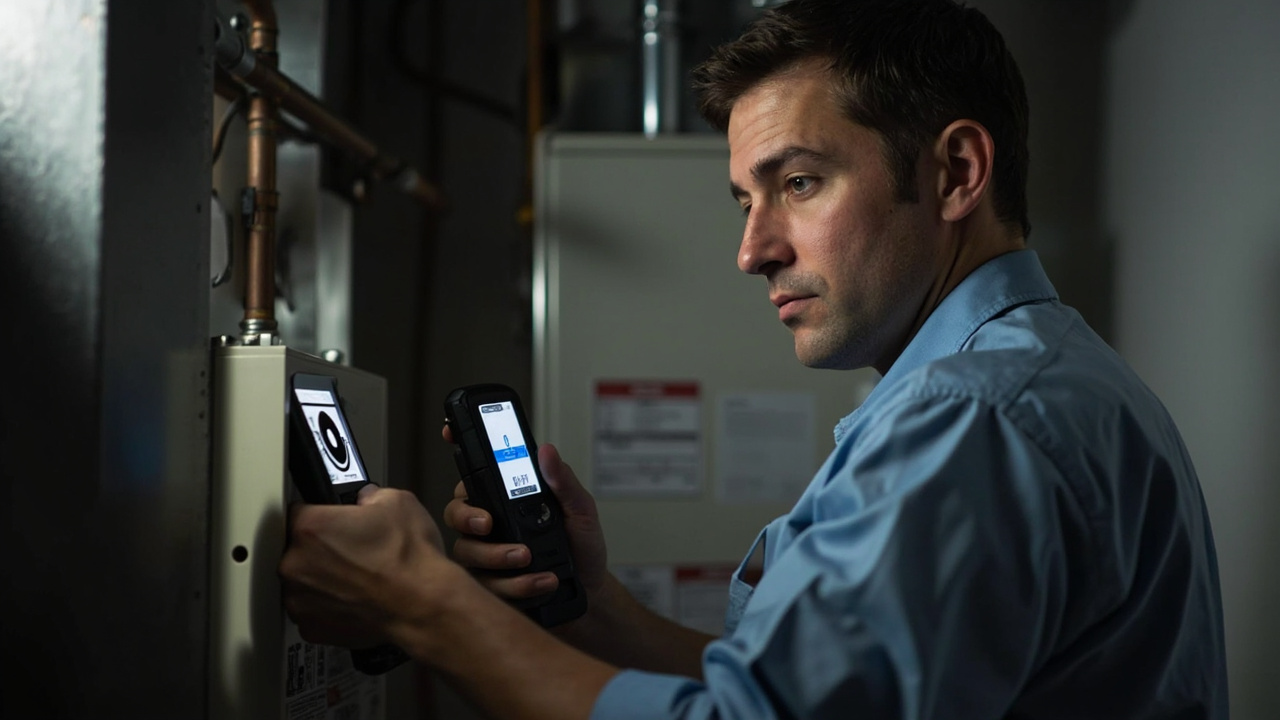
We arrive with industrial-grade electrochemical sensors calibrated to 1 ppm accuracy. These are not the consumer-grade detectors you buy at hardware stores. We start by measuring ambient CO levels in every room, hallway, and sleeping area. High readings near bedrooms indicate overnight exposure risk. Elevated CO near the furnace room pinpoints mechanical failure.

Next, we isolate your heating system. We disconnect the furnace from the thermostat, inspect the heat exchanger for stress cracks using a high-intensity LED flashlight, and check the draft inducer motor. A failing inducer cannot expel combustion gases, forcing CO back into living spaces. We measure flue gas spillage with a probe inserted directly into the vent connector. Readings above 25 ppm indicate backdrafting.

We test each gas appliance individually. Your water heater may have a blocked flue. Your oven burners might burn yellow instead of blue, signaling incomplete combustion. We measure CO output at each appliance while it runs under load. If your furnace produces 50 ppm at the register, the heat exchanger is compromised.

St. Louis building codes require proper venting for all fuel-burning equipment. We verify your chimney liner is intact, your B-vent is properly sized, and your fresh air intake is unobstructed. Undersized venting causes pressure imbalances that pull CO into the home.

Carbon monoxide leak testing takes 60 to 90 minutes for a thorough sweep. We do not leave until we identify every source, measure background levels below 5 ppm, and provide written documentation of all findings. Your family does not return home until we clear the structure.

What Happens During Your Emergency CO Detection Call

Emergency Carbon Monoxide Leak Detection in St. Louis – Same-Day Response When Every Second Counts
01

Immediate Dispatch and Assessment

You call our 24-hour emergency line at (314) 417-7771. We dispatch a two-person team within 30 to 60 minutes. Our technicians arrive with handheld CO monitors, combustion analyzers, and ventilation testing equipment. We perform an initial sweep of all living areas to measure ambient carbon monoxide concentrations and identify immediate danger zones before beginning detailed diagnostics.
02

Source Isolation and Testing

We systematically test every gas appliance in your home. Each furnace, water heater, stove, and fireplace is activated while we measure exhaust gases at the source and register vents. We inspect heat exchangers under magnification, check flue draft pressure, and verify combustion air supply. This diagnostic phase identifies which specific component is generating carbon monoxide and whether your venting system is compromised.
03

Clearance and Safety Verification

After isolating the CO source and completing emergency repairs or equipment shutdown, we ventilate your home and retest all zones. We measure background levels in every room until readings stabilize below 5 ppm. You receive written documentation showing before and after CO measurements, identified failure points, and corrective actions taken. We do not authorize re-entry until your home is verified safe by our instruments.

Why St. Louis Residents Trust Keystone HVAC for CO Emergencies

When carbon monoxide threatens your family, you need technicians who understand St. Louis homes. We have inspected thousands of furnaces in Tower Grove, Soulard, and Clayton. We know the quirks of 1920s bungalows with gravity furnaces, 1970s split-levels with original equipment, and newer construction with high-efficiency sealed combustion systems.

St. Louis winters are unpredictable. A sudden cold snap in January pushes aging furnaces past their limits. Heat exchangers that held up in November crack under continuous January operation. We see the pattern every year. Our emergency carbon monoxide testing service runs 24 hours because CO leaks do not wait for business hours.

We carry replacement parts for every major furnace brand installed in St. Louis over the past 30 years. Carrier, Trane, Lennox, Rheem, and Bryant systems all have brand-specific components. When we identify a cracked heat exchanger or failed inducer motor, we can source the part immediately instead of leaving your home uninhabitable for days.

Professional CO leak inspection requires certification and specialized equipment. Our technicians hold NATE certification in gas heating and complete annual combustion analysis training. We follow ANSI Z223.1 standards for combustion appliance testing. The instruments we use cost thousands of dollars and require annual factory calibration. Consumer CO detectors alert you to danger. Our analyzers quantify the exact threat level and locate the source.

St. Louis building codes mandate proper venting for fuel-burning appliances, but enforcement varies by municipality. We inspect hundreds of improperly vented systems every year. Homeowners who hired unlicensed contractors or performed DIY furnace installations often discover fatal mistakes only after a CO incident. We verify your system meets local mechanical codes and manufacturer specifications.

You cannot fix a carbon monoxide leak yourself. Evacuate, ventilate, and call professionals trained in combustion safety. We arrive equipped to protect your family today, not tomorrow.

What to Expect During Emergency Carbon Monoxide Service

Same-Day Emergency Response

When you call our emergency line, we dispatch a team within 30 to 60 minutes. We operate 24 hours a day, seven days a week, including holidays. CO emergencies escalate quickly. Waiting until morning or Monday risks permanent brain damage or death. Our rapid response protocol prioritizes active CO alarms and symptomatic occupants. We arrive with all necessary testing equipment loaded in our service vehicles. You do not wait days for an appointment. You get immediate action when your family's safety is at stake.

Comprehensive CO Testing and Diagnosis

Our technicians perform room-by-room air quality testing using calibrated electrochemical sensors. We measure carbon monoxide concentrations in parts per million at multiple locations throughout your home. We test each gas appliance under operating conditions, measure flue draft, inspect heat exchangers, and verify proper venting. You receive detailed documentation showing exact CO readings, identified failure points, and recommended corrective actions. We explain findings in plain language. You understand what failed, why it failed, and what must happen to restore safety. This is not a quick visual inspection. We spend 60 to 90 minutes conducting thorough diagnostics.

Immediate Hazard Mitigation

If we identify a dangerous CO source, we shut down the offending equipment immediately. We do not leave lethal appliances running. If your furnace has a cracked heat exchanger, we disable the unit and red-tag it per code requirements. If your water heater backdrafts due to blocked venting, we shut off the gas supply. We carry common replacement parts for emergency repairs when possible. When same-day repair is not feasible, we provide temporary heating alternatives and help you coordinate permanent repairs. Your home must be safe before we authorize re-entry. We retest all zones after remediation to verify CO levels drop below safe thresholds.

Post-Emergency Follow-Up and Prevention

After resolving the immediate CO threat, we schedule follow-up testing within 72 hours to verify your home remains safe. We provide written recommendations for equipment replacement or system upgrades if your existing appliances are outdated or unsafe. Many St. Louis homes need improved combustion air supply or upgraded venting systems to prevent future incidents. We explain maintenance practices that reduce CO risk, including annual furnace inspections and regular filter changes. Carbon monoxide detectors save lives, but they are last-resort alarms. Proper maintenance prevents leaks before detectors sound. We offer annual service agreements that include combustion safety testing as part of routine maintenance visits.

Frequently Asked Questions

You Have Questions,
We Have Answers

How do you know if carbon monoxide is leaking? +

Carbon monoxide is invisible and odorless, making detection difficult without equipment. Warning signs include soot buildup around appliances, yellow or orange flames instead of blue on gas equipment, excess moisture on windows, and malfunctioning pilot lights. You may hear strange sounds from furnaces or water heaters. Physical symptoms like headaches, dizziness, nausea, or confusion affecting multiple household members suggest a leak. In St. Louis homes with older heating systems or gas appliances, annual inspections catch leaks before they become emergencies. Install carbon monoxide detectors on every level. If your alarm sounds or you suspect a leak, evacuate immediately and call professionals.

How to check for carbon monoxide leak at home? +

Install battery-powered or hardwired carbon monoxide detectors on every floor, especially near bedrooms and fuel-burning appliances. Test detectors monthly and replace batteries twice yearly. Inspect gas appliances for soot, discoloration, or rust. Check that furnace exhaust vents are clear and unobstructed. St. Louis homes with older brick chimneys should have annual inspections, as freeze-thaw cycles damage flue liners. Look for condensation on windows during winter, which signals poor ventilation. Never ignore physical symptoms like headaches or fatigue that improve when you leave home. Schedule professional HVAC inspections before heating season. If you suspect a leak, leave immediately and call 911.

Can my cell phone detect carbon monoxide? +

No. Your cell phone cannot detect carbon monoxide. Some smartphone apps claim to measure CO levels, but they are inaccurate and dangerous to rely on. Carbon monoxide detection requires specialized electrochemical sensors that react to the gas and trigger alarms at dangerous concentrations. Your phone lacks this hardware. Do not trust apps as safety devices. Install UL-listed carbon monoxide detectors with digital displays in your St. Louis home. These devices cost less than $40 and save lives. Only professional-grade meters used by HVAC technicians and first responders provide accurate readings. Your safety depends on real detectors, not technology gimmicks.

Can you stay in a house with a carbon monoxide leak? +

No. Never stay in a house with a confirmed carbon monoxide leak. Evacuate immediately and call 911 from outside. Carbon monoxide poisoning happens fast and can be fatal within minutes at high concentrations. Even low-level exposure causes brain damage over time. Symptoms mimic the flu, making people delay evacuation while their condition worsens. St. Louis first responders will ventilate your home and measure CO levels before declaring it safe. Do not re-enter until professionals clear the space and repair the source. Furnaces, water heaters, and gas appliances need immediate inspection. Your life is not worth the risk. Leave now and get help.

What are two warning signs of carbon monoxide? +

Physical symptoms are the first warning sign. Headaches, dizziness, nausea, confusion, and fatigue affect everyone in the home simultaneously. Symptoms improve when you leave and return when you come back. The second warning sign involves your equipment. Yellow or orange flames on gas appliances instead of blue, soot buildup around furnaces or water heaters, and excessive moisture on windows during St. Louis winters all indicate incomplete combustion and potential carbon monoxide production. Malfunctioning pilot lights, strange noises from heating equipment, or the smell of gas also signal danger. If you notice either warning category, evacuate and call professionals immediately.

Can a small gas leak make you feel sick? +

Yes. Even small gas leaks cause illness by reducing oxygen levels and introducing carbon monoxide into your home. Symptoms include headaches, fatigue, nausea, dizziness, difficulty concentrating, and respiratory irritation. Children and elderly residents are most vulnerable. Natural gas itself is non-toxic, but incomplete combustion from leaking appliances produces deadly carbon monoxide. In St. Louis homes with aging furnaces or water heaters, minor leaks escalate quickly during winter when equipment runs constantly. If you smell rotten eggs, which is the added odorant in natural gas, or experience unexplained illness, evacuate immediately. Call your utility company and a licensed HVAC technician. Do not ignore symptoms or wait.

How quickly will you know if you have carbon monoxide poisoning? +

Symptoms appear within minutes to hours depending on concentration levels. High concentrations cause headaches, dizziness, and confusion within 15 to 30 minutes. You may lose consciousness or die within an hour at extreme levels. Low-level exposure produces flu-like symptoms over days or weeks, often misdiagnosed. In St. Louis homes during heating season, prolonged exposure happens overnight when furnaces run continuously and residents sleep. You may wake with headaches or nausea and feel better during the day when away from home. This pattern signals chronic poisoning. If multiple household members experience sudden illness together, evacuate immediately. Carbon monoxide poisoning is a medical emergency requiring hospital treatment.

How do I use my iPhone to detect carbon monoxide? +

Your iPhone cannot detect carbon monoxide. Apple has not built CO sensors into any iPhone model. Apps claiming to detect carbon monoxide through your phone are scams and provide false security. Carbon monoxide detection requires dedicated electrochemical sensors that measure gas concentrations and trigger alarms at dangerous levels. These sensors cost manufacturers significant money and require calibration. Your phone lacks this hardware entirely. Install proper UL-listed carbon monoxide detectors in your St. Louis home instead. Some smart home detectors connect to your iPhone for alerts, but the detection happens in the physical device, not your phone. Do not risk your family by trusting fake technology.

Can I test for carbon monoxide myself? +

You can install consumer-grade carbon monoxide detectors yourself, but you cannot accurately test for leaks without professional equipment. Battery-powered or hardwired detectors from hardware stores provide basic protection when placed correctly on every level and near bedrooms. Test them monthly using the test button. However, detectors only alert you when CO reaches dangerous levels. They do not identify the source or measure concentrations throughout your St. Louis home. Professional HVAC technicians use calibrated digital meters to pinpoint leaks, test appliances, and measure exhaust gases. Annual inspections catch problems before detectors sound. Self-testing provides warning, but professional inspection provides prevention. Do both for complete safety.

What is the easiest way to detect carbon monoxide? +

Install UL-listed carbon monoxide detectors on every level of your home, particularly near bedrooms and fuel-burning appliances. Battery-powered models cost $20 to $40 and provide immediate protection. Plug-in models with battery backup offer continuous monitoring. Place detectors at breathing height, not on ceilings where CO concentrations may be lower. Test monthly and replace batteries twice yearly. For St. Louis homes with basements, install detectors near furnaces and water heaters. Detectors last five to seven years before sensors degrade. Write the installation date on each unit. Pair detectors with annual professional HVAC inspections to catch problems before they create emergencies. This combination provides the most reliable protection.

How St. Louis Winters and Aging Heating Systems Increase CO Risk

St. Louis experiences dramatic temperature swings from November through March, with overnight lows frequently dropping into the teens and single digits. When the mercury falls, furnaces run continuously for days, stressing components designed for intermittent operation. Heat exchangers expand and contract with each heating cycle. After 15 to 20 years of thermal stress, metal fatigues and cracks form. These cracks allow combustion gases containing carbon monoxide to escape into your ductwork and circulate through your home. The problem intensifies in older neighborhoods like South City and North County, where many homes still operate furnaces installed in the 1980s and 1990s. High humidity in spring and fall accelerates corrosion in flue pipes and vent connectors. By the time winter arrives, corroded venting cannot safely expel exhaust gases.

Keystone HVAC St. Louis specializes in emergency carbon monoxide testing for homes across St. Louis County, St. Charles County, and surrounding areas. We understand local building codes, common construction methods, and the specific HVAC challenges St. Louis homeowners face. Our technicians train on the equipment brands most prevalent in this region and stock parts for local furnace installations. When you call us for urgent carbon monoxide check services, you get professionals who have inspected thousands of St. Louis heating systems. We know which models fail predictably, which venting configurations cause problems, and how local climate conditions accelerate equipment degradation. That local expertise means faster diagnosis, more accurate solutions, and safer outcomes for your family.
HVAC Services in The St. Louis Area

Our service area spans across the St. Louis metropolitan area and surrounding communities. We’re dedicated to bringing our top-quality HVAC services directly to your doorstep. Use the map to see our coverage and feel free to contact us with any questions about whether we can service your specific location. We’re always here to help you find the comfort solutions you need.

Address:
Keystone HVAC St. Louis, 4452 Manchester Ave, St. Louis, MO, 63110

Additional Services We Offer

Our news updates

Latest Articles & News from The Blogs

Does Your Maryland Heights Attic Have Enough Ventilation for the Summer Heat? Your Maryland Heights attic can reach 150°F on…

Does Your Maryland Heights Attic Have Enough Ventilation for the Summer Heat?

Does Your Maryland Heights Attic Have Enough Ventilation for the Summer Heat? Your Maryland Heights attic can reach 150°F on…

What That Strange Metallic or Burning Plastic Smell from Your Furnace Actually Means

What That Strange Metallic or Burning Plastic Smell from Your Furnace Actually Means If your furnace smells like burning plastic…

Why Closing Vents in Unused Rooms Is Actually Hurting Your Ladue Home

Many Ladue homeowners close vents in unused rooms to save money on energy bills. This common practice seems logical at…

Contact Us

If your CO detector is sounding or you suspect a gas leak, evacuate immediately and call (314) 417-7771. Our emergency response team is standing by 24 hours a day. We arrive fast, test thoroughly, and protect your family from invisible danger.