Menu

Air Duct Cleaning in St. Louis | Clear Indoor Air Quality and System Efficiency Year-Round

Professional HVAC duct cleaning removes allergens, dust, and contaminants that accumulate in St. Louis's humid climate, restoring airflow and reducing energy waste across residential and commercial systems.

Slider Image 1
Slider Image 2
Slider Image 3
Slider Image 4
Slider Image 5
Slider Image 7
Slider Image 8
Slider Image 9
Slider Image 10
Slider Image 11

Why St. Louis Air Ducts Collect More Contaminants Than You Think

St. Louis sits at the confluence of the Mississippi and Missouri Rivers. That geography creates persistent humidity, especially during summer months when dew points climb into the 70s. Humid air carries mold spores, pollen from riverbank vegetation, and fine particulate matter that settles inside your ductwork every time your system cycles.

Add the clay soil common throughout the metro area. Construction, landscaping, and seasonal ground shifting kick up dust that infiltrates homes through gaps in building envelopes. Once inside, your HVAC system pulls that dust into return vents and circulates it through every room.

Most homes in neighborhoods like Soulard, Lafayette Square, and the Central West End were built before modern duct sealing standards existed. Older ductwork develops leaks at seams and joints. Those leaks pull in attic dust, insulation fibers, and unconditioned air loaded with outdoor allergens.

You notice the symptoms first. Dust reappears on furniture within days of cleaning. Family members sneeze more indoors than outside. Your system runs longer to reach set temperatures because debris restricts airflow through supply registers.

Air vent cleaning addresses surface grime, but comprehensive duct cleaning targets the entire airflow path. That includes return plenums, trunk lines, branch ducts, and the blower compartment where debris accumulates on coils and fan blades. AC duct cleaning becomes especially important before cooling season when you need maximum airflow efficiency to handle St. Louis's 90-degree summers.

Ignoring ductwork cleaning means your system works harder, uses more energy, and circulates the same contaminated air. The problem compounds over time as layers of dust restrict airflow and create breeding grounds for mold in humid sections of your ductwork.

Why St. Louis Air Ducts Collect More Contaminants Than You Think
How Professional HVAC Duct Cleaning Restores System Performance

How Professional HVAC Duct Cleaning Restores System Performance

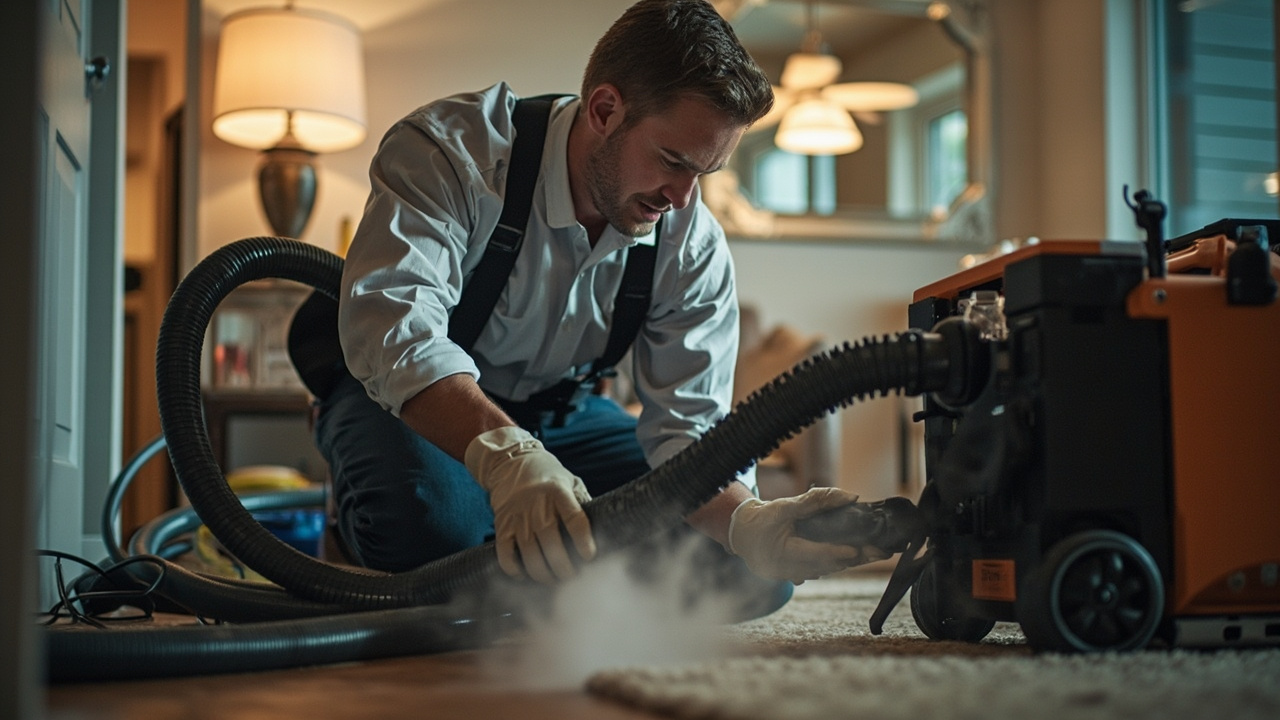
Effective ductwork cleaning requires specialized equipment and a methodical approach. We use truck-mounted negative air machines that create suction throughout your entire duct system. This is not a shop vacuum. These machines generate 3,000 to 5,000 cubic feet per minute of airflow, enough to pull debris from the farthest branch ducts back to a collection point.

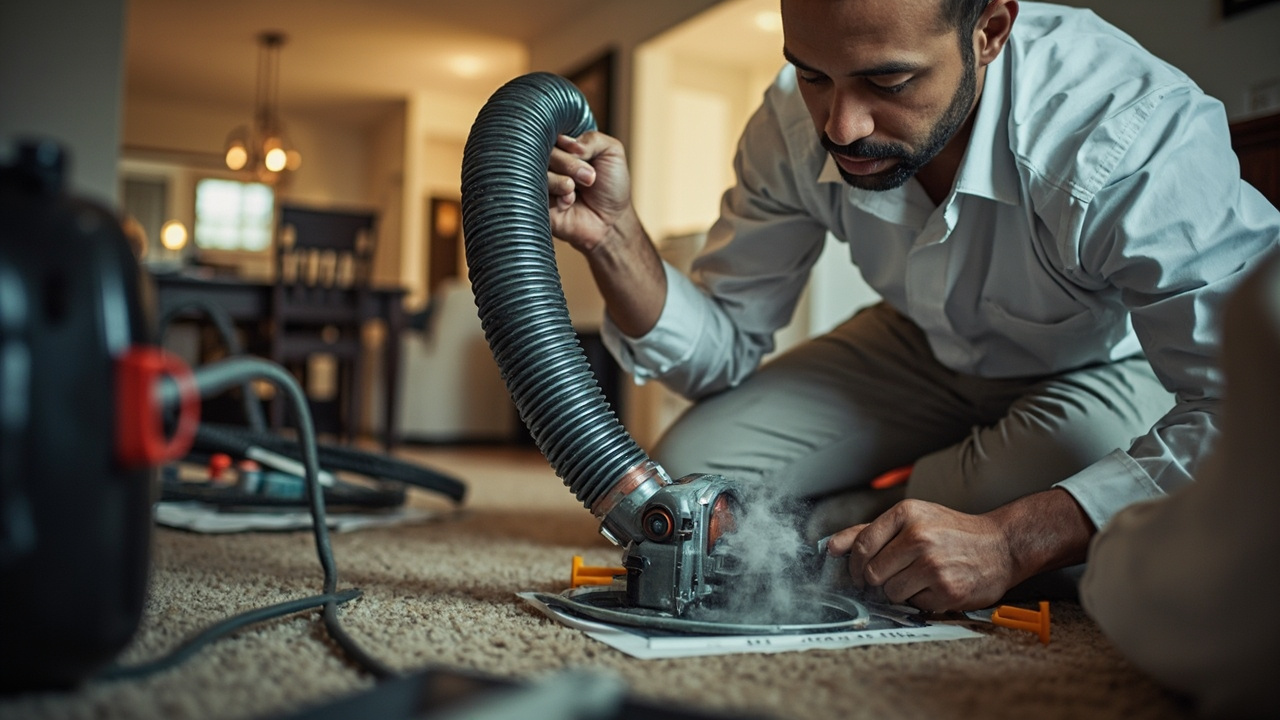
We start by accessing your duct system at the main trunk lines. We cut strategic access ports, then seal them with airtight panels after cleaning. This gives us direct entry points to insert rotary brushes and compressed air tools that agitate debris stuck to duct walls.

The process moves section by section. We isolate each branch duct, insert a rotating brush head that scrubs interior surfaces, then use compressed air whips to dislodge stubborn buildup. The negative air machine pulls everything toward the main collection unit outside your home.

We clean supply ducts, return ducts, and the air handler cabinet. The evaporator coil gets special attention because it operates cold and wet, making it a magnet for mold growth. We apply EPA-registered antimicrobial treatments only when visible mold exists, never as a routine step.

Blower wheels accumulate a surprising amount of debris. A dirty blower reduces airflow by 30 to 40 percent even when ducts are clean. We remove the blower assembly, clean each fan blade, and verify the motor bearings are lubricated before reinstalling.

We also inspect duct connections for air leaks. Leaky ducts waste 20 to 30 percent of conditioned air in most homes. We seal accessible joints with mastic or metal-backed tape, improving system efficiency beyond what cleaning alone achieves.

The result is measurable. Airflow at registers increases. Temperature differentials between supply and return air improve. Your system reaches setpoint faster and runs fewer cycles per hour.

What Happens During Your Duct Cleaning Appointment

Air Duct Cleaning in St. Louis | Clear Indoor Air Quality and System Efficiency Year-Round
01

System Assessment and Access

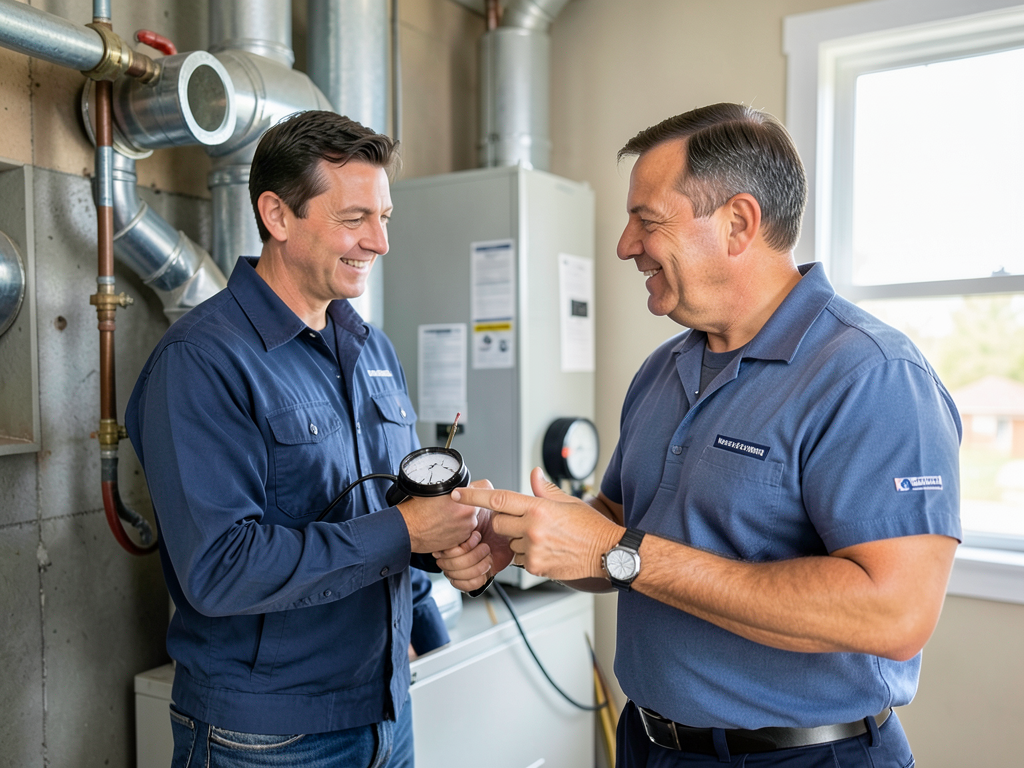
We inspect your ductwork layout, identify access points, and verify system type before starting work. We check for asbestos-wrapped ducts in older homes and assess whether flex duct or sheet metal predominates. We explain exactly where we will cut access panels and how we will restore those sections. You see the plan before we touch your system.
02

Agitation and Extraction

We connect the negative air machine to your main trunk line and bring the entire system under suction. Rotating brushes scrub each duct section while compressed air whips break loose compacted debris. We work from the farthest points back toward the collection unit, ensuring nothing gets left behind. You can watch debris flow through the clear collection hose if you want to see what was hiding in your ducts.
03

Final Inspection and Testing

We use a borescope camera to visually confirm ducts are clean. We seal all access panels with airtight covers and verify no new leaks were introduced. We measure airflow at multiple registers to confirm improvement. You receive before-and-after photos showing the interior condition of your ductwork. We walk you through maintenance steps to keep your system cleaner between professional services.

Why St. Louis Homeowners Choose Local HVAC Duct Cleaning Experts

St. Louis has specific ductwork challenges that out-of-town services do not understand. Homes in historic districts like Shaw and Compton Heights often have galvanized steel ducts installed in the 1940s and 1950s. Those ducts develop rust pitting and interior scale that require gentler cleaning methods than modern flex duct. We adjust our approach based on duct age and material to avoid damaging original systems.

The city's building stock also includes many homes with gravity furnaces converted to forced air. Those conversions often used undersized ductwork that creates high static pressure. Aggressive cleaning on undersized ducts can worsen air leaks at joints. We identify these situations during inspection and modify our process accordingly.

St. Louis HVAC systems run year-round. We heat through cold January weeks when temperatures drop below 20 degrees. We cool from May through September when humidity stays above 60 percent for weeks at a time. That constant operation means your ductwork accumulates debris faster than systems in milder climates. We recommend cleaning intervals based on local runtime data, not generic national averages.

We also understand local air quality issues. St. Louis ranks in the top third of U.S. cities for airborne particulate pollution, partly due to industrial activity along the Mississippi River corridor and partly due to vehicle emissions on I-64, I-70, and I-44. That outdoor pollution infiltrates homes and settles in ductwork. Cleaning removes what your filter cannot capture.

Keystone HVAC St. Louis has cleaned ductwork in every neighborhood from Clayton to Affton. We know which home vintages have duct configurations that complicate cleaning. We know where builders skimped on duct sealing in 1980s subdivisions. We bring that local knowledge to every job, avoiding rookie mistakes that damage systems or deliver incomplete results.

What You Can Expect From Start to Finish

Service Timeline and Scheduling

Most residential duct cleaning jobs take four to six hours depending on home size and ductwork complexity. We schedule appointments in advance and arrive within a one-hour window. You do not need to leave during service, but expect noise from the negative air machine and some movement between indoor and outdoor equipment. Commercial ductwork cleaning often happens after business hours to avoid disrupting operations. We can work evenings or weekends to accommodate retail locations, office buildings, or restaurants that cannot shut down during normal hours.

Pre-Cleaning Inspection and Scope Confirmation

We start with a walkthrough to confirm duct access points and identify any concerns. We use a camera to show you the current condition of your ducts before cleaning starts. If we find unexpected issues like disconnected ducts, major air leaks, or damaged insulation, we explain options before proceeding. You approve the scope of work before we cut any access panels. We protect flooring and furniture near work areas with drop cloths. If your system has conditions that make cleaning unsafe or ineffective, we tell you upfront rather than proceeding with substandard results.

Proven Results and Performance Gains

You will notice immediate differences after service. Dust accumulation on furniture slows noticeably. Musty odors that appeared when your system started running disappear. Airflow from registers feels stronger and more consistent from room to room. Your system reaches temperature setpoints faster because the blower is not fighting restricted airflow. Energy bills often drop 10 to 15 percent in the first month as your equipment runs more efficiently. We provide documentation showing the volume of debris removed and photos confirming ducts are clean from end to end.

Ongoing Maintenance and Filter Guidance

Clean ducts stay cleaner longer when you maintain proper filtration. We recommend filter types and replacement schedules based on your system and local air quality. Pleated filters with MERV 8 to 11 ratings capture more particulate than fiberglass panels without restricting airflow. We show you how to check filters monthly and explain when upgrades to your return grille size make sense. Most residential systems benefit from duct cleaning every three to five years. Homes with pets, smokers, or recent renovations need more frequent service. We provide realistic maintenance intervals based on your specific conditions, not sales pressure.

Frequently Asked Questions

You Have Questions,
We Have Answers

What is the average cost to have ductwork cleaned? +

Duct cleaning costs in St. Louis typically range from $300 to $700 for a standard home. Pricing depends on system size, ductwork complexity, and contamination level. Homes with extensive ductwork or severe buildup from St. Louis humidity and seasonal pollen cost more. Avoid companies offering $99 specials. These often upsell aggressively or skip critical cleaning steps. Professional service includes cleaning all supply and return ducts, registers, grilles, and the main trunk lines. Request itemized quotes. Ask if the price covers your entire system or just accessible areas.

Is it worth having air ducts cleaned? +

Yes, when done correctly. St. Louis homes face high humidity and seasonal allergen loads that accumulate in ductwork. Professional cleaning removes dust, mold spores, pollen, and debris that restrict airflow and degrade indoor air quality. You may see reduced allergy symptoms, lower utility bills from improved HVAC efficiency, and extended equipment life. Cleaning is most valuable if you notice visible mold, vermin infestations, or significant dust buildup at registers. Homes built before 1980 or those with pets benefit most. Skip cleaning if ducts were recently installed or professionally cleaned within three years.

How much is Servpro duct cleaning? +

Servpro pricing varies by location and job scope. St. Louis Servpro franchises typically charge $400 to $800 for residential duct cleaning. They often handle duct cleaning as part of restoration work after water damage or fire, not as a standalone HVAC service. If you need only duct cleaning without restoration services, a dedicated HVAC contractor often provides more thorough service at competitive rates. Request written quotes from multiple providers. Compare what each includes. Verify they use NADCA-certified methods and equipment designed for St. Louis climate challenges like humidity-driven mold growth.

How frequently should air ducts be cleaned? +

Clean ducts every three to five years under normal conditions. St. Louis homes may need more frequent cleaning due to high humidity, seasonal pollen, and Mississippi River valley allergens. Clean sooner if you have pets, smokers, recent renovations, or family members with respiratory issues. After major events like water intrusion, mold remediation, or vermin infestations, clean immediately. New construction homes need cleaning before occupancy to remove construction dust and debris. Monitor your system. If you see dust blowing from registers or notice musty odors when the HVAC runs, schedule cleaning regardless of timeline.

What are the signs your ducts need cleaning? +

Watch for visible dust or debris blowing from registers when your HVAC starts. Musty or stale odors indicate mold growth, common in St. Louis humidity. Check for visible mold around vent openings or on ductwork in your basement or attic. Increased allergy symptoms or respiratory irritation suggest airborne contaminants circulating through dirty ducts. Rising energy bills without explanation often mean restricted airflow from buildup. Uneven heating or cooling between rooms points to blockages. Vermin droppings near vents require immediate professional attention. Any visible growth or debris buildup warrants inspection and likely cleaning.

Does homeowners insurance cover air duct cleaning? +

Standard homeowners policies do not cover routine duct cleaning as preventive maintenance. Insurance may cover cleaning if contamination results from a covered peril like fire, smoke damage, or sudden water intrusion from burst pipes. Document damage with photos. File claims promptly. Your adjuster determines coverage based on your specific policy and the contamination source. St. Louis homes experiencing basement flooding from heavy rains typically see denials unless you carry specific flood or sewer backup coverage. Mold from long-term humidity issues is rarely covered. Review your policy or contact your agent for clarification before assuming coverage.

Can I clean air ducts myself? +

No. Professional equipment is necessary for effective cleaning. Standard shop vacuums lack the power to remove embedded debris from ductwork. You cannot access most of your system without specialized tools and training. DIY attempts often dislodge contaminants that spread throughout your home or damage duct seams and connections. You risk releasing mold spores or fiberglass particles. Professional services use high-powered vacuums, rotary brushes, and HEPA filtration that prevent recontamination. They inspect the entire system for leaks, disconnections, or damage common in older St. Louis homes. Save DIY efforts for register cleaning and filter changes.

What is the 2 foot rule for ductwork? +

The two foot rule states that supply and return registers must be at least two feet apart to prevent air short cycling. Short cycling occurs when conditioned air immediately returns to the system without circulating through the room. This reduces efficiency and creates uneven temperatures. The rule applies during installations and renovations. It is not directly related to duct cleaning but reflects proper HVAC design. In St. Louis homes with finished basements or converted attics, verify register placement meets code. Contractors sometimes violate this rule during quick renovations. Poor placement forces your system to work harder and raises utility costs.

What happens if you don't get your air ducts cleaned? +

Contaminants accumulate and restrict airflow, forcing your HVAC system to work harder. This increases energy costs and shortens equipment life. Dust, pollen, and mold spores circulate continuously, worsening allergies and respiratory issues. St. Louis humidity accelerates mold growth in dirty ducts, creating health risks and musty odors. Severe buildup can block airflow entirely, causing system failure or frozen coils. Vermin nesting in ducts introduces droppings and pathogens. Over time, neglected ductwork degrades indoor air quality significantly. Your home feels dusty despite regular cleaning. Long-term neglect may require duct replacement instead of cleaning, costing thousands more.

How much does Stanley Steemer charge to clean air ducts? +

Stanley Steemer charges approximately $300 to $500 for residential duct cleaning in St. Louis, depending on system size and accessibility. They primarily focus on carpet and upholstery cleaning, with duct cleaning as a secondary service. Pricing varies by location and current promotions. Like Servpro, Stanley Steemer may not offer the specialized HVAC expertise of dedicated heating and cooling contractors. Request detailed quotes. Ask about equipment type, NADCA certification, and what specific components they clean. Compare their offer against HVAC specialists familiar with St. Louis climate challenges and ductwork common in older homes throughout the metro area.

How St. Louis Humidity and River Valley Air Impact Duct Contamination

St. Louis's position in the Mississippi River floodplain creates humidity levels that promote mold growth inside ductwork. Summer dew points regularly exceed 70 degrees, meaning any duct section that runs through unconditioned space operates below the dew point and collects condensation. That moisture combines with dust to create conditions where mold colonizes within weeks. Neighborhoods near the riverfront and in low-lying areas like Carondelet see higher contamination rates because ground moisture migrates into crawlspaces and basements where ductwork is often located. Air vent cleaning alone does not address these moisture-driven problems. You need HVAC duct cleaning that reaches trunk lines and plenums where mold actually grows.

Local building codes evolved significantly between the 1950s and today. Older St. Louis homes have ductwork installed before modern sealing requirements existed. That means more air leaks, more dust infiltration, and faster contamination between cleanings. Keystone HVAC St. Louis understands these vintage systems because we have serviced them across every neighborhood in the metro area. We know which duct configurations are prone to specific problems and how to clean them without causing damage. Choosing a local provider means you get someone who has already solved the exact ductwork issues your home presents, not a franchise technician encountering St. Louis construction methods for the first time.
HVAC Services in The St. Louis Area

Our service area spans across the St. Louis metropolitan area and surrounding communities. We’re dedicated to bringing our top-quality HVAC services directly to your doorstep. Use the map to see our coverage and feel free to contact us with any questions about whether we can service your specific location. We’re always here to help you find the comfort solutions you need.

Address:
Keystone HVAC St. Louis, 4452 Manchester Ave, St. Louis, MO, 63110

Additional Services We Offer

Our news updates

Latest Articles & News from The Blogs

Does Your Maryland Heights Attic Have Enough Ventilation for the Summer Heat? Your Maryland Heights attic can reach 150°F on…

Does Your Maryland Heights Attic Have Enough Ventilation for the Summer Heat?

Does Your Maryland Heights Attic Have Enough Ventilation for the Summer Heat? Your Maryland Heights attic can reach 150°F on…

What That Strange Metallic or Burning Plastic Smell from Your Furnace Actually Means

What That Strange Metallic or Burning Plastic Smell from Your Furnace Actually Means If your furnace smells like burning plastic…

Why Closing Vents in Unused Rooms Is Actually Hurting Your Ladue Home

Many Ladue homeowners close vents in unused rooms to save money on energy bills. This common practice seems logical at…

Contact Us

Call Keystone HVAC St. Louis at (314) 417-7771 to book your duct cleaning appointment. We provide upfront pricing, detailed inspections, and proven results that improve air quality and system efficiency across the metro area.