Menu

Ductless Mini-Split Systems in St. Louis – Year-Round Comfort Without the Ductwork

Keystone HVAC St. Louis installs and services ductless mini-split systems engineered for homes and businesses across the metro, delivering precise zone control and energy efficiency without tearing into walls or ceilings.

Slider Image 1
Slider Image 2
Slider Image 3
Slider Image 4
Slider Image 5
Slider Image 7
Slider Image 8
Slider Image 9
Slider Image 10
Slider Image 11

Why St. Louis Homes and Businesses Turn to Ductless Mini-Split Systems

St. Louis presents a unique climate challenge. Summer humidity routinely pushes past 70 percent, and winter temperatures can plummet into the teens. Many older homes in neighborhoods like Soulard, Tower Grove, and the Central West End were built before forced-air systems became standard. Adding ductwork to these historic structures often means gutting plaster walls, disrupting charm, and triggering costly restoration work.

Ductless air conditioners offer a solution. These systems mount directly to interior walls and connect to an outdoor compressor through a small conduit. You get independent temperature control in each room without sacrificing architectural integrity or historical detail. Mini split heat pumps deliver both heating and cooling, making them ideal for sunrooms, finished basements, or garage conversions where extending existing ductwork is impractical or prohibitively expensive.

Commercial spaces face similar constraints. Older brick buildings along Cherokee Street or in the Delmar Loop often lack the ceiling cavities or wall chases needed for traditional HVAC runs. Ductless AC units install quickly, minimize downtime, and allow you to cool or heat specific tenant spaces without overhauling the entire structure. For businesses juggling tight margins and strict lease terms, that flexibility matters.

St. Louis's clay soil also complicates foundation stability. Shifting foundations can stress rigid ductwork, creating leaks and pressure imbalances. Ductless heat pumps eliminate that vulnerability. You maintain comfort without worrying about duct integrity as your building settles over time.

Why St. Louis Homes and Businesses Turn to Ductless Mini-Split Systems
How Keystone HVAC St. Louis Engineers Ductless Mini-Split Installations

How Keystone HVAC St. Louis Engineers Ductless Mini-Split Installations

We start with a load calculation specific to your space. Generic sizing leads to short cycling, humidity problems, and premature compressor failure. We measure square footage, ceiling height, window orientation, and insulation values. In St. Louis, west-facing rooms absorb intense afternoon heat during summer. South-facing rooms lose heat faster in winter. We factor these variables into our equipment recommendations.

Next, we select indoor air handlers based on your layout and aesthetic preferences. Wall-mounted units are the most common, but ceiling cassettes and floor-mounted models work better in commercial settings or rooms with limited wall space. Each indoor unit connects to the outdoor condenser via refrigerant lines and a condensate drain. We route these lines through exterior walls, keeping penetrations minimal and sealed to prevent air leakage.

We size the outdoor compressor to match the combined capacity of all indoor units. Multi-zone systems allow you to control up to eight separate areas from a single outdoor unit. This is critical for businesses that need different temperature zones for server rooms, customer-facing areas, and storage spaces. We also evaluate electrical service. Most mini split air conditioners require 208-240V circuits. If your panel lacks capacity, we coordinate with a licensed electrician to upgrade safely and to code.

Installation takes one to two days for most residential projects. We mount the outdoor unit on a concrete pad or wall bracket, ensuring proper clearance for airflow and service access. Indoor units are leveled precisely to allow condensate to drain correctly. Poor slope leads to water pooling and mold growth inside the unit.

What Happens During Your Ductless System Installation

Ductless Mini-Split Systems in St. Louis – Year-Round Comfort Without the Ductwork
01

Site Assessment and Design

We walk your property to identify mounting locations, electrical requirements, and refrigerant line routes. You show us which rooms need climate control, and we measure heat gain, insulation quality, and existing HVAC limitations. This determines equipment sizing, placement, and how many zones you need. We review options that fit your budget and performance goals before ordering equipment.
02

Equipment Installation

We mount indoor air handlers on interior walls, drill a three-inch penetration through the exterior wall, and run refrigerant lines to the outdoor condenser. The outdoor unit is secured on a pad or bracket, leveled, and connected to power. We vacuum the refrigerant lines to remove moisture, then charge the system according to manufacturer specifications. Each indoor unit is tested for airflow and temperature differential before we move to the next zone.
03

System Commissioning and Training

We run the system through a full heating and cooling cycle, checking refrigerant pressures, electrical connections, and condensate drainage. You receive a walkthrough on how to operate each remote control, set schedules, and change air filters. We program any smart thermostats or Wi-Fi modules you requested. You leave with documentation on maintenance intervals and a direct line to our service team if adjustments are needed.

Why St. Louis Property Owners Choose Keystone HVAC for Ductless Systems

St. Louis building codes require mechanical permits for HVAC installations that alter refrigerant systems or electrical service. We pull permits, schedule inspections, and ensure your system meets all local requirements. This protects you from liability and ensures your equipment qualifies for manufacturer warranties. Many unlicensed installers skip this step, leaving you exposed if something goes wrong.

We also understand the unique challenges of working in historic districts. The Landmarks and Urban Design Commission has strict guidelines for exterior modifications in areas like Lafayette Square and Benton Park. We position outdoor units where they remain hidden from street view and use line-set covers that match your home's exterior. You get modern comfort without compromising historic character.

Our technicians are factory-trained on the brands we install. Ductless heat pumps require precise refrigerant charging and electrical setup. Overcharging reduces efficiency and shortens compressor life. Undercharging leaves you with inadequate heating or cooling. We use digital manifolds and superheat calculations to dial in performance exactly. This attention to detail extends equipment lifespan and keeps operating costs low.

We also service what we install. St. Louis summers are brutal on HVAC equipment. High humidity accelerates coil corrosion, and dust from construction activity along the Mississippi River waterfront clogs filters faster than in rural areas. We offer maintenance plans that include filter changes, coil cleaning, and refrigerant pressure checks. Regular service prevents breakdowns during the hottest and coldest weeks of the year when you need your system most.

What to Expect When You Install a Ductless Mini-Split System

Installation Timeline

Most single-zone residential installs take four to six hours. Multi-zone systems with three or four indoor units typically require one full day. Commercial projects take longer due to electrical coordination, permitting, and tenant access schedules. We provide a detailed timeline before starting work and notify you of any delays caused by equipment shipping or inspection scheduling. We clean up all debris, patch wall penetrations, and test the system before leaving your property.

Initial Consultation and Sizing

We visit your property to perform a Manual J load calculation. This accounts for insulation, window efficiency, ceiling height, and local climate data. Oversized equipment short cycles, failing to remove humidity. Undersized equipment runs constantly and never reaches setpoint. We also evaluate your electrical panel capacity and discuss whether you want inverter-driven variable-speed compressors or single-stage units. You receive a written proposal with equipment specifications, labor costs, and project timeline before any work begins.

Performance and Efficiency

Properly installed ductless systems deliver SEER ratings above 20 and HSPF ratings above 10. This translates to 30 to 40 percent lower energy bills compared to older forced-air systems with leaky ductwork. You control each zone independently, so you stop heating or cooling unused rooms. Inverter technology ramps compressor speed up or down based on demand, reducing power consumption and eliminating the temperature swings common with single-stage equipment. You notice the difference in both comfort and utility costs.

Maintenance and Longevity

Ductless units require filter cleaning every 30 to 60 days depending on usage. Most filters are washable and take less than five minutes to remove and rinse. We recommend annual professional maintenance to check refrigerant levels, clean coils, and inspect electrical connections. St. Louis humidity accelerates mold growth on evaporator coils if they are not cleaned regularly. Our maintenance plans include coil treatment, condensate line flushing, and system performance testing. Well-maintained systems last 15 to 20 years with minimal repairs.

Frequently Asked Questions

You Have Questions,
We Have Answers

What are the disadvantages of a mini split system? +

Mini split systems have a few downsides. The upfront cost runs higher than traditional central air, especially for multi-zone setups. The wall-mounted indoor units are visible and can feel intrusive in some St. Louis homes, particularly older historic properties in neighborhoods like Lafayette Square. You need regular filter cleaning every few weeks to maintain efficiency. Condensate drainage can freeze during cold snaps if not properly installed. Installation quality matters more than with central systems, and poor workmanship leads to refrigerant leaks or inadequate heating during St. Louis winters. Professional maintenance is essential to prevent performance issues.

How much does a mini split system cost for a 2000 square foot house? +

A 2000 square foot home in St. Louis typically requires a multi-zone mini split system with multiple indoor units. Cost factors include the number of zones you need, SEER rating, brand, and installation complexity. Older St. Louis homes with brick construction or tight spaces increase installation labor. You might need three to four indoor units to cover that square footage properly. Higher SEER ratings cost more upfront but reduce summer cooling bills when humidity spikes. Every home differs based on insulation levels, window quality, and how many floors you have. Get multiple local quotes for accurate pricing.

What is the difference between a mini split and a ductless mini split? +

The terms mean the same thing. Mini split and ductless mini split both describe heat pump systems that skip ductwork. The refrigerant lines run directly from the outdoor compressor to indoor air handlers mounted on walls or ceilings. Some people use mini split as shorthand, while ductless mini split emphasizes the no-ductwork advantage. This distinction matters in St. Louis homes where adding ductwork to finished spaces costs thousands extra. Both terms refer to the same split system technology with indoor and outdoor components connected by a line set.

Why is my electric bill so high with mini split? +

High electric bills usually signal improper system sizing or installation issues. If your mini split runs constantly without reaching temperature, it works too hard. Dirty filters force the system to draw more power. Refrigerant leaks from poor installation reduce efficiency dramatically. St. Louis humidity makes the system work harder if you set temperatures too low. Older units lose efficiency over time. Check if your outdoor unit sits in direct sun, which decreases performance. Heating mode uses more electricity than cooling. Make sure your home has adequate insulation, or you are just heating the outdoors through leaky windows and walls.

Do mini splits work in 100 degree weather? +

Quality mini splits handle 100 degree weather without issue. Modern systems maintain cooling capacity in extreme heat, which St. Louis sees every summer. The key is proper sizing for your space. An undersized unit struggles on peak days when temperatures climb into triple digits downtown or in South City. Your outdoor unit needs adequate airflow and should not sit in direct afternoon sun if possible. Heat pumps work harder above 95 degrees, so efficiency drops slightly. Regular maintenance keeps refrigerant levels correct and coils clean, which directly affects performance during heat waves. Shade your outdoor unit if feasible.

What is the $5000 rule? +

The $5000 rule is an HVAC industry guideline for repair versus replacement decisions. If your system repair costs more than $5000 and your unit is past halfway through its expected lifespan, replacement makes more financial sense. For a mini split with a 15-year lifespan, major repairs after year eight warrant replacement consideration. This rule helps St. Louis homeowners avoid throwing money at failing equipment. Factor in rising energy bills from declining efficiency. A compressor failure often triggers this calculation. New systems offer better SEER ratings and manufacturer warranties that old, repaired units cannot match.

What's the lifespan of a mini split? +

Mini splits last 15 to 20 years with proper maintenance. St. Louis climate affects longevity because the system works year-round for heating and cooling. Units that run constantly through humid summers and cold winters wear faster than those in milder climates. Annual professional maintenance extends lifespan significantly. Coastal salt air is not a concern here, but our freeze-thaw cycles stress outdoor components. Quality brands and professional installation add years to the system. Neglecting filter changes or ignoring refrigerant leaks shortens lifespan dramatically. Expect the outdoor compressor to outlast indoor air handlers in most cases.

What is better, 13 seer or 16 seer? +

Higher SEER ratings mean better efficiency. A 16 SEER unit uses less electricity than a 13 SEER system to produce the same cooling. In St. Louis, where air conditioning runs heavily from May through September, a 16 SEER system reduces operating costs noticeably. The upfront price difference gets recovered through lower utility bills over time. Modern mini splits start at 16 SEER minimum, with many offering 20 SEER or higher. If you are comparing older central air ratings, the jump to 16 SEER makes sense. Consider how long you plan to stay in your home when calculating payback.

How much does Home Depot charge to install a mini split? +

Big box retailers subcontract installation to local HVAC companies, so prices vary widely. Home Depot does not directly install mini splits. Their contractor network charges differently across St. Louis based on complexity and travel distance. You lose direct accountability when using a middleman. Problems get harder to resolve when warranty issues arise. Local HVAC contractors who specialize in mini splits offer better expertise with St. Louis building codes and climate needs. You get more responsive service and clearer pricing by contacting installers directly. Compare multiple local quotes rather than relying on retail store referrals for this complex installation.

How do Amish cool their homes without air conditioning? +

Amish communities use passive cooling methods that predate mechanical air conditioning. They design homes with cross-ventilation, high ceilings, and shaded porches to create airflow. Whole-house fans pull cool night air through living spaces. Basements stay naturally cool and serve as retreat spaces during peak heat. Heavy thermal mass from stone or brick moderates indoor temperatures. They schedule physical work for cooler morning hours. While interesting historically, these methods do not match modern comfort expectations. St. Louis humidity makes passive cooling insufficient for most residents. Mini splits offer efficient climate control without full ductwork systems.

Why St. Louis Humidity Makes Ductless Mini-Split Systems a Smart Choice

St. Louis averages 68 percent relative humidity during summer months, and overnight lows often stay above 70 degrees. Traditional central air systems control humidity by overcooling, then reheating to maintain setpoint. This wastes energy and creates uneven temperatures between floors. Ductless mini-split systems use inverter-driven compressors that run longer at lower speeds, removing more moisture from the air without overcooling. This is especially important in neighborhoods like Webster Groves and Clayton, where older homes lack vapor barriers and struggle with basement dampness. You get dryer air, less mold risk, and lower energy bills.

St. Louis County and the City of St. Louis enforce strict mechanical codes for refrigerant handling and electrical installations. We are licensed in both jurisdictions and coordinate inspections with local building departments. This matters because unlicensed work voids manufacturer warranties and creates liability if refrigerant leaks or electrical faults cause property damage. We also understand the quirks of older brick construction common in South City and North City neighborhoods. Wall cavities are often shallow, and exterior walls may lack insulation entirely. We adapt our installation methods to work within these constraints while maintaining system performance and code compliance.
HVAC Services in The St. Louis Area

Our service area spans across the St. Louis metropolitan area and surrounding communities. We’re dedicated to bringing our top-quality HVAC services directly to your doorstep. Use the map to see our coverage and feel free to contact us with any questions about whether we can service your specific location. We’re always here to help you find the comfort solutions you need.

Address:
Keystone HVAC St. Louis, 4452 Manchester Ave, St. Louis, MO, 63110

Additional Services We Offer

Our news updates

Latest Articles & News from The Blogs

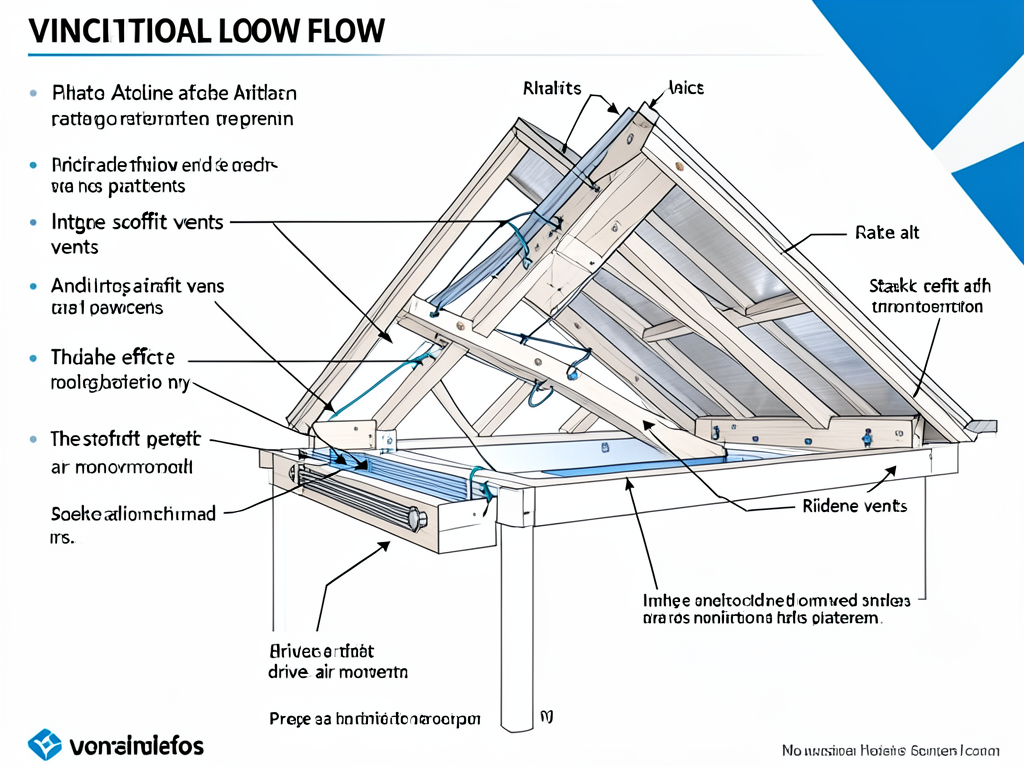
Does Your Maryland Heights Attic Have Enough Ventilation for the Summer Heat? Your Maryland Heights attic can reach 150°F on…

Does Your Maryland Heights Attic Have Enough Ventilation for the Summer Heat?

Does Your Maryland Heights Attic Have Enough Ventilation for the Summer Heat? Your Maryland Heights attic can reach 150°F on…

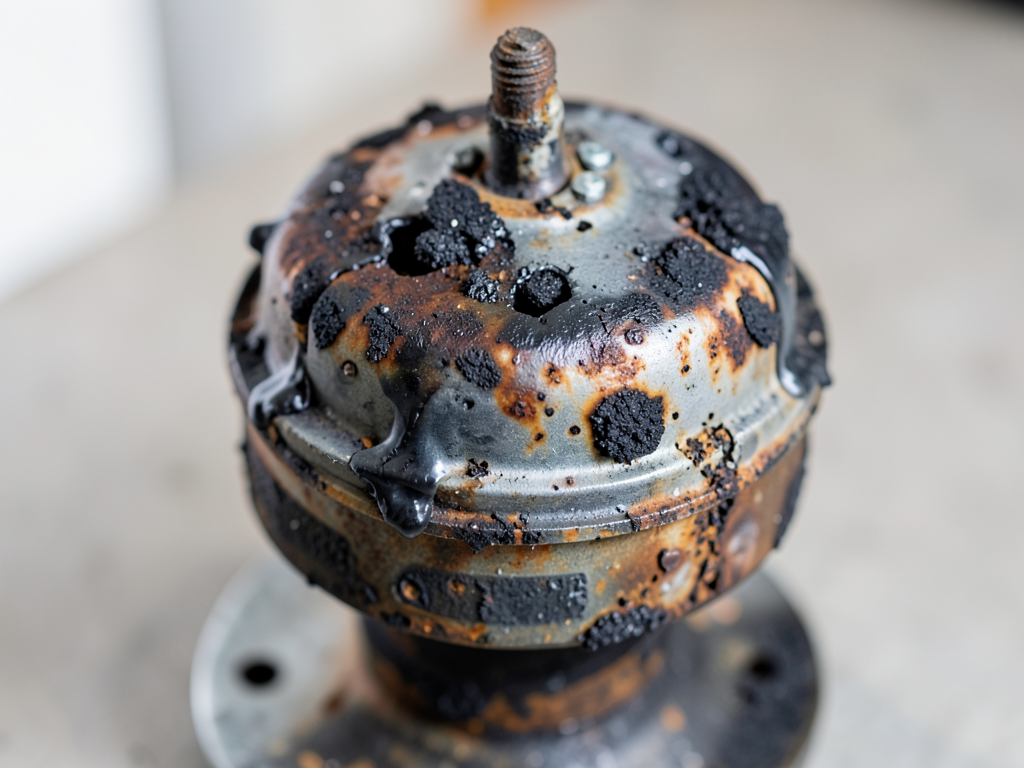
What That Strange Metallic or Burning Plastic Smell from Your Furnace Actually Means

What That Strange Metallic or Burning Plastic Smell from Your Furnace Actually Means If your furnace smells like burning plastic…

Why Closing Vents in Unused Rooms Is Actually Hurting Your Ladue Home

Many Ladue homeowners close vents in unused rooms to save money on energy bills. This common practice seems logical at…

Contact Us

Call Keystone HVAC St. Louis at (314) 417-7771 to schedule a site assessment. We provide written proposals with equipment options, installation timelines, and transparent pricing. Stop struggling with uneven temperatures and high energy bills. Get zone control that works.