
Menu

Excess Dust in Home in St. Louis | Expert Diagnosis and Permanent HVAC Solutions

If constant dust in house has you wiping surfaces daily, your HVAC system is likely the culprit. Keystone HVAC St. Louis identifies the root cause of excessive house dust and implements targeted repairs to restore clean indoor air.

Slider Image 1
Slider Image 2
Slider Image 3
Slider Image 4
Slider Image 5
Slider Image 7
Slider Image 8
Slider Image 9
Slider Image 10
Slider Image 11

Why St. Louis Homes Battle Heavy Dust Buildup Year-Round

You dust on Monday. By Wednesday, surfaces are coated again. This is not normal. If you are dealing with too much dust in home, your HVAC system is likely circulating contaminants instead of filtering them out.

St. Louis homes face unique challenges that amplify dust problems. The region sits at the confluence of the Mississippi and Missouri Rivers, creating elevated humidity levels that cause ductwork to sweat and trap particulates. Spring and fall pollen from surrounding oak and maple forests mixes with Mississippi River Valley silt, creating a fine dust that infiltrates poorly sealed duct systems. Add in clay soil foundation shifts common to Tower Grove and Soulard neighborhoods, and you get duct disconnections that pull unfiltered attic or crawlspace air directly into your living space.

Heavy dust buildup signals specific HVAC failures. Leaking return ducts create negative pressure, sucking in dust from wall cavities and attics. Undersized or clogged air filters force your system to bypass filtration entirely. Dirty evaporator coils lose their ability to dehumidify, allowing moisture to bind dust into sticky residue that coats vents and furniture. Blower motors caked with debris blow contaminated air throughout your home every time the system cycles.

An unusually dusty home is not a cleaning problem. It is a mechanical problem. If you are vacuuming daily but still seeing dust settle within hours, your ductwork, filtration, or airflow balance needs professional correction. Ignoring the issue compounds indoor air quality problems and forces your HVAC system to work harder, shortening its lifespan.

Why St. Louis Homes Battle Heavy Dust Buildup Year-Round
How We Identify and Eliminate Dust Sources in Your HVAC System

How We Identify and Eliminate Dust Sources in Your HVAC System

Most companies slap in a new filter and call it fixed. That does not address why constant dust in house keeps reappearing. Keystone HVAC St. Louis uses diagnostic airflow testing and duct pressure mapping to pinpoint where contaminated air enters your system.

We start with a blower door test to measure total duct leakage. This quantifies how much conditioned air escapes and how much unconditioned air infiltrates. A properly sealed duct system should leak less than 10 percent of total airflow. Most St. Louis homes we test leak 25 to 40 percent. That means a quarter of the air circulating through your home bypasses filtration entirely.

Next, we inspect the entire air handler assembly. The evaporator coil sits directly downstream of your filter. If the coil fins are clogged with dust, your filter is either too porous or installed incorrectly, allowing bypass. We check filter track seals, measure static pressure across the filter, and verify that your blower motor delivers adequate CFM to maintain proper airflow velocity. Low airflow means dust settles in ducts instead of reaching the filter.

We also inspect duct boots and register connections. In older St. Louis homes with plaster walls and balloon framing, return air grilles often connect directly to wall cavities instead of sealed ducts. This pulls decades of accumulated wall dust directly into your breathing air. We seal these bypasses with mastic and metal collars, then verify airflow balance at each register.

For homes with excessive house dust traced to ductwork contamination, we recommend professional duct cleaning paired with aerosol duct sealing. This combination removes existing buildup and prevents future infiltration. The result is measurably cleaner air and significantly less surface dust.

What Happens During Your Dust Reduction Service

Excess Dust in Home in St. Louis | Expert Diagnosis and Permanent HVAC Solutions
01

System Airflow Diagnostics

We measure static pressure at the air handler, test airflow at each supply and return register, and use thermal imaging to identify duct leaks. This data reveals whether your dust problem stems from filtration bypass, negative pressure issues, or contaminated ductwork. Most St. Louis homes show at least two contributing factors that require coordinated repair.
02

Targeted System Repairs

Based on diagnostics, we seal duct leaks with mastic or aerosol sealant, upgrade filter media to higher MERV ratings without restricting airflow, clean evaporator coils, and correct return air pathway deficiencies. For homes with severe contamination, we perform whole-system duct cleaning before sealing. Each repair directly addresses a measured airflow deficiency contributing to heavy dust buildup.
03

Verification and Prevention

After repairs, we retest airflow and duct leakage to confirm improvement. You receive a report showing before and after measurements, along with a filter maintenance schedule tailored to your system. We also provide guidance on indoor humidity control, which prevents dust from binding to surfaces. Most clients notice dramatically less dust within the first week after service.

Why St. Louis Homeowners Trust Keystone HVAC for Dust Solutions

Dealing with too much dust in home requires understanding how St. Louis building practices and climate interact with HVAC systems. Keystone HVAC St. Louis specializes in diagnosing airflow problems specific to this region.

We work extensively in neighborhoods like Lafayette Square, Shaw, and Holly Hills, where homes built between 1900 and 1950 feature balloon framing, plaster walls, and ductwork retrofitted decades after construction. These homes often have return air grilles connected directly to wall cavities, a shortcut that pulls dust from every floor of the house into the HVAC system. We correct these deficiencies with properly sized and sealed return ducts, eliminating a major contamination pathway most companies overlook.

St. Louis's 50 to 70 percent average humidity also affects dust behavior. High indoor humidity causes dust to stick to surfaces instead of remaining airborne where filters can capture it. We evaluate your system's dehumidification capacity and recommend solutions ranging from improved airflow to dedicated dehumidification equipment. Proper humidity control transforms how dust behaves in your home.

We also understand local code requirements for duct sealing and filtration. St. Louis County adopted energy conservation codes requiring duct leakage testing for new installations and major renovations. We apply the same standards to retrofit work, ensuring your repairs meet or exceed current building performance expectations.

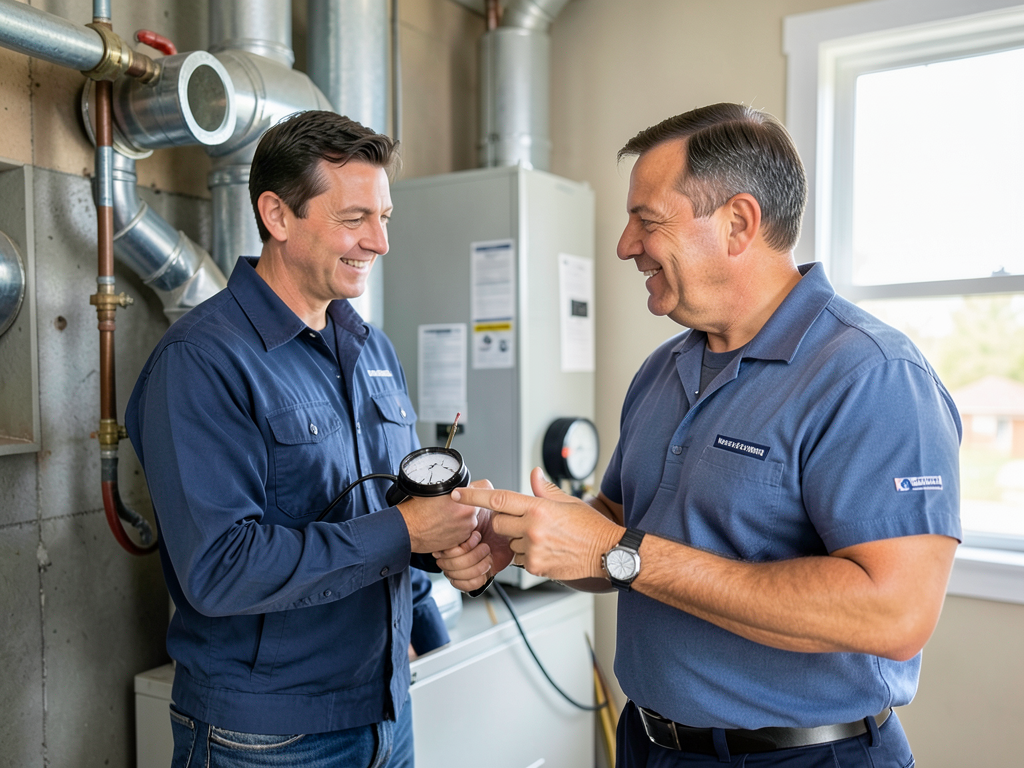
Our technicians carry diagnostic equipment most residential HVAC companies do not use. Manometers for measuring static pressure, anemometers for testing register airflow, and thermal cameras for identifying hidden duct leaks allow us to quantify problems instead of guessing. You receive objective data showing exactly why your home has an unusually dusty home condition and how our repairs will fix it.

What to Expect When We Solve Your Dust Problem

Same-Day Diagnostics Available

We schedule diagnostic appointments within 48 hours of your call. Most assessments take 90 minutes to two hours, depending on home size and system complexity. You receive a written report the same day, detailing every airflow deficiency and contamination source we identify. If repairs are straightforward, we can often complete them during the initial visit. Complex projects requiring duct cleaning or extensive sealing are scheduled within the week. We prioritize homes where excessive house dust affects residents with respiratory conditions or allergies.

Comprehensive Airflow Assessment

Our evaluation goes beyond visual inspection. We measure total system airflow in CFM, compare it to your equipment's rated capacity, and calculate duct leakage as a percentage of total airflow. We test static pressure across the filter, at the air handler, and at multiple points in the duct system to identify restrictions. We inspect every accessible duct connection, register boot, and air handler penetration for gaps or disconnections. This level of detail reveals problems invisible to standard service calls.

Measurable Air Quality Improvement

After we complete repairs, you will notice less dust settling on surfaces within days. The reduction is not subtle. Homes with severe constant dust in house problems often see 60 to 80 percent less accumulation after proper duct sealing and filtration upgrades. You will also notice more consistent temperatures between rooms, quieter system operation, and lower energy bills. These are side effects of improved airflow efficiency. We provide before and after airflow measurements so you can verify the improvement objectively.

Ongoing Filtration Support

After addressing ductwork and airflow issues, maintaining clean air requires proper filter maintenance. We provide a custom filter replacement schedule based on your system's airflow capacity, local pollen levels, and indoor occupancy. We also offer filter subscription service, delivering the correct filters to your door on schedule. For homes requiring high-efficiency filtration, we verify that upgraded filters do not restrict airflow or damage your blower motor. Proper filtration is the final defense against heavy dust buildup, but only after ductwork is sealed and airflow is optimized.

Frequently Asked Questions

You Have Questions,
We Have Answers

Why do I have so much dust in my house? +

Excess dust in your St. Louis home often stems from your HVAC system. Leaky ductwork pulls in attic dust and insulation fibers. A clogged air filter forces your system to recirculate particles instead of trapping them. St. Louis homes also face high humidity, which makes dust stick to surfaces longer. Older furnaces and air handlers accumulate dust internally and blow it through vents. If you see dust buildup near registers or feel weak airflow, your ductwork likely needs sealing or your filter needs replacement. The clay soil common around St. Louis also tracks in fine particles that become airborne indoors.

How do I stop my house from getting so dusty? +

Start with your HVAC system. Replace your air filter every 30 days, not every 90 days like the package suggests. Seal duct leaks in your attic and crawlspace to stop pulling in contaminated air. Schedule professional duct cleaning if you have not done it in five years. Run your furnace fan on continuous low speed to filter air constantly. Minimize fabric surfaces like heavy curtains that trap dust. Use entry mats at every door to reduce tracked-in soil. In St. Louis, where humidity stays high much of the year, a dehumidifier also helps particles settle faster instead of floating.

Is it unhealthy to live in a dusty house? +

Yes. Household dust contains dust mites, mold spores, pet dander, and dead skin cells. Breathing these particles triggers allergies, asthma attacks, and respiratory irritation. Children and elderly people face higher risks. St. Louis ranks above national averages for ragweed pollen and mold counts due to Mississippi River valley humidity. This outdoor contamination enters your home and mixes with indoor dust. Long-term exposure can cause chronic inflammation in your lungs. If you notice worsening breathing issues, watery eyes, or frequent coughing indoors, your dust problem needs immediate attention. Poor indoor air quality also aggravates existing conditions like COPD.

Do air purifiers actually reduce dust? +

Air purifiers reduce airborne dust but do not eliminate the source. Units with true HEPA filters capture 99.97% of particles down to 0.3 microns. They work best in sealed rooms where you spend the most time, like bedrooms. However, purifiers cannot fix leaky ductwork or dirty HVAC systems. In St. Louis homes with forced-air heating, your furnace filter processes significantly more air volume than a portable purifier. Focus on fixing your HVAC system first. Then add a purifier as a secondary defense. Change purifier filters on schedule or they become dust sources themselves. Ionizing purifiers can produce ozone, which irritates lungs.

What is grandmas' simple trick to eliminate dust? +

The old trick is microfiber cloths dampened with water and white vinegar. The vinegar breaks down oils that make dust cling to surfaces. Microfiber traps particles instead of spreading them like feather dusters do. Wipe in one direction, then flip the cloth to a clean section. This method works on wood furniture, baseboards, and blinds. St. Louis humidity makes dust sticky, so the dampness helps lift it. Never use dry cloths on electronics, which create static and pull dust back immediately. Wash microfiber cloths in hot water without fabric softener, which reduces their grabbing power.

Does vacuuming every day reduce dust? +

Daily vacuuming reduces dust if you use a vacuum with a sealed HEPA filter and strong suction. Cheap vacuums blow fine particles back into the air through exhaust vents. Vacuum slowly in overlapping passes to let the motor pull embedded dust from carpet fibers. Focus on high-traffic areas and under furniture where dust collects. In St. Louis, where tracked-in clay soil is common, vacuum entry areas twice. Empty bagless canisters outside to avoid releasing dust clouds indoors. Replace vacuum filters and belts on schedule. If your vacuum smells musty, it is recirculating mold spores and making your problem worse.

What naturally repels dust? +

Nothing naturally repels dust. Products claiming to repel dust usually leave oily residues that attract more particles. The best defense is reducing sources. Wash bedding weekly in hot water to kill dust mites. Groom pets outside to reduce dander. Remove clutter where dust settles. Replace HVAC filters monthly. Seal gaps around windows and doors to stop outside dust from entering. St. Louis homes near Interstate 64 or industrial areas in Sauget see higher airborne particulate from traffic and factories. Use doormats and remove shoes indoors. Hardwood or tile floors collect less dust than carpet because fibers do not trap particles.

Does opening a window reduce dust? +

Opening windows in St. Louis usually increases dust. You invite pollen, vehicle exhaust, and industrial particulate from outside. The Mississippi River floodplain traps pollutants in stagnant air during summer months. Spring brings cottonwood seeds and ragweed pollen. If you open windows, do it early morning when pollen counts drop and air quality improves. Close windows before rush hour traffic. Cross-ventilation can help if outdoor air quality is good, but your HVAC system with clean filters does a better job filtering incoming air. Check AirNow.gov for St. Louis air quality ratings before opening windows during allergy season.

Is it better to dust with a wet or dry cloth? +

Use a damp cloth for most surfaces. Water weighs down dust particles so they stick to the cloth instead of becoming airborne. Spray the cloth, not the surface, to avoid water damage. Dry cloths create static electricity that lifts dust temporarily, then it resettles in minutes. For electronics, use barely damp microfiber to avoid moisture damage. St. Louis humidity means damp-dusted surfaces dry quickly without streaking. Never use furniture polish or sprays that leave residue. Wood surfaces need occasional oil treatment, but not during dusting. Always dust before vacuuming so fallen particles get removed from floors.

What happens if you never clean dust? +

Uncleaned dust becomes a health hazard and damages your home. Dust mites multiply in accumulated dust, triggering allergies and asthma. Mold spores mix with dust in humid St. Louis basements and grow on damp surfaces. Dust clogs HVAC systems, reducing efficiency and increasing energy bills. It corrodes electronics and shortens appliance lifespans. Thick dust on furnace heat exchangers creates fire risks. Respiratory problems worsen over time from chronic exposure. Dust buildup on refrigerator coils forces the compressor to work harder, leading to premature failure. Neglected dust also stains walls and ceilings permanently, requiring expensive repainting.

How St. Louis River Valley Air Quality Amplifies Dust Problems

St. Louis sits in a natural bowl at the confluence of two major rivers, creating a microclimate where humidity and particulate matter concentrate. Mississippi River Valley silt, agricultural dust from surrounding Illinois farmland, and industrial emissions from the Metro East corridor settle across the region. When outdoor air infiltrates through leaky ductwork, it carries these fine particulates directly into your home. Spring pollen from riverbank cottonwoods and summer mold spores from floodplain vegetation compound the problem. Homes in low-lying neighborhoods near River Des Peres or Gravois Creek experience particularly high infiltration rates during wet seasons, when groundwater saturation forces humid air into crawlspaces and basement ductwork.

Keystone HVAC St. Louis has served this region for years, working in every neighborhood from historic Carondelet to newer subdivisions in South County. We understand how local construction practices affect indoor air quality. Many St. Louis homes have ductwork installed in vented attics or uninsulated crawlspaces, where temperature differentials cause condensation and dust accumulation. We correct these installation deficiencies using methods that comply with current residential building codes. Our familiarity with local building inspectors and permitting processes ensures repairs meet all regulatory requirements while delivering measurable air quality improvement.
HVAC Services in The St. Louis Area

Our service area spans across the St. Louis metropolitan area and surrounding communities. We’re dedicated to bringing our top-quality HVAC services directly to your doorstep. Use the map to see our coverage and feel free to contact us with any questions about whether we can service your specific location. We’re always here to help you find the comfort solutions you need.

Address:
Keystone HVAC St. Louis, 4452 Manchester Ave, St. Louis, MO, 63110

Additional Services We Offer

Our news updates

Latest Articles & News from The Blogs

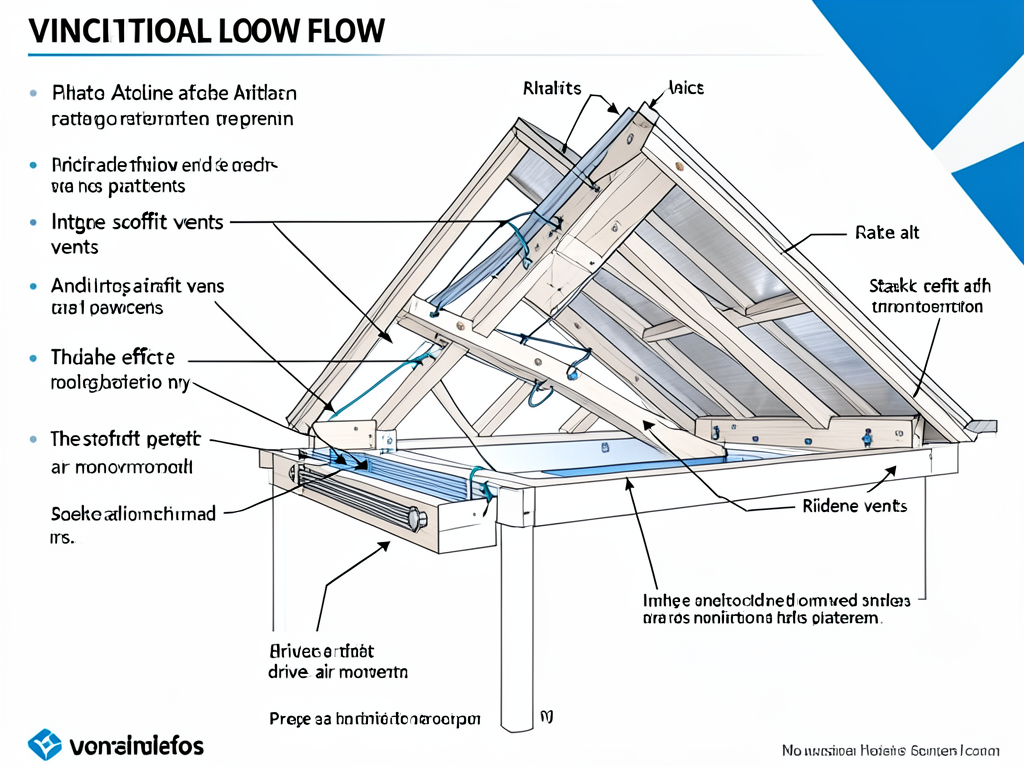
Does Your Maryland Heights Attic Have Enough Ventilation for the Summer Heat? Your Maryland Heights attic can reach 150°F on…

Does Your Maryland Heights Attic Have Enough Ventilation for the Summer Heat?

Does Your Maryland Heights Attic Have Enough Ventilation for the Summer Heat? Your Maryland Heights attic can reach 150°F on…

What That Strange Metallic or Burning Plastic Smell from Your Furnace Actually Means

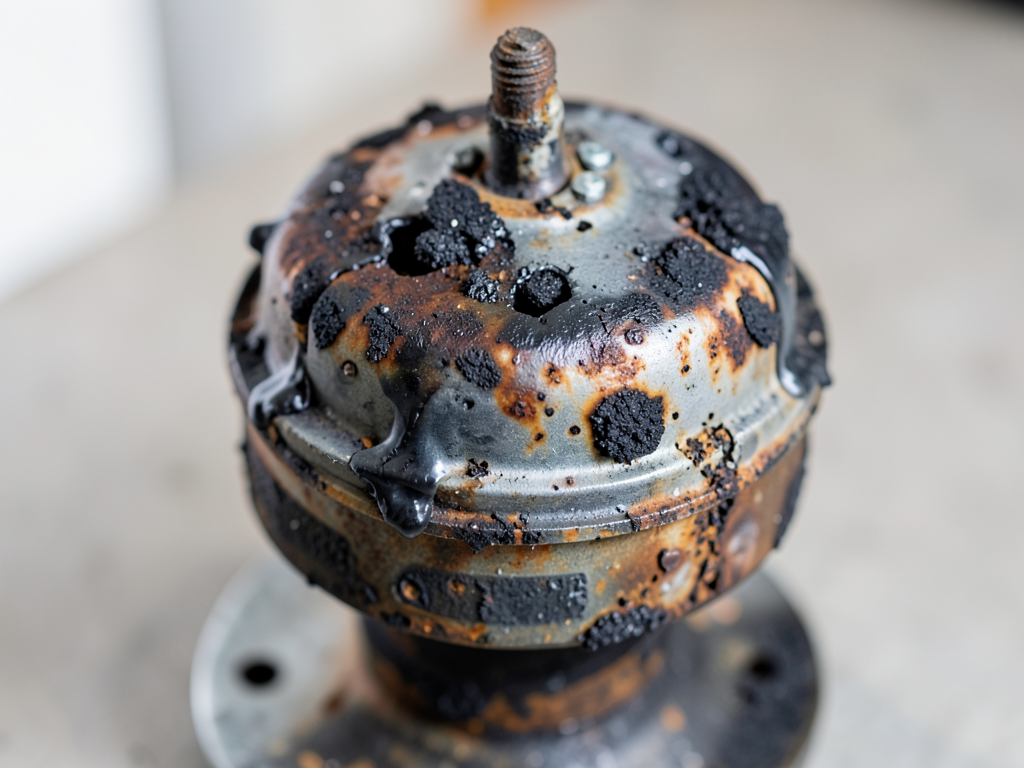
What That Strange Metallic or Burning Plastic Smell from Your Furnace Actually Means If your furnace smells like burning plastic…

Why Closing Vents in Unused Rooms Is Actually Hurting Your Ladue Home

Many Ladue homeowners close vents in unused rooms to save money on energy bills. This common practice seems logical at…

Contact Us

If you are wiping down the same surfaces every other day, your HVAC system needs professional attention. Call Keystone HVAC St. Louis at (314) 417-7771 for same-day diagnostics. We identify the exact source of your dust problem and fix it permanently.