
Menu

High Energy Bills in St. Louis – We Find the Hidden System Failures Driving Up Your Costs

Keystone HVAC St. Louis uses thermal imaging and airflow diagnostics to pinpoint exactly why your heating and cooling costs keep climbing, then fixes the root cause so you stop overpaying every month.

Slider Image 1
Slider Image 2
Slider Image 3
Slider Image 4
Slider Image 5
Slider Image 7
Slider Image 8
Slider Image 9
Slider Image 10
Slider Image 11

Why St. Louis Homeowners Face Relentless Rising Utility Costs

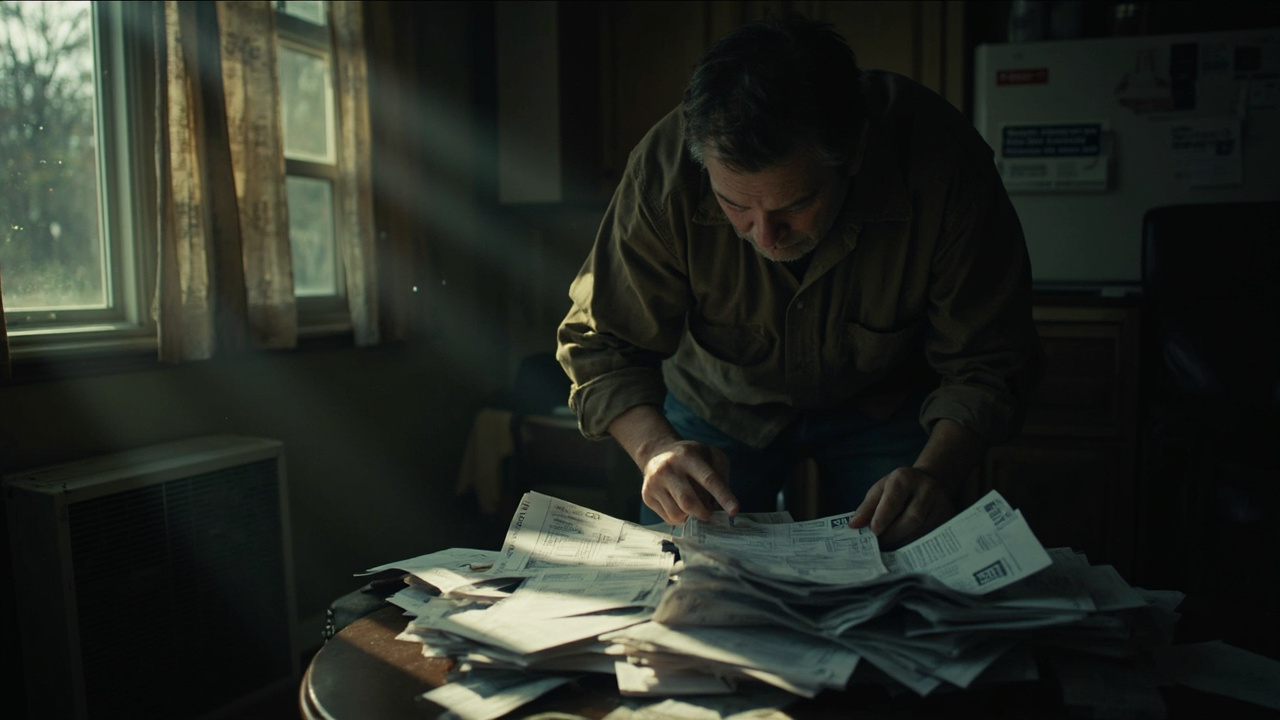
You check the thermostat. You compare bills from last year. The numbers keep climbing, and nothing makes sense.

High energy bills in St. Louis are not random. The Gateway City sits in a climate transition zone where winter lows hit single digits and summer peaks crack 95 degrees with suffocating humidity. Your HVAC system runs nearly year-round, fighting both extremes. When something breaks down quietly, you will not notice until the expensive electricity bills arrive.

Most homeowners blame the utility company or assume their system is just old. The real culprit is often invisible. A refrigerant leak drops cooling efficiency by 20 percent but leaves the system running. Duct leaks in your attic or crawlspace dump conditioned air into spaces you never use. A failing capacitor forces your compressor to work twice as hard. These problems compound in St. Louis because the humidity load here taxes your equipment harder than in drier climates. Your air conditioner does not just cool air. It pulls moisture out of it. When the system is compromised, it runs longer cycles to hit the same temperature, and your skyrocketing energy bills reflect that hidden struggle.

You are not imagining the increased heating and cooling costs. You are funding a system that is working against itself. The question is not whether something is wrong. The question is what, and where.

Why St. Louis Homeowners Face Relentless Rising Utility Costs
How We Diagnose the Real Source of Costly Utility Expenses

How We Diagnose the Real Source of Costly Utility Expenses

We do not guess. We measure.

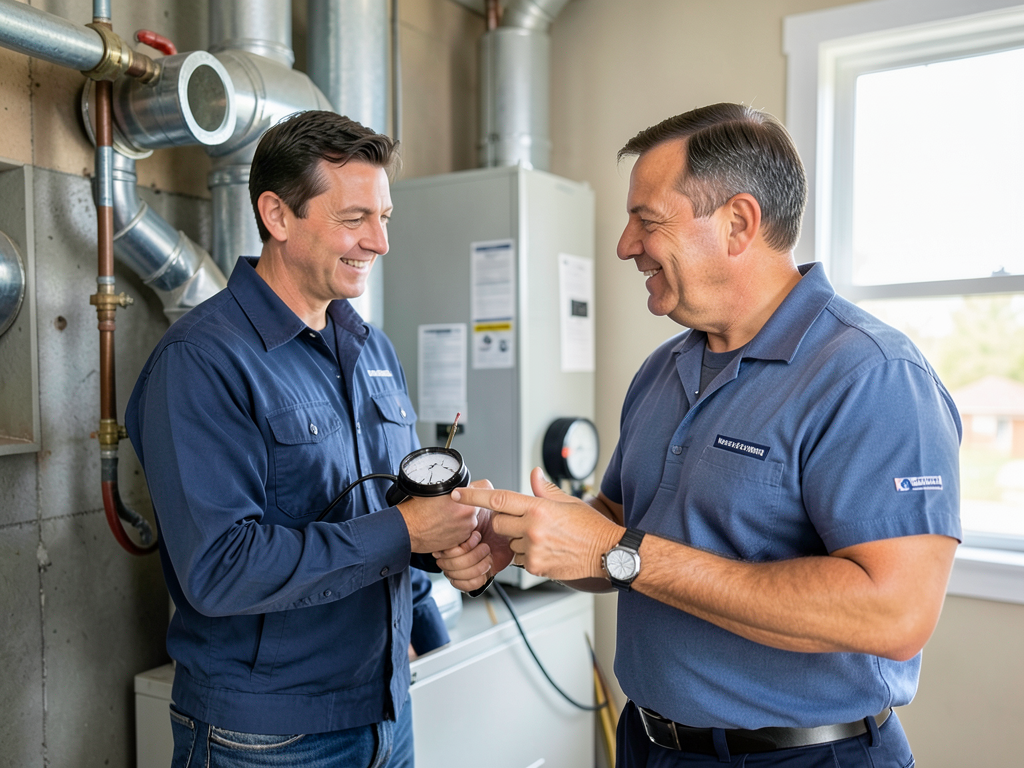
Keystone HVAC St. Louis starts every high energy bill investigation with a complete system performance audit. We use a digital manometer to test static pressure across your ductwork. High static pressure means your blower motor is choking, burning extra electricity to push air through crimped or undersized ducts. We use thermal imaging cameras to scan your supply and return lines for temperature differentials that reveal leaks or failing insulation.

We check refrigerant charge with electronic gauges, not eyeball estimates. Low refrigerant does not just hurt cooling performance. It forces your compressor to run longer, hotter, and less efficiently. We test capacitor microfarads against factory specs because a weak capacitor adds startup load to your compressor, spiking demand every cycle.

We inspect your air filter, evaporator coil, and condensate drain. A clogged evaporator coil cuts airflow and makes your system work harder to move the same BTUs. We measure supply air temperature drop across the coil to verify heat exchange efficiency. We test your thermostat calibration because a sensor reading two degrees high means your system runs unnecessary cycles all day.

This is not a visual inspection. This is a forensic breakdown of energy waste. We find the mechanical failures, the install mistakes, and the maintenance neglect that turns a 16 SEER system into a 10 SEER energy hog.

What Happens When You Call Us About High Energy Bills

High Energy Bills in St. Louis – We Find the Hidden System Failures Driving Up Your Costs
01

System Performance Testing

We run live diagnostics on your HVAC system while it operates under normal load. This includes airflow measurement at each register, refrigerant pressure testing, amp draw on the compressor and blower motor, and duct leakage testing with a blower door if needed. We compare actual performance against manufacturer specs to identify efficiency losses.
02

Root Cause Identification

We isolate the specific failure driving your high energy bills. This might be a refrigerant leak, a failing compressor capacitor, undersized ductwork, poor attic insulation around ducts, or a thermostat reading incorrectly. We show you the data, explain how the failure creates waste, and provide a prioritized repair plan with cost impact for each fix.
03

Efficiency Restoration and Verification

After repairs, we retest the system to confirm performance restoration. We measure the same metrics again to verify airflow, refrigerant charge, and amp draw are back within spec. You get a before and after report showing the efficiency gain. We explain what to expect on your next bill and provide a maintenance plan to prevent future waste.

Why St. Louis Homeowners Trust Keystone HVAC for Energy Bill Solutions

You need someone who knows how HVAC systems fail in this specific climate. St. Louis is not Phoenix. It is not Minneapolis. It is both, depending on the month. That duality breaks systems in ways that standard maintenance checklists miss.

Keystone HVAC St. Louis has been diagnosing high energy bills in the Gateway City for years. We understand how the Mississippi River Valley humidity loads stress compressors and evaporator coils. We know that homes built before 1980 in neighborhoods like Soulard and Shaw often have ductwork designed for coal furnaces, not modern forced air systems. Those ducts leak. We know that 1990s suburban builds in West County and South County often have undersized return ducts because builders cut costs. That creates negative pressure and efficiency loss.

We are familiar with the local building code updates that affect HVAC performance. We know which local HVAC companies cut corners on refrigerant charge and which ones actually follow load calculation standards. We have seen the same expensive electricity bills from the same system failures across dozens of zip codes, and we know how to fix them permanently.

You are not hiring a national franchise that sends a different technician every time. You are hiring a local team that knows your home, your climate, and your specific challenges. We do not sell you a new system when a $200 capacitor and a duct seal will cut your bills by 30 percent.

What to Expect When We Solve Your High Energy Bill Problem

Same-Day Diagnostic Availability

We schedule energy audits within 24 to 48 hours of your call. Most diagnostics take 90 minutes to two hours depending on system complexity and home size. We work around your schedule, including evenings and weekends, because we know high energy bills do not wait for business hours. You get a detailed findings report the same day, with a clear explanation of what is wrong and what it will cost to fix.

Complete System Efficiency Audit

Our audit covers every component that affects energy consumption. We test refrigerant levels, measure duct leakage, inspect insulation, check thermostat accuracy, evaluate airflow balance, and assess electrical load on motors and compressors. We use calibrated digital tools, not guesswork. You get a line-item breakdown of every inefficiency we find, ranked by impact on your utility bill. We explain what to fix first and what can wait.

Measurable Energy Savings

After we repair the root cause, you will see lower bills within the first full billing cycle. We provide a performance baseline from the initial audit and a post-repair test to show the efficiency gain. Most clients see a 15 to 35 percent reduction in heating and cooling costs, depending on what we fix. We do not make savings guarantees, but we show you the data that proves the system is working correctly again.

Preventive Maintenance Plans

High energy bills often return because small issues go unnoticed until they become big problems. We offer seasonal tune-up plans that include filter replacement, coil cleaning, refrigerant checks, and electrical testing. These visits catch failures early, before they spike your costs. You get priority scheduling, discounted service rates, and peace of mind that your system stays efficient year-round.

Frequently Asked Questions

You Have Questions,
We Have Answers

Why is my power bill so high suddenly? +

A sudden spike in your power bill points to an equipment failure or efficiency loss. Your HVAC system is the most common culprit in St. Louis. When air conditioning units work overtime during humid summers or furnaces strain in freeze-thaw winters, energy consumption soars. Check for dirty air filters, leaking ductwork, or a failing compressor. Older units lose efficiency over time. A malfunctioning thermostat can also cause nonstop runtime. Inspect your system for unusual noises or short cycling. You need a professional diagnostic to identify the root cause before costs spiral further.

Why is your energy bill suddenly so much more expensive? +

Higher energy bills often result from aging HVAC equipment losing efficiency or rate increases from your utility provider. In St. Louis, extreme seasonal swings force heating and cooling systems to run harder. When your furnace or AC unit degrades, it consumes more electricity to maintain the same temperature. Dirty coils, low refrigerant, or worn motors create drag on the system. Utility rate hikes also impact your total cost. Compare your kilowatt-hour usage month-over-month, not just the dollar amount. If usage jumped without lifestyle changes, your equipment needs immediate attention.

What runs your electric bill up the most? +

Your HVAC system accounts for the largest portion of your electric bill, especially in St. Louis where summers hit 90 degrees with high humidity and winters drop below freezing. Heating and cooling can consume 40 to 50 percent of total energy use. Water heaters rank second, followed by refrigerators and washers. Older, inefficient equipment multiplies these costs. Leaky ductwork wastes conditioned air before it reaches your rooms. Poor insulation forces your system to cycle constantly. Address HVAC efficiency first to see the biggest reduction in monthly expenses.

Why is my electric bill over $400? +

A $400 electric bill signals a serious efficiency problem or equipment failure. In St. Louis homes, this points to an oversized or failing HVAC unit running continuously. Check if your air handler never shuts off or your compressor short cycles. Ductwork leaks in unconditioned spaces like attics waste massive energy. Old, single-pane windows allow heat transfer that your system battles constantly. Water heater malfunctions can also spike usage. Pull your meter readings daily for a week to track consumption patterns. You need a load calculation and system inspection immediately.

How to figure out what is causing a high electric bill? +

Start by comparing your kilowatt-hour usage on recent bills to the same months last year. Eliminate rate increases as the cause first. Turn off all breakers except one circuit at a time and watch your meter. The circuit causing the fastest spin indicates the problem area. Check your HVAC runtime by listening for continuous operation. Inspect your water heater for temperature settings above 120 degrees. Look for ductwork disconnects in your attic or crawlspace. In St. Louis homes, failed duct sealing is common. A thermal imaging scan reveals hidden energy loss.

How to find out what's using so much electricity? +

Monitor your circuit breaker panel to identify heavy-draw appliances. Your HVAC system, water heater, and electric dryer consume the most electricity. In St. Louis, air conditioning units often run 12 to 16 hours daily in summer. Check your thermostat runtime data if available. Turn off individual breakers and observe your meter speed. The fastest spinning indicates the biggest load. Older refrigerators and pool pumps can also drain power. Install a whole-home energy monitor or request a utility audit. These tools pinpoint exact consumption by appliance and time of day.

Why am I using so much electricity all of a sudden? +

Sudden increases in electricity use stem from equipment failure, occupancy changes, or seasonal demands. Your HVAC system likely lost efficiency due to refrigerant leaks, dirty coils, or a failing compressor motor. St. Louis humidity forces air conditioners to work harder, and units older than 10 years struggle. Check if someone adjusted the thermostat or if windows stayed open while cooling. Water heater sediment buildup reduces efficiency. Phantom loads from added electronics contribute minor amounts. Focus on your heating and cooling system first. A professional load test identifies failing components.

What contributes most to my electric bill? +

Heating and cooling dominate your electric bill, accounting for roughly half of total consumption in St. Louis homes. Your HVAC system runs year-round, battling humidity in summer and cold in winter. Water heating ranks second at 15 to 20 percent. Lighting, appliances, and electronics split the remainder. Older, inefficient equipment multiplies these baseline costs. Ductwork leaks waste 20 to 30 percent of conditioned air. Poor insulation forces longer runtimes. Addressing HVAC efficiency, sealing ducts, and upgrading to a programmable thermostat deliver the largest savings.

What is causing high energy prices? +

High energy prices result from utility rate increases, fuel costs, and infrastructure expenses passed to consumers. Natural gas prices fluctuate with demand and supply chain issues. In St. Louis, Ameren Missouri adjusts rates based on generation costs and grid maintenance. However, your personal bill increases often stem from inefficient equipment, not just pricing. Aging HVAC systems consume more electricity to produce the same comfort. Deregulated markets see more volatility. Focus on what you control by improving home efficiency, sealing air leaks, and maintaining equipment to offset rate hikes.

What is the biggest energy waster in your home? +

Your HVAC system is the biggest energy waster in St. Louis homes when poorly maintained. Dirty filters restrict airflow and force longer runtimes. Leaking ductwork in attics loses 20 to 30 percent of conditioned air before reaching your rooms. Single-pane windows and inadequate insulation allow massive heat transfer. Water heaters set above 120 degrees waste energy continuously. Leaving exhaust fans running or setting thermostats too aggressively compounds waste. In older homes, air sealing gaps around doors, windows, and penetrations stops energy hemorrhaging. Fix ductwork and upgrade insulation first.

How St. Louis Humidity and Temperature Swings Drive Up HVAC Costs

St. Louis sits in ASHRAE Climate Zone 4A, which means hot, humid summers and cold winters. Your air conditioner does not just lower temperature. It removes latent heat by condensing moisture out of the air. When outdoor dew points hit 70 degrees in July and August, your evaporator coil works overtime. If that coil is dirty or your refrigerant charge is low, the system cannot dehumidify efficiently. It runs longer cycles, pulling more electricity to hit the same indoor conditions. Winter is just as brutal. When temperatures drop to 10 degrees, heat pumps lose efficiency and electric resistance heat kicks in, doubling your heating cost overnight.

Keystone HVAC St. Louis understands the local mechanical code requirements and the performance standards set by the Metropolitan St. Louis Sewer District for condensate drainage. We know the typical duct layout mistakes in homes built during the post-war boom in Affton and Lemay. We know which neighborhoods have clay soil that shifts foundations and pulls duct connections apart. That local knowledge means we do not waste your time troubleshooting generic problems. We go straight to the failures common in your area and fix them correctly the first time.
HVAC Services in The St. Louis Area

Our service area spans across the St. Louis metropolitan area and surrounding communities. We’re dedicated to bringing our top-quality HVAC services directly to your doorstep. Use the map to see our coverage and feel free to contact us with any questions about whether we can service your specific location. We’re always here to help you find the comfort solutions you need.

Address:
Keystone HVAC St. Louis, 4452 Manchester Ave, St. Louis, MO, 63110

Additional Services We Offer

Our news updates

Latest Articles & News from The Blogs

Does Your Maryland Heights Attic Have Enough Ventilation for the Summer Heat? Your Maryland Heights attic can reach 150°F on…

Does Your Maryland Heights Attic Have Enough Ventilation for the Summer Heat?

Does Your Maryland Heights Attic Have Enough Ventilation for the Summer Heat? Your Maryland Heights attic can reach 150°F on…

What That Strange Metallic or Burning Plastic Smell from Your Furnace Actually Means

What That Strange Metallic or Burning Plastic Smell from Your Furnace Actually Means If your furnace smells like burning plastic…

Why Closing Vents in Unused Rooms Is Actually Hurting Your Ladue Home

Many Ladue homeowners close vents in unused rooms to save money on energy bills. This common practice seems logical at…

Contact Us

Call Keystone HVAC St. Louis today at (314) 417-7771 to schedule your energy efficiency audit. We will find what is driving your high energy bills and give you a clear plan to fix it. No guessing. No upselling. Just real answers.