
What That Strange Metallic or Burning Plastic Smell from Your Furnace Actually Means
If your furnace smells like burning plastic or has a strange metallic odor, you need to act fast. These smells often mean electrical components are failing or overheating, which can lead to fires or carbon monoxide leaks. Turn off your system immediately at the thermostat and breaker, then call a licensed HVAC technician in St. Louis. This article explains the causes, what to do right now, and how local climate and home construction affect furnace safety. The Best Local Furnace Replacement Options for Kirkwood Families.
Emergency Steps When You Smell Burning Plastic
Stop everything and follow these steps the moment you notice the odor:
- Shut Off the Thermostat
Set it to “off” to stop the heating cycle immediately. Commercial Heating Services.
- Turn Off the Power
Flip the furnace’s dedicated circuit breaker to cut all electricity.
- Check for Visible Damage
Look for melted wires, scorch marks, or cracked components without touching anything.
- Ventilate the Area
Open windows to clear fumes but avoid using fans that might spread smoke.
- Call for Emergency Service
Only a NATE-certified technician should inspect electrical or heat exchanger damage.
Do not try to restart the system or ignore the smell. A small electrical short can escalate quickly.
Common Causes of Burning Plastic or Metallic Odors
Several issues can create these dangerous smells. Here are the most frequent in St. Louis homes:
1. Electrical Component Failure
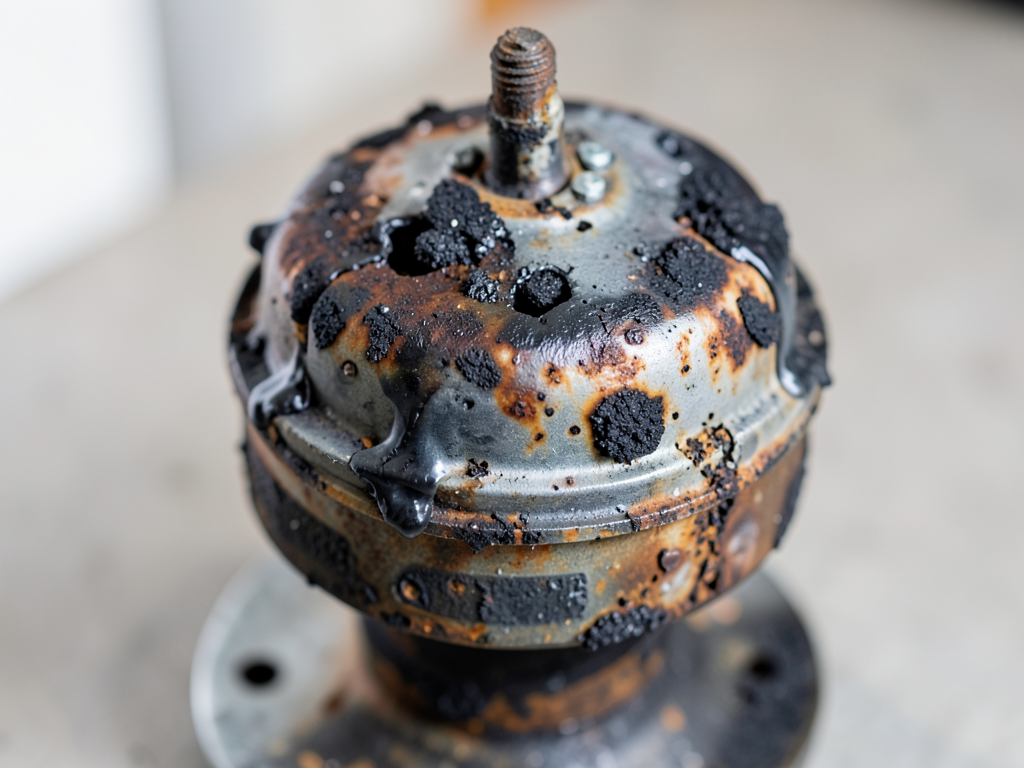
Capacitors, control boards, and wiring can overheat when insulation breaks down. The plastic coating on wires melts, releasing a sharp, chemical odor. This often happens in older systems or after power surges during summer storms.
2. Blower Motor Overheating
If the blower motor’s bearings seize or the motor draws too much current, the windings can burn. This produces a hot metal and plastic smell. You might also hear a loud humming or grinding noise before the smell appears.
3. Foreign Objects in Ducts
Children’s toys, pet toys, or construction debris can fall into floor registers. When the furnace runs, these items can melt or smolder, creating a burning plastic scent that spreads through your home.
4. New Furnace Burn-Off
Sometimes a brand-new system emits a mild odor during its first few hours of operation as factory coatings and oils burn off. This smell should fade within a day and never return. If it persists, shut down the unit.
5. Heat Exchanger Cracks
A cracked heat exchanger can allow flue gases to mix with indoor air. While this more often produces a musty or chemical smell, severe cracks can create a metallic odor. This is a serious carbon monoxide risk.
Why St. Louis Homes Face Unique Furnace Risks
St. Louis’s climate and housing stock create specific vulnerabilities for furnace systems. Our humid summers cause metal components to corrode faster, especially in unconditioned basements. When winter hits, the sudden temperature swings stress aging parts.
Many St. Louis homes, particularly in historic neighborhoods like Soulard and Lafayette Square, have original ductwork from the 1950s-70s. These ducts often contain asbestos insulation or degraded plastic liners that release particles when disturbed by airflow.
Clay soil common in St. Louis expands and contracts with moisture changes, shifting foundations slightly. This movement can loosen gas line connections or stress furnace venting, creating leak points that contribute to unusual odors.
According to the St. Louis County Mechanical Code Section 425.1, all gas-fired furnaces must maintain proper clearance from combustible materials and include approved venting systems. Systems installed before 2000 may not meet current standards.
What Homeowners Can Check vs. What Requires a Pro
Some basic checks are safe for homeowners, but electrical or gas-related issues demand professional service. Why Professional Air Duct Cleaning is Essential for Wildwood Homes.
Safe DIY Checks
- Air Filter
A clogged filter can cause the system to overheat. Replace it if it’s visibly dirty.
- Registers and Vents
Remove floor vents and look for foreign objects like toys or paper.
- Thermostat Settings
Ensure it’s not set to emergency heat, which can cause unusual operation. Emergency AC Repair in Creve Coeur That Won’t Break the Bank.
Leave These to Licensed Technicians
- Electrical Components
Capacitors, control boards, and wiring repairs require specialized tools and knowledge. EPA Carbon Monoxide Information.
- Heat Exchanger Inspection
Cracks are often invisible without thermal imaging or combustion analysis.
- Gas Line Testing
Leak detection and pressure testing must follow local code requirements.
- Motor Replacement
Incorrect installation can create fire hazards or void warranties. Top Rated AC Installation Companies Serving Ladue and Clayton.
Cost Factors for Furnace Smell Repairs in St. Louis
Diagnostic service calls in the St. Louis area typically range from $89 to $129. The final repair cost depends on what the technician finds:
| Repair Type | Typical Cost Range | Urgency Level |
|---|---|---|
| Capacitor Replacement | $150 – $300 | Medium |
| Blower Motor Repair | $250 – $600 | High |
| Control Board Replacement | $300 – $800 | High |
| Heat Exchanger Inspection | $100 – $200 | Critical |
| Foreign Object Removal | $75 – $150 | Low |
Emergency after-hours service may add $50 to $100 to these rates. Many St. Louis HVAC companies offer flat-rate pricing for common repairs.
Preventing Future Furnace Odors
Annual maintenance is your best defense against dangerous furnace smells. A professional tune-up includes cleaning burners, checking electrical connections, and testing for carbon monoxide.
Replace your air filter every 1-3 months during heating season. A clean filter prevents the system from working too hard and overheating.
Install a carbon monoxide detector near your furnace and in sleeping areas. Test it monthly and replace batteries annually.
If you notice the smell only when the furnace first starts in fall, it might be dust burning off the heat exchanger. This should last only a few minutes. Any longer, and you need service.
Consider upgrading from a 15-20 year old system. Modern furnaces have safety features like automatic shut-off for overheating that older units lack.
Frequently Asked Questions
Is a burning plastic smell always dangerous?
Yes, it indicates something is overheating or melting. Turn off the system immediately and call a professional. Do not ignore it.
How can I tell if it’s just dust burning off?
Dust burn-off smells like hot paper and lasts only 1-2 minutes when you first start heating for the season. A persistent chemical or plastic smell is not normal.
Should I call the fire department?
Call 911 if you see smoke, hear popping sounds, or the smell is overwhelming. For electrical smells without visible smoke, call an HVAC technician first but be prepared to evacuate if conditions worsen.
Can I use my furnace if the smell goes away?
No. The underlying problem still exists and will likely return, potentially causing more damage or creating a fire hazard.
How long does emergency furnace repair take?
Most emergency calls in St. Louis are resolved within 2-4 hours if parts are available. Complex issues may require a follow-up visit.
Don’t Wait Until It’s Too Late
That burning plastic smell isn’t just annoying—it’s a warning sign of potential electrical failure, gas leaks, or fire hazards. St. Louis’s extreme seasonal changes put extra stress on aging systems, making fall and early winter critical times for furnace safety.
Our NATE-certified technicians understand the specific challenges of St. Louis homes, from historic Soulard properties to modern Chesterfield builds. We carry the diagnostic tools and replacement parts needed to resolve most issues in a single visit.
Call (314) 417-7771 today to schedule your inspection. Don’t risk your family’s safety or comfort. We offer 24/7 emergency service throughout the greater St. Louis area, including Clayton, Webster Groves, and University City.
Pick up the phone and call (314) 417-7771 before the next cold snap hits. Your safety can’t wait. For more information, visit International Mechanical Code.
{
“@context”: “https://schema.org”,
“@type”: “BlogPosting”,
“headline”: “What That Strange Metallic or Burning Plastic Smell from Your Furnace Actually Means”,
“description”: “That burning plastic smell from your furnace could signal electrical failure or overheating. Learn the causes, emergency steps, and when to call a St. Louis HVAC expert.”,
“wordCount”: 1284,
“datePublished”: “2026-06-08T10:12:00.000Z”,
“dateModified”: “2026-06-08T10:12:00.000Z”,
“inLanguage”: “en-US”,
“mainEntityOfPage”: {
“@type”: “WebPage”,
“@id”: “https://keystonehvacstlouis.com”
},
“publisher”: {
“@type”: “LocalBusiness”,
“name”: “Keystone HVAC St. Louis”,
“url”: “https://keystonehvacstlouis.com”
},
“author”: {
“@type”: “Organization”,
“name”: “Keystone HVAC St. Louis”,
“url”: “https://keystonehvacstlouis.com”
},
“image”: {
“@type”: “ImageObject”,
“url”: “https://keystonehvacstlouis.com/wp-content/uploads/2026/03/what-that-strange-metallic-or-burning-plastic-smel-1.png”
}
}
{
“@context”: “https://schema.org”,
“@type”: “HVACBusiness”,
“name”: “Keystone HVAC St. Louis”,
“url”: “https://keystonehvacstlouis.com”,
“address”: {
“@type”: “PostalAddress”,
“addressLocality”: “St. Louis”
},
“areaServed”: {
“@type”: “City”,
“name”: “St. Louis”
}
}
{
“@context”: “https://schema.org”,
“@type”: “FAQPage”,
“mainEntity”: [
{
“@type”: “Question”,
“name”: “Is a burning plastic smell always dangerous?”,
“acceptedAnswer”: {
“@type”: “Answer”,
“text”: “Yes, it indicates something is overheating or melting. Turn off the system immediately and call a professional. Do not ignore it.”
}
},
{
“@type”: “Question”,
“name”: “How can I tell if it’s just dust burning off?”,
“acceptedAnswer”: {
“@type”: “Answer”,
“text”: “Dust burn-off smells like hot paper and lasts only 1-2 minutes when you first start heating for the season. A persistent chemical or plastic smell is not normal.”
}
},
{
“@type”: “Question”,
“name”: “Should I call the fire department?”,
“acceptedAnswer”: {
“@type”: “Answer”,
“text”: “Call 911 if you see smoke, hear popping sounds, or the smell is overwhelming. For electrical smells without visible smoke, call an HVAC technician first but be prepared to evacuate if conditions worsen.”
}
},
{
“@type”: “Question”,
“name”: “Can I use my furnace if the smell goes away?”,
“acceptedAnswer”: {
“@type”: “Answer”,
“text”: “No. The underlying problem still exists and will likely return, potentially causing more damage or creating a fire hazard.”
}
},
{
“@type”: “Question”,
“name”: “How long does emergency furnace repair take?”,
“acceptedAnswer”: {
“@type”: “Answer”,
“text”: “Most emergency calls in St. Louis are resolved within 2-4 hours if parts are available. Complex issues may require a follow-up visit.”
}
}
]
}
{
“@context”: “https://schema.org”,
“@type”: “HowTo”,
“name”: “Emergency Furnace Shutdown”,
“step”: [
{
“@type”: “HowToStep”,
“position”: 1,
“name”: “Shut Off the Thermostat”,
“text”: “Set it to \”off\” to stop the heating cycle immediately. Commercial Heating Services.”
},
{
“@type”: “HowToStep”,
“position”: 2,
“name”: “Turn Off the Power”,
“text”: “Flip the furnace’s dedicated circuit breaker to cut all electricity.”
},
{
“@type”: “HowToStep”,
“position”: 3,
“name”: “Check for Visible Damage”,
“text”: “Look for melted wires, scorch marks, or cracked components without touching anything.”
},
{
“@type”: “HowToStep”,
“position”: 4,
“name”: “Ventilate the Area”,
“text”: “Open windows to clear fumes but avoid using fans that might spread smoke.”
},
{
“@type”: “HowToStep”,
“position”: 5,
“name”: “Call for Emergency Service”,
“text”: “Only a NATE-certified technician should inspect electrical or heat exchanger damage.”
}
],
“image”: “https://keystonehvacstlouis.com/wp-content/uploads/2026/03/what-that-strange-metallic-or-burning-plastic-smel-1.png”
}
{
“@context”: “https://schema.org”,
“@type”: “BreadcrumbList”,
“itemListElement”: [
{
“@type”: “ListItem”,
“position”: 1,
“name”: “Home”,
“item”: “https://keystonehvacstlouis.com”
},
{
“@type”: “ListItem”,
“position”: 2,
“name”: “Blog”,
“item”: “https://keystonehvacstlouis.com/blog”
},
{
“@type”: “ListItem”,
“position”: 3,
“name”: “What That Strange Metallic or Burning Plastic Smell from Your Furnace Actually Means”
}
]
}
{
“@context”: “https://schema.org”,
“@type”: “Service”,
“serviceType”: “HVAC”,
“provider”: {
“@type”: “LocalBusiness”,
“name”: “Keystone HVAC St. Louis”,
“url”: “https://keystonehvacstlouis.com”
},
“areaServed”: {
“@type”: “City”,
“name”: “St. Louis”
},
“description”: “That burning plastic smell from your furnace could signal electrical failure or overheating. Learn the causes, emergency steps, and when to call a St. Louis HVAC expert.”
}