Menu

Furnace Pilot Light Issues in St. Louis – Expert Diagnosis and Permanent Fixes for Gas Furnace Malfunctions

When your pilot light won't stay lit or keeps going out, you need accurate troubleshooting to identify the root cause. Our technicians diagnose thermocouple failures, gas valve problems, and draft issues specific to St. Louis homes and furnace pilot light problems.

Slider Image 1
Slider Image 2
Slider Image 3
Slider Image 4
Slider Image 5
Slider Image 7
Slider Image 8
Slider Image 9
Slider Image 10
Slider Image 11

Why Your Pilot Light Keeps Going Out in St. Louis Homes

You walk down to the basement and find your furnace cold. The pilot light is out again. You relight it, and within hours or days, it goes out.

This is not normal wear. A pilot light that won't stay lit signals a mechanical or ventilation failure. The most common causes are a failing thermocouple, a dirty pilot orifice, or a draft issue pulling the flame away from the sensor.

In St. Louis, older homes with original furnaces face additional challenges. Many heating systems in neighborhoods like Tower Grove and Soulard were installed 20 to 30 years ago. As thermocouples age, they weaken and fail to generate enough voltage to keep the gas valve open. The pilot lights, but the safety mechanism shuts it down within seconds.

St. Louis's fluctuating winter temperatures also contribute to gas furnace pilot light malfunctions. When outdoor temps swing from 20 degrees to 50 degrees in 48 hours, expansion and contraction can loosen pilot assembly components. A slightly misaligned thermocouple will not sense the flame properly, causing repeated shutdowns.

Draft problems are another factor. Homes with old masonry chimneys or improperly sealed combustion air intakes can experience backdrafts that blow out the pilot flame. If your pilot light keeps going out on windy days, this is the likely cause.

Ignoring a pilot light that won't stay lit is dangerous. Incomplete combustion or gas buildup can lead to carbon monoxide exposure. You need a technician who understands gas furnace pilot light problems and can identify the exact failure point.

Why Your Pilot Light Keeps Going Out in St. Louis Homes
How We Fix Pilot Light Problems the Right Way

How We Fix Pilot Light Problems the Right Way

We do not guess. We test voltage, measure flame temperature, and inspect the entire pilot assembly under operating conditions.

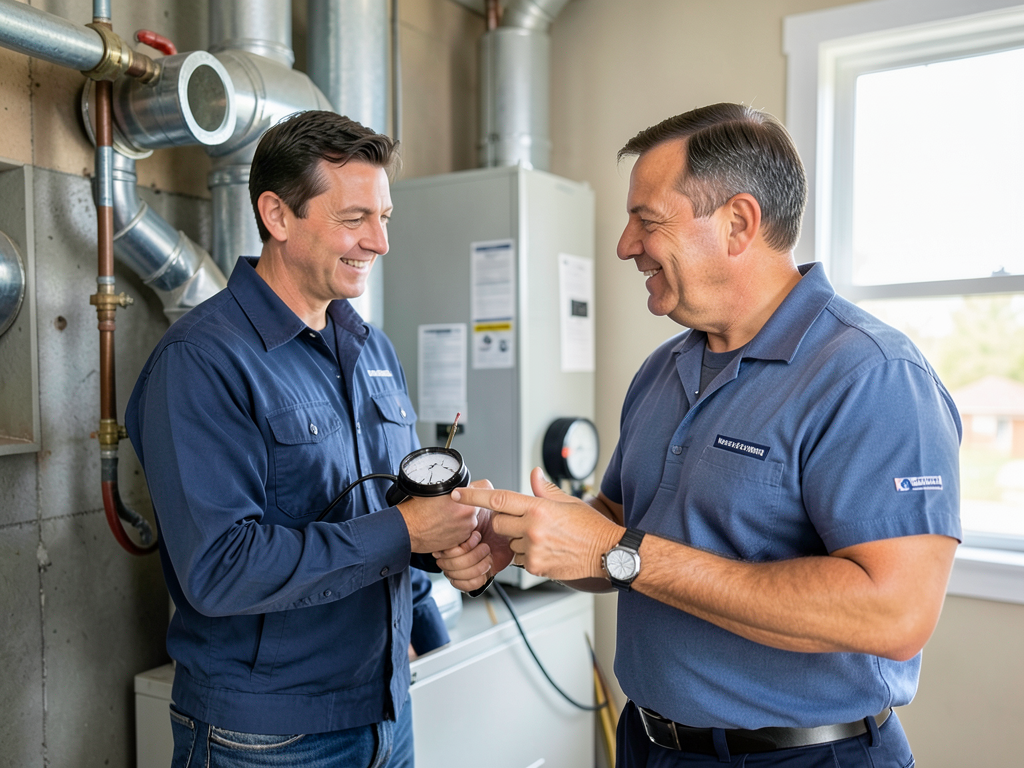
First, we check thermocouple output. A functioning thermocouple should generate 25 to 30 millivolts when heated by the pilot flame. If we measure below 20 millivolts, the thermocouple is failing and must be replaced. We use OEM-spec thermocouples matched to your furnace make and model, not universal parts that fail prematurely.

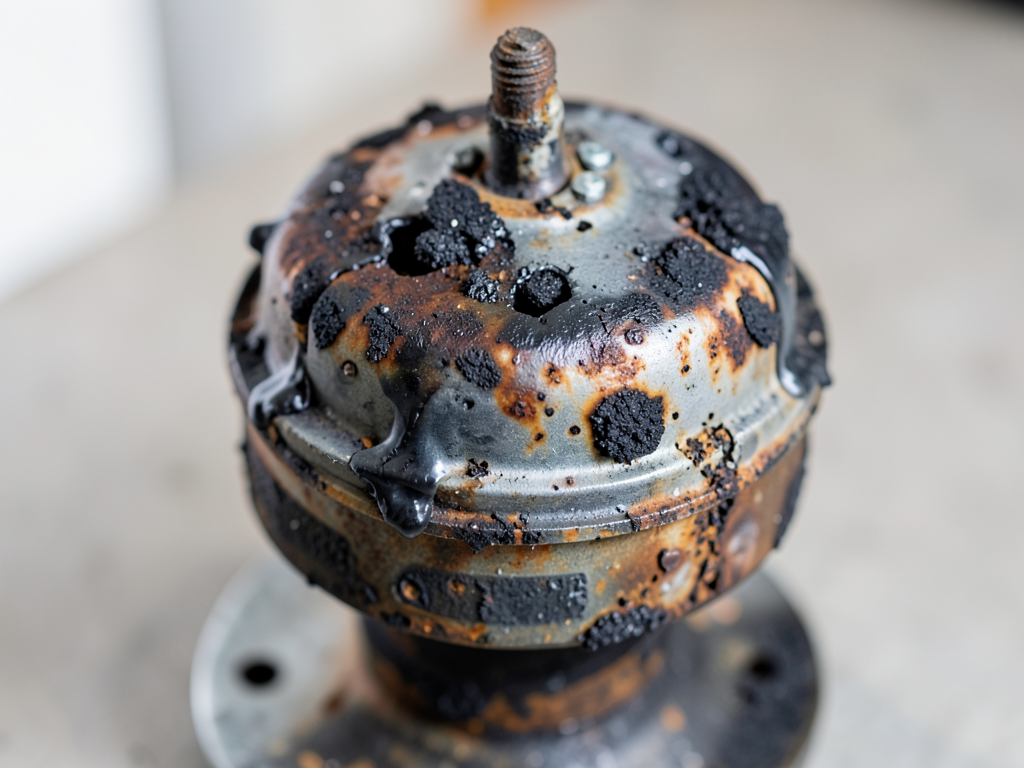
Next, we inspect the pilot orifice for carbon buildup or corrosion. A partially blocked orifice produces a weak, yellow flame that cannot adequately heat the thermocouple. We clean or replace the orifice and verify proper flame color and shape.

We also check the gas valve. If the valve's electromagnetic coil is weak or the internal diaphragm is compromised, it will not hold open even with a good thermocouple signal. We test valve response time and replace faulty valves with exact replacements.

Draft issues require a different approach. We inspect the flue pipe for obstructions, check for negative pressure in the combustion chamber, and verify proper venting. In some St. Louis homes, we find improperly terminated flue pipes or missing draft hoods that allow wind to interfere with combustion.

We also verify that the pilot flame is properly positioned. If the flame does not fully engulf the thermocouple tip, the sensor will not stay hot enough to hold the gas valve open. Adjusting the pilot flame height or repositioning the thermocouple often solves intermittent shutdowns.

Once repairs are complete, we cycle the system multiple times to confirm the pilot stays lit under all operating conditions.

What Happens During a Pilot Light Service Call

Furnace Pilot Light Issues in St. Louis – Expert Diagnosis and Permanent Fixes for Gas Furnace Malfunctions
01

System Safety Check

We begin by shutting off the gas supply and inspecting for leaks or damage around the pilot assembly and gas valve. We check for soot buildup, which indicates incomplete combustion, and inspect the heat exchanger for cracks. Safety comes first. We will not proceed with repairs if we detect a carbon monoxide risk or structural damage to the furnace cabinet.
02

Component Testing

We use a multimeter to measure thermocouple voltage output and test the gas valve's holding capacity. We inspect the pilot orifice under magnification to identify blockages or corrosion. We also test flame sensor positioning and verify proper pilot flame color and size. This diagnostic phase identifies the exact failure point so we can recommend the correct repair, not unnecessary part replacements.
03

Repair and Verification

We replace faulty components with manufacturer-approved parts and reassemble the pilot assembly. We relight the pilot and monitor it for at least 10 minutes to confirm stable operation. We cycle the furnace through multiple heating calls to verify the pilot stays lit and the burners ignite properly. Before we leave, we provide you with a written summary of what failed and what we replaced.

Why St. Louis Homeowners Trust Keystone HVAC for Furnace Repairs

Pilot light issues are not DIY-friendly. Gas furnace pilot light malfunctions involve combustion safety, gas pressure regulation, and flame sensing technology. Misdiagnosing the problem or using incorrect replacement parts can lead to repeat failures or safety hazards.

Keystone HVAC St. Louis specializes in older furnace models common in St. Louis homes. We work on systems installed in the 1990s and early 2000s, when most builders used standing pilot systems. We stock thermocouples, pilot assemblies, and gas valves for legacy brands that big-box service companies no longer support.

We also understand St. Louis building construction. Many homes in the Hill, Lafayette Square, and Shaw neighborhoods have original masonry chimneys and gravity-fed venting systems. These setups require different diagnostic approaches than modern PVC-vented furnaces. We know how to identify draft problems caused by chimney liner deterioration or blocked flue caps.

Our technicians carry diagnostic tools that most competitors do not use. We measure millivolt output, test flame rectification, and use combustion analyzers to verify proper air-fuel ratios. This level of precision allows us to fix the problem on the first visit, not return three times to guess at different components.

We also provide transparent explanations. If your pilot light won't stay lit because of a failing thermocouple, we show you the voltage readings and explain why replacement is necessary. If the issue is draft-related, we walk you through the venting problem and explain the fix.

You will not get upsold on a new furnace unless your heat exchanger is cracked or the system is unsafe to operate. We repair what can be repaired and give you honest recommendations when replacement is the only safe option.

What to Expect When You Call for Pilot Light Repair

Same-Day Service Availability

We prioritize pilot light calls because a non-functioning furnace in winter is an emergency. Most service calls are scheduled within four to six hours of your call. If you contact us in the morning, we can often arrive the same day. We stock common thermocouple sizes and pilot assemblies on every truck, so repairs can be completed in one visit without waiting for parts to be ordered or delivered.

Thorough Diagnostic Process

We do not assume the thermocouple is bad just because the pilot light keeps going out. We test every component in the pilot assembly and inspect the venting system for drafts or blockages. You receive a detailed explanation of what failed, why it failed, and what we recommend. We provide upfront pricing before starting any repair work, so there are no surprises when we finish the job.

Reliable Repairs That Last

We use OEM or equivalent-quality parts matched to your furnace make and model. Universal thermocouples and aftermarket gas valves often fail within months. We install components designed for your specific system, which means longer service life and fewer repeat failures. After completing the repair, we test the pilot under operating conditions to verify stable ignition and proper flame sensing before we leave your home.

Follow-Up Support

If your pilot light goes out again within 30 days of our repair, we return at no additional diagnostic charge. We also provide guidance on furnace maintenance to prevent future pilot light problems. This includes cleaning schedules for the pilot orifice, thermocouple inspection intervals, and signs that your gas valve may be weakening. You can call us anytime with questions about your furnace operation or concerns about pilot performance.

Frequently Asked Questions

You Have Questions,
We Have Answers

Why is my furnace pilot light not igniting? +

Your pilot light may fail to ignite due to a faulty thermocouple, clogged pilot orifice, or gas supply issue. St. Louis homes often experience sediment buildup from hard water, which can clog the orifice. A malfunctioning gas valve or dirty pilot tube also prevents ignition. Cold drafts from basement installations common in older St. Louis homes can extinguish the flame before it stabilizes. Check that your gas valve is fully open and the pilot tube is clear. If the thermocouple is damaged or misaligned, it will not signal the valve to release gas. Call a technician if you cannot identify the cause.

What are the common causes of pilot light issues? +

Common pilot light problems stem from thermocouple failures, dirty pilot assemblies, or gas supply interruptions. The high humidity in St. Louis causes rust and corrosion on older furnace components, degrading thermocouples faster. Dust and debris from seasonal HVAC cycling clog the pilot orifice. A weak flame from low gas pressure or a bent flame sensor tube prevents proper heating of the thermocouple. Draft issues in unfinished basements or crawl spaces extinguish the flame. Electrical problems with the ignition control module also cause failures. Regular maintenance prevents most of these issues and extends your furnace lifespan.

What are the symptoms of a bad igniter on a furnace? +

A failing hot surface igniter shows visible cracks or breaks in the ceramic element. You may hear the furnace attempt ignition but fail to light, causing repeated clicking. The igniter may glow but not hot enough to ignite gas, appearing dim orange instead of bright white. St. Louis furnaces cycle frequently due to temperature swings, accelerating igniter wear. Your furnace may run its blower but produce no heat, or you might smell gas without ignition. The igniter may also fail to glow at all, indicating electrical failure or a broken element. Replace damaged igniters immediately to prevent safety hazards.

Why do I have to keep relighting my pilot light? +

Repeated pilot light outages signal a failing thermocouple, improper flame adjustment, or draft problems. St. Louis homes with older masonry chimneys experience downdrafts during high winds, extinguishing pilots. A weak flame from a partially clogged orifice does not generate enough heat to keep the thermocouple engaged. Loose connections or a thermocouple positioned too far from the flame cause intermittent failures. Gas pressure fluctuations or a malfunctioning gas valve create instability. Dirt on the thermocouple tip prevents proper heat sensing. Continuous relighting indicates you need professional diagnosis to prevent furnace lockout or safety risks.

What to do if the pilot light won't relight? +

If your pilot will not relight, first verify the gas valve is in the ON position and wait five minutes for residual gas to clear. Turn the valve to PILOT, press and hold the button, then ignite with a long lighter. Hold the button for 30 seconds after ignition to heat the thermocouple. If the flame extinguishes immediately after release, the thermocouple has failed. Check for gas flow by listening for hissing at the pilot tube. Dirty components or blockages require cleaning. St. Louis homes should have annual inspections before heating season. If multiple attempts fail, call a licensed technician to inspect the gas valve and control system.

How do I know if my thermocouple is bad? +

A bad thermocouple causes your pilot light to extinguish shortly after you release the control button. You will need to repeatedly hold the button to keep the flame lit. Visual inspection may show discoloration, corrosion, or physical damage to the probe. Use a multimeter to test voltage output when the pilot is lit. A functioning thermocouple generates 25 to 35 millivolts. Readings below 20 millivolts indicate failure. The probe tip may be covered in soot or carbon buildup, preventing proper heat sensing. St. Louis humidity accelerates corrosion on older thermocouples. Replacement is inexpensive and restores reliable operation.

How to clean a pilot light thermocouple? +

Turn off the gas supply and allow the furnace to cool completely. Remove the thermocouple by unscrewing the connection nut at the gas valve. Use fine-grit sandpaper or an emery cloth to gently clean the probe tip, removing soot and carbon deposits. Avoid using steel wool, which scratches the surface. Wipe with a dry cloth to remove residue. Inspect for cracks or heavy corrosion, which require replacement. Reinstall the thermocouple, ensuring the tip sits directly in the pilot flame path. Restore gas and test operation. Clean thermocouples annually during pre-season maintenance to prevent buildup common in St. Louis furnaces.

Is it expensive to repair a pilot light? +

Pilot light repairs typically cost between modest and moderate amounts, depending on the component. Thermocouple replacement is one of the most affordable furnace repairs. Hot surface igniter replacement costs slightly more due to part complexity. Service call fees apply if you hire a technician. St. Louis HVAC companies charge competitive rates for straightforward pilot repairs. Gas valve replacement is more expensive but less common. Diagnostic fees may apply if multiple issues require troubleshooting. Most repairs complete in under an hour. Annual maintenance plans often include discounted repair rates. Ignoring pilot problems leads to furnace failure and higher emergency repair costs during winter.

How to tell if your pilot light is bad? +

A bad pilot light appears weak, yellow, or flickering instead of a steady blue flame with a yellow tip. The flame may be too small to properly heat the thermocouple. You will notice the furnace fails to ignite or shuts down shortly after starting. Soot buildup around the pilot assembly indicates incomplete combustion from a dirty orifice. The flame may lift away from the thermocouple or blow out easily. St. Louis homes with drafty basements experience more pilot instability. You may smell gas without ignition, signaling a safety issue. Persistent problems require professional inspection to prevent carbon monoxide risks or furnace lockout.

What is the life expectancy of a furnace igniter? +

Hot surface igniters typically last three to seven years, depending on furnace cycles and maintenance. St. Louis heating demands cause frequent cycling during cold snaps and humid springs, shortening igniter life. Lower quality igniters fail sooner, while silicon nitride igniters last longer than silicon carbide models. Electrical surges and voltage fluctuations degrade the ceramic element. Furnaces with short cycling problems wear igniters faster. Proper maintenance and air filter changes reduce strain on the ignition system. Replace igniters at first sign of cracking or weak glow. Keep a spare igniter on hand during winter to avoid emergency service calls during peak heating season.

How St. Louis's Freeze-Thaw Cycles Affect Furnace Pilot Assemblies

St. Louis winters are unpredictable. Temperatures can drop to 15 degrees one week and climb to 55 degrees the next. This freeze-thaw cycling causes expansion and contraction in metal furnace components, including pilot assemblies. Thermocouples that are slightly loose or misaligned can shift position as the metal expands and contracts, moving the sensor away from the pilot flame. When this happens, the thermocouple cannot generate enough voltage to keep the gas valve open, and the pilot shuts down. Homes in older neighborhoods with original furnaces are especially prone to this issue because decades of thermal cycling have loosened mounting hardware.

St. Louis homeowners need technicians who understand how local weather patterns affect heating equipment. We have worked on furnaces in Tower Grove, Soulard, the Hill, and Lafayette Square for years. We know which furnace models are most susceptible to pilot light problems and which components fail first. We also understand the venting challenges created by old masonry chimneys common in pre-war homes. Choosing a local HVAC company means you get a technician who has seen your exact problem before and knows the fix.
HVAC Services in The St. Louis Area

Our service area spans across the St. Louis metropolitan area and surrounding communities. We’re dedicated to bringing our top-quality HVAC services directly to your doorstep. Use the map to see our coverage and feel free to contact us with any questions about whether we can service your specific location. We’re always here to help you find the comfort solutions you need.

Address:
Keystone HVAC St. Louis, 4452 Manchester Ave, St. Louis, MO, 63110

Additional Services We Offer

Our news updates

Latest Articles & News from The Blogs

As winter settles over St. Louis, Benton Park homeowners face a hidden danger lurking in their older homes. Carbon monoxide…

Why Every Benton Park Homeowner Needs a Carbon Monoxide Plan for Winter

As winter settles over St. Louis, Benton Park homeowners face a hidden danger lurking in their older homes. Carbon monoxide…

How to Spot and Prevent Mold Growth Inside Your Bevo Mill Home Air Handler

How to Spot and Prevent Mold Growth Inside Your Bevo Mill Home Air Handler The humid St. Louis climate creates…

Managing Cottonwood Fluff and Your Outdoor AC Unit in North County

Managing Cottonwood Fluff and Your Outdoor AC Unit in North County St. Louis summers hit hard and your air conditioner…

Contact Us

Do not wait for your furnace to fail completely. Call Keystone HVAC St. Louis at (314) 417-7771 for same-day pilot light repair. We diagnose the problem accurately and fix it right the first time.