


Webster Groves sits in the humid continental climate zone where systems face extreme seasonal swings. Summer temperatures climb into the 90s with crushing humidity that forces air conditioners to run non-stop. Winter brings subfreezing temperatures that push furnaces to their limits. This constant cycling wears on equipment faster than in milder climates.
The area's clay soil shifts with moisture changes, which can stress ductwork and cause air leaks that waste energy. Homes in Old Webster and the Tree Streets feature older architecture with outdated insulation standards. These homes lose conditioned air through walls, attics, and crawl spaces, making HVAC systems work overtime to maintain comfort.
Missouri's temperature swings can reach 100 degrees between January lows and July highs. Your equipment doesn't get a break. It runs hard cooling in summer, then switches to heating mode for long winters. Webster Groves homes near Edgar Road and Big Bend see the same weather challenges. Systems fail when they're pushed this hard without proper maintenance. Capacitors burn out. Compressors seize. Heat exchangers crack. The question isn't if your system will need repair, it's when.
We've built our reputation in Webster Groves by showing up when we say we will and fixing problems right the first time. Other companies send undertrained technicians who misdiagnose issues or push unnecessary replacements. We send experienced professionals who diagnose accurately and explain your options honestly.
Our technicians carry fully stocked trucks with common parts for most residential systems. When your AC compressor fails on a 95-degree afternoon, we often complete repairs the same day instead of scheduling a return visit. This matters when your family is suffering in the heat or your elderly neighbor needs heating restored quickly.
We price our work upfront before we start. You know the cost before we touch your system. No surprise charges. No hidden fees. No pressure to buy equipment you don't need. If your 15-year-old furnace needs a $300 repair and will run another five years, we tell you that instead of pushing a $6,000 replacement.
Webster Groves homeowners call us back because we treat their homes like our own. We wear boot covers. We clean up our work area. We explain what failed and why. We answer questions in plain language, not technical jargon meant to confuse you. Our goal is simple: restore your comfort fast, charge fairly, and earn your trust for the next time you need us.

Most air conditioning repairs and furnace fixes happen the same day you call. Our technicians stock common parts and have the experience to diagnose problems quickly. When your system fails, you don't have time to wait three days for someone to show up. We respond fast to Webster Groves calls.

We diagnose the actual problem instead of guessing or replacing parts until something works. Our technicians use testing equipment and years of experience to pinpoint failures. You get an accurate explanation of what's wrong and a fair price to fix it. No upselling. No scare tactics.
You approve the price before we start work. We explain what needs fixing, how much it costs, and how long it takes. No hidden charges appear on your invoice. The price we quote is the price you pay. This transparency builds trust with Webster Groves families.
We know the neighborhood layouts, home styles, and common HVAC problems in Webster Groves. Technicians understand how older homes in Old Webster differ from newer construction near Lockwood Avenue. This local knowledge means faster, more accurate service for your specific situation.
Keystone HVAC St. Louis handles every heating and cooling need for residential properties in Webster Groves. Our service range covers emergency repairs when systems fail, routine maintenance to prevent breakdowns, and full system replacements when equipment reaches the end of its life.
Air conditioning service includes refrigerant leak repairs, compressor replacements, capacitor fixes, and thermostat troubleshooting. Heating work covers furnace repairs, heat pump service, pilot light issues, and blower motor replacements. We service all major brands and system types, from basic split systems to high-efficiency heat pumps.
Our maintenance programs catch small problems before they become expensive failures. A $150 tune-up can prevent a $1,200 compressor replacement. Regular service extends equipment life and reduces energy bills. When repair costs exceed replacement value, we help you choose new equipment that fits your home's needs and your budget. We install what makes sense for your situation, not what earns us the highest commission.
Systems fail at the worst times. Air conditioners quit during heat waves. Furnaces stop working on the coldest nights. We provide emergency repair service when you can't wait. Our technicians respond quickly to diagnose problems and restore your heating or cooling. We carry common parts to complete most repairs the same day. Emergency service means you're not waiting days for comfort while your family suffers through extreme temperatures.
Regular maintenance prevents most breakdowns and extends equipment life. Our tune-ups include cleaning coils, checking refrigerant levels, testing electrical connections, inspecting heat exchangers, and calibrating thermostats. We catch failing capacitors before they strand you without AC in July. We spot cracked heat exchangers before they become safety hazards. Maintenance costs a fraction of emergency repairs and keeps your system running efficiently to lower energy bills.
When your system is beyond repair or costs more to fix than it's worth, we handle complete replacements. We help you choose equipment sized correctly for your home's square footage and insulation levels. Installation includes removing old equipment, installing the new system, connecting ductwork, running electrical connections, charging refrigerant, and testing operation. We explain efficiency ratings and warranties so you understand what you're buying.
Webster Groves homeowners face specific HVAC challenges tied to the area's climate, housing stock, and seasonal extremes. The humid summers and cold winters push systems hard. Older homes in neighborhoods like Webster Park and Tuxedo Park have outdated ductwork and insulation that stress equipment.
Air conditioners run constantly during July and August humidity. This non-stop operation wears out compressors, capacitors, and contactors faster than in milder climates. Furnaces cycle frequently during winter temperature swings, causing heat exchangers to expand and contract until they crack. Homes near Lockwood Avenue and Gore Avenue see the same patterns. These aren't isolated incidents. They're predictable failures based on how hard Webster Groves weather makes systems work.
Evaporator coils freeze when refrigerant levels drop or airflow gets restricted. You'll notice ice buildup on refrigerant lines or weak airflow from vents. Low refrigerant usually means a leak that needs repair before recharging. Dirty filters or blocked return vents restrict airflow enough to cause freezing even with correct refrigerant levels.
Capacitors store electrical energy to start compressors and fan motors. They fail frequently in systems that run constantly during hot weather. A failed capacitor means your AC won't start. A failing compressor makes grinding noises or causes circuit breakers to trip. Compressor replacement costs thousands, so catching problems early matters.
Heat exchangers crack from repeated heating and cooling cycles. Cracks allow combustion gases to mix with circulating air, creating carbon monoxide risks. Signs include soot buildup, strange odors, or the furnace shutting down unexpectedly. This is a safety issue that requires immediate attention. Most cracked heat exchangers mean furnace replacement.
Faulty thermostats cause short cycling or prevent systems from starting. Incorrect placement near heat sources or drafts causes false readings. Blocked vents and dirty filters restrict airflow, making systems work harder and fail sooner. Leaky ductwork in crawl spaces wastes conditioned air and drives up energy costs.
We know you're calling because something's wrong and you need it fixed fast. Our process focuses on quick response, accurate diagnosis, and permanent repairs. You won't get a runaround or pressured into buying things you don't need.
When you call, we gather information about your problem and schedule a service visit. For emergencies, we prioritize getting someone to your Webster Groves home quickly. Our technicians arrive in marked trucks with the tools and parts needed for most common repairs. We respect your time by showing up when we say we will.
During the service visit, we diagnose the problem using testing equipment and experience. We explain what failed, why it happened, and what it takes to fix it. You get options with honest pricing. If a repair doesn't make financial sense, we tell you. Our job is to solve your problem, not to sell you the most expensive solution.
We answer our phones and schedule service quickly. For emergency situations, we prioritize getting a technician to your Webster Groves home the same day. You'll get a clear time window, not a vague all-day appointment. We call ahead when we're on the way so you're not stuck waiting around. Our goal is to minimize the time you're without heating or cooling.
Our technicians use diagnostic tools to test electrical connections, measure refrigerant pressures, check airflow, and inspect components. We don't guess. We identify the actual problem and explain it in plain language. You'll understand what failed and why. We provide options when multiple solutions exist and give you the information needed to make the right decision for your situation.
We quote the repair cost upfront before starting work. You approve the price, then we complete the repair correctly. We use quality parts and proper installation techniques. After the repair, we test the system to confirm it's running properly. We clean up our work area and answer any questions you have about maintaining your system.
Getting your HVAC system fixed shouldn't be complicated. We've streamlined our process to three straightforward steps that get your heating or cooling restored fast.
Call us at (314) 417-7771 and describe the problem you're experiencing. We ask questions to understand the situation and schedule a service visit. For emergencies, we prioritize your call to get someone there fast. For routine maintenance or non-urgent repairs, we find a time that works with your schedule. You'll get a clear appointment window and a call when we're on the way.
Our technician arrives at your Webster Groves home and diagnoses the problem using testing equipment and experience. We explain what's wrong, what caused it, and what it takes to fix it. You get a clear price quote before we start any work. Ask questions. We'll answer them honestly. Once you approve the repair and pricing, we get to work fixing your system properly.
We complete the repair using the right parts and proper techniques. After the fix, we test your system to confirm it's running correctly. We check temperatures, airflow, and operation to make sure the problem is solved. We clean up the work area and show you what we did. You're back to comfortable temperatures, and we're available if you have any follow-up questions.
Professional HVAC work in Webster Groves follows specific codes and standards that protect homeowners and ensure safe, efficient operation. The International Mechanical Code and International Residential Code establish minimum requirements for equipment installation, ductwork, combustion air, and venting. Missouri state amendments add specific requirements for our climate zone.
Refrigerant handling follows EPA Section 608 regulations. Only certified technicians can purchase and handle refrigerants. Proper recovery and charging procedures prevent environmental damage and ensure your system operates at design efficiency. Overcharging or undercharging refrigerant by even 10% reduces efficiency and causes premature equipment failure.
Electrical work must meet National Electrical Code standards. HVAC systems draw significant amperage. Undersized wiring, improper breakers, or loose connections create fire hazards. Proper installation includes correctly sized disconnect switches, appropriate wire gauge for the load, and secure terminations at all connection points.
Gas furnace installation requires permits and inspections in Webster Groves. Combustion air requirements, venting materials, and clearances to combustibles are strictly regulated. Heat exchangers must be inspected regularly for cracks that could leak carbon monoxide. Proper draft ensures complete combustion and safe venting of exhaust gases.
Load calculations determine correct equipment sizing. Manual J calculations account for your home's square footage, insulation levels, window area, orientation, and infiltration rates. Oversized equipment short cycles and fails to dehumidify properly. Undersized equipment runs constantly and never reaches comfortable temperatures. Proper sizing affects efficiency, comfort, and equipment longevity.
EPA regulations require certification to handle refrigerants. Proper charging requires measuring superheat and subcooling to match manufacturer specifications. Incorrect refrigerant levels reduce efficiency by 20% or more and cause compressor damage. Leak repairs must be completed before recharging. Recovery equipment prevents releasing refrigerants into the atmosphere during repairs.
Proper equipment sizing requires Manual J load calculations, not rules of thumb. Variables include insulation R-values, window U-factors, air infiltration rates, and internal heat gains. Webster Groves humidity levels affect latent load calculations. Oversizing by even one ton causes short cycling, poor dehumidification, and premature failure. Undersizing means the system runs constantly and never achieves comfort.
Installation quality affects performance as much as equipment selection. Ductwork requires proper sizing, sealing, and insulation. Refrigerant lines need correct insulation and pitch for oil return. Condensate drains must slope properly and include traps. Electrical connections require proper wire sizing and torque specifications. Commissioning includes airflow measurement and refrigerant charge verification.
Gas furnaces require adequate combustion air, proper venting, and regular safety inspections. Heat exchangers must be inspected for cracks annually. Carbon monoxide testing confirms safe operation. Clearances to combustibles prevent fire hazards. Pressure switches and flame sensors provide safety interlocks. Improper installation or maintenance creates serious safety risks for Webster Groves families.
This video explains common HVAC problems affecting Webster Groves homeowners, including air conditioning failures, furnace breakdowns, and heating system issues caused by the area's humid continental climate. Topics cover frozen evaporator coils, refrigerant leaks, failed capacitors, cracked heat exchangers, and thermostat problems. The video demonstrates proper diagnostic procedures, equipment sizing requirements, and installation standards for residential HVAC systems in Webster Groves, Missouri.
Keystone HVAC St. Louis serves the entire Webster Groves area, from the historic homes in Old Webster to newer construction near Lockwood Avenue. We know the neighborhoods because we work in them regularly. Each area presents unique HVAC challenges based on home age, construction style, and lot characteristics.
Old Webster and the Tree Streets feature charming older homes with mature landscaping. These properties often have outdated ductwork, minimal insulation, and HVAC systems crammed into tight spaces. We've repaired countless systems in these homes and understand the access challenges and retrofit requirements. Split systems and ductless mini-splits often work better than trying to force modern equipment into spaces designed for coal furnaces.
The Webster Park and Tuxedo Park neighborhoods mix architectural styles from different decades. Ranch homes from the 1960s have adequate duct systems but aging equipment. Two-story homes need properly balanced systems to avoid hot upstairs bedrooms in summer. We've installed and serviced systems throughout these areas and know how to address comfort issues specific to each home style.
Properties near Rock Hill and Shrewsbury see similar HVAC challenges. The area's clay soil affects foundation stability, which can stress ductwork and cause air leaks. Proximity to Interstate 44 and Highway 100 means road noise influences equipment placement decisions. We consider these factors when recommending outdoor unit locations.
North Webster Groves near Big Bend Boulevard and Edgar Road includes newer developments with modern construction and existing HVAC infrastructure. These homes still need regular maintenance and eventually face equipment replacement. We help these homeowners maximize their system's lifespan through preventive service.
The entire greater Webster Groves metro area shares the same humid continental climate challenges. Systems work hard here regardless of neighborhood. We respond quickly to service calls throughout St. Louis County and understand the local conditions that affect heating and cooling performance.
The $5000 rule is a quick decision guideline for repairs versus replacement. If your HVAC system is more than 10 years old and the repair cost multiplied by its age exceeds $5000, replace it instead of repairing. For example, a $600 repair on a 12-year-old system equals $7200, which signals replacement time. In Webster Groves, where humidity and temperature swings stress older equipment, this rule helps you avoid throwing money at failing systems. A new unit offers better efficiency and reliability for your long-term comfort.
A new HVAC system averages between $5000 and $12,000 in Webster Groves, depending on home size, equipment brand, efficiency rating, and installation complexity. Most homes in the area require 2.5 to 5-ton units. Variable-speed systems and higher SEER ratings cost more upfront but save money through lower utility bills. Two-story homes or older properties with existing ductwork issues may push costs higher. Get multiple quotes from licensed contractors familiar with St. Louis County building codes to understand your specific investment.
HVAC installers in Webster Groves typically charge $75 to $150 per hour for labor, depending on experience level and job complexity. Emergency service calls command premium rates, often $150 to $200 per hour. Installation projects are usually bid as flat-rate jobs rather than hourly, which protects you from cost overruns. Diagnostic visits may include a service call fee that applies toward repairs. Ask for detailed written estimates that separate labor from equipment costs before agreeing to any work.
The $5000 rule is a quick decision guideline for repairs versus replacement. If your HVAC system is more than 10 years old and the repair cost multiplied by its age exceeds $5000, replace it instead of repairing. For example, a $600 repair on a 12-year-old system equals $7200, which signals replacement time. In Webster Groves, where humidity and temperature swings stress older equipment, this rule helps you avoid throwing money at failing systems. A new unit offers better efficiency and reliability for your long-term comfort.
A new HVAC system averages between $5000 and $12,000 in Webster Groves, depending on home size, equipment brand, efficiency rating, and installation complexity. Most homes in the area require 2.5 to 5-ton units. Variable-speed systems and higher SEER ratings cost more upfront but save money through lower utility bills. Two-story homes or older properties with existing ductwork issues may push costs higher. Get multiple quotes from licensed contractors familiar with St. Louis County building codes to understand your specific investment.
HVAC installers in Webster Groves typically charge $75 to $150 per hour for labor, depending on experience level and job complexity. Emergency service calls command premium rates, often $150 to $200 per hour. Installation projects are usually bid as flat-rate jobs rather than hourly, which protects you from cost overruns. Diagnostic visits may include a service call fee that applies toward repairs. Ask for detailed written estimates that separate labor from equipment costs before agreeing to any work.
The 3-minute rule protects your air conditioner compressor from damage. After your AC shuts off, wait at least 3 minutes before restarting it. This delay allows refrigerant pressures to equalize throughout the system. Starting too quickly forces the compressor to work against high pressure, which can cause mechanical failure or trip the breaker. In Webster Groves' hot, humid summers, your AC cycles frequently. If your system short-cycles or trips breakers repeatedly, call a technician to diagnose the underlying problem.
A 4000-square-foot home in Webster Groves typically needs a 4 to 5-ton HVAC system costing $10,000 to $18,000 installed. Larger homes often require zoned systems or dual units for balanced comfort across multiple levels. Your actual cost depends on insulation quality, window efficiency, ceiling height, and ductwork condition. Older Webster Groves homes with high ceilings or poor insulation may need larger capacity. A proper Manual J load calculation determines the right size for your specific home, preventing oversizing or undersizing issues.
The federal Energy Efficient Home Improvement Credit continues in 2025, allowing qualifying HVAC systems to receive tax credits up to $2000. Your new system must meet specific efficiency requirements, including 16 SEER2 for air conditioners and 8.5 HSPF2 for heat pumps. Save your manufacturer certification statement and installation receipts for IRS Form 5695. Consult your tax professional about eligibility, as income limits and other restrictions apply. This credit can offset a meaningful portion of your Webster Groves HVAC investment.
HVAC systems last 15 to 20 years with proper maintenance. In Webster Groves, where high humidity and temperature extremes stress equipment year-round, you can expect furnaces to reach 15 to 20 years and air conditioners to last 12 to 15 years. Heat pumps typically last 10 to 15 years due to year-round operation. Regular filter changes, annual tune-ups, and prompt repairs extend lifespan. If your system is past 12 years old and needs frequent repairs, start planning replacement to avoid emergency failures.
Installing central air in a 2000-square-foot Webster Groves home costs $4000 to $8000, depending on whether ductwork already exists. Homes with existing ducts from forced-air heating need only the outdoor condenser, indoor coil, and refrigerant lines. Properties without ducts require full ductwork installation, which increases costs substantially. Two-story homes cost more than ranch-style layouts. Efficiency ratings, equipment brand, and indoor air quality add-ons affect final pricing. Get site-specific estimates to understand your particular installation needs.
October and November are the best months to buy HVAC systems in Webster Groves. Contractors finish their busy cooling season and offer competitive pricing before the heating season rush. You also have time for proper installation without the pressure of extreme weather. Spring (March and April) offers a secondary window before summer demand spikes. Avoid buying during July and August when demand drives prices up and schedules out. Plan ahead and you will get better pricing, more attention, and faster installation.
A 1200-square-foot home in Webster Groves needs a 1.5 to 2.5-ton HVAC system costing $3500 to $7000 installed. Smaller homes offer simpler installations with lower labor costs. Your final price depends on efficiency rating, equipment brand, existing ductwork condition, and whether you choose a single-stage or variable-speed system. Many Webster Groves bungalows and smaller homes in historic neighborhoods fall into this size range. Proper sizing matters, an oversized unit cycles too frequently and fails to dehumidify properly in our humid climate.
The 3-minute rule protects your air conditioner compressor from damage. After your AC shuts off, wait at least 3 minutes before restarting it. This delay allows refrigerant pressures to equalize throughout the system. Starting too quickly forces the compressor to work against high pressure, which can cause mechanical failure or trip the breaker. In Webster Groves' hot, humid summers, your AC cycles frequently. If your system short-cycles or trips breakers repeatedly, call a technician to diagnose the underlying problem.
A 4000-square-foot home in Webster Groves typically needs a 4 to 5-ton HVAC system costing $10,000 to $18,000 installed. Larger homes often require zoned systems or dual units for balanced comfort across multiple levels. Your actual cost depends on insulation quality, window efficiency, ceiling height, and ductwork condition. Older Webster Groves homes with high ceilings or poor insulation may need larger capacity. A proper Manual J load calculation determines the right size for your specific home, preventing oversizing or undersizing issues.
The federal Energy Efficient Home Improvement Credit continues in 2025, allowing qualifying HVAC systems to receive tax credits up to $2000. Your new system must meet specific efficiency requirements, including 16 SEER2 for air conditioners and 8.5 HSPF2 for heat pumps. Save your manufacturer certification statement and installation receipts for IRS Form 5695. Consult your tax professional about eligibility, as income limits and other restrictions apply. This credit can offset a meaningful portion of your Webster Groves HVAC investment.
HVAC systems last 15 to 20 years with proper maintenance. In Webster Groves, where high humidity and temperature extremes stress equipment year-round, you can expect furnaces to reach 15 to 20 years and air conditioners to last 12 to 15 years. Heat pumps typically last 10 to 15 years due to year-round operation. Regular filter changes, annual tune-ups, and prompt repairs extend lifespan. If your system is past 12 years old and needs frequent repairs, start planning replacement to avoid emergency failures.
Installing central air in a 2000-square-foot Webster Groves home costs $4000 to $8000, depending on whether ductwork already exists. Homes with existing ducts from forced-air heating need only the outdoor condenser, indoor coil, and refrigerant lines. Properties without ducts require full ductwork installation, which increases costs substantially. Two-story homes cost more than ranch-style layouts. Efficiency ratings, equipment brand, and indoor air quality add-ons affect final pricing. Get site-specific estimates to understand your particular installation needs.
October and November are the best months to buy HVAC systems in Webster Groves. Contractors finish their busy cooling season and offer competitive pricing before the heating season rush. You also have time for proper installation without the pressure of extreme weather. Spring (March and April) offers a secondary window before summer demand spikes. Avoid buying during July and August when demand drives prices up and schedules out. Plan ahead and you will get better pricing, more attention, and faster installation.
A 1200-square-foot home in Webster Groves needs a 1.5 to 2.5-ton HVAC system costing $3500 to $7000 installed. Smaller homes offer simpler installations with lower labor costs. Your final price depends on efficiency rating, equipment brand, existing ductwork condition, and whether you choose a single-stage or variable-speed system. Many Webster Groves bungalows and smaller homes in historic neighborhoods fall into this size range. Proper sizing matters, an oversized unit cycles too frequently and fails to dehumidify properly in our humid climate.
Our service area spans across the St. Louis metropolitan area and surrounding communities. We’re dedicated to bringing our top-quality HVAC services directly to your doorstep. Use the map to see our coverage and feel free to contact us with any questions about whether we can service your specific location. We’re always here to help you find the comfort solutions you need.
Address:
Webster Groves, MO, 63119
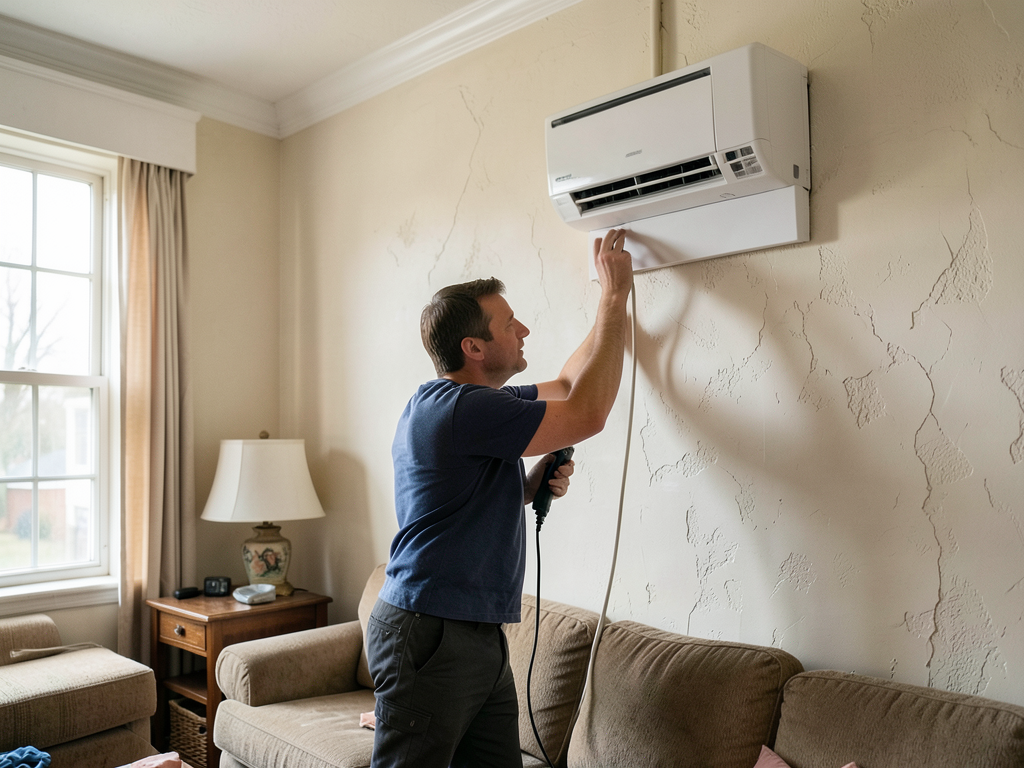
Modern Cooling Options for Vintage Condos in DeMun That Can't Use Window Units Living in a vintage condo in DeMun comes with undeniable charm but also unique cooling challenges. Many of these historic buildings were…
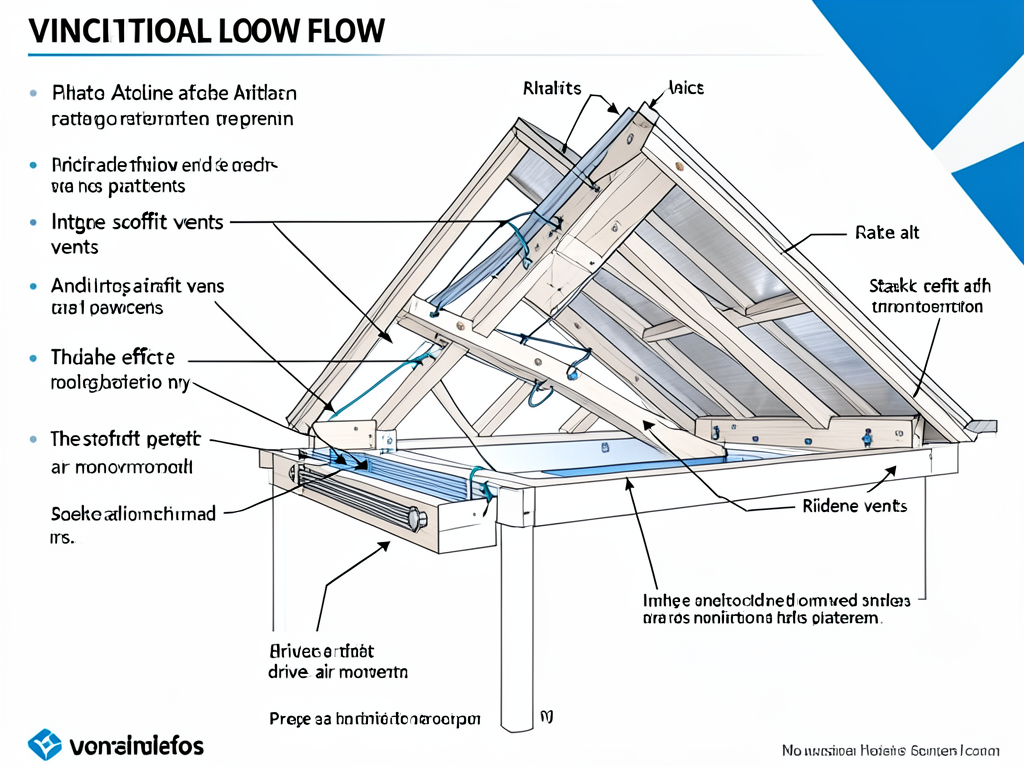
Does Your Maryland Heights Attic Have Enough Ventilation for the Summer Heat? Your Maryland Heights…
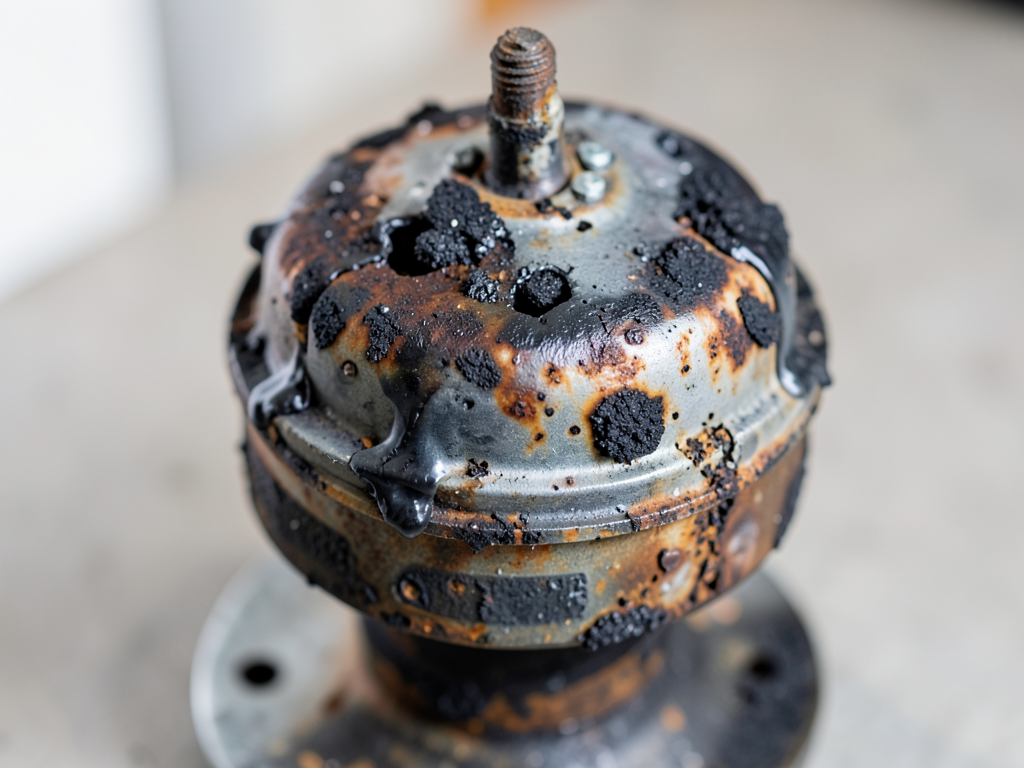
What That Strange Metallic or Burning Plastic Smell from Your Furnace Actually Means If your…
Many Ladue homeowners close vents in unused rooms to save money on energy bills. This…
Your comfort matters. Don't wait another day with a broken heating or cooling system. Call Keystone HVAC St. Louis now at (314) 417-7771 for fast, honest service in Webster Groves. We'll diagnose your problem, quote a fair price, and get your system running right.