Menu

Humidity Issues Indoors in St. Louis – Expert Diagnosis and Permanent Solutions for High Indoor Moisture

Keystone HVAC St. Louis tackles humidity issues indoors with targeted diagnostics and proven equipment upgrades that address the root causes of excess indoor moisture in your home.

Slider Image 1
Slider Image 2
Slider Image 3
Slider Image 4
Slider Image 5
Slider Image 7
Slider Image 8
Slider Image 9
Slider Image 10
Slider Image 11

Why St. Louis Homes Struggle with Indoor Moisture Problems

St. Louis sits at the confluence of two major rivers and experiences hot, humid summers where relative humidity regularly climbs above 70 percent. That river valley air mass creates a constant battle for homeowners trying to maintain comfortable indoor humidity levels between 30 and 50 percent.

High humidity in house environments happens when your HVAC system cannot remove moisture fast enough to match what enters through air infiltration, cooking, showers, and even breathing. In neighborhoods like Soulard and Tower Grove, older homes built before modern vapor barriers became standard face additional challenges. Basements in these areas often show condensation on foundation walls because the Mississippi River floodplain keeps groundwater tables elevated year-round.

Excess indoor moisture does more than make your home feel sticky. It creates conditions for mold growth on walls and ceilings, warps hardwood floors, and forces your air conditioner to work harder because humid air requires more energy to cool. You might notice foggy windows in summer, musty odors in closets, or peeling paint in bathrooms. These symptoms point to poor humidity control that needs professional attention.

The clay soil common throughout St. Louis also plays a role. When that clay swells with seasonal rain, it can crack foundation walls and allow humid outdoor air and groundwater vapor to seep into basements and crawl spaces. Without proper dehumidification and air sealing, your HVAC system fights a losing battle against high indoor humidity levels that compromise both comfort and structural integrity.

Why St. Louis Homes Struggle with Indoor Moisture Problems
How Professional HVAC Diagnostics Solve Humidity Control Problems

How Professional HVAC Diagnostics Solve Humidity Control Problems

Fixing humidity issues indoors requires more than running your air conditioner longer. Keystone HVAC St. Louis starts with a comprehensive moisture load calculation that measures actual indoor relative humidity with calibrated hygrometers at multiple locations throughout your home. We check supply and return air temperatures at your air handler to calculate latent cooling capacity, which tells us if your system removes enough moisture during each cooling cycle.

Many homes in St. Louis have oversized air conditioning units installed by contractors who wanted to ensure fast cooling. An oversized system short-cycles, running for brief periods that cool the air quickly but shut off before removing humidity effectively. We measure your actual cooling load against equipment capacity to identify this mismatch. If your system is oversized, we recommend variable-speed air handlers or two-stage compressors that run longer at lower speeds to maximize dehumidification.

We also inspect ductwork for air leaks that pull humid attic or crawl space air into your distribution system. Leaky return ducts are common culprits. We use a duct blaster test to quantify total leakage and prioritize sealing locations that affect humidity control most.

For homes with persistent moisture problems, we evaluate whether a whole-home dehumidifier makes sense. These units integrate with your HVAC system and use dedicated humidity sensors to maintain precise indoor moisture levels regardless of outdoor conditions. Unlike portable dehumidifiers, whole-home units drain directly to a floor drain or condensate pump and require no manual emptying.

The goal is balanced ventilation and dehumidification that maintains indoor humidity between 30 and 50 percent while minimizing energy consumption and maximizing equipment lifespan.

How We Diagnose and Fix Your Indoor Humidity Problem

Humidity Issues Indoors in St. Louis – Expert Diagnosis and Permanent Solutions for High Indoor Moisture
01

Initial Moisture Assessment

We measure indoor relative humidity in every room using professional-grade hygrometers and thermal imaging cameras to identify moisture accumulation patterns. We check basement walls, attic spaces, and crawl spaces for condensation or water intrusion. We also inspect your current HVAC system's dehumidification performance by measuring supply air temperature drop and runtime patterns during humid conditions.
02

System Capacity Analysis

We calculate your home's actual cooling load using Manual J methodology and compare it against your existing equipment capacity. We test ductwork for leaks that compromise humidity control and measure airflow at each register to ensure proper distribution. We evaluate whether your current system has adequate latent cooling capacity or if equipment modifications or additions like whole-home dehumidifiers would solve the problem permanently.
03

Solution Implementation and Verification

We install recommended equipment upgrades, seal duct leaks, and adjust airflow to optimize dehumidification without overcooling. After installation, we verify indoor humidity levels stabilize in the target range of 30 to 50 percent. We provide you with a humidity monitoring plan and explain how to maintain optimal conditions year-round. You receive documentation of all work performed and baseline humidity readings for future reference.

Why St. Louis Homeowners Trust Keystone HVAC for Humidity Solutions

Humidity control in St. Louis requires understanding local building construction and climate patterns. Keystone HVAC St. Louis has worked in neighborhoods from Webster Groves to Affton, addressing moisture problems in everything from 1920s brick bungalows to modern split-levels. We know how basement humidity behaves in homes near the Meramec River versus those on higher ground in Clayton. That geographical knowledge informs every diagnostic and recommendation we make.

We use diagnostic tools that most HVAC contractors skip. Our thermal imaging cameras reveal hidden condensation inside walls. Our duct blaster equipment quantifies exactly how much conditioned air you lose to leaks. Our digital manometers measure static pressure in your duct system to ensure proper airflow for both cooling and dehumidification. These tools let us pinpoint problems instead of guessing.

We also stay current with building science research on moisture control. We understand vapor drive direction through wall assemblies in different seasons. We know when to recommend vapor barriers, when to avoid them, and how to integrate mechanical ventilation with dehumidification for optimal indoor air quality. That expertise matters because incorrect humidity solutions can create new problems, like trapping moisture in walls or causing condensation in ductwork.

Our recommendations prioritize long-term performance over quick fixes. If your system needs a whole-home dehumidifier, we size it correctly using ACCA Manual S guidelines. If duct sealing will solve the problem, we seal it properly with mastic and mesh, not cheap foil tape that fails within months. We explain cost factors clearly so you understand what drives pricing and what value each solution delivers for your specific situation.

What to Expect When You Call Keystone HVAC for Humidity Control

Same-Day Diagnostic Appointments Available

We schedule humidity diagnostics within 24 to 48 hours of your call during normal summer conditions. If you face urgent moisture damage like active mold growth or water intrusion, we prioritize your appointment and typically arrive the same day. Most diagnostic visits take 90 minutes to two hours, depending on home size and system complexity. You receive a written report with humidity measurements, equipment performance data, and recommended solutions before we leave. We explain every finding in plain language so you understand what drives your moisture problem and what each solution accomplishes.

Comprehensive Moisture and System Evaluation

Our technicians measure indoor relative humidity in every room and document problem areas with photographs and thermal images. We test your air conditioner's dehumidification performance by measuring supply air temperature, airflow rate, and runtime patterns. We inspect ductwork for leaks and measure static pressure to identify airflow restrictions. We check basement and crawl space conditions for groundwater intrusion or vapor transmission through foundation walls. You receive detailed findings that explain how each factor contributes to your humidity problem and what corrections will produce the best results.

Proven Equipment and Installation Standards

We install whole-home dehumidifiers from manufacturers like Aprilaire and Honeywell that integrate seamlessly with your existing HVAC system. We seal ductwork using mastic and fiberglass mesh that meets IECC energy code requirements. We upgrade to variable-speed air handlers or two-stage compressors when capacity analysis shows your system cannot provide adequate dehumidification. Every installation follows ACCA Quality Installation standards and manufacturer specifications. We verify final performance with post-installation humidity measurements and provide you with documentation showing your system now maintains target humidity levels between 30 and 50 percent.

Ongoing Monitoring and Seasonal Adjustments

Humidity control needs change between summer and winter in St. Louis. We provide humidity monitoring guidelines and explain when to adjust your dehumidifier setpoint for seasonal conditions. We recommend annual maintenance visits that include cleaning dehumidifier coils, checking condensate drainage, and verifying system performance before peak cooling season. If you install a whole-home dehumidifier, we explain how to maintain it and when to replace filters or components. We keep detailed service records so future technicians understand your system configuration and can troubleshoot efficiently if problems develop.

Frequently Asked Questions

You Have Questions,
We Have Answers

How to fix a humidity problem in a house? +

Start by identifying the source. Check if your HVAC system is properly sized for St. Louis humidity levels, which spike in summer. Run exhaust fans in bathrooms and kitchens to vent moisture outdoors. Seal crawl spaces and basements where humid air infiltrates from below. Install a whole-home dehumidifier tied to your ductwork if portable units cannot keep up. Inspect ductwork for leaks that pull in humid attic or crawl space air. Ensure your AC coil drains correctly and the condensate line is not clogged. Address water intrusion from foundation cracks or poor grading around your home. These steps target the root causes, not just symptoms.

What are the symptoms of too much humidity in your house? +

You will notice condensation on windows, especially during St. Louis summer mornings. Musty odors develop in closets, basements, and bathrooms. Mold or mildew appears on walls, ceilings, or grout lines. Wood floors may cup or warp. Paint can blister or peel. You might feel clammy or sticky indoors even when the AC runs. Allergy symptoms worsen due to dust mites thriving above 50 percent relative humidity. Your AC struggles to cool effectively because it cannot dehumidify properly. Rust forms on metal fixtures or tools stored indoors. These signs indicate your indoor humidity exceeds comfortable and safe levels.

Is 70% humidity in a house bad? +

Yes. Indoor humidity should stay between 30 and 50 percent for comfort and health. At 70 percent, you create ideal conditions for mold growth, dust mites, and structural damage. St. Louis already battles high outdoor humidity in summer, so indoor levels climbing to 70 percent signal a serious HVAC or ventilation problem. Your AC may be undersized, the ductwork could leak, or you need supplemental dehumidification. Prolonged exposure to 70 percent humidity damages wood framing, drywall, and insulation. It also triggers respiratory issues and allergic reactions. Address this immediately to protect your home and health.

What is an unsafe indoor humidity level? +

Anything above 60 percent relative humidity indoors is unsafe. Mold spores germinate and spread rapidly at this threshold. Dust mites multiply, worsening asthma and allergies. Wood rot accelerates in framing and subfloors. Below 30 percent, you face different problems like dry skin, static electricity, and cracked wood furniture. St. Louis homes typically struggle with excess humidity, not low levels, due to our humid continental climate. Monitor indoor humidity with a hygrometer. If readings consistently exceed 60 percent, your HVAC system needs adjustment, repair, or supplemental dehumidification. Ignoring unsafe levels invites costly structural repairs and health risks.

How St. Louis River Valley Humidity Affects Indoor Moisture Control

St. Louis sits in a river valley at the confluence of the Mississippi and Missouri Rivers, creating a geographic bowl that traps humid air masses throughout summer. Dew points regularly reach 70 degrees or higher from June through August, which means outdoor air contains extreme amounts of moisture. Homes in low-lying areas near the rivers or in the Meramec River floodplain face additional challenges from elevated groundwater tables that increase foundation moisture transmission. The combination of humid outdoor air infiltration and moisture vapor rising through foundations creates indoor humidity loads that overwhelm standard air conditioning systems not designed for such persistent moisture challenges.

Keystone HVAC St. Louis understands these regional moisture dynamics because we work throughout the metro area daily. We know which neighborhoods built on river floodplain soil need aggressive vapor barriers and which areas on higher bluffs can rely on standard moisture control methods. We stay current with local building code amendments related to moisture management and work with area building inspectors who understand regional humidity challenges. That local expertise ensures we design solutions that work specifically for St. Louis conditions rather than applying generic approaches that might succeed in drier climates but fail here.
HVAC Services in The St. Louis Area

Our service area spans across the St. Louis metropolitan area and surrounding communities. We’re dedicated to bringing our top-quality HVAC services directly to your doorstep. Use the map to see our coverage and feel free to contact us with any questions about whether we can service your specific location. We’re always here to help you find the comfort solutions you need.

Address:
Keystone HVAC St. Louis, 4452 Manchester Ave, St. Louis, MO, 63110

Additional Services We Offer

Our news updates

Latest Articles & News from The Blogs

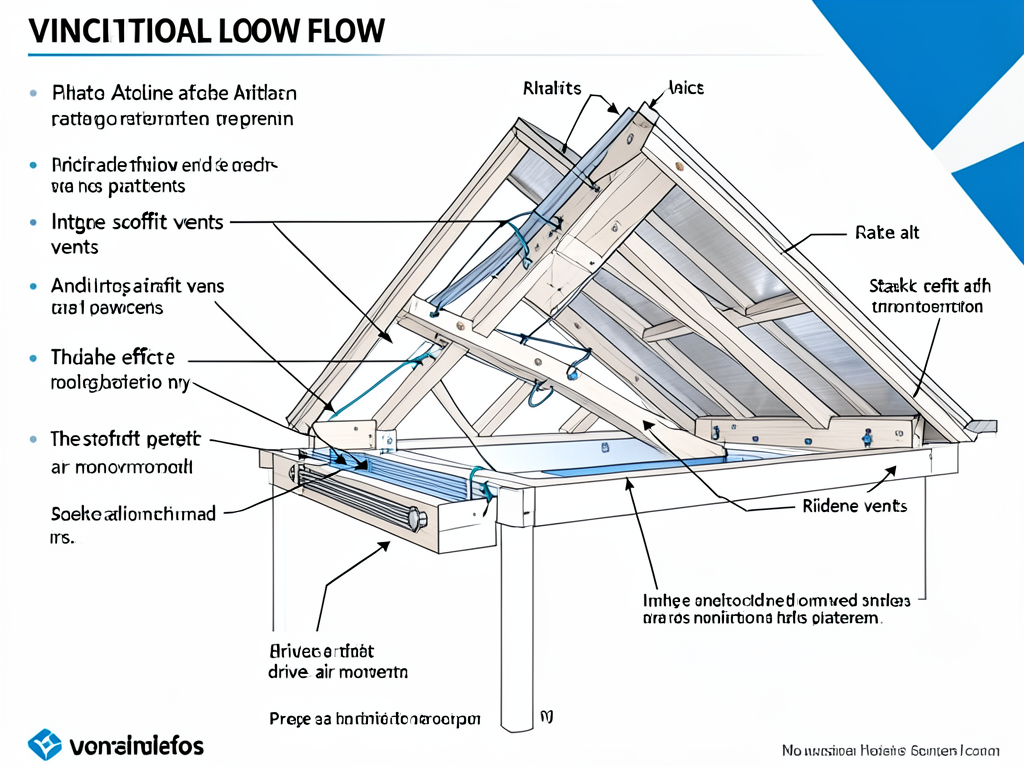
Does Your Maryland Heights Attic Have Enough Ventilation for the Summer Heat? Your Maryland Heights attic can reach 150°F on…

Does Your Maryland Heights Attic Have Enough Ventilation for the Summer Heat?

Does Your Maryland Heights Attic Have Enough Ventilation for the Summer Heat? Your Maryland Heights attic can reach 150°F on…

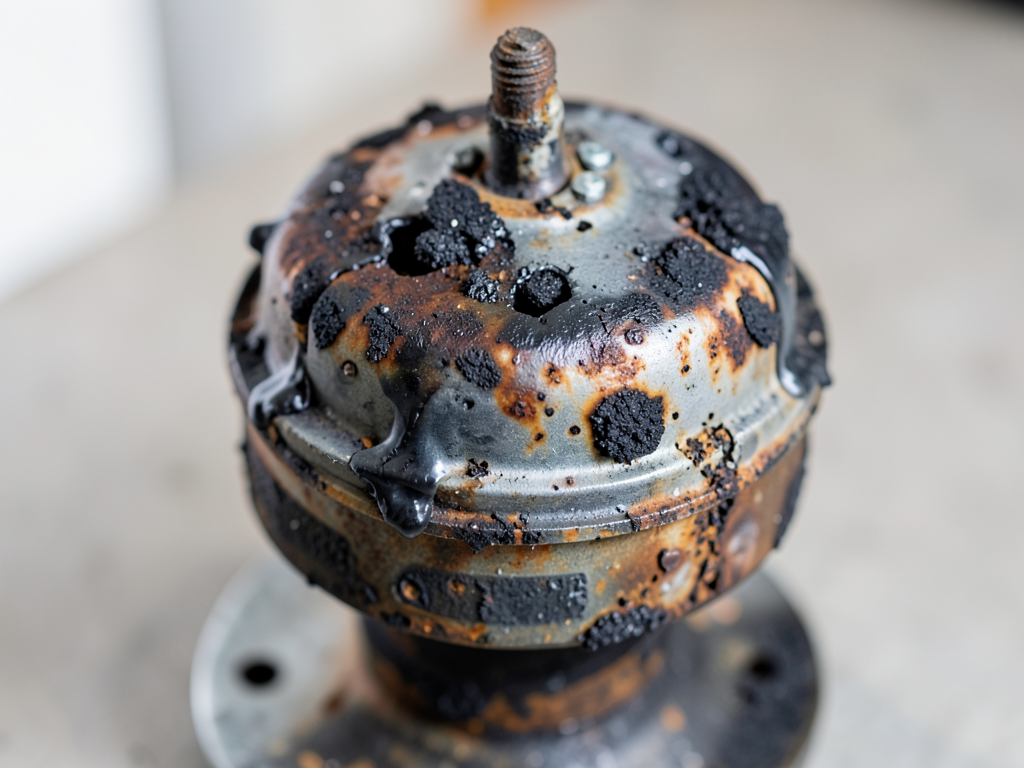
What That Strange Metallic or Burning Plastic Smell from Your Furnace Actually Means

What That Strange Metallic or Burning Plastic Smell from Your Furnace Actually Means If your furnace smells like burning plastic…

Why Closing Vents in Unused Rooms Is Actually Hurting Your Ladue Home

Many Ladue homeowners close vents in unused rooms to save money on energy bills. This common practice seems logical at…

Contact Us

Call Keystone HVAC St. Louis at (314) 417-7771 to schedule your comprehensive humidity diagnostic. We identify the root causes of excess moisture and provide proven solutions that work for St. Louis homes. Get relief from sticky air and protect your home from moisture damage.