Menu

Emergency Ductwork Repair in St. Louis – 24/7 Dispatch and Same-Day Duct Service

When your ductwork fails in the middle of a St. Louis heat wave or deep freeze, you need immediate ductwork service that stops the damage now. Keystone HVAC St. Louis dispatches emergency air duct repair technicians around the clock to restore your comfort and protect your system from total failure.

Slider Image 1
Slider Image 2
Slider Image 3
Slider Image 4
Slider Image 5
Slider Image 7
Slider Image 8
Slider Image 9
Slider Image 10
Slider Image 11

Why Ductwork Failures Happen Fast in St. Louis

St. Louis's extreme seasonal swings put ductwork under constant stress. Summer humidity floods into disconnected ducts, breeding mold within hours. Winter freezes crack brittle metal seams in unconditioned attics. When a duct ruptures, your HVAC system works three times harder to push air through torn sections, spiking your electric bill and risking compressor burnout.

You notice the signs immediately. One room goes ice cold while another stays humid. You hear rattling metal or whistling air. Your utility bill doubles without explanation. These failures happen because St. Louis homes often have ductwork running through unconditioned attic spaces where summer temps hit 140 degrees and winter temps drop below freezing. That thermal cycling weakens joints, cracks mastic sealant, and causes sheet metal to separate at the plenum connections.

Delayed repairs turn small leaks into system-wide failures. A torn boot connection floods your attic insulation with condensation. A disconnected return duct pulls fiberglass particles into your air handler, clogging your evaporator coil. When you need urgent air duct repair, waiting until Monday morning can mean replacing your entire air handler by Tuesday. Same day air duct fixing stops the cascade before it destroys your equipment.

Keystone HVAC St. Louis responds to 24/7 hvac duct repair calls across the metro because we know how fast ductwork emergencies escalate in this climate. We arrive prepared to seal, reconnect, or replace damaged sections the moment we assess the failure.

Why Ductwork Failures Happen Fast in St. Louis
How We Execute Immediate Ductwork Service

How We Execute Immediate Ductwork Service

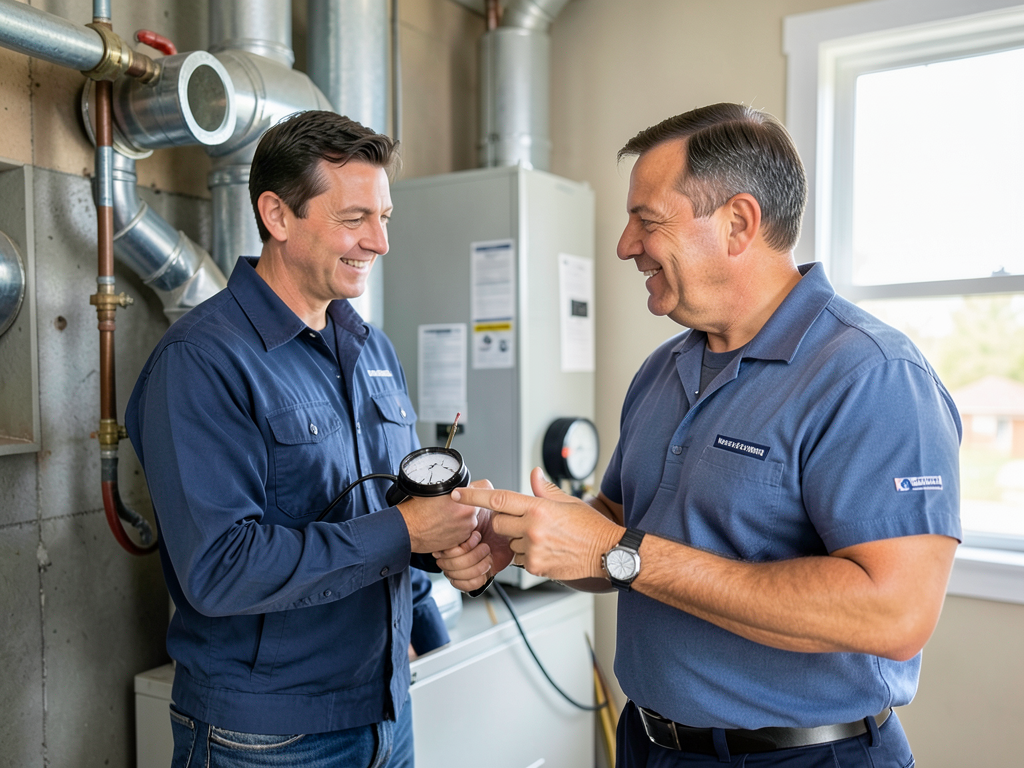
Emergency ac duct repair starts with accurate diagnosis, not guesswork. Our technicians arrive with manometers to measure static pressure across your system. High static pressure indicates crushed ducts or blockages. Negative pressure points to return leaks pulling unconditioned air. We use thermal imaging cameras to trace temperature drops along duct runs, pinpointing exactly where conditioned air escapes into your attic or crawlspace.

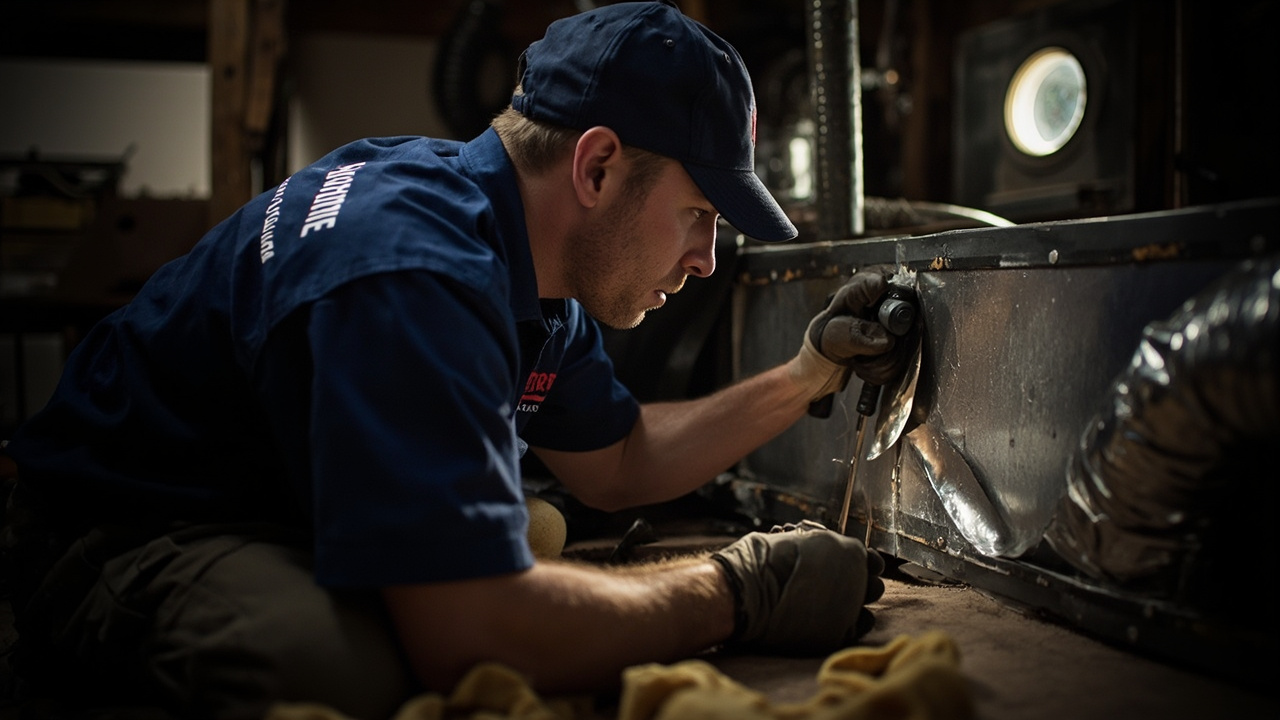
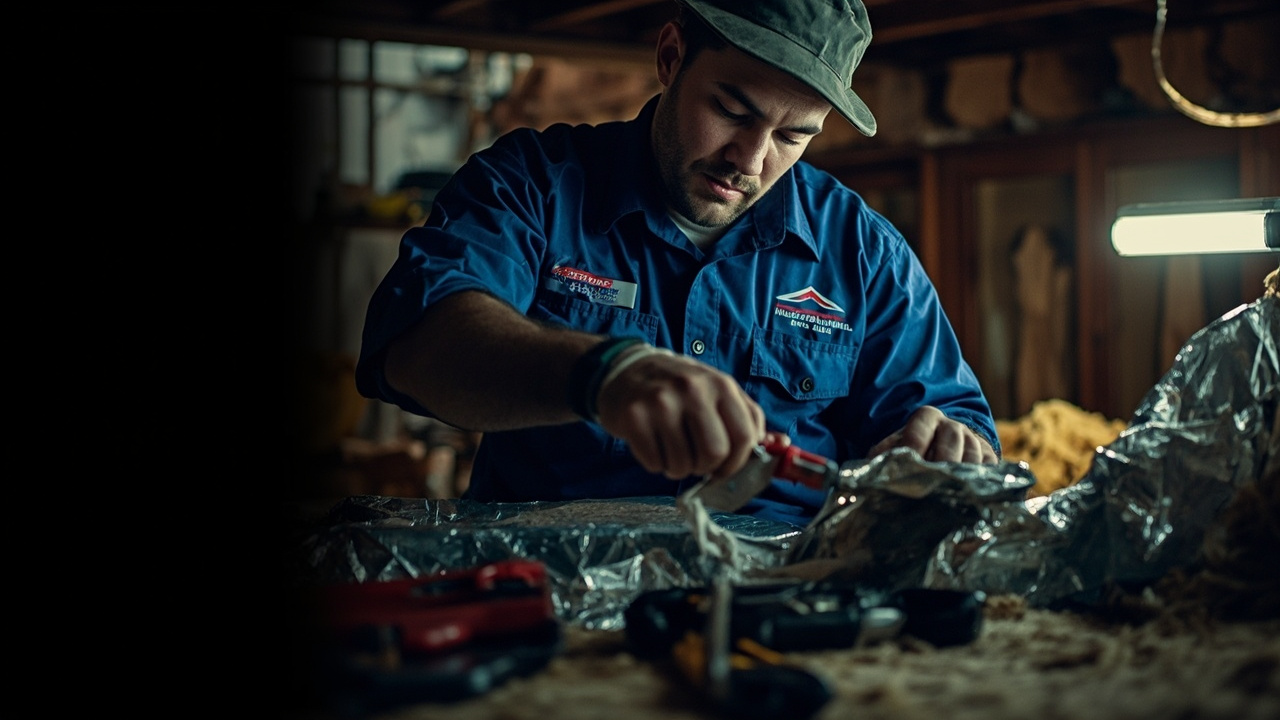
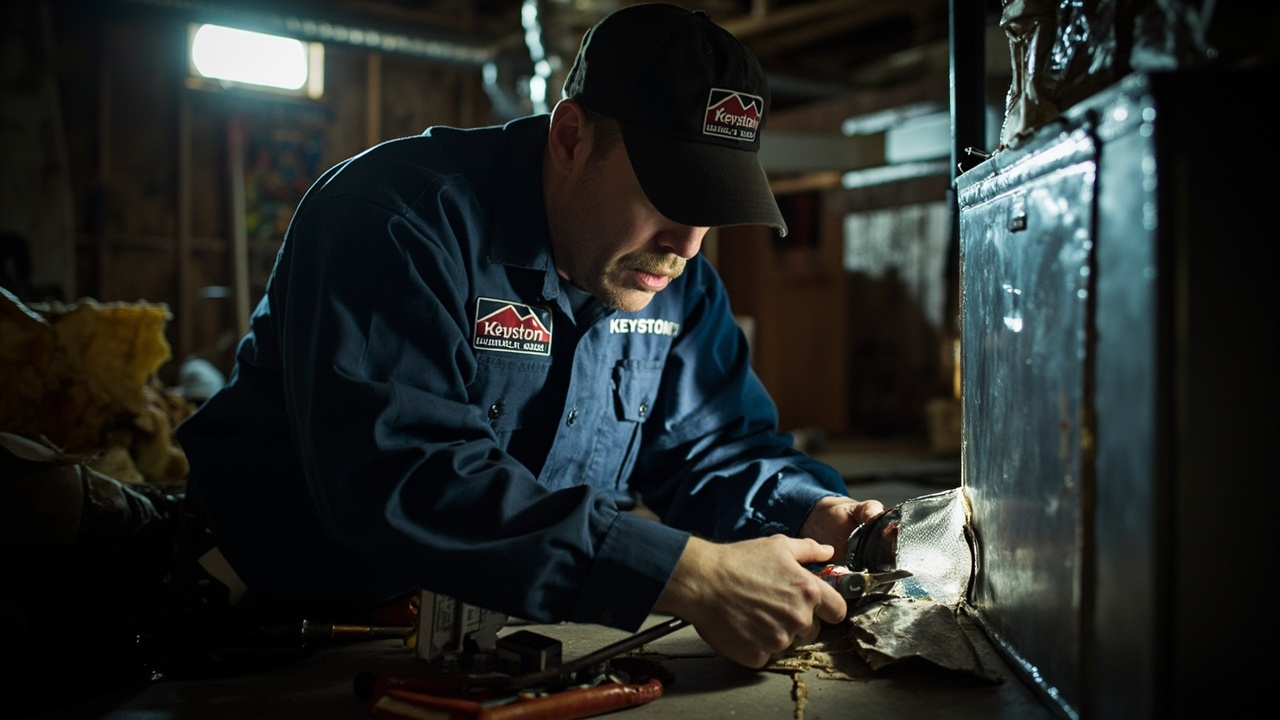
Once we locate the failure, we assess whether the damage requires sealing, reinforcement, or section replacement. Small separations at collar connections get resealed with mastic and reinforced with metal-backed tape. Crushed flex duct sections get cut out and replaced with properly supported runs. Rusted sheet metal plenums get fabricated on-site using our mobile sheet metal brake to match your existing system dimensions.

We prioritize restoring airflow to critical zones first. If your main trunk line separated at the air handler, we reconnect and seal that joint before addressing branch runs. If a return duct tore open in your attic, we seal it immediately to stop pulling superheated air into your system. This sequencing prevents secondary damage while we work.

For complex repairs involving multiple leaks or extensive corrosion, we explain which sections need immediate attention and which can wait for scheduled replacement. You get a working system tonight and a roadmap for permanent fixes. We carry pre-cut duct sections, transition fittings, and insulated flex duct on every truck so we complete most emergency ductwork repairs in a single visit without waiting for parts deliveries.

What Happens During Your Emergency Duct Repair Call

Emergency Ductwork Repair in St. Louis – 24/7 Dispatch and Same-Day Duct Service
01

Immediate Dispatch and Diagnostics

We answer your call and dispatch a technician to your St. Louis property within 90 minutes. Upon arrival, we run a full system pressure test to measure airflow losses and identify failure points. Using digital manometers and airflow hoods, we quantify exactly how much conditioned air you're losing through damaged ductwork. This diagnostic phase takes 15 to 20 minutes and gives us the data needed to execute the correct repair.
02

Emergency Sealing or Replacement

Once we locate the failure, we execute the repair using materials rated for your duct type and location. Flex duct gets replaced with properly sized R-8 insulated runs. Sheet metal separations get resealed with fibered mastic and mechanical fasteners. We support all new sections with metal strapping to prevent future sagging. For supply plenums with rust-through holes, we fabricate patch panels from 26-gauge galvanized steel and rivet them in place with gasket sealant.
03

Airflow Verification and Restart

After completing the repair, we restart your system and verify airflow at each register using a calibrated anemometer. Static pressure should drop to manufacturer specifications, typically between 0.3 and 0.8 inches of water column. We monitor your system through two full cooling or heating cycles to confirm stable operation. You receive documentation of the failure cause, the repair executed, and recommendations for preventing future ductwork emergencies.

Why St. Louis Property Owners Choose Keystone HVAC for Duct Emergencies

Ductwork emergencies require technicians who understand St. Louis construction patterns. Homes built before 1980 often have uninsulated duct runs in vented attics. Properties in South City and Tower Grove frequently have original galvanized ductwork showing rust perforation at seams. Ranch homes in West County have long flex duct runs prone to compression where they cross ceiling joists.

Keystone HVAC St. Louis has repaired ductwork in every housing type across the metro. We know that homes near the Missouri River deal with higher humidity infiltration through duct leaks. We understand that properties in historic districts require careful attic access to avoid damaging plaster ceilings. Our technicians carry the tools and materials needed for St. Louis-specific duct configurations, from round metal trunk lines common in mid-century homes to modern rectangular fiberboard plenums in newer construction.

We also understand local code requirements for duct insulation and sealing. St. Louis County requires R-8 insulation on supply ducts in unconditioned spaces. We comply with these standards during emergency repairs so your temporary fix meets permanent code. This attention to local building requirements protects you during home sales and insurance inspections.

Our emergency response covers the entire metro, from Chesterfield to Belleville. We stock our service vehicles with enough materials to handle two complete emergency repairs per shift, eliminating delays for parts runs. When you call Keystone HVAC St. Louis for urgent air duct repair, you get a technician who has seen your exact failure mode in your exact housing type dozens of times before.

What You Can Expect from Our Emergency Duct Repair Service

Response Time and Availability

We answer emergency calls 24 hours a day, seven days a week, including holidays. You speak directly to our dispatch team, not an answering service. We commit to arrival within 90 minutes for properties inside the I-270 loop and within two hours for outer metro locations. Our technicians call 15 minutes before arrival so you know exactly when to expect help. We never charge trip fees for evening or weekend emergency calls. You pay only for diagnostic time and the actual repair work performed.

On-Site Assessment and Pricing

Your technician performs a complete visual inspection of accessible ductwork and runs diagnostic pressure tests before quoting repair costs. We explain what failed, why it failed, and what we need to do to restore safe operation. You receive a flat-rate price for the emergency repair before we start work. If we discover additional damage during the repair, we stop and explain the new scope before proceeding. This transparency ensures you understand exactly what you're authorizing and why each step matters for system performance.

Quality of Completed Repairs

Every duct repair meets or exceeds manufacturer specifications for materials and installation methods. We use UL-listed mastic sealants rated for your duct temperature range. Flex duct installations maintain manufacturer-required support spacing and avoid compression. Sheet metal repairs use the same gauge material as your existing ductwork. We insulate all supply duct repairs in unconditioned spaces to R-8 minimum. Before leaving your property, we verify that supply register airflow matches design specifications and static pressure falls within acceptable limits.

Follow-Up and Preventive Guidance

After completing emergency ductwork repairs, we provide a written summary of what caused the failure and how to prevent recurrence. If your ductwork shows signs of widespread age-related deterioration, we outline a phased replacement plan so you can budget for permanent solutions. We offer follow-up inspections at no charge within 30 days of emergency repairs to verify that sealed connections remain intact and airflow stays balanced. Our team also provides guidance on attic ventilation improvements and insulation upgrades that reduce thermal stress on ductwork.

Frequently Asked Questions

You Have Questions,
We Have Answers

What qualifies as an HVAC emergency? +

An HVAC emergency means your system failure poses immediate danger or severe discomfort. This includes complete heating loss during St. Louis winter freezes, total AC failure in summer heat waves (dangerous for elderly or children), gas leaks, burning smells, visible smoke, or major ductwork collapse flooding your home with carbon monoxide. Frozen or burst pipes connected to HVAC systems also qualify. Partial system failures that still provide some comfort can usually wait for standard service. If you smell gas, evacuate immediately and call 911 before contacting an HVAC contractor. True emergencies require 24/7 response.

What's the average cost to replace ductwork? +

Full ductwork replacement in St. Louis typically ranges based on home size, ductwork complexity, and accessibility. Factors affecting cost include crawl space or attic access, number of supply and return vents, and material choice (flexible duct versus rigid metal). Older St. Louis homes with plaster walls or tight basement spaces increase labor costs. Homes with asbestos-wrapped ducts require certified abatement, adding expense. Partial repairs cost significantly less than whole-home replacement. Get multiple written estimates that detail material specifications, labor breakdown, and warranty coverage. Avoid quotes without a physical inspection.

What is the 2 foot rule for ductwork? +

The 2-foot rule requires ductwork connections to remain accessible within 2 feet of the furnace or air handler for inspection and maintenance. This building code standard applies in St. Louis and prevents contractors from burying critical connection points behind walls or ceilings. The rule lets technicians quickly inspect joints, seals, and the plenum (main junction box) without destructive access. Violating this code creates maintenance nightmares and fails inspections during home sales. If you are adding finished space around HVAC equipment, ensure you leave access panels meeting this clearance requirement.

Can I repair ductwork myself? +

Minor duct repairs like sealing small leaks with mastic (not standard tape) are DIY-friendly. However, structural repairs, reconnecting sections, or anything involving the furnace plenum requires a licensed HVAC contractor. St. Louis building codes mandate permits for major ductwork modifications, and improper repairs cause efficiency loss, pressure imbalances, and carbon monoxide risks. Flexible duct connections must meet specific tension and support requirements. Crawl space or attic work in St. Louis humidity requires proper vapor barrier knowledge. Emergency failures (collapsed ducts, disconnected sections) need immediate professional response. Save DIY for visible, accessible, small leak sealing only.

What is the $5000 rule for HVAC? +

The $5000 rule is a property management guideline suggesting you replace (not repair) HVAC equipment when repair costs exceed $5000 or when the repair cost multiplied by the system age in years exceeds $5000. For example, a $500 repair on a 12-year-old furnace equals $6000 (500 x 12), signaling replacement makes better financial sense. This rule helps St. Louis property owners avoid sinking money into aging equipment facing repeated failures. It does not apply to emergency ductwork repairs, which are often cost-effective even in older systems. Discuss this calculation with your contractor.

What counts as emergency repairs? +

Emergency repairs address failures causing immediate safety risks, property damage, or uninhabitable conditions. This includes active refrigerant leaks, electrical failures sparking or tripping breakers, ductwork collapses restricting airflow completely, and gas valve malfunctions. In St. Louis, total heating loss below 20 degrees or AC failure above 95 degrees with vulnerable occupants qualifies. Water leaks from HVAC systems damaging ceilings or walls need immediate attention. Strange mechanical noises suggesting imminent equipment failure also count. Standard maintenance issues like dirty filters, minor efficiency drops, or cosmetic concerns can wait for business hours.

Does homeowners insurance cover air duct replacement? +

Standard homeowners insurance rarely covers ductwork replacement from normal wear and tear or poor maintenance. However, policies may cover duct damage from sudden, covered perils like fire, storm damage, or vandalism. If a tree crashes through your St. Louis home and crushes ductwork, insurance likely applies. Damage from long-term leaks, mold growth from neglect, or age-related deterioration gets denied. Review your policy's dwelling coverage and exclusions. Document damage with photos immediately. Some policies cover temporary HVAC rental during repairs. Always file claims promptly and get professional damage assessments.

How much to replace ductwork in a 2000 sq ft house? +

Replacing ductwork in a 2000 square foot St. Louis home varies based on layout, accessibility, and materials. Single-story ranch homes with basement or attic access cost less than multi-story homes with finished spaces. Older St. Louis homes with plaster walls or limited crawl space access increase labor time. Material choice matters (flexible duct versus insulated rigid metal). The number of zones, returns, and supply vents impacts total cost. Permits and inspections add expense but ensure code compliance. Get at least three detailed written estimates specifying materials, labor breakdown, and completion timeline.

Is replacing ductwork worth it? +

Replacing ductwork is worth it when existing ducts leak heavily (over 20 percent air loss), contain asbestos, show extensive mold growth, or were improperly sized from installation. St. Louis homes with older flexible duct deteriorating from humidity benefit significantly. New ductwork improves comfort, lowers utility bills, and reduces HVAC strain. However, properly functioning ducts with minor leaks need only sealing and insulation upgrades. Balance replacement cost against energy savings and comfort gains. Homes with frequent hot and cold spots or high energy bills often see fast payback from duct replacement.

How often should ductwork be done? +

Ductwork itself does not require replacement on a set schedule. Properly installed metal ducts last 20 to 30 years, while flexible duct lasts 15 years in St. Louis humidity. However, you should inspect ducts every 3 to 5 years for leaks, disconnections, and insulation damage. Seal visible leaks immediately with mastic. Professional duct cleaning is needed only when you see visible mold, verify pest infestation, or after major renovations creating dust. Most St. Louis homes need sealing and insulation upgrades long before full replacement. Schedule inspections during routine HVAC maintenance visits.

How St. Louis Humidity and Temperature Swings Accelerate Duct Failures

St. Louis sits at the confluence of three major weather patterns, creating extreme seasonal humidity and temperature variations that destroy ductwork faster than in stable climates. Summer dew points regularly exceed 70 degrees, causing condensation inside any duct leak that pulls humid attic air into cold supply lines. Winter temperatures drop below 10 degrees for extended periods, making uninsulated attic ductwork brittle and prone to cracking at flex duct connections. These conditions explain why same day air duct fixing becomes necessary even in relatively new homes.

Keystone HVAC St. Louis has operated in this metro for years, repairing ductwork in homes from Clayton to Collinsville. We understand the specific failure patterns that occur in St. Louis housing stock and carry the exact materials needed to address them. Our technicians train on local building codes and typical construction methods used in different St. Louis neighborhoods, ensuring that emergency repairs integrate seamlessly with your existing HVAC system. When you need 24/7 hvac duct repair, local expertise makes the difference between a patch job and a reliable fix.
HVAC Services in The St. Louis Area

Our service area spans across the St. Louis metropolitan area and surrounding communities. We’re dedicated to bringing our top-quality HVAC services directly to your doorstep. Use the map to see our coverage and feel free to contact us with any questions about whether we can service your specific location. We’re always here to help you find the comfort solutions you need.

Address:
Keystone HVAC St. Louis, 4452 Manchester Ave, St. Louis, MO, 63110

Additional Services We Offer

Our news updates

Latest Articles & News from The Blogs

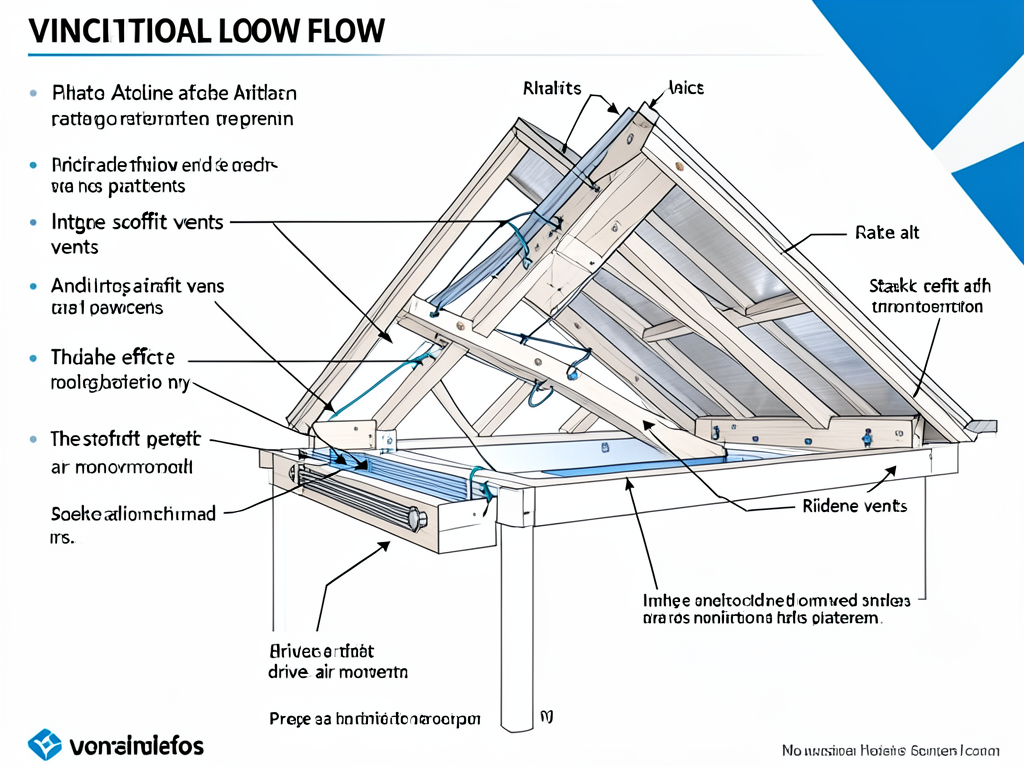
Does Your Maryland Heights Attic Have Enough Ventilation for the Summer Heat? Your Maryland Heights attic can reach 150°F on…

Does Your Maryland Heights Attic Have Enough Ventilation for the Summer Heat?

Does Your Maryland Heights Attic Have Enough Ventilation for the Summer Heat? Your Maryland Heights attic can reach 150°F on…

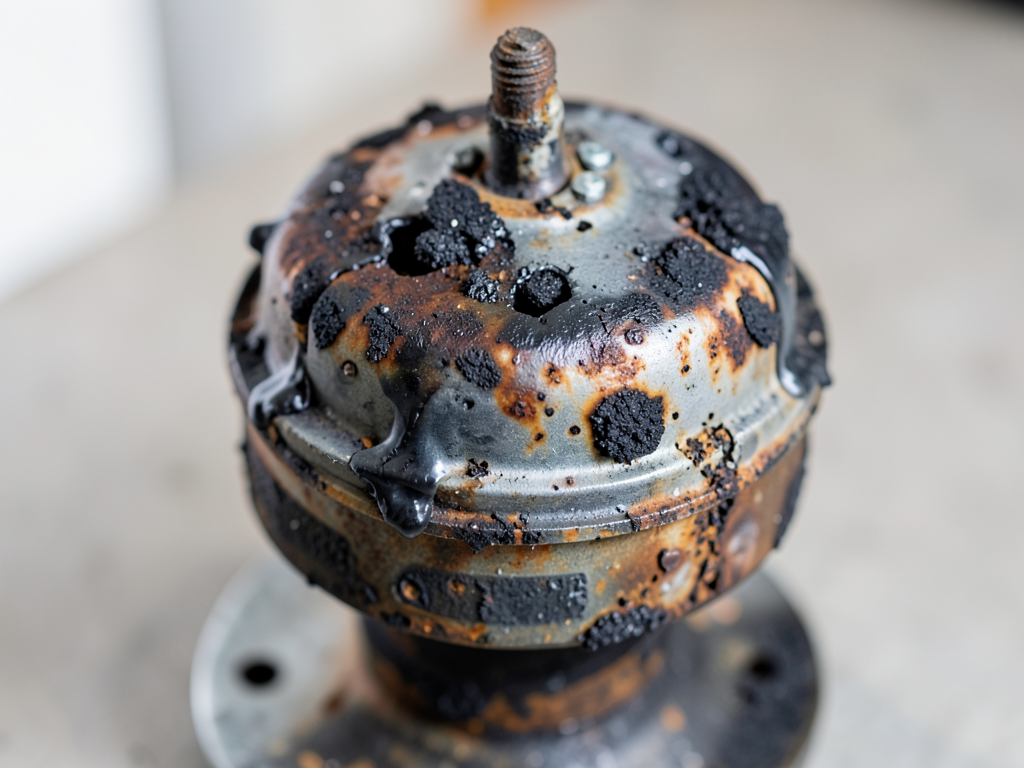
What That Strange Metallic or Burning Plastic Smell from Your Furnace Actually Means

What That Strange Metallic or Burning Plastic Smell from Your Furnace Actually Means If your furnace smells like burning plastic…

Why Closing Vents in Unused Rooms Is Actually Hurting Your Ladue Home

Many Ladue homeowners close vents in unused rooms to save money on energy bills. This common practice seems logical at…

Contact Us

Your ductwork failure is costing you money and comfort every minute it goes unrepaired. Call Keystone HVAC St. Louis at (314) 417-7771 for immediate dispatch and same-day duct repair. We answer 24/7 and arrive ready to fix the problem tonight.