
Many Ladue homeowners close vents in unused rooms to save money on energy bills. This common practice seems logical at first. You might think reducing airflow to empty spaces would lower your heating and cooling costs. But this approach actually creates more problems than it solves. Your HVAC system depends on balanced airflow throughout your entire home. When you close vents, you disrupt this balance and force your system to work harder than necessary. Commercial Heating Services.
The truth is simple. Closing vents does not save money. It can lead to expensive repairs and reduced comfort in your home. Your HVAC system is designed to heat and cool a specific volume of air. When you close vents, you create pressure imbalances that strain every component of your system. This includes the blower motor, heat exchanger, and ductwork. EPA Indoor Air Quality.
How Your HVAC System Actually Works
Your heating and cooling system operates as a closed loop. Air moves through supply ducts to your rooms and returns through return vents to be conditioned again. This continuous cycle maintains consistent temperatures throughout your home. The system needs this balanced airflow to function efficiently.
When you close a vent, you create resistance in the duct system. Your blower motor must work harder to push air through the remaining open vents. This increased resistance raises energy consumption rather than lowering it. The motor experiences additional wear and tear, which shortens its lifespan significantly.
Many homeowners believe their HVAC system works like plumbing. You might think closing a vent is similar to closing a water valve. But air and water behave very differently in distribution systems. Water is incompressible and flows only where you direct it. Air is compressible and creates pressure wherever it encounters resistance. Air Purification Systems.
The Real Risks of Closing Vents
Closing vents creates several serious problems for your HVAC system. The most immediate issue is increased static pressure throughout your ductwork. This pressure buildup forces your blower motor to consume more electricity. Your energy bills actually increase rather than decrease.
Another major risk involves your heat exchanger. In heating mode, your furnace produces extremely hot gases that transfer heat to the air. When airflow is restricted, these gases remain in the heat exchanger longer than designed. This extended exposure can cause the metal to crack from thermal stress. A cracked heat exchanger poses serious safety risks, including carbon monoxide leaks. The Best Local Furnace Replacement Options for Kirkwood Families.
During cooling cycles, restricted airflow can cause your evaporator coil to freeze. The coil needs constant warm air moving across it to prevent ice formation. When airflow drops too low, condensation on the coil freezes solid. This ice buildup blocks airflow even further, creating a destructive cycle. Your system may shut down completely or suffer compressor damage.
Ductwork also suffers when you close vents. The increased pressure forces air through any gaps or leaks in your duct system. This means you lose conditioned air into your walls, attic, or crawl spaces. The rooms you want to heat or cool receive less air, while you waste energy heating or cooling your home’s structure.
Energy Efficiency Paradox
Many homeowners close vents hoping to improve energy efficiency. But the opposite occurs. Your HVAC system operates most efficiently when it maintains balanced airflow. When you close vents, your system runs longer cycles to achieve the same temperature. These extended run times consume more energy overall.
Modern HVAC systems include variable-speed blowers that adjust to changing conditions. When you close vents, the system detects increased resistance and ramps up to maintain airflow. This automatic adjustment uses more electricity than normal operation. The system works harder but delivers less comfort.
Temperature imbalances also develop when you close vents. The closed-off room may become too hot or too cold depending on the season. This creates comfort problems that lead many homeowners to adjust their thermostat settings. These adjustments cause your entire system to run more frequently, further increasing energy costs.
Ladue Climate Considerations
Ladue experiences unique climate challenges that make proper HVAC operation even more critical. Our hot, humid summers place heavy demands on air conditioning systems. When you close vents during these months, you trap humid air in closed rooms. This trapped moisture creates perfect conditions for mold growth and musty odors.
Missouri winters bring their own challenges. Ladue often experiences sub-zero temperatures with wind chills that can drop below -20°F. Your furnace must work continuously during these extreme conditions. Closing vents in winter can cause rooms to become so cold that pipes freeze and burst. This creates water damage that far exceeds any potential energy savings.
The rapid temperature swings common in St. Louis add additional stress to HVAC systems. We might experience 60-degree temperature changes within 24 hours. Your system needs to respond quickly to these changes. Restricted airflow prevents your system from adapting efficiently to these dramatic shifts.
Better Alternatives for Energy Savings
Instead of closing vents, several proven strategies can reduce your energy costs safely. A programmable or smart thermostat offers the most significant savings. These devices automatically adjust temperatures based on your schedule. You can set higher temperatures when you’re away in summer and lower temperatures in winter.
Duct sealing provides another effective solution. Many homes lose 20-30% of their conditioned air through duct leaks. Professional duct sealing improves system efficiency and comfort throughout your entire home. This single improvement often pays for itself within one or two heating seasons. Why Professional Air Duct Cleaning is Essential for Wildwood Homes.
Proper insulation also makes a dramatic difference. Adding insulation to your attic, walls, and crawl spaces reduces the workload on your HVAC system. Your home maintains more consistent temperatures, and your system runs less frequently. This approach saves energy without risking system damage.
Consider HVAC zoning for targeted comfort control. A professional zoning system uses dampers in your ductwork to direct airflow where needed. Unlike closed vents, zoning systems maintain proper airflow balance while allowing different temperature zones throughout your home. This technology provides the comfort control you want without the risks of closed vents.
Regular maintenance keeps your system operating at peak efficiency. Professional tune-ups include cleaning coils, checking refrigerant levels, and testing all components. Well-maintained systems use less energy and last longer than neglected ones. Annual maintenance typically costs much less than emergency repairs from vent-related damage. Emergency AC Repair in Creve Coeur That Won’t Break the Bank.
Diagnostic Signs of Vent-Related Problems
Several warning signs indicate your closed vents may be damaging your system. Listen for unusual noises from your HVAC equipment. Increased static pressure often causes whistling sounds in your ducts or rumbling from your furnace. These noises suggest your system struggles against airflow restrictions.
Feel the temperature of your supply vents. If some rooms feel significantly warmer or cooler than others, your system may have airflow imbalances. Use a simple thermometer to check vent temperatures throughout your home. Consistent temperature differences across rooms indicate distribution problems.
Monitor your energy bills for unexplained increases. If your usage jumps without corresponding weather changes, your system may work harder than necessary. Compare bills from the same months in different years to identify unusual patterns. Rising costs often signal developing HVAC problems.
Check your air filter monthly. Restricted airflow causes filters to become dirty faster than normal. If you notice your filter needs replacement more frequently, your system may struggle with airflow restrictions. Clean filters ensure proper system operation and indoor air quality.
Professional Assessment Options
A professional HVAC assessment can identify problems caused by closed vents. Technicians use specialized tools to measure static pressure, airflow rates, and temperature differentials. These measurements reveal exactly how your system performs under current conditions.
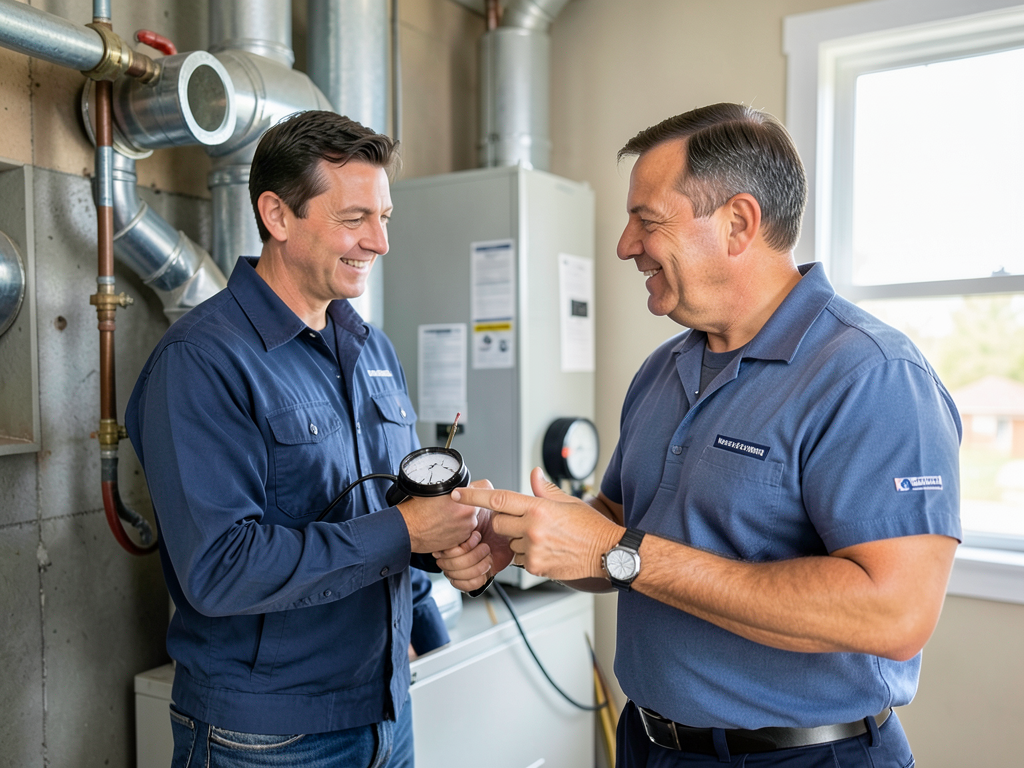
Manometer testing provides precise pressure readings throughout your duct system. This diagnostic tool shows exactly where restrictions occur and how severe they are. Technicians can determine whether your system operates within manufacturer specifications or experiences dangerous pressure levels.
Thermal imaging cameras reveal temperature patterns that indicate airflow problems. These cameras show exactly where conditioned air escapes from your ducts and which rooms receive inadequate airflow. This technology helps pinpoint specific issues without invasive testing.
Professional duct cleaning removes debris that restricts airflow. Over time, dust, pet hair, and other particles accumulate in your ducts. This buildup reduces airflow capacity and forces your system to work harder. Clean ducts improve efficiency and indoor air quality.
Long-Term Cost Implications
The financial impact of closing vents extends far beyond immediate energy costs. Blower motor replacement typically costs between $500 and $1,500. Heat exchanger replacement can exceed $2,000. These repairs often result from the additional strain caused by closed vents.
System replacement represents the most significant expense. Most HVAC systems last 15-20 years with proper care. Restricted airflow can reduce this lifespan by 30% or more. You might need to replace your system years earlier than expected, costing thousands in premature replacement expenses.
Emergency repairs during extreme weather events cost the most. When your system fails during a heatwave or cold snap, you pay premium prices for immediate service. These emergency calls often occur during nights, weekends, or holidays when rates increase substantially.
Insurance claims for water damage from frozen pipes can reach thousands of dollars. Many policies exclude damage from maintenance neglect. If closed vents contribute to pipe freezing, you might pay the entire repair cost yourself. This financial risk alone outweighs any potential energy savings.
Environmental Impact
Closed vents also affect your environmental footprint. Inefficient HVAC operation increases your home’s carbon emissions. Your system consumes more electricity or natural gas to achieve the same results. This increased consumption contributes to greenhouse gas emissions and resource depletion.
Premature system replacement creates additional environmental problems. Manufacturing new HVAC equipment requires significant energy and raw materials. The old equipment often ends up in landfills, where components can take centuries to decompose. Proper maintenance extends equipment life and reduces waste.
Indoor air quality also suffers when you close vents. Restricted airflow allows pollutants to accumulate in your home. Dust, allergens, and other particles remain suspended in the air longer. This poor air quality can trigger respiratory problems and other health issues for your family.
Making the Right Choice for Your Ladue Home
Your Ladue home deserves an HVAC system that operates safely and efficiently. The practice of closing vents creates unnecessary risks that can cost you thousands in repairs. Instead, focus on proven strategies that improve comfort while reducing energy costs.
Start with a professional assessment of your current system. A qualified technician can identify specific issues and recommend targeted solutions. This evaluation provides a roadmap for improving efficiency without risking system damage.
Consider your home’s unique characteristics when planning improvements. Older Ladue homes often have specific challenges related to insulation, duct design, or window efficiency. Addressing these issues provides better results than simple vent manipulation.
Remember that comfort and safety should always come before marginal energy savings. The few dollars you might save monthly cannot justify the risks of system damage or safety hazards. Smart, sustainable improvements offer better returns without the dangers of closed vents.
Call (314) 417-7771 today to schedule your professional HVAC assessment. Our experienced technicians understand Ladue’s unique climate challenges and can recommend solutions that actually save you money while protecting your system investment.
Frequently Asked Questions
Is it ever okay to close vents in my home?
Closing one or two vents temporarily for construction or painting is generally safe. However, closing multiple vents for extended periods creates system problems. If you need to close vents regularly, consider professional zoning instead of manual vent closure.
How much money can I really save by closing vents?
Studies show that closing vents typically increases energy costs by 5-20%. The system works harder and runs longer cycles. Any minor savings from heating or cooling fewer rooms disappears when you factor in increased system operation and potential repair costs.
What’s the difference between closing vents and using a zoning system?
Zoning systems use motorized dampers that maintain proper airflow balance. These systems adjust automatically to keep static pressure within safe limits. Manual vent closure creates pressure problems that zoning systems are specifically designed to prevent.
Should I close vents in rooms with open windows?
Keep all vents open even when windows are open. Your HVAC system needs balanced airflow to operate correctly. Open windows allow fresh air exchange without disrupting system pressure. Closing vents while opening windows creates unnecessary complications.
How can I tell if closed vents have damaged my system?
Signs include unusual noises, inconsistent temperatures, higher energy bills, frequent cycling, and poor airflow from open vents. If you notice any of these symptoms, schedule a professional inspection immediately. Early detection prevents more expensive repairs. For more information, visit U.S. Department of Energy.
{
“@context”: “https://schema.org”,
“@type”: “BlogPosting”,
“headline”: “Why Closing Vents in Unused Rooms Is Actually Hurting Your Ladue Home”,
“description”: “Discover why closing vents to save energy is a myth that can damage your Ladue HVAC system. Learn the real costs and safer alternatives from local St. Louis experts.”,
“wordCount”: 2127,
“datePublished”: “2026-06-07T10:51:00.000Z”,
“dateModified”: “2026-06-07T10:51:00.000Z”,
“inLanguage”: “en-US”,
“mainEntityOfPage”: {
“@type”: “WebPage”,
“@id”: “https://keystonehvacstlouis.com”
},
“publisher”: {
“@type”: “LocalBusiness”,
“name”: “Keystone HVAC St. Louis”,
“url”: “https://keystonehvacstlouis.com”
},
“author”: {
“@type”: “Organization”,
“name”: “Keystone HVAC St. Louis”,
“url”: “https://keystonehvacstlouis.com”
},
“image”: {
“@type”: “ImageObject”,
“url”: “https://keystonehvacstlouis.com/wp-content/uploads/2026/03/why-closing-vents-in-unused-rooms-is-actually-hurt-1.png”
}
}
{
“@context”: “https://schema.org”,
“@type”: “HVACBusiness”,
“name”: “Keystone HVAC St. Louis”,
“url”: “https://keystonehvacstlouis.com”,
“address”: {
“@type”: “PostalAddress”,
“addressLocality”: “St. Louis”
},
“areaServed”: {
“@type”: “City”,
“name”: “St. Louis”
}
}
{
“@context”: “https://schema.org”,
“@type”: “FAQPage”,
“mainEntity”: [
{
“@type”: “Question”,
“name”: “Is it ever okay to close vents in my home?”,
“acceptedAnswer”: {
“@type”: “Answer”,
“text”: “Closing one or two vents temporarily for construction or painting is generally safe. However, closing multiple vents for extended periods creates system problems. If you need to close vents regularly, consider professional zoning instead of manual vent closure.”
}
},
{
“@type”: “Question”,
“name”: “How much money can I really save by closing vents?”,
“acceptedAnswer”: {
“@type”: “Answer”,
“text”: “Studies show that closing vents typically increases energy costs by 5-20%. The system works harder and runs longer cycles. Any minor savings from heating or cooling fewer rooms disappears when you factor in increased system operation and potential repair costs.”
}
},
{
“@type”: “Question”,
“name”: “What’s the difference between closing vents and using a zoning system?”,
“acceptedAnswer”: {
“@type”: “Answer”,
“text”: “Zoning systems use motorized dampers that maintain proper airflow balance. These systems adjust automatically to keep static pressure within safe limits. Manual vent closure creates pressure problems that zoning systems are specifically designed to prevent.”
}
},
{
“@type”: “Question”,
“name”: “Should I close vents in rooms with open windows?”,
“acceptedAnswer”: {
“@type”: “Answer”,
“text”: “Keep all vents open even when windows are open. Your HVAC system needs balanced airflow to operate correctly. Open windows allow fresh air exchange without disrupting system pressure. Closing vents while opening windows creates unnecessary complications.”
}
},
{
“@type”: “Question”,
“name”: “How can I tell if closed vents have damaged my system?”,
“acceptedAnswer”: {
“@type”: “Answer”,
“text”: “Signs include unusual noises, inconsistent temperatures, higher energy bills, frequent cycling, and poor airflow from open vents. If you notice any of these symptoms, schedule a professional inspection immediately. Early detection prevents more expensive repairs. For more information, visit U.S. Department of Energy.”
}
}
]
}
{
“@context”: “https://schema.org”,
“@type”: “BreadcrumbList”,
“itemListElement”: [
{
“@type”: “ListItem”,
“position”: 1,
“name”: “Home”,
“item”: “https://keystonehvacstlouis.com”
},
{
“@type”: “ListItem”,
“position”: 2,
“name”: “Blog”,
“item”: “https://keystonehvacstlouis.com/blog”
},
{
“@type”: “ListItem”,
“position”: 3,
“name”: “Why Closing Vents in Unused Rooms Is Actually Hurting Your Ladue Home”
}
]
}
{
“@context”: “https://schema.org”,
“@type”: “Service”,
“serviceType”: “HVAC”,
“provider”: {
“@type”: “LocalBusiness”,
“name”: “Keystone HVAC St. Louis”,
“url”: “https://keystonehvacstlouis.com”
},
“areaServed”: {
“@type”: “City”,
“name”: “St. Louis”
},
“description”: “Discover why closing vents to save energy is a myth that can damage your Ladue HVAC system. Learn the real costs and safer alternatives from local St. Louis experts.”
}