Menu

Weak Airflow from Vents in St. Louis – Expert Diagnosis and Fast Repair

When you notice little air coming out of vents or reduced airflow from registers, our certified technicians diagnose the root cause fast and restore proper circulation throughout your home.

Slider Image 1
Slider Image 2
Slider Image 3
Slider Image 4
Slider Image 5
Slider Image 7
Slider Image 8
Slider Image 9
Slider Image 10
Slider Image 11

Why Your AC Is Blowing Weakly in St. Louis Homes

You walk over to the register expecting cold air, but only a faint whisper comes out. Poor airflow from AC is one of the most frustrating problems homeowners face because it leaves rooms hot, humid, and uncomfortable even when the system runs constantly.

In St. Louis, the combination of high summer humidity and frequent temperature swings puts extra stress on HVAC systems. When low air pressure from vents becomes noticeable, it signals a problem somewhere in the airflow path. The issue could be a clogged filter restricting intake, ductwork leaks losing conditioned air before it reaches you, or a failing blower motor struggling to push air through the system.

Many older homes in neighborhoods like Soulard and Tower Grove have ductwork that was never properly sealed or sized for modern high-efficiency systems. Over time, connections loosen and gaps form at joints. Clay soil shifting beneath St. Louis foundations can also pull duct runs apart in crawlspaces and basements.

When you experience reduced airflow from registers, the problem compounds quickly. Your AC runs longer cycles trying to reach thermostat settings, energy bills climb, and indoor humidity creeps up because the system cannot move enough air across the evaporator coil to remove moisture effectively.

AC blowing weakly is not just uncomfortable. It signals efficiency loss, higher operating costs, and potential compressor damage if refrigerant pressures become unbalanced due to inadequate airflow. The longer you wait, the more secondary damage accumulates.

Why Your AC Is Blowing Weakly in St. Louis Homes
How We Restore Full Airflow to Your System

How We Restore Full Airflow to Your System

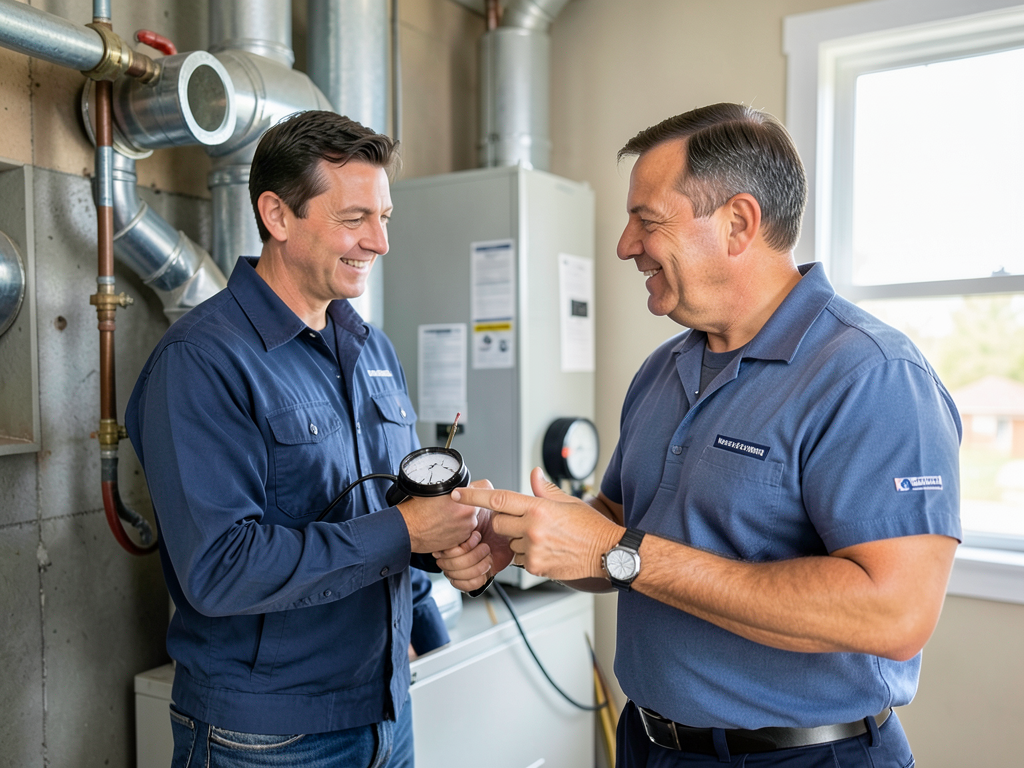
Diagnosing weak airflow requires systematic testing, not guesswork. Our technicians start with static pressure readings at the supply and return plenums. These measurements tell us whether the blower is generating adequate force and whether obstructions exist downstream in the duct system.

We use a manometer to measure pressure drops across the filter, evaporator coil, and ductwork sections. If static pressure exceeds manufacturer specifications, we know airflow is restricted. High return-side pressure usually means a dirty filter or blocked return grille. High supply-side pressure points to coil fouling, collapsed ductwork, or closed dampers.

Next, we inspect the blower assembly. A worn blower wheel accumulates dust buildup that reduces blade efficiency. We check the blower motor capacitor with a multimeter because a weak capacitor causes the motor to spin slower than rated RPM, directly reducing air volume. Belt-drive systems get inspected for tension and alignment.

Ductwork inspection follows. We check for disconnected boots at registers, crushed flex duct in attics, and leaks at trunk line joints. In St. Louis homes with older ductwork, we often find inadequate return air pathways. A system cannot push air out effectively if it cannot pull enough air back in.

We also verify that dampers in zoned systems are functioning and that supply registers have not been closed by occupants trying to redirect airflow. Sometimes the simplest explanation is correct. After testing, we provide a clear diagnosis with prioritized repair options. We fix the airflow restriction, verify system performance with follow-up pressure readings, and confirm proper air delivery at each register.

What Happens During Your Airflow Diagnosis

Weak Airflow from Vents in St. Louis – Expert Diagnosis and Fast Repair
01

System Performance Testing

Our technician measures static pressure at key points in your duct system using calibrated instruments. We compare actual readings against manufacturer specifications to identify where airflow restriction occurs. This data-driven approach eliminates guesswork and pinpoints whether the problem exists in the air handler, ductwork, or distribution system. We also measure supply air temperature and check refrigerant pressures to rule out other issues affecting performance.
02

Component Inspection

We physically inspect every component in the airflow path. The blower wheel gets checked for dust accumulation and damage. The evaporator coil is examined for dirt buildup or biological growth that blocks airflow. We test the blower motor capacitor and verify belt tension on belt-drive systems. In the ductwork, we look for disconnections, crushing, leaks at seams, and improper damper positions. Every register gets airflow tested with an anemometer.
03

Repair and Verification

After identifying the cause, we complete the necessary repairs. This might involve replacing the blower capacitor, cleaning the evaporator coil, sealing duct leaks, or reconnecting disconnected ductwork. Once repairs are finished, we retest static pressures and measure airflow at registers to confirm the system now delivers proper air volume. You will feel the difference immediately. We document before and after readings so you know the problem is truly resolved.

Why St. Louis Homeowners Trust Keystone HVAC for Airflow Problems

Weak airflow is not always caused by the obvious culprit. Many companies replace filters or clean coils without measuring system performance, leaving the real problem untouched. We use diagnostic tools and follow engineering principles to find the actual restriction.

St. Louis homes present unique challenges. Older homes in historic districts like Lafayette Square often have undersized return ducts because builders decades ago used different design standards. We understand how these systems were originally configured and what modifications improve performance without requiring complete duct replacement.

Our technicians are trained to recognize the signs of duct deterioration common in homes with crawlspace installations. Missouri clay soil expands and contracts with moisture changes, and this movement stresses ductwork connections. We know where to look for separation and how to properly seal those gaps with mastic and mechanical fasteners, not just tape.

We also understand the relationship between airflow and humidity control. In St. Louis summers, your AC must move enough air to dehumidify effectively. When airflow drops, humidity rises even if the temperature stays cool. We size repairs and replacements to handle local climate demands, not just meet minimum code requirements.

Keystone HVAC St. Louis technicians carry the diagnostic equipment needed to do the job right the first time. We do not guess. We measure, diagnose, repair, and verify. You get documentation of the problem and proof that it has been fixed. Our focus is on solving the issue permanently, not selling you equipment you do not need.

What to Expect When You Call for Weak Airflow Service

Fast Scheduling

We know weak airflow leaves your home uncomfortable, especially during St. Louis summer heat. We prioritize airflow complaints because the problem affects your comfort immediately and can cause secondary damage if ignored. Most service calls are scheduled within 24 to 48 hours. During peak season, we expand our schedule to accommodate urgent requests. When you call, you speak with someone who understands HVAC systems and can ask the right questions to prepare the technician before arrival. We confirm your appointment time and provide a clear service window so you are not waiting around all day.

Thorough Diagnosis

Our diagnostic process is methodical. The technician starts with your description of the problem, then moves to performance testing. Static pressure measurements, temperature readings, and visual inspections provide objective data. We check the filter, blower assembly, evaporator coil, ductwork, and dampers. The technician explains findings as the inspection progresses and shows you exactly what is causing reduced airflow. You are not left wondering what is wrong. Before any repair begins, you receive a clear explanation of the problem, the fix, and the cost. You make the decision with full information.

Proven Results

After repairs, we verify the fix with follow-up testing. Static pressure readings confirm airflow restrictions have been eliminated. We measure air velocity at registers to ensure proper distribution throughout your home. You will notice the difference immediately when you feel strong, consistent airflow from every vent. We do not consider the job complete until system performance meets manufacturer specifications and your home is comfortable again. Our goal is not just to fix the immediate symptom but to restore your HVAC system to proper operating efficiency so energy costs drop and comfort improves.

Ongoing Support

Airflow problems often signal underlying maintenance neglect. After resolving the immediate issue, we provide recommendations for preventing future problems. This might include filter replacement schedules, periodic coil cleaning, or duct sealing in problem areas. We offer maintenance plans that include annual inspections and cleaning to catch minor issues before they become expensive repairs. If ductwork modifications are needed to solve chronic airflow problems, we provide detailed proposals with options that fit your budget. You also receive guidance on register placement, thermostat settings, and system operation to maximize efficiency and comfort year-round.

Frequently Asked Questions

You Have Questions,
We Have Answers

Why do I barely feel air coming out of my vents? +

Weak airflow usually points to a clogged air filter, blocked return vents, or ductwork problems. In St. Louis homes, high humidity seasons cause filters to load up faster with dust and mold spores, choking your system. Check your filter first. If it looks gray or matted, replace it. Next, walk through your home and make sure furniture or curtains are not blocking vents or return grilles. If airflow is still weak, you likely have duct leaks, a failing blower motor, or undersized ductwork. A technician can diagnose the exact cause and restore proper airflow.

What could cause weak airflow from AC vents? +

Weak AC airflow stems from restricted air movement or mechanical failure. Common culprits include dirty air filters, blocked or closed registers, crushed flexible ductwork in crawlspaces, and leaky duct joints. St. Louis homes built before 1980 often have undersized or poorly sealed ductwork that loses 20 to 30 percent of conditioned air before it reaches your rooms. A failing blower motor or capacitor can also reduce airflow. Evaporator coil icing due to low refrigerant will block air passage. A thorough inspection will pinpoint whether the issue is airside or mechanical.

How do I increase the airflow in my vents? +

Start by replacing your air filter and ensuring all supply registers are fully open. Remove any obstructions like furniture or rugs covering return grilles. If airflow is still weak, check your ductwork for visible disconnections, kinks, or sagging sections in the basement or attic. Seal accessible duct joints with mastic or metal-backed tape, not cloth duct tape. Consider having your ducts professionally cleaned if you see dust buildup. If the blower motor speed is adjustable, a technician can increase the fan setting. Upgrading to a variable-speed blower can also improve airflow efficiency.

What is the $5000 AC rule? +

The $5000 rule is a replacement guideline. Multiply the age of your air conditioner by the estimated repair cost. If the total exceeds $5000, replacement makes more financial sense than repair. For example, a 12-year-old unit needing a $600 repair equals $7200, suggesting replacement. This rule accounts for diminishing efficiency and the likelihood of future breakdowns in aging equipment. In St. Louis, where summer humidity stresses AC systems heavily, units over 10 years old often cross this threshold. A new system offers better efficiency, lower utility bills, and modern refrigerants.

How to increase flow on a vent? +

Confirm the register damper is fully open by adjusting the lever or dial behind the grille. Remove the register cover and vacuum out dust or debris blocking the boot connection. Check that flexible ductwork is not kinked or compressed in the attic or crawlspace. If the duct run is long or has multiple bends, airflow naturally weakens. Installing a booster fan in the duct can help, but address the root cause first. A technician can rebalance your duct system by adjusting dampers at the trunk line or increasing blower speed to improve overall flow.

What is the 3 minute rule for AC? +

The 3 minute rule prevents compressor damage. After your AC shuts off, you must wait at least 3 minutes before restarting it. This allows refrigerant pressure to equalize between the high and low sides of the system. Restarting too quickly forces the compressor to work against unbalanced pressure, risking motor burnout or capacitor failure. Most modern thermostats have a built-in delay to enforce this rule. If you manually cycle your thermostat or power repeatedly, you can shorten compressor lifespan. Respect this delay, especially during St. Louis heat waves when systems cycle frequently.

Why is my AC set at 74 but reads 78? +

A four-degree gap between your thermostat setting and actual room temperature signals undersized equipment, poor insulation, or extreme outdoor heat. During St. Louis summer peaks above 95 degrees, even a properly sized AC may struggle to keep pace, especially in homes with poor attic insulation or west-facing windows. Check that your thermostat is not exposed to direct sunlight or heat sources that skew the reading. Dirty coils, low refrigerant, or weak airflow also reduce cooling capacity. If the gap persists overnight, your system needs professional diagnosis.

What is the most common cause of poor airflow? +

A clogged air filter is the number one cause of poor airflow. Filters trap dust, pollen, pet dander, and mold spores. In St. Louis, high humidity and seasonal allergens load filters faster than in dry climates. A dirty filter restricts air entering the return duct, starving the blower and reducing pressure at supply vents. Check your filter monthly during cooling season. Replace pleated filters every 60 to 90 days, or more often if you have pets. Ignoring this simple task forces your system to work harder, increases energy bills, and can freeze the evaporator coil.

Why is my AC barely blowing in my house? +

Your AC is barely blowing because airflow is blocked or the blower is failing. Start by checking the air filter. If it is clogged, replace it immediately. Next, confirm the blower motor is running when the system calls for cooling. Listen for unusual noises like squealing or grinding, which indicate bearing failure or a bad capacitor. In St. Louis homes with humid basements, mold growth inside ducts or on the evaporator coil can restrict airflow. Ice buildup on the indoor coil also blocks air passage. A technician can diagnose electrical or mechanical failure quickly.

What is the 2 foot rule in HVAC? +

The 2 foot rule requires at least 2 feet of clearance around outdoor condensing units. Shrubs, fences, trash cans, or storage boxes restrict airflow across the condenser coil, reducing heat rejection and forcing the compressor to work harder. In St. Louis, dense plantings are common for privacy, but they choke your AC. Trim back vegetation regularly and avoid building decks or enclosures around the unit. The condenser needs free air movement on all sides to exhaust heat efficiently. Violating this rule increases energy costs, shortens equipment life, and can trigger high-pressure shutdowns during peak summer heat.

How St. Louis Humidity and Clay Soil Affect Your Ductwork Performance

St. Louis sits at the confluence of two major rivers, and that geography creates high ambient humidity throughout the cooling season. When your AC blows weakly and cannot move enough air across the evaporator coil, it fails to remove moisture effectively. Indoor humidity climbs above 60 percent even though the temperature reads cool. This creates the clammy, uncomfortable feeling that makes you keep lowering the thermostat. The clay soil beneath St. Louis homes expands when wet and shrinks when dry. This constant movement shifts foundations and stresses ductwork in crawlspaces and basements. Flex duct connections pull apart at boots, rigid ductwork separates at seams, and return plenums develop gaps. These leaks reduce system airflow and pull humid unconditioned air into the duct system, making your humidity problem worse.

Addressing airflow problems in St. Louis requires understanding how local conditions affect HVAC systems. Homes in neighborhoods like Dogtown, The Hill, and South City often have ductwork installed decades ago using methods that do not meet current performance standards. Keystone HVAC St. Louis technicians are familiar with these older installations and know how to upgrade them for better efficiency without complete replacement. We understand local building practices, common installation shortcuts from different eras, and how to bring older systems up to modern performance levels. When you choose a local company that understands St. Louis home construction and climate challenges, you get solutions that work long-term, not just temporary fixes that fail again next season.
HVAC Services in The St. Louis Area

Our service area spans across the St. Louis metropolitan area and surrounding communities. We’re dedicated to bringing our top-quality HVAC services directly to your doorstep. Use the map to see our coverage and feel free to contact us with any questions about whether we can service your specific location. We’re always here to help you find the comfort solutions you need.

Address:
Keystone HVAC St. Louis, 4452 Manchester Ave, St. Louis, MO, 63110

Additional Services We Offer

Our news updates

Latest Articles & News from The Blogs

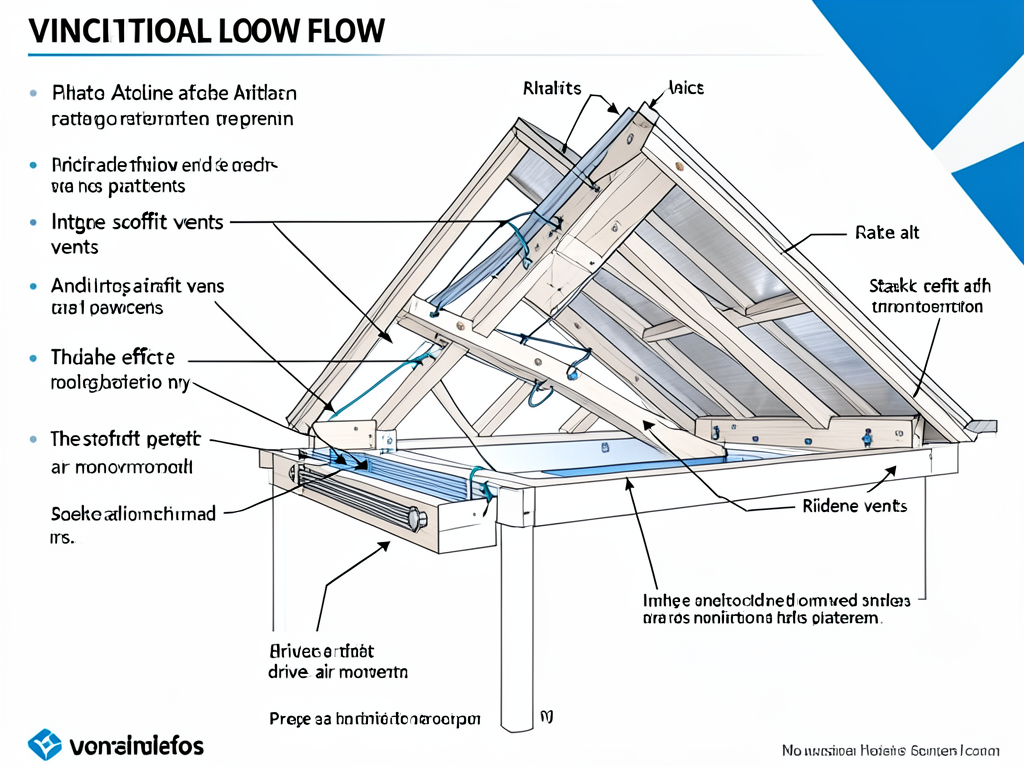
Does Your Maryland Heights Attic Have Enough Ventilation for the Summer Heat? Your Maryland Heights attic can reach 150°F on…

Does Your Maryland Heights Attic Have Enough Ventilation for the Summer Heat?

Does Your Maryland Heights Attic Have Enough Ventilation for the Summer Heat? Your Maryland Heights attic can reach 150°F on…

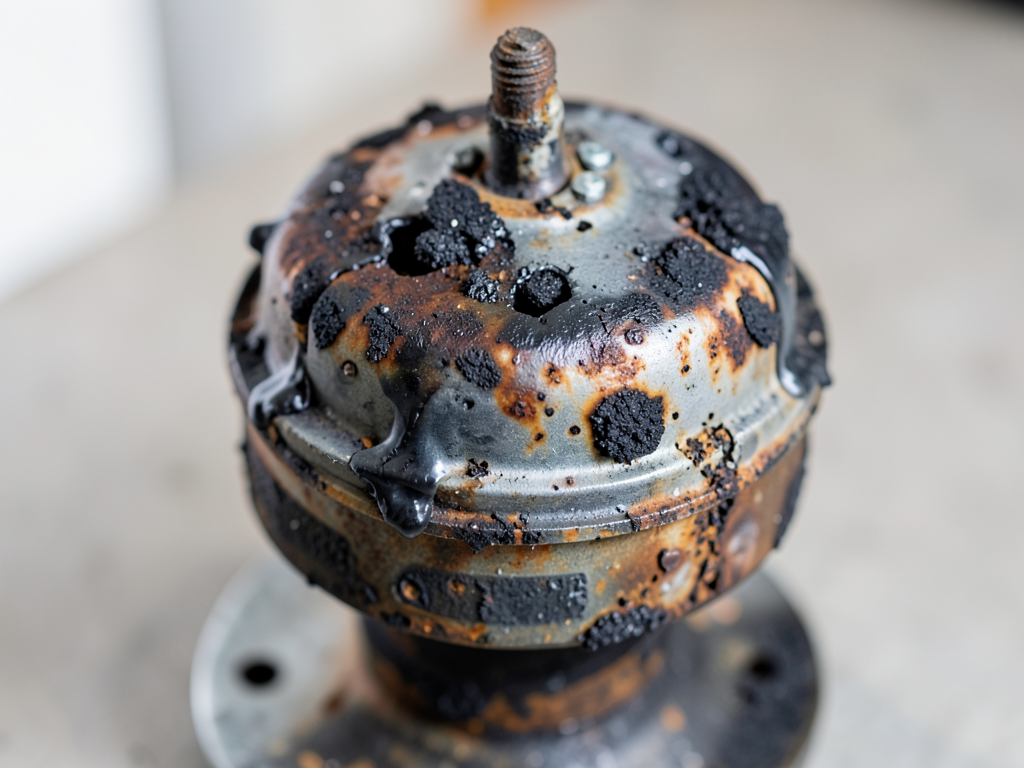
What That Strange Metallic or Burning Plastic Smell from Your Furnace Actually Means

What That Strange Metallic or Burning Plastic Smell from Your Furnace Actually Means If your furnace smells like burning plastic…

Why Closing Vents in Unused Rooms Is Actually Hurting Your Ladue Home

Many Ladue homeowners close vents in unused rooms to save money on energy bills. This common practice seems logical at…

Contact Us

Do not suffer through another day with weak airflow and poor comfort. Call Keystone HVAC St. Louis at (314) 417-7771 now to schedule a diagnostic visit. We will find the problem, fix it right, and restore strong, consistent airflow throughout your home.