
Does Your Maryland Heights Attic Have Enough Ventilation for the Summer Heat?
Your Maryland Heights attic can reach 150°F on a hot July afternoon. That heat radiates down into your living space, forcing your air conditioner to work overtime and driving up your energy bills. Poor attic ventilation also traps moisture, which can lead to mold growth, wood rot, and premature shingle failure. In this guide, you’ll learn how to tell if your attic ventilation is working properly and what steps you can take to fix it before summer hits full force.
The St. Louis region’s hot, humid summers and cold winters create unique attic ventilation challenges. Homes in Maryland Heights built in the 1970s through 1990s often have undersized or blocked vents that were code-compliant at the time but fall short today. If you notice your second floor stays uncomfortably warm even when the AC runs constantly, your attic ventilation might be the culprit. St. Louis County Mechanical Code Section 1203.
Warning Signs Your Attic Ventilation is Failing
Before climbing into your attic, look for these red flags from the outside and inside your home. If you spot multiple signs, it’s time for a professional inspection. Why Professional Air Duct Cleaning is Essential for Wildwood Homes.
- Ice dams in winter – Snow melts on your roof, then refreezes at the edges, creating dangerous ice buildup. This happens when warm attic air melts snow from below.
- Curling or blistering shingles – Excessive heat bakes asphalt shingles from below, causing them to warp and fail years early.
- Musty odors in upper rooms – Trapped moisture creates the perfect environment for mold and mildew growth.
- Uneven cooling – Your first floor feels comfortable while the second floor stays 5-10°F warmer.
- Higher than normal energy bills – Your AC runs constantly but can’t keep up with the heat load from above.
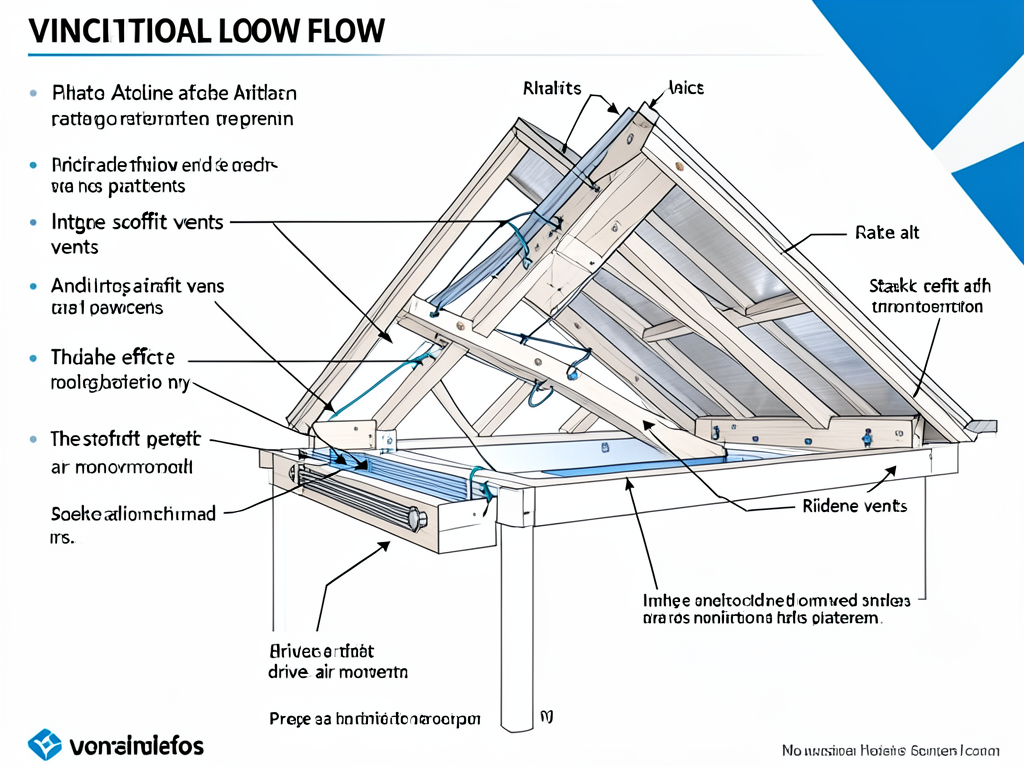
– Technical diagram showing proper attic ventilation flow patterns, including intake soffit vents, ridge vents, and the stack effect that drives air movement.
How Maryland Heights Climate Affects Attic Ventilation
Maryland Heights sits in the Mississippi River Valley where humidity levels often exceed 70% in summer. This moisture-laden air enters your attic through ceiling gaps, light fixtures, and bathroom fans. Without proper ventilation, this moisture condenses on cool surfaces, especially at night when attic temperatures drop.
The area’s clay soil also contributes to ventilation problems. Homes built on clay-rich soil experience more foundation movement, which can crack ceiling seals and create additional pathways for humid air to enter the attic space.
Local building codes have evolved. Current St. Louis County Mechanical Code Section 1203 requires 1 square foot of net free ventilation area for every 150 square feet of attic floor space, or 1:300 if a vapor retarder is installed. Many older Maryland Heights homes don’t meet these requirements.
Types of Attic Ventilation Systems
Effective attic ventilation requires both intake and exhaust components working together. Here are the main options available for Maryland Heights homes.
Soffit Vents – The Foundation of Good Ventilation
Soffit vents install under your roof eaves and provide the cool air intake your attic needs. They come in two main styles:
- Continuous soffit vents – Run the entire length of the soffit, providing maximum airflow
- Individual vents – Spaced every few feet, easier to install in existing homes
Problem: Many Maryland Heights homes have soffit vents blocked by insulation. When insulation falls into the soffit cavity, it prevents air from entering, rendering your entire ventilation system ineffective.
Ridge Vents – The Exhaust Solution
Ridge vents install along the peak of your roof, providing continuous exhaust for rising hot air. They work best when paired with proper soffit intake vents.
Advantage: Unlike box vents or turbines, ridge vents don’t create hot spots on your roof. They provide uniform exhaust along the entire ridge line.
Gable Vents – The Alternative Approach
Gable vents install on the triangular wall ends of your attic. While better than no ventilation, they create horizontal airflow rather than the vertical stack effect that’s most efficient.
Best use: Gable vents work well as supplemental exhaust when ridge vents aren’t feasible due to roof design.
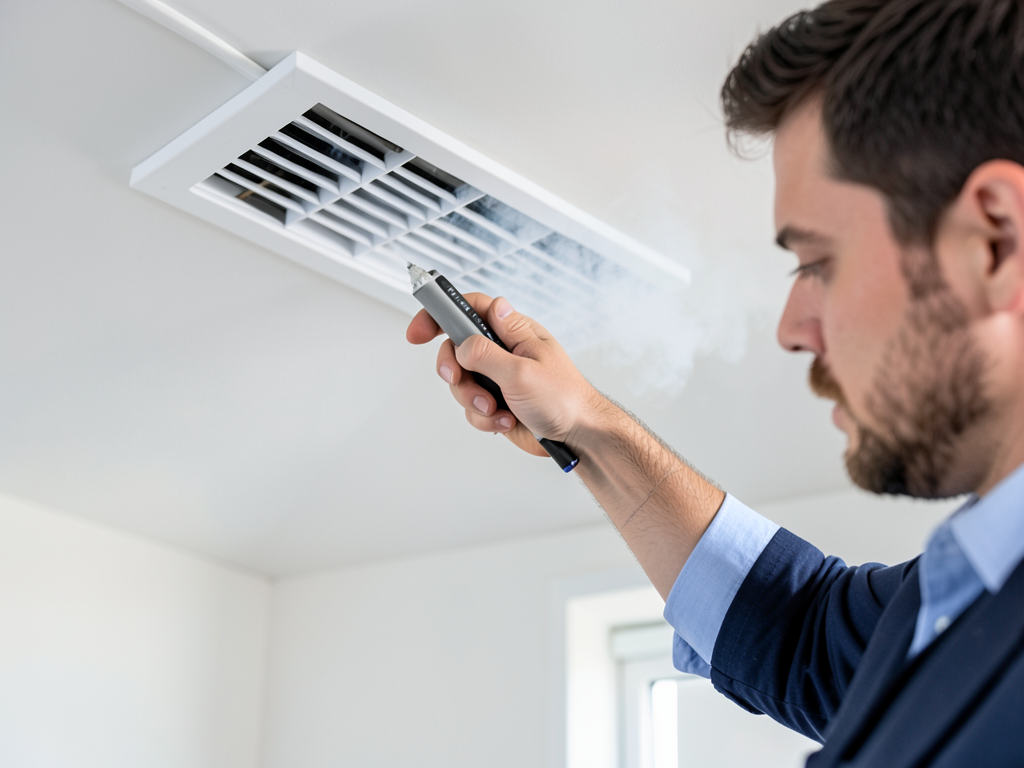
– Photo showing a technician using a smoke pencil to test airflow at soffit vents, demonstrating how to verify proper intake ventilation.
The Stack Effect and Why It Matters
Hot air rises naturally through a process called the stack effect. In your attic, this creates negative pressure that pulls cool air in through soffit vents. This continuous cycle keeps your attic closer to outdoor ambient temperature rather than allowing it to superheat.
Problem: When intake vents are blocked or undersized, the stack effect breaks down. Hot air stagnates, temperatures soar, and your AC works harder than necessary.
Diagnostic test: A qualified technician can use an infrared camera to identify hot spots in your attic and measure temperature differentials between intake and exhaust areas.
Common Ventilation Problems in Maryland Heights Homes
Based on field experience, these are the most frequent ventilation issues we find in local homes. The Best Local Furnace Replacement Options for Kirkwood Families.
Blocked Soffit Vents
Over time, blown-in insulation settles into soffit cavities, completely blocking airflow. This single issue can reduce your ventilation effectiveness by 50% or more.
Solution: Install proper baffles during re-insulation to maintain clear air channels from soffit to attic space.
Inadequate Exhaust Capacity
Many older homes have only a few box vents or a single turbine. Modern ventilation standards require significantly more exhaust area to handle today’s insulation levels and larger attic spaces.
Rule of thumb: Your exhaust area should equal your intake area for balanced airflow.
Mixed Ventilation Types
Combining different vent types without proper planning can create airflow short-circuits. For example, gable vents near ridge vents can pull air from the nearest exhaust rather than drawing from soffit intakes.
Best practice: Use one primary exhaust type (ridge or gable) and ensure all intake vents remain unobstructed.
Cost Comparison: Ventilation vs. AC Upgrades
Improving your attic ventilation often costs less than upgrading your air conditioning system while providing similar comfort benefits. Here’s how the numbers typically break down.
| Improvement Type | Typical Cost Range | Energy Savings Potential | Lifespan |
|---|---|---|---|
| Complete vent system (soffit + ridge) | $1,500 – $3,500 | 10-25% AC runtime reduction | 20-30 years |
| High-efficiency AC upgrade | $4,000 – $8,000 | 15-30% energy use reduction | 15-20 years |
| Radiant barrier installation | $1,000 – $2,500 | 5-15% cooling cost reduction | Lifetime of home |
Data based on typical Maryland Heights home sizes and local utility rates. Actual savings vary based on home construction and usage patterns.
DIY Ventilation Checks You Can Perform
You can perform these simple tests to get a sense of your attic ventilation health before calling a professional.
- Visual soffit inspection – From ground level, look under your eaves. Do you see vent slots or screens? If not, your home may lack intake ventilation entirely.
- Attic temperature check – On a warm day, use a thermometer to measure attic temperature. It should be within 10-15°F of outdoor temperature. Higher readings indicate poor ventilation.
- Moisture check – Look for water stains, mold spots, or rusty nail heads in your attic. These indicate moisture problems from inadequate ventilation.
- Insulation inspection – Check if insulation is blocking soffit vents. You may need to pull back insulation near the eaves to see the vent openings.
Warning: Never walk on attic joists without proper support. Many DIYers fall through ceilings each year attempting attic inspections.
When to Call a Professional
While basic checks are safe for most homeowners, certain situations require professional expertise:
- Your home is over 20 years old and has never had ventilation evaluated
- You notice water stains or mold in your attic
- Your energy bills have increased significantly without rate changes
- You’re planning a new roof installation and want to optimize ventilation
- You’ve added insulation recently and suspect it’s blocking vents
Professional assessment includes thermal imaging, airflow testing, and compliance verification with current building codes.
– Before and after comparison showing a Maryland Heights attic with blocked soffits transformed with proper baffles and ridge vent installation.
Seasonal Considerations for Maryland Heights
Attic ventilation isn’t just a summer issue. In winter, proper ventilation prevents ice dams and moisture accumulation that can damage your roof structure.
Spring and fall are ideal times for ventilation improvements. Contractors are less busy than during peak summer or winter emergency seasons, and moderate temperatures make installation work safer and more comfortable. Emergency AC Repair in Creve Coeur That Won’t Break the Bank.
Summer upgrades should be scheduled early. By June, most reputable contractors are booked weeks in advance for emergency AC repairs and ventilation improvements. Emergency Furnace Repair.
Integration with Other Home Systems
Attic ventilation works best as part of a whole-home approach to comfort and efficiency. Consider these complementary improvements:
- Air sealing – Sealing ceiling penetrations prevents conditioned air from escaping into the attic
- Proper insulation – After ensuring ventilation works, add insulation to recommended levels
- Radiant barriers – Reflect heat before it enters the attic space
- Smart thermostats – Optimize cooling cycles based on actual conditions
The most effective approach combines ventilation improvements with these complementary measures for maximum comfort and efficiency.
Local Building Code Requirements
St. Louis County requires specific ventilation standards that many older Maryland Heights homes don’t meet. Current code requirements include:
- Minimum 1:150 ventilation ratio (intake to exhaust)
- Corrosion-resistant materials for all vent components
- Proper flashing integration with roofing materials
- Fire blocking in specific attic configurations
Homes undergoing major renovations or roof replacements must bring ventilation up to current standards. This often becomes a code compliance issue during home sales.
Energy Efficiency Incentives
Ameren Missouri offers rebates for certain energy efficiency improvements, including some attic ventilation upgrades when part of a comprehensive home energy audit. Check their website for current programs, as incentives change annually. Ameren Missouri energy efficiency rebates.
Federal tax credits may also be available for certain energy efficiency improvements. Consult with a tax professional about eligibility for your specific situation.
Frequently Asked Questions
How much does it cost to improve attic ventilation in Maryland Heights?
Most Maryland Heights homes need $1,500-$3,500 for a complete ventilation system upgrade, including proper soffit vents, ridge vents, and any necessary baffles or repairs.
Can I install attic ventilation myself?
While some homeowners install basic vents, proper ventilation requires understanding building codes, roof penetration techniques, and airflow dynamics. Improper installation can create leaks or code violations. Top Rated AC Installation Companies Serving Ladue and Clayton.
How long does ventilation improvement take?
Most ventilation projects complete in 1-2 days. Soffit vent installation may require interior access to install baffles, while ridge vents install from the roof surface.
Will better ventilation make my house colder in winter?
No. Proper ventilation maintains attic temperature close to outdoor ambient, preventing ice dams while not affecting your home’s interior temperature when insulation is adequate.
How do I know if my new ventilation system is working?
Professional testing uses smoke pencils and thermal imaging to verify airflow. You should notice more consistent temperatures between floors and potentially lower cooling costs within the first month.
Take Action Before Summer Heat Arrives
Maryland Heights attics can reach dangerous temperatures by early June. The longer you wait, the more stress you place on your air conditioning system and the higher your energy bills climb.
A professional ventilation assessment takes about an hour and can identify specific problems in your home. Most homeowners find the investment pays for itself within 2-3 summers through reduced energy costs and extended HVAC equipment life.
Call (314) 417-7771 today to schedule your attic ventilation inspection. Our technicians understand the unique challenges of Maryland Heights homes and can recommend solutions that comply with current building codes while addressing your specific comfort concerns.
Don’t wait until your AC struggles through another Missouri summer. Pick up the phone and call (314) 417-7771 before temperatures soar. Your comfort, your roof, and your wallet will thank you.
{
“@context”: “https://schema.org”,
“@type”: “BlogPosting”,
“headline”: “Does Your Maryland Heights Attic Have Enough Ventilation for the Summer Heat?”,
“description”: “Maryland Heights attics can reach 150°F in summer. Learn how proper ventilation protects your roof, lowers AC costs, and prevents moisture damage. Call (314) 417-7771.”,
“wordCount”: 1983,
“datePublished”: “2026-06-09T08:24:00.000Z”,
“dateModified”: “2026-06-09T08:24:00.000Z”,
“inLanguage”: “en-US”,
“mainEntityOfPage”: {
“@type”: “WebPage”,
“@id”: “https://keystonehvacstlouis.com”
},
“publisher”: {
“@type”: “LocalBusiness”,
“name”: “Keystone HVAC St. Louis”,
“url”: “https://keystonehvacstlouis.com”
},
“author”: {
“@type”: “Organization”,
“name”: “Keystone HVAC St. Louis”,
“url”: “https://keystonehvacstlouis.com”
},
“image”: {
“@type”: “ImageObject”,
“url”: “https://keystonehvacstlouis.com/wp-content/uploads/2026/03/does-your-maryland-heights-attic-have-enough-venti-1.png”
}
}
{
“@context”: “https://schema.org”,
“@type”: “HVACBusiness”,
“name”: “Keystone HVAC St. Louis”,
“url”: “https://keystonehvacstlouis.com”,
“address”: {
“@type”: “PostalAddress”,
“addressLocality”: “St. Louis”
},
“areaServed”: {
“@type”: “City”,
“name”: “St. Louis”
}
}
{
“@context”: “https://schema.org”,
“@type”: “FAQPage”,
“mainEntity”: [
{
“@type”: “Question”,
“name”: “How much does it cost to improve attic ventilation in Maryland Heights?”,
“acceptedAnswer”: {
“@type”: “Answer”,
“text”: “Most Maryland Heights homes need $1,500-$3,500 for a complete ventilation system upgrade, including proper soffit vents, ridge vents, and any necessary baffles or repairs.”
}
},
{
“@type”: “Question”,
“name”: “Can I install attic ventilation myself?”,
“acceptedAnswer”: {
“@type”: “Answer”,
“text”: “While some homeowners install basic vents, proper ventilation requires understanding building codes, roof penetration techniques, and airflow dynamics. Improper installation can create leaks or code violations. Top Rated AC Installation Companies Serving Ladue and Clayton.”
}
},
{
“@type”: “Question”,
“name”: “How long does ventilation improvement take?”,
“acceptedAnswer”: {
“@type”: “Answer”,
“text”: “Most ventilation projects complete in 1-2 days. Soffit vent installation may require interior access to install baffles, while ridge vents install from the roof surface.”
}
},
{
“@type”: “Question”,
“name”: “Will better ventilation make my house colder in winter?”,
“acceptedAnswer”: {
“@type”: “Answer”,
“text”: “No. Proper ventilation maintains attic temperature close to outdoor ambient, preventing ice dams while not affecting your home’s interior temperature when insulation is adequate.”
}
},
{
“@type”: “Question”,
“name”: “How do I know if my new ventilation system is working?”,
“acceptedAnswer”: {
“@type”: “Answer”,
“text”: “Professional testing uses smoke pencils and thermal imaging to verify airflow. You should notice more consistent temperatures between floors and potentially lower cooling costs within the first month.”
}
}
]
}
{
“@context”: “https://schema.org”,
“@type”: “BreadcrumbList”,
“itemListElement”: [
{
“@type”: “ListItem”,
“position”: 1,
“name”: “Home”,
“item”: “https://keystonehvacstlouis.com”
},
{
“@type”: “ListItem”,
“position”: 2,
“name”: “Blog”,
“item”: “https://keystonehvacstlouis.com/blog”
},
{
“@type”: “ListItem”,
“position”: 3,
“name”: “Does Your Maryland Heights Attic Have Enough Ventilation for the Summer Heat?”
}
]
}
{
“@context”: “https://schema.org”,
“@type”: “Service”,
“serviceType”: “HVAC”,
“provider”: {
“@type”: “LocalBusiness”,
“name”: “Keystone HVAC St. Louis”,
“url”: “https://keystonehvacstlouis.com”
},
“areaServed”: {
“@type”: “City”,
“name”: “St. Louis”
},
“description”: “Maryland Heights attics can reach 150°F in summer. Learn how proper ventilation protects your roof, lowers AC costs, and prevents moisture damage. Call (314) 417-7771.”
}