Menu

Furnace Blowing Cold Air in St. Louis – Expert Diagnosis and Same-Day Repair

When your furnace blows cold air during a St. Louis winter, you need fast, accurate diagnosis and immediate repair. Keystone HVAC St. Louis identifies the root cause and restores heat the same day.

Slider Image 1
Slider Image 2
Slider Image 3
Slider Image 4
Slider Image 5
Slider Image 7
Slider Image 8
Slider Image 9
Slider Image 10
Slider Image 11

Why Your St. Louis Furnace Is Blowing Cold Air

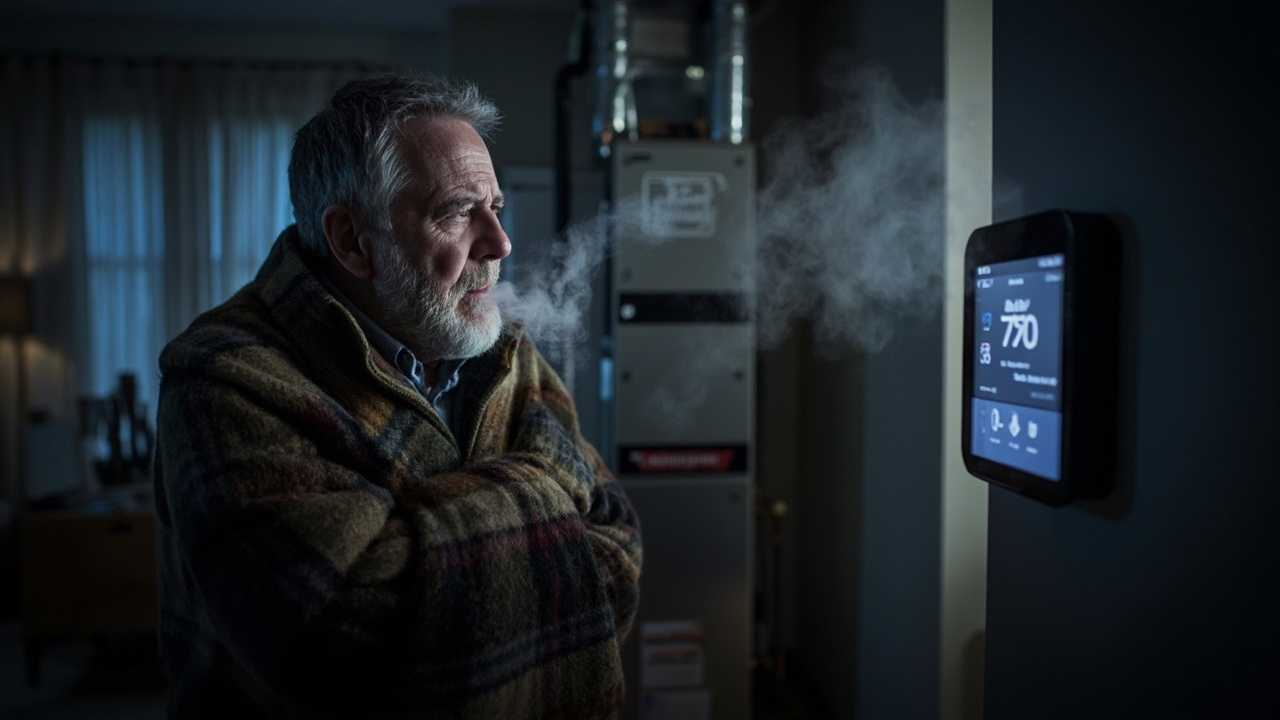
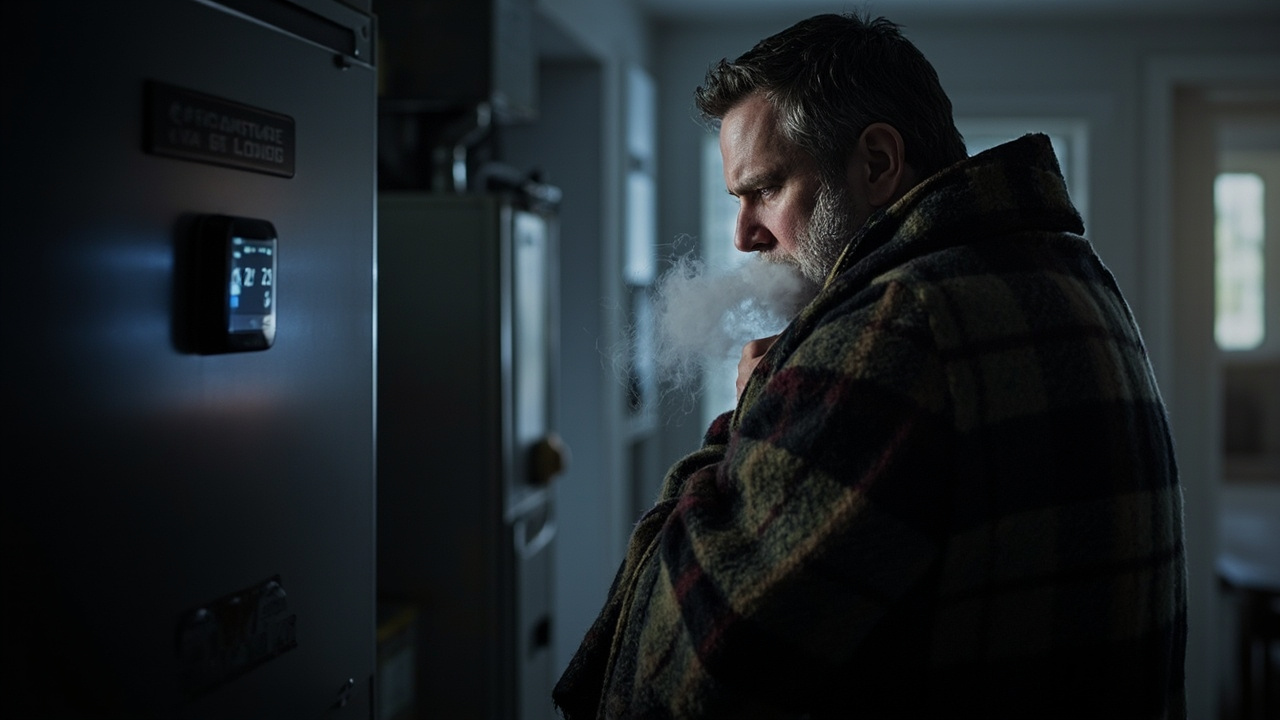
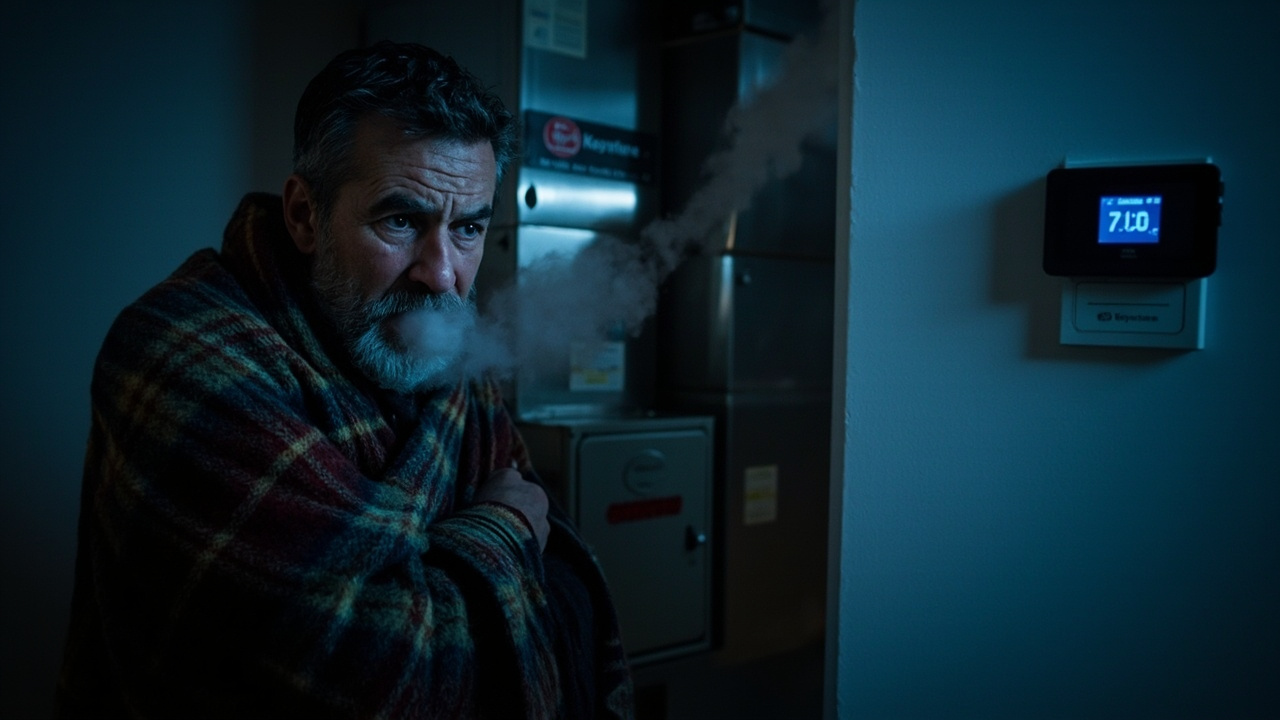
You turn up the thermostat expecting warmth. Instead, your vents push cold air through your home. This problem peaks in St. Louis between December and February, when temperature swings stress heating systems and expose hidden mechanical failures.

A heating system blowing cold air signals one of several breakdowns. Your pilot light may have extinguished. The flame sensor could be coated in carbon residue, preventing ignition. The limit switch might have tripped due to overheating. A clogged air filter starves the system of airflow, forcing it into safety mode. Ductwork leaks in unconditioned spaces like crawlspaces allow conditioned air to escape before reaching living areas.

St. Louis homes built before 1980 often have undersized return ducts and aging heat exchangers. When temperatures drop below 20 degrees, these systems struggle. The furnace cycles on, but combustion never completes. You hear the blower motor running, but the burners stay dark. The system pushes unheated air through the registers.

A furnace blowing cool air wastes energy and drives up utility bills. Your system runs constantly without delivering heat. Rooms farthest from the furnace stay cold. You pile on blankets and run space heaters, creating fire hazards and straining electrical circuits.

A heater blowing cold air also indicates potential safety risks. Cracked heat exchangers allow carbon monoxide to mix with circulating air. Faulty gas valves can leak fuel. Electrical failures in the control board may cause short circuits.

When your furnace is not blowing hot air, the problem requires professional diagnosis. DIY fixes waste time and risk further damage. You need someone who understands how St. Louis climate patterns affect heating system performance.

Why Your St. Louis Furnace Is Blowing Cold Air
How We Fix a Furnace Blowing Unheated Air

How We Fix a Furnace Blowing Unheated Air

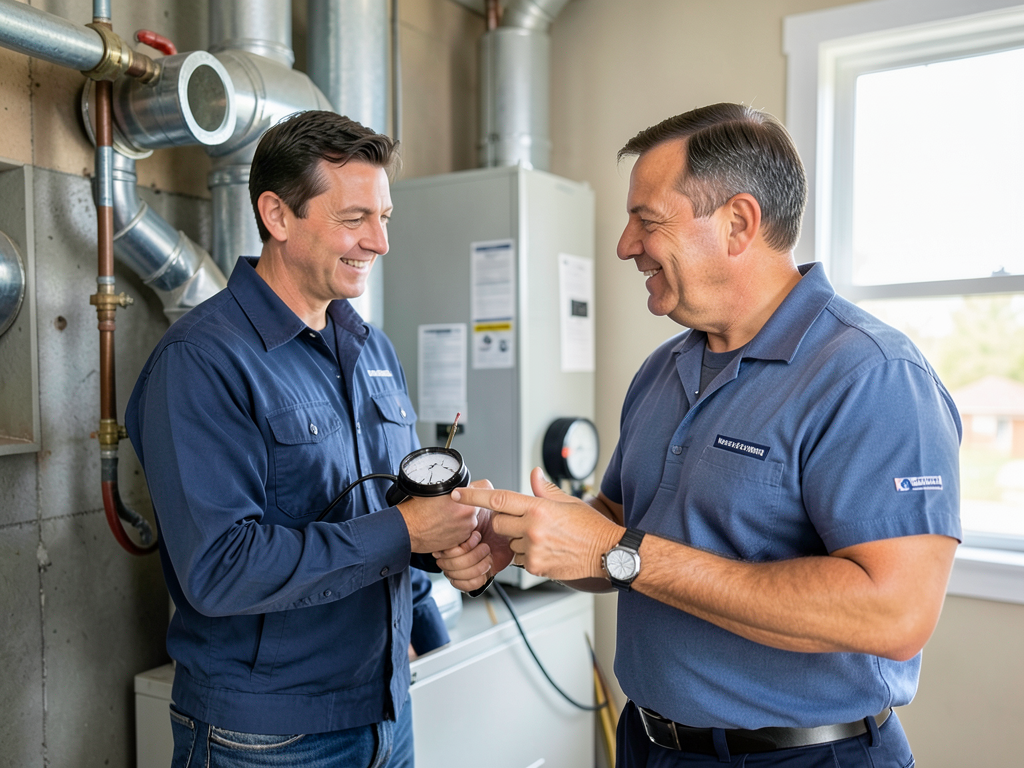
We arrive with diagnostic tools designed for forced-air systems. Our technicians use a digital multimeter to test voltage at the thermostat, transformer, and control board. We check continuity across safety switches, including the limit switch and rollout switches. A combustion analyzer measures flue gas temperature and carbon monoxide levels, revealing incomplete combustion or venting problems.

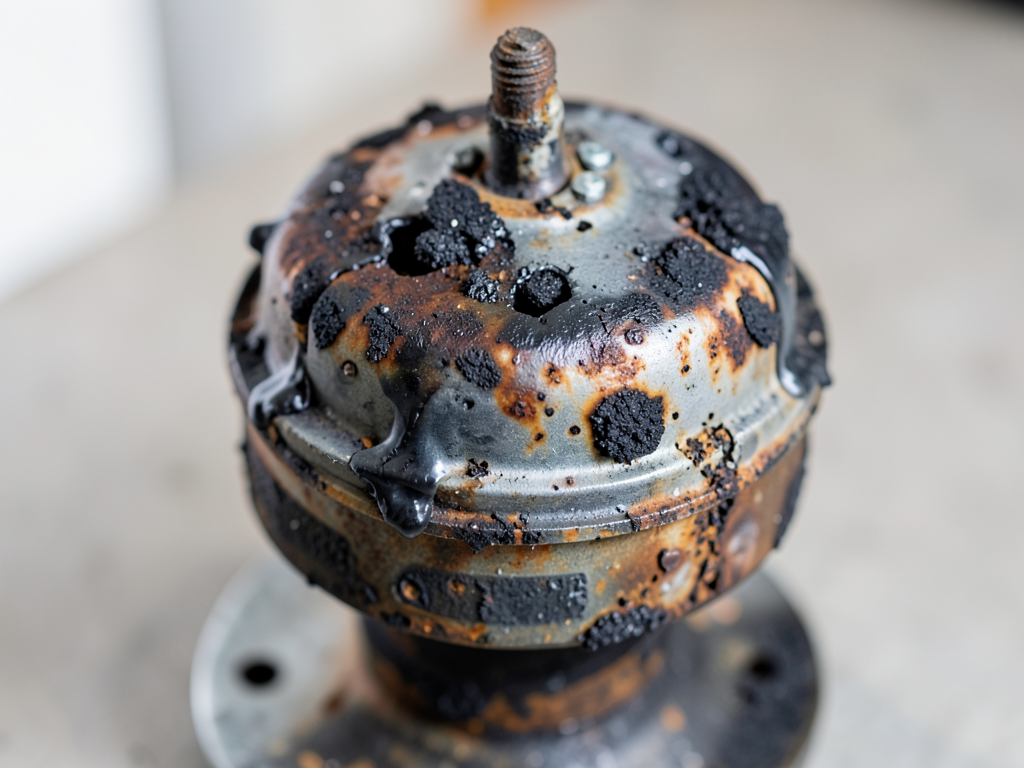
We inspect the flame sensor with a fine abrasive pad, removing oxidation that prevents the sensor from detecting flame presence. If the pilot light is out, we check the thermocouple or hot surface ignitor. These components fail after years of thermal cycling. A damaged ignitor will glow but fail to reach the temperature needed to open the gas valve.

We measure static pressure in the duct system using a manometer. High static pressure indicates a clogged filter, closed dampers, or undersized ductwork. Low static pressure points to duct leaks or disconnected supply runs. Both conditions prevent proper heat distribution.

The blower motor receives a full inspection. We measure amp draw to detect worn bearings or capacitor failure. A weak capacitor causes the motor to run slowly, reducing airflow below the threshold needed to trigger the limit switch. The furnace shuts down before heat reaches the registers.

We examine the heat exchanger with a video inspection camera, looking for cracks or rust-through. A compromised heat exchanger fails the safety test. We red-tag the unit and explain replacement options.

Gas pressure testing confirms proper manifold pressure at the burners. Low gas pressure causes weak flames and incomplete heating. We adjust the regulator or contact the utility company if meter pressure is insufficient.

After identifying the failure point, we explain the repair in plain terms. You understand what broke, why it broke, and what we need to do to restore heat.

What Happens During Your Cold Air Service Call

Furnace Blowing Cold Air in St. Louis – Expert Diagnosis and Same-Day Repair
01

System Diagnostics

We test electrical components, gas flow, and airflow in sequence. Our technician checks thermostat signals, confirms the transformer outputs 24 volts, and verifies the control board sends power to the ignition system. We measure supply and return temperatures to calculate temperature rise. This reveals whether the problem is ignition failure, airflow restriction, or heat exchanger damage. You get a clear explanation of what we find.
02

Component Repair

Once we identify the failed part, we install the replacement. Flame sensors take ten minutes. Igniters require fifteen. Blower motors need an hour, including capacitor replacement and lubrication. Gas valves take thirty minutes, followed by a leak test using soapy water. Every repair includes a combustion test to confirm safe operation. We adjust burner flames and check for proper venting before closing the furnace cabinet.
03

Heat Restoration

We cycle the furnace through three complete heating cycles, monitoring ignition timing, flame quality, and temperature rise. We check every register in your home to confirm balanced airflow. You feel warm air at each vent. The furnace maintains temperature without short cycling. We program your thermostat and show you how to change the filter. You receive a written report of the repair and recommendations for preventive maintenance.

Why St. Louis Homeowners Choose Keystone HVAC

St. Louis homes face unique heating challenges. Temperature swings from 15 degrees to 50 degrees in the same week stress thermostats and mechanical components. Humidity from the Mississippi River corridor causes condensation in ductwork and flue pipes. Clay soil shifts foundations, pulling ductwork apart at the seams.

We understand these local conditions because we work in them every day. Our technicians know that homes in Shaw and Tower Grove often have gravity furnaces converted to forced air. These systems have oversized heat exchangers and undersized blowers. We know that post-war ranch homes in Webster Groves and Kirkwood have crawlspace ductwork prone to disconnection. We know that homes near Forest Park battle humidity that corrodes flame sensors faster than in drier climates.

We stock parts for every major furnace brand in our service vehicles. You do not wait three days for a flame sensor or ignitor. We carry Honeywell controls, White-Rodgers gas valves, and Carrier blower motors. Same-day repair happens because we plan for it.

Our diagnostic process follows a decision tree based on symptom patterns. A furnace blowing cold air with the blower running points to ignition failure. A furnace that blows cold, then warm, then shuts down indicates a limit switch problem. A furnace that never ignites suggests a thermostat or transformer fault. We solve the problem in one visit.

We explain repairs in clear language. You understand what broke, why it broke, and how to prevent it. We do not upsell unnecessary services. If your furnace needs replacement, we tell you. If a simple repair solves the problem, we do that instead.

You call once. We fix it right. Your home stays warm through the coldest months.

What You Can Expect From Our Service

Fast Response

We answer calls seven days a week. You schedule a service window that fits your day. Our technicians call thirty minutes before arrival. Most cold air repairs happen the same day. We carry common parts for Carrier, Trane, Lennox, Goodman, and Rheem furnaces. If your system needs a specialty component, we order it with priority shipping. Emergency calls during extreme cold get priority dispatch. You do not wait three days while your home drops below 50 degrees.

Thorough Diagnosis

We test every component in the heating sequence. You receive a written diagnostic report that lists voltage readings, amp draw measurements, and combustion analysis results. We take photos of failed parts and show you the problem. If the flame sensor is coated in carbon, you see it. If the ignitor has a crack, we point it out. You understand why your furnace stopped heating. We explain repair options and answer every question before starting work.

Reliable Repair

We use OEM parts when possible and high-quality aftermarket components when OEM parts are discontinued. Every repair includes a combustion test and safety inspection. We check carbon monoxide levels, measure gas pressure, and verify proper venting. Your furnace operates safely and efficiently. We test heat distribution at every register to confirm balanced airflow. You feel consistent warmth throughout your home. The repair solves the problem completely.

Ongoing Support

After the repair, we provide maintenance recommendations specific to your system. You learn how often to change filters, when to schedule tune-ups, and what warning signs to watch for. We offer seasonal maintenance plans that include filter replacement, blower cleaning, and combustion testing. Maintenance customers get priority scheduling and discounted service rates. If a problem recurs within the service period, we return to diagnose it at no additional diagnostic charge.

Frequently Asked Questions

You Have Questions,
We Have Answers

Why is cold air blowing when the heat is on? +

Cold air blowing when the heat is on usually means the burners are not igniting. Your furnace fan runs on schedule, but something blocks the flame. Common causes include a dirty flame sensor, failed ignitor, or tripped limit switch. In St. Louis homes, frequent temperature swings between freezing nights and mild days can stress older ignition components. A clogged air filter also forces the system to shut down mid-cycle. Check your thermostat setting first. If it reads "heat" and the temperature setting is correct, the problem lies within the furnace itself. A technician needs to inspect the burner assembly and ignition system.

How do you reset a furnace that blows cold air? +

Turn your thermostat to "off." Locate your furnace circuit breaker and flip it off for 30 seconds, then back on. This clears the system's error codes. Wait five minutes for the furnace to complete its startup sequence. Set your thermostat back to "heat" and raise the temperature setting above room temperature. Listen for the ignitor click and burner flame. If cold air continues, the reset did not address the root cause. Resetting works for minor glitches but will not fix mechanical failures like a broken flame sensor or gas valve issue. St. Louis HVAC techs see this frequently after power outages.

Why is my furnace blower running but no heat? +

Your blower motor runs, but the burners are not lighting. This points to ignition failure or a safety lockout. The furnace control board allows the fan to circulate air, but it cuts gas flow when sensors detect unsafe conditions. Causes include a dirty flame sensor that cannot confirm ignition, a cracked heat exchanger triggering safety shutoffs, or a failed gas valve. In St. Louis, high humidity and temperature swings can corrode flame sensors faster. Your furnace may also be in "fan only" mode at the thermostat. Check that setting first before calling for service. Ignition components require professional diagnosis.

What does it mean when your furnace blows out cold air? +

It means your furnace runs through its cycle, but heat does not transfer to the air. The blower circulates air before the heat exchanger warms up, or the burners fail to ignite entirely. You might have a thermostat misconfiguration, a tripped safety limit, or a failing heat exchanger. In older St. Louis homes with original ductwork, undersized return air can also cause this symptom by triggering high limit switches. The furnace shuts down burners to prevent overheating. Cold air from the vents is the result. This issue escalates quickly in winter. Address it immediately to avoid frozen pipes.

How do you fix your heater when it's blowing out cold air? +

Start by replacing your air filter. A clogged filter causes overheating and safety shutdowns. Check your thermostat settings next. It should read "heat," not "cool" or "auto." Inspect your circuit breaker to confirm the furnace has power. If these steps fail, the issue requires a technician. Components like the flame sensor, ignitor, or gas valve need testing and replacement. In St. Louis, where winters bring freeze-thaw cycles and high humidity, internal corrosion happens faster. Do not attempt repairs involving gas lines or electrical components yourself. A qualified HVAC contractor diagnoses the root cause safely and restores heat quickly.

How can I tell if my heat pump is low on refrigerant? +

Heat pumps low on refrigerant struggle to generate heat during St. Louis winter cold snaps. Watch for ice buildup on the outdoor unit, weak airflow from vents, or the system running constantly without reaching temperature. You might hear hissing sounds near refrigerant lines, indicating a leak. Higher electric bills without increased comfort also signal low charge. The system may switch to emergency heat more often. Refrigerant does not "run out" like fuel. A leak exists somewhere. Techs use gauges to measure pressure and electronic detectors to locate leaks. Topping off refrigerant without fixing the leak wastes money and harms the environment.

What are signs of furnace failure? +

Furnaces show failure through escalating symptoms. You might hear loud banging, scraping, or squealing noises indicating mechanical wear. Frequent cycling on and off signals control board or thermostat problems. Yellow or flickering burner flames instead of steady blue flames mean combustion issues and potential carbon monoxide risk. Visible cracks or rust on the heat exchanger require immediate shutdown. Rising utility bills without temperature changes indicate efficiency loss. In St. Louis, where systems run hard during humid summers and cold winters, a furnace older than 15 years showing multiple symptoms often needs replacement rather than repeated repairs. Age and cumulative wear determine failure risk.

What is the most expensive part to fix on a furnace? +

The heat exchanger costs the most to replace, often ranging into thousands. This component transfers heat from combustion gases to your home's air. Cracks develop from years of heating and cooling cycles. St. Louis humidity accelerates corrosion. A cracked heat exchanger allows carbon monoxide into your air supply, creating a serious safety hazard. Most HVAC techs recommend full furnace replacement when the heat exchanger fails because labor and parts approach new equipment costs. The control board ranks second for expense. Gas valves and blower motors cost significantly less. Age matters. Expensive repairs on furnaces over 15 years old rarely make financial sense.

Is it safe to run a furnace blowing cold air? +

Running a furnace blowing cold air is generally safe mechanically, but it wastes electricity and stresses components. The blower motor runs constantly without accomplishing heating. This increases wear and your utility bill. However, if the furnace smells like gas, makes loud banging sounds, or triggers your carbon monoxide detector, shut it down immediately. These indicate dangerous conditions. In St. Louis winter weather, a non-heating furnace risks frozen pipes and water damage. Turn the system off at the thermostat and circuit breaker until a technician inspects it. Continuing to run the furnace will not fix the underlying problem and may worsen the failure.

What does it mean when your furnace is not blowing hot air? +

Your furnace runs through its cycle, but the burners are not igniting or staying lit. The blower circulates air, but no combustion occurs to generate heat. Common causes include a failed ignitor that cannot light the gas, a dirty flame sensor shutting down burners prematurely, or a malfunctioning gas valve blocking fuel flow. The high limit switch may also trip due to restricted airflow from a clogged filter. St. Louis homes with older thermostats sometimes send incorrect signals to the furnace. Check your thermostat batteries and settings first. If those are correct, internal components need professional diagnosis and repair to restore proper heating function.

How St. Louis Winter Patterns Affect Furnace Performance

St. Louis sits at the confluence of three weather systems, creating rapid temperature changes that stress heating equipment. A 40-degree warm front on Monday followed by a 15-degree cold snap on Wednesday forces your furnace through extreme thermal cycling. The heat exchanger expands and contracts, accelerating metal fatigue. Flame sensors experience condensation, then rapid drying, which creates oxidation. The limit switch cycles more frequently, wearing out mechanical contacts. These conditions make furnace failures more common in St. Louis than in cities with stable winter temperatures.

HVAC Services in The St. Louis Area

Our service area spans across the St. Louis metropolitan area and surrounding communities. We’re dedicated to bringing our top-quality HVAC services directly to your doorstep. Use the map to see our coverage and feel free to contact us with any questions about whether we can service your specific location. We’re always here to help you find the comfort solutions you need.

Address:
Keystone HVAC St. Louis, 4452 Manchester Ave, St. Louis, MO, 63110

Additional Services We Offer

Our news updates

Latest Articles & News from The Blogs

Does Your Maryland Heights Attic Have Enough Ventilation for the Summer Heat? Your Maryland Heights attic can reach 150°F on…

Does Your Maryland Heights Attic Have Enough Ventilation for the Summer Heat?

Does Your Maryland Heights Attic Have Enough Ventilation for the Summer Heat? Your Maryland Heights attic can reach 150°F on…

What That Strange Metallic or Burning Plastic Smell from Your Furnace Actually Means

What That Strange Metallic or Burning Plastic Smell from Your Furnace Actually Means If your furnace smells like burning plastic…

Why Closing Vents in Unused Rooms Is Actually Hurting Your Ladue Home

Many Ladue homeowners close vents in unused rooms to save money on energy bills. This common practice seems logical at…

Contact Us

Your furnace should blow warm air when you need it. If cold air is coming from your vents, call Keystone HVAC St. Louis now at (314) 417-7771. We diagnose the problem and restore heat the same day.