Menu

Commercial Refrigeration Services in St. Louis – Minimizing Downtime for Your Operation

Keystone HVAC St. Louis delivers rapid commercial refrigeration repair, maintenance, and installation to keep your business running without costly interruptions or product loss.

Slider Image 1
Slider Image 2
Slider Image 3
Slider Image 4
Slider Image 5
Slider Image 7
Slider Image 8
Slider Image 9
Slider Image 10
Slider Image 11

Why Commercial Refrigeration Failures Cost St. Louis Businesses More Than You Think

A commercial refrigeration breakdown does not just spoil inventory. It shuts down revenue, violates health codes, and damages your reputation. In St. Louis, where summer temperatures regularly exceed 90 degrees and humidity climbs above 70 percent, refrigeration systems work harder than in drier climates. The extra load accelerates compressor wear, strains condenser coils, and increases the risk of refrigerant leaks.

St. Louis food service operators, grocery chains, and pharmaceutical storage facilities face strict compliance demands under Missouri health codes. A walk-in cooler that drops below 38 degrees or a freezer that rises above zero degrees triggers immediate violations. The City of St. Louis Department of Health inspects food establishments without warning. A refrigeration failure during an inspection can result in closure orders, fines, and mandatory product disposal.

Commercial refrigeration repair in this region requires knowledge of both high-load cooling demands and local code requirements. Systems must handle the thermal stress of St. Louis summers while maintaining precise temperature control for HACCP compliance. Commercial refrigeration maintenance prevents these failures by addressing refrigerant charge, condenser cleanliness, and evaporator coil efficiency before they escalate into outages.

Businesses that delay commercial refrigeration installation upgrades pay more in energy costs and emergency repairs. Older systems lack the efficiency and redundancy needed to survive the region's climate extremes. Downtime is not just inconvenient. It is a direct threat to your bottom line and operational continuity.

Why Commercial Refrigeration Failures Cost St. Louis Businesses More Than You Think
How Keystone HVAC St. Louis Delivers Reliable Commercial Refrigeration Solutions

How Keystone HVAC St. Louis Delivers Reliable Commercial Refrigeration Solutions

Commercial refrigeration contractors must diagnose problems fast and execute repairs without disrupting your business. Keystone HVAC St. Louis uses calibrated manifold gauges, thermal imaging, and amperage testing to isolate compressor failures, refrigerant leaks, and electrical faults within minutes. We do not guess. We measure.

Our commercial refrigeration maintenance programs target the components that fail most often under St. Louis conditions. Condenser coils collect pollen, dust, and organic debris from the Mississippi River floodplain. Dirty coils reduce heat rejection, forcing compressors to run longer and hotter. We clean coils, test superheat and subcooling, and verify refrigerant charge to manufacturer specifications.

Commercial refrigeration installation for walk-in coolers, reach-in units, and ice machines requires load calculations specific to your facility's ambient conditions. We size evaporators and condensers based on actual heat gain, not generic estimates. Poor sizing leads to short cycling, humidity problems, and premature compressor burnout.

When we install or repair commercial refrigeration systems, we test temperature differentials across evaporator coils, verify proper airflow using anemometers, and document refrigerant pressures at startup. Commercial refrigeration companies that skip these steps leave you vulnerable to callback failures and code violations.

Our technicians understand the difference between R-404A, R-448A, and R-449A refrigerants. We recover, recycle, and recharge systems in compliance with EPA Section 608 regulations. We replace failed TXVs, hot gas bypass valves, and defrost timers with OEM parts that match the thermal demands of St. Louis operations.

Our Commercial Refrigeration Service Workflow

Commercial Refrigeration Services in St. Louis – Minimizing Downtime for Your Operation
01

System Diagnosis and Assessment

We dispatch technicians with diagnostic tools and refrigerant recovery equipment to your site. Our team tests compressor amperage, refrigerant pressures, and temperature differentials to isolate the failure. You receive a written assessment of the problem, the required repair, and the estimated downtime before we begin work. No surprises. No hidden failures discovered mid-repair.
02

Repair or Replacement Execution

Repairs happen during off-peak hours when possible to minimize business disruption. We replace compressors, condensers, evaporators, and control boards using manufacturer-approved parts. Refrigerant systems are evacuated, leak-tested, and recharged to exact specifications. We verify proper operation under load and document final pressures and temperatures. Your system is returned to service with full functionality restored.
03

Performance Verification and Documentation

After startup, we monitor system performance for temperature stability, compressor cycle times, and refrigerant pressures. You receive a service report with before and after readings, parts replaced, and refrigerant added. We schedule follow-up maintenance to prevent recurrence. Your system is logged into our preventive maintenance database for proactive monitoring and seasonal tune-ups.

Why St. Louis Businesses Trust Keystone HVAC for Commercial Refrigeration

Commercial refrigeration failures do not wait for convenient times. We respond to emergency calls across the St. Louis metro, from the Central West End to Clayton, Chesterfield, and South City. Our technicians know the local building stock. We have serviced walk-in coolers in century-old brick buildings near the Anheuser-Busch Brewery and modern refrigerated warehouses near Lambert Airport.

St. Louis businesses operate under Missouri health codes that mandate specific temperature ranges for food storage. A refrigeration contractor who does not understand these compliance requirements exposes you to violations and product loss. We document temperature logs and refrigerant service records that satisfy health inspections and insurance audits.

Commercial refrigeration repair demands parts availability. We stock compressors, condensers, TXVs, and contactors for major brands like True, Beverage-Air, and Turbo Air. When a walk-in cooler fails on a Friday night, we do not tell you to wait until Monday for parts. We carry inventory and manufacturer relationships that keep your operation running.

Local expertise matters when refrigeration systems fail. A contractor from outside the region does not understand how St. Louis humidity affects evaporator coil frosting or how Mississippi River silt clogs condenser fins. We know the local failure patterns and the repairs that actually hold up under regional conditions.

Commercial refrigeration maintenance contracts reduce your total cost of ownership by catching problems early. We schedule quarterly inspections, clean condenser coils, test refrigerant charge, and replace worn contactors before they fail. Preventive maintenance costs less than emergency repairs and extends equipment life by years.

What to Expect from Keystone HVAC Commercial Refrigeration Services

Rapid Response and Minimized Downtime

We dispatch technicians to commercial refrigeration emergencies within two hours across the St. Louis metro. Our trucks carry diagnostic equipment, refrigerant recovery systems, and common replacement parts. We understand that every hour of downtime costs you revenue and inventory. Our goal is diagnosis within 30 minutes and repair completion the same day when parts are available. For after-hours emergencies, we provide 24/7 dispatch and technician availability. You receive real-time updates on technician arrival and repair progress.

Comprehensive System Assessment and Load Testing

Commercial refrigeration diagnosis requires more than visual inspection. We test compressor amperage against nameplate specifications, measure superheat and subcooling, and use thermal imaging to identify hot spots in electrical connections. Refrigerant leaks are located using electronic leak detectors and nitrogen pressure tests. We document all findings in a written report that includes photographs, pressure readings, and temperature logs. You know exactly what failed, why it failed, and what is required to restore full operation.

Reliable Repairs with OEM-Grade Components

We install compressors, condensers, evaporators, and controls that meet original equipment manufacturer specifications. Refrigerant systems are evacuated to 500 microns, leak-tested with nitrogen, and recharged using calibrated scales. We verify proper operation by measuring temperature pull-down times, compressor cycle frequency, and discharge air temperatures. Your system is returned to service with full capacity restored and documented performance data. Repairs are tested under actual load conditions, not just at idle.

Preventive Maintenance Programs and Service Records

Commercial refrigeration systems require regular maintenance to prevent failures. We offer quarterly and monthly maintenance contracts that include condenser coil cleaning, refrigerant charge verification, electrical connection tightening, and defrost system testing. Each service visit is documented with pressure readings, temperature logs, and photographs. You receive service reports that satisfy health inspections, insurance audits, and internal compliance requirements. Maintenance contracts include priority scheduling for emergency repairs and discounted parts pricing.

Frequently Asked Questions

You Have Questions,
We Have Answers

What do refrigeration companies charge per hour? +

Commercial refrigeration technicians in St. Louis charge between $85 and $150 per hour, depending on complexity and timing. Emergency calls after hours or weekends command premium rates. Factors affecting cost include technician experience, equipment type, and diagnostic complexity. Restaurant operators in Soulard or The Hill often face higher rates during peak service hours due to urgency. Most companies charge a minimum service call fee covering the first hour, then bill in 15-minute increments. Always request itemized estimates upfront. Labor represents 60-70% of total repair costs, making preventive maintenance contracts more cost-effective for multi-unit operations.

How often should a commercial refrigerator be serviced? +

Commercial refrigerators require professional service every three to six months depending on usage intensity and environment. High-volume operations like Clayton restaurants or Central West End bars need quarterly maintenance due to constant door openings and kitchen heat. Walk-in coolers and reach-ins accumulate dust on condenser coils faster in St. Louis humidity, reducing efficiency. Monthly visual inspections should check door seals, temperature logs, and unusual noises. Scheduled maintenance prevents 80% of equipment failures and extends lifespan significantly. Operations storing perishables at critical temperatures cannot afford downtime, making proactive service intervals mandatory for code compliance and food safety.

How much does it cost to install a commercial refrigeration system? +

Installing a commercial refrigeration system in St. Louis ranges from $5,000 for basic reach-ins to $50,000-plus for walk-in coolers with custom configurations. Variables include unit size, refrigerant type, electrical requirements, and structural modifications. Buildings in historic districts like Lafayette Square may require additional permits and specialized installation to meet preservation standards. Warehouse spaces near the riverfront often need upgraded electrical panels. Installation complexity increases with multi-compressor systems or glycol loops. Budget for ductwork modifications, concrete pads, and ventilation upgrades. Energy-efficient models cost more upfront but reduce operating expenses in humid Missouri summers. Always factor in St. Louis code compliance costs.

What does a commercial refrigeration technician do? +

Commercial refrigeration technicians diagnose, repair, and maintain cooling systems for businesses. They troubleshoot compressor failures, refrigerant leaks, and control system malfunctions. Technicians install new equipment, perform load calculations, and ensure EPA compliance during refrigerant handling. They read electrical schematics, test thermostats, replace evaporator fans, and calibrate defrost cycles. In St. Louis food service operations, technicians work under time pressure to minimize product loss. They maintain walk-ins, display cases, ice machines, and beverage coolers. Technicians must understand local health department requirements and document temperature controls for inspections. Preventive maintenance includes cleaning condenser coils, checking refrigerant charge, and testing safety controls.

What is the $5000 AC rule? +

The $5,000 AC rule applies to tax deductions for HVAC system replacements. Under IRS Section 179, businesses can immediately expense equipment purchases up to certain limits rather than depreciating them over years. If your commercial refrigeration or AC system replacement costs $5,000 or more, you may qualify for accelerated depreciation or bonus depreciation deductions. This matters for St. Louis restaurant owners and warehouse operators managing tight cash flow. Consult your accountant about whether repairs qualify as deductible expenses versus capital improvements. The rule changes periodically with tax legislation. Proper documentation of equipment purchases and installation dates proves critical during audits.

What is the average price for a service call? +

Commercial refrigeration service calls in St. Louis average $125 to $200 for diagnostics and the first hour. This covers technician travel time, initial assessment, and minor adjustments. Emergency calls after business hours or weekends add 50-100% surcharges. Service call fees typically apply toward repair costs if you proceed with recommended work. Some companies waive the fee for contract maintenance customers. Downtown businesses near Busch Stadium or the Gateway Arch may pay slightly higher rates due to parking and access challenges. Always confirm the service call fee before scheduling. Walk-in cooler diagnostics take longer than reach-in units, affecting initial visit costs.

How much to replace a compressor in a commercial fridge? +

Compressor replacement in commercial refrigerators costs $800 to $3,000 depending on unit size and refrigerant type. Walk-in cooler compressors run higher due to capacity requirements. Labor accounts for 40% of total cost. Newer R-404A or R-448A refrigerant systems cost more than older R-22 units. St. Louis businesses must factor in refrigerant recovery, disposal fees, and EPA-mandated procedures. If your compressor is under warranty, you pay only labor. However, replacing a compressor in equipment over eight years old often makes financial sense to upgrade entirely. Evaluate total system condition before authorizing this major repair.

What is the 50/50 rule for appliances? +

The 50/50 rule states that if repair costs exceed 50% of replacement value and the equipment has lived 50% of its expected lifespan, replace rather than repair. For a commercial refrigerator with a 15-year lifespan, if the unit is eight years old and repairs cost half the replacement price, replacement delivers better ROI. This calculation matters for St. Louis restaurant owners managing equipment portfolios. Factor in energy efficiency gains from newer models, which significantly reduce operating costs in humid summers. Frequent breakdowns also create food safety risks and lost revenue. The rule provides a financial framework for capital planning decisions.

How to service a commercial refrigerator? +

Commercial refrigerator service requires trained technicians due to EPA refrigerant regulations and electrical complexity. Technicians clean condenser coils, inspect door gaskets, test thermostats, check refrigerant charge, and verify defrost cycles. They measure amp draw on compressors and fan motors, looking for efficiency losses. Evaporator drain lines get flushed to prevent blockages. Temperature differentials between inlet and outlet air confirm proper heat transfer. In St. Louis facilities, humidity control matters significantly. Technicians document findings for health inspections and recommend repairs before failures occur. DIY maintenance risks refrigerant violations, voided warranties, and safety hazards. Professional service protects your investment and ensures code compliance.

What is the lifespan of a commercial refrigerator? +

Commercial refrigerators last 10 to 15 years with proper maintenance, though lifespan varies by usage intensity and environment. Reach-in units in low-volume operations may reach 18 years, while high-traffic walk-ins in busy St. Louis restaurants often require replacement at 12 years. Humidity accelerates corrosion on condenser coils and cabinet exteriors. Units running constantly in Missouri summers experience more compressor wear. Preventive maintenance extends lifespan significantly. Signs of end-of-life include frequent breakdowns, rising energy bills, and compressor short-cycling. Budget for replacement when repair costs exceed annual maintenance expenses. Newer energy-efficient models quickly offset replacement costs through reduced operating expenses.

How St. Louis Humidity and Heat Stress Commercial Refrigeration Systems

St. Louis summers combine high temperatures with elevated humidity levels that force commercial refrigeration systems to work harder than in arid climates. When outdoor air exceeds 90 degrees with 70 percent humidity, condenser coils reject heat less efficiently. Compressors run longer cycles, increasing wear on motor windings and bearings. Evaporator coils frost more rapidly due to moisture load, reducing airflow and forcing defrost cycles to run more often. Commercial refrigeration maintenance in this region must address these specific thermal and humidity stressors to prevent premature failures.

Food service and retail businesses in St. Louis operate under Missouri Department of Health regulations that mandate strict temperature control for perishable goods. Walk-in coolers must maintain 38 degrees or below. Freezers must stay at zero degrees or colder. A commercial refrigeration contractor who does not understand local code requirements and inspection protocols leaves you exposed to violations and closure orders. Keystone HVAC St. Louis maintains relationships with local health inspectors and understands the documentation standards required for compliance audits and food safety certifications.
HVAC Services in The St. Louis Area

Our service area spans across the St. Louis metropolitan area and surrounding communities. We’re dedicated to bringing our top-quality HVAC services directly to your doorstep. Use the map to see our coverage and feel free to contact us with any questions about whether we can service your specific location. We’re always here to help you find the comfort solutions you need.

Address:
Keystone HVAC St. Louis, 4452 Manchester Ave, St. Louis, MO, 63110

Additional Services We Offer

Our news updates

Latest Articles & News from The Blogs

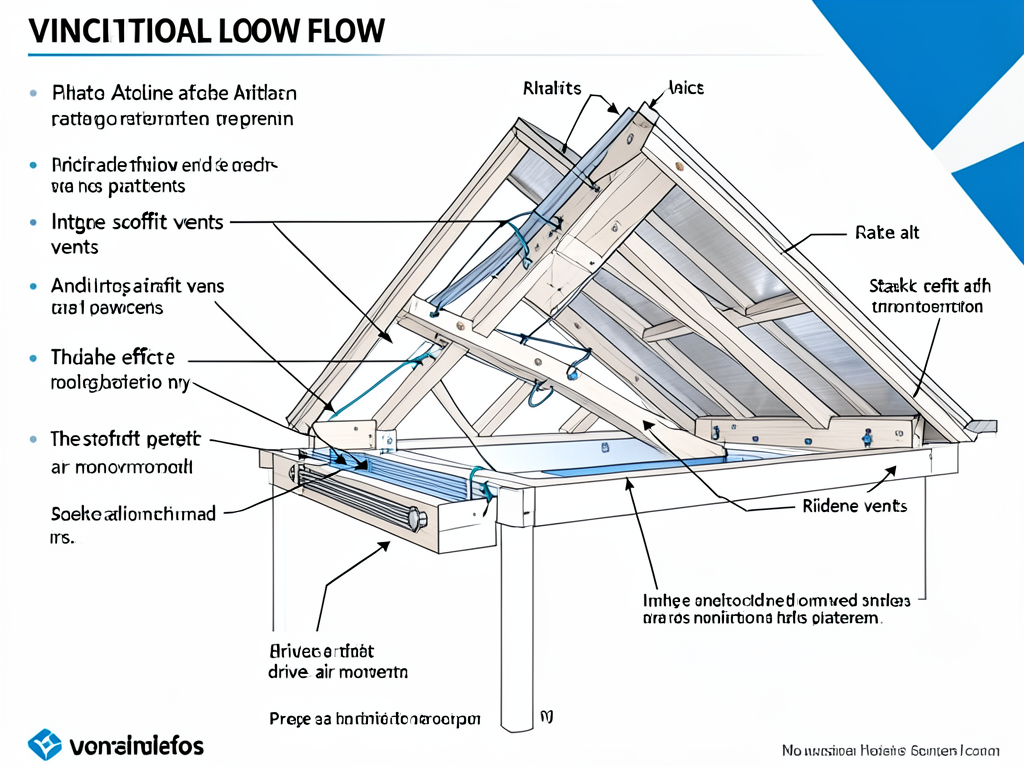
Does Your Maryland Heights Attic Have Enough Ventilation for the Summer Heat? Your Maryland Heights attic can reach 150°F on…

Does Your Maryland Heights Attic Have Enough Ventilation for the Summer Heat?

Does Your Maryland Heights Attic Have Enough Ventilation for the Summer Heat? Your Maryland Heights attic can reach 150°F on…

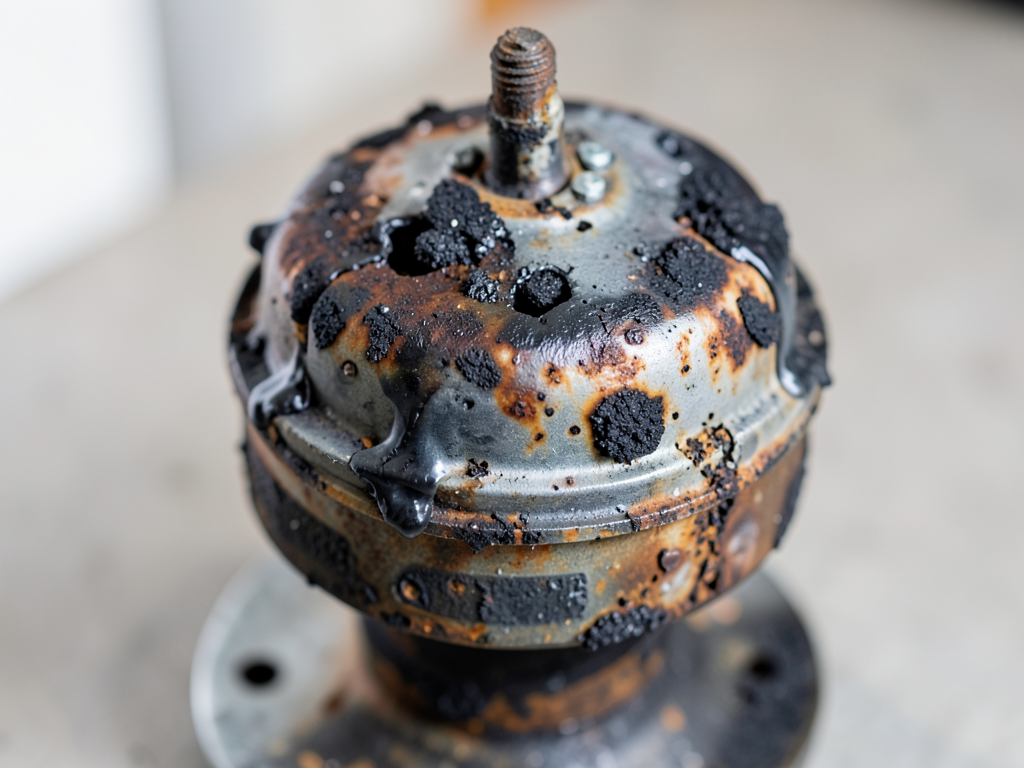
What That Strange Metallic or Burning Plastic Smell from Your Furnace Actually Means

What That Strange Metallic or Burning Plastic Smell from Your Furnace Actually Means If your furnace smells like burning plastic…

Why Closing Vents in Unused Rooms Is Actually Hurting Your Ladue Home

Many Ladue homeowners close vents in unused rooms to save money on energy bills. This common practice seems logical at…

Contact Us

Do not wait for a breakdown to disrupt your operation. Call (314) 417-7771 now to schedule commercial refrigeration maintenance or request emergency repair service. Keystone HVAC St. Louis responds fast, diagnoses accurately, and repairs right the first time.