Menu

Energy Saving Tips for Summer in St. Louis – Cut Your Cooling Bills Without Sacrificing Comfort

Learn proven methods to reduce air conditioning costs in St. Louis's humid summers while maintaining indoor comfort. Keystone HVAC St. Louis shares expert energy saving tips for summer that address the unique cooling challenges of our Mississippi River Valley climate.

Slider Image 1
Slider Image 2
Slider Image 3
Slider Image 4
Slider Image 5
Slider Image 7
Slider Image 8
Slider Image 9
Slider Image 10
Slider Image 11

Why St. Louis Summers Drive Cooling Costs Through the Roof

St. Louis sits in a Mississippi River Valley bowl that traps heat and humidity like a wet blanket. When summer hits, you face a double problem. The humidity makes 85 degrees feel like 95, and your air conditioner runs overtime just to keep up.

The Gateway City's geography creates a microclimate that pushes cooling systems harder than most Midwest cities. That humid air forces your AC compressor to work longer cycles to remove moisture and drop temperatures. Longer cycles mean higher electric bills.

You see the impact on your utility statement every July and August. Many St. Louis households watch their cooling costs jump 40 to 60 percent compared to spring months. The Mississippi River Valley humidity does not just make you uncomfortable. It makes your HVAC system burn through electricity.

Ways to lower cooling costs start with understanding why St. Louis summers are different. The combination of high dewpoints and urban heat island effect in neighborhoods like The Hill and Soulard creates conditions where standard energy efficiency ideas fall short. You need summer energy efficiency ideas tailored to our specific climate challenges.

Reducing air conditioning bills here requires more than just adjusting your thermostat. You need strategies that address moisture removal, proper airflow, and system efficiency in high-humidity conditions. The question is not whether to run your AC in a St. Louis summer. The question is how to run it smarter and cheaper.

Lowering summer utility costs becomes possible when you understand what drives those costs in the first place.

Why St. Louis Summers Drive Cooling Costs Through the Roof
How to Save Electricity in Summer Without Roasting Your Family

How to Save Electricity in Summer Without Roasting Your Family

Effective energy savings start with your air filter. A clogged filter restricts airflow and forces your blower motor to work harder. That increases amp draw and reduces system efficiency by up to 15 percent. Check your filter monthly during cooling season and replace it when it looks dirty.

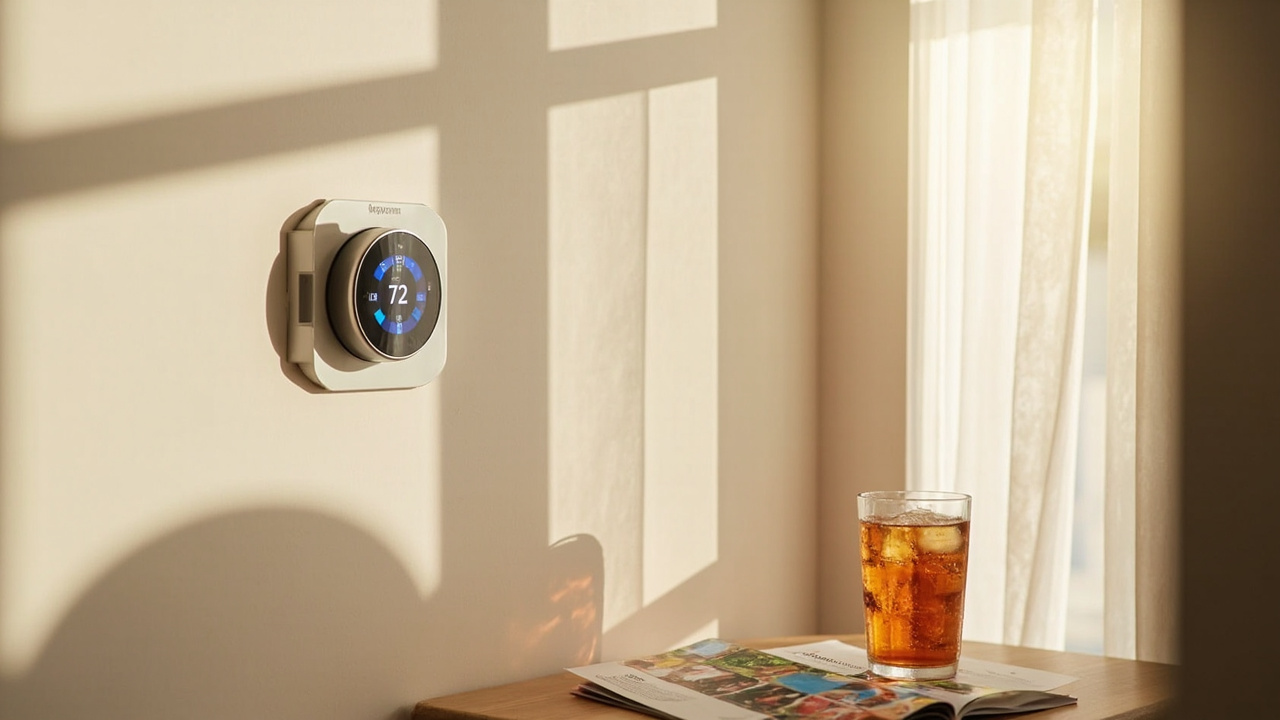
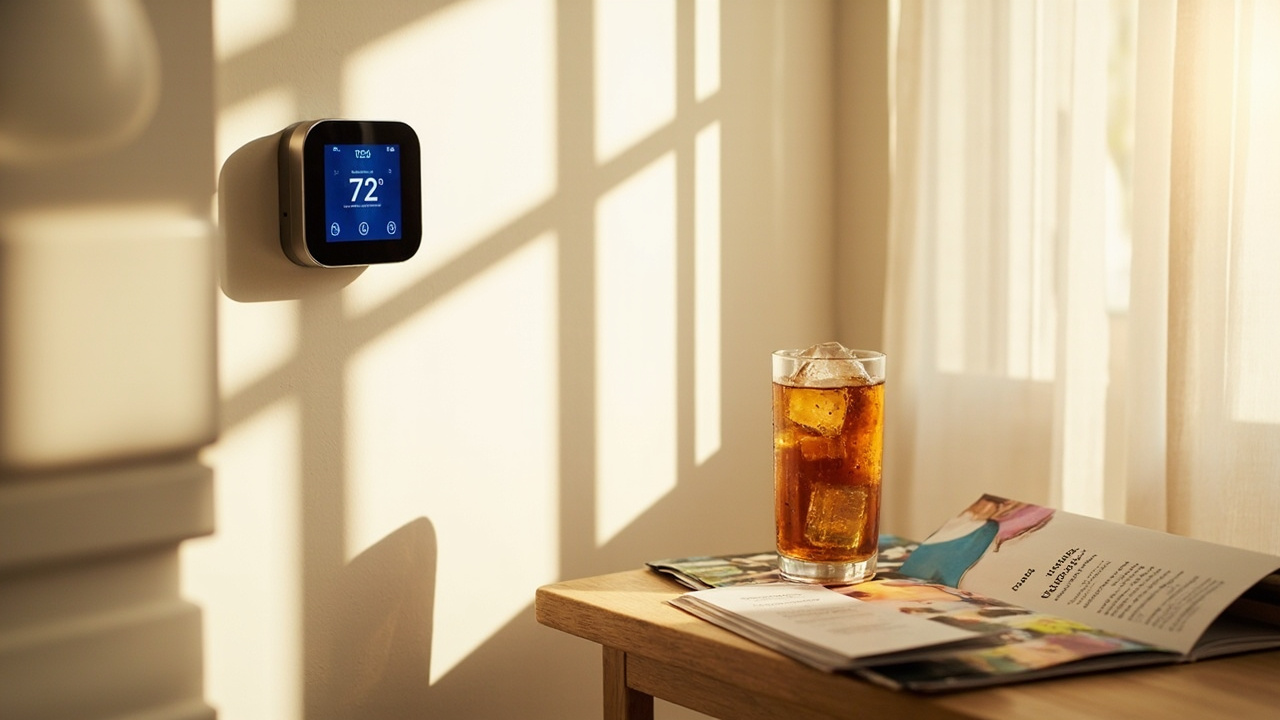
Your thermostat placement matters more than you think. If your thermostat sits near a window, lamp, or heat-generating appliance, it reads false high temperatures. Your system runs longer than necessary. Move it to an interior wall away from direct sunlight and heat sources for accurate temperature readings.

Programmable thermostats deliver real savings when you use them correctly. Set your system to 78 degrees when you are home and 82-85 when you are away. Each degree you raise the setpoint cuts cooling costs by about 3 percent. The key is consistency. Cranking the thermostat down to 68 when you get home does not cool your house faster. It just makes your compressor run longer and costs more.

Your outdoor condenser unit needs clearance to breathe. Trim back vegetation to at least two feet on all sides. Remove leaves, cottonwood seeds, and debris from the fins monthly. A dirty condenser coil reduces heat rejection efficiency and can increase operating costs by 20 percent or more.

Ceiling fans create a wind chill effect that makes rooms feel 4 degrees cooler without changing the actual temperature. Run fans counterclockwise in summer and turn them off when you leave the room. Fans cool people, not rooms.

Your ductwork leaks matter. Up to 30 percent of conditioned air escapes through gaps and poorly sealed joints in St. Louis attics where temperatures hit 140 degrees. Sealing duct leaks keeps cool air where it belongs and cuts runtime.

Three Steps to Lower Your Summer Cooling Bills Starting Today

Energy Saving Tips for Summer in St. Louis – Cut Your Cooling Bills Without Sacrificing Comfort
01

System Performance Audit

Start by checking your air filter, thermostat settings, and outdoor unit condition. Measure your supply and return register temperatures with a basic thermometer. The difference should be 15-20 degrees. If the split is less than 15 degrees, your system has refrigerant issues or airflow restrictions that waste electricity. Document your current utility bills as a baseline for tracking savings.
02

Home Envelope Improvements

Seal air leaks around windows, doors, and attic access points. Add weatherstripping where needed. Check your attic insulation levels. St. Louis homes should have R-38 to R-49 insulation in attics to handle our summer heat. Close blinds on south and west-facing windows during peak sun hours. These simple envelope improvements reduce cooling loads before your AC even turns on.
03

Professional System Optimization

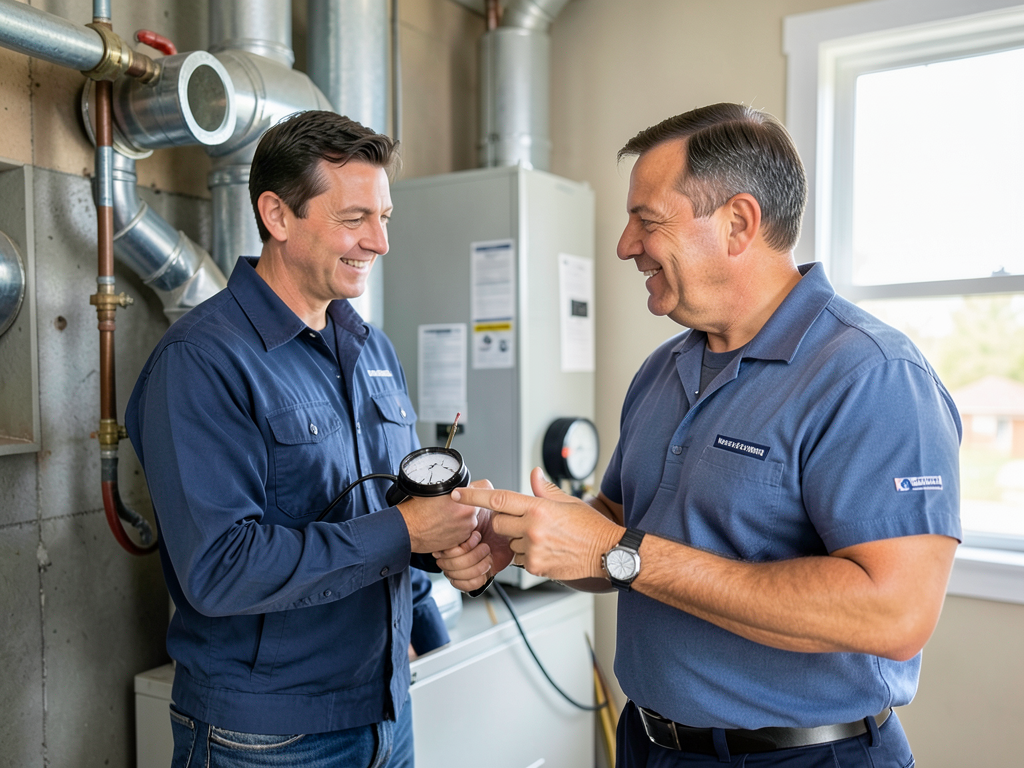
Schedule a professional tune-up to clean coils, check refrigerant levels, test capacitors, and verify proper airflow across the evaporator. A qualified technician measures static pressure, superheat, and subcooling to ensure your system operates at peak efficiency. Proper system optimization can reduce electricity consumption by 15-25 percent while improving comfort. Track your utility bills after improvements to quantify savings.

Why Local HVAC Knowledge Matters for St. Louis Energy Efficiency

St. Louis humidity creates cooling challenges that differ from dry climates. Your air conditioner must remove moisture and reduce temperature simultaneously. That requires different strategies than Denver or Phoenix. A local HVAC company understands how Mississippi River Valley humidity affects system performance and comfort.

Keystone HVAC St. Louis works with St. Louis homes built in every era, from Tower Grove Victorians to mid-century ranches in Affton to new construction in Wildwood. Each construction style has different insulation levels, ductwork layouts, and efficiency challenges. We know which improvements deliver the best return for your specific home type.

Our technicians understand local utility rate structures and peak demand charges. We help you time energy-intensive activities to avoid the highest rate periods. We also know which rebates and incentive programs are available through Ameren Missouri for equipment upgrades and efficiency improvements.

St. Louis building codes and permit requirements affect HVAC modifications and replacements. Local contractors navigate these regulations daily. We pull proper permits for system changeouts and ensure work meets current mechanical codes. That protects your investment and prevents issues when you sell your home.

We stock parts for the equipment brands most common in St. Louis homes. When your 15-year-old Carrier condenser needs a capacitor replacement in July, we have it on the truck. That means same-day repairs instead of waiting for parts orders while your house turns into a sauna.

Local companies respond faster because we live and work in the same neighborhoods we serve. Our technicians drive past your house on their way home. You get better service from people invested in community reputation.

What to Expect When You Implement These Energy Saving Strategies

Immediate and Long-Term Savings

Simple changes like thermostat adjustments and filter replacements show results within one billing cycle. You should see a 10-15 percent reduction in cooling costs from these no-cost or low-cost changes. Envelope improvements like air sealing and insulation upgrades deliver bigger savings that compound over time. Professional system optimization provides the largest impact, with some St. Louis homes cutting summer cooling costs by 25-30 percent. Track your kilowatt-hour usage month-over-month to measure actual savings. Most changes pay for themselves within one to three cooling seasons through reduced utility bills.

Comfort Improvements You Will Notice

Lower energy bills come with better comfort as a bonus. Properly sealed homes maintain more consistent temperatures between rooms. You eliminate hot spots in upstairs bedrooms and cold spots in basements. Humidity control improves when your system operates efficiently, making 78 degrees feel comfortable instead of clammy. Better airflow means fewer musty odors and reduced dust circulation. Your system runs quieter and more smoothly when components are clean and properly maintained. Many customers report sleeping better because their cooling system maintains steady temperatures overnight without constant cycling.

Extended Equipment Lifespan

Energy efficiency and equipment longevity go hand in hand. When your air conditioner runs shorter cycles and operates under less strain, components last longer. Clean coils prevent compressor overheating. Proper airflow reduces blower motor stress. Correct refrigerant charge eliminates premature compressor failure. St. Louis HVAC systems typically last 12-15 years, but well-maintained efficient systems can reach 18-20 years. Regular maintenance catches small problems before they become expensive failures. You avoid emergency breakdowns during the hottest weeks of summer when replacement costs peak and availability drops.

Ongoing Maintenance Plans

Sustained energy savings require consistent system care. Keystone HVAC St. Louis offers maintenance plans that include spring cooling system check-ups and fall heating system tune-ups. Regular maintenance keeps your system operating at peak efficiency year after year. We clean coils, check electrical connections, test safety controls, and verify proper refrigerant levels. Maintenance plan members receive priority scheduling and discounted repair rates. We send reminders when service is due so you never miss a tune-up. Consistent maintenance is the difference between an energy-efficient system and one that gradually loses efficiency each season.

Frequently Asked Questions

You Have Questions,
We Have Answers

How can we save energy in summer? +

Start with your HVAC system. Replace dirty filters monthly during St. Louis summers to improve airflow and efficiency. Set your thermostat to 78 degrees when home and higher when away. Use ceiling fans to circulate air and make rooms feel cooler. Close blinds during peak sun hours to block heat. Seal air leaks around windows and doors to prevent cool air from escaping. Schedule annual AC maintenance before summer hits to catch problems early. Run heat-generating appliances like ovens and dryers during cooler evening hours. These steps reduce strain on your system and lower monthly bills.

What are the 5 P's of energy conservation? +

The 5 P's of energy conservation are Prepare, Purchase, Participate, Perform, and Promote. Prepare means planning your energy use and scheduling maintenance. Purchase refers to buying energy-efficient equipment and appliances with high SEER ratings. Participate involves engaging your household in conservation efforts. Perform means executing daily energy-saving habits like adjusting thermostats and turning off lights. Promote encourages sharing conservation practices with neighbors. In St. Louis, preparing for humid summer conditions by servicing your AC system in spring prevents breakdowns and maintains efficiency. These principles work together to reduce consumption and costs year-round.

Does keeping the AC at 72 save money? +

Keeping your AC at 72 degrees costs more than necessary. Each degree below 78 increases energy consumption by roughly 3 to 5 percent. In St. Louis summers with high humidity, your system works harder at lower settings. Setting your thermostat to 78 degrees while home and raising it when away saves significantly. Your body acclimates to slightly warmer temperatures within days. Use fans to improve comfort without lowering the thermostat. Install a programmable or smart thermostat to automate temperature adjustments. The savings add up quickly over a cooling season that runs from May through September in the metro area.

What runs your electric bill up the most? +

Your air conditioning system drives your electric bill highest during St. Louis summers. Cooling accounts for 40 to 50 percent of residential energy use in peak months. Older systems with low SEER ratings consume more power. Water heaters rank second, especially if set above 120 degrees. Refrigerators and freezers run continuously. Laundry appliances, particularly dryers, use substantial electricity. Pool pumps cycle frequently in summer heat. Phantom loads from electronics and chargers add up. Addressing AC efficiency first delivers the biggest impact. Replace aging units, seal ductwork, and maintain your system to control costs. Small adjustments elsewhere compound your savings.

Is 72 a good temperature for AC in the summer? +

Setting your AC to 72 degrees feels comfortable but wastes energy. The Department of Energy recommends 78 degrees when home for optimal efficiency and comfort balance. St. Louis humidity makes temperatures feel warmer, tempting you to overcool. Your system runs longer cycles at 72, increasing wear and utility bills. Raise the setting gradually to acclimate. Use ceiling fans to create wind-chill effect without changing temperature. Adjust clothing choices and hydration habits. Program your thermostat higher when sleeping or away. Most homeowners adapt within a week and notice reduced bills immediately. The six-degree difference saves substantially over a full cooling season.

What are 10 ways to save energy? +

Replace HVAC filters monthly. Raise your thermostat to 78 degrees. Use ceiling fans to circulate air. Close blinds during peak sun hours. Seal gaps around windows and doors. Schedule annual AC maintenance. Run appliances during evening hours. Install a programmable thermostat. Switch to LED bulbs throughout your home. Unplug devices when not in use. In St. Louis, focus on humidity control alongside temperature management. These changes reduce strain on your cooling system and lower bills without sacrificing comfort. Small behavioral shifts compound over time, especially during the humid summer months common to the metro area.

What are the best energy saving tips? +

Schedule preventive HVAC maintenance in spring before temperatures spike. Clean or replace filters every 30 days during cooling season. Set thermostats to 78 degrees and use programmable controls. Improve attic insulation to reduce heat transfer from above. Seal ductwork leaks that waste conditioned air. Install window treatments to block direct sunlight. Use exhaust fans when cooking or showering to remove heat and humidity. Upgrade to a high-SEER air conditioner if your system exceeds 10 years old. St. Louis summers stress older equipment. These actions target the biggest energy consumers first. Focus on cooling efficiency for maximum impact.

What are 10 examples of conservation of energy? +

Adjusting thermostats higher when away. Replacing incandescent bulbs with LEDs. Using cold water for laundry. Air-drying dishes instead of heated cycles. Running full loads in washers and dryers. Unplugging chargers after use. Setting water heaters to 120 degrees. Using microwaves instead of ovens. Turning off lights in empty rooms. Installing low-flow showerheads. Each practice conserves energy by reducing consumption or improving efficiency. In St. Louis, focusing on cooling-related conservation delivers the greatest summer savings. Combine multiple strategies to see noticeable bill reductions. Small daily actions create measurable results over time throughout the metro area.

What are 10 ways to conserve resources? +

Use programmable thermostats to automate temperature changes. Replace air filters regularly to maintain airflow. Upgrade insulation in attics and crawl spaces. Seal air leaks around doors and windows. Install energy-efficient windows with low-e coatings. Use ceiling fans to reduce AC reliance. Schedule regular HVAC maintenance. Switch to Energy Star appliances when replacing old units. Install water-saving fixtures to reduce water heating costs. Plant shade trees on south and west sides of your property. St. Louis homeowners benefit from addressing both heat and humidity. These investments reduce resource consumption while improving home comfort and lowering utility expenses year-round.

What is the $5000 AC rule? +

The five thousand dollar AC rule suggests replacing your air conditioner when repair costs exceed five thousand dollars or when the repair cost multiplied by the system age exceeds five thousand. For example, a fifteen hundred dollar repair on a four-year-old unit equals six thousand, signaling replacement makes more sense financially. Newer systems offer higher SEER ratings and better efficiency. In St. Louis, frequent repairs on aging equipment indicate declining reliability. Factor in potential energy savings from modern units. Consult with qualified HVAC technicians to evaluate whether repair or replacement delivers better long-term value for your specific situation and budget.

How St. Louis Humidity Makes Energy Efficiency More Critical Than Dry Climates

The Mississippi River Valley creates humidity levels that make St. Louis summers feel heavier than similar temperatures elsewhere. When outdoor humidity reaches 70-80 percent, your air conditioner must remove gallons of water from indoor air before it can drop temperatures effectively. This dehumidification process consumes significant electricity. Phoenix air conditioners face high temperatures but low humidity. St. Louis systems face both. That combination means your cooling equipment works harder and costs more to operate than homes in drier climates at the same temperature. Understanding this difference is crucial for implementing effective energy saving tips for summer in our region.

Local HVAC contractors who understand St. Louis climate patterns deliver better efficiency recommendations than national chains following generic protocols. We know that humidity control often matters more than temperature control for comfort and efficiency in neighborhoods along the Mississippi River bottomlands. We understand how thermal bridging in older brick homes in Shaw and Lafayette Square creates unique cooling challenges. Keystone HVAC St. Louis stays current with Ameren Missouri rebate programs and local mechanical code requirements that affect system efficiency. That local expertise translates directly into lower cooling costs for your home.
HVAC Services in The St. Louis Area

Our service area spans across the St. Louis metropolitan area and surrounding communities. We’re dedicated to bringing our top-quality HVAC services directly to your doorstep. Use the map to see our coverage and feel free to contact us with any questions about whether we can service your specific location. We’re always here to help you find the comfort solutions you need.

Address:
Keystone HVAC St. Louis, 4452 Manchester Ave, St. Louis, MO, 63110

Additional Services We Offer

Our news updates

Latest Articles & News from The Blogs

Does Your Maryland Heights Attic Have Enough Ventilation for the Summer Heat? Your Maryland Heights attic can reach 150°F on…

Does Your Maryland Heights Attic Have Enough Ventilation for the Summer Heat?

Does Your Maryland Heights Attic Have Enough Ventilation for the Summer Heat? Your Maryland Heights attic can reach 150°F on…

What That Strange Metallic or Burning Plastic Smell from Your Furnace Actually Means

What That Strange Metallic or Burning Plastic Smell from Your Furnace Actually Means If your furnace smells like burning plastic…

Why Closing Vents in Unused Rooms Is Actually Hurting Your Ladue Home

Many Ladue homeowners close vents in unused rooms to save money on energy bills. This common practice seems logical at…

Contact Us

Stop watching your utility bills climb every summer. Call Keystone HVAC St. Louis at (314) 417-7771 for a system efficiency evaluation. We will identify the improvements that deliver the biggest savings for your home and budget. Get cooler and save money this summer.