
Modern Cooling Options for Vintage Condos in DeMun That Can’t Use Window Units
Living in a vintage condo in DeMun comes with undeniable charm but also unique cooling challenges. Many of these historic buildings were constructed before air conditioning became standard and strict HOA rules often prohibit window units that would otherwise provide a simple cooling solution. The good news is that modern technology offers several effective alternatives that work within the architectural constraints of these classic St. Louis properties. St. Louis Cultural Resources Office.
The humid St. Louis summers can push indoor temperatures into uncomfortable territory especially in brick buildings that absorb and retain heat. Without central air conditioning or the ability to install window units condo owners in DeMun need solutions that respect both the building’s historic character and HOA regulations. From ductless mini-split systems to high-efficiency through-the-wall units there are options that can keep your space comfortable without compromising the vintage aesthetic or violating building rules.
Why Traditional Central Air Isn’t Always an Option
Many DeMun condos face specific obstacles that make traditional central air conditioning impractical or impossible. The buildings’ historic status often means exterior modifications require approval from both the HOA and potentially the city’s preservation board. Running ductwork through original plaster walls or hardwood floors can be prohibitively expensive and may damage irreplaceable architectural features.
Building codes in St. Louis County’s historic districts including portions of DeMun require that any exterior modifications maintain the building’s original appearance. This means condenser units typically need to be placed in discrete locations or designed to blend with the building’s facade. Additionally the electrical capacity in older buildings may not support the demands of a central air system without significant and costly upgrades.
HOA restrictions in DeMun often specifically ban window units due to their impact on the building’s appearance and potential security concerns. These rules exist to preserve property values and maintain the neighborhood’s cohesive historic character. Understanding these limitations is the first step in finding a cooling solution that works for your specific situation. Finding a Reliable 24 Hour HVAC Technician in Chesterfield.
Top 4 Cooling Alternatives for Condo Owners
When window units aren’t an option condo owners in DeMun have several effective alternatives that can provide reliable cooling without violating HOA rules or damaging historic architecture. Each solution offers different benefits depending on your space budget and cooling needs.
Ductless Mini-Split Systems
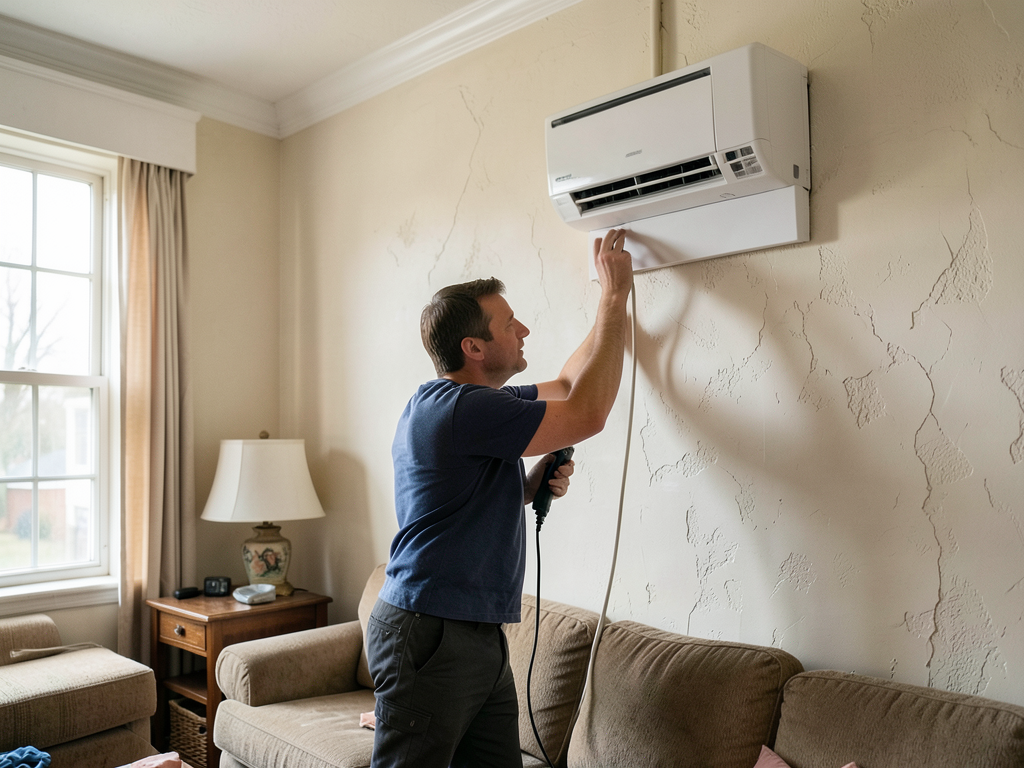
Ductless mini-split systems have become the gold standard for cooling vintage condos where traditional HVAC isn’t feasible. These systems consist of an outdoor compressor unit connected to one or more indoor air handlers through small refrigerant lines that require only a three-inch hole in the wall. The indoor units can be mounted high on walls in ceiling cassettes or as floor-standing models that blend with your decor.
The key advantage for DeMun condos is that mini-splits don’t require ductwork preserving original walls and ceilings. Modern units operate at whisper-quiet levels often below 25 decibels making them virtually unnoticeable. They also offer excellent energy efficiency with many models achieving SEER2 ratings above 20 which can significantly reduce cooling costs compared to older systems.
Installation typically takes one to two days and the small refrigerant lines can be routed through existing wall cavities or along baseboards with minimal visual impact. The outdoor units can be placed on balconies rooftops or ground-level pads depending on your building’s layout and HOA restrictions. Many DeMun buildings have successfully integrated mini-splits while maintaining their historic character. Top Rated AC Installation Companies Serving Ladue and Clayton.
High-Efficiency Through-the-Wall Units
Through-the-wall air conditioning units offer a more permanent solution than window units while providing similar cooling capacity. These units are installed in a sleeve that’s mounted directly into an exterior wall creating a sealed installation that’s much more secure and weather-resistant than temporary window units. Modern through-the-wall units feature improved energy efficiency and quieter operation than older models.
The installation process involves cutting an opening in the exterior wall which requires careful planning to avoid structural elements and ensure proper support. For brick buildings common in DeMun this often means working with a mason to create a properly reinforced opening. The units typically range from 8000 to 25000 BTUs making them suitable for most condo spaces.
One significant advantage is that through-the-wall units don’t block windows maintaining emergency egress and natural light. They also create a more finished appearance than window units with only the front grille visible inside. Some models offer heat pump functionality providing both cooling in summer and supplemental heating in winter which can be valuable in St. Louis’s variable climate. Emergency AC Repair in Creve Coeur That Won’t Break the Bank.
Portable ACs with Dual-Hose Technology
Portable air conditioners have evolved significantly with dual-hose models offering much better performance than their single-hose predecessors. These units work by drawing air from outside through one hose to cool the condenser then expelling hot air through a second hose. This design eliminates the negative pressure issues that plague single-hose units where they continuously draw hot outside air into the space.
Modern portable ACs range from 8000 to 14000 BTUs and can effectively cool spaces up to 500 square feet. The key to their effectiveness in DeMun condos is proper venting through a sliding door dedicated wall sleeve or modified window opening that complies with HOA rules. Some units come with window kits that create a more finished appearance than standard window installations.
The main advantage of portable units is their flexibility and lower upfront cost compared to permanent installations. They can be moved between rooms as needed and don’t require professional installation. However they do take up floor space and may be less energy-efficient than permanent solutions. Look for models with programmable thermostats timers and dehumidifier functions to maximize comfort in St. Louis’s humid climate. Why Professional Air Duct Cleaning is Essential for Wildwood Homes.
PTAC (Packaged Terminal Air Conditioner) Units
PTAC units commonly found in hotels and assisted living facilities offer another viable option for DeMun condos. These self-contained units are installed through the wall below a window and provide both cooling and heating capabilities. Modern PTAC units feature significantly improved energy efficiency and quieter operation compared to older hotel models.
The installation requires a specific wall sleeve and exterior grille creating a finished appearance that many HOAs find acceptable. PTACs typically range from 7000 to 15000 BTUs and can effectively cool spaces up to 750 square feet. They offer the advantage of independent temperature control for each room which is ideal for condos with varying sun exposure or occupancy patterns.
One consideration for historic buildings is that PTAC installation does require cutting into the exterior wall which may need approval from preservation boards. However the finished installation with a decorative exterior grille can actually enhance the building’s appearance compared to improvised window unit installations. The units also provide excellent ventilation and can help manage humidity levels during St. Louis’s muggy summers.
Navigating St. Louis HOA and Condo Board Approvals
Getting approval for any cooling modification in a DeMun condo requires understanding and working within your building’s specific rules and the broader historic preservation guidelines that apply to the neighborhood. The process typically starts with a formal request to your condo board or HOA including detailed plans and specifications for the proposed installation.
For historic districts in St. Louis any exterior modifications may require review by the Cultural Resources Office which evaluates proposals based on the Secretary of the Interior’s Standards for Rehabilitation. These standards prioritize preserving historic materials and features while allowing for modern updates that don’t damage historic character. Having a contractor familiar with these requirements can significantly improve your chances of approval.
When preparing your proposal focus on how the installation will maintain or enhance the building’s historic character. Include photos of similar successful installations in other historic buildings specifications showing energy efficiency improvements and details about how the work will be done with minimal impact to original materials. Some boards appreciate proposals that include plans for future removal that would leave no trace of the installation.
Consider forming a small committee of interested owners to work with the board on developing clear guidelines for cooling system installations. This collaborative approach can help create standards that balance individual comfort needs with the collective interest in preserving the building’s historic character. Many successful installations in DeMun have resulted from this kind of cooperative planning process.
Cost Comparison Table
Understanding the cost differences between cooling options can help you make an informed decision based on your budget and long-term plans for your condo. Here’s a comparison of typical costs for cooling solutions suitable for DeMun condos:
| Cooling Option | Unit Cost Range | Installation Cost | Monthly Energy Cost* | Typical Lifespan |
|---|---|---|---|---|
| Ductless Mini-Split | $1500 – $4000 | $800 – $1500 | $40 – $80 | 15-20 years |
| Through-the-Wall Unit | $600 – $1200 | $400 – $800 | $35 – $70 | 10-15 years |
| Portable Dual-Hose AC | $400 – $800 | $100 – $300 | $45 – $90 | 5-8 years |
| PTAC Unit | $800 – $1500 | $500 – $1000 | $40 – $75 | 10-15 years |
*Monthly energy costs based on average July usage for a 600 sq ft condo in St. Louis with electricity at $0.13/kWh
Installation Considerations for Historic Buildings
Installing any cooling system in a historic DeMun condo requires special consideration for the building’s original materials and construction methods. Many of these buildings feature plaster walls original hardwood flooring and decorative elements that require careful handling during installation to avoid damage.
For mini-split installations the small refrigerant lines can often be routed through existing wall cavities but this requires careful planning to avoid structural elements and original wiring. The outdoor unit location is crucial – it needs adequate clearance for airflow but should be positioned to minimize visual impact. Some installations use decorative screens or landscaping to help the unit blend with the building’s historic character.
Through-the-wall and PTAC installations require cutting into exterior walls which demands expertise in working with historic masonry. The opening must be properly reinforced to maintain structural integrity and the installation should use materials that won’t trap moisture against original brick or stone. Proper flashing and sealing are essential to prevent water infiltration that could damage historic materials.
Electrical capacity is another critical consideration. Many DeMun condos have original electrical systems that may not support modern cooling equipment. An electrical assessment should be part of the planning process to determine if upgrades are needed. This might include adding dedicated circuits or upgrading the main electrical panel to handle the additional load safely.
Energy Efficiency and Environmental Impact
Modern cooling options offer significant energy efficiency improvements over older systems which is particularly important in St. Louis’s climate where cooling can account for a large portion of annual energy use. When selecting a system look for units with high SEER2 ratings and features like inverter technology that adjust compressor speed to match cooling demand.
Energy efficiency isn’t just about saving money – it’s also about reducing environmental impact. High-efficiency units use less electricity which means lower carbon emissions from power generation. Some modern systems also use more environmentally friendly refrigerants with lower global warming potential than older options. This can be an important consideration for environmentally conscious condo owners in DeMun.
Proper sizing is crucial for both comfort and efficiency. An oversized unit will cool the space quickly but won’t run long enough to properly dehumidify leaving the air feeling clammy. An undersized unit will run continuously wasting energy and potentially failing to cool adequately on the hottest days. A professional load calculation considering your specific space sun exposure and insulation levels ensures optimal performance.
Smart thermostats and zoning capabilities can further improve efficiency by allowing you to cool only the spaces you’re using and maintain different temperatures in different areas. Some systems integrate with home automation platforms allowing you to control temperatures remotely and set schedules that match your lifestyle potentially saving 10-15% on cooling costs.
Maintenance Requirements and Longevity
Different cooling options have varying maintenance needs that can affect both performance and longevity. Understanding these requirements helps you plan for ongoing costs and ensures your system continues operating efficiently throughout its lifespan.
Ductless mini-splits require regular filter cleaning and annual professional maintenance to check refrigerant levels clean coils and ensure all components are functioning properly. The indoor units have washable filters that should be cleaned every few months while the outdoor units need clear space around them for proper airflow. With proper maintenance these systems typically last 15-20 years.
Through-the-wall and PTAC units need regular filter changes and annual cleaning of the condenser coils. The wall sleeves should be inspected periodically for signs of water infiltration or pest entry. These units typically require more frequent maintenance than mini-splits due to their all-in-one design but with proper care can last 10-15 years.
Portable units have the highest maintenance requirements with filters that need monthly cleaning and condensate tanks that require regular emptying in humid conditions. The exhaust hoses should be inspected for leaks or damage and the units should be stored properly during off-seasons. While convenient portable units typically have the shortest lifespan at 5-8 years.
Professional maintenance contracts can help ensure your system receives proper care and can often pay for themselves through improved efficiency and prevented breakdowns. Many HVAC companies offer annual service agreements that include seasonal tune-ups and priority service for repairs.
Call (314) 417-7771 today to schedule your inspection.
Don’t let another hot St. Louis summer make your DeMun condo uncomfortable. Our experienced technicians understand the unique challenges of cooling historic properties and can help you find the perfect solution that works within your building’s restrictions. We’ll assess your space discuss your options and provide a detailed proposal for installation.
Call (314) 417-7771 today to schedule your inspection. We offer free consultations for DeMun condo owners and can often provide same-week service for urgent cooling needs. Our team is familiar with local building codes HOA requirements and historic preservation guidelines ensuring your installation meets all necessary standards. The Best Local Furnace Replacement Options for Kirkwood Families.
With proper planning and professional installation you can enjoy cool comfortable living in your vintage DeMun condo without compromising its historic character or violating building rules. Let us help you find the modern cooling solution that’s right for your space and your lifestyle.
Frequently Asked Questions
Can I install a mini-split system in my DeMun condo without HOA approval?
No most HOAs require approval for any exterior modifications including the outdoor unit for mini-split systems. However many boards are receptive to mini-splits because they’re less visually intrusive than window units and don’t require ductwork that could damage historic interiors.
How long does it typically take to install a through-the-wall air conditioner in a brick building?
Installation usually takes one to two days depending on the complexity of cutting through historic masonry and ensuring proper structural support. The process includes creating a reinforced opening installing the sleeve mounting the unit and sealing everything to prevent water infiltration.
Are portable air conditioners effective enough for St. Louis summers?
Modern dual-hose portable units can be effective for supplemental cooling or smaller spaces but they typically struggle in extreme heat or very humid conditions. They work best when properly vented and used in conjunction with other cooling strategies like ceiling fans or dehumidifiers.
What’s the most energy-efficient cooling option for a vintage condo?
Ductless mini-split systems generally offer the best energy efficiency with SEER2 ratings often exceeding 20. Their inverter technology allows them to adjust output to match cooling demand reducing energy waste. Through-the-wall heat pump units are also quite efficient and offer the added benefit of heating capability.
How do I know if my condo’s electrical system can handle a new cooling system?
A professional electrical assessment is recommended before installing any cooling system. Most modern units require dedicated circuits and older buildings may need electrical upgrades to safely support the additional load. Our technicians can evaluate your system and recommend any necessary improvements. For more information, visit Department of Energy – Central Air Conditioning.
{
“@context”: “https://schema.org”,
“@type”: “BlogPosting”,
“headline”: “Modern Cooling Options for Vintage Condos in DeMun That Can’t Use Window Units”,
“description”: “Discover cooling solutions for DeMun’s vintage condos. Learn about mini-splits, through-the-wall units, and PTAC systems that meet HOA rules and preserve historic charm.”,
“wordCount”: 2673,
“datePublished”: “2026-06-10T09:36:00.000Z”,
“dateModified”: “2026-06-10T09:36:00.000Z”,
“inLanguage”: “en-US”,
“mainEntityOfPage”: {
“@type”: “WebPage”,
“@id”: “https://keystonehvacstlouis.com”
},
“publisher”: {
“@type”: “LocalBusiness”,
“name”: “Keystone HVAC St. Louis”,
“url”: “https://keystonehvacstlouis.com”
},
“author”: {
“@type”: “Organization”,
“name”: “Keystone HVAC St. Louis”,
“url”: “https://keystonehvacstlouis.com”
},
“image”: {
“@type”: “ImageObject”,
“url”: “https://keystonehvacstlouis.com/wp-content/uploads/2026/03/modern-cooling-options-for-vintage-condos-in-demun-1.png”
}
}
{
“@context”: “https://schema.org”,
“@type”: “HVACBusiness”,
“name”: “Keystone HVAC St. Louis”,
“url”: “https://keystonehvacstlouis.com”,
“address”: {
“@type”: “PostalAddress”,
“addressLocality”: “St. Louis”
},
“areaServed”: {
“@type”: “City”,
“name”: “St. Louis”
}
}
{
“@context”: “https://schema.org”,
“@type”: “FAQPage”,
“mainEntity”: [
{
“@type”: “Question”,
“name”: “Can I install a mini-split system in my DeMun condo without HOA approval?”,
“acceptedAnswer”: {
“@type”: “Answer”,
“text”: “No most HOAs require approval for any exterior modifications including the outdoor unit for mini-split systems. However many boards are receptive to mini-splits because they’re less visually intrusive than window units and don’t require ductwork that could damage historic interiors.”
}
},
{
“@type”: “Question”,
“name”: “How long does it typically take to install a through-the-wall air conditioner in a brick building?”,
“acceptedAnswer”: {
“@type”: “Answer”,
“text”: “Installation usually takes one to two days depending on the complexity of cutting through historic masonry and ensuring proper structural support. The process includes creating a reinforced opening installing the sleeve mounting the unit and sealing everything to prevent water infiltration.”
}
},
{
“@type”: “Question”,
“name”: “Are portable air conditioners effective enough for St. Louis summers?”,
“acceptedAnswer”: {
“@type”: “Answer”,
“text”: “Modern dual-hose portable units can be effective for supplemental cooling or smaller spaces but they typically struggle in extreme heat or very humid conditions. They work best when properly vented and used in conjunction with other cooling strategies like ceiling fans or dehumidifiers.”
}
},
{
“@type”: “Question”,
“name”: “What’s the most energy-efficient cooling option for a vintage condo?”,
“acceptedAnswer”: {
“@type”: “Answer”,
“text”: “Ductless mini-split systems generally offer the best energy efficiency with SEER2 ratings often exceeding 20. Their inverter technology allows them to adjust output to match cooling demand reducing energy waste. Through-the-wall heat pump units are also quite efficient and offer the added benefit of heating capability.”
}
},
{
“@type”: “Question”,
“name”: “How do I know if my condo’s electrical system can handle a new cooling system?”,
“acceptedAnswer”: {
“@type”: “Answer”,
“text”: “A professional electrical assessment is recommended before installing any cooling system. Most modern units require dedicated circuits and older buildings may need electrical upgrades to safely support the additional load. Our technicians can evaluate your system and recommend any necessary improvements. For more information, visit Department of Energy – Central Air Conditioning.”
}
}
]
}
{
“@context”: “https://schema.org”,
“@type”: “BreadcrumbList”,
“itemListElement”: [
{
“@type”: “ListItem”,
“position”: 1,
“name”: “Home”,
“item”: “https://keystonehvacstlouis.com”
},
{
“@type”: “ListItem”,
“position”: 2,
“name”: “Blog”,
“item”: “https://keystonehvacstlouis.com/blog”
},
{
“@type”: “ListItem”,
“position”: 3,
“name”: “Modern Cooling Options for Vintage Condos in DeMun That Can’t Use Window Units”
}
]
}
{
“@context”: “https://schema.org”,
“@type”: “Service”,
“serviceType”: “HVAC”,
“provider”: {
“@type”: “LocalBusiness”,
“name”: “Keystone HVAC St. Louis”,
“url”: “https://keystonehvacstlouis.com”
},
“areaServed”: {
“@type”: “City”,
“name”: “St. Louis”
},
“description”: “Discover cooling solutions for DeMun’s vintage condos. Learn about mini-splits, through-the-wall units, and PTAC systems that meet HOA rules and preserve historic charm.”
}