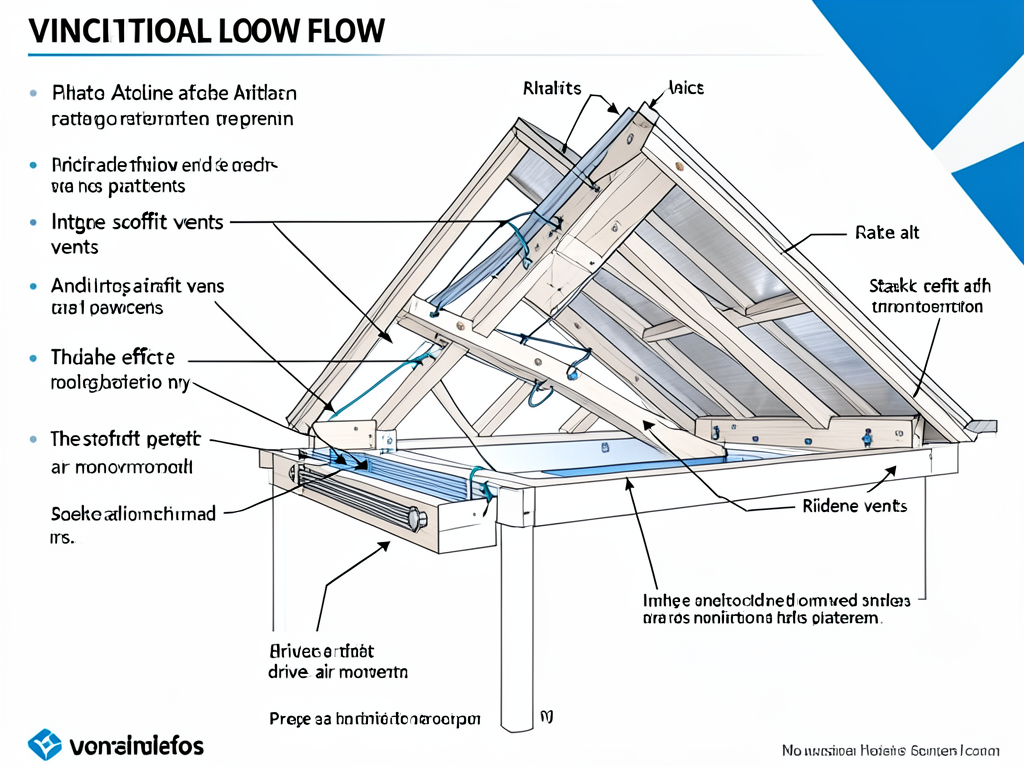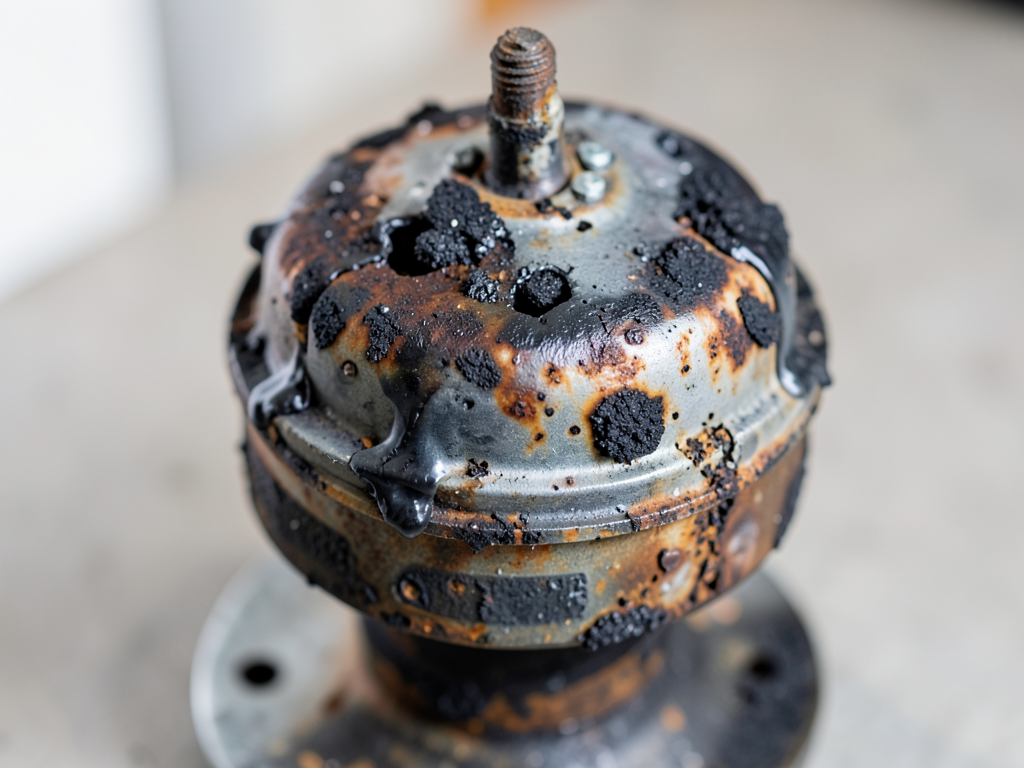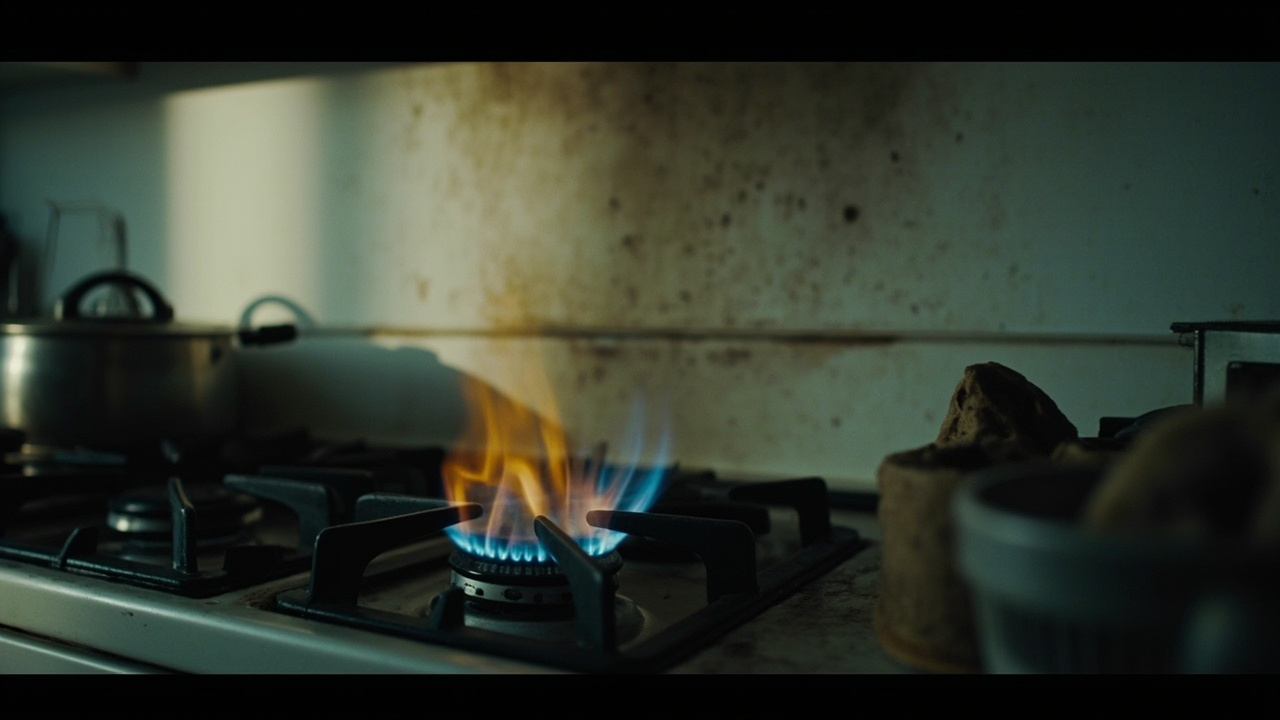
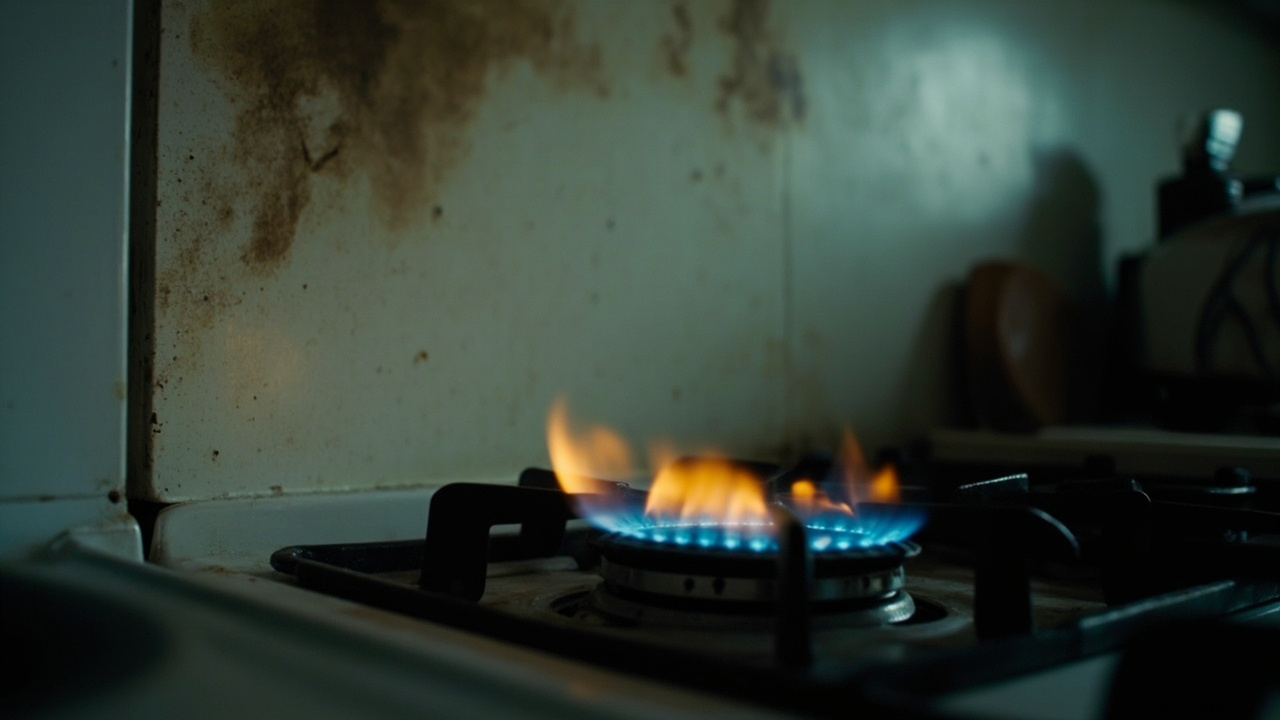
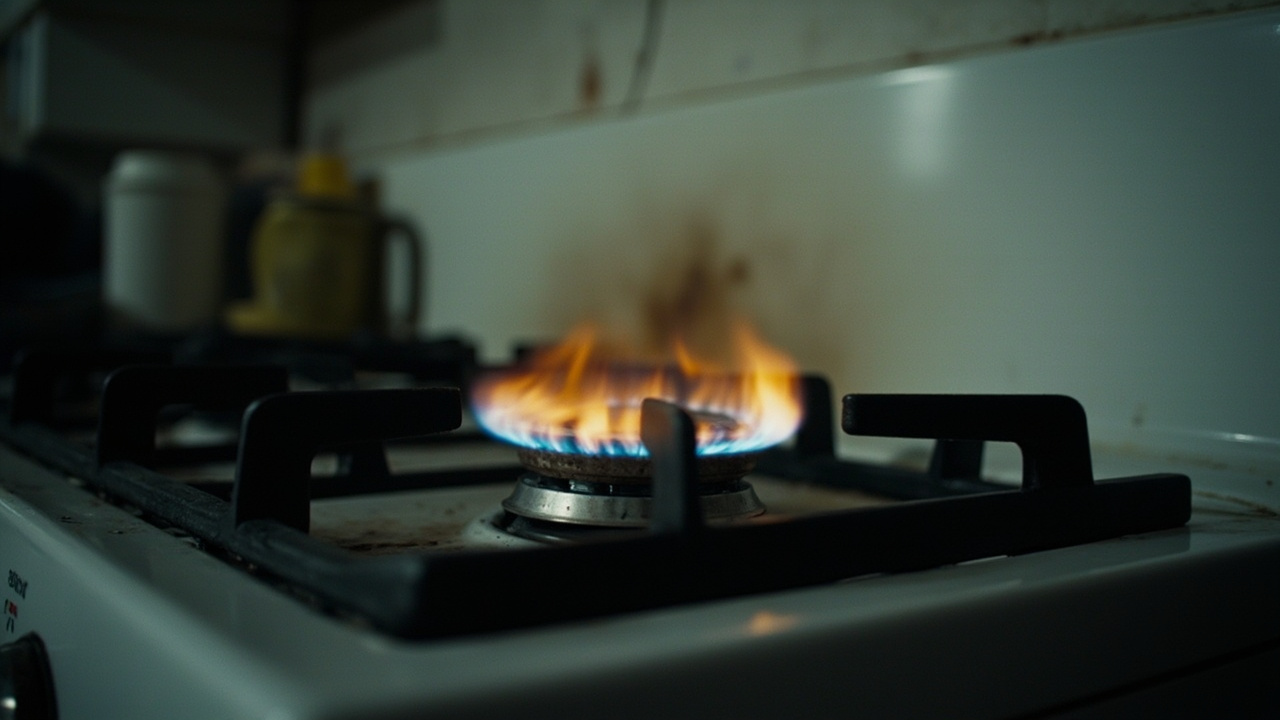
St. Louis experiences temperature swings of 40 degrees within 24 hours during spring and fall. This thermal cycling stresses furnace heat exchangers, expanding and contracting metal until cracks form. The Mississippi River valley traps cold air during winter inversions, creating high barometric pressure that prevents proper venting of combustion gases. When pressure builds outside your home, exhaust gases cannot exit through chimneys and vent pipes. Instead, they spill into living spaces through draft hoods and cracked heat exchangers. Ice dams on north-facing roofs block vent terminations, forcing deadly gases back into your home.
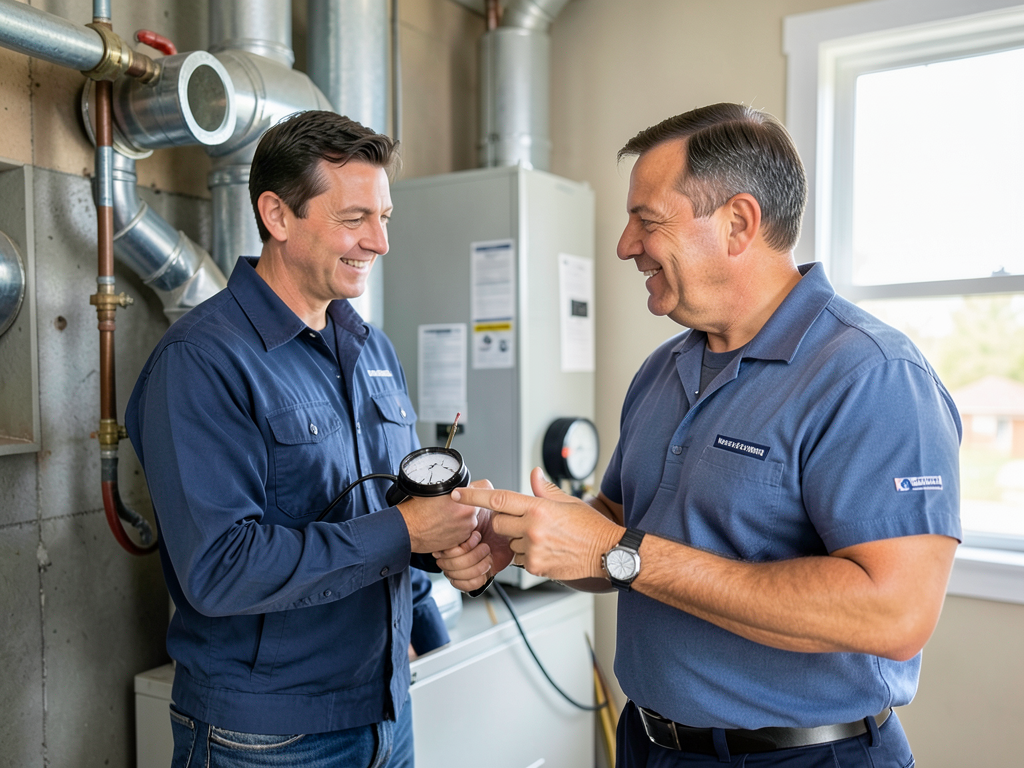
St. Louis County and City building codes require carbon monoxide detectors in residential properties, but enforcement varies by municipality. Keystone HVAC St. Louis stays current with local code requirements in every jurisdiction we serve, from Kirkwood to Clayton to Maryland Heights. Our technicians understand inspection expectations from local building departments and install detection systems that meet or exceed code standards. We work with home inspectors, real estate agents, and insurance adjusters who trust our documentation and repair work. When you choose local expertise, you get service providers who understand regional requirements and building characteristics unique to St. Louis construction.