


St. Louis sits at the convergence of hot, humid summers and cold, damp winters that punish HVAC systems year-round. July temperatures regularly hit 95 degrees with suffocating humidity that makes air conditioners run continuously for weeks. January brings freezing rain and temperatures below 20 degrees that test furnace reliability when you need heat most.
The Mississippi River valley traps moisture that corrodes outdoor condenser units and rusts through ductwork in older homes throughout Soulard and Tower Grove South. Clay soil common across the metro shifts foundations, pulling ductwork apart at joints and reducing system efficiency. Spring storms with heavy winds damage outdoor units in exposed locations, while fall temperature swings force systems to switch between heating and cooling multiple times per week.
Your HVAC system works harder in St. Louis than in most cities. The 60-degree temperature swings between seasons stress components, and the high humidity during summer months makes cooling loads heavier. Systems that might last 20 years in milder climates often need replacement after 12 to 15 years here. When equipment fails during extreme weather, a broken air conditioner becomes a health risk for elderly residents and young children within hours.
We built our reputation in St. Louis on fast response times and repairs that last. When your system fails at 9 PM on a Saturday, you need a company that actually answers the phone and sends a real technician, not an answering service that takes messages. We staff qualified HVAC technicians around the clock specifically for emergency calls.
Our technicians average 12 years of field experience and receive ongoing training on new equipment technology. They carry diagnostic tools that identify problems quickly instead of guessing, and our trucks stock parts for 90% of common repairs. This means we fix most issues during the first visit instead of ordering parts and coming back days later while you sweat or freeze.
We serve St. Louis metro communities from Chesterfield to Edwardsville, and our technicians know local building codes and common issues in homes built during different eras. A 1920s brick home in the Central West End has different ductwork challenges than a 1980s ranch in Oakville or a new construction home in O'Fallon. Our team understands these differences and recommends solutions appropriate for your specific home.
Pricing stays transparent from the start. We provide written estimates before beginning work, explain exactly what repairs involve, and never pressure you into unnecessary replacements. When a repair makes more financial sense than replacement, we tell you honestly. When a system has reached the end of its useful life, we explain why and show you the failing components. You make informed decisions based on facts, not sales pressure.

Real technicians answer emergency calls every day of the year, including holidays. We dispatch from your call within 60 minutes for true emergencies. When your system fails during a heatwave or cold snap, you reach a qualified HVAC professional immediately, not a call center that schedules appointments for next week.

Our service vehicles stock parts for most common repairs, from capacitors and contactors to blower motors and thermostats. This preparation means we complete 85% of repairs during the first visit instead of making you wait days for parts orders while living without heating or cooling in your home.
Our technicians use systematic diagnostic procedures to identify root causes instead of replacing parts randomly. This approach saves you money by fixing the actual problem and prevents repeat service calls. We find issues other companies miss because our team has the training and tools to diagnose complex problems correctly.
We understand how St. Louis climate and housing stock affect HVAC systems. From undersized ductwork in older homes to humidity problems in river valley neighborhoods, our technicians recognize local patterns and apply solutions proven to work in this specific region. Your repair addresses St. Louis conditions, not generic textbook scenarios.
Your HVAC system includes multiple components that must work together efficiently. We service every part of residential heating and cooling systems, from emergency repairs when equipment fails to planned replacements when systems reach the end of their service life. Our technicians handle central air conditioning, forced air furnaces, heat pumps, ductwork, thermostats, air quality equipment, and zoning systems.
Most service calls fall into three categories based on urgency and scope. Emergency repairs address systems that have stopped working and need immediate attention. Maintenance and tune-ups keep equipment running efficiently and catch small problems before they become expensive failures. Installation projects replace old equipment or add new systems to homes. Each category requires different expertise and approaches, and our team handles all three with equal skill. We match the service level to your specific situation instead of pushing unnecessary work or delaying needed repairs.
When your air conditioner quits during summer heat or your furnace fails on a freezing night, you need immediate help. Our emergency service responds within one hour for urgent calls. Technicians arrive with diagnostic equipment and common repair parts to fix most problems during the first visit. We repair all major brands including Carrier, Trane, Lennox, Rheem, and Goodman. Emergency service includes compressor failures, refrigerant leaks, blower motor problems, ignition failures, and thermostat malfunctions that leave you without heating or cooling.
Old systems eventually cost more to repair than replace. We install high-efficiency air conditioners, furnaces, and heat pumps sized correctly for your home. Installation includes load calculations to determine proper equipment size, ductwork modifications if needed, thermostat upgrades, and removal of old equipment. We pull required permits and schedule city inspections to keep installation legal. Most residential replacements finish in one to two days with minimal disruption. You receive manufacturer warranties plus our installation guarantee.
Regular maintenance prevents breakdowns and extends equipment life. Our tune-up service includes cleaning coils, checking refrigerant levels, testing electrical components, lubricating motors, inspecting ductwork, and replacing filters. We catch small problems like failing capacitors before they damage expensive compressors. Spring air conditioning tune-ups prepare systems for summer heat, while fall furnace service ensures reliable heating through winter. Maintenance customers receive priority scheduling and discounts on repairs when problems develop between service visits.
St. Louis weather creates specific patterns of HVAC failures. Summer humidity overworks air conditioners and causes drainage problems when condensate lines clog. Winter temperature swings stress heat exchangers in furnaces, particularly in systems over 15 years old. Spring storms damage outdoor condenser units with hail and wind-blown debris. The combination of extreme heat, bitter cold, and high humidity year-round wears out components faster than moderate climates.
Older neighborhoods with mature trees face additional challenges. Cottonwood seeds clog condenser coils in early summer, blocking airflow and causing systems to overheat. Roots from large oaks and maples damage underground refrigerant lines in homes where lines run through yards. Homes near the Mississippi or Missouri Rivers deal with higher humidity that promotes mold growth in ductwork and drip pans. Each neighborhood presents unique maintenance challenges our technicians recognize and address.
When outdoor temperatures exceed 95 degrees for days, air conditioners struggle to maintain indoor comfort. Low refrigerant from slow leaks, dirty condenser coils, or failing compressors cause systems to run constantly without cooling effectively. Undersized systems installed in older homes simply lack capacity for extreme heat. We diagnose whether your system needs repair or replacement based on age and condition.
Furnaces often fail when you need them most because cold weather stresses components already weakened by age. Cracked heat exchangers, failed ignitors, and bad blower motors stop heating suddenly. Older furnaces may run but produce insufficient heat due to clogged burners or damaged ductwork. Emergency heating repairs prevent frozen pipes and keep your family safe during winter cold snaps.
Energy costs spike when HVAC systems lose efficiency. Refrigerant leaks force compressors to work harder. Dirty coils block heat transfer. Leaking ductwork wastes conditioned air in attics and crawl spaces. Thermostats with bad sensors cycle systems incorrectly. We identify efficiency problems through diagnostic testing and recommend cost-effective repairs that reduce monthly utility bills while improving comfort.
St. Louis summer humidity makes homes feel muggy even when air conditioners run constantly. Oversized systems short-cycle without removing moisture. Failing condensate pumps allow water to back up and promote mold growth. Dirty ductwork circulates dust and allergens. We address humidity issues through proper equipment sizing, dehumidifier installation, duct cleaning, and improved ventilation that makes indoor air healthier.
The service experience starts when you call our office. You speak directly with someone who understands HVAC problems and asks relevant questions to assess your situation. For emergencies, we dispatch a technician immediately. For scheduled service, we provide arrival windows and call 30 minutes before arriving. Our goal is eliminating the frustration and uncertainty that comes with most home repair experiences.
Technicians arrive in marked vehicles with identification badges. They protect your floors with shoe covers, explain what diagnostic steps they will perform, and ask questions about symptoms you've noticed. After diagnosis, you receive a clear explanation of the problem in plain language, not technical jargon meant to confuse. Written estimates list all costs before work begins. You never face surprise charges or pressure tactics to approve unnecessary work.
Our technicians identify actual problems through systematic testing, not guesswork. You receive a written estimate showing parts, labor, and total cost before any repair work begins. We explain what caused the failure and whether other components may need attention soon. If multiple repair options exist, we present each with honest pros and cons. This transparency helps you make smart decisions about repair versus replacement based on your budget and the system's remaining life.
Approved repairs begin immediately in most cases because our trucks carry common parts. Technicians work efficiently and clean up completely when finished. We use OEM or equivalent quality replacement parts, never cheap components that fail quickly. Complex repairs receive extra quality checks before the technician leaves. You receive documentation listing all work performed, parts installed, and warranty coverage. This record helps with future service and adds value if you sell your home.
Technicians test repaired systems through complete heating or cooling cycles to verify proper operation. We measure temperatures, check airflow, verify correct refrigerant pressures, and ensure safety controls function correctly. You see the system working properly before the technician leaves. Our work carries a satisfaction guarantee. If the same problem returns within the warranty period, we return and fix it at no additional charge. You pay for results, not repeated service calls for the same issue.
HVAC repair should be straightforward, not complicated. We keep the process simple with three clear steps that get your system working again quickly while respecting your time and budget.
Call our office at (314) 417-7771 and describe your problem. We ask questions to understand symptoms and urgency. Emergency calls receive immediate dispatch. Scheduled appointments receive confirmed arrival windows. The assigned technician calls 30 minutes before arriving. Upon arrival, the technician inspects your system, performs diagnostic tests, and identifies the root cause of the failure through systematic troubleshooting with professional equipment.
After diagnosis, you receive a detailed written estimate explaining the problem, required repairs, parts needed, and total cost. The technician answers questions and explains options if multiple solutions exist. Once you approve the estimate, repair work begins using quality parts from our truck inventory. Most common repairs finish within two hours. Complex jobs may require additional time, but the technician provides realistic completion estimates.
Completed repairs receive thorough testing to verify proper operation. The technician runs your system through heating or cooling cycles, checks temperatures and pressures, and ensures all safety controls work correctly. You receive documentation listing all work performed, parts installed with model numbers, and warranty information. The technician explains any maintenance recommendations and answers final questions before leaving. Your system is back to reliable operation.
Proper HVAC installation requires more than connecting equipment and turning it on. The International Mechanical Code and local St. Louis County building codes establish minimum requirements for equipment sizing, ductwork installation, refrigerant line sizing, electrical connections, condensate drainage, and venting. These codes exist to ensure systems operate safely and efficiently while protecting homeowners from substandard work.
Load calculations determine correct equipment size using Manual J methodology. This calculation accounts for home square footage, insulation levels, window area and orientation, ceiling height, occupancy, and local climate data specific to St. Louis. Undersized systems run constantly without maintaining comfort. Oversized systems short-cycle, waste energy, and fail to control humidity. Proper sizing ensures efficient operation and maximum equipment life.
Ductwork must match equipment capacity using Manual D specifications for duct sizing. Undersized ducts create high static pressure that reduces airflow and damages blower motors. Return air ducts require adequate sizing to prevent negative pressure issues. All duct joints need proper sealing with mastic or approved tape, not standard duct tape which fails quickly. Ducts in unconditioned spaces require insulation to prevent energy loss and condensation problems.
Refrigerant line installation follows strict procedures. Lines must be properly sized, pitched for oil return, insulated to prevent condensation, and pressure tested before charging. EPA Section 608 certification is required for anyone handling refrigerants. Proper refrigerant charge measured by subcooling or superheat methods ensures efficient operation. Overcharging wastes energy and damages compressors. Undercharging reduces capacity and causes ice formation on coils.
Electrical connections must meet National Electrical Code requirements with proper wire sizing, disconnect switches, and overcurrent protection. Thermostats need correct placement away from heat sources and drafts. Condensate drains require proper pitch and trap configuration to prevent water backup. Gas furnaces need correct venting sized per manufacturer specifications and tested for proper draft. Each detail matters for safe, efficient, long-term operation.
Manual J load calculations determine correct system size for your specific home based on construction details and local climate. This engineering approach prevents the common mistake of installing oversized equipment that short-cycles and wastes energy. Correct sizing ensures your system runs efficiently, maintains consistent temperature, and lasts its full expected service life without premature component failures from incorrect operation.
Equipment quality, efficiency rating, system size, and installation complexity all affect project cost. High-efficiency systems cost more upfront but reduce monthly energy bills. Ductwork modifications, electrical upgrades, or difficult equipment placement increase labor costs. We provide detailed estimates showing equipment and labor separately so you understand exactly what drives the investment for your specific installation.
Most residential system replacements take one to two days depending on complexity. Day one typically includes removing old equipment, installing new systems, and making necessary connections. Day two involves final testing, thermostat setup, and cleanup. Jobs requiring ductwork modifications or electrical upgrades may need additional time. We provide accurate timeline estimates during the proposal process so you can plan accordingly.
St. Louis County requires permits for HVAC system replacement. We pull all necessary permits and schedule required inspections as part of installation service. This ensures your new system meets building codes and passes official inspection. Proper permitting protects you during home sales and insurance claims. We handle all paperwork and inspector coordination so the process requires no effort on your part.
HVAC technician explains common heating and cooling system failures specific to St. Louis climate and housing stock. Video covers how summer humidity and winter temperature swings damage air conditioners and furnaces, diagnostic procedures for identifying problems accurately, and guidance on repair versus replacement decisions. Includes information about emergency service availability, response times, and what homeowners should expect during service calls throughout the St. Louis metropolitan area.
Our service area covers the greater St. Louis metropolitan region from the Mississippi River west through St. Charles County and south into Jefferson County. We dispatch technicians daily to neighborhoods throughout the city and suburbs, each with distinct housing characteristics that affect HVAC needs.
Central St. Louis neighborhoods like the Central West End, Soulard, and Tower Grove South feature historic homes built between 1880 and 1940 with brick construction and often limited attic space. These homes frequently have ductwork added decades after original construction, sometimes undersized for modern comfort expectations. Humidity control becomes particularly challenging near the Mississippi River where moisture levels stay higher. We address these issues through proper equipment sizing and duct modifications designed for older home constraints.
West County communities including Chesterfield, Wildwood, and Ballwin feature newer construction with better insulation and modern duct systems. These homes often have larger square footage and open floor plans that require careful equipment sizing to maintain even temperatures. Zoning systems work well in two-story homes where temperature differences between floors create comfort issues. We install and service many zone control systems in this area.
South County areas like Oakville, Mehlville, and Lemay include ranch-style homes built mainly in the 1960s and 1970s. These properties often have equipment nearing replacement age and ductwork that may need modification for new high-efficiency systems. The combination of aging infrastructure and desire for lower energy bills makes these neighborhoods prime candidates for system upgrades that reduce operating costs.
North County communities including Florissant, Hazelwood, and Ferguson contain diverse housing stock from different eras. We service everything from mid-century ranch homes to newer subdivisions. The variety of equipment brands and ages means our technicians need broad experience across many manufacturers and system types. Our service vehicles stock parts compatible with the wide range of systems found throughout this area.
Illinois suburbs across the river including Edwardsville, Collinsville, and O'Fallon represent growing markets with substantial new construction alongside established neighborhoods. New homes typically feature modern high-efficiency equipment, while older sections need repairs and replacements. We maintain service coverage throughout the metro east area with the same fast response times as Missouri locations.
The $5000 rule helps St. Louis homeowners decide between repairing or replacing a failing HVAC system. Multiply your system's age by the repair cost estimate. If the result exceeds $5000, replacement makes more financial sense. For example, a 12-year-old unit needing a $500 repair equals $6000, signaling replacement time. Given St. Louis's humid summers and cold winters, older systems work harder and fail faster. This rule accounts for energy efficiency gains with newer units, which can cut your monthly bills and handle our extreme seasonal temperature swings better than aging equipment.
HVAC technicians in St. Louis earn between $45,000 and $70,000 annually, depending on experience and certifications. Entry-level installers start around $40,000, while senior technicians with EPA certifications and specialized skills in commercial systems can exceed $75,000. The St. Louis metro area offers steady demand due to our extreme seasonal weather, from July heat waves to January freezes. Technicians who handle both heating and cooling service year-round earn more than those focused on single seasons. Union positions and commercial work typically pay at the higher end of this range.
Replacing an HVAC system in a 2000 square foot St. Louis home typically requires a 3-ton to 3.5-ton unit. Costs depend on system efficiency ratings, brand selection, and ductwork condition. St. Louis homes face high humidity and temperature extremes, which affect sizing calculations. Older homes in neighborhoods like Tower Grove or Shaw may need ductwork modifications, increasing total project costs. Variable-speed systems handle our humid summers better but cost more upfront. Your existing ductwork condition, insulation levels, and desired SEER rating all impact the final investment.
The $5000 rule helps St. Louis homeowners decide between repairing or replacing a failing HVAC system. Multiply your system's age by the repair cost estimate. If the result exceeds $5000, replacement makes more financial sense. For example, a 12-year-old unit needing a $500 repair equals $6000, signaling replacement time. Given St. Louis's humid summers and cold winters, older systems work harder and fail faster. This rule accounts for energy efficiency gains with newer units, which can cut your monthly bills and handle our extreme seasonal temperature swings better than aging equipment.
HVAC technicians in St. Louis earn between $45,000 and $70,000 annually, depending on experience and certifications. Entry-level installers start around $40,000, while senior technicians with EPA certifications and specialized skills in commercial systems can exceed $75,000. The St. Louis metro area offers steady demand due to our extreme seasonal weather, from July heat waves to January freezes. Technicians who handle both heating and cooling service year-round earn more than those focused on single seasons. Union positions and commercial work typically pay at the higher end of this range.
Replacing an HVAC system in a 2000 square foot St. Louis home typically requires a 3-ton to 3.5-ton unit. Costs depend on system efficiency ratings, brand selection, and ductwork condition. St. Louis homes face high humidity and temperature extremes, which affect sizing calculations. Older homes in neighborhoods like Tower Grove or Shaw may need ductwork modifications, increasing total project costs. Variable-speed systems handle our humid summers better but cost more upfront. Your existing ductwork condition, insulation levels, and desired SEER rating all impact the final investment.
A 3000 square foot home in St. Louis generally needs a 4-ton to 5-ton HVAC system. Pricing varies based on equipment efficiency, installation complexity, and home design. Two-story homes require different airflow strategies than single-level ranches common in County areas. St. Louis's clay soil can shift foundations, affecting ductwork over time. Homes with finished basements need careful zoning considerations. High-efficiency systems with SEER ratings above 16 handle our muggy summers more economically long-term. Ductwork inspection and potential modifications add to equipment and labor costs.
The federal Energy Efficient Home Improvement Credit allows deductions for qualifying HVAC systems installed in 2025. Systems must meet specific efficiency standards, SEER2 ratings for air conditioners, and AFUE percentages for furnaces. The credit covers a percentage of equipment costs, with annual caps. St. Louis homeowners should verify their new system meets minimum efficiency requirements before purchase. Installation costs may not qualify. You must own the home and use it as your primary residence. Keep all receipts and manufacturer certifications for tax filing. Consult a tax professional for your specific situation.
The 2-foot rule requires maintaining two feet of clearance around outdoor HVAC condensing units. This spacing ensures proper airflow, prevents overheating, and allows technician access for maintenance. In St. Louis yards, keep bushes, fences, and stored items away from your unit. Our humid climate encourages rapid plant growth, especially from April through September. Blocked airflow forces your system to work harder, increasing energy bills and shortening equipment life. Snow accumulation in winter can also block airflow. Clear debris, leaves, and seasonal growth regularly to maintain efficiency and prevent costly breakdowns.
HVAC work in St. Louis involves physical demands and seasonal pressure. Technicians crawl through tight attic spaces in 100-degree summer heat and service rooftop units in January cold. Emergency calls during extreme weather create unpredictable schedules. The work requires problem-solving skills, customer interaction during stressful home situations, and keeping current with evolving technology. Physical strain from lifting equipment and working in confined spaces adds challenge. Pay and job security are strong due to constant demand. Experienced technicians who manage stress well and enjoy hands-on problem-solving find the career rewarding.
This question falls outside HVAC expertise. For St. Louis-specific economic data, contact local economic development offices or the U.S. Census Bureau. If you need help maintaining your home comfort system within your budget, talk to qualified HVAC professionals about energy-efficient options, financing plans, and preventive maintenance programs that reduce long-term costs. Proper system maintenance and smart thermostat use can significantly reduce your monthly utility expenses, helping your household budget regardless of income level. Focus on equipment efficiency to maximize your investment.
This question falls outside HVAC expertise. For St. Louis economic data, consult the U.S. Census Bureau or local economic research organizations. What matters for your HVAC decisions is finding the right system efficiency for your budget and home size. St. Louis homeowners across all income levels benefit from properly sized, well-maintained systems. Energy-efficient equipment reduces monthly utility costs. Many contractors offer financing options to make system replacement affordable. Focus on total cost of ownership, including energy savings, rather than just upfront price when evaluating HVAC investments.
HVAC systems in St. Louis last 12 to 15 years on average. Our climate extremes shorten equipment life compared to milder regions. Furnaces run hard from November through March, while air conditioners battle high humidity from May through September. Systems receive year-round stress. Proper maintenance extends lifespan significantly. Bi-annual professional service, regular filter changes, and keeping outdoor units clear of debris help maximize your investment. Homes near the Mississippi River face additional humidity challenges. Quality installation and correct sizing affect longevity. Budget for replacement after 12 years, even with good maintenance.
A 3000 square foot home in St. Louis generally needs a 4-ton to 5-ton HVAC system. Pricing varies based on equipment efficiency, installation complexity, and home design. Two-story homes require different airflow strategies than single-level ranches common in County areas. St. Louis's clay soil can shift foundations, affecting ductwork over time. Homes with finished basements need careful zoning considerations. High-efficiency systems with SEER ratings above 16 handle our muggy summers more economically long-term. Ductwork inspection and potential modifications add to equipment and labor costs.
The federal Energy Efficient Home Improvement Credit allows deductions for qualifying HVAC systems installed in 2025. Systems must meet specific efficiency standards, SEER2 ratings for air conditioners, and AFUE percentages for furnaces. The credit covers a percentage of equipment costs, with annual caps. St. Louis homeowners should verify their new system meets minimum efficiency requirements before purchase. Installation costs may not qualify. You must own the home and use it as your primary residence. Keep all receipts and manufacturer certifications for tax filing. Consult a tax professional for your specific situation.
The 2-foot rule requires maintaining two feet of clearance around outdoor HVAC condensing units. This spacing ensures proper airflow, prevents overheating, and allows technician access for maintenance. In St. Louis yards, keep bushes, fences, and stored items away from your unit. Our humid climate encourages rapid plant growth, especially from April through September. Blocked airflow forces your system to work harder, increasing energy bills and shortening equipment life. Snow accumulation in winter can also block airflow. Clear debris, leaves, and seasonal growth regularly to maintain efficiency and prevent costly breakdowns.
HVAC work in St. Louis involves physical demands and seasonal pressure. Technicians crawl through tight attic spaces in 100-degree summer heat and service rooftop units in January cold. Emergency calls during extreme weather create unpredictable schedules. The work requires problem-solving skills, customer interaction during stressful home situations, and keeping current with evolving technology. Physical strain from lifting equipment and working in confined spaces adds challenge. Pay and job security are strong due to constant demand. Experienced technicians who manage stress well and enjoy hands-on problem-solving find the career rewarding.
This question falls outside HVAC expertise. For St. Louis-specific economic data, contact local economic development offices or the U.S. Census Bureau. If you need help maintaining your home comfort system within your budget, talk to qualified HVAC professionals about energy-efficient options, financing plans, and preventive maintenance programs that reduce long-term costs. Proper system maintenance and smart thermostat use can significantly reduce your monthly utility expenses, helping your household budget regardless of income level. Focus on equipment efficiency to maximize your investment.
This question falls outside HVAC expertise. For St. Louis economic data, consult the U.S. Census Bureau or local economic research organizations. What matters for your HVAC decisions is finding the right system efficiency for your budget and home size. St. Louis homeowners across all income levels benefit from properly sized, well-maintained systems. Energy-efficient equipment reduces monthly utility costs. Many contractors offer financing options to make system replacement affordable. Focus on total cost of ownership, including energy savings, rather than just upfront price when evaluating HVAC investments.
HVAC systems in St. Louis last 12 to 15 years on average. Our climate extremes shorten equipment life compared to milder regions. Furnaces run hard from November through March, while air conditioners battle high humidity from May through September. Systems receive year-round stress. Proper maintenance extends lifespan significantly. Bi-annual professional service, regular filter changes, and keeping outdoor units clear of debris help maximize your investment. Homes near the Mississippi River face additional humidity challenges. Quality installation and correct sizing affect longevity. Budget for replacement after 12 years, even with good maintenance.
Our service area spans across the St. Louis metropolitan area and surrounding communities. We’re dedicated to bringing our top-quality HVAC services directly to your doorstep. Use the map to see our coverage and feel free to contact us with any questions about whether we can service your specific location. We’re always here to help you find the comfort solutions you need.
Address:
St. Louis, MO, 63103
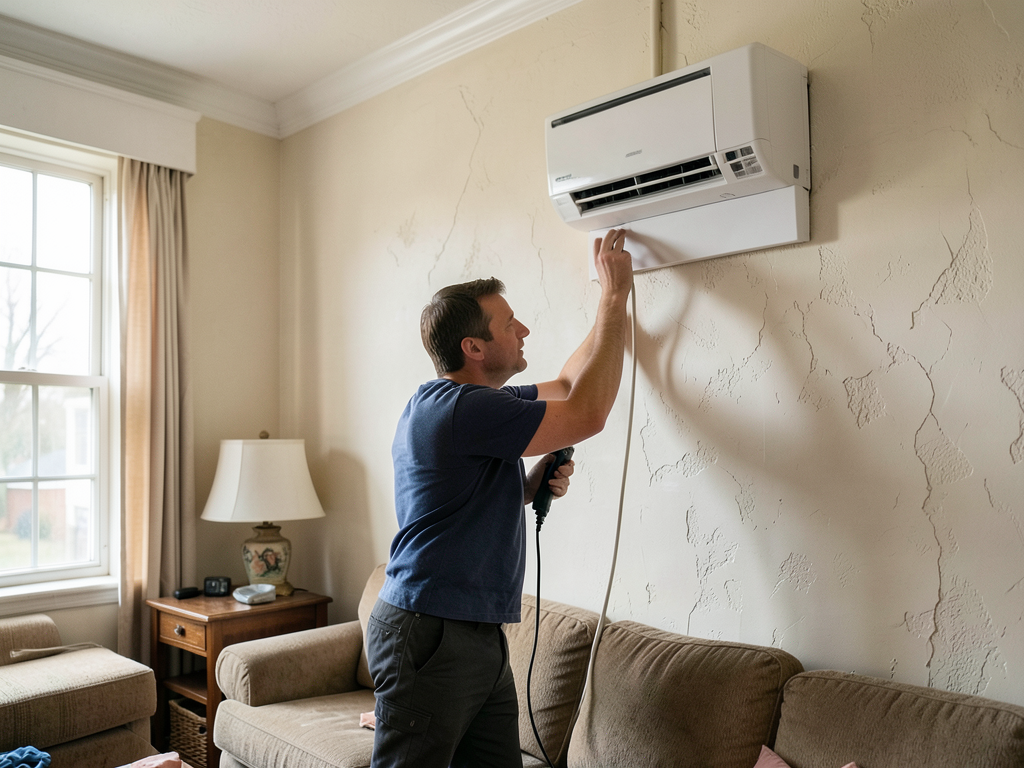
Modern Cooling Options for Vintage Condos in DeMun That Can't Use Window Units Living in a vintage condo in DeMun comes with undeniable charm but also unique cooling challenges. Many of these historic buildings were…
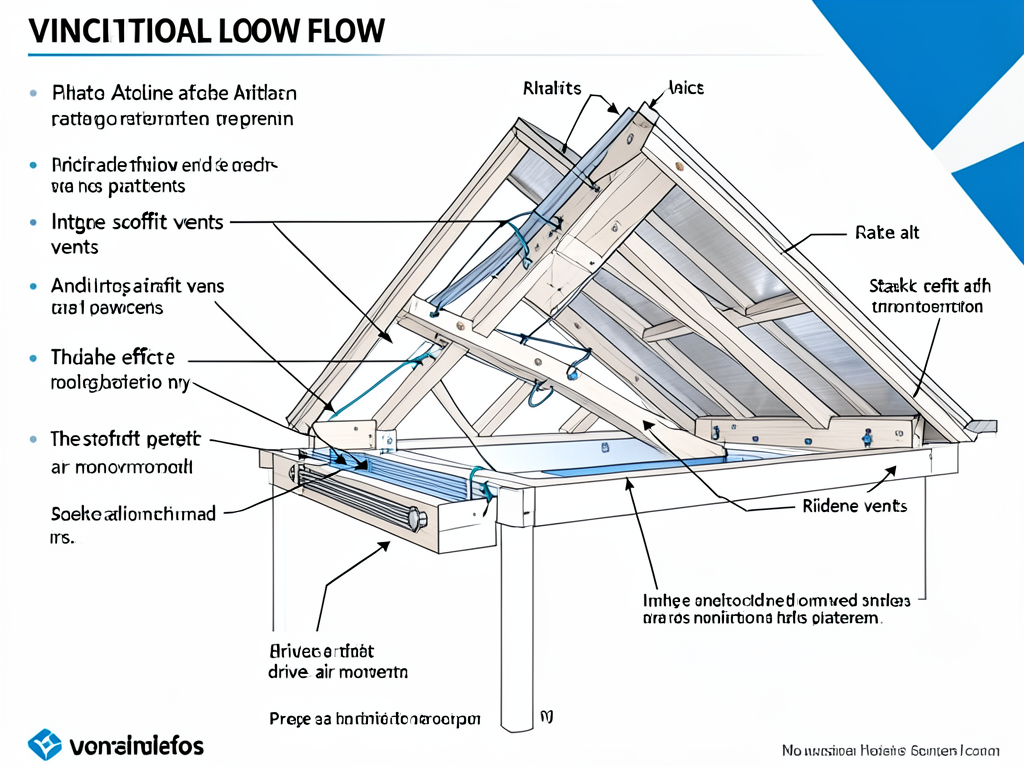
Does Your Maryland Heights Attic Have Enough Ventilation for the Summer Heat? Your Maryland Heights…
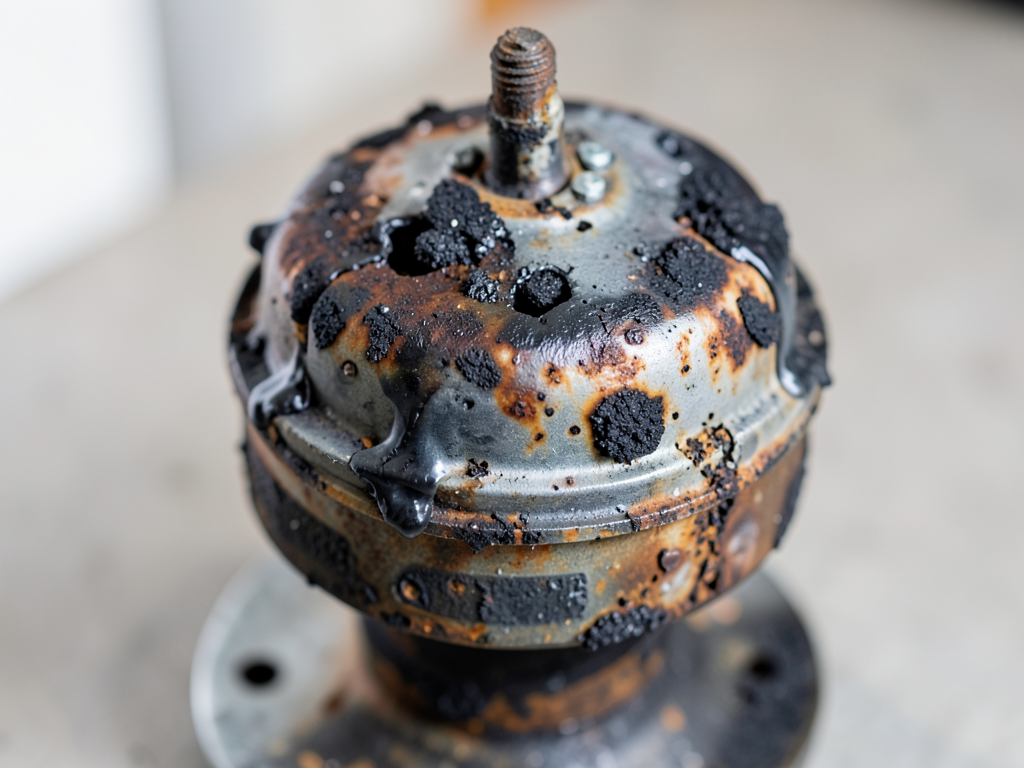
What That Strange Metallic or Burning Plastic Smell from Your Furnace Actually Means If your…
Many Ladue homeowners close vents in unused rooms to save money on energy bills. This…
Your comfort system needs attention now. Call Keystone HVAC St. Louis at (314) 417-7771 for immediate service. We answer 24/7 for emergencies and schedule convenient appointments for maintenance and installations. Our technicians arrive prepared to fix your problem right the first time.