
Common HVAC Mistakes Homeowners Make When Finishing a Basement in Ballwin
Finishing a basement in Ballwin requires careful HVAC planning. The St. Louis area’s high humidity, clay soil conditions, and older home construction create unique challenges. Many basement projects fail because homeowners treat HVAC as an afterthought. Understanding these common mistakes before you begin can save thousands of dollars and ensure your finished space stays comfortable year-round. St. Louis County Mechanical Code.
Ballwin’s humid summers and clay soil create specific HVAC challenges. The area’s high dew point averages and below-grade construction require specialized knowledge. Most basement finishing projects fail because homeowners underestimate these local conditions. When you’re dealing with Missouri humidity that can reach 85% in summer months, proper ductwork design becomes critical for preventing condensation and maintaining healthy indoor air quality. The Best Local Furnace Replacement Options for Kirkwood Families.
Ballwin’s older neighborhoods like the Park Hill area and the Westglen subdivision present additional challenges. Many homes built before the 1980s have undersized HVAC systems that barely keep up with the main floor. Adding basement living areas without proper system evaluation often results in overworked equipment, higher energy bills, and premature system failure. Air Purification Systems.
The St. Louis County Mechanical Code requires specific permits for basement HVAC modifications. Many homeowners skip this step to save money. This oversight can lead to failed inspections, fines, and the need to redo work that doesn’t meet code requirements. Understanding these common mistakes and how to avoid them is essential for any successful basement finishing project in Ballwin.
Mistake 1: Underestimating the Importance of Proper Duct Sizing
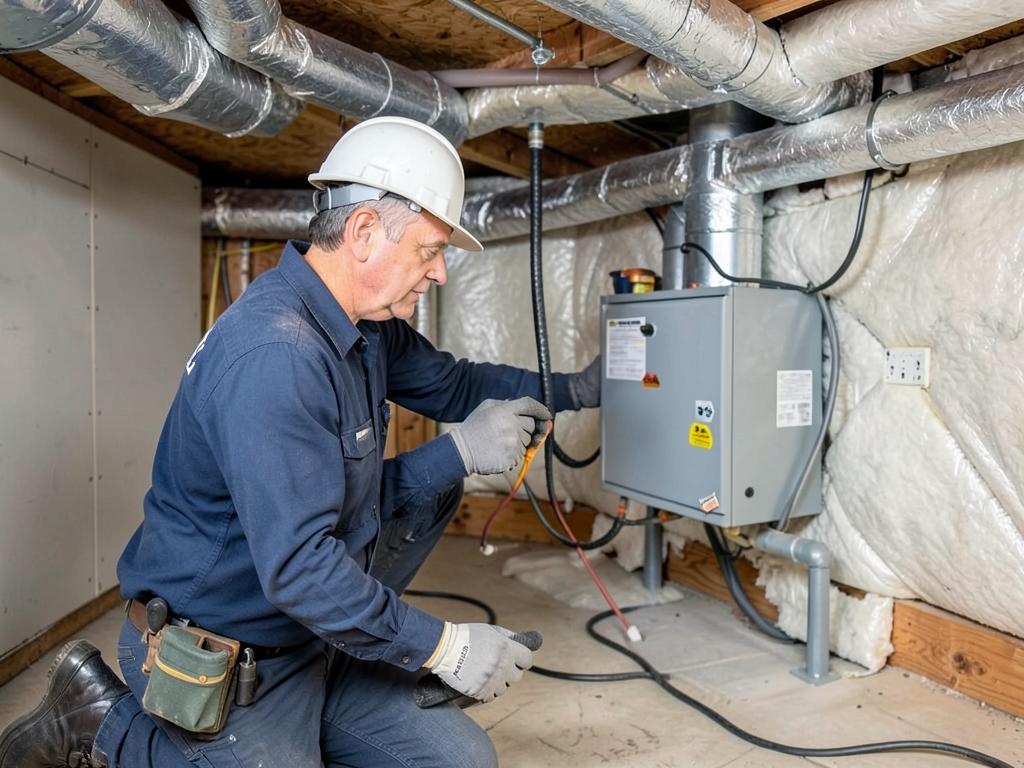
One of the most expensive mistakes involves installing ductwork that’s too small for the space. In Ballwin’s climate where summer temperatures regularly exceed 90 degrees with high humidity, undersized ducts cannot deliver enough cooled air to maintain comfortable temperatures. This forces your HVAC system to run longer cycles increasing wear and energy costs.. Read more about Creating a Comfortable and Quiet Home Office in Your Brentwood Spare Bedroom.
The problem becomes worse when you consider that many Ballwin homes have HVAC systems designed for the main floor only. Adding 800-1,200 square feet of basement space without proper load calculations means your existing system will be operating at 150% capacity or more. This leads to frozen evaporator coils compressor failure and complete system breakdowns during peak summer months.
Professional HVAC contractors use Manual J calculations to determine the exact heating and cooling load for your finished basement. These calculations consider factors specific to Ballwin including the area’s high dew point averages the thermal mass of concrete basement walls and the impact of below-grade insulation. Skipping this step often results in a system that can’t maintain 75 degrees on a humid July afternoon. Why Professional Air Duct Cleaning is Essential for Wildwood Homes.
Mistake 2: Poor Return Air Placement and Insufficient Airflow
Many Ballwin homeowners focus exclusively on supply vents while ignoring return air requirements. This creates negative pressure zones in finished basements that feel stuffy and uncomfortable. Without proper return air pathways conditioned air cannot circulate effectively leading to hot spots cold spots and poor indoor air quality.. Read more about Why Closing Vents in Unused Rooms Is Actually Hurting Your Ladue Home.
The St. Louis County Mechanical Code requires specific return air configurations for finished basement spaces. Floor-level returns are essential because cool air naturally settles and without proper return pathways this cool air becomes trapped at the floor level. This creates the classic “cold feet hot head” problem that makes basement spaces uncomfortable year-round.
Another common mistake involves blocking return air pathways with furniture or finished walls. Many homeowners don’t realize that basement return air needs to be at floor level to capture the cool air that settles near concrete walls. Installing return vents at ceiling height defeats the purpose and creates inefficient airflow patterns that waste energy.
Mistake 3: Ignoring Moisture Control and Humidity Management
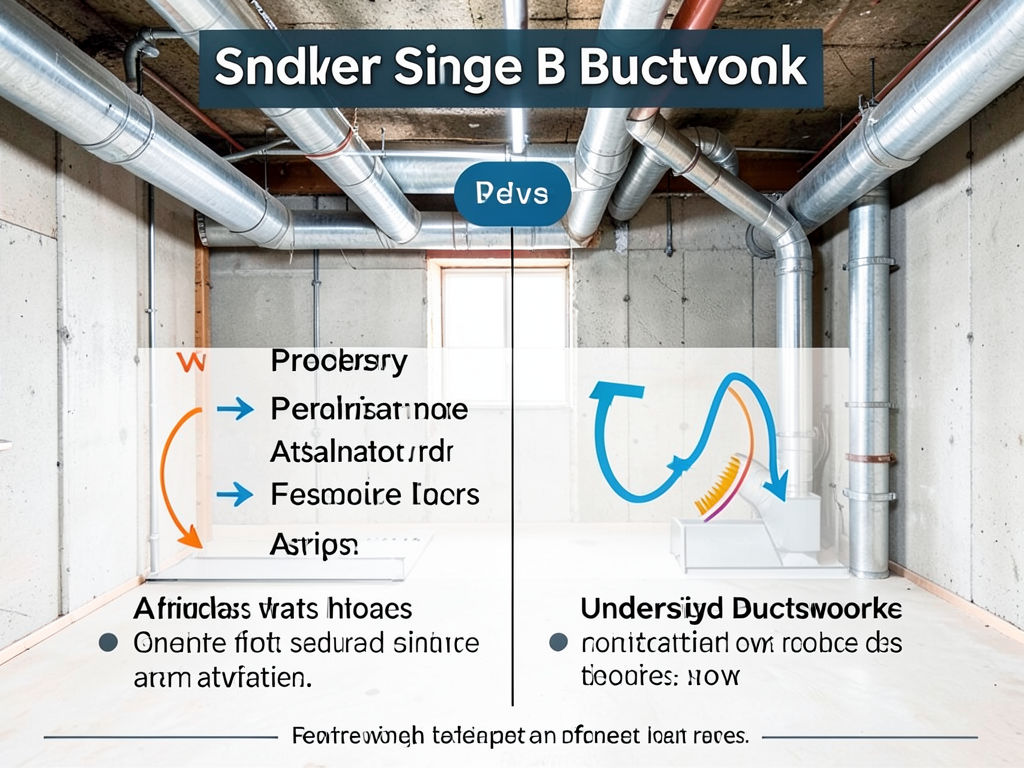
Ballwin’s climate presents unique moisture challenges that many homeowners underestimate. The area’s high humidity levels combined with the cool temperatures of below-grade spaces create perfect conditions for condensation on ductwork and walls. This “sweating” phenomenon leads to mold growth water damage and poor indoor air quality.
Many basement finishing projects fail because homeowners skip proper vapor barriers and insulation. When warm humid air contacts cool basement surfaces condensation forms. This moisture accumulates on uninsulated ductwork creating the perfect environment for mold and mildew growth. The problem becomes worse when homeowners add bathrooms or laundry facilities to their basement spaces.
Professional HVAC contractors recommend specific insulation strategies for Ballwin basements. R-8 duct insulation is typically required for supply ducts in unconditioned spaces while R-6 may suffice for return ducts. The key is selecting insulation with a vapor barrier on the correct side to prevent moisture migration into the duct system.
Mistake 4: Skipping Permits and Code Compliance
Many Ballwin homeowners attempt to save money by skipping permits for basement HVAC work. This decision often leads to more expensive problems down the road. The St. Louis County Mechanical Code requires permits for any changes to existing HVAC systems including adding ductwork modifying vents or changing equipment capacity.
Unpermitted work can result in failed home inspections when you sell your property fines from local authorities and the need to tear out and redo work that doesn’t meet current code requirements. Insurance companies may also deny claims for damage caused by unpermitted modifications leaving homeowners financially responsible for repairs. EPA Indoor Air Quality Guidelines.
Professional contractors understand the specific requirements for Ballwin and St. Louis County permits. This includes proper load calculations duct sizing documentation and compliance with energy efficiency standards. Working with licensed professionals ensures your project meets all local requirements and passes inspection the first time.
Mistake 5: DIY Ductwork Installation Without Proper Tools or Knowledge
Many homeowners attempt DIY ductwork installation to save money but this often leads to expensive mistakes. Proper duct installation requires specialized tools knowledge of airflow dynamics and understanding of building codes. Common DIY errors include improper sealing incorrect duct sizing and poor support installation. Top Rated AC Installation Companies Serving Ladue and Clayton.
Professional duct installation involves specific techniques that most homeowners don’t know. For example duct joints must be sealed with mastic sealant rather than duct tape which degrades over time. Supports must be installed at specific intervals to prevent sagging and all connections must be made with proper fittings rather than makeshift solutions.
The cost of fixing DIY mistakes often exceeds the original savings. Improperly installed ductwork can leak up to 30% of conditioned air wasting energy and creating comfort problems. Additionally DIY work may void equipment warranties and create safety hazards if combustion air requirements aren’t properly addressed.
Mistake 6: Overlooking Combustion Air Requirements for Gas Appliances
Many Ballwin basements contain gas furnaces water heaters or other combustion appliances. Finishing these spaces without addressing combustion air requirements creates dangerous conditions. The National Fuel Gas Code requires specific air intake provisions for fuel-burning appliances to prevent carbon monoxide buildup.
Common mistakes include sealing off combustion air vents installing appliances in confined spaces without proper ventilation or failing to provide make-up air for exhaust fans. These oversights can lead to backdrafting where exhaust gases are pulled back into the living space instead of venting outside.
Professional HVAC contractors perform combustion air calculations based on the specific appliances in your basement. This ensures adequate fresh air supply for safe operation and compliance with building codes. The calculations consider factors like appliance BTU ratings space volume and the presence of exhaust fans or clothes dryers.
Mistake 7: Failing to Plan for Future Expansion or Changes
Many homeowners finish their basement with current needs in mind but fail to plan for future changes. This short-sighted approach often leads to expensive modifications later. For example installing a home theater system may require additional cooling capacity that your existing ductwork cannot provide.
Professional HVAC design includes provisions for future expansion. This might involve installing larger trunk lines than currently needed adding extra duct runs with dampers for future use or ensuring adequate equipment capacity for planned additions. These forward-thinking strategies prevent costly retrofits later.
Another common oversight involves zoning systems. Many Ballwin homes benefit from separate HVAC zones for basement spaces allowing independent temperature control. Installing the infrastructure for zoning during initial construction is much less expensive than retrofitting later.
Mistake 8: Choosing the Wrong Duct Material for Basement Applications
Not all ductwork materials perform equally in basement environments. Many homeowners choose the cheapest option without considering the specific challenges of below-grade installation. This decision often leads to premature failure poor performance and indoor air quality issues.
Flex duct may seem like a cost-effective choice but it has significant drawbacks in basement applications. The material can sag over time creating airflow restrictions and trapping dust and moisture. Additionally flex duct is more susceptible to damage from rodents and insects common problems in basement spaces.
Rigid metal ductwork while more expensive initially provides better long-term performance in basement environments. It maintains its shape resists damage and provides more consistent airflow. When properly insulated and sealed metal duct also resists the condensation problems that plague other materials in humid conditions.
Mistake 9: Neglecting Regular Maintenance After Installation
Many homeowners assume that once their basement HVAC system is installed their work is done. This misconception leads to neglected maintenance that shortens system life and reduces efficiency. Regular maintenance is especially important for basement systems due to the unique challenges of below-grade environments.
Dust and debris accumulate more quickly in basement ductwork due to the proximity to dirt concrete and outdoor air infiltration. Without regular cleaning this buildup restricts airflow and provides a breeding ground for mold and bacteria. Additionally basement humidity can cause corrosion on system components if not properly managed.
Professional maintenance includes duct cleaning coil inspection filter replacement and system performance testing. These services help identify potential problems before they become expensive repairs and ensure your system operates at peak efficiency throughout the year. Emergency AC Repair in Creve Coeur That Won’t Break the Bank.
Mistake 10: Not Working with Qualified HVAC Professionals
Perhaps the biggest mistake homeowners make is trying to handle complex HVAC projects without professional help. While DIY projects can be rewarding for simple tasks basement HVAC modifications require specialized knowledge tools and experience to ensure safe efficient operation.
Qualified HVAC professionals understand the specific requirements for Ballwin homes including local building codes climate considerations and common construction methods in the area. They can identify potential problems before they occur and recommend solutions that homeowners might not consider.
Professional contractors also provide warranties on their work and can help navigate the permit process. This protection is valuable if problems arise after installation and ensures you have recourse if the work doesn’t meet your expectations or code requirements.
Frequently Asked Questions
How much does it cost to add HVAC to a finished basement in Ballwin?
The cost varies significantly based on your home’s existing system capacity and the basement’s size. Most Ballwin homeowners spend between $3,000 and $8,000 for proper basement HVAC installation including permits and professional design. Factors affecting cost include the need for system upgrades ductwork complexity and local permit fees.
Do I need a permit to add ductwork in my Ballwin basement?
Yes the St. Louis County Mechanical Code requires permits for any changes to existing HVAC systems including adding basement ductwork. Permit costs typically range from $100 to $300 depending on the scope of work. Skipping permits can result in fines and failed inspections when selling your home.
Can I use my existing HVAC system for my finished basement?
Sometimes but most Ballwin homes built before 2000 have undersized systems that cannot handle additional basement space. A professional load calculation will determine if your existing system has adequate capacity. Adding basement space without proper evaluation often leads to system failure and higher energy bills.
How do I prevent mold in my basement HVAC system?
Prevent mold by ensuring proper insulation with vapor barriers maintaining humidity below 60% and using UV light systems in ductwork. Professional installation includes proper sealing to prevent condensation on cool surfaces. Regular maintenance and filter changes also help prevent mold growth in basement HVAC systems.
Call (314) 417-7771 Today to Schedule Your Basement HVAC Assessment
Don’t let HVAC mistakes ruin your basement finishing project. Our Ballwin HVAC experts understand the unique challenges of St. Louis area homes and can ensure your system is properly designed installed and permitted. We provide free assessments to evaluate your existing system capacity and recommend the best solutions for your specific needs.
Pick up the phone and call (314) 417-7771 before you start your basement project. Our licensed professionals will help you avoid costly mistakes and ensure your finished basement stays comfortable year-round. We serve all of Ballwin and the greater St. Louis area with 24/7 emergency service available.
Don’t risk your investment on DIY HVAC work or unpermitted modifications. Contact Keystone HVAC today at (314) 417-7771 for professional basement HVAC design and installation that meets all local codes and your comfort requirements.
{
“@context”: “https://schema.org”,
“@type”: “BlogPosting”,
“headline”: “Common HVAC Mistakes Homeowners Make When Finishing a Basement in Ballwin”,
“description”: “Learn the top HVAC mistakes Ballwin homeowners make when finishing basements and how to avoid costly errors in St. Louis’s humid climate.”,
“wordCount”: 2156,
“datePublished”: “2026-06-02T06:42:00.000Z”,
“dateModified”: “2026-06-02T06:42:00.000Z”,
“inLanguage”: “en-US”,
“mainEntityOfPage”: {
“@type”: “WebPage”,
“@id”: “https://keystonehvacstlouis.com”
},
“publisher”: {
“@type”: “LocalBusiness”,
“name”: “Keystone HVAC St. Louis”,
“url”: “https://keystonehvacstlouis.com”
},
“author”: {
“@type”: “Organization”,
“name”: “Keystone HVAC St. Louis”,
“url”: “https://keystonehvacstlouis.com”
},
“image”: {
“@type”: “ImageObject”,
“url”: “https://keystonehvacstlouis.com/wp-content/uploads/2026/03/common-hvac-mistakes-homeowners-make-when-finishin-1.png”
}
}
{
“@context”: “https://schema.org”,
“@type”: “HVACBusiness”,
“name”: “Keystone HVAC St. Louis”,
“url”: “https://keystonehvacstlouis.com”,
“address”: {
“@type”: “PostalAddress”,
“addressLocality”: “St. Louis”
},
“areaServed”: {
“@type”: “City”,
“name”: “St. Louis”
}
}
{
“@context”: “https://schema.org”,
“@type”: “FAQPage”,
“mainEntity”: [
{
“@type”: “Question”,
“name”: “How much does it cost to add HVAC to a finished basement in Ballwin?”,
“acceptedAnswer”: {
“@type”: “Answer”,
“text”: “The cost varies significantly based on your home’s existing system capacity and the basement’s size. Most Ballwin homeowners spend between $3,000 and $8,000 for proper basement HVAC installation including permits and professional design. Factors affecting cost include the need for system upgrades ductwork complexity and local permit fees.”
}
},
{
“@type”: “Question”,
“name”: “Do I need a permit to add ductwork in my Ballwin basement?”,
“acceptedAnswer”: {
“@type”: “Answer”,
“text”: “Yes the St. Louis County Mechanical Code requires permits for any changes to existing HVAC systems including adding basement ductwork. Permit costs typically range from $100 to $300 depending on the scope of work. Skipping permits can result in fines and failed inspections when selling your home.”
}
},
{
“@type”: “Question”,
“name”: “Can I use my existing HVAC system for my finished basement?”,
“acceptedAnswer”: {
“@type”: “Answer”,
“text”: “Sometimes but most Ballwin homes built before 2000 have undersized systems that cannot handle additional basement space. A professional load calculation will determine if your existing system has adequate capacity. Adding basement space without proper evaluation often leads to system failure and higher energy bills.”
}
},
{
“@type”: “Question”,
“name”: “How do I prevent mold in my basement HVAC system?”,
“acceptedAnswer”: {
“@type”: “Answer”,
“text”: “Prevent mold by ensuring proper insulation with vapor barriers maintaining humidity below 60% and using UV light systems in ductwork. Professional installation includes proper sealing to prevent condensation on cool surfaces. Regular maintenance and filter changes also help prevent mold growth in basement HVAC systems.”
}
}
]
}
{
“@context”: “https://schema.org”,
“@type”: “BreadcrumbList”,
“itemListElement”: [
{
“@type”: “ListItem”,
“position”: 1,
“name”: “Home”,
“item”: “https://keystonehvacstlouis.com”
},
{
“@type”: “ListItem”,
“position”: 2,
“name”: “Blog”,
“item”: “https://keystonehvacstlouis.com/blog”
},
{
“@type”: “ListItem”,
“position”: 3,
“name”: “Common HVAC Mistakes Homeowners Make When Finishing a Basement in Ballwin”
}
]
}
{
“@context”: “https://schema.org”,
“@type”: “Service”,
“serviceType”: “HVAC”,
“provider”: {
“@type”: “LocalBusiness”,
“name”: “Keystone HVAC St. Louis”,
“url”: “https://keystonehvacstlouis.com”
},
“areaServed”: {
“@type”: “City”,
“name”: “St. Louis”
},
“description”: “Learn the top HVAC mistakes Ballwin homeowners make when finishing basements and how to avoid costly errors in St. Louis’s humid climate.”
}