Menu

Furnace Repair & Heating Service in St. Louis | Expert Diagnosis and Permanent Fixes for Every Heating System

When your furnace fails during a St. Louis freeze, you need technicians who understand forced-air systems, heat exchangers, and zone control panels. We repair all residential furnace types and restore reliable heat fast.

Slider Image 1
Slider Image 2
Slider Image 3
Slider Image 4
Slider Image 5
Slider Image 7
Slider Image 8
Slider Image 9
Slider Image 10
Slider Image 11

Why St. Louis Furnaces Fail When You Need Them Most

St. Louis winters combine freezing temperatures with high indoor humidity levels, creating conditions that stress your heating system in ways mild climates never experience. When outdoor temps drop into the teens and your furnace cycles constantly to maintain 68 degrees inside, minor issues become catastrophic failures.

The region's hard water causes sediment buildup in boiler systems. Clay soil movement stresses gas lines and can create dangerous leaks at connection points. Homes in Tower Grove and Soulard built before 1950 often have undersized ductwork that forces furnaces to overwork, leading to premature heat exchanger cracks.

You notice the symptoms first. Cold spots in bedrooms farthest from the furnace. The blower motor running but no warm air coming through vents. Strange metallic smells when the system kicks on. A yellow pilot light instead of blue, signaling incomplete combustion and potential carbon monoxide risk.

Central heating maintenance prevents most emergency breakdowns, but when residential furnace repair becomes urgent, the problem is rarely simple. A failed limit switch might seem minor until you understand it prevents your blower from circulating air, causing your heat exchanger to overheat and crack. That transforms a simple heating system repair into a major safety issue.

Heater repair services in St. Louis require knowledge of both the equipment and the environment. Your furnace works harder here than it would in Memphis or Kansas City. The temperature swings, the moisture load, the age of housing stock all matter when diagnosing why your home heating service failed at 11 PM on a Tuesday in January.

Why St. Louis Furnaces Fail When You Need Them Most
How Professional Furnace Diagnostics Solve Problems Permanently

How Professional Furnace Diagnostics Solve Problems Permanently

Most service calls start with a homeowner reporting no heat. The amateur approach checks the thermostat, replaces the filter, and restarts the system. That misses the underlying failure mode.

We start with combustion analysis. A digital analyzer measures flue gas composition to determine if your burners are achieving complete combustion. Elevated carbon monoxide levels or incorrect oxygen percentages tell us immediately whether the problem is fuel delivery, air intake, or heat exchanger integrity.

Next comes electrical diagnostics. We measure voltage and amperage at the transformer, the blower motor, and the ignition system. A weak transformer might allow the furnace to start but fail under load. A capacitor losing charge will cause the blower motor to draw excessive amperage and trip your breaker intermittently.

The heat exchanger inspection uses a fiber optic camera to examine the interior surfaces for cracks, rust-through, or separation at the welds. This component separates combustion gases from your breathable air. A crack smaller than a dime can introduce carbon monoxide into your ductwork.

Ductwork assessment identifies airflow restriction. We measure static pressure at the supply and return plenums. High static pressure forces your furnace to work harder, reduces efficiency, and shortens equipment life. Undersized returns are common in older St. Louis homes where additions changed the layout but nobody upgraded the duct system.

Gas pressure testing confirms your meter and supply line deliver adequate fuel volume at the correct pressure. Low gas pressure causes incomplete combustion, sooting, and flame rollout. We test at the meter, at the furnace valve, and at each burner orifice.

This systematic approach finds the actual problem, not just the obvious symptom.

What Happens During Your Furnace Repair Appointment

Furnace Repair & Heating Service in St. Louis | Expert Diagnosis and Permanent Fixes for Every Heating System
01

System Safety Check

Before any repair work begins, we test for carbon monoxide in your living spaces and verify your furnace is safe to operate. We inspect the venting system for blockages, check gas line connections for leaks using electronic detection, and measure combustion air supply. If we find an immediate safety issue, we shut down the system and explain the risk before proceeding with any diagnosis.
02

Component-Level Diagnosis

We isolate the failed component using manufacturer specifications and test equipment. This includes checking ignition systems, flame sensors, pressure switches, blower motors, and control boards. Each component gets tested under actual operating conditions, not just visually inspected. We document voltage readings, amperage draws, and resistance measurements that prove which part failed and why. This prevents misdiagnosis and unnecessary part replacement.
03

Repair and Performance Verification

After replacing the failed component, we run a full system cycle and verify performance meets manufacturer specifications. This includes measuring temperature rise across the heat exchanger, confirming proper flame characteristics, and checking that all safety controls function correctly. We adjust gas pressure if needed, verify the blower delivers correct CFM output, and ensure the system cycles properly through all operating modes before we leave your property.

Why St. Louis Homeowners Choose Local Furnace Expertise

Keystone HVAC St. Louis understands the specific challenges your heating system faces in this region. We work on furnaces in Dogtown bungalows with original 1940s ductwork and new construction in Wildwood with high-efficiency modulating systems. That range of experience matters when your heat fails.

Local building codes in St. Louis County and St. Louis City differ on venting requirements, combustion air makeup, and gas line sizing. We pull permits when required and ensure every repair meets current code even if your furnace was installed before those codes existed. This protects your homeowner's insurance coverage and prevents failed inspections if you sell.

The architecture here creates unique heating challenges. Homes with basements need different duct design than slab foundations. Two-story brick homes in Lafayette Square retain heat differently than ranch homes in South County. We account for building thermal mass, window area, and insulation levels when diagnosing why certain rooms stay cold.

You also need technicians who stock parts for the equipment actually installed in St. Louis homes. We carry components for Carrier, Trane, Lennox, Rheem, and Bryant systems because those brands dominate local installations. When your inducer motor fails on a 15-year-old Carrier, we have the replacement on the truck, not three days away in a warehouse.

Our familiarity with local utility providers matters too. Spire Energy has specific requirements for gas line work and meter modifications. We maintain the certifications and relationships that let us coordinate service restoration quickly when gas issues contribute to your heating failure.

Every furnace repair happens in the context of your whole house, your neighborhood's infrastructure, and this region's climate patterns. Generic HVAC knowledge fixes the immediate problem. Local expertise prevents the next failure.

What to Expect From Professional Heating Service

Response Time and Availability

We dispatch technicians to St. Louis addresses within two hours for emergency no-heat calls during winter months. Same-day service is standard for urgent heating system failures. Scheduled maintenance and non-emergency repairs typically happen within 24 to 48 hours of your call. Our trucks carry diagnostic equipment and common replacement parts to complete most repairs in a single visit. You get a firm appointment window, not an all-day waiting period. We call 30 minutes before arrival and respect your property while we work.

The Diagnostic Process Explained

Every service call starts with questions about what you noticed before the system failed. We listen because your observations provide diagnostic clues. Then we run the furnace through a complete cycle while monitoring all systems. We explain what we find in plain language, show you the failed component when possible, and outline repair options with associated costs before starting work. You receive a detailed written estimate for any repair exceeding basic service call fees. No surprise charges appear on your invoice. If we recommend replacement over repair, we explain the math behind that recommendation with specific data about your equipment's condition.

Quality Standards and Final Testing

Parts we install meet or exceed OEM specifications. We use manufacturer-approved components, not aftermarket substitutes that void warranties. After completing repairs, we run your furnace through multiple heating cycles and verify all safety controls function properly. We measure supply air temperature, check for proper flame ignition, and confirm the blower motor operates at correct speed. You watch the system run successfully before we leave. We clean up completely, removing old parts and packaging. Your furnace operates as designed, hitting manufacturer efficiency ratings and delivering consistent heat to every room.

Ongoing Support and Maintenance

Major component replacements include parts coverage based on manufacturer terms. We provide written documentation of all work performed, parts installed, and system measurements recorded during testing. This creates a service history that helps with future diagnostics and proves maintenance for warranty claims. We offer seasonal maintenance plans that include annual inspections, filter changes, and priority scheduling during peak demand periods. Maintenance customers receive discounted rates on repairs and extended hours availability. Between service visits, you can call with questions about system operation or concerning symptoms. We help you determine whether an issue requires immediate attention or can wait for scheduled service.

Frequently Asked Questions

You Have Questions,
We Have Answers

What is the average cost to service a furnace? +

In St. Louis, a standard furnace service runs between $80 and $150. This covers a safety inspection, filter replacement, burner cleaning, and thermostat calibration. High-efficiency units or systems needing repairs cost more. Older homes in neighborhoods like Tower Grove or Benton Park often have aging furnaces that need extra attention, which can push costs higher. Annual maintenance prevents expensive breakdowns during St. Louis winters when temperatures drop below freezing. Regular service extends your furnace life and keeps energy bills lower. Skip the tune-up and you risk carbon monoxide leaks or mid-winter failures when techs are hardest to book.

What is the $5000 rule for HVAC? +

The $5000 rule helps you decide between repairing or replacing your furnace. Multiply your furnace age by the repair cost. If the total exceeds $5000, replace it. For example, a 15-year-old furnace needing a $400 repair equals $6000, so replacement makes sense. St. Louis homeowners face high humidity and temperature swings that stress HVAC systems harder than milder climates. Furnaces older than 15 years burn more gas and struggle with our cold snaps. Newer high-efficiency models cut energy costs by 20 to 30 percent, a significant savings given St. Louis winter heating loads.

What is the most common furnace failure? +

Igniter failure tops the list of furnace breakdowns in St. Louis. The igniter lights the burner to create heat. When it cracks or wears out, your furnace won't fire up. St. Louis homes cycle furnaces heavily during winter cold spells and mild fall days, wearing igniters faster. Other common failures include cracked heat exchangers, which leak carbon monoxide, and failed blower motors from dust buildup. Dirty filters choke airflow and force components to overheat. Annual inspections catch igniter wear before you lose heat on a 15-degree January night when emergency service costs triple.

What is the most expensive part to fix on a furnace? +

The heat exchanger is the most expensive furnace part to replace, costing $1200 to $2500 in labor and materials. This component transfers heat from burning gas to your home's air. Cracks or corrosion let carbon monoxide seep into your living space, a serious safety risk. In St. Louis, high humidity and temperature swings cause metal fatigue and rust. If your heat exchanger fails and your furnace is over 12 years old, replacement beats repair. The part costs nearly as much as a new mid-tier furnace, and older units lack efficiency.

What does a furnace service include? +

A complete furnace service includes a safety inspection, filter replacement, burner cleaning, flame sensor cleaning, thermostat calibration, and blower motor lubrication. Techs check for gas leaks, test carbon monoxide levels, and inspect the heat exchanger for cracks. In St. Louis, high humidity means condensate drain lines get checked and cleared to prevent clogs. Electrical connections get tightened. Venting gets inspected for blockages. The tech measures combustion efficiency and airflow. This preventive work catches small issues before they become expensive mid-winter failures. Annual service keeps warranties valid and prevents breakdowns during cold snaps.

How much does it cost for someone to check your furnace? +

A furnace inspection in St. Louis costs $80 to $120 for a basic diagnostic visit. This includes checking ignition, airflow, thermostat function, and gas pressure. If you schedule annual maintenance, the inspection is included. Emergency diagnostics during breakdowns cost $150 to $200 because techs prioritize urgent calls. Some companies waive the diagnostic fee if you approve repairs. Expect higher fees for after-hours or weekend calls during January cold spells when demand peaks. Regular inspections prevent surprise failures. Skipping checks saves money short-term but risks expensive breakdowns when you need heat most and techs are hardest to schedule.

Is HVAC system cost tax deductible? +

HVAC system costs are not tax deductible as a standard home repair. However, high-efficiency upgrades may qualify for federal energy tax credits. If you install a furnace with 95 percent AFUE or higher, you can claim up to $600 under current federal incentives. Energy Star certified heat pumps qualify for larger credits. Consult a tax professional for eligibility. In Missouri, no state-level tax deductions exist for HVAC. Medical necessity exemptions apply if a doctor prescribes climate control for health conditions. Keep all receipts and manufacturer certifications. Business owners can deduct HVAC costs as capital improvements.

What are signs my HVAC needs replacing? +

Your HVAC needs replacing if it exceeds 15 years old, requires frequent repairs, or struggles to maintain temperature. Rising energy bills signal declining efficiency. Strange noises like banging or grinding indicate worn components. Uneven heating across rooms means failing ductwork or a weak blower. Yellow burner flames suggest incomplete combustion and carbon monoxide risk. St. Louis homes face freeze-thaw cycles and high humidity that accelerate system wear. If repairs cost more than half a new system, replace it. Older units lack efficiency and use refrigerants being phased out, making future repairs harder and costlier.

How many quotes should you get for HVAC? +

Get three quotes for HVAC replacement. This range lets you compare pricing, equipment options, and contractor quality without overwhelming yourself. Avoid the lowest bid, which often cuts corners on installation or uses lower-tier equipment. Avoid the highest unless it includes significant value like extended warranties or better equipment. In St. Louis, choose contractors familiar with local building codes and humidity challenges. Ask each contractor for references from nearby neighborhoods like Webster Groves or Kirkwood. Verify licensing and insurance. Compare equipment brands, efficiency ratings, and warranty terms. Three quotes give you negotiating leverage and realistic cost expectations.

Which brand of furnace is most reliable? +

Carrier, Trane, Lennox, and Rheem lead furnace reliability rankings. Carrier and Trane offer durable heat exchangers and strong warranties. Lennox provides high-efficiency models suited for St. Louis temperature swings. Rheem delivers solid mid-tier value. Reliability depends more on proper installation and maintenance than brand alone. A poorly installed premium furnace fails faster than a correctly installed mid-tier unit. Choose a contractor experienced with your chosen brand. St. Louis humidity and freeze-thaw cycles stress all equipment, so annual service matters more than brand. Match furnace size to your home's heating load for best performance and longevity.

How St. Louis Climate Extremes Accelerate Furnace Wear

St. Louis sits at the convergence of humid continental and humid subtropical climate zones, creating temperature swings that stress heating equipment uniquely. A typical winter week might see daytime highs near 50 degrees followed by overnight lows in the single digits. Your furnace cycles constantly during these swings, creating thermal expansion and contraction that fatigues metal components. The region's high humidity year-round introduces moisture into ductwork and heat exchangers, accelerating rust formation on steel components. Homes near the Mississippi or Missouri Rivers face even higher moisture loads. Central heating maintenance becomes critical because these conditions reduce average furnace lifespan compared to drier climates. The freeze-thaw cycles affecting your foundation also impact gas line integrity and exterior venting systems.

Local HVAC expertise matters because St. Louis building stock spans 150 years of construction standards. A technician needs to understand knob-and-tube wiring in historic neighborhoods and modern smart thermostats in new developments. We work with the city's mix of natural gas and propane systems, understanding how each fuel type affects combustion and efficiency. Familiarity with local contractors and building inspectors speeds permit approval for major replacements. We know which supply houses stock parts for older equipment still operating in Benton Park and which distributors serve new construction in O'Fallon. That local knowledge network means faster repairs and better outcomes when your heating system fails during peak demand periods.
HVAC Services in The St. Louis Area

Our service area spans across the St. Louis metropolitan area and surrounding communities. We’re dedicated to bringing our top-quality HVAC services directly to your doorstep. Use the map to see our coverage and feel free to contact us with any questions about whether we can service your specific location. We’re always here to help you find the comfort solutions you need.

Address:
Keystone HVAC St. Louis, 4452 Manchester Ave, St. Louis, MO, 63110

Additional Services We Offer

Our news updates

Latest Articles & News from The Blogs

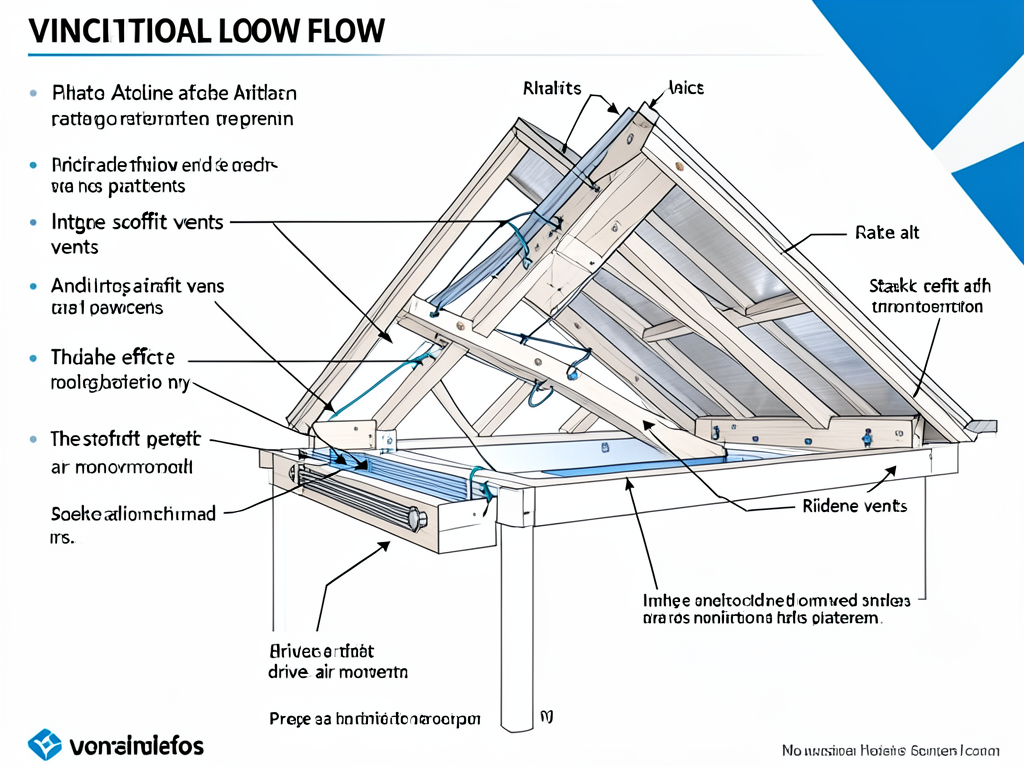
Does Your Maryland Heights Attic Have Enough Ventilation for the Summer Heat? Your Maryland Heights attic can reach 150°F on…

Does Your Maryland Heights Attic Have Enough Ventilation for the Summer Heat?

Does Your Maryland Heights Attic Have Enough Ventilation for the Summer Heat? Your Maryland Heights attic can reach 150°F on…

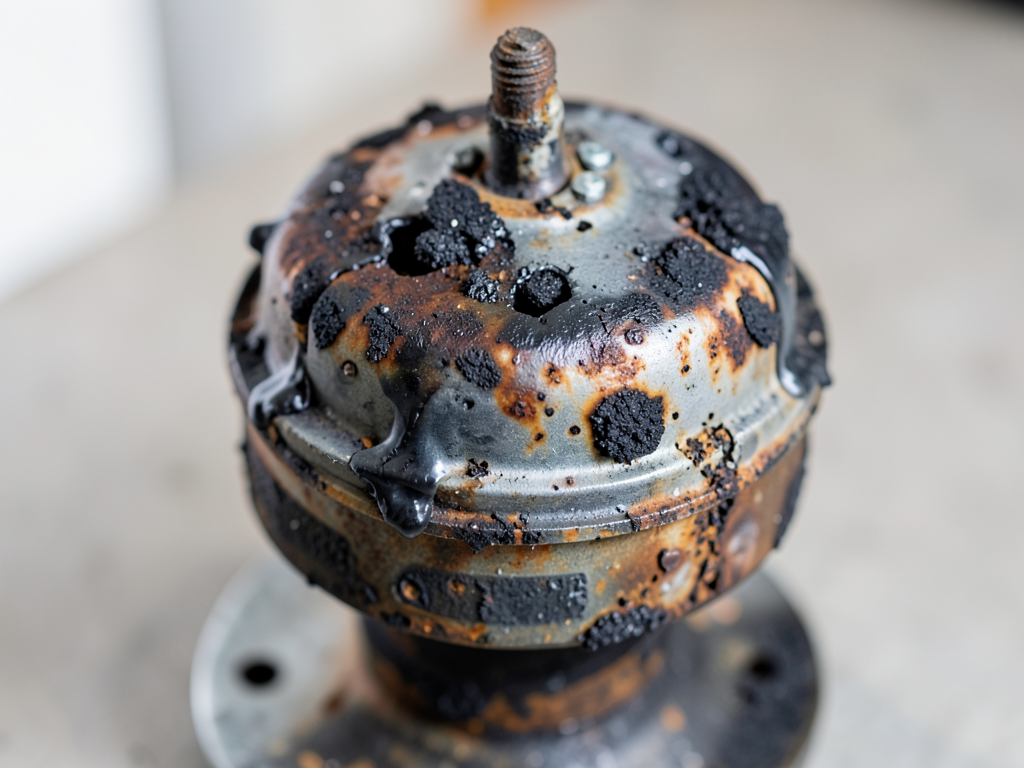
What That Strange Metallic or Burning Plastic Smell from Your Furnace Actually Means

What That Strange Metallic or Burning Plastic Smell from Your Furnace Actually Means If your furnace smells like burning plastic…

Why Closing Vents in Unused Rooms Is Actually Hurting Your Ladue Home

Many Ladue homeowners close vents in unused rooms to save money on energy bills. This common practice seems logical at…

Contact Us

Cold house? Failed furnace? Call (314) 417-7771 now for same-day heating system repair in St. Louis. Our technicians diagnose the real problem and fix it right the first time.