
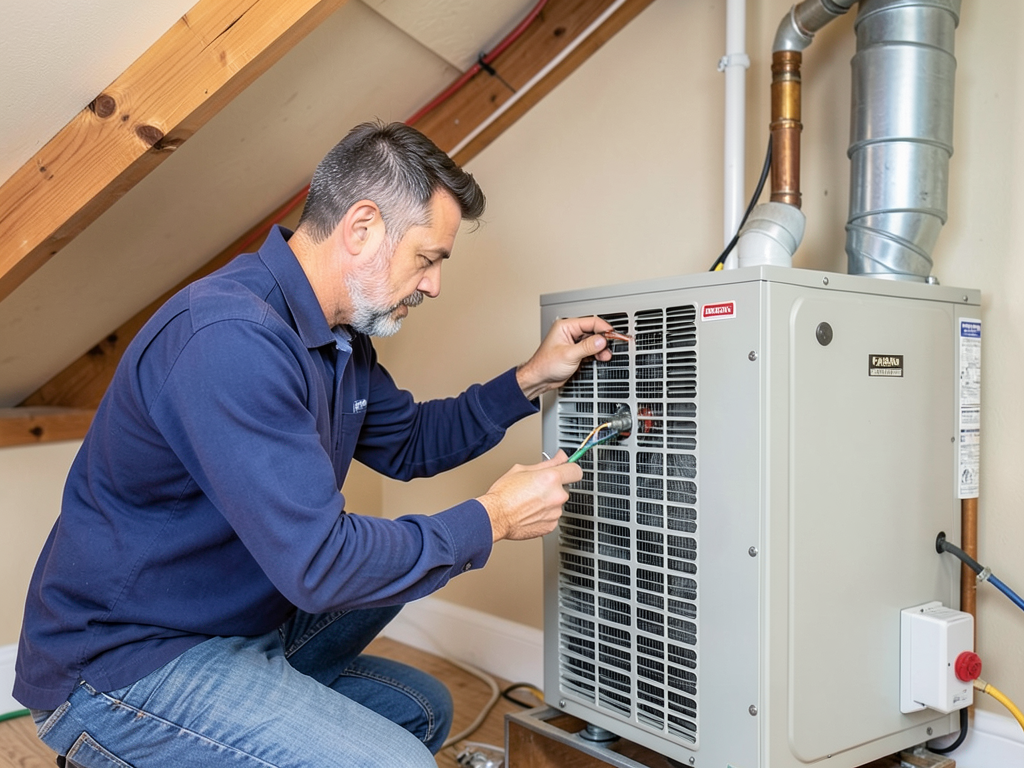
Protecting Your Clayton Home from AC Floods with an Automatic Water Shutoff Valve
Water damage from a failing air conditioner can destroy ceilings, walls, and personal belongings in hours. In Clayton’s humid climate, condensate lines clog faster than in drier regions, turning a small blockage into a flood. An automatic water shutoff valve detects leaks and shuts down your AC before damage spreads.
Installing this simple device costs far less than repairing warped hardwood floors or removing mold from attic insulation. The valve connects to your condensate drain line and uses a float switch that triggers when water backs up. Once activated, it cuts power to the outdoor unit, stopping the system before the drain pan overflows. Emergency AC Repair in Creve Coeur That Won’t Break the Bank.
Clayton homes built before 2000 often lack secondary drain pans, leaving no backup if the primary pan fails. The humid Missouri summers create more condensate than systems in other regions, increasing clog risks. A shutoff valve provides insurance against the specific failure patterns common to St. Louis HVAC systems. St. Louis County building codes.
Beyond preventing damage, these valves help maintain indoor air quality. Standing water breeds mold within 24-48 hours, releasing spores through your ductwork. The valve’s early detection prevents the conditions that lead to microbial growth in your attic or basement.
Installation takes under two hours for a qualified technician. The valve mounts near your air handler, with wiring that interrupts the 24-volt control circuit. Most models include a reset button that allows you to restart the system after clearing the blockage. Top Rated AC Installation Companies Serving Ladue and Clayton.
For Clayton residents, this protection matters more than in many other regions. The area’s combination of high humidity, older housing stock, and seasonal temperature swings creates the perfect conditions for condensate line failures. A shutoff valve costs less than one day’s water damage restoration.
Call (314) 417-7771 today to schedule your inspection before the next storm hits.
How Automatic Water Shutoff Valves Work in St. Louis Homes
An automatic water shutoff valve monitors your AC’s condensate drain line using a float mechanism. When water rises above normal levels, the float activates a switch that breaks the control circuit to your outdoor unit. This stops the compressor and fan, preventing more water from forming.
The device installs in the secondary drain line or directly in the primary line with a bypass. Most models use a normally-closed relay that opens when water triggers the float. Some advanced units include alarm outputs that can send alerts to your phone via Wi-Fi.
In Clayton’s climate, the valve typically activates when algae or debris blocks the drain line. The humid air accelerates biological growth inside the pipes, creating clogs faster than in arid regions. The valve’s quick response prevents the two to three gallons per hour that a running AC can produce from causing damage.
Testing the valve monthly ensures reliability. Pour water into the secondary drain pan until the float rises. The outdoor unit should shut off within seconds. Most valves include a manual reset button on the control module, though some reset automatically once the water drains.
The National Association of Home Builders reports that water damage claims average $10,000-$15,000. In Clayton’s historic districts, restoration costs often exceed this due to matching original materials. A shutoff valve typically costs $200-$400 installed, offering significant return on investment. National Association of Home Builders.
Common AC Water Leak Scenarios in Clayton Properties
Clayton’s mix of historic and newer construction creates unique water leak scenarios. Homes built before 1970 often have galvanized steel drain lines that corrode from the inside, creating rough surfaces where debris collects. The corrosion also narrows the pipe diameter, reducing flow capacity.
Attic installations in older homes face temperature swings that cause condensation on drain line exteriors. This external moisture drips onto insulation and ceiling materials, creating hidden damage that appears only after significant deterioration occurs. The valve prevents this slow damage pattern.
Newer Clayton developments built in the 1990s and 2000s often used flexible drain lines that deteriorate when exposed to UV light or cleaning chemicals. These lines can collapse internally, creating complete blockages that overwhelm the primary drain pan within hours. Why Professional Air Duct Cleaning is Essential for Wildwood Homes.
During Clayton’s summer thunderstorms, power fluctuations can reset smart thermostats or control boards. If the AC restarts while a drain line is partially blocked, the system may run for hours before anyone notices the water accumulation. The shutoff valve prevents this scenario.
Clayton’s proximity to Forest Park means many homes sit near mature trees. Root systems can shift foundations slightly, causing drain pans to tilt and hold water rather than drain properly. The valve compensates for this gradual misalignment that develops over years. Air Purification Systems.
Installation Process and What to Expect
Professional installation begins with inspecting your existing drain system. The technician checks for proper slope, secure mounting, and signs of previous leaks. They’ll also verify that your air handler has adequate space for the valve mounting bracket.
The installation process typically follows these steps:
- System Assessment
Technician evaluates current drain configuration and identifies optimal valve location.
- Mounting Bracket Installation
Secure bracket attaches to air handler or nearby wall, positioned for easy access.
- Electrical Integration
Wiring connects to the 24-volt control circuit, typically at the air handler control board.
- Float Switch Calibration
Valve adjusted to activate at the correct water level, usually 1-2 inches deep.
- System Testing
Technician simulates blockage by adding water to verify proper shutoff function.
The entire process takes 1.5 to 3 hours depending on system complexity. Most installations include cleaning the existing drain line and adding algae treatment to prevent immediate re-clogging.
Homeowners should expect to see the valve’s control module mounted near the air handler with a visible float chamber. Some models include LED indicators showing system status. The reset button sits within easy reach for post-maintenance restarts.
Clayton building codes require permits for any HVAC modification that affects drainage systems. Professional installers handle permit acquisition and inspections, ensuring compliance with local mechanical codes. The Best Local Furnace Replacement Options for Kirkwood Families.
Cost Comparison: Prevention vs. Water Damage Repair
| Item | Average Cost | Time to Complete | Long-term Value |
|---|---|---|---|
| Automatic Shutoff Valve Installation | $250-$400 | 2-3 hours | Prevents $5,000+ damage |
| Water Damage Restoration (1 room) | $3,000-$8,000 | 3-7 days | Insurance may not cover |
| Mold Remediation (attic) | $2,500-$6,000 | 2-5 days | Health hazard eliminated |
| Secondary Drain Pan Installation | $400-$600 | 4-6 hours | Adds backup protection |
| Annual Maintenance (with drain cleaning) | $150-$250 | 1-2 hours | Extends system life |
The numbers tell a clear story. A shutoff valve costs less than 10% of typical water damage repairs. When you factor in the disruption of restoration work, potential insurance complications, and the risk of mold growth, prevention becomes the obvious choice.
Clayton’s older housing stock means many homes lack modern moisture detection systems. Insurance companies increasingly require these devices in high-risk areas. Installing a shutoff valve may help maintain favorable insurance rates.
Some homeowners combine the valve installation with a secondary drain pan for maximum protection. This dual approach costs $600-$900 but provides redundancy if one system fails. For historic Clayton homes, this combination often satisfies insurance underwriters.
Maintenance Tips for Maximum Protection
Monthly testing ensures your shutoff valve works when needed. Pour one cup of water into the secondary drain pan. The outdoor unit should shut off within 30 seconds. If it continues running, the valve needs service.
Annual professional maintenance includes more thorough testing. Technicians use compressed air to verify the float mechanism moves freely and check electrical connections for corrosion. They’ll also clean the float chamber to prevent debris from interfering with operation.
Clayton’s hard water creates mineral deposits that can jam mechanical floats. During maintenance, technicians clean these deposits with vinegar solution. They also check that the mounting bracket hasn’t shifted due to foundation settling common in the area.
Smart shutoff valves offer additional features for tech-savvy homeowners. These models connect to Wi-Fi and send alerts when they activate. Some integrate with whole-home automation systems, allowing remote monitoring and control through smartphone apps.
DIY maintenance should never include bypassing the valve. Some homeowners attempt to defeat the safety feature when frustrated by repeated shutdowns. This eliminates protection and can lead to catastrophic damage. If the valve triggers frequently, the underlying drain problem needs professional repair.
During Clayton’s humid summers, check the valve more frequently. The increased condensate volume means blockages form faster. A valve that works fine in spring may need cleaning by July due to accelerated algae growth.
Why Clayton Homes Need Extra Protection
Clayton’s unique combination of factors makes AC water damage more likely than in surrounding areas. The neighborhood’s mix of historic and newer construction creates varying levels of built-in protection. Many pre-1980 homes lack the secondary drain pans now required by code.
The area’s clay soil contributes to foundation movement that affects HVAC installations. Even slight tilting of air handlers can prevent proper drainage. The valve compensates for these gradual shifts that develop over years of seasonal moisture changes.
Clayton’s mature tree canopy creates additional challenges. Falling leaves and debris can enter outdoor units, potentially damaging components that affect condensate drainage. The valve provides protection even when external factors compromise system performance.
Local building practices in Clayton often involved routing drain lines through finished spaces to avoid exterior wall penetrations. This makes water damage more destructive when leaks occur, as drywall and flooring sustain the initial impact rather than exterior materials.
The neighborhood’s high property values mean water damage repairs cost more than in other areas. Matching historic woodwork, custom finishes, and high-end materials drives restoration costs up significantly. Prevention through a shutoff valve protects this investment.
Frequently Asked Questions
Will an automatic shutoff valve void my AC warranty?
No. These devices are UL listed and designed to work with all major AC brands. They actually help protect your system by preventing water damage to electrical components.
How long do these valves typically last?
Quality shutoff valves last 10-15 years with proper maintenance. The mechanical float components are the most likely to need replacement, usually after 7-10 years in humid climates.
Can I install this myself?
DIY installation is possible but not recommended. The device connects to 24-volt control circuits, and improper wiring can damage your AC or create safety hazards. Professional installation includes proper testing and warranty coverage.
What happens if the valve fails while I’m on vacation?
The valve continues providing protection. If it activates, your AC simply won’t restart until someone manually resets it or clears the blockage. This prevents the continuous water production that causes major damage.
Are these required by Clayton building codes?
Current codes require secondary drain pans for attic installations, but shutoff valves are not yet mandatory. However, many Clayton homeowners install them voluntarily for the added protection they provide.
Call (314) 417-7771 today to schedule your inspection before the next storm hits.
{
“@context”: “https://schema.org”,
“@type”: “BlogPosting”,
“headline”: “Protecting Your Clayton Home from AC Floods with an Automatic Water Shutoff Valve”,
“description”: “Stop AC water damage in Clayton homes. Learn how automatic shutoff valves prevent costly floods and protect your property.”,
“wordCount”: 1822,
“datePublished”: “2026-06-03T09:44:00.000Z”,
“dateModified”: “2026-06-03T09:44:00.000Z”,
“inLanguage”: “en-US”,
“mainEntityOfPage”: {
“@type”: “WebPage”,
“@id”: “https://keystonehvacstlouis.com”
},
“publisher”: {
“@type”: “LocalBusiness”,
“name”: “Keystone HVAC St. Louis”,
“url”: “https://keystonehvacstlouis.com”
},
“author”: {
“@type”: “Organization”,
“name”: “Keystone HVAC St. Louis”,
“url”: “https://keystonehvacstlouis.com”
},
“image”: {
“@type”: “ImageObject”,
“url”: “https://keystonehvacstlouis.com/wp-content/uploads/2026/03/protecting-your-clayton-home-from-ac-floods-with-a-1.png”
}
}
{
“@context”: “https://schema.org”,
“@type”: “HVACBusiness”,
“name”: “Keystone HVAC St. Louis”,
“url”: “https://keystonehvacstlouis.com”,
“address”: {
“@type”: “PostalAddress”,
“addressLocality”: “St. Louis”
},
“areaServed”: {
“@type”: “City”,
“name”: “St. Louis”
}
}
{
“@context”: “https://schema.org”,
“@type”: “FAQPage”,
“mainEntity”: [
{
“@type”: “Question”,
“name”: “Will an automatic shutoff valve void my AC warranty?”,
“acceptedAnswer”: {
“@type”: “Answer”,
“text”: “No. These devices are UL listed and designed to work with all major AC brands. They actually help protect your system by preventing water damage to electrical components.”
}
},
{
“@type”: “Question”,
“name”: “How long do these valves typically last?”,
“acceptedAnswer”: {
“@type”: “Answer”,
“text”: “Quality shutoff valves last 10-15 years with proper maintenance. The mechanical float components are the most likely to need replacement, usually after 7-10 years in humid climates.”
}
},
{
“@type”: “Question”,
“name”: “Can I install this myself?”,
“acceptedAnswer”: {
“@type”: “Answer”,
“text”: “DIY installation is possible but not recommended. The device connects to 24-volt control circuits, and improper wiring can damage your AC or create safety hazards. Professional installation includes proper testing and warranty coverage.”
}
},
{
“@type”: “Question”,
“name”: “What happens if the valve fails while I’m on vacation?”,
“acceptedAnswer”: {
“@type”: “Answer”,
“text”: “The valve continues providing protection. If it activates, your AC simply won’t restart until someone manually resets it or clears the blockage. This prevents the continuous water production that causes major damage.”
}
},
{
“@type”: “Question”,
“name”: “Are these required by Clayton building codes?”,
“acceptedAnswer”: {
“@type”: “Answer”,
“text”: “Current codes require secondary drain pans for attic installations, but shutoff valves are not yet mandatory. However, many Clayton homeowners install them voluntarily for the added protection they provide.”
}
}
]
}
{
“@context”: “https://schema.org”,
“@type”: “HowTo”,
“name”: “Automatic Shutoff Valve Installation”,
“step”: [
{
“@type”: “HowToStep”,
“position”: 1,
“name”: “System Assessment”,
“text”: “Technician evaluates current drain configuration and identifies optimal valve location.”
},
{
“@type”: “HowToStep”,
“position”: 2,
“name”: “Mounting Bracket Installation”,
“text”: “Secure bracket attaches to air handler or nearby wall, positioned for easy access.”
},
{
“@type”: “HowToStep”,
“position”: 3,
“name”: “Electrical Integration”,
“text”: “Wiring connects to the 24-volt control circuit, typically at the air handler control board.”
},
{
“@type”: “HowToStep”,
“position”: 4,
“name”: “Float Switch Calibration”,
“text”: “Valve adjusted to activate at the correct water level, usually 1-2 inches deep.”
},
{
“@type”: “HowToStep”,
“position”: 5,
“name”: “System Testing”,
“text”: “Technician simulates blockage by adding water to verify proper shutoff function.”
}
],
“image”: “https://keystonehvacstlouis.com/wp-content/uploads/2026/03/protecting-your-clayton-home-from-ac-floods-with-a-1.png”
}
{
“@context”: “https://schema.org”,
“@type”: “BreadcrumbList”,
“itemListElement”: [
{
“@type”: “ListItem”,
“position”: 1,
“name”: “Home”,
“item”: “https://keystonehvacstlouis.com”
},
{
“@type”: “ListItem”,
“position”: 2,
“name”: “Blog”,
“item”: “https://keystonehvacstlouis.com/blog”
},
{
“@type”: “ListItem”,
“position”: 3,
“name”: “Protecting Your Clayton Home from AC Floods with an Automatic Water Shutoff Valve”
}
]
}
{
“@context”: “https://schema.org”,
“@type”: “Service”,
“serviceType”: “HVAC”,
“provider”: {
“@type”: “LocalBusiness”,
“name”: “Keystone HVAC St. Louis”,
“url”: “https://keystonehvacstlouis.com”
},
“areaServed”: {
“@type”: “City”,
“name”: “St. Louis”
},
“description”: “Stop AC water damage in Clayton homes. Learn how automatic shutoff valves prevent costly floods and protect your property.”
}