Menu

Outdoor Unit Not Spinning in St. Louis – Expert Diagnosis and Same-Day Repair

When your air conditioner outdoor fan stops running during a humid St. Louis summer, you need fast, accurate diagnosis and repair to restore cooling before your home becomes uncomfortable and your system sustains compressor damage.

Slider Image 1
Slider Image 2
Slider Image 3
Slider Image 4
Slider Image 5
Slider Image 7
Slider Image 8
Slider Image 9
Slider Image 10
Slider Image 11

Why Your AC Condenser Fan Stopped Working in St. Louis Heat

You walk outside to check your air conditioner and notice the compressor is humming, but the condenser fan is not spinning. Your indoor temperature climbs while your outdoor unit sits silent. This is not just inconvenient in St. Louis's summer heat and humidity. It is dangerous for your system.

When the outside AC fan is not turning, your compressor continues running without proper heat dissipation. St. Louis summers regularly push outdoor temperatures into the 90s with oppressive humidity. Without airflow across the condenser coils, refrigerant pressure spikes. The compressor works harder. Internal temperatures climb. What started as a fan motor issue can escalate to compressor failure in hours, turning a manageable repair into a complete system replacement.

The air conditioner outdoor fan not running is one of the most common emergency calls we receive between June and September. The causes vary. Capacitor failure tops the list, especially in units over five years old. St. Louis's temperature swings from winter freezes to summer heat stress electrical components. Capacitors weaken. Motor windings burn out. Contractor relays stick. Debris clogs the fan blade. Each scenario requires different diagnostic steps.

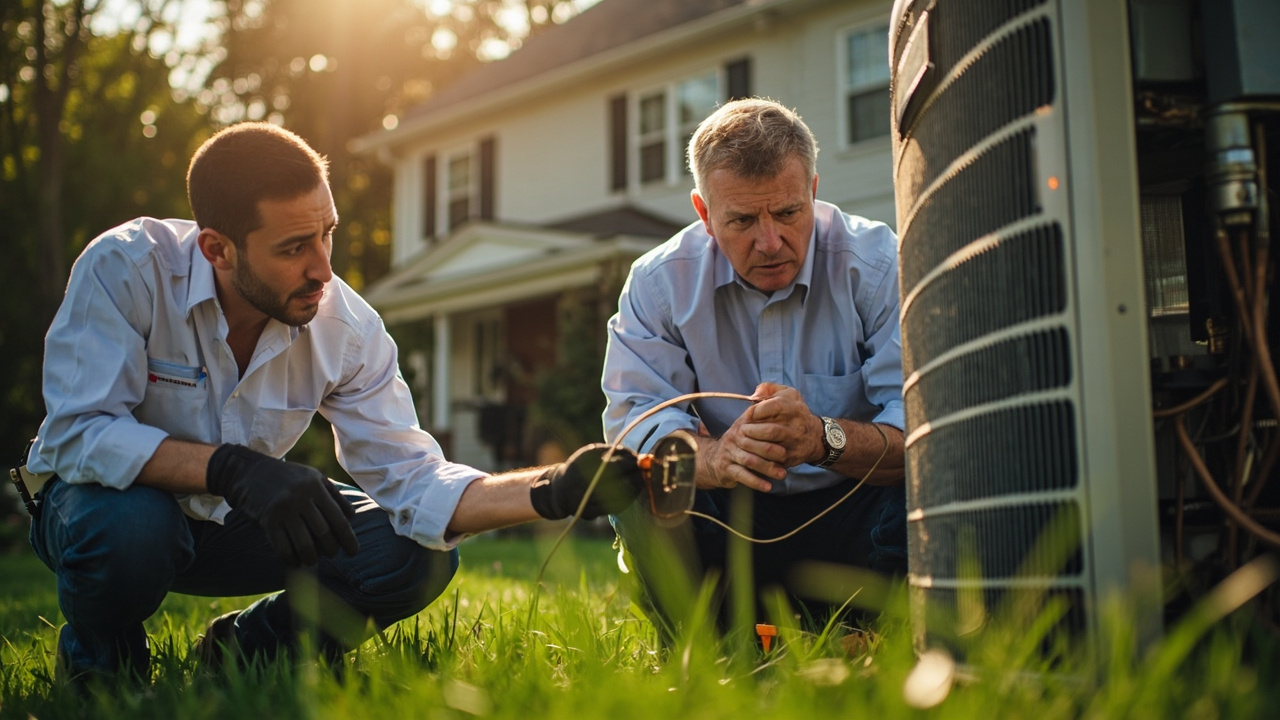
The AC condenser fan not working does not always mean the motor is dead. Sometimes the issue is upstream in the electrical pathway. A tripped breaker, blown fuse, or failed contactor can stop power to the fan motor while the compressor keeps running. Other times, the fan blade itself is jammed by leaves, cottonwood seed buildup common in St. Louis neighborhoods near Forest Park, or physical damage from hail. The outdoor unit fan stopped for a reason, and identifying that reason quickly prevents collateral damage to your compressor and refrigerant system.

Why Your AC Condenser Fan Stopped Working in St. Louis Heat
How We Diagnose a Condenser Fan That Is Not Spinning

How We Diagnose a Condenser Fan That Is Not Spinning

When you call us about an outdoor unit not spinning, we do not guess. We follow a structured diagnostic protocol that isolates the root cause in minutes, not hours.

First, we verify power to the condenser unit. We test voltage at the disconnect box and confirm the breaker is not tripped. We measure voltage at the contactor to ensure the low-voltage control circuit is energized and calling for cooling. If the contactor is not pulling in, the problem is upstream in the thermostat wiring or control board, not the fan motor itself.

Next, we test the run capacitor. This cylindrical component stores electrical charge and provides the voltage boost needed to start the fan motor and keep it running. Capacitors fail gradually in St. Louis's climate. We use a multimeter to measure capacitance in microfarads and compare it to the rated value stamped on the capacitor housing. If the measured value is more than 10 percent below rating, the capacitor is weak and must be replaced. A completely failed capacitor reads zero or infinite resistance.

If the capacitor tests good, we move to the fan motor. We manually spin the blade with power off. If it turns freely, the bearings are likely intact. If it resists or makes grinding sounds, the motor bearings are seized. We then apply power and use an amp clamp to measure motor current draw. High amperage signals a failing motor. No amperage means no power is reaching the motor, pointing to a wiring fault or failed contactor.

We also inspect the fan blade for damage or debris and check the mounting bracket for vibration wear. In older systems, we test the motor's internal overload protector, which can trip and lock out the motor if it overheats. This methodical approach eliminates guesswork and identifies the exact failed component so you pay only for what needs replacement.

What Happens When You Call About Your Fan Not Running

Outdoor Unit Not Spinning in St. Louis – Expert Diagnosis and Same-Day Repair
01

Immediate Phone Diagnosis

When you call about your condenser fan not spinning, we ask targeted questions. Is the compressor running? Is the indoor blower working? When did the fan stop? These answers help us dispatch the right technician with the correct parts. We stock capacitors, contactor relays, and fan motors for most residential systems in our service vehicles, so we can complete repairs on the first visit without return trips or parts delays.
02

On-Site Component Testing

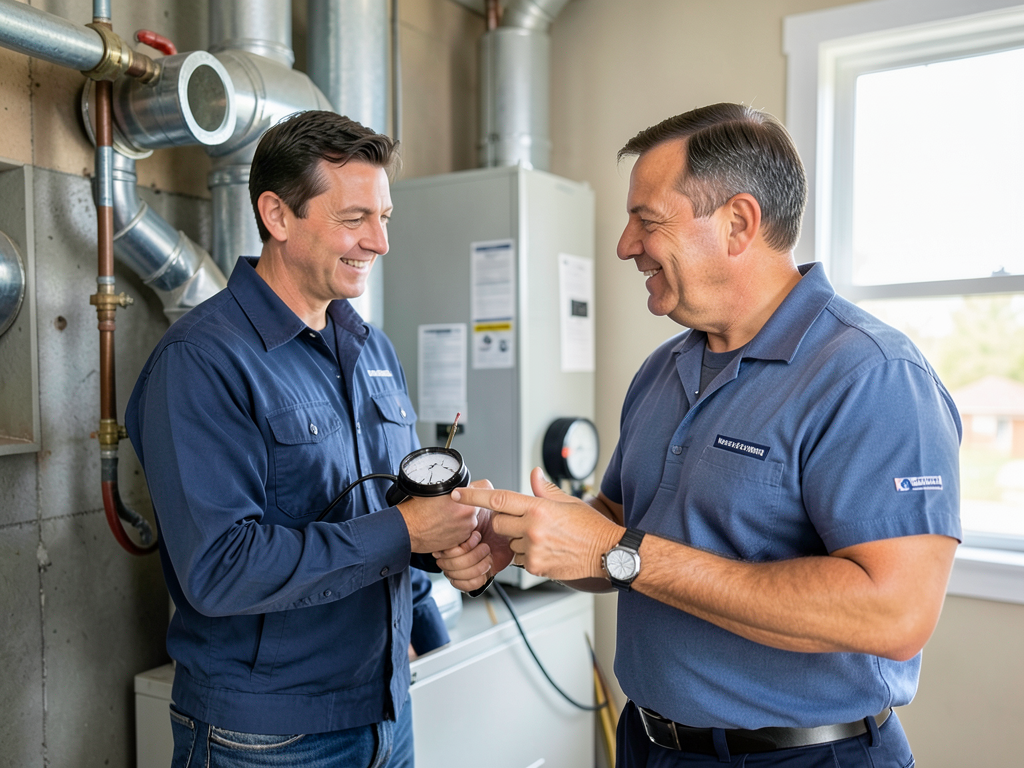
Our technician arrives and performs the diagnostic sequence described above. We test voltage, capacitance, motor resistance, and amperage draw. We inspect wiring connections for corrosion or loose terminals. We photograph failed components and show you the readings on our meter so you understand exactly what failed. We explain your options, provide upfront pricing, and wait for your approval before starting any repair work.
03

Repair and System Test

Once you approve the repair, we replace the failed component, secure all electrical connections, and restore power. We monitor the fan motor during startup to verify smooth operation and correct amperage draw. We measure airflow across the condenser coils and check refrigerant pressures to confirm the system is cooling efficiently. Before we leave, we walk you through what we repaired and what to watch for in the future.

Why St. Louis Homeowners Choose Keystone HVAC St. Louis for Fan Motor Repairs

St. Louis's climate is hard on air conditioning equipment. High humidity accelerates capacitor degradation. Temperature swings from 10-degree January mornings to 95-degree July afternoons stress electrical components. Cottonwood trees in neighborhoods near Tower Grove Park and the Missouri Botanical Garden shed seeds that clog condenser coils and jam fan blades. These are local realities that require local expertise.

We have repaired condenser fans in every St. Louis ZIP code, from historic homes in Lafayette Square with tight lot lines and limited outdoor unit access to sprawling properties in Ladue with commercial-grade HVAC systems. We understand the building codes enforced by St. Louis County and St. Louis City inspectors. We know which equipment brands are common in this region and stock parts accordingly.

When your outside AC fan is not turning, you need a technician who can diagnose the problem fast and fix it right. We do not sell you a new system when a capacitor replacement will solve the issue. We do not leave your home until the unit is running and cooling properly. We answer our phones, respond quickly, and respect your time and property.

Our technicians are trained on the latest residential and light commercial HVAC systems. We invest in continuing education because equipment technology changes. Variable-speed condenser fans, electronically commutated motors, and smart thermostats require different diagnostic approaches than older single-speed systems. We bring that expertise to every service call.

We also understand the stakes. An air conditioner outdoor fan not running in July is not just uncomfortable. It risks heat-related illness for elderly residents, spoiled food, and compressor damage that can cost thousands. We treat every call with urgency and professionalism because we know you depend on a functioning cooling system to live and work comfortably in St. Louis.

What to Expect When You Schedule a Condenser Fan Repair

Fast Response Time

We prioritize outdoor unit fan stopped calls during peak summer months. Most service appointments are scheduled within 24 hours. If your compressor is running without fan operation, we treat it as urgent and work to arrive the same day. Our service vehicles carry the most common replacement parts, including dual-run capacitors, single-phase fan motors, and contactor relays, so we can complete most repairs without ordering parts or scheduling a follow-up visit. You get your cooling restored quickly.

Transparent Diagnosis Process

We believe you should understand what failed and why. When we test your system, we show you the meter readings. If your capacitor is weak, we show you the microfarad measurement next to the rated value. If your motor is drawing excessive amperage, we explain what that means for motor health. We photograph the failed component and explain your repair options in plain language. You decide what gets fixed. We never start work without your explicit approval, and we provide upfront pricing before we touch a wrench.

Quality Component Installation

We use OEM-equivalent or better replacement parts. Capacitors are rated for high-temperature operation and match or exceed your original equipment specifications. Fan motors are direct-fit replacements with sealed bearings designed for outdoor installation. We properly torque all electrical connections to manufacturer specifications and secure wiring to prevent vibration damage. After installation, we test the system under load and verify correct amperage draw, airflow, and refrigerant pressures. You get a repair that lasts, not a temporary patch.

Follow-Up and Maintenance Guidance

After we repair your condenser fan, we provide clear guidance on what to monitor. We explain the warning signs of future capacitor failure, motor bearing wear, or contactor issues so you can catch problems early. We offer optional maintenance agreements that include annual inspections, capacitor testing, and priority service scheduling. Regular maintenance extends the life of your outdoor unit and reduces the risk of mid-summer breakdowns. We also keep your service history on file so future technicians have access to your equipment details and past repairs.

Frequently Asked Questions

You Have Questions,
We Have Answers

Why is my outside AC not spinning? +

Your outside AC fan stops spinning for several reasons. The most common culprit is a failed capacitor, which provides the electrical jolt to start the motor. In St. Louis, high summer humidity and heat stress these components faster. A tripped breaker, failed contactor, or burned-out fan motor also stops blade rotation. Debris like cottonwood seeds or storm damage can jam the blades physically. If the compressor runs but the fan does not, you risk overheating the entire system. Turn off your unit and call a technician immediately to prevent compressor failure.

What is the problem if the fan is not spinning? +

When your fan stops spinning, the condenser cannot release heat absorbed from your home. This causes system overheating and eventual compressor damage. The problem often traces to a bad capacitor, which fails to energize the motor. Faulty wiring, a seized motor bearing, or a broken fan blade also prevent rotation. St. Louis summers demand constant condenser operation, so even minor electrical issues escalate quickly. Listen for humming or clicking sounds, which indicate the contactor engages but the motor cannot start. Do not ignore this. Compressor replacement costs thousands more than a simple fan repair.

Why is my AC unit humming but not spinning? +

A humming condenser without spinning fan indicates electrical flow reaches the motor, but something prevents startup. The capacitor likely failed, so the motor lacks starting torque. You may also have a seized bearing from age or lack of lubrication. St. Louis humidity accelerates capacitor degradation, especially in units over five years old. The humming sound is the motor struggling against internal resistance. Continuing to run the system in this state overheats the compressor and burns out the motor windings. Shut down power at the breaker and schedule immediate service to avoid expensive secondary damage.

How to fix AC unit outside fan not working? +

Fixing a non-spinning fan depends on the root cause. Start by turning off power at the breaker and inspecting the fan blades for debris or physical obstruction. Check your electrical panel for tripped breakers. If you are comfortable with basic electrical work, you can test the capacitor with a multimeter, but this carries shock risk. Most St. Louis homeowners should call a licensed technician who can safely diagnose capacitor failure, motor issues, or contactor problems. Attempting DIY motor replacement without proper tools often causes more damage. Professional repair typically costs far less than emergency compressor replacement later.

Should I turn off my AC if the fan isn't spinning? +

Yes, turn off your AC immediately if the fan stops spinning. Running the system without condenser airflow traps heat inside the unit and overheats the compressor. The compressor is the most expensive component in your system, often costing two to three thousand dollars to replace. In St. Louis heat, a non-spinning fan can damage the compressor within hours. Switch off the unit at your thermostat and flip the breaker to prevent the system from cycling on. Call a technician the same day. Delaying this repair converts a simple capacitor replacement into a catastrophic compressor failure.

What is the $5000 rule for AC? +

The five thousand dollar rule is an informal guideline for replacement decisions. Multiply the repair cost by your system age in years. If the result exceeds five thousand, consider replacing the entire unit instead of repairing. For example, a twelve hundred dollar repair on a seven-year-old system equals eight thousand four hundred, suggesting replacement makes better financial sense. This rule helps St. Louis homeowners avoid sinking money into aging equipment that will need more repairs soon. However, factor in refrigerant type, efficiency improvements, and whether your ductwork needs updating before deciding.

How do I know if my fan motor is blown? +

A blown fan motor shows specific symptoms. The motor will not turn even when power flows to it. You may hear humming without rotation, smell burning insulation, or see visible scorch marks on the motor housing. In St. Louis installations, motors often fail after years of thermal cycling through humid summers and cold winters. Test with a multimeter by checking for continuity in the motor windings. If resistance reads infinite or zero instead of the specified range, the motor windings burned out. Physical inspection may reveal seized bearings that prevent shaft rotation regardless of electrical condition.

How to get a fan to spin again? +

Getting a fan spinning again requires identifying why it stopped. If a bad capacitor is the cause, replacing it restores function immediately. Seized bearings may free up with penetrating oil and manual rotation, but this is temporary. Debris jamming the blades requires physical removal. For St. Louis units, cottonwood seeds and storm debris frequently block fan movement. Electrical issues like failed contactors need component replacement. Never force a stuck fan blade, as you risk cracking the blade or damaging the motor shaft. Most spinning failures need professional diagnosis to prevent recurring problems or secondary damage from misdiagnosis.

Can you spray WD-40 in a fan motor? +

Do not spray WD-40 into your fan motor. WD-40 is a water displacer, not a proper lubricant for electric motors. It attracts dust and dirt, which accelerates bearing wear. Modern sealed motors require no lubrication. Older motors with oil ports need specific electric motor oil, not penetrants. Spraying WD-40 can contaminate electrical windings and cause short circuits. In St. Louis climate conditions, improper lubrication traps moisture and promotes corrosion. If your motor needs lubrication, use only the manufacturer-specified oil in designated ports. Most motor issues require replacement, not maintenance lubricants.

What is the 3 minute rule for AC? +

The three minute rule prevents short cycling damage to your compressor. After your AC turns off, wait at least three minutes before restarting. This allows refrigerant pressure to equalize between the high and low sides of the system. Restarting too quickly forces the compressor to start against high pressure, which strains the motor and can trip the breaker. Most modern thermostats have built-in delay timers. St. Louis homeowners troubleshooting a non-spinning fan should observe this rule when testing the system after attempted repairs. Violating it risks compressor damage on top of your existing fan problem.

Why St. Louis Humidity and Temperature Swings Kill Condenser Fan Capacitors

St. Louis sits at the convergence of humid subtropical and continental climate zones. Summer dew points regularly hit 70 degrees or higher, creating oppressive humidity that accelerates capacitor failure. Electrolytic capacitors used in air conditioning systems are sensitive to heat and moisture. When your outdoor unit runs in 95-degree heat with high humidity, internal capacitor temperatures climb. The dielectric fluid inside breaks down. Capacitance drops. Eventually, the capacitor cannot provide the voltage boost needed to start and run the fan motor. Winter temperature drops to the teens stress the same components. This constant thermal cycling shortens capacitor life. Most HVAC capacitors in St. Louis fail between five and seven years, faster than in drier or more temperate climates.

St. Louis building codes and electrical standards require proper outdoor unit installation, including adequate clearance for airflow and protection from physical damage. Units installed in tight spaces between homes in the Central West End or near overhanging trees in University City face additional challenges. Restricted airflow increases operating temperatures, stressing motors and capacitors. Falling branches during summer storms can damage fan blades or bend motor shafts. Keystone HVAC St. Louis understands these local installation challenges and environmental factors. We have worked on systems across St. Louis County and the City, and we know how local conditions affect equipment performance and failure modes. That local experience ensures accurate diagnosis and durable repairs.
HVAC Services in The St. Louis Area

Our service area spans across the St. Louis metropolitan area and surrounding communities. We’re dedicated to bringing our top-quality HVAC services directly to your doorstep. Use the map to see our coverage and feel free to contact us with any questions about whether we can service your specific location. We’re always here to help you find the comfort solutions you need.

Address:
Keystone HVAC St. Louis, 4452 Manchester Ave, St. Louis, MO, 63110

Additional Services We Offer

Our news updates

Latest Articles & News from The Blogs

Does Your Maryland Heights Attic Have Enough Ventilation for the Summer Heat? Your Maryland Heights attic can reach 150°F on…

Does Your Maryland Heights Attic Have Enough Ventilation for the Summer Heat?

Does Your Maryland Heights Attic Have Enough Ventilation for the Summer Heat? Your Maryland Heights attic can reach 150°F on…

What That Strange Metallic or Burning Plastic Smell from Your Furnace Actually Means

What That Strange Metallic or Burning Plastic Smell from Your Furnace Actually Means If your furnace smells like burning plastic…

Why Closing Vents in Unused Rooms Is Actually Hurting Your Ladue Home

Many Ladue homeowners close vents in unused rooms to save money on energy bills. This common practice seems logical at…

Contact Us

Do not let a failed fan motor destroy your compressor. Call Keystone HVAC St. Louis at (314) 417-7771 right now. We will diagnose the problem, explain your options, and restore cooling fast.