Menu

Noisy AC or Heater in St. Louis – Fast Diagnosis Before the Problem Gets Worse

Your loud air conditioner or furnace making noise is telling you something is wrong. Our technicians pinpoint the exact cause of noisy HVAC systems and fix it right the first time, preventing expensive breakdowns and comfort loss.

Slider Image 1
Slider Image 2
Slider Image 3
Slider Image 4
Slider Image 5
Slider Image 7
Slider Image 8
Slider Image 9
Slider Image 10
Slider Image 11

Why Your HVAC System Is Making Noise in St. Louis Homes

A loud air conditioner or furnace making noise is not normal. The sound you hear is a warning signal that something inside your system is failing or has already failed.

St. Louis's temperature swings put extreme stress on HVAC equipment. We go from humid 95-degree summers to sub-zero winters, sometimes within the same month. That constant expansion and contraction loosens hardware, cracks heat exchangers, and wears out blower motors faster than in milder climates. Your noisy HVAC system is reacting to this abuse.

The most common sounds point to specific failures. A grinding noise usually means a worn-out blower motor bearing. Squealing often signals a failing belt or motor bearing. Banging or clanking can indicate a broken mounting bracket, a loose blower wheel, or a cracked heat exchanger, which is a safety hazard. Rattling typically means loose sheet metal or debris in the ductwork. Humming without airflow suggests a seized motor or capacitor failure.

Ignoring a loud heater or air conditioner making noise does not make the problem go away. It makes it worse. A bad bearing becomes a seized motor. A loose mounting bracket becomes a broken blower assembly. A small crack in a heat exchanger becomes a carbon monoxide leak. The longer you wait, the more expensive the repair and the higher the risk to your family.

If your system is making noise, something is wrong. The question is what and how fast it will fail completely.

Why Your HVAC System Is Making Noise in St. Louis Homes
How We Diagnose and Fix Noisy HVAC Systems

How We Diagnose and Fix Noisy HVAC Systems

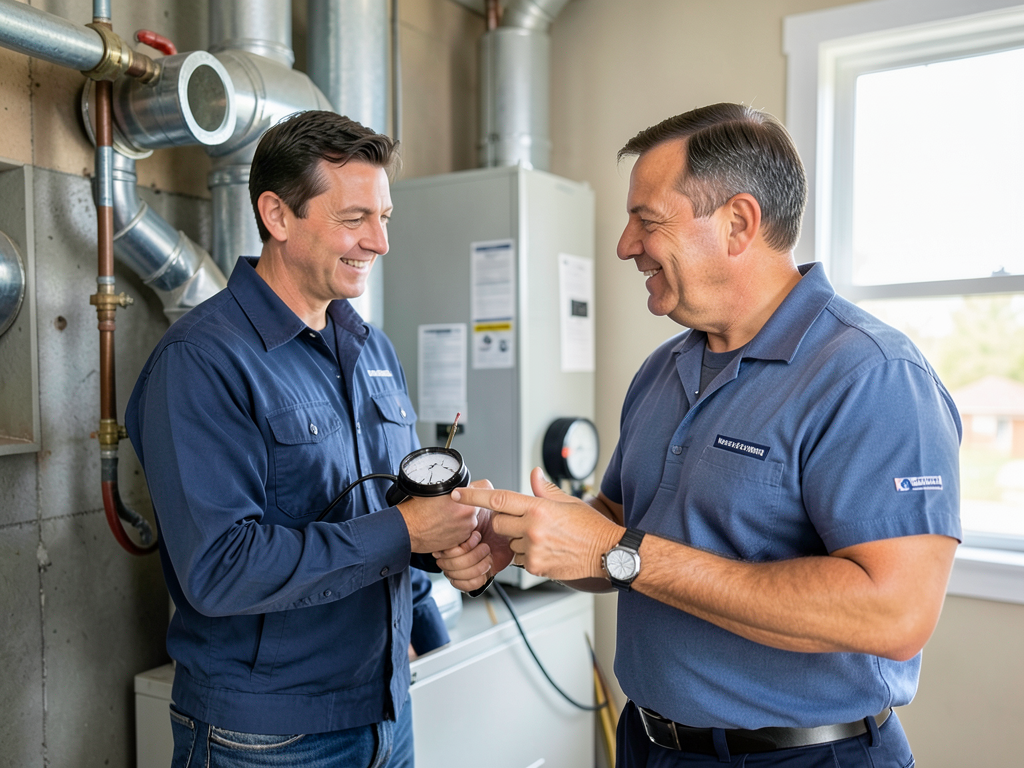
Most companies guess. We measure. Our technicians use calibrated diagnostic tools to isolate the exact source of the noise before we disassemble anything.

We start with a static pressure test to check airflow restrictions. Low airflow forces the blower motor to work harder, creating noise and shortening its life. We measure voltage and amperage at the motor and capacitor to determine if electrical issues are causing the problem. We inspect the blower wheel for cracks, imbalance, or debris buildup. We check the mounting hardware and the cabinet for loose screws or cracked welds.

For furnaces, we inspect the burners, heat exchanger, and inducer motor. A rumbling noise during ignition usually means dirty burners or a gas pressure issue. A loud inducer motor points to bearing failure or a blocked flue pipe. We use a combustion analyzer to check for cracks in the heat exchanger, which can cause banging and are dangerous.

For air conditioners, we check the compressor mounts, refrigerant charge, and condenser fan motor. Low refrigerant causes the compressor to work harder and make more noise. A failing condenser fan motor creates a grinding or squealing sound. We measure superheat and subcooling to verify system charge and rule out refrigerant-related noise.

We do not sell you a repair until we know exactly what is broken. We explain what we found, why it is making noise, what will happen if you do nothing, and what the fix costs. Then you decide. No pressure, no guessing, no upselling.

What Happens When You Call About a Noisy System

Noisy AC or Heater in St. Louis – Fast Diagnosis Before the Problem Gets Worse
01

Same-Day Diagnostic Visit

We schedule a technician to your home the same day you call in most cases. Our technician arrives with diagnostic equipment, not a sales script. We listen to the noise, ask when it started, and check your system's service history. We run the system through a full heating and cooling cycle to reproduce the problem and measure airflow, amperage, and static pressure at key points in the system.
02

Component-Level Noise Isolation

We isolate the exact component causing the noise. This often requires disassembling the blower assembly, inspecting the heat exchanger with a camera, or checking refrigerant pressures on the condensing unit. We test each motor and capacitor under load. We measure vibration levels and check mounting points. We identify the root cause, not just the symptom, so the repair fixes the problem permanently and does not just quiet it temporarily.
03

Repair and Verification Testing

Once you approve the repair, we complete the work and verify the noise is gone. We reassemble the system, run it through multiple cycles, and recheck airflow and electrical readings. We make sure the repair did not create a secondary issue. We clean up, explain what we fixed, and give you a written report. You sign off only after you hear the system running quietly and feel confident the problem is solved.

Why St. Louis Homeowners Trust Keystone HVAC for Noisy System Repairs

We have been diagnosing and repairing noisy HVAC systems in St. Louis for years. We understand how the local climate affects equipment and we know which brands and models fail most often in this region.

St. Louis HVAC systems work harder than systems in temperate climates. The combination of high humidity, summer heat, and freezing winters creates a demanding environment. Equipment that would last 20 years in California fails in 12 years here. We see the same failures repeatedly and we stock the parts that break most often, which means faster repairs and less downtime for you.

We also understand St. Louis building construction. Many homes in neighborhoods like Tower Grove, Soulard, and the Central West End were built before 1950. These older homes have undersized ductwork, no return air pathways, and HVAC systems shoehorned into spaces they were not designed for. That creates airflow restrictions, which cause noise and premature equipment failure. We fix the airflow problem, not just the broken part, so the noise does not come back in six months.

Our technicians are trained on all major brands and we do not push replacements when a repair makes sense. We give you the facts, the options, and the costs. We do not upsell. If your system is worth fixing, we fix it. If it is not, we tell you why and show you the numbers. You make the decision based on accurate information, not fear or pressure.

We are local, we are fast, and we fix it right the first time.

What to Expect When You Hire Us for a Noisy System Repair

Response Time and Availability

We offer same-day service for most noisy system calls in St. Louis. If your furnace is making a grinding noise or your air conditioner sounds like it is falling apart, we prioritize the visit because we know these problems escalate quickly. We schedule appointments in two-hour windows and we call 30 minutes before arrival. If you need emergency service outside normal hours, we have on-call technicians available seven days a week. We do not make you wait three days while your system gets worse.

Diagnostic Process and Transparency

Our diagnostic process takes 45 to 90 minutes depending on the complexity of the noise and the accessibility of your equipment. We test every relevant component and we show you what we find. If your blower motor is failing, we show you the bearing play. If your heat exchanger is cracked, we show you the camera footage. We provide a written estimate before we start any repair work. You see the part cost, the labor cost, and the total. No surprises, no hidden fees. You approve the work before we do it.

Repair Quality and Parts

We use OEM parts or high-quality aftermarket equivalents. We do not use the cheapest parts available because they fail quickly and create callbacks. If we replace a blower motor, we also replace the capacitor because a weak capacitor will kill the new motor. If we repair a noisy compressor mount, we check all the other mounts because they wear at the same rate. We fix the problem completely, not just the loudest symptom. The repair is done right and the noise is gone when we leave.

Follow-Up and Maintenance Recommendations

After the repair, we provide a written summary of what we fixed and what we found during the inspection. If we see other issues that are not urgent, we note them so you can plan ahead. We do not pressure you into additional work. We also provide maintenance recommendations specific to your system and your home. If your ductwork is undersized or your filter is restricting airflow, we tell you. Proper maintenance prevents most noise problems and extends equipment life. We give you the information you need to make smart decisions.

Frequently Asked Questions

You Have Questions,
We Have Answers

Why is my AC so loud all of a sudden? +

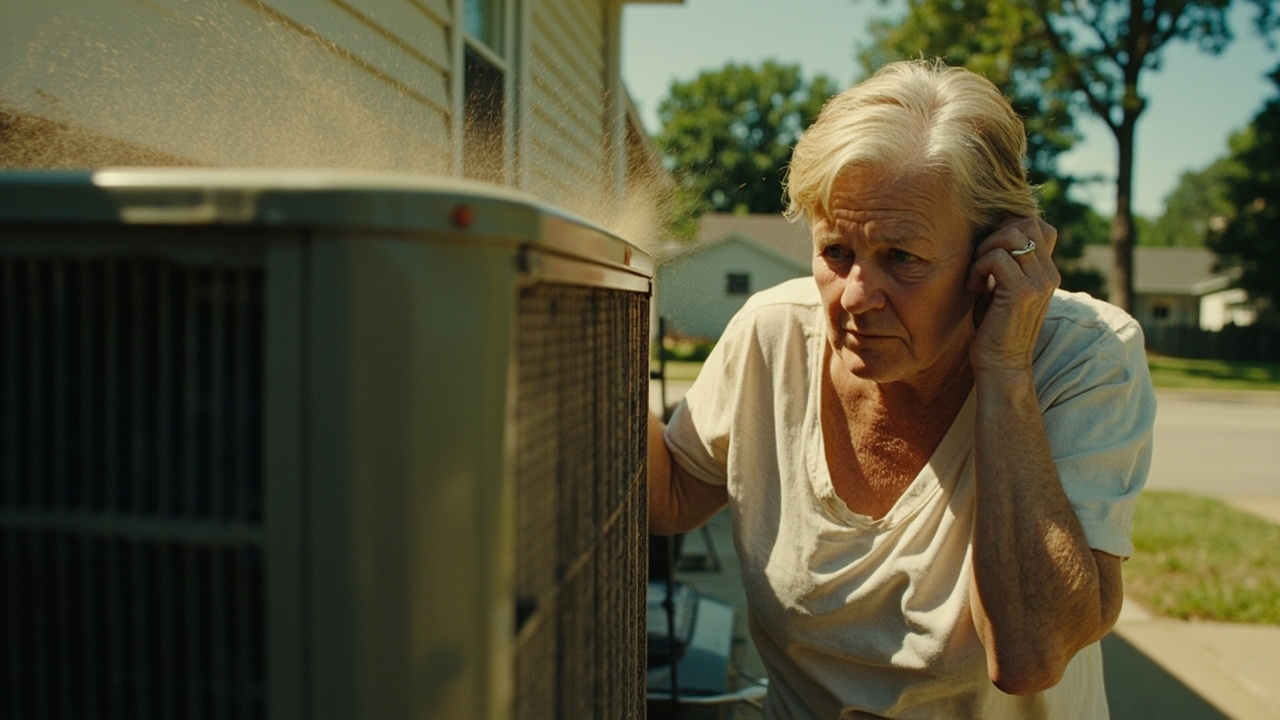
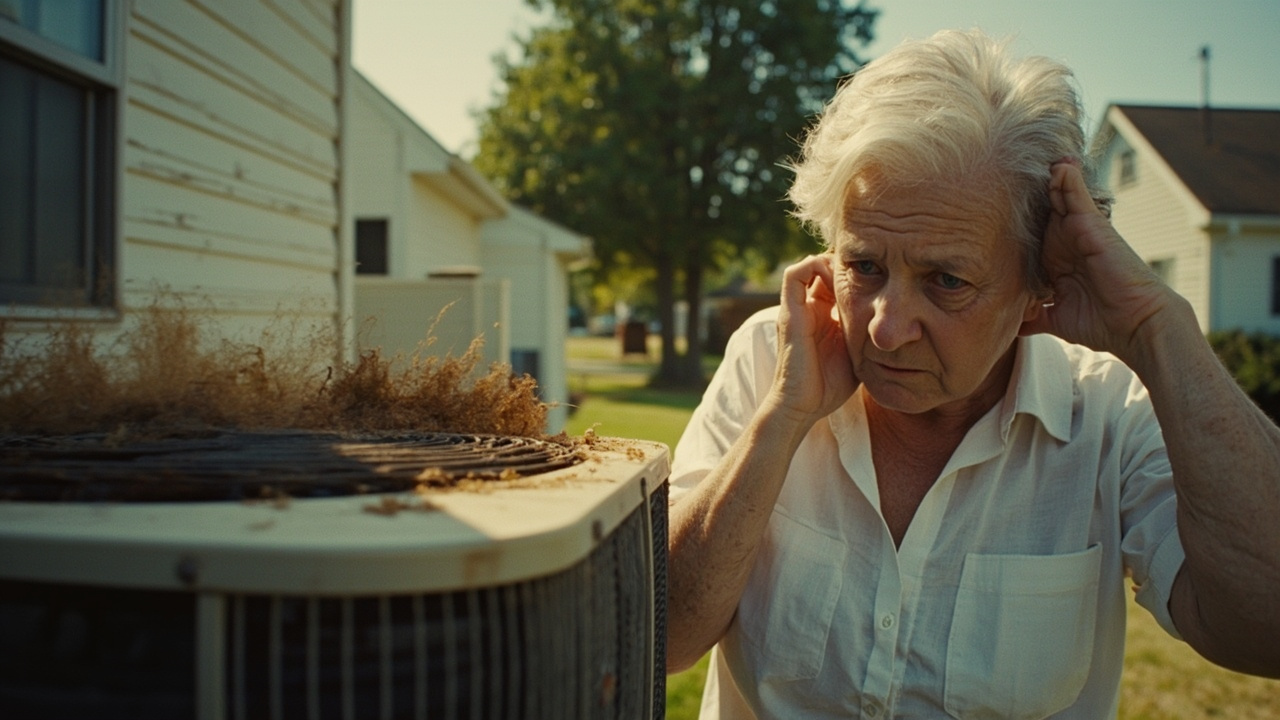
A sudden loud noise usually signals a loose or broken component inside your system. Common culprits include a failing blower motor, loose fan blades, or a worn compressor bearing. In St. Louis, debris from cottonwood trees and summer storms can clog your condenser fan or damage blades, causing rattling or grinding sounds. If you hear banging or screeching, shut down your unit immediately to prevent further damage. A technician needs to inspect your system to identify the exact source. Ignoring these noises leads to compressor failure, which costs thousands more to replace than fixing the initial problem.

What is the 3 minute rule for AC? +

The 3 minute rule prevents short cycling damage to your compressor. After your AC shuts off, you must wait at least 3 minutes before restarting it. This allows refrigerant pressure to equalize throughout the system. Restarting too quickly forces your compressor to work against high pressure, which wears out internal components and creates loud startup noises. St. Louis homeowners who frequently adjust their thermostats during temperature swings between 90 degree days and 70 degree nights risk this damage. Modern thermostats have built in delay features, but manual overrides can bypass this protection and shorten compressor lifespan.

What is the $5000 AC rule? +

The $5000 rule helps you decide between repair and replacement. If your AC is over 10 years old, multiply the repair cost by the age of your unit. If that number exceeds $5000, replacement makes more financial sense. For example, a $400 repair on a 13 year old unit equals $5200, suggesting replacement. In St. Louis, high humidity and seasonal temperature extremes reduce AC lifespan compared to milder climates. Factor in rising energy costs and newer SEER2 efficiency ratings when deciding. This rule serves as a guideline, not an absolute directive, but helps homeowners avoid throwing money into aging equipment.

What does an AC compressor sound like when it's going bad? +

A failing compressor makes distinct sounds that signal expensive trouble. You will hear a grinding or rattling noise from the outdoor unit, indicating worn internal bearings. A clicking sound that repeats without the compressor starting means electrical relay failure. Humming or buzzing suggests the compressor struggles to start but cannot overcome internal resistance. In St. Louis, clay soil movement can tilt outdoor pads, causing compressor strain and abnormal sounds. If you hear screeching metal, the compressor motor bearings have likely failed. Shut down your system immediately when you hear these noises. Continuing to run a bad compressor damages other components.

How to tell if an AC blower motor is going out? +

Blower motor failure shows up through multiple warning signs. Listen for squealing or grinding noises from your indoor unit, which indicate worn bearings. Weak airflow from vents despite a running system suggests the motor struggles to spin the fan. You might notice higher energy bills as the motor works harder. St. Louis homeowners often experience blower failure after high pollen seasons when dust clogs the motor and restricts airflow. If your system cycles on and off frequently or blows only warm air, the blower may overheat and shut down. Check your furnace filter first, then call a technician to test motor amperage.

How to quiet a noisy air conditioner? +

Start by replacing your air filter and clearing debris from your outdoor condenser unit. St. Louis cottonwood seeds and grass clippings accumulate quickly around condenser fins, causing the fan to work harder and louder. Tighten loose panels on your outdoor unit that rattle in wind. Install vibration dampening pads under your condenser to reduce noise transmission. If noise persists, the issue involves internal components like the compressor, fan motor, or blower wheel. Adding a sound blanket around your compressor helps mask noise but does not fix mechanical problems. Professional diagnosis identifies whether your noise source requires repair or replacement.

What are signs of a failing AC compressor? +

Watch for these compressor failure indicators beyond noise. Your AC runs constantly but fails to cool your home adequately. The circuit breaker trips repeatedly when your system starts. You notice warm air blowing from vents or no air movement at all. Your outdoor unit vibrates excessively or leaks refrigerant around connection points. St. Louis humidity makes compressor problems worse because the unit works overtime removing moisture from air. Check your outdoor unit for frost buildup on refrigerant lines, which signals pressure problems. Hard starting, where lights dim when your AC kicks on, means the compressor draws excessive amperage and will fail soon.

How cool should my house be if it's 100 outside? +

Expect your indoor temperature to stay 15 to 20 degrees cooler than outside temperature during extreme heat. If it reaches 100 degrees outside, your home should maintain 80 to 85 degrees. St. Louis summer heat and humidity strain systems beyond their design limits. Older homes with poor insulation or west facing windows struggle more. Your AC removes heat gradually, not instantly. Setting your thermostat to 72 during a heat wave forces your compressor to run nonstop without reaching setpoint. This wastes energy and shortens equipment life. Instead, use ceiling fans and close blinds during peak sun hours to help your system maintain comfort.

Why is my AC set at 74 but reads 78? +

A 4 degree temperature gap between your setpoint and actual reading signals problems. Your system may lack sufficient refrigerant due to a leak, reducing cooling capacity. Dirty evaporator coils restrict airflow and heat transfer, preventing your system from reaching setpoint. In St. Louis homes, inadequate insulation or air leaks allow hot, humid outdoor air to infiltrate faster than your AC removes it. An undersized system for your square footage will run continuously without catching up. Check your air filter first, then inspect your outdoor unit for dirt buildup. If your system runs nonstop, call a technician to check refrigerant levels and airflow.

Can I write off my new AC unit on my taxes? +

You can claim a tax credit for qualifying high efficiency AC units under the Inflation Reduction Act. New systems meeting SEER2 efficiency requirements qualify for up to 30 percent of the cost, with specific caps depending on equipment type. St. Louis homeowners replacing older units often qualify for these federal credits plus potential utility rebates from Ameren or Spire. Keep all receipts and manufacturer certification statements for your tax preparer. The credit applies only to existing homes, not new construction. Medical necessity deductions for AC exist in rare cases with doctor documentation. Consult a tax professional about your specific situation before purchasing.

How St. Louis Humidity and Temperature Swings Accelerate HVAC Noise Problems

St. Louis sits at the confluence of the Mississippi and Missouri Rivers, which creates high humidity levels year-round. Summer humidity regularly hits 80 percent, and winter humidity inside heated homes drops to 20 percent. This constant moisture cycling rusts blower motors, corrodes electrical connections, and causes expansion and contraction in metal components. That expansion creates stress cracks, loosens mounting hardware, and wears out bearings faster. The freeze-thaw cycle in winter compounds the problem. When your furnace heats metal components and then they cool rapidly in sub-zero temperatures, the repeated stress weakens welds and cracks heat exchangers. These conditions make noisy HVAC systems more common in St. Louis than in drier or more temperate climates.

Keystone HVAC St. Louis has been servicing homes in Tower Grove, Kirkwood, Webster Groves, and throughout St. Louis County for years. We understand the specific challenges this climate creates for HVAC equipment and we know which components fail most often in local conditions. Our technicians are trained on the building codes and construction styles common to St. Louis homes, from the brick bungalows in South City to the mid-century ranch homes in Affton. We stock the parts that break most frequently in this region, which means faster repairs and less downtime. When you hire a local company that understands the local environment, you get better diagnostics and longer-lasting repairs.
HVAC Services in The St. Louis Area

Our service area spans across the St. Louis metropolitan area and surrounding communities. We’re dedicated to bringing our top-quality HVAC services directly to your doorstep. Use the map to see our coverage and feel free to contact us with any questions about whether we can service your specific location. We’re always here to help you find the comfort solutions you need.

Address:
Keystone HVAC St. Louis, 4452 Manchester Ave, St. Louis, MO, 63110

Additional Services We Offer

Our news updates

Latest Articles & News from The Blogs

Does Your Maryland Heights Attic Have Enough Ventilation for the Summer Heat? Your Maryland Heights attic can reach 150°F on…

Does Your Maryland Heights Attic Have Enough Ventilation for the Summer Heat?

Does Your Maryland Heights Attic Have Enough Ventilation for the Summer Heat? Your Maryland Heights attic can reach 150°F on…

What That Strange Metallic or Burning Plastic Smell from Your Furnace Actually Means

What That Strange Metallic or Burning Plastic Smell from Your Furnace Actually Means If your furnace smells like burning plastic…

Why Closing Vents in Unused Rooms Is Actually Hurting Your Ladue Home

Many Ladue homeowners close vents in unused rooms to save money on energy bills. This common practice seems logical at…

Contact Us

Your noisy HVAC system will not fix itself. Call Keystone HVAC St. Louis today at (314) 417-7771 for same-day diagnosis and repair. We find the problem, fix it right, and get your system running quietly again.