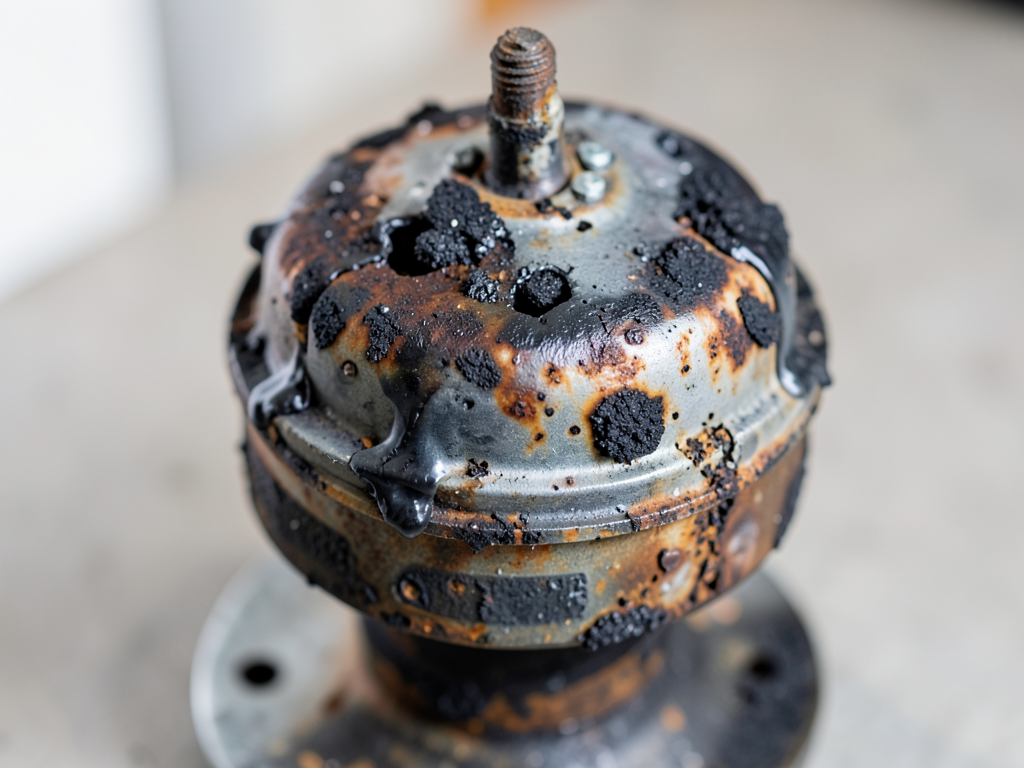
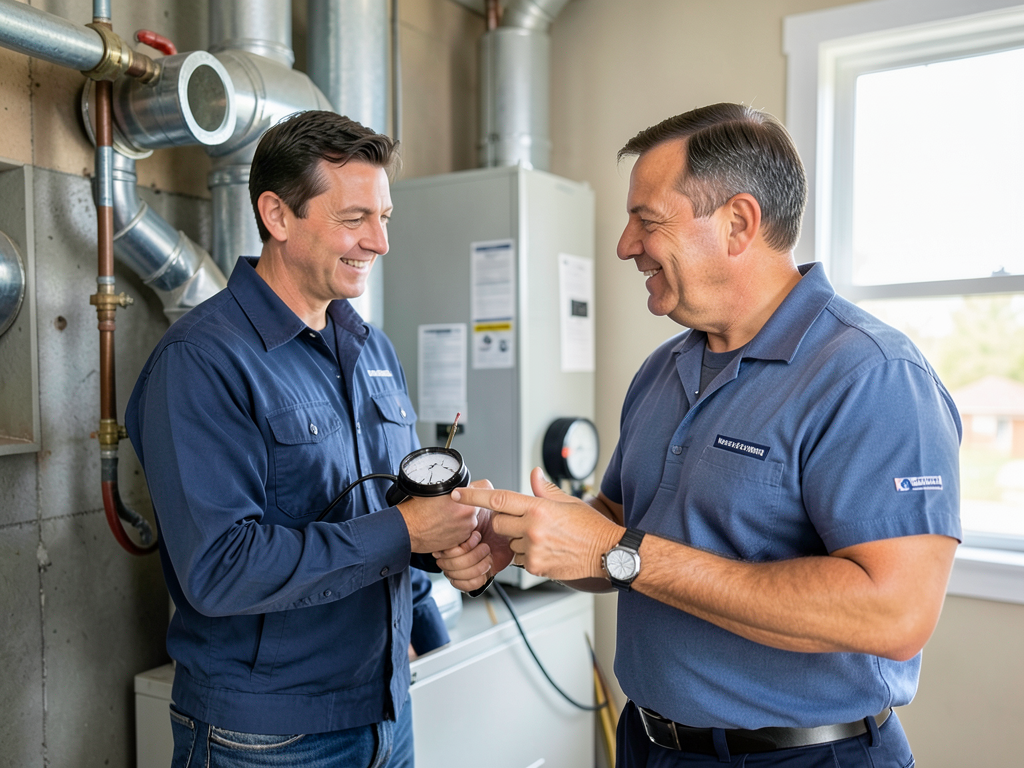
We arrive with diagnostic tools designed for forced-air systems. Our technicians use a digital multimeter to test voltage at the thermostat, transformer, and control board. We check continuity across safety switches, including the limit switch and rollout switches. A combustion analyzer measures flue gas temperature and carbon monoxide levels, revealing incomplete combustion or venting problems.
We inspect the flame sensor with a fine abrasive pad, removing oxidation that prevents the sensor from detecting flame presence. If the pilot light is out, we check the thermocouple or hot surface ignitor. These components fail after years of thermal cycling. A damaged ignitor will glow but fail to reach the temperature needed to open the gas valve.
We measure static pressure in the duct system using a manometer. High static pressure indicates a clogged filter, closed dampers, or undersized ductwork. Low static pressure points to duct leaks or disconnected supply runs. Both conditions prevent proper heat distribution.
The blower motor receives a full inspection. We measure amp draw to detect worn bearings or capacitor failure. A weak capacitor causes the motor to run slowly, reducing airflow below the threshold needed to trigger the limit switch. The furnace shuts down before heat reaches the registers.
We examine the heat exchanger with a video inspection camera, looking for cracks or rust-through. A compromised heat exchanger fails the safety test. We red-tag the unit and explain replacement options.
Gas pressure testing confirms proper manifold pressure at the burners. Low gas pressure causes weak flames and incomplete heating. We adjust the regulator or contact the utility company if meter pressure is insufficient.
After identifying the failure point, we explain the repair in plain terms. You understand what broke, why it broke, and what we need to do to restore heat.