Menu

Rapid Response Cooling in St. Louis – Emergency AC Repair Within 60 Minutes, 24/7

When your cooling system fails during a St. Louis heat wave, you need immediate help. Our emergency AC technicians are dispatched within minutes, arriving with fully stocked trucks to restore your comfort fast.

Slider Image 1
Slider Image 2
Slider Image 3
Slider Image 4
Slider Image 5
Slider Image 7
Slider Image 8
Slider Image 9
Slider Image 10
Slider Image 11

When Your AC Fails During a St. Louis Summer

St. Louis summers hit hard. Heat index readings regularly climb above 105 degrees, and the humidity makes it feel even worse. When your air conditioner stops working during a July afternoon, it becomes a health emergency within hours.

Your home heats up fast. Indoor temperatures can reach 95 degrees in under three hours without cooling. Elderly family members face heat exhaustion risk. Pets suffer. You cannot sleep. Medications that require cool storage become unsafe.

The combination of St. Louis's Mississippi River valley humidity and urban heat island effect in neighborhoods like Tower Grove and Soulard creates dangerous conditions. Your body cannot cool itself effectively when indoor humidity exceeds 60 percent.

Emergency AC repair becomes urgent when you face these conditions. Waiting until Monday or hoping the system fixes itself puts your family at risk.

Our rapid response cooling service operates 24/7 because cooling emergencies do not wait for business hours. We dispatch technicians within minutes of your call. Our trucks carry the most common compressor parts, refrigerant, capacitors, and contactors needed for immediate AC service.

Most urgent air conditioning service calls in St. Louis stem from electrical failures, refrigerant leaks, or compressor breakdowns. These failures accelerate during extreme heat because systems run continuously. The equipment cannot handle the sustained load.

You need 24/7 cooling repair from technicians who understand how St. Louis climate conditions stress HVAC systems differently than moderate climates.

When Your AC Fails During a St. Louis Summer
How We Deliver Emergency Cooling Repairs

How We Deliver Emergency Cooling Repairs

Our emergency AC repair process starts the moment you call. We do not use answering services or callback systems. A live dispatcher answers, gathers your symptoms, and sends the nearest available technician immediately.

Our trucks function as mobile repair centers. Each vehicle carries a full inventory of compressor start components, run capacitors, contactors, transformer assemblies, and refrigerant in multiple types including R-410A and R-22. We stock thermal expansion valves, reversing valves for heat pumps, and blower motor assemblies.

The technician arrives and performs a rapid diagnostic sequence. We check voltage at the disconnect, measure amperage draw on the compressor and condenser fan, test capacitor microfarads, and verify refrigerant pressures on both high and low sides.

Most failures stem from predictable stress points. Compressor start capacitors fail frequently during sustained heat because they cycle constantly. Contactor points weld closed or burn open. Refrigerant leaks develop at brazed joints on the lineset or evaporator coil connections.

We repair the failure on site when possible. If your compressor has seized or your evaporator coil has corroded through, we explain your options clearly. We provide temporary cooling solutions while you decide on replacement.

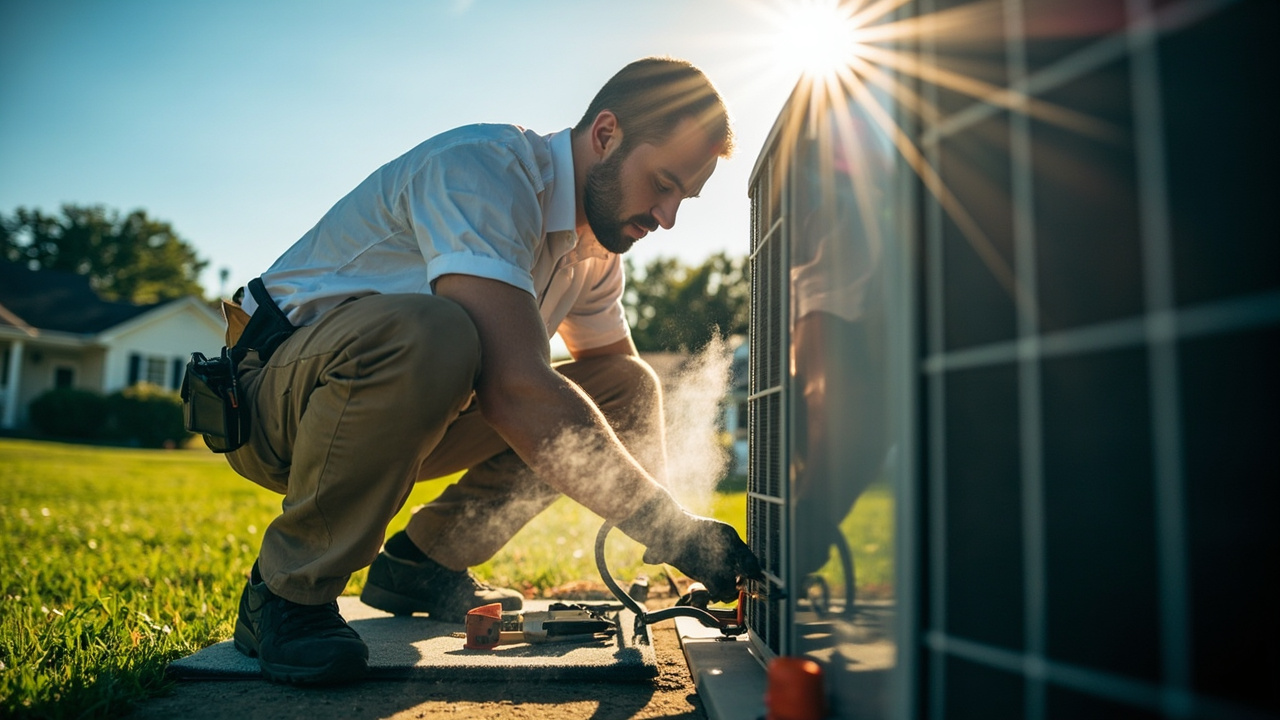
Our technicians carry refrigerant leak detectors, digital manifold gauges, and micron vacuum pumps for immediate service completion. We do not make multiple trips for tools or parts on emergency calls.

For commercial properties in Clayton or the Central West End, we understand business continuity requirements. We prioritize getting partial cooling restored while we complete full repairs.

What Happens When You Call for Emergency Cooling

Rapid Response Cooling in St. Louis – Emergency AC Repair Within 60 Minutes, 24/7
01

Immediate Dispatch

You reach a live dispatcher who logs your address and cooling emergency details. We send the closest available technician with a target arrival time of 60 minutes or less. You receive a callback with the technician's name and estimated arrival window. No waiting until tomorrow. No scheduling callbacks during business hours.
02

Rapid System Diagnosis

The technician performs a complete electrical and refrigerant system analysis. We test compressor functionality, verify proper airflow across the evaporator coil, measure superheat and subcooling, and identify the exact failure point. You receive a clear explanation of what failed, why it failed, and what we need to do to restore cooling immediately.
03

On-Site Repair Completion

We complete the repair using parts from our truck inventory. The technician tests system operation under load, verifies proper refrigerant charge, confirms correct amperage draw, and ensures your thermostat communicates properly with the equipment. You get cold air flowing before we leave. We clean up completely and provide documentation of all work performed.

Why St. Louis Homeowners Choose Keystone HVAC for Emergency Cooling

We operate in St. Louis full time. Our technicians understand how the region's climate pattern stresses cooling equipment differently than other areas. The spring humidity surge, the sustained July and August heat, and the quick temperature swings in September all create specific failure modes.

St. Louis sits in a valley. The Mississippi River adds moisture to the air constantly. Your air conditioner must remove that humidity while cooling your home. This dual load stresses the evaporator coil and compressor more than dry heat climates.

Older neighborhoods like Lafayette Square and Benton Park have homes with inadequate ductwork. The cooling system works harder to push air through undersized returns. This increases static pressure and causes premature blower motor failure.

We know these patterns because we repair them daily. Our technicians recognize the symptoms immediately and carry the right parts.

Keystone HVAC St. Louis maintains relationships with commercial parts suppliers throughout the metro area. When we need a specialty component for an older system, we can source it quickly instead of ordering and waiting.

We also understand local building codes for refrigerant handling and electrical work. St. Louis requires specific permitting for refrigerant line modifications and condensing unit relocations. We handle that documentation correctly.

You get technicians who live and work in this community. We respond to neighborhoods from Webster Groves to Florissant to South City. We know the streets, the housing stock, and the common cooling problems in each area.

Emergency cooling repair requires local expertise and fast response. You get both when you call us.

What You Can Expect During an Emergency Cooling Call

Response Time and Availability

We answer calls 24 hours every day including weekends and holidays. Our dispatch system tracks technician locations in real time to send the closest available truck. Most customers in the St. Louis metro area receive service within 60 to 90 minutes of calling. During extreme heat events when call volume spikes, we communicate realistic arrival times upfront. You will not wait wondering when help arrives. We call with updates if conditions change.

Emergency Diagnostic Process

The technician performs a systematic evaluation of your cooling system starting with the thermostat and ending at the condensing unit. We check electrical connections, measure voltage and amperage, test capacitors and contactors, verify refrigerant charge, inspect the evaporator coil for restrictions, and evaluate blower operation. You receive a clear explanation of what component failed and what caused the failure. We identify whether the problem stems from a worn part, electrical issue, or refrigerant leak before recommending repairs.

Repair Quality and Completion

We use OEM replacement parts or approved equivalents that meet manufacturer specifications. Our technicians complete refrigerant system work according to EPA regulations including proper evacuation and charging procedures. We verify system operation under actual load conditions before leaving your home. You receive cold air flowing from your vents and confirmation that pressures, temperatures, and electrical readings fall within normal ranges. The repair gets done right the first time.

Follow-Up and Prevention

After emergency repairs, we provide recommendations for preventing future failures. Many emergency calls result from deferred maintenance or aging components that need replacement before they fail. We identify these issues during our diagnostic process and explain your options. You decide whether to address them immediately or schedule follow-up work. We also offer maintenance plans that include priority emergency response, which can be valuable during peak summer months when service demand is highest.

Frequently Asked Questions

You Have Questions,
We Have Answers

What does rapid cooling mean? +

Rapid cooling refers to emergency HVAC service that restores your indoor temperature quickly when your air conditioner fails. In St. Louis, where summer heat and humidity regularly push into the 90s, a broken AC is not just uncomfortable. It is dangerous. Rapid cooling means a technician arrives fast, diagnoses the problem, and gets cold air flowing again within hours, not days. This service prioritizes speed over scheduled appointments. You call. We come. We fix it. Whether your compressor failed or your refrigerant leaked, rapid cooling gets your home safe and livable again.

What is the $5000 AC rule? +

The $5000 AC rule is an IRS guideline stating that if your air conditioning repair or improvement costs less than $5000, you can deduct it as a rental property expense in the year you pay it. If the cost exceeds $5000, you must depreciate it over multiple years. This rule applies only to investment properties, not your primary residence. In St. Louis, where older homes often need major HVAC upgrades, landlords should track repair versus replacement costs carefully. Always consult a tax professional to confirm eligibility, especially after major system overhauls or full unit replacements.

What is the 3 minute rule for AC? +

The 3 minute rule for AC refers to the minimum wait time between compressor cycles. When your air conditioner shuts off, you should wait at least three minutes before restarting it. This pause allows refrigerant pressure to equalize inside the system. Restarting too quickly forces the compressor to work against high pressure, which damages internal components and shortens lifespan. In St. Louis, where AC units run hard during humid summers, ignoring this rule accelerates wear. If your system short cycles or trips breakers frequently, you need a technician to diagnose the issue before permanent damage occurs.

How cool should my house be if it's 100 outside? +

When outside temperatures hit 100 degrees in St. Louis, your AC can realistically cool your home to around 75 to 78 degrees, assuming your system is properly sized and maintained. Most residential air conditioners can lower indoor temps about 20 to 25 degrees below outdoor temps. If you set your thermostat to 68 and it never reaches that, your system is either undersized, low on refrigerant, or fighting ductwork leaks. During extreme heat, aim for 76 to 78 degrees to avoid overworking your unit. Close blinds, seal gaps, and run ceiling fans to help your AC keep up.

At what temperature do you stop rapid cooling? +

Rapid cooling protocols in emergency medicine typically stop when a patient's core body temperature drops to around 102 to 103 degrees Fahrenheit. Cooling too quickly or too far can cause complications like shivering or shock. For HVAC contexts, you stop cooling when your indoor temperature reaches your thermostat setpoint or when the system cycles off naturally. In St. Louis summers, homeowners often set thermostats too low after AC failure, forcing the system to run nonstop. Set a realistic target, like 76 degrees, and let the unit cycle properly. Continuous operation without cycling damages compressors and wastes energy.

When should you not use evaporative cooling? +

Evaporative cooling does not work in high humidity climates like St. Louis. These systems cool air by evaporating water, which only works when ambient humidity is low, typically below 50 percent. St. Louis summer humidity routinely exceeds 70 percent, making evaporative coolers ineffective and uncomfortable. You also should not use evaporative cooling indoors without proper ventilation, as it adds moisture to your air and can promote mold growth. Traditional refrigerant-based air conditioning is the only reliable option for St. Louis homes. If your AC fails, call for emergency service instead of rigging a swamp cooler that won't work here.

Can I write off my new AC unit on my taxes? +

You cannot write off a new AC unit on your taxes if you install it in your primary residence. The IRS does not allow deductions for home comfort improvements unless they qualify as medical expenses prescribed by a doctor or energy tax credits under specific federal programs. If you own rental property in St. Louis, you can deduct the AC unit as a business expense or depreciate it over time. Some high efficiency systems may qualify for federal energy credits, but those change yearly. Check IRS guidelines or speak with a tax advisor before assuming any HVAC purchase is deductible.

Does keeping the AC at 72 save money? +

Keeping your AC at 72 degrees does not save money. It costs more. Every degree below 78 increases your cooling costs by about 3 to 5 percent. In St. Louis, where summer humidity and heat push systems hard, setting your thermostat to 72 forces your air conditioner to run longer and work harder. This increases wear on your compressor and spikes your electric bill. Set your thermostat to 76 or 78 during the day and use ceiling fans to improve comfort. Lower it slightly at night when outdoor temps drop. You will save money without sacrificing livability.

What is the best month to buy an HVAC system? +

The best months to buy an HVAC system in St. Louis are late fall and early spring, typically October through April. Demand drops after summer and before the next cooling season, so contractors offer better pricing and faster installation schedules. Manufacturers also release rebates and promotions during off-peak months. Avoid buying during June, July, or August when demand surges and prices climb. If your system fails during peak summer, you pay emergency rates and face longer wait times. Plan ahead. Replace aging units before they fail, and schedule installation when technicians have availability and bargaining room exists.

Why is my AC set at 74 but reads 78? +

If your thermostat is set at 74 but reads 78, your AC cannot keep up with heat gain or has a mechanical problem. Common causes include low refrigerant, dirty coils, clogged filters, or undersized equipment. In St. Louis, high humidity makes your system work harder, and older homes with poor insulation bleed cool air fast. Check your air filter first. If it is clean, your system likely needs professional service. Refrigerant leaks, failing compressors, and duct leaks all prevent your AC from reaching setpoint. Call a technician to diagnose the issue before your system fails completely during peak heat.

Why St. Louis Heat and Humidity Create Urgent Cooling Failures

St. Louis experiences humid continental climate conditions that stress air conditioning equipment more than dry heat regions. When outdoor temperatures reach 95 degrees with 70 percent humidity, your AC system must work continuously to maintain indoor comfort. The compressor runs without cycling off, which causes start components like capacitors to overheat and fail. The evaporator coil processes moisture constantly, increasing the likelihood of drain line clogs that cause water damage. Emergency AC repair calls spike during July heat waves because equipment cannot sustain the continuous load demands.

Our technicians understand how St. Louis housing stock affects cooling system performance. Brick homes in older neighborhoods like The Hill retain heat differently than wood frame construction in newer subdivisions. Homes near Forest Park experience different overnight cooling than properties in concrete-heavy downtown areas. We know these patterns because we service them daily. Choosing a local HVAC provider means you get technicians who understand your specific cooling challenges and carry the parts needed to fix them immediately.
HVAC Services in The St. Louis Area

Our service area spans across the St. Louis metropolitan area and surrounding communities. We’re dedicated to bringing our top-quality HVAC services directly to your doorstep. Use the map to see our coverage and feel free to contact us with any questions about whether we can service your specific location. We’re always here to help you find the comfort solutions you need.

Address:
Keystone HVAC St. Louis, 4452 Manchester Ave, St. Louis, MO, 63110

Additional Services We Offer

Our news updates

Latest Articles & News from The Blogs

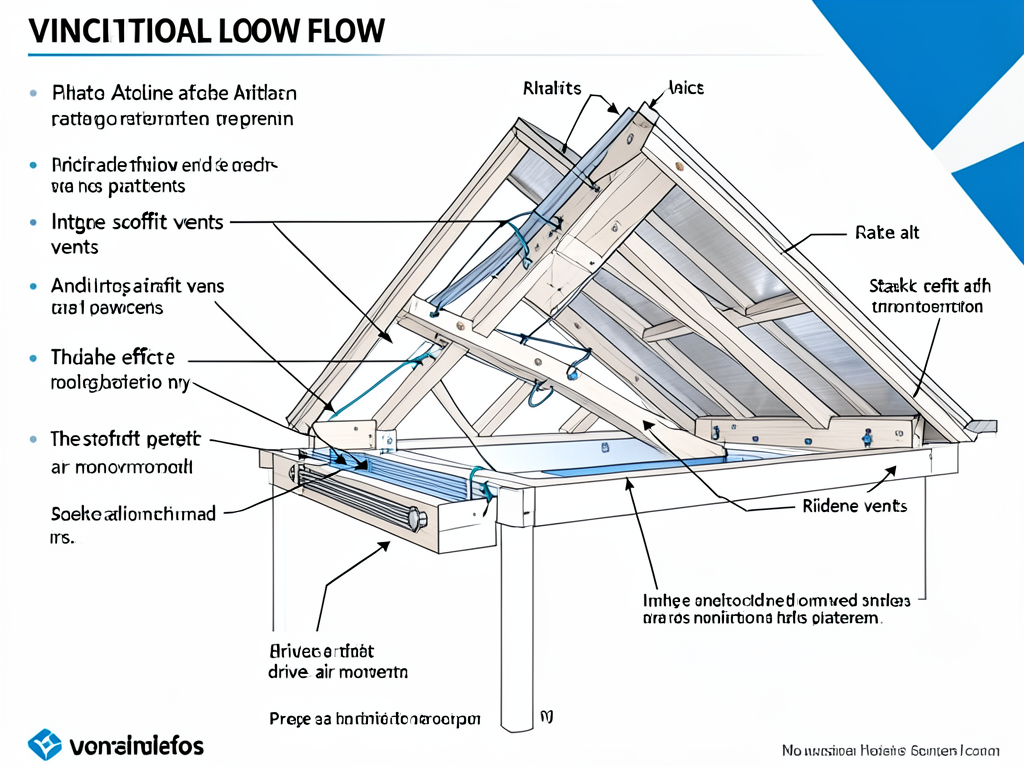
Does Your Maryland Heights Attic Have Enough Ventilation for the Summer Heat? Your Maryland Heights attic can reach 150°F on…

Does Your Maryland Heights Attic Have Enough Ventilation for the Summer Heat?

Does Your Maryland Heights Attic Have Enough Ventilation for the Summer Heat? Your Maryland Heights attic can reach 150°F on…

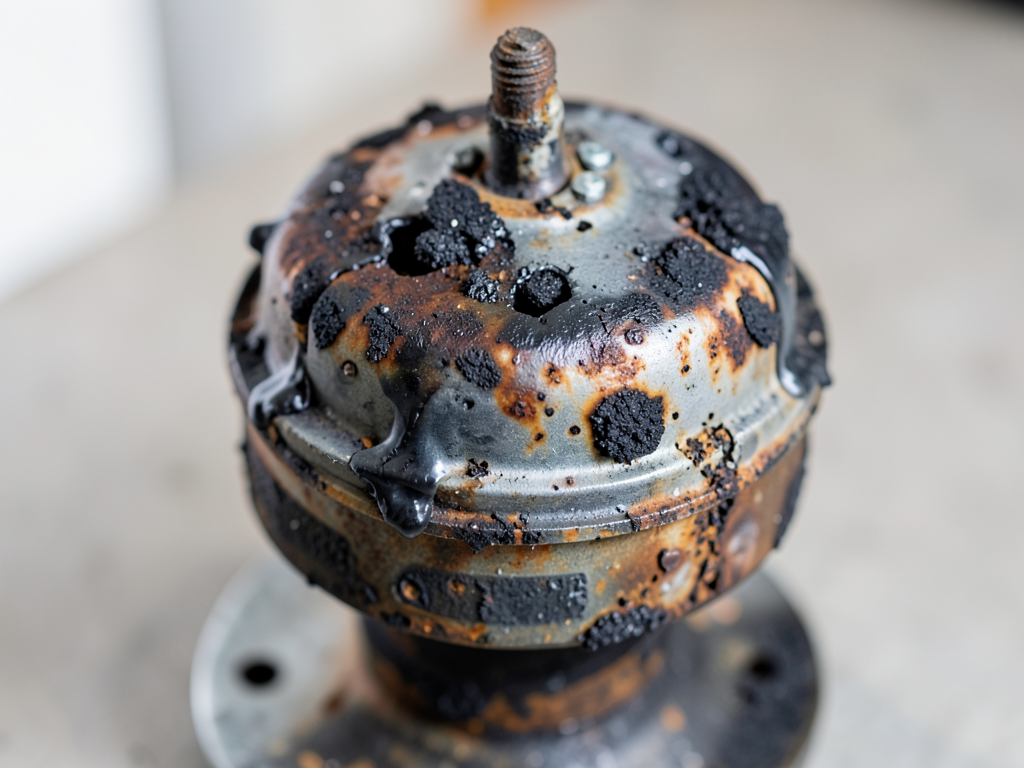
What That Strange Metallic or Burning Plastic Smell from Your Furnace Actually Means

What That Strange Metallic or Burning Plastic Smell from Your Furnace Actually Means If your furnace smells like burning plastic…

Why Closing Vents in Unused Rooms Is Actually Hurting Your Ladue Home

Many Ladue homeowners close vents in unused rooms to save money on energy bills. This common practice seems logical at…

Contact Us

Your family should not suffer through another hour without air conditioning. Call Keystone HVAC St. Louis now at (314) 417-7771 for immediate emergency cooling repair. We answer 24/7 and dispatch technicians within minutes. Get your home cool again fast.