Menu

Emergency Compressor Failure Repair in St. Louis – 24/7 Response, Same-Day Service Available

When your AC compressor fails in St. Louis's extreme heat, you need immediate compressor failure repair from technicians who understand local climate demands and can restore cooling fast.

Slider Image 1
Slider Image 2
Slider Image 3
Slider Image 4
Slider Image 5
Slider Image 7
Slider Image 8
Slider Image 9
Slider Image 10
Slider Image 11

Why AC Compressors Fail More Often in St. Louis's Climate

Your air conditioner stopped working. The outdoor unit hums but nothing cools. The compressor seized. You need help now, not tomorrow.

St. Louis's weather accelerates compressor failure. Summer temperatures regularly hit 95 degrees with 70 percent humidity. Your compressor runs harder and longer than units in milder climates. The freeze-thaw cycle from November through March stresses refrigerant lines and electrical connections. Clay soil shifts under concrete pads, causing vibration damage to compressor mounts. These conditions shorten compressor life by years.

A broken AC compressor means zero cooling capacity. The compressor is the heart of your refrigeration cycle. When it fails, refrigerant stops circulating. Your home becomes dangerously hot within hours during a St. Louis heat wave. Children, elderly family members, and pets face heat-related health risks.

Common failure signs include loud grinding noises, hard starts where the unit struggles to turn on, circuit breakers that trip repeatedly, and warm air from vents. A seized AC compressor often results from electrical burnout, refrigerant leaks that cause overheating, or mechanical wear from years of operation. Attempting AC compressor replacement without proper evacuation and recharge equipment causes system contamination and voids remaining warranties.

You need qualified technicians who perform HVAC compressor burnout repair correctly. Amateur work leads to repeat failures, refrigerant loss, and higher costs. When you fix a broken AC compressor, the entire refrigerant circuit must be flushed, tested for leaks, and recharged to manufacturer specifications.

Why AC Compressors Fail More Often in St. Louis's Climate
How Professional Air Conditioner Compressor Repair Restores Your System

How Professional Air Conditioner Compressor Repair Restores Your System

Compressor diagnosis requires pressure testing, amp draw measurement, and refrigerant analysis. We start with electrical testing to confirm the compressor motor is open, shorted, or grounded. A megohm meter tests winding resistance. Pressure gauges measure suction and discharge line pressures against ambient temperature charts.

If the compressor failed due to burnout, contaminated oil circulates through your entire system. Black, acidic oil coats the evaporator coil, condenser coil, and expansion valve. Replacing only the compressor without addressing contamination guarantees another failure within months. We install filter driers, flush refrigerant lines with nitrogen, and verify oil acidity levels before installing the replacement compressor.

AC compressor replacement involves refrigerant recovery using EPA-certified equipment, brazing new copper lines with nitrogen purge to prevent oxidation, vacuum testing to 500 microns to remove all moisture and air, and precise refrigerant charging by weight or subcooling method. St. Louis's high humidity makes vacuum procedures critical. Any moisture left in the system mixes with refrigerant and forms hydrochloric acid that corrodes copper lines and compressor windings.

We test the new compressor under load, monitoring amp draw, superheat, and subcooling values. The outdoor fan motor and capacitor get tested because electrical issues often damage multiple components. We verify the condensate drain flows freely since St. Louis humidity produces gallons of condensate daily.

Your system gets returned to factory specifications. The repair includes startup documentation showing pressure readings, electrical values, and refrigerant charge weight for future service reference.

What Happens During Your Emergency Compressor Repair

Emergency Compressor Failure Repair in St. Louis – 24/7 Response, Same-Day Service Available
01

Immediate Diagnostic Assessment

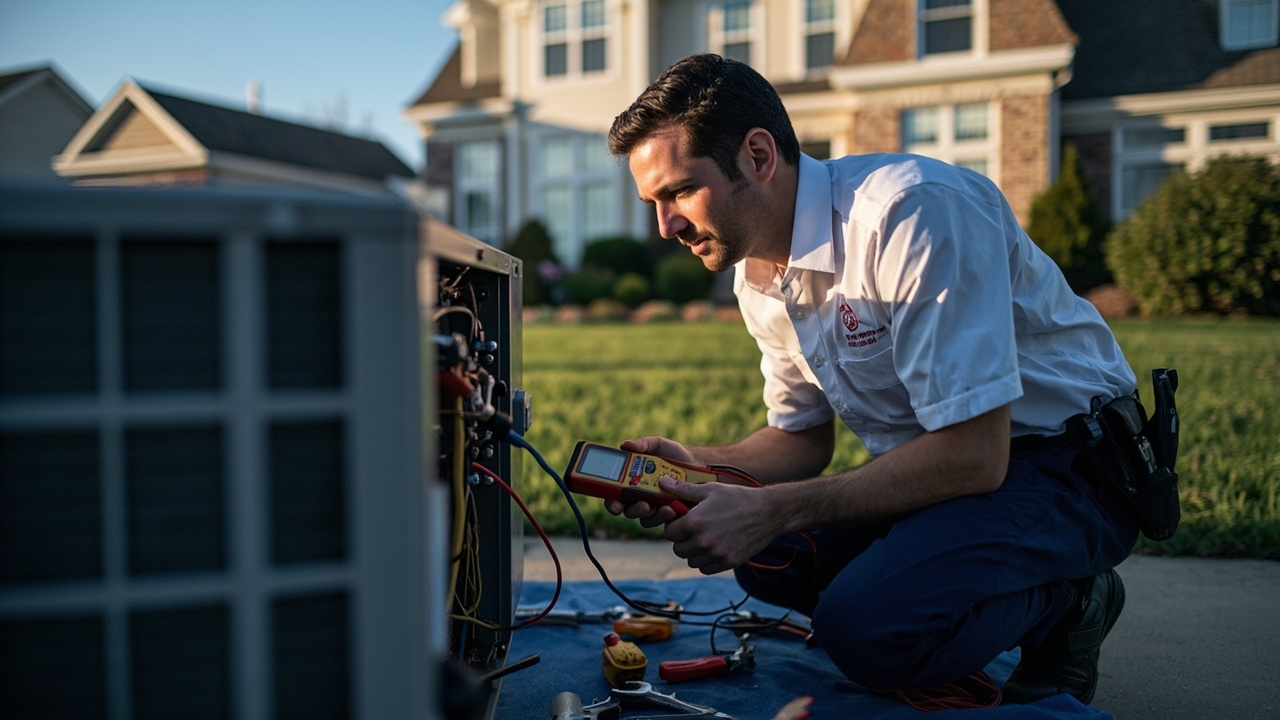
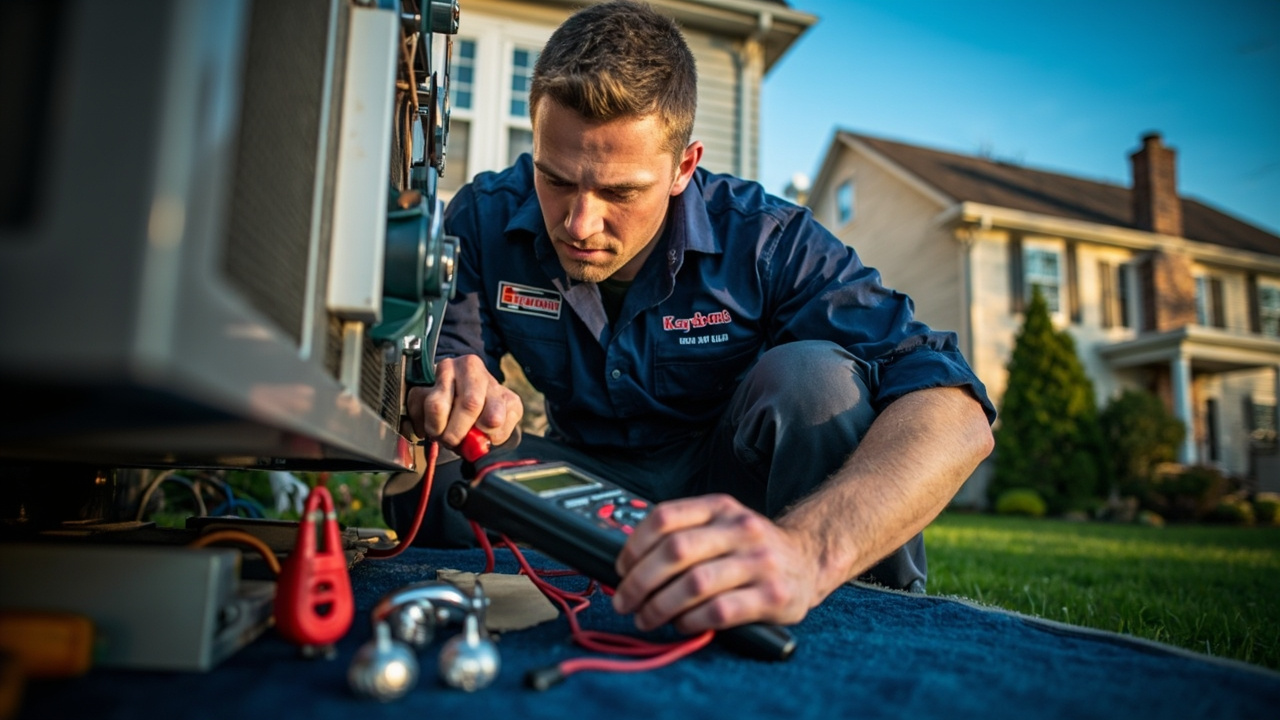
Our technician arrives with manifold gauges, electrical meters, and refrigerant identifiers. We test compressor windings for electrical continuity, measure operating pressures if the unit runs, and check for refrigerant leaks using electronic detectors. This diagnostic phase takes 20 to 30 minutes and determines whether you need compressor replacement or if another component caused the shutdown. You receive a detailed explanation with pressure readings and electrical measurements.
02

Compressor Replacement Execution

We recover refrigerant, disconnect electrical connections, and cut the old compressor out. New copper lines get brazed with silver solder while flowing nitrogen to prevent oxidation scale. Filter driers remove contamination. The system gets evacuated to deep vacuum levels, then recharged with the exact refrigerant type and weight specified on your unit's data plate. We use digital scales for precise charging because overcharging damages the new compressor.
03

System Testing and Verification

The new compressor runs under full load while we monitor suction pressure, discharge pressure, amp draw, and temperature split across the evaporator coil. We verify the outdoor fan cycles properly and the condensate drains freely. You receive documentation showing all test results and refrigerant charge specifications. Your system is tested against St. Louis's ambient conditions to confirm it meets cooling capacity ratings before we leave your property.

Why St. Louis Homeowners Trust Keystone HVAC for Compressor Failures

Emergency compressor failure demands technicians who carry replacement compressors on their trucks, not companies that schedule repairs three days out. We stock common residential compressor models for Carrier, Trane, Lennox, Rheem, and Goodman systems. Our trucks carry brazing equipment, vacuum pumps, refrigerant recovery machines, and digital manifolds.

St. Louis's building stock includes homes from the 1920s through new construction. Older homes in neighborhoods like Shaw and Tower Grove South have undersized electrical panels and inadequate grounding. We verify your electrical service can handle compressor inrush current before installation. Clay soil movement in areas near the Mississippi River floodplain requires compressor pad leveling and vibration isolation. We understand these local factors because we work in these neighborhoods daily.

You need technicians who follow EPA Section 608 refrigerant handling regulations and understand warranty requirements. Improper installation voids compressor warranties. Manufacturers require documentation proving proper evacuation, refrigerant charging, and startup procedures. We provide this documentation because warranty claims without it get denied.

Many companies suggest replacing the entire outdoor unit when only the compressor failed. This recommendation makes sense if your system is 12 years old, but a five-year-old unit with a failed compressor benefits from replacement rather than full system change. We give you honest assessments based on equipment age, efficiency ratings, and repair costs versus replacement costs.

Our experience with St. Louis's extreme temperature swings, high humidity, and electrical storm frequency means we anticipate problems other companies miss. We test for weak capacitors, corroded electrical connections, and restricted airflow that contributed to the original compressor failure.

What to Expect During Emergency Compressor Repair Service

Same-Day Emergency Response

We dispatch technicians within two hours for emergency compressor failures. Most repairs complete in four to six hours depending on system accessibility and contamination levels. If we cannot complete the repair same-day due to parts availability, we provide temporary cooling solutions or priority scheduling for next morning completion. Our trucks stock the most common compressor models for residential systems. You receive status updates throughout the repair process so you know exactly when your cooling will be restored.

Comprehensive System Evaluation

Compressor failure rarely happens in isolation. We test your capacitor, contactor, and outdoor fan motor because electrical problems damage multiple components simultaneously. The indoor evaporator coil gets inspected for contamination from compressor burnout. We check refrigerant line insulation, electrical connections, and condensate drainage. St. Louis's humidity causes drain line clogs that lead to water damage. You receive a complete system assessment identifying any issues that could cause future failures or reduce cooling efficiency.

Professional Installation Standards

Your replacement compressor gets installed using manufacturer-approved procedures. We use silver solder brazing, not soft solder, because St. Louis's temperature extremes require strong joints. Nitrogen purge during brazing prevents oxidation that contaminates refrigerant circuits. Digital vacuum gauges confirm deep vacuum levels before refrigerant charging. The system gets leak tested at operating pressures. All electrical connections use proper wire sizing and heat-resistant insulation. Your installation meets local electrical code and manufacturer warranty requirements.

Service Documentation and Follow-Up

You receive detailed documentation showing refrigerant type, charge weight, pressure readings, electrical measurements, and vacuum test results. This documentation proves proper installation for warranty claims. We provide maintenance recommendations specific to your system and St. Louis's climate. Your compressor replacement includes a follow-up check within 30 days to verify the system operates correctly under varying load conditions. We test refrigerant charge, electrical components, and airflow to catch any developing issues before they cause another failure.

Frequently Asked Questions

You Have Questions,
We Have Answers

Can a faulty compressor be fixed? +

Yes, but not always. Minor compressor issues like electrical problems, faulty capacitors, or refrigerant leaks can be repaired. However, internal mechanical failure, burned windings, or seized pistons usually require full replacement. A qualified HVAC technician will test the compressor, check voltage, inspect refrigerant levels, and assess whether repair makes financial sense. St. Louis humidity accelerates wear on AC components, so compressors often fail suddenly during peak summer demand. If your unit is over 10 years old or the compressor is under warranty, replacement typically makes more sense than patching a failing component.

What is the $5000 rule for AC? +

The 5000 dollar rule is a cost-benefit decision tool. Multiply your system age by the repair cost. If the result exceeds 5000, replace the entire unit instead of repairing. For example, a 12-year-old AC needing a 600 dollar compressor repair equals 7200, suggesting replacement. This rule helps St. Louis homeowners avoid throwing money at aging equipment that will fail again soon. Modern high-efficiency systems also lower utility bills significantly in our humid climate, where air conditioners run hard from May through September. Always get a second opinion before committing to expensive repairs on older systems.

How much does it cost to fix an AC compressor? +

Compressor replacement in St. Louis typically ranges based on unit size, refrigerant type, and labor complexity. Expect costs to include the compressor itself, refrigerant recovery and recharge, labor, and potential electrical upgrades. R-410A systems differ from older R-22 units, which face refrigerant scarcity. Emergency repairs during July heat waves cost more than off-season service. Many homeowners discover additional issues during compressor replacement, like failing contactors or worn line sets. Get three written estimates from licensed contractors familiar with St. Louis building codes. Warranty coverage can reduce out-of-pocket expense if the compressor failed prematurely.

What is the most common cause of compressor failure? +

Refrigerant leaks cause most compressor failures. Low refrigerant forces the compressor to run harder, overheating the motor and causing mechanical breakdown. St. Louis homes face additional risk from dirty condenser coils caked with cottonwood seeds, pollen, and humidity-driven algae growth. Electrical issues like voltage spikes, faulty capacitors, or loose wiring also damage compressors. Lack of maintenance accelerates failure. Systems running without regular filter changes force the compressor to work overtime. Acid buildup from moisture contamination destroys internal components. If your AC struggles during startup or makes grinding noises, address it immediately before total compressor burnout occurs.

Is it worth it to repair a compressor? +

Only if the unit is under 8 years old and otherwise healthy. Compressor replacement costs nearly as much as a new system, so evaluate the entire unit. Check your warranty first. Many compressors carry 10-year coverage, significantly reducing replacement cost. Consider St. Louis energy costs. A new high-efficiency system cuts monthly bills by 20 to 40 percent compared to older units. If your evaporator coil, air handler, or ductwork also need work, replace everything. Patching a failing system delays the inevitable. However, a 3-year-old unit with a failed compressor under warranty absolutely warrants repair over premature replacement.

What is the 3 minute rule for AC? +

The 3 minute rule prevents compressor damage during rapid cycling. After your AC shuts off, wait 3 full minutes before restarting. This allows refrigerant pressure to equalize between the high and low sides of the system. Restarting too quickly forces the compressor to start against high head pressure, straining the motor and shortening its lifespan. St. Louis homeowners who frequently adjust thermostats or experience power flickers during summer storms risk compressor damage. Modern systems include time-delay relays to enforce this rule automatically. If your breaker trips repeatedly or the compressor struggles at startup, pressure imbalance may already be causing harm.

What AC units qualify for tax credit 2025? +

The 2025 Energy Efficient Home Improvement Credit covers central AC units meeting ENERGY STAR efficiency standards. Systems must have a SEER2 rating of 16 or higher, depending on region. St. Louis falls under the North region for tax credit purposes. Heat pumps with HSPF2 ratings of 7.8 or above also qualify. The credit covers 30 percent of equipment and installation costs, capped at specific limits. Keep manufacturer certification statements and receipts. Consult a tax professional to confirm eligibility based on your system specifications. Upgrading during compressor failure gives you a chance to capture significant federal tax savings while improving home comfort.

What is the average cost to replace a central AC unit? +

Central AC replacement in St. Louis depends on system size, efficiency rating, and installation complexity. A typical 3-ton system for a 1800 square foot home costs more than smaller units. High-efficiency models with SEER2 ratings above 16 carry higher upfront costs but lower operating expenses in our humid climate. Expect costs to include equipment, refrigerant lines, condensate drain setup, electrical work, permits, and disposal of the old unit. Historic St. Louis homes with challenging ductwork or electrical panels may face additional expenses. Always get multiple quotes from licensed contractors familiar with local building codes and permit requirements.

What is the average lifespan of an HVAC? +

HVAC systems last 15 to 20 years with proper maintenance. St. Louis climate shortens lifespan because units run hard through humid summers and cold winters. Systems without annual tune-ups fail earlier. Coastal humidity, extreme temperature swings, and power surges during thunderstorms accelerate component wear. Compressors typically fail first, followed by blower motors and capacitors. Units installed in shaded locations with clean condenser coils last longer than those baking in direct sun surrounded by debris. If your system is 12 years old and needs a major repair, replacement often makes better financial sense than prolonging an aging unit that will fail again soon.

Is it cheaper to replace the AC unit or the compressor? +

Usually replace the whole unit if it is over 10 years old. Compressor replacement costs 50 to 70 percent of a new system but only fixes one component. The evaporator coil, air handler, and refrigerant lines remain old and prone to failure. New systems offer better energy efficiency, reducing monthly bills in St. Louis heat. You also get a full warranty covering all parts. If your compressor is under warranty and the rest of the system is under 7 years old, replace just the compressor. Otherwise, investing in a complete system replacement avoids repeated repairs and delivers long-term savings and reliability.

How St. Louis Humidity and Temperature Extremes Accelerate Compressor Failure

St. Louis ranks among the most humid cities in the United States, with summer dew points regularly exceeding 70 degrees. Your AC compressor runs 30 to 40 percent longer than systems in dry climates because humid air requires more energy to dehumidify. This extended runtime generates excessive heat in compressor windings. Temperature swings from 95-degree July afternoons to 15-degree January mornings stress refrigerant seals and electrical connections. Clay soil throughout the St. Louis metro area expands and contracts with moisture changes, causing concrete pads to shift and tilt. A tilted compressor experiences uneven oil distribution and premature bearing wear.

We understand St. Louis mechanical codes and work with local inspectors on compressor replacements requiring electrical permits. Our technicians train on equipment common to this region and stock parts for systems installed by local builders. We know which neighborhoods have older electrical services that need upgrading before compressor replacement. This local knowledge prevents code violations, ensures proper electrical capacity, and reduces callbacks. You get service from technicians who work in your neighborhood regularly and understand the specific challenges St. Louis's climate and building stock create for HVAC systems.
HVAC Services in The St. Louis Area

Our service area spans across the St. Louis metropolitan area and surrounding communities. We’re dedicated to bringing our top-quality HVAC services directly to your doorstep. Use the map to see our coverage and feel free to contact us with any questions about whether we can service your specific location. We’re always here to help you find the comfort solutions you need.

Address:
Keystone HVAC St. Louis, 4452 Manchester Ave, St. Louis, MO, 63110

Additional Services We Offer

Our news updates

Latest Articles & News from The Blogs

Does Your Maryland Heights Attic Have Enough Ventilation for the Summer Heat? Your Maryland Heights attic can reach 150°F on…

Does Your Maryland Heights Attic Have Enough Ventilation for the Summer Heat?

Does Your Maryland Heights Attic Have Enough Ventilation for the Summer Heat? Your Maryland Heights attic can reach 150°F on…

What That Strange Metallic or Burning Plastic Smell from Your Furnace Actually Means

What That Strange Metallic or Burning Plastic Smell from Your Furnace Actually Means If your furnace smells like burning plastic…

Why Closing Vents in Unused Rooms Is Actually Hurting Your Ladue Home

Many Ladue homeowners close vents in unused rooms to save money on energy bills. This common practice seems logical at…

Contact Us

Your home is getting hotter. Call Keystone HVAC St. Louis now at (314) 417-7771 for same-day compressor failure repair. We answer 24/7 and dispatch immediately for emergencies.