Menu

Frozen AC Coil Repair in St. Louis – Same-Day Emergency Service to Restore Your Cooling Fast

When your AC evaporator coil freezes up, you need immediate help. Keystone HVAC St. Louis delivers rapid frozen AC coil repair with 24/7 emergency response to get your system running again.

Slider Image 1
Slider Image 2
Slider Image 3
Slider Image 4
Slider Image 5
Slider Image 7
Slider Image 8
Slider Image 9
Slider Image 10
Slider Image 11

Why Your AC Coils Freeze in St. Louis's Humid Climate

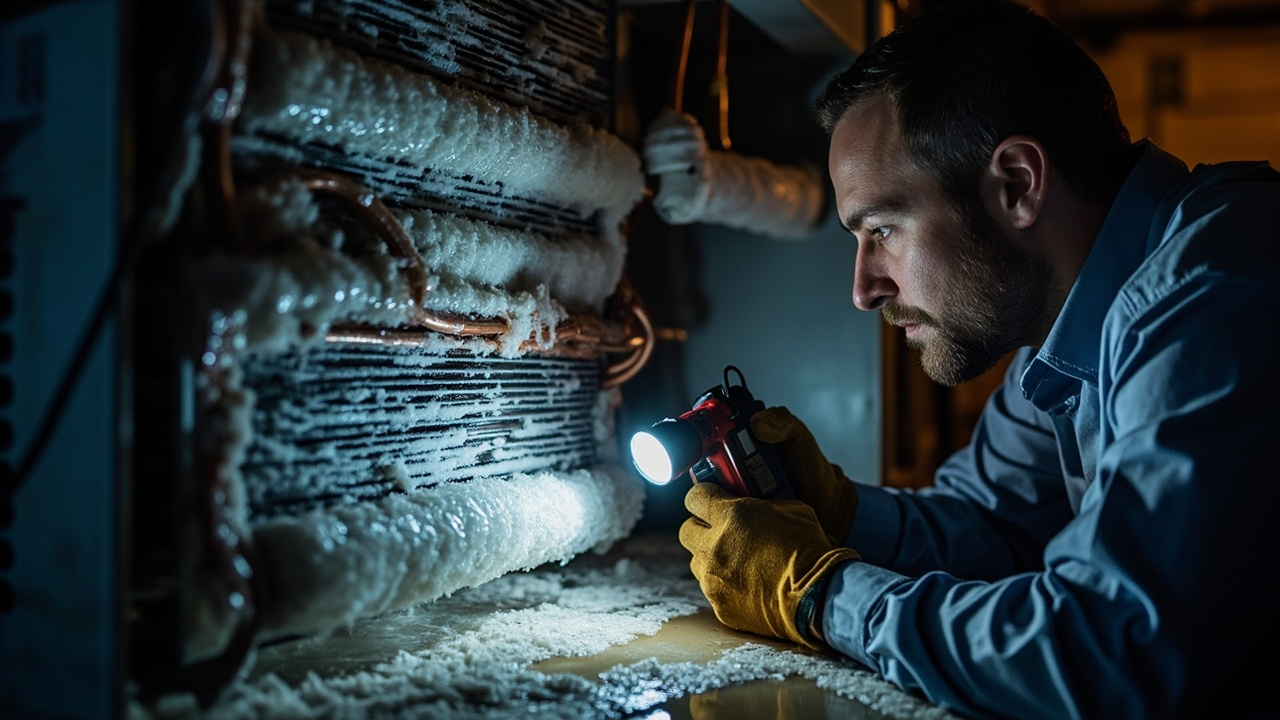
You walk downstairs and see ice caked on your air conditioner. The house feels warm. You hear the system running, but no cool air flows through the vents. This is frozen AC coil failure, and it happens fast in St. Louis.

The Gateway City's oppressive summer humidity combined with temperature swings creates the perfect conditions for emergency AC freeze up repair scenarios. When outdoor air hits 95 degrees with 70 percent humidity, your evaporator coil works overtime. If airflow drops even slightly due to a dirty filter or low refrigerant, the coil temperature plummets below freezing. Moisture in the air instantly turns to ice.

St. Louis homeowners face unique freeze risks. The Mississippi River Valley traps humid air for days. Your AC runs constantly trying to keep up. One clogged filter or refrigerant leak triggers a cascade. The coil ices over. The compressor strains. The system shuts down.

You cannot chip the ice off. You cannot pour hot water on it. Attempting DIY fixes damages refrigerant lines and bends delicate aluminum fins. What you need is professional iced up air conditioner service from technicians who understand St. Louis HVAC systems.

Time matters. A frozen coil means no cooling during a heat advisory. Water drips onto floors as ice melts. The compressor overheats. Secondary damage spreads through the system. Every hour you wait increases repair costs and health risks for vulnerable family members.

Keystone HVAC St. Louis provides emergency frozen AC coil repair when you need it most. We diagnose the root cause, fix the immediate freeze, and prevent recurrence.

Why Your AC Coils Freeze in St. Louis's Humid Climate
How We Fix Frozen Air Conditioner Coils the Right Way

How We Fix Frozen Air Conditioner Coils the Right Way

Most companies tell you to turn off your AC and wait for the ice to melt. That wastes hours. It does nothing to solve why the coil froze. You get the same problem next week.

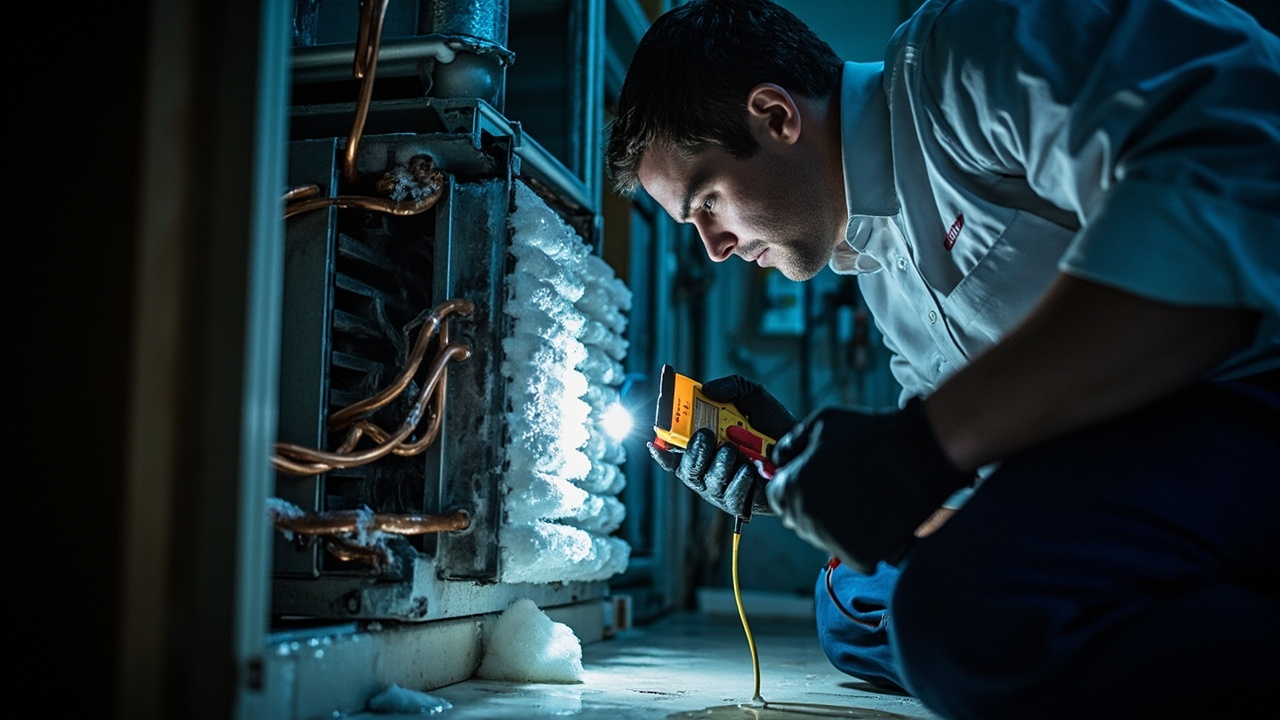
Our approach to repair frozen HVAC evaporator coils starts with immediate diagnosis. We arrive with refrigerant gauges, airflow meters, and thermal imaging cameras. Within 15 minutes, we identify whether you have a refrigerant leak, a blocked air handler, a failing expansion valve, or a malfunctioning blower motor.

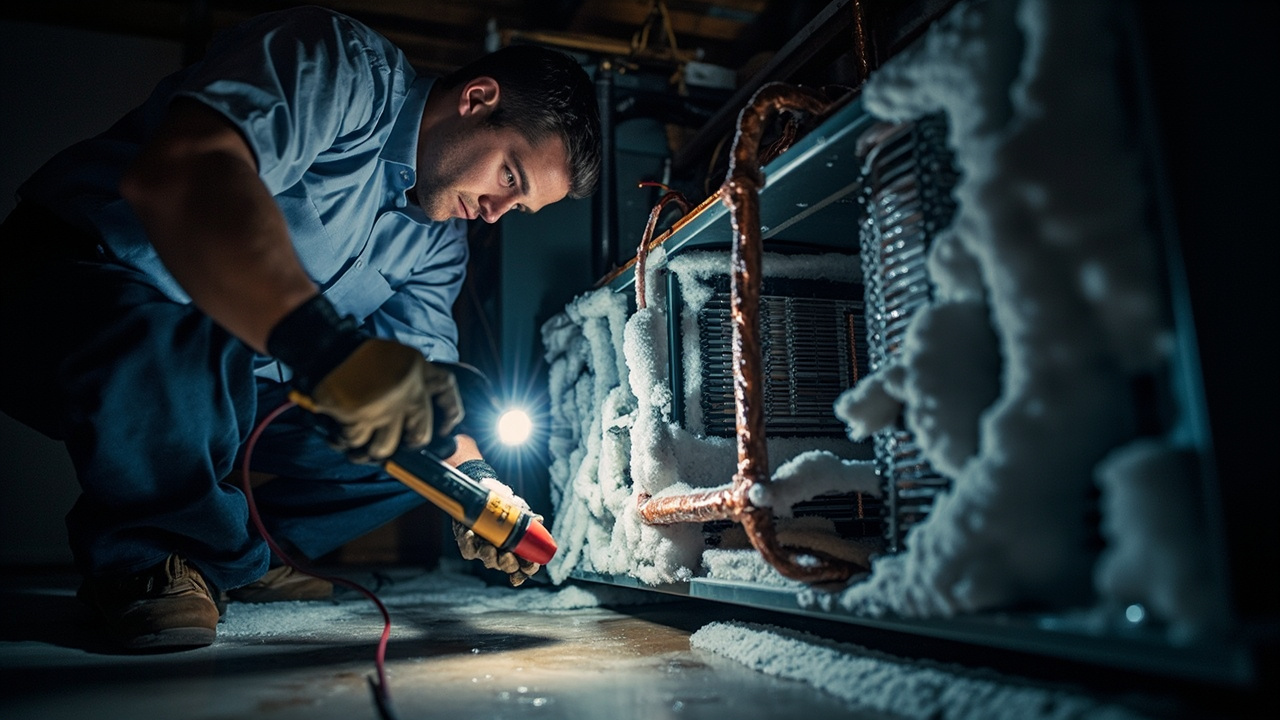
If refrigerant is low, we locate the leak using electronic sniffers and UV dye. We repair the leak point, then evacuate and recharge the system to manufacturer specifications. If airflow is restricted, we inspect the entire air distribution system from the plenum to the return ductwork. Crushed flex duct in crawlspaces, closed dampers, and undersized return grilles all cause coil icing in St. Louis homes.

We use controlled defrost methods to safely thaw the evaporator coil without damaging fins or refrigerant lines. Once thawed, we clean the coil with professional-grade coil cleaner to remove biofilm and dust that restrict heat transfer. We measure the temperature split across the coil. It should read 18 to 22 degrees for optimal performance.

For AC evaporator coil icing repair, we also inspect the condensate drain. A clogged drain pan raises humidity inside the air handler, accelerating freeze conditions. We clear the drain line with compressed air and install drain pan tablets to prevent algae growth.

You get a system that runs correctly. Not a temporary patch. Not guesswork. Just expert repair that addresses the actual failure point.

What Happens During Your Emergency AC Freeze Up Repair

Frozen AC Coil Repair in St. Louis – Same-Day Emergency Service to Restore Your Cooling Fast
01

Rapid System Diagnosis

Our technician arrives within hours of your call. We immediately assess refrigerant pressures, airflow volumes, and electrical amperage at the air handler and condenser. Using subcooling and superheat measurements, we pinpoint whether your freeze stems from refrigerant loss, airflow restriction, or mechanical failure. You get answers fast, not vague estimates.
02

Controlled Coil Defrost

We safely thaw your evaporator coil using controlled defrost techniques that prevent fin damage. While the coil defrosts, we repair the root cause, whether that means fixing refrigerant leaks, replacing a failed blower motor capacitor, or clearing blocked ductwork. We clean the coil surfaces and verify proper condensate drainage to eliminate conditions that caused the freeze.
03

System Performance Verification

Before we leave, we run your AC through a complete cooling cycle. We measure supply air temperature, verify correct refrigerant charge, and confirm airflow meets system design specifications. You see the gauges. You feel cold air from the vents. We document the repair and provide maintenance recommendations to prevent future icing. Your system runs like it should.

Why St. Louis Homeowners Trust Keystone HVAC for Frozen Coil Emergencies

When your AC freezes at 9 p.m. on a Saturday in July, you need a company that actually answers the phone. You need technicians who stock parts for older systems common in Soulard bungalows and Webster Groves colonials. You need expertise with the unique HVAC challenges St. Louis homeowners face.

We understand how St. Louis's clay soil shifts foundations and crimps ductwork in crawlspaces. We know that homes near the Missouri River bottom have higher humidity infiltration. We recognize that older neighborhoods in South City and The Hill often have undersized return ducts that starve modern high-efficiency AC systems of airflow.

Our trucks carry refrigerants for R-22 systems still common in pre-2010 St. Louis homes and R-410A for newer equipment. We stock blower motors, capacitors, contactors, and expansion valves. Most frozen coil repairs finish the same day because we come prepared.

You also get technicians trained on proper refrigerant handling and EPA-certified for leak repair. St. Louis summers are getting hotter. Your AC system works harder than systems in milder climates. Sloppy refrigerant work leads to repeated failures. We measure. We document. We do it right.

We have restored cooling for families in Clayton high-rises, ranch homes in Affton, and historic properties in Lafayette Square. We know the mechanical systems in these buildings. We understand local building codes and the modifications needed when replacing coils in tight attic installations.

When you call Keystone HVAC St. Louis, you get local expertise, fast response, and repairs that last. Not a service call from a national chain where the technician guesses and orders parts for next week.

What You Can Expect from Our Frozen AC Coil Repair Service

Same-Day Emergency Response

We answer emergency calls 24 hours a day, seven days a week. When you call for iced up air conditioner service, we dispatch a technician immediately. Most St. Louis area customers see a truck within two to four hours. We understand that a frozen coil during a heat wave is a health emergency for elderly family members and young children. You get priority scheduling and rapid response when you need cooling restored fast.

Complete System Diagnosis

Our technicians perform a thorough evaluation of your entire HVAC system. We measure refrigerant pressures, test electrical components, inspect ductwork, and check airflow. You receive a detailed explanation of what caused your coil to freeze and what repairs are necessary. We show you the gauge readings. We explain the problem in plain language. You make informed decisions about your repair, not guesses based on symptoms.

Lasting Repair Results

You get a repair that solves the actual problem. We fix refrigerant leaks permanently using proper brazing techniques. We replace failed components with quality parts. We correct airflow issues that caused the freeze. Before we leave, we verify your system operates within manufacturer specifications. Your AC delivers consistent cooling without repeated freeze ups. You get results that last through St. Louis's brutal summer heat, not a Band-Aid fix.

Preventive Maintenance Guidance

After we complete your frozen coil repair, we provide specific maintenance recommendations to prevent future issues. This includes filter change schedules, ductwork modifications if needed, and seasonal tune-up plans. We explain what warning signs to watch for and when to call for service. Many customers choose our maintenance agreements to keep their systems running efficiently. You get ongoing support to protect your HVAC investment and avoid emergency repairs.

Frequently Asked Questions

You Have Questions,
We Have Answers

How do you fix a frozen AC coil? +

Turn off your system immediately to prevent compressor damage. Switch the thermostat to fan mode only to circulate warm air over the coil. Check your air filter and replace it if clogged. Inspect supply vents to ensure furniture or drapes are not blocking airflow. Once ice melts completely, turn the system back on. If it refreezes within hours, you have a refrigerant leak, failed blower motor, or dirty evaporator coil. St. Louis humidity makes filter changes every 30 days critical. Call a technician 24/7 if the problem persists.

Can an air conditioner coil be repaired? +

Yes, but it depends on the damage. Small refrigerant leaks in the coil can be repaired with brazing or sealant, though this is a temporary fix. Corroded or punctured coils typically need replacement. Technicians use leak detection tools to locate the source, then repair or replace the coil. In St. Louis homes with older systems, coil corrosion from humidity and VOCs is common. If your coil is under 10 years old, repair is worth it. Older coils often fail again quickly, making replacement the better choice for long-term reliability.

What would cause a coil to freeze up? +

A frozen coil happens when airflow drops or refrigerant pressure is wrong. Dirty air filters are the top cause, restricting air across the evaporator coil. Low refrigerant from leaks drops coil temperature below freezing. Blocked return vents, closed supply registers, or a failing blower motor also starve the coil of warm air. St. Louis homes with high humidity can develop mold on coils, further blocking airflow. Running your AC when outdoor temps drop below 60 degrees also causes freezing. Immediate diagnosis prevents compressor failure and expensive repairs.

What is the 3 minute rule for AC? +

The 3 minute rule prevents short cycling and compressor damage. After your AC shuts off, wait at least 3 minutes before restarting it. This allows refrigerant pressures to equalize in the system. Restarting too soon forces the compressor to work against high pressure, causing overheating and mechanical failure. If your unit trips a breaker or freezes up repeatedly, this rule becomes critical. St. Louis technicians see compressor burnout from impatient homeowners restarting units during troubleshooting. Always wait. Your compressor is the most expensive component to replace.

How do you defrost AC coils fast? +

Turn off the AC at the thermostat and breaker. Switch the fan to on mode to blow warm air across the coil. Open cabinet panels to expose the coil to room air if safe to do. Place towels under the unit to catch water. Do not use heat guns or hair dryers, as this damages coil fins and refrigerant lines. In St. Louis summer humidity, expect 2 to 8 hours for full defrost depending on ice thickness. Once dry, inspect the drain pan and clear the condensate line before restarting the system.

Is it normal for AC coils to freeze in winter? +

No. If your AC coil freezes in winter, you have a serious problem. Air conditioners should not run when outdoor temperatures drop below 60 degrees. Winter freezing means someone left the system on heat mode with a broken reversing valve, or the thermostat is faulty. St. Louis winters see freeze-thaw cycles that stress HVAC systems. Ice on coils in winter also indicates a refrigerant leak or airflow blockage that went unnoticed during cooling season. Shut the system down immediately and call a technician to prevent compressor damage.

What is the $5000 rule for AC? +

The 5000 dollar rule is a replacement guideline. Multiply the repair cost by your system age in years. If the result exceeds 5000, replace the unit instead of repairing it. For example, a 1200 dollar repair on a 6 year old system equals 7200, so replace it. This rule accounts for efficiency loss and future repair frequency. St. Louis homeowners with systems over 12 years old often face repeated coil, compressor, and blower failures. New systems offer better humidity control and lower energy bills, offsetting the upfront investment.

How much does it cost to replace a coil in an AC unit? +

Coil replacement costs vary based on system type and accessibility. Evaporator coils in attic air handlers cost less to replace than coils buried in closet units. Condenser coils require refrigerant recovery and recharge, adding expense. St. Louis HVAC companies charge more for emergency service and weekend calls. System age matters too. If your unit uses R-22 refrigerant, you may need a full system upgrade due to refrigerant phase-out. Always get a written estimate detailing parts, labor, and refrigerant. Avoid companies that quote over the phone without inspecting the unit.

What causes an AC unit to freeze up? +

Restricted airflow is the main culprit. Clogged air filters, blocked return grilles, or closed supply vents starve the evaporator coil of warm air, causing surface temperatures to drop below freezing. Low refrigerant from leaks reduces coil pressure and temperature. Dirty evaporator coils covered in dust or mold act like insulation, trapping cold. A failing blower motor delivers weak airflow. St. Louis homes with ductwork in unconditioned attics often have airflow losses from duct leaks. Running the AC in temps below 60 degrees also freezes coils.

How long does it take an AC coil to unfreeze? +

Expect 2 to 8 hours depending on ice thickness. Thin frost melts in 2 hours with the fan running. Thick ice buildup from days of operation takes 6 to 8 hours. Never restart the system until the coil is completely dry and you have addressed the root cause. St. Louis summer humidity produces heavy condensation, so check the drain pan and condensate line for clogs. If you restart too soon, the coil will refreeze within minutes, risking compressor damage. Use this time to replace filters and clear vents.

How St. Louis Humidity and Temperature Swings Trigger AC Coil Freezing

St. Louis sits in a humid continental climate zone where summer dew points regularly hit 70 degrees. When your AC pulls this moisture-heavy air across a cold evaporator coil, any airflow restriction or refrigerant imbalance causes instant icing. The Mississippi and Missouri River valleys trap humid air for days during high-pressure systems. Your coil stays wet. If the coil surface drops below 32 degrees due to low refrigerant or blocked airflow, that moisture freezes. Spring and fall create additional risks when overnight temperatures drop into the 50s but daytime heat climbs into the 80s. These temperature swings confuse thermostats and cause short cycling that leads to coil icing.

Repairing frozen AC coils in St. Louis requires knowledge of local residential construction. Many homes built before 1980 have undersized return air ducts. Renovations often close off returns or add rooms without upgrading ductwork. Technicians unfamiliar with St. Louis housing stock miss these airflow problems. At Keystone HVAC St. Louis, we have worked in thousands of local homes from Kirkwood to Florissant. We know the ductwork layouts in split-level ranches. We understand the tight attic clearances in bungalows. We recognize when flex duct has collapsed in crawlspaces. This local expertise means we diagnose and fix your frozen coil problem correctly the first time.
HVAC Services in The St. Louis Area

Our service area spans across the St. Louis metropolitan area and surrounding communities. We’re dedicated to bringing our top-quality HVAC services directly to your doorstep. Use the map to see our coverage and feel free to contact us with any questions about whether we can service your specific location. We’re always here to help you find the comfort solutions you need.

Address:
Keystone HVAC St. Louis, 4452 Manchester Ave, St. Louis, MO, 63110

Additional Services We Offer

Our news updates

Latest Articles & News from The Blogs

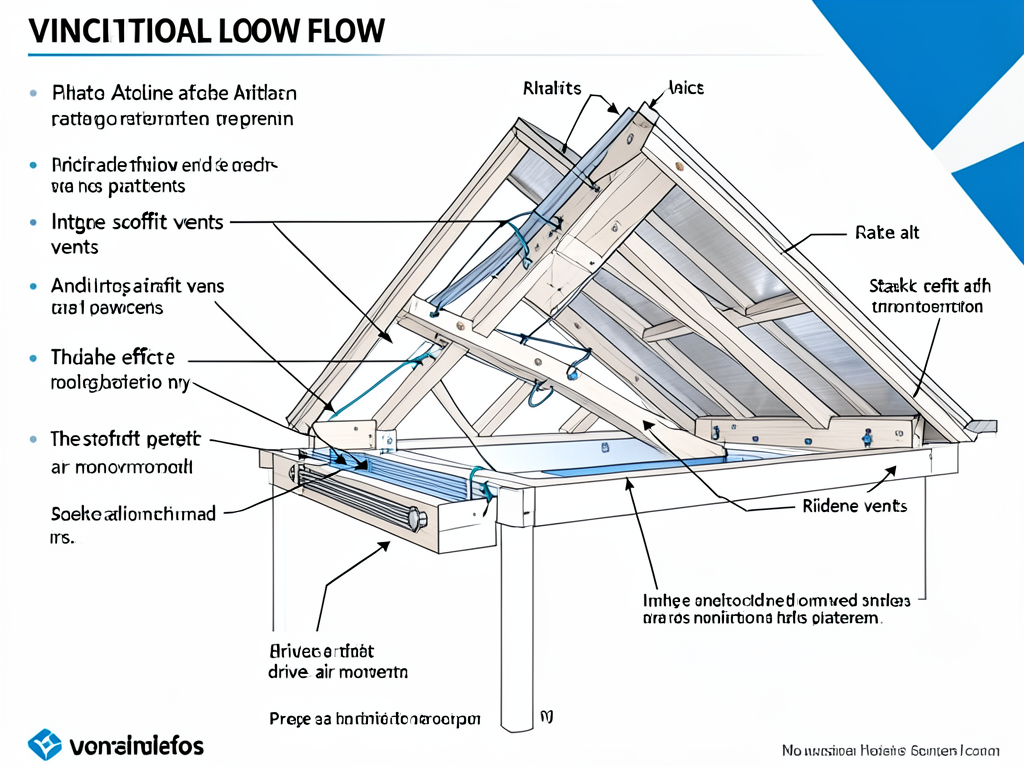
Does Your Maryland Heights Attic Have Enough Ventilation for the Summer Heat? Your Maryland Heights attic can reach 150°F on…

Does Your Maryland Heights Attic Have Enough Ventilation for the Summer Heat?

Does Your Maryland Heights Attic Have Enough Ventilation for the Summer Heat? Your Maryland Heights attic can reach 150°F on…

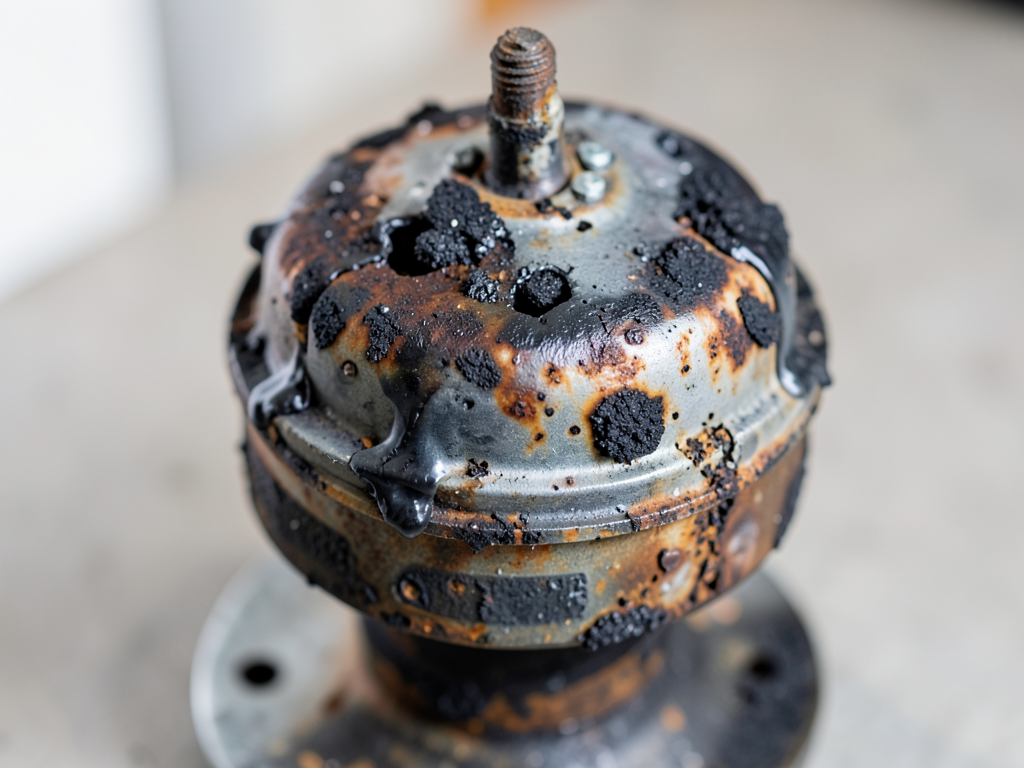
What That Strange Metallic or Burning Plastic Smell from Your Furnace Actually Means

What That Strange Metallic or Burning Plastic Smell from Your Furnace Actually Means If your furnace smells like burning plastic…

Why Closing Vents in Unused Rooms Is Actually Hurting Your Ladue Home

Many Ladue homeowners close vents in unused rooms to save money on energy bills. This common practice seems logical at…

Contact Us

Your family should not suffer through St. Louis heat because of a frozen coil. Call Keystone HVAC St. Louis now at (314) 417-7771 for immediate emergency repair. We answer 24/7 and dispatch technicians fast to restore your cooling.