Menu

Make-Up Air Unit Services in St. Louis | Keeping Your Commercial Kitchen Compliant and Operational

Keystone HVAC St. Louis delivers commercial make-up air repair, MUA unit installation, and system maintenance that protects your business from health code violations and costly downtime across the greater St. Louis metro.

Slider Image 1
Slider Image 2
Slider Image 3
Slider Image 4
Slider Image 5
Slider Image 7
Slider Image 8
Slider Image 9
Slider Image 10
Slider Image 11

Why Make-Up Air Systems Fail in St. Louis Commercial Buildings

Your commercial kitchen operates in a city where seasonal temperature swings from sub-zero winters to 95-degree summers stress every mechanical system you own. When your make-up air unit fails, you face immediate problems. Your exhaust hood pulls conditioned air out of the building faster than you can replace it. Negative pressure builds. Backdrafting occurs. Carbon monoxide enters the workspace. Health inspectors notice. Your insurance adjuster gets a call.

The make-up air units serving restaurants, hospitals, and manufacturing facilities across downtown St. Louis, Clayton, and the Central West End work harder than units in mild climates. They pull outdoor air through filters, condition it to match your indoor temperature, and deliver it at the precise CFM required by city code. When humidity spikes in July or when ice forms on intake louvers in January, these systems experience accelerated wear on damper actuators, heating elements, and blower motors.

Most businesses discover their MUA unit has failed when employees complain about temperature imbalances or when kitchen doors become difficult to open due to negative pressure. By that point, you are operating out of compliance. Commercial make-up air repair becomes urgent. The city of St. Louis enforces strict ventilation requirements for commercial cooking operations. A failed make-up air system means you are violating International Mechanical Code standards adopted by the municipality. The fix requires someone who understands commercial MUA services and local inspection protocols.

Your competitors across the metro area face the same environmental stressors. The difference is whether you address MUA unit installation and maintenance proactively or reactively.

Why Make-Up Air Systems Fail in St. Louis Commercial Buildings
How Professional Make-Up Air System Maintenance Protects Your Business

How Professional Make-Up Air System Maintenance Protects Your Business

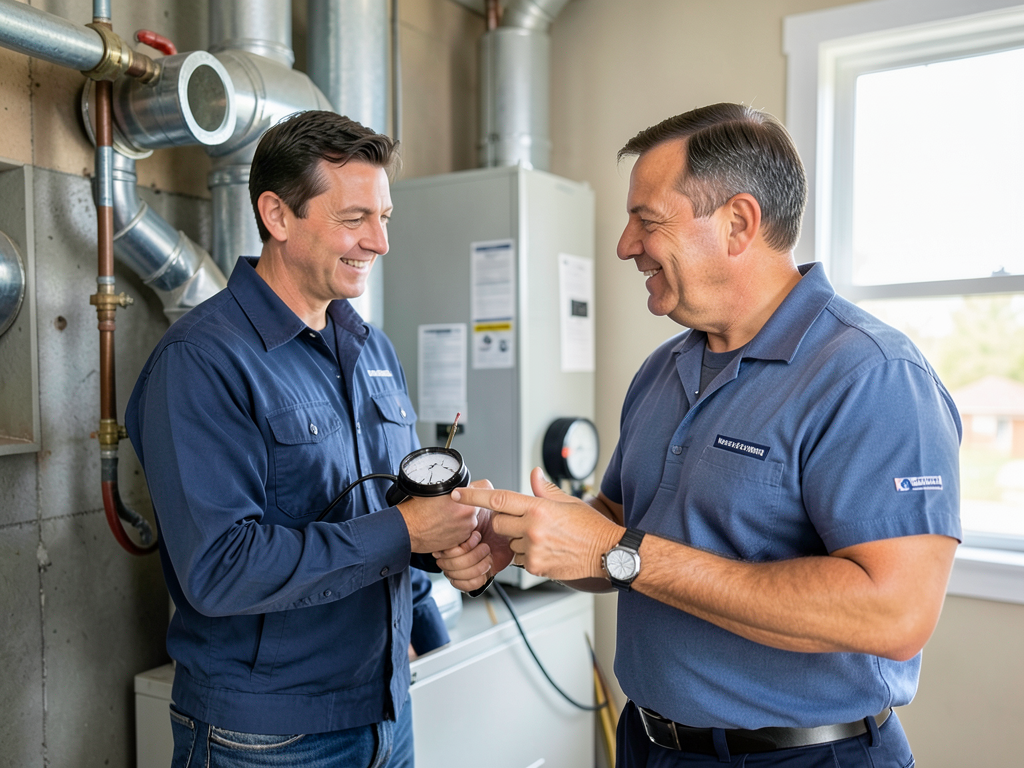
A properly functioning make-up air system does more than satisfy code. It controls your utility bills, maintains consistent kitchen temperatures, and prevents your HVAC system from working against itself. When we perform commercial make-up air repair, we start with airflow measurement. We use calibrated instruments to verify your system delivers the CFM specified on your permit drawings. If your exhaust hood moves 4,000 CFM, your make-up air unit must replace it. Anything less creates negative pressure.

We inspect the burner assembly on gas-fired units and the heating elements on electric models. St. Louis winters demand reliable heat. A make-up air unit that delivers 40-degree air into your kitchen in February creates unbearable working conditions and drives up heating costs. We check flame sensors, gas valves, and ignition systems. We verify that temperature controls maintain setpoints and that safety interlocks prevent the unit from operating with a failed burner.

The outdoor air intake requires attention in this climate. Humidity in summer clogs filters faster than you expect. Ice forms on intake hoods in winter. We replace filters according to the pressure drop across the media, not arbitrary time intervals. We inspect damper actuators to confirm they modulate correctly. A stuck damper means you are either under-ventilating your space or over-ventilating and wasting energy.

Blower motors and belts receive mechanical inspection. We measure amp draw and compare it to nameplate values. An overworked motor signals restricted airflow or bearing failure. We check belt tension and alignment. A misaligned belt creates vibration that accelerates wear on shafts and couplings. This level of detail separates MUA unit installation and service that lasts from work that fails in six months.

Our Commercial Make-Up Air Service Protocol

Make-Up Air Unit Services in St. Louis | Keeping Your Commercial Kitchen Compliant and Operational
01

System Assessment and Airflow Testing

We measure actual airflow using a capture hood at supply diffusers and compare readings to design specifications. We document static pressure across filters and coils. We inspect electrical connections, control wiring, and safety interlocks. This diagnostic phase identifies whether you need component repair, recalibration, or make-up air unit replacement. We provide a written assessment that explains exactly what your system requires to operate correctly and meet St. Louis code.
02

Repair or Replacement Execution

We schedule the work during your lowest-traffic hours to minimize business interruption. If you need commercial MUA services that involve burner replacement or motor swaps, we stage parts in advance. For full MUA unit installation, we coordinate with your hood suppression contractor and electrician. We pull permits when required. We verify all work meets International Mechanical Code and local amendments. Our technicians understand commercial kitchen operations and work efficiently to restore ventilation.
03

Commissioning and Documentation

After repairs or installation, we commission the system by verifying airflow matches design, safeties function correctly, and controls respond to input changes. We document all settings and provide you with a commissioning report. This report proves to health inspectors and insurance adjusters that your make-up air system operates as designed. We train your staff on basic troubleshooting and explain when to call for service. You receive a maintenance schedule tailored to your equipment and operating hours.

Why St. Louis Businesses Choose Keystone HVAC for Make-Up Air Unit Services

Commercial kitchens from Soulard to the Loop operate on thin margins. When your make-up air unit fails, you need someone who understands the urgency and has the parts inventory to fix it fast. We stock blower motors, gas valves, damper actuators, and control boards for the major manufacturers serving this market. You do not wait three days for a part to ship from a warehouse in another state.

We understand St. Louis building codes because we work with the city's mechanical inspectors regularly. When you need MUA unit installation for a new hood system or tenant improvement, we size the equipment correctly the first time. Undersized make-up air creates negative pressure problems. Oversized units waste energy and cost more than necessary. We calculate the required CFM based on your hood type, appliance heat output, and building characteristics. We submit accurate permit applications that pass plan review without delays.

Our experience with commercial make-up air repair spans restaurants, hospitals, industrial facilities, and institutional kitchens across the metro area. We have serviced units installed in the 1980s and commissioned new systems in buildings opening this year. This range of experience means we diagnose problems faster and identify solutions that extend equipment life rather than recommend replacement prematurely.

You need a contractor who understands that your kitchen operates during your business hours. We schedule commercial MUA services during early morning hours or late night shifts when your operation is closed. For emergency repairs, we respond the same day. A failed make-up air system is not something you can defer until next week. The longer you operate without proper ventilation, the greater your liability exposure and code violation risk.

Keystone HVAC St. Louis prioritizes business continuity. We communicate clearly about timelines, costs, and what you can expect during service. No surprises. No upselling. Just the work required to get your ventilation system compliant and operational.

What You Can Expect from Our Make-Up Air Services

Response Time and Scheduling Flexibility

Emergency commercial make-up air repair receives same-day response across the St. Louis metro. We understand that a failed MUA unit forces you to shut down operations. For scheduled maintenance and MUA unit installation, we work around your business hours. Most preventive maintenance visits occur during early morning or late evening when your kitchen is closed. We provide arrival windows and communicate if schedules change. Our goal is to complete work without disrupting your revenue-generating hours. For major installations requiring crane access or roof penetrations, we coordinate with your general contractor and schedule trades in the correct sequence.

Comprehensive System Evaluation

Our initial assessment goes beyond identifying the failed component. We evaluate the entire ventilation system including exhaust hoods, ductwork, and how your HVAC system interacts with make-up air. We use combustion analyzers to check gas-fired units for proper air-fuel mixture and safe operation. We measure amp draw on motors and compare readings to specifications. You receive a written report that explains what we found, what requires immediate attention, and what you should plan for in the next 12 to 24 months. This transparency allows you to budget for commercial MUA services and avoid surprises during your next health inspection.

Code-Compliant Installation and Repair

Every MUA unit installation and repair meets International Mechanical Code requirements and St. Louis amendments. We pull permits when required and schedule inspections. Our work passes inspection the first time because we follow manufacturer specifications and code requirements precisely. You receive documentation that proves your ventilation system operates correctly. This documentation protects you during health inspections and insurance audits. For make-up air unit replacement projects, we coordinate with electrical contractors and hood suppression vendors to verify all systems integrate correctly. The result is a ventilation system that operates safely, efficiently, and in full compliance with local regulations.

Ongoing Maintenance and Support

Make-up air systems require regular maintenance to operate efficiently and meet code. We offer scheduled make-up air system maintenance that includes filter replacement, burner inspection, damper calibration, and control verification. Regular maintenance extends equipment life and prevents emergency failures during peak business hours. We maintain service records for your facility and remind you when maintenance is due. If problems develop between scheduled visits, you receive priority response. Our maintenance agreements are structured for commercial operations and account for the intensity of kitchen environments. You stay compliant and avoid the cost and disruption of emergency commercial make-up air repair.

Frequently Asked Questions

You Have Questions,
We Have Answers

What maintenance does a makeup air unit need? +

Makeup air units require quarterly filter changes, annual belt inspections, and biannual motor lubrication to maintain performance. Schedule professional inspections twice yearly to check damper operation, heat exchanger integrity, and gas valve function. In St. Louis, humidity and seasonal temperature swings stress components faster, so monitor control systems and ductwork connections for air leaks. Clean burner assemblies annually and verify proper combustion ratios. Commercial kitchens should log maintenance to meet health department requirements and maintain insurance coverage. Neglected units fail prematurely and create code violations during inspections.

How much does it cost to install makeup air? +

Installation costs vary based on unit size, ductwork complexity, gas line requirements, and roof penetrations needed for your facility. A basic 1000 CFM unit starts around mid-range pricing, while larger commercial kitchen systems requiring extensive ductwork and structural modifications cost significantly more. St. Louis building codes require specific permitting and inspections, adding to project timelines. Factors affecting your total investment include electrical upgrades, controls integration with existing exhaust hoods, and whether structural reinforcement is needed. Request detailed quotes from licensed contractors who factor in code compliance and long-term operating efficiency.

What is the $5000 rule for AC? +

The $5000 rule applies to residential HVAC repairs, not commercial makeup air systems. It suggests that if repair costs exceed $5000 or exceed half the replacement cost of an aging unit, replacement makes better financial sense. This calculation considers remaining equipment lifespan, energy efficiency gains, and future repair probability. For commercial facilities in St. Louis, the decision involves business continuity, code compliance, and liability exposure. A failing makeup air unit creates negative pressure, pulling in unconditioned outdoor air and potentially violating health codes. Evaluate total cost of ownership, not just immediate repair expenses.

What is makeup air in HVAC? +

Makeup air is tempered outdoor air introduced into a building to replace air exhausted by commercial kitchen hoods, industrial processes, or ventilation systems. Without makeup air, exhaust fans create negative pressure that pulls unconditioned air through doors, cracks, and gaps. This causes discomfort, increased heating costs, and backdrafting of combustion appliances. Makeup air units condition incoming air by heating or cooling it to match indoor temperatures before distribution. St. Louis commercial kitchens require makeup air to meet mechanical codes when exhaust rates exceed 400 CFM. The system maintains balanced pressure and indoor air quality.

What is the life expectancy of a makeup air unit? +

Commercial makeup air units last 15 to 20 years with proper maintenance. Units in St. Louis face harsh conditions with humid summers, freezing winters, and rapid temperature fluctuations that stress components. Lifespan depends on runtime hours, maintenance quality, and installation correctness. Commercial kitchen units operating 12 hours daily wear faster than units supporting intermittent industrial processes. Heat exchangers, blower motors, and control boards typically need replacement before full unit failure. Budget for major component replacements around year 12. Units running past 20 years face frequent breakdowns, reduced efficiency, and parts availability issues.

How much does AC cleaning usually cost? +

This question does not apply to commercial makeup air systems. If you are asking about commercial HVAC cleaning, costs depend on system size, accessibility, and contamination levels. Makeup air unit cleaning involves filter replacement, blower wheel cleaning, heat exchanger inspection, and ductwork assessment. Commercial facilities should budget for professional cleaning during biannual maintenance visits. Costs scale with equipment complexity and whether ductwork requires sanitization to meet health codes. St. Louis commercial kitchens must maintain documentation of cleaning schedules for inspections. Neglected systems accumulate grease, reducing airflow and creating fire hazards.

Do makeup air units require filters? +

Yes. Makeup air units require filters to protect internal components and maintain indoor air quality. Commercial units typically use pleated filters rated MERV 8 to MERV 13, depending on application requirements. St. Louis facilities near industrial areas or high-traffic corridors need higher-rated filters to capture particulates and maintain air quality. Filter maintenance prevents blower motor strain, heat exchanger fouling, and premature component failure. Commercial kitchens must change filters quarterly at minimum, more frequently during high-volume periods. Track filter pressure drop with magnehelic gauges to determine replacement timing. Dirty filters reduce airflow, creating negative pressure and code violations.

Does home Depot install range hoods? +

This question does not relate to commercial makeup air systems. Residential range hood installation differs entirely from commercial makeup air requirements. St. Louis commercial facilities need licensed HVAC contractors who understand mechanical codes, gas piping, electrical integration, and structural load calculations. Commercial makeup air systems require engineering calculations to balance exhaust rates, proper ductwork sizing, and integration with fire suppression systems. Retail home improvement stores do not provide commercial HVAC services. Work with contractors experienced in commercial kitchen installations who pull proper permits and coordinate inspections with local authorities.

Where should I install a makeup air unit? +

Install makeup air units on rooftops or exterior walls near exhaust hood locations to minimize ductwork runs and heat loss. St. Louis installations must account for snow loads, wind exposure, and accessibility for service. Position units to avoid recirculating exhaust air and maintain required clearances from property lines and air intakes. Interior installations save roof space but complicate ductwork routing and require sound attenuation. Commercial kitchens benefit from rooftop placement with short duct runs to cooking lines. Coordinate placement with structural engineers to verify load-bearing capacity and avoid conflicts with existing mechanical systems.

What is the tax credit for the new air conditioner 2025? +

Tax credits apply to residential HVAC systems, not commercial makeup air units. The 2025 Energy Efficient Home Improvement Credit covers residential heat pumps and high-efficiency air conditioners meeting specific efficiency thresholds. Commercial facilities in St. Louis may qualify for different incentives through utility rebate programs or Section 179D deductions for energy-efficient building improvements. Consult tax professionals about commercial depreciation schedules and energy credits specific to your business classification. Focus on operational savings from properly sized makeup air systems that reduce heating costs and maintain code compliance rather than residential tax incentives.

How St. Louis Climate Patterns Impact Commercial Make-Up Air Unit Longevity

St. Louis sits in a humid continental climate zone where summer dew points regularly exceed 70 degrees and winter temperatures drop below 20 degrees for extended periods. This range forces make-up air units to work harder than equipment in moderate climates. In July, your MUA unit pulls in 90-degree air with 80 percent humidity and must condition it to 75 degrees before delivering it to your kitchen. In January, that same unit pulls in 15-degree air and heats it to 70 degrees to prevent thermal shock to your staff. These extreme conditioning loads stress heat exchangers, gas valves, and blower motors. Units serving buildings near the Mississippi River face additional humidity challenges. The result is accelerated component wear and higher failure rates compared to similar equipment in Denver or Phoenix.

Businesses operating in the Central West End, Clayton, and downtown districts work with buildings constructed across eight decades. Each era brings different ventilation designs and code requirements. We have serviced make-up air units in renovated warehouses in the Grove, modern high-rises downtown, and mid-century buildings in Clayton. This experience with diverse building types and vintages means we understand how to integrate new MUA unit installation with existing ductwork and controls. We know which local suppliers stock parts quickly and which mechanical inspectors handle permits in different municipalities across the metro. This local knowledge reduces your downtime and ensures work proceeds without delays caused by unfamiliarity with St. Louis building practices.
HVAC Services in The St. Louis Area

Our service area spans across the St. Louis metropolitan area and surrounding communities. We’re dedicated to bringing our top-quality HVAC services directly to your doorstep. Use the map to see our coverage and feel free to contact us with any questions about whether we can service your specific location. We’re always here to help you find the comfort solutions you need.

Address:
Keystone HVAC St. Louis, 4452 Manchester Ave, St. Louis, MO, 63110

Additional Services We Offer

Our news updates

Latest Articles & News from The Blogs

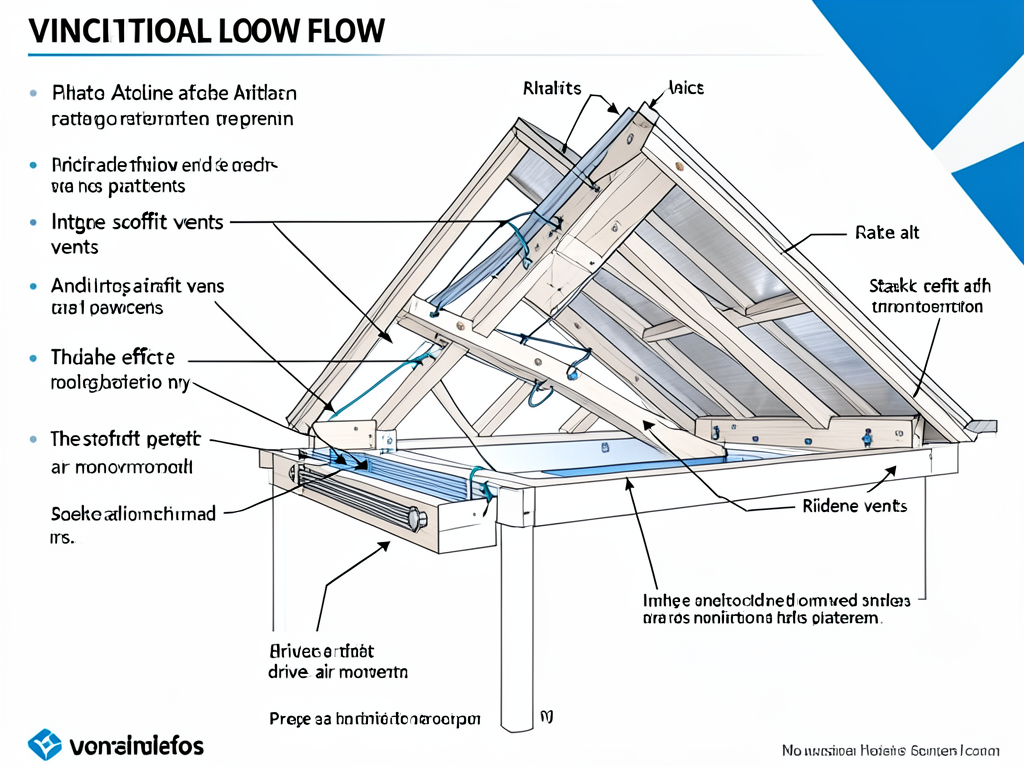
Does Your Maryland Heights Attic Have Enough Ventilation for the Summer Heat? Your Maryland Heights attic can reach 150°F on…

Does Your Maryland Heights Attic Have Enough Ventilation for the Summer Heat?

Does Your Maryland Heights Attic Have Enough Ventilation for the Summer Heat? Your Maryland Heights attic can reach 150°F on…

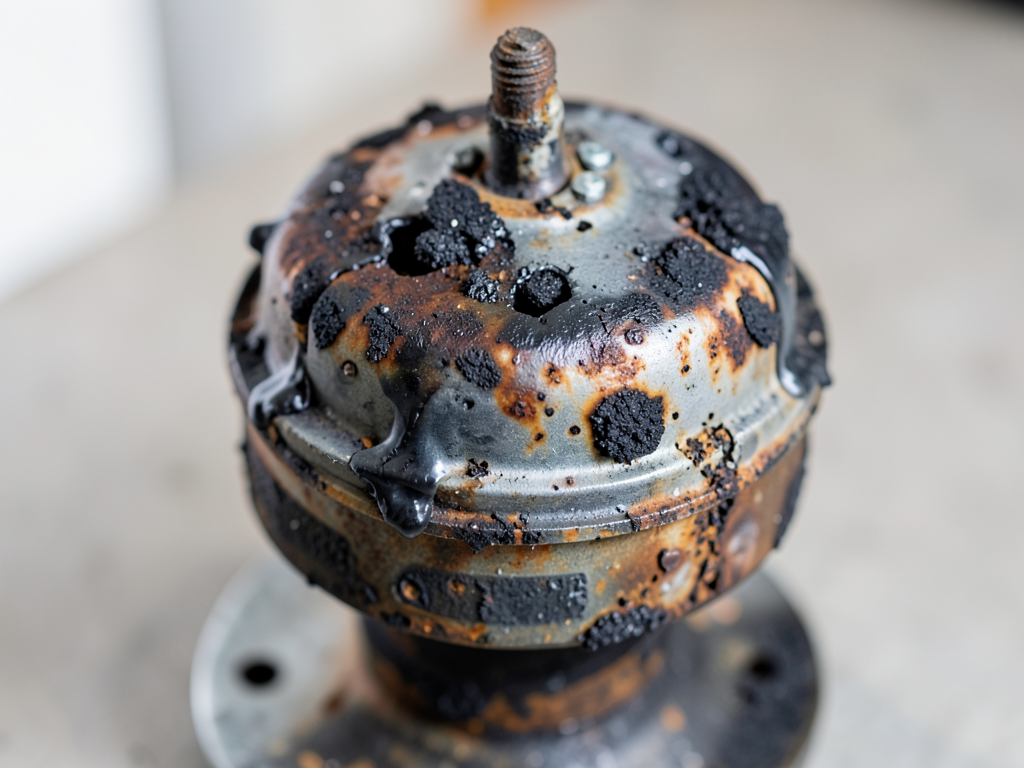
What That Strange Metallic or Burning Plastic Smell from Your Furnace Actually Means

What That Strange Metallic or Burning Plastic Smell from Your Furnace Actually Means If your furnace smells like burning plastic…

Why Closing Vents in Unused Rooms Is Actually Hurting Your Ladue Home

Many Ladue homeowners close vents in unused rooms to save money on energy bills. This common practice seems logical at…

Contact Us

Do not wait until a health inspector flags your ventilation system or staff complain about kitchen conditions. Call Keystone HVAC St. Louis at (314) 417-7771 to schedule an assessment. We respond to emergency commercial make-up air repair the same day.