Menu

Commercial Heating Services in St. Louis – Keep Your Operation Running Through Every Midwest Winter

Industrial-grade commercial heating solutions engineered for St. Louis facilities. When downtime costs thousands per hour, you need heating contractors who understand the freeze-thaw demands of Gateway City winters and respond fast.

Slider Image 1
Slider Image 2
Slider Image 3
Slider Image 4
Slider Image 5
Slider Image 7
Slider Image 8
Slider Image 9
Slider Image 10
Slider Image 11

Why St. Louis Commercial Heating Failures Cost More Than You Think

A failed rooftop unit at 6 AM in January does not just make your employees uncomfortable. It halts production, triggers liability concerns, and drives customers out of retail spaces. In St. Louis, where winter temperatures drop below 20 degrees and humidity creates ice buildup on commercial HVAC equipment, heating system failures happen at the worst possible times.

The freeze-thaw cycle that defines Gateway City winters puts brutal stress on commercial heating systems. Water infiltration freezes overnight, expands in heat exchangers, and cracks vital components. By morning, your warehouse is 40 degrees and your team cannot work. Meanwhile, older commercial buildings near the Mississippi River face additional moisture intrusion that corrodes ductwork and clogs burners, reducing efficiency by 30 percent before you notice the problem.

Most commercial heating contractors focus on emergency repairs without addressing the root cause. They replace a broken ignitor, restore heat, and leave. Three weeks later, the same unit fails because no one diagnosed the underlying airflow restriction or gas pressure issue. You pay twice for the same problem.

St. Louis business owners need commercial heating solutions that prioritize uptime. That means predictive maintenance, rapid response when systems fail, and technical expertise to handle everything from small retail HVAC to industrial heating services for manufacturing plants. When your competitor maintains 72 degrees and you are sending employees home, you lose more than comfort. You lose revenue.

Commercial heating companies that understand St. Louis building codes, rooftop unit winterization, and the specific demands of Gateway City climate conditions prevent these failures before they shut you down.

Why St. Louis Commercial Heating Failures Cost More Than You Think
How Professional Commercial HVAC Heating Services Actually Work

How Professional Commercial HVAC Heating Services Actually Work

Commercial heating is not residential heating at scale. The systems are different, the stakes are higher, and the technical requirements demand specialized knowledge. A 15-ton rooftop unit serving a 10,000-square-foot warehouse operates under completely different load calculations than a home furnace. When that unit fails, you need technicians who understand commercial gas trains, modulating burners, economizer controls, and building automation systems.

Our approach starts with load analysis. We calculate your actual heating demand based on square footage, insulation values, occupancy, and process heat generated by equipment. Many St. Louis commercial buildings were retrofitted decades ago with undersized or mismatched heating equipment. You cannot fix what you have not measured.

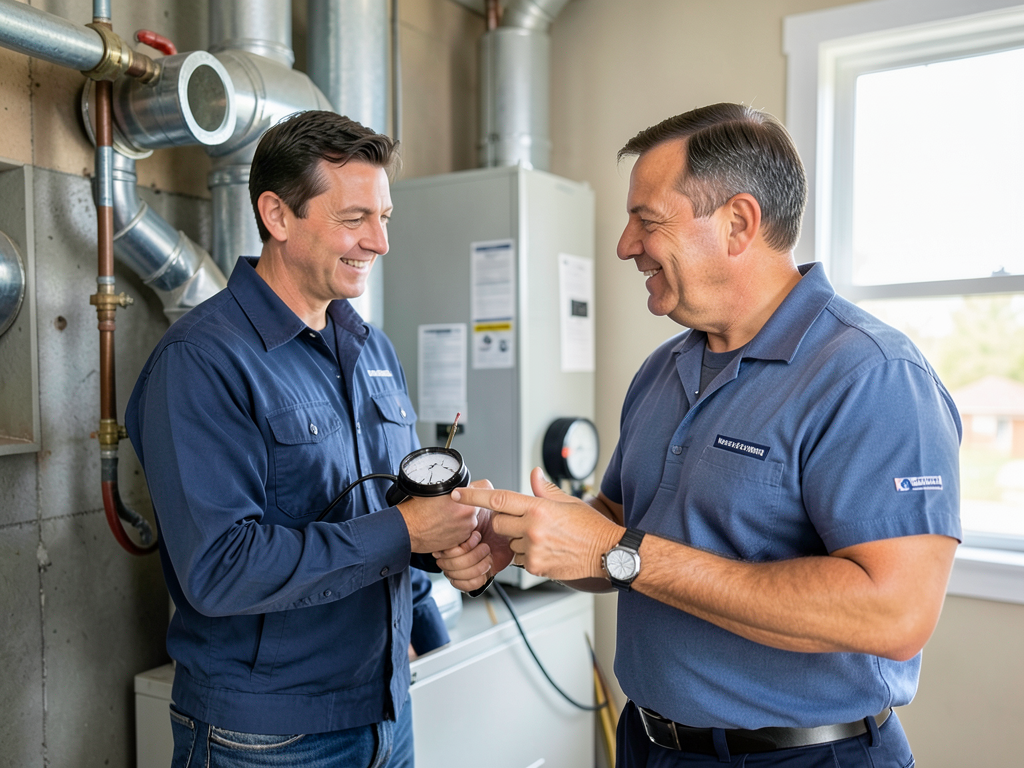
Next, we assess your distribution system. Ductwork leaks, damper failures, and poorly balanced airflow waste energy and create hot and cold zones that frustrate tenants or slow production. We use manometers and airflow hoods to measure static pressure and CFM at each zone, then adjust dampers or recommend duct sealing where you are losing conditioned air into unconditioned spaces.

For older commercial heating systems, we evaluate combustion efficiency using flue gas analyzers. If your burner is running rich or lean, you are wasting fuel and shortening equipment life. A properly tuned commercial gas furnace or boiler should hit 80 to 85 percent combustion efficiency. Anything below that means you are paying for heat that goes up the flue.

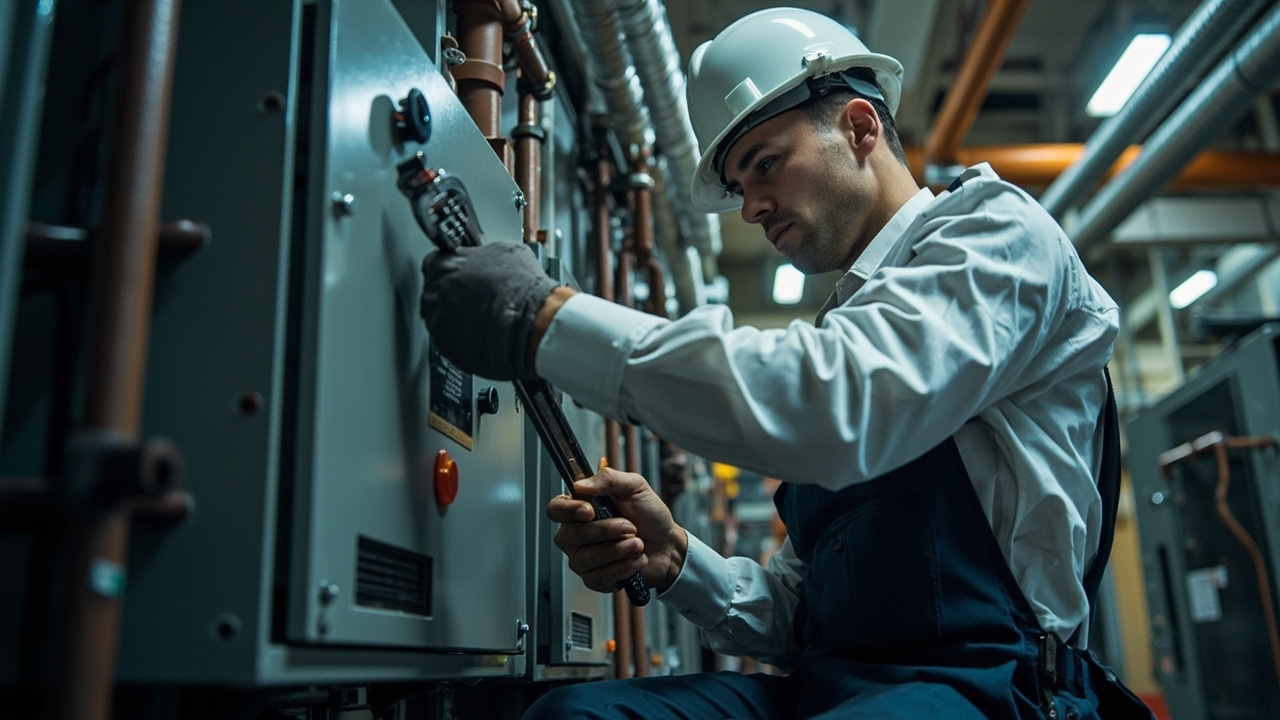
We also inspect safety controls. Commercial heating equipment uses pressure switches, flame rollout sensors, and high-limit switches that residential systems do not. If these fail, you risk gas leaks, carbon monoxide intrusion, or equipment fires. We test every interlock to confirm fail-safe operation.

Our Commercial Heating Service Process

Commercial Heating Services in St. Louis – Keep Your Operation Running Through Every Midwest Winter
01

System Evaluation and Diagnostics

We start by mapping your entire heating infrastructure. This includes rooftop units, furnaces, boilers, and ductwork. Using diagnostic tools like infrared cameras and combustion analyzers, we identify inefficiencies, safety risks, and components nearing failure. You get a written report with prioritized recommendations, so you can budget for repairs before they become emergencies. This prevents the 3 AM service calls that cost triple.
02

Repair or Replacement Execution

Once you approve the scope, we schedule work during off-hours to minimize business disruption. Our trucks carry commercial-grade parts for most major brands, so we complete repairs in one trip. For full system replacements, we coordinate with building managers and tenants to stage equipment, manage rigging, and complete startups without halting operations. We pull permits, coordinate inspections, and ensure code compliance through every phase of the project.
03

Performance Verification and Handoff

After installation or repair, we test every zone to confirm temperature setpoints, airflow balance, and thermostat response. You receive documentation of all work performed, including equipment model numbers, serial numbers, and warranty registration. We walk facility managers through new system operation and provide recommended maintenance schedules. This ensures your team knows how to optimize performance and catch small issues before they escalate into costly downtime.

Why St. Louis Businesses Choose Keystone HVAC for Commercial Heating

Commercial heating failures do not wait for convenient timing. When your system goes down at 2 AM on a Sunday in January, you need contractors who answer the phone and arrive with the right tools. We maintain inventory of high-demand commercial parts specifically for St. Louis buildings, so we are not waiting three days for a supply house to open.

We also understand Gateway City building codes and inspection requirements. St. Louis requires permits for most commercial HVAC work, and inspectors scrutinize gas piping, venting, and combustion air. We coordinate permit applications, schedule inspections, and ensure every installation meets or exceeds code. You do not pay twice because something failed inspection.

Our technicians hold NATE certifications in commercial refrigeration and gas heating, meaning they have passed third-party testing on system design, troubleshooting, and safety. This is not entry-level residential experience applied to bigger equipment. Commercial heating systems operate at higher pressures, higher temperatures, and with more complex controls. When a technician misdiagnoses a pressure switch failure as a bad ignitor, you pay for a part you did not need and still have no heat.

We also provide transparent pricing. You receive itemized estimates before we start work, so there are no surprises when the invoice arrives. If we recommend a full system replacement instead of a repair, we explain why and provide lifecycle cost analysis. Sometimes a repair buys you two more years. Sometimes it is throwing money at a system that will fail again in six months. You deserve to know the difference.

St. Louis businesses in retail, warehousing, healthcare, and manufacturing trust Keystone HVAC because we treat downtime like the emergency it is. We do not guess. We diagnose, repair, and document everything.

What to Expect When You Call for Commercial Heating Service

Rapid Response for System Failures

When your heating system fails, every hour of downtime costs you money. We dispatch technicians within two hours for emergency calls and provide after-hours service seven days a week. For scheduled maintenance or installations, we coordinate timing around your operational hours to minimize disruption. You get a confirmed arrival window, not a vague promise. Our trucks carry commercial-grade parts for most major brands, so we complete most repairs in a single visit without waiting for parts to arrive.

Comprehensive System Assessment

Before we recommend any repair or replacement, we perform a full diagnostic evaluation of your heating system. This includes testing combustion efficiency, measuring airflow and static pressure, inspecting heat exchangers for cracks, and verifying safety control operation. You receive a written report that explains what we found, what needs immediate attention, and what can wait. We do not upsell unnecessary work. If a simple adjustment fixes the problem, that is what we recommend. If your equipment is past its useful life and costing you more in repairs than replacement, we explain why.

Code-Compliant Installation and Repair

Every commercial heating installation or major repair requires permits and inspections in St. Louis. We handle all permitting, coordinate with city inspectors, and ensure every aspect of the work meets current building codes. This includes proper gas pipe sizing, adequate combustion air, correct venting materials, and compliant electrical connections. You do not pay for work twice because something failed inspection. We also provide complete documentation of all equipment installed, including model numbers, serial numbers, and warranty registration, so you have records for insurance, audits, or future service needs.

Preventive Maintenance Plans

The best way to avoid expensive heating failures is scheduled maintenance. We offer commercial HVAC maintenance agreements that include seasonal inspections, filter changes, burner tuning, and safety control testing. Regular maintenance extends equipment life by years and prevents the majority of emergency breakdowns. You also get priority scheduling, so when you do need service, you move to the front of the queue. Maintenance plans are priced per unit and can be customized based on your facility size and equipment count. You budget for predictable service instead of scrambling when systems fail.

Frequently Asked Questions

You Have Questions,
We Have Answers

What is the $5000 rule for HVAC? +

The $5000 rule is a simple guideline for commercial property managers deciding between repair and replacement. Multiply the age of your HVAC system by the repair cost. If the total exceeds $5000, replacement typically makes better financial sense than repair. For example, if your rooftop unit is 12 years old and the repair costs $500, that equals $6000, suggesting replacement. This rule helps you avoid pouring money into aging equipment that will likely fail again. In St. Louis, where extreme summer humidity and winter freeze-thaw cycles stress commercial systems, this calculation becomes critical for protecting your operating budget and avoiding tenant complaints.

What is the most common commercial HVAC system? +

Rooftop units dominate St. Louis commercial buildings, especially in retail, office parks, and light industrial facilities. These packaged systems combine heating and cooling in one weatherproof cabinet, which saves interior square footage and simplifies maintenance access. The second most common system is the split system with multiple air handlers, used in multi-tenant buildings and older brick structures common in historic St. Louis districts. Variable refrigerant flow systems are gaining ground in newer high-rise construction downtown. Your building type, square footage, and zoning needs determine the best fit. Rooftop units work well here because technicians can service them without disrupting business operations inside.

How much do HVAC installers charge per hour? +

Commercial HVAC labor rates in St. Louis range from $95 to $150 per hour depending on system complexity and service type. Emergency after-hours calls command premium rates. Preventive maintenance contracts typically offer better hourly value than break-fix service calls. Complex systems like chillers or building automation integration require senior technicians at higher rates. The rate includes diagnostic time, not just wrench time. Most commercial jobs bill by the project rather than hourly to give you budget certainty. Factor in St. Louis-specific challenges like accessing rooftop units on older buildings or coordinating around business hours, which can affect total labor time and project costs.

How often should a commercial HVAC be serviced? +

Commercial HVAC systems in St. Louis require quarterly maintenance at minimum. High-use facilities like restaurants or data centers need monthly attention. Each seasonal transition demands specific service: spring cooling prep, fall heating checks. The humid St. Louis summers create condensate issues and mold risk. Winter freeze-thaw cycles stress heat exchangers and rooftop cabinet seals. Regular filter changes every 30 to 90 days prevent the clay soil dust common here from clogging coils. Quarterly service catches refrigerant leaks, worn belts, and failing contactors before they cause downtime. This schedule protects your warranty, maintains efficiency, reduces energy costs, and prevents mid-July failures when replacement parts take weeks to arrive.

How St. Louis Winters and Mississippi River Humidity Impact Commercial Heating Systems

St. Louis sits at the confluence of the Mississippi and Missouri Rivers, creating high humidity levels year-round. In winter, this moisture infiltrates commercial buildings through loading docks, ventilation intakes, and poorly sealed ductwork. When humid air contacts cold duct surfaces or heat exchanger metal, it condenses and freezes, blocking airflow and corroding components. Commercial heating contractors who understand Gateway City conditions winterize rooftop units with insulated cabinets, seal duct joints to prevent moisture intrusion, and install condensate drains that do not freeze. Without these precautions, your heating system works twice as hard and fails twice as fast. The freeze-thaw cycle also cracks masonry and opens gaps in building envelopes, allowing cold air infiltration that overwhelms undersized heating equipment.

St. Louis commercial buildings also face unique code requirements for ventilation and combustion air. Older industrial facilities near the riverfront were built before modern energy codes and often lack adequate makeup air for gas-fired heating equipment. When commercial heating systems operate in negative pressure environments, they pull combustion air from unintended sources, creating backdrafting hazards and carbon monoxide risks. We work with building owners to ensure compliance with current St. Louis mechanical codes while maintaining the architectural integrity of historic structures. Local expertise matters because commercial heating solutions that work in Kansas City or Chicago do not account for Gateway City humidity, soil conditions, or building stock.
HVAC Services in The St. Louis Area

Our service area spans across the St. Louis metropolitan area and surrounding communities. We’re dedicated to bringing our top-quality HVAC services directly to your doorstep. Use the map to see our coverage and feel free to contact us with any questions about whether we can service your specific location. We’re always here to help you find the comfort solutions you need.

Address:
Keystone HVAC St. Louis, 4452 Manchester Ave, St. Louis, MO, 63110

Additional Services We Offer

Our news updates

Latest Articles & News from The Blogs

Does Your Maryland Heights Attic Have Enough Ventilation for the Summer Heat? Your Maryland Heights attic can reach 150°F on…

Does Your Maryland Heights Attic Have Enough Ventilation for the Summer Heat?

Does Your Maryland Heights Attic Have Enough Ventilation for the Summer Heat? Your Maryland Heights attic can reach 150°F on…

What That Strange Metallic or Burning Plastic Smell from Your Furnace Actually Means

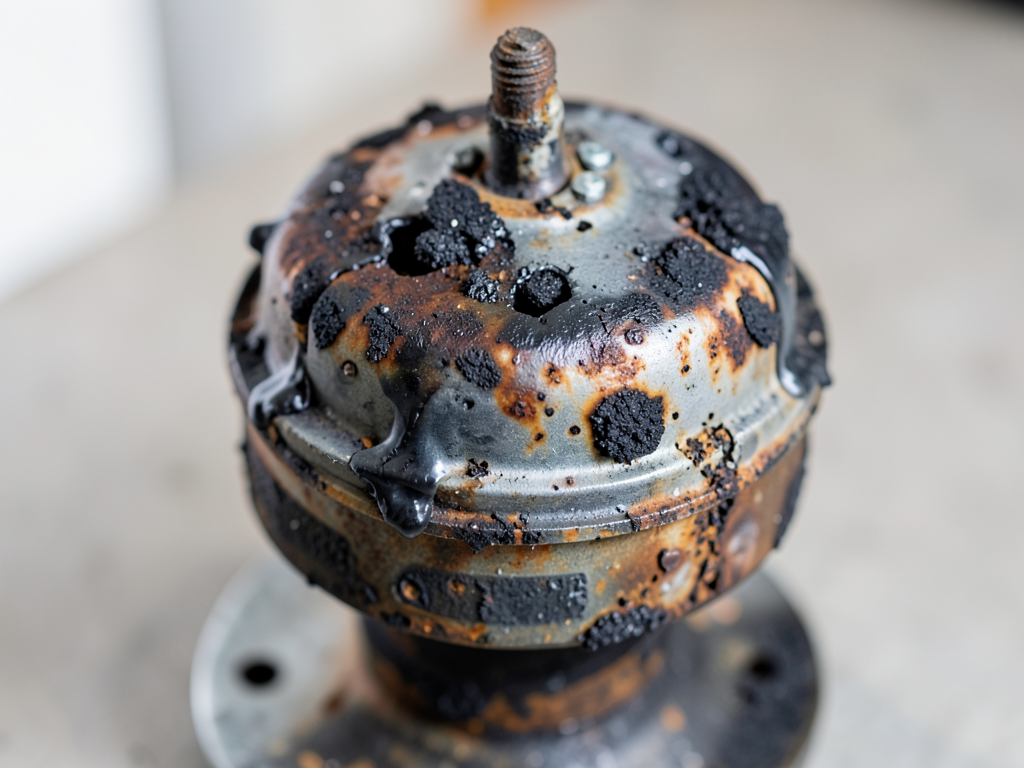
What That Strange Metallic or Burning Plastic Smell from Your Furnace Actually Means If your furnace smells like burning plastic…

Why Closing Vents in Unused Rooms Is Actually Hurting Your Ladue Home

Many Ladue homeowners close vents in unused rooms to save money on energy bills. This common practice seems logical at…

Contact Us

Do not wait for a heating failure to shut down your operation. Call Keystone HVAC St. Louis at (314) 417-7771 for commercial heating service that prioritizes uptime and reliability. We respond fast, diagnose accurately, and fix it right the first time.