Menu

Air Purification Systems in St. Louis – Whole-House Air Cleaners That Filter Allergens, Mold Spores, and River Valley Humidity

Advanced HVAC air purifiers engineered for St. Louis's seasonal allergies, fluctuating humidity, and aging ductwork. Keystone HVAC St. Louis installs central air cleaners that trap particles down to 0.3 microns and balance indoor air quality year-round.

Slider Image 1
Slider Image 2
Slider Image 3
Slider Image 4
Slider Image 5
Slider Image 7
Slider Image 8
Slider Image 9
Slider Image 10
Slider Image 11

Why St. Louis Homes Battle Indoor Air Contaminants Year-Round

St. Louis sits in the Mississippi River Valley, where spring and summer bring high pollen counts from oak, maple, and ragweed. Fall humidity lingers into October, and winter forces residents to seal homes tight, trapping dust, pet dander, and volatile organic compounds from furniture and cleaners. The result is a cycle of respiratory irritation, allergy flare-ups, and stuffy air that standard furnace filters cannot address.

Many St. Louis homes were built before modern ventilation codes took effect. Older ductwork accumulates decades of dust and mold spores, especially in basements prone to moisture intrusion from clay soil expansion. When your forced-air system circulates air through these ducts, it reintroduces contaminants into living spaces. Portable air purifiers only treat one room, and they do nothing to address the source problem inside your HVAC system.

Whole-house air purifiers integrate directly into your existing ductwork, filtering every cubic foot of air before it enters your living spaces. Central air cleaners use multi-stage filtration to capture allergens, bacteria, and particulate matter as small as viruses. Air filtration systems eliminate the need for multiple plug-in units, reduce dust buildup on furniture, and provide relief for anyone with asthma or seasonal allergies. If you wake up congested or notice a stale smell when you turn on your heat, your indoor air quality is compromised.

Why St. Louis Homes Battle Indoor Air Contaminants Year-Round
How Keystone HVAC St. Louis Designs Air Cleaning Systems for Your Home

How Keystone HVAC St. Louis Designs Air Cleaning Systems for Your Home

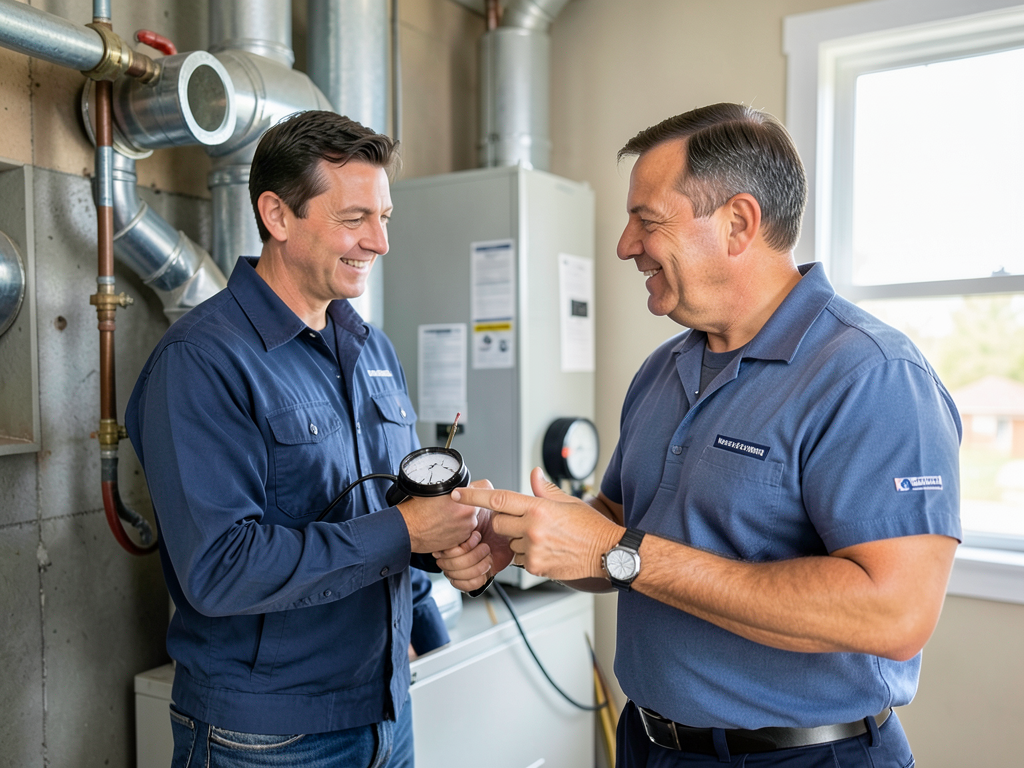
We start with a static pressure test to measure airflow resistance in your ductwork. If you add a high-efficiency particulate air filter to a system already struggling with low airflow, you risk overworking your blower motor and reducing heating and cooling efficiency. We calculate the right filtration level for your blower capacity, ensuring your system cleans air without compromising performance.

Next, we inspect your ductwork for leaks, mold growth, and insulation gaps. A whole-house air purifier works best when your ducts are sealed and balanced. We identify any return air pathways that bypass the filter media, which defeats the purpose of installing a central air cleaner. If you have a finished basement or bonus room with poor air circulation, we recommend adding return ducts to those zones so filtered air reaches every occupied space.

We install the air purification system upstream of your air handler, where it can treat all conditioned air before distribution. HVAC air purifiers use pleated media filters, electrostatic precipitators, or UV-C germicidal lamps depending on your priorities. Pleated filters trap particles mechanically, electrostatic units charge particles and attract them to metal plates, and UV lamps destroy mold spores and bacteria at the DNA level. Some systems combine all three technologies for maximum filtration.

After installation, we measure airflow at each register to confirm balanced distribution. We replace your thermostat with a model that tracks filter life and reminds you when maintenance is due. Air filtration systems require filter changes every six to twelve months depending on usage and outdoor air quality. We provide a maintenance schedule tailored to your household, including pets, smokers, and seasonal pollen exposure.

What Happens During Your Air Purification System Installation

Air Purification Systems in St. Louis – Whole-House Air Cleaners That Filter Allergens, Mold Spores, and River Valley Humidity
01

Ductwork and Airflow Assessment

We measure static pressure at the air handler and check duct seams for air leaks. This tells us whether your system can support a high-MERV filter or if we need to modify ductwork first. We also calculate your home's total square footage and air changes per hour to size the filtration system correctly. Poor airflow defeats even the best whole-house air purifier.
02

System Integration and Mounting

We cut an access panel into the return plenum and mount the air cleaning system with a sealed connection to prevent bypass. If you choose a UV-C germicidal lamp, we install it downstream of the evaporator coil where mold growth is most common. Electrostatic units require a dedicated 120V circuit, which we run to your electrical panel with proper code compliance.
03

Testing and Performance Verification

We run your system for a full heating and cooling cycle, measuring temperature rise and airflow at multiple registers. You should notice improved air distribution and quieter operation. We test the filter indicator light and show you how to replace media filters when the time comes. Central air cleaners work silently in the background, and most homeowners notice cleaner surfaces and fewer allergy symptoms within two weeks.

Why St. Louis Homeowners Trust Keystone HVAC for Air Purification Systems

St. Louis's mix of older housing stock and variable humidity demands local expertise. Homes in Lafayette Square, Soulard, and the Central West End often have original ductwork from the 1920s through 1950s. These systems were designed for heating only, with oversized ducts and no provision for central air conditioning or filtration. We retrofit air purification systems into vintage ductwork without compromising the integrity of your HVAC system or your home's historic character.

We understand how St. Louis's clay soil expands and contracts with moisture, causing foundation shifts that separate duct joints. A leaky duct system pulls unfiltered air from your attic or crawlspace, bypassing your whole-house air purifier completely. We seal duct joints with mastic and metal-backed tape, not the cloth duct tape that dries out and fails in attic heat. Proper sealing ensures every cubic foot of air passes through your filtration media.

Our technicians stay current on ASHRAE standards and local mechanical code updates. St. Louis adopted the 2018 International Mechanical Code, which sets minimum ventilation rates for habitable spaces. If your home lacks adequate fresh air intake, an air purification system alone will not solve stuffiness or odor problems. We install energy recovery ventilators when needed, balancing fresh air intake with filtration to maintain healthy indoor air quality without wasting energy.

We also recognize that St. Louis residents face seasonal challenges from Mississippi River Valley humidity and Gateway Arch region allergens. Spring pollen from elm, ash, and mulberry trees blankets neighborhoods in Tower Grove and Dogtown. Summer brings ragweed that persists into October. A properly sized HVAC air purifier reduces the burden on your immune system and cuts down on the need for antihistamines and asthma inhalers. We design systems with your specific health concerns in mind, not a one-size-fits-all approach.

What to Expect When You Invest in Whole-House Air Cleaning

Installation Timeline and Availability

Most air purification system installations take three to five hours depending on your ductwork configuration and the technology you choose. We schedule appointments Monday through Saturday with arrival windows that respect your schedule. If we discover duct modifications are necessary during the assessment, we provide a detailed scope of work before proceeding. Emergency installations for severe allergy or asthma situations can be prioritized within 24 hours. We carry the most common filtration systems on our trucks, so you will not wait weeks for special orders unless you request a specific brand.

Initial Consultation and Air Quality Testing

We start with a free in-home evaluation where we inspect your HVAC system, measure ductwork dimensions, and discuss your health concerns. If you want objective data, we offer particle count testing that measures airborne contaminants before and after installation. This is especially helpful for families with young children, elderly residents, or anyone with chronic respiratory conditions. We also review your furnace filter history to understand what you have tried before and why it fell short. The consultation includes a written proposal with equipment options, installation steps, and maintenance requirements.

Air Quality Improvement and Long-Term Results

Within the first week, most homeowners notice less dust accumulation on furniture and cleaner air register grilles. Allergy sufferers report fewer morning sinus headaches and reduced nighttime congestion. The full impact becomes clear after four to six weeks as your home's air cycles through the filtration system multiple times per day. You will spend less time dusting, replace HVAC filters less frequently, and enjoy better sleep quality. Central air cleaners also extend the life of your heating and cooling equipment by keeping evaporator coils and blower wheels clean.

Filter Replacement and Ongoing Maintenance

Pleated media filters require replacement every six to twelve months depending on household conditions. Electrostatic units need quarterly cleaning of metal collection plates. UV-C lamps lose effectiveness after 12 to 18 months and must be replaced even if they still emit visible light. We offer annual maintenance plans that include filter changes, system performance checks, and duct inspections. You receive reminder calls or emails before maintenance is due, and we keep your equipment model and filter size on file so you never have to guess what you need. Proper maintenance ensures your air filtration system performs at peak efficiency for decades.

Frequently Asked Questions

You Have Questions,
We Have Answers

What is the best home air purifying system? +

The best system depends on your home size and air quality goals. Whole-home air purifiers integrate with your existing HVAC system and treat every room simultaneously, which works well for St. Louis homes dealing with Mississippi River Valley humidity and seasonal allergens. HEPA filtration removes 99.97% of particles, while activated carbon handles odors and VOCs. For St. Louis residents, systems with UV-C lights combat mold spores common in our humid climate. Portable units work for single rooms but lack comprehensive coverage. Your ductwork configuration and square footage determine the right capacity. A professional load calculation ensures proper sizing for your specific home.

Is there a downside to air purifiers? +

Air purifiers can produce ozone if they use ionization technology, which irritates lungs and aggravates asthma. Avoid ozone generators marketed as air cleaners. Filter replacement costs add up, typically $50 to $200 annually depending on your system. Noise levels vary, louder units may disrupt sleep if placed in bedrooms. Some people experience initial headaches as air quality shifts, though this passes quickly. In St. Louis homes with high humidity, purifiers alone do not fix moisture problems that fuel mold growth. You still need proper ventilation and dehumidification. Purifiers also cannot replace regular HVAC filter changes or duct cleaning.

Do air purifying machines really work? +

Yes, but effectiveness depends on the technology and proper sizing. HEPA filters capture pollen, dust mites, pet dander, and mold spores that trigger allergies in St. Louis homes. Activated carbon removes smoke and chemical odors. Clinical studies show HEPA purifiers reduce airborne particulates by 50% or more within hours. They help with seasonal allergies common along the Mississippi River corridor. However, purifiers do not eliminate particles already settled on furniture or carpets. They work best when combined with source control, like fixing leaks that cause mold or improving ventilation. Undersized units or cheap filters deliver poor results. Professional installation ensures adequate air exchanges per hour.

What is an air purification system? +

An air purification system removes contaminants from indoor air using filtration, UV light, or electronic methods. Whole-home systems install directly into your HVAC ductwork and treat air as it circulates through your heating and cooling system. They capture allergens, bacteria, viruses, mold spores, and volatile organic compounds before air reaches your living spaces. In St. Louis, where humidity breeds mold and seasonal pollen counts spike, these systems provide continuous protection. Portable units treat single rooms using fans to pull air through filters. Commercial buildings often use more aggressive purification with multiple stages. The goal is improving indoor air quality beyond what standard HVAC filters achieve alone.

What to avoid when buying an air purifier? +

Avoid ozone generators, which produce lung irritants despite marketing claims. Skip units without true HEPA filters, cheaper alternatives capture fewer particles. Undersized purifiers for your square footage waste money without delivering results. Check the Clean Air Delivery Rate to match room size. Avoid proprietary filters that cost excessive amounts for replacements, you need accessible, affordable media. In St. Louis homes, skip purifiers without humidity sensors since our climate shifts dramatically between seasons. Units lacking pre-filters clog quickly from pet hair and dust. Avoid impulse buying without considering your ductwork layout. Portable units placed randomly do not treat whole homes effectively. Get professional sizing first.

Which air purifier do doctors recommend? +

Doctors recommend HEPA filtration systems for patients with asthma, allergies, or respiratory conditions. The American Lung Association endorses HEPA technology that captures 99.97% of particles down to 0.3 microns. Many physicians suggest whole-home systems over portable units for consistent air quality throughout living spaces. For St. Louis residents dealing with Mississippi River Valley allergens and mold, doctors often recommend systems combining HEPA filters with UV-C lights. Pulmonologists caution against ionizers and ozone generators. Medical professionals emphasize proper sizing and regular filter replacement. They recommend professional installation to ensure adequate air exchanges per hour. Your specific respiratory condition determines the ideal filtration level.

What are signs you need an air purifier? +

You need an air purifier if you experience frequent sneezing, congestion, or itchy eyes indoors. Visible dust accumulation despite regular cleaning indicates poor air quality. Pet odors that linger suggest inadequate filtration. In St. Louis, increased allergy symptoms during spring and fall pollen seasons signal airborne irritants. Musty smells point to mold spores circulating through your HVAC system, common in our humid climate. Family members with asthma or respiratory issues benefit from purification. Recent renovations release VOCs from paint and materials. Proximity to high-traffic roads brings exhaust particles indoors. If you smoke or cook frequently, odors and particulates accumulate quickly.

Is it okay to sleep with an air purifier on all night? +

Yes, running an air purifier overnight is safe and beneficial. Continuous operation maintains consistent air quality while you sleep, when you spend eight hours breathing bedroom air. Modern units consume minimal electricity, comparable to a light bulb. Noise levels vary, choose units rated under 40 decibels for bedrooms. Many models include sleep modes that dim lights and reduce fan speed. In St. Louis homes, overnight operation combats dust mites that thrive in our humidity and trigger nighttime allergies. Position the unit away from your bed if fan noise disturbs you. Filter lifespan depends on run time, continuous use means more frequent replacements, typically every three to six months.

Is an air purifier good for your lungs? +

Air purifiers with HEPA filters benefit lung health by removing particles that irritate airways and trigger inflammation. They reduce asthma attacks by capturing allergens like pollen, pet dander, and dust mites before you inhale them. For St. Louis residents, purifiers combat mold spores common in our humid Mississippi River Valley climate. Studies show improved lung function in people using HEPA purification consistently. They help during wildfire smoke events that occasionally affect our region. Purifiers reduce exposure to bacteria and viruses in recirculated indoor air. However, they do not cure lung disease or replace medical treatment. Avoid ozone-producing models, which damage lung tissue despite cleaning claims.

Where is the best place to put an air purifier in your home? +

Place air purifiers where you spend the most time, typically bedrooms and living rooms. Position units three feet from walls and furniture for unrestricted airflow. Avoid corners where air circulation stagnates. In St. Louis homes with basement moisture issues, place purifiers near problem areas to combat mold spores before they spread upstairs. Keep units away from windows and doors where outdoor air dilutes effectiveness. Elevate portable purifiers on tables or stands since contaminants concentrate at breathing height. Bedrooms benefit most, you spend eight hours there nightly. Avoid placing units behind curtains or under desks. For whole-home systems, professional ductwork integration ensures even distribution throughout your house.

How Mississippi River Valley Humidity Demands Year-Round Air Filtration in St. Louis

St. Louis's location at the confluence of the Mississippi and Missouri Rivers creates persistent humidity that drives mold growth in ductwork and on evaporator coils. Summer dew points regularly exceed 70 degrees, and winter condensation forms on cold duct surfaces in unconditioned attics. Mold spores thrive in these conditions, and a standard furnace filter does nothing to kill active colonies. Whole-house air purifiers with UV-C germicidal lamps disrupt mold reproduction, while high-MERV filters trap spores before they circulate through your home. If you smell musty air when your system starts, you already have a contamination problem that requires more than a filter change.

St. Louis mechanical code requires proper ventilation for new construction and major renovations, but older homes often lack adequate fresh air intake. Keystone HVAC St. Louis understands the local building code landscape and works with St. Louis County and City of St. Louis inspectors regularly. We know which modifications require permits and how to integrate air cleaning systems without violating code. Our familiarity with local HVAC contractors, suppliers, and inspection procedures means your installation proceeds smoothly without delays or surprise costs. When you choose a local provider who understands St. Louis's unique challenges, you get a system designed for this climate, not a generic solution copied from a national manual.
HVAC Services in The St. Louis Area

Our service area spans across the St. Louis metropolitan area and surrounding communities. We’re dedicated to bringing our top-quality HVAC services directly to your doorstep. Use the map to see our coverage and feel free to contact us with any questions about whether we can service your specific location. We’re always here to help you find the comfort solutions you need.

Address:
Keystone HVAC St. Louis, 4452 Manchester Ave, St. Louis, MO, 63110

Additional Services We Offer

Our news updates

Latest Articles & News from The Blogs

Does Your Maryland Heights Attic Have Enough Ventilation for the Summer Heat? Your Maryland Heights attic can reach 150°F on…

Does Your Maryland Heights Attic Have Enough Ventilation for the Summer Heat?

Does Your Maryland Heights Attic Have Enough Ventilation for the Summer Heat? Your Maryland Heights attic can reach 150°F on…

What That Strange Metallic or Burning Plastic Smell from Your Furnace Actually Means

What That Strange Metallic or Burning Plastic Smell from Your Furnace Actually Means If your furnace smells like burning plastic…

Why Closing Vents in Unused Rooms Is Actually Hurting Your Ladue Home

Many Ladue homeowners close vents in unused rooms to save money on energy bills. This common practice seems logical at…

Contact Us

Schedule your free air quality assessment and discover which whole-house air purifier fits your home and health needs. Call Keystone HVAC St. Louis at (314) 417-7771 or request an appointment online. Stop fighting allergies and start breathing easier.