


Maryland Heights sits in the Missouri River Valley where humidity and temperature swings punish HVAC equipment harder than most regions. Summer temperatures regularly push past 95 degrees with humidity levels that force air conditioners to run continuously. Winter cold snaps drop below zero, stressing furnaces and heat pumps beyond their design limits. This freeze-thaw cycle causes expansion and contraction in ductwork, refrigerant lines, and condensate drains.
The clay soil common throughout Maryland Heights retains moisture, creating foundation settlement that can separate duct joints and damage exterior condensing units. Homes near Creve Coeur Lake and the Missouri River bottomlands face additional moisture intrusion that breeds mold in air handlers and degrades insulation around refrigerant lines. Spring storms bring rapid temperature changes that shock systems cycling between heating and cooling modes within hours.
Local building codes require specific ventilation rates and efficiency standards that older systems cannot meet. Many homes in established neighborhoods like Fee Fee and McKelvey Woods were built with undersized ductwork or equipment that struggles to maintain comfort in our extreme climate. Understanding these regional stresses means the difference between a band-aid repair and a lasting solution.
We built our reputation in Maryland Heights by showing up when others would not. While competitors book appointments three days out, we dispatch technicians within hours because we know a broken air conditioner in August is not a convenience issue. It is a health risk for children, elderly family members, and pets. Our 24/7 emergency service means a live person answers your call at two in the morning, not a recording promising a callback.
Our technicians carry fully stocked trucks with parts for every major brand because multiple trips waste your time and leave you uncomfortable longer. We diagnose the actual problem instead of selling you a new system when a repair will do. When replacement makes sense, we explain why in plain language and show you the failed components. No scare tactics. No pressure. Just honest assessment from technicians who live in the same communities they serve.
We invest in continuous training on new refrigerants, variable-speed technology, and smart thermostat integration because HVAC equipment evolves rapidly. A technician who learned the trade ten years ago and stopped studying cannot properly service today's high-efficiency systems. Our team holds certifications in refrigerant handling, combustion analysis, and duct design because shortcuts create callbacks. We fix it right the first time, guarantee our work, and stay available if questions arise after we leave. That commitment to craftsmanship and availability is why Maryland Heights homeowners call us first when their comfort is on the line.

We answer our phones 24/7 and dispatch immediately to Maryland Heights addresses. No waiting days for an appointment while your family sweats or freezes. Our average response time is under two hours for emergency calls because we staff enough technicians to handle demand without delay.

Our trucks carry parts for all major HVAC brands so repairs happen on the first visit. We stock capacitors, contactors, fan motors, thermostats, and refrigerant to eliminate the waiting game. If we need to order a specialized component, we provide temporary solutions to keep you comfortable.
We diagnose problems accurately and explain your options without pushing unnecessary replacements. If a repair makes sense, we repair it. If replacement is the better investment, we show you exactly why with evidence and cost comparison. You make informed decisions, not pressured ones.
We understand how Missouri River Valley humidity affects dehumidification loads and how local clay soil causes duct separation. Our technicians know the common issues in Fee Fee subdivisions versus newer construction near Page Avenue. Regional knowledge prevents misdiagnosis and ensures solutions that last in our specific climate.
Keystone HVAC St. Louis handles every aspect of residential heating, cooling, and air quality from emergency repairs to planned replacements. We service all equipment types including central air systems, heat pumps, gas furnaces, electric heating, ductless mini-splits, and hybrid systems. Our technicians diagnose compressor failures, refrigerant leaks, blower motor issues, thermostat malfunctions, and duct problems with precision testing equipment.
We perform load calculations before recommending new equipment to ensure proper sizing, unlike installers who guess based on square footage alone. Undersized systems run constantly and fail early. Oversized systems short-cycle and create humidity problems. We calculate heat gain, insulation values, window orientation, and occupancy to match equipment capacity to your actual needs.
Our maintenance programs catch small problems before they become expensive failures. Seasonal tune-ups include refrigerant charge verification, electrical connection tightening, condensate drain clearing, and combustion analysis on gas furnaces. These services are organized into emergency repairs, system replacements, and preventive maintenance to address immediate crises, long-term investments, and ongoing reliability.
When your air conditioner quits cooling or your furnace stops heating, we respond immediately with fully equipped technicians. We diagnose compressor failures, refrigerant leaks, failed capacitors, broken contactors, motor burnouts, and control board issues on-site. Our trucks stock replacement parts for same-visit repairs on most breakdowns. We handle refrigerant recovery and recharge using proper EPA procedures, test airflow with manometers, and verify electrical draws with amp meters to confirm repairs solve the root problem.
We perform Manual J load calculations to size replacement systems correctly for Maryland Heights climate conditions. Our installations include proper refrigerant line sizing, correct duct modifications, sealed connections, and startup verification. We install high-efficiency air conditioners, heat pumps, gas furnaces, and hybrid systems with manufacturer warranties and workmanship guarantees. Every installation includes airflow testing, refrigerant charge verification, and thermostat programming to ensure peak performance from day one.
Our maintenance visits catch problems before they strand you without heating or cooling. We inspect electrical connections, measure refrigerant charge, clean condenser coils, check blower wheel balance, test capacitors, clear condensate drains, and analyze gas furnace combustion. These inspections identify worn components that will fail soon, allowing planned replacement instead of emergency breakdown. Maintained systems use less energy, last longer, and break down far less often than neglected equipment.
Maryland Heights climate and construction patterns create predictable HVAC challenges. High humidity summers overwork air conditioner compressors and freeze evaporator coils when airflow drops from dirty filters. Extreme winter cold causes heat pump defrost cycles to run constantly, reducing heating capacity when you need it most. Clay soil settlement separates duct joints in crawl spaces and basements, dumping conditioned air into spaces you do not occupy.
Homes built in the 1970s and 1980s often have undersized return air ducts that starve equipment of airflow, causing high head pressure and compressor failure. Additions and remodels frequently add square footage without upgrading HVAC capacity, forcing systems to run beyond their design limits. These patterns repeat across Maryland Heights because geography, construction methods, and climate affect all homes similarly. Recognizing these issues quickly prevents minor problems from becoming expensive failures.
When evaporator coils freeze, your air conditioner runs but produces no cooling. Causes include dirty filters restricting airflow, low refrigerant from leaks, or failed blower motors. Ice buildup stops heat transfer and can crack refrigerant tubes if ignored. We thaw coils safely, identify the root cause, and restore cooling capacity.
Systems that turn on and off every few minutes or run nonstop without reaching temperature indicate sizing problems, refrigerant issues, or failed components. Oversized equipment short-cycles and creates humidity problems. Undersized systems run constantly and fail early. We diagnose with amperage testing, superheat measurement, and airflow verification.
Air conditioners remove humidity as a byproduct of cooling, but oversized systems or improper airflow prevent adequate moisture removal. You feel clammy despite the thermostat showing the right temperature. Solutions include proper sizing, variable-speed blower upgrades, or supplemental dehumidification equipment designed for Missouri River Valley humidity levels.
When some rooms stay hot while others freeze, duct leakage or improper balancing is usually the cause. Separated duct joints in crawl spaces dump air into unconditioned space. Poorly designed duct systems deliver too much airflow to some areas and not enough to others. We use airflow measurement and duct pressure testing to identify and fix distribution problems.
From your first call to final invoice, we communicate clearly and respect your time. You reach a real person who listens to your problem and asks diagnostic questions that help our technician arrive prepared. We provide arrival windows and call ahead so you are not waiting around wondering when we will show up. Our technicians arrive in marked vehicles, introduce themselves, and explain what they need to do before starting work.
We protect your floors with shoe covers and work mats. We show you the problem when possible so you understand what failed and why. Our estimates include parts and labor broken out clearly with options when multiple solutions exist. We do not start work until you approve the cost. After repairs, we test the system thoroughly and walk you through what we did. You receive documentation of all work with parts warranties and service guarantees in writing.
When you call, our staff asks about symptoms, system age, and any recent changes to help the technician arrive prepared with likely parts. We schedule arrival windows we actually keep and call 30 minutes ahead to confirm. You are never left wondering when help will arrive or what the technician is doing. We explain problems in plain language without technical jargon designed to confuse.
After diagnosis, we provide written estimates that break down parts and labor separately. If multiple solutions exist, we explain the pros and cons of each without pushing the most expensive option. We never start work until you approve the cost. No surprise charges appear on the final invoice. What we quote is what you pay unless you ask us to do additional work.
We guarantee our repairs and stand behind our work. If a problem returns related to our service, we come back and fix it at no charge. Parts carry manufacturer warranties we honor completely. After installation or repair, we remain available by phone if you have questions about operation or performance. You are not abandoned once we collect payment.
We keep the process simple because emergencies are stressful enough without confusion. Three steps get you from broken system to restored comfort.
You call (314) 417-7771 and describe the problem. We ask diagnostic questions, schedule the soonest available arrival, and dispatch a technician with the tools and common parts needed for your system type. For emergencies, we prioritize based on health risk and weather conditions. You receive a call 30 minutes before arrival so you can prepare.
Our technician inspects your system, tests components, and identifies the failure. We show you the problem when possible and explain what caused it. You receive a written estimate before any work begins. We discuss options if multiple solutions exist and answer all questions. Once you approve, we complete the repair or schedule installation if parts must be ordered.
We complete the repair, test system operation thoroughly, and verify proper performance with temperature measurements and airflow checks. You receive documentation of work performed, parts installed, and warranty information. We clean up completely and remove all debris. Before leaving, we walk you through what we did and confirm your system is working correctly.
Proper HVAC service requires more than changing parts until something works. We follow Air Conditioning Contractors of America standards for installation, EPA refrigerant handling protocols, and National Fire Protection Association combustion safety guidelines. These standards exist because shortcuts cause failures, waste energy, and create safety hazards.
Refrigerant charge must match manufacturer specifications precisely. Overcharge causes high head pressure and compressor failure. Undercharge reduces capacity and freezes evaporator coils. We measure superheat and subcooling with calibrated gauges, not guesswork. Ductwork must deliver the correct cubic feet per minute of airflow based on system tonnage. We test with manometers and calculate external static pressure to verify duct systems can support equipment performance.
Gas furnace combustion requires proper air-fuel mixture for efficiency and safety. We analyze flue gas with electronic meters to verify carbon monoxide stays below 50 parts per million and combustion efficiency exceeds 80 percent. Heat exchangers receive visual inspection with borescopes to detect cracks that leak combustion gas into living spaces. These inspections prevent carbon monoxide poisoning that kills families every winter.
Electrical connections must be tight and properly sized. Loose connections create resistance, heat buildup, and eventual failure. We torque all terminals to manufacturer specifications and verify wire gauge matches amperage draw. Improper electrical work causes house fires. We take these standards seriously because your family's safety depends on it.
We measure superheat and subcooling with digital gauges to verify refrigerant charge matches manufacturer specifications. Incorrect charge reduces capacity, increases energy use, and causes premature compressor failure. EPA regulations require certified technicians and proper recovery equipment for all refrigerant work. We follow these protocols on every service call.
Emergency service costs more than scheduled maintenance because technicians must be available 24/7. Refrigerant prices fluctuate based on EPA phase-out schedules for older types. Complex repairs requiring specialized tools or multiple visits cost more than simple component swaps. We explain costs upfront and provide options when they exist.
Most repairs finish in one visit when parts are in stock. Specialized components may require ordering with one to three day lead times. System replacements typically take one to two days depending on complexity and duct modifications needed. We provide accurate timelines during diagnosis so you can plan accordingly.
Missouri requires HVAC contractors to carry liability insurance and workers compensation coverage. Technicians must hold EPA refrigerant handling certification for any work involving sealed refrigerant systems. We maintain all required licensing, insurance, and certifications. You can verify our credentials before hiring us.
Expert explanation of common HVAC problems affecting Maryland Heights homes including frozen evaporator coils, short cycling, humidity issues, and uneven temperatures. Covers technical repair standards, refrigerant handling protocols, and combustion safety testing. Discusses climate challenges specific to Missouri River Valley region and how clay soil affects ductwork. Provides homeowner guidance on emergency service, maintenance practices, and system replacement decisions.
Keystone HVAC St. Louis serves all Maryland Heights neighborhoods from established subdivisions near Fee Fee Creek to newer developments along Page Avenue. We respond to calls in McKelvey Woods where 1980s construction often needs duct sealing and system upgrades. The neighborhoods around Creve Coeur Lake face unique humidity challenges from proximity to open water that requires specialized dehumidification solutions.
Homes in the Fee Fee area northeast of Interstate 270 were built mostly in the 1970s with ductwork that has separated over decades of clay soil settlement. We repair and seal these duct systems to stop energy waste and improve comfort. Properties near the Missouri River bottomlands west of Highway 141 deal with higher water tables that affect crawl space conditions and condensate drainage. Our technicians understand these regional differences and adjust solutions accordingly.
The commercial corridor along Dorsett Road and the residential streets between Marine Avenue and Bennington Place represent the full range of HVAC challenges in Maryland Heights. We service split systems, package units, heat pumps, and gas furnaces across all these areas. Our technicians live in St. Louis County and know the shortcuts between neighborhoods, allowing faster emergency response when minutes matter.
We also serve nearby Bridgeton, Creve Coeur, Hazelwood, and Florissant with the same rapid response and quality workmanship. Whether you live near the Maryland Heights Community Center or in the subdivisions off Schuetz Road, our trucks reach you quickly because we station service vehicles throughout the region. Understanding local construction patterns, soil conditions, and climate challenges makes us more effective than technicians learning your neighborhood for the first time.
The $5000 AC rule refers to IRS guidelines on when you can deduct replacement costs versus capitalizing them as home improvements. If your repair or replacement exceeds $5000, it typically must be added to your home's cost basis rather than deducted immediately. Maryland Heights homeowners should note this threshold applies to each separate system or component. For HVAC work, keep detailed records. Small repairs usually qualify as maintenance expenses, while full system replacements get treated differently. Consult a tax professional about your specific situation, especially for rentals or home office deductions.
HVAC jobs in Maryland Heights vary widely based on scope. Basic repairs like thermostat replacements or capacitor swaps run a few hundred dollars. More involved repairs, such as compressor replacements or refrigerant recharges, cost more. Full system replacements represent the largest investment. The high humidity summers and cold winters here mean your system works hard year-round, which affects wear patterns. Equipment brand, efficiency rating, home size, and ductwork condition all influence final costs. Get multiple written estimates from licensed contractors to compare pricing specific to your home's needs.
A new HVAC system in Maryland typically ranges from moderate to substantial investment, depending on your home's square footage and efficiency needs. Maryland Heights sits in a climate zone requiring both robust cooling for humid summers and reliable heating for winter freezes. Variable-speed systems cost more upfront but save on utility bills. Single-stage units represent the economy option. Your ductwork condition matters too. Older Maryland Heights homes often need duct sealing or replacement, which adds to project costs. Equipment brand, SEER rating, and installation complexity determine your final investment.
The $5000 AC rule refers to IRS guidelines on when you can deduct replacement costs versus capitalizing them as home improvements. If your repair or replacement exceeds $5000, it typically must be added to your home's cost basis rather than deducted immediately. Maryland Heights homeowners should note this threshold applies to each separate system or component. For HVAC work, keep detailed records. Small repairs usually qualify as maintenance expenses, while full system replacements get treated differently. Consult a tax professional about your specific situation, especially for rentals or home office deductions.
HVAC jobs in Maryland Heights vary widely based on scope. Basic repairs like thermostat replacements or capacitor swaps run a few hundred dollars. More involved repairs, such as compressor replacements or refrigerant recharges, cost more. Full system replacements represent the largest investment. The high humidity summers and cold winters here mean your system works hard year-round, which affects wear patterns. Equipment brand, efficiency rating, home size, and ductwork condition all influence final costs. Get multiple written estimates from licensed contractors to compare pricing specific to your home's needs.
A new HVAC system in Maryland typically ranges from moderate to substantial investment, depending on your home's square footage and efficiency needs. Maryland Heights sits in a climate zone requiring both robust cooling for humid summers and reliable heating for winter freezes. Variable-speed systems cost more upfront but save on utility bills. Single-stage units represent the economy option. Your ductwork condition matters too. Older Maryland Heights homes often need duct sealing or replacement, which adds to project costs. Equipment brand, SEER rating, and installation complexity determine your final investment.
Average HVAC systems vary in cost based on size, efficiency, and installation requirements. You pay for the equipment itself plus labor, permits, and any necessary upgrades to electrical systems or ductwork. Higher SEER-rated units cost more initially but reduce monthly bills. Maryland Heights homes typically need systems sized for both humid summers and freezing winters, which affects equipment selection. A properly sized system prevents short cycling and premature failure. Get a Manual J load calculation to determine correct sizing. Cheaper is not better when equipment fails during July humidity or January cold snaps.
You may write off a new AC unit under specific conditions. Energy-efficient systems can qualify for federal tax credits if they meet efficiency requirements. The Inflation Reduction Act extended credits for qualified heat pumps and high-efficiency equipment. Maryland Heights homeowners should check current IRS guidelines, as rules change yearly. If you use part of your home for business, you might deduct a proportional amount. Rental property owners follow different rules allowing depreciation over time. Keep all receipts and manufacturer certifications. Consult a tax professional to maximize your deductions legally.
The 3-minute rule for AC refers to the minimum time you should wait between turning your system off and back on. This delay protects your compressor from damage. When you shut down, refrigerant pressure needs time to equalize throughout the system. Restarting too quickly forces the compressor to work against high pressure, which shortens its lifespan. Maryland Heights summers tempt homeowners to fiddle with thermostats constantly, but patience protects your investment. Most modern systems include built-in delay timers. If yours cycles rapidly or trips breakers, call a technician immediately.
Replacing HVAC in a 2000 square foot house in Maryland Heights depends on equipment selection and installation complexity. You need adequate tonnage for our humid summers and reliable heating for winter. Two-story homes cost more than ranch layouts due to zoning needs. Your existing ductwork condition matters significantly. Leaky or undersized ducts require modification. Higher SEER ratings reduce operating costs but increase upfront investment. The age of your home affects electrical panel capacity and refrigerant line placement. Get three written estimates with detailed scope breakdowns before deciding. Quality installation prevents callbacks and premature failure.
Insurance coverage for HVAC repair depends on the damage cause. Standard homeowners policies typically cover sudden mechanical failure from covered perils like fire, lightning, or vandalism. They exclude gradual wear, poor maintenance, or aging equipment. Maryland Heights homeowners should review their policy details. Some carriers offer equipment breakdown endorsements specifically for mechanical systems. If storm damage caused the failure, you might have coverage. Flood damage requires separate flood insurance. Document everything with photos and repair estimates. Call your agent before authorizing work to understand your coverage limits and deductible requirements.
The average HVAC system lasts 15 to 20 years with proper maintenance. Maryland Heights climate stresses systems with humid summers requiring constant cooling and cold winters demanding reliable heat. Units that run year-round wear faster than those in milder climates. Regular filter changes, annual tune-ups, and prompt repairs extend lifespan significantly. Neglected systems fail earlier, often around 10 to 12 years. Your installation quality matters too. Improperly sized equipment or poor ductwork causes premature failure. Keep maintenance records to maximize resale value and catch problems early before they become expensive failures.
HVAC costs in 2025 will likely increase due to inflation, supply chain factors, and regulatory changes. New refrigerant regulations phase out older types, requiring updated equipment designs. Maryland Heights homeowners replacing systems should expect continued price pressure on high-efficiency models. Labor costs rise as demand for skilled technicians exceeds supply. However, federal tax credits for energy-efficient equipment may offset some increases. Material costs fluctuate based on global markets. If your system nears end-of-life, replacing it now versus waiting depends on its reliability. Get current quotes and compare against projected increases before deciding.
Average HVAC systems vary in cost based on size, efficiency, and installation requirements. You pay for the equipment itself plus labor, permits, and any necessary upgrades to electrical systems or ductwork. Higher SEER-rated units cost more initially but reduce monthly bills. Maryland Heights homes typically need systems sized for both humid summers and freezing winters, which affects equipment selection. A properly sized system prevents short cycling and premature failure. Get a Manual J load calculation to determine correct sizing. Cheaper is not better when equipment fails during July humidity or January cold snaps.
You may write off a new AC unit under specific conditions. Energy-efficient systems can qualify for federal tax credits if they meet efficiency requirements. The Inflation Reduction Act extended credits for qualified heat pumps and high-efficiency equipment. Maryland Heights homeowners should check current IRS guidelines, as rules change yearly. If you use part of your home for business, you might deduct a proportional amount. Rental property owners follow different rules allowing depreciation over time. Keep all receipts and manufacturer certifications. Consult a tax professional to maximize your deductions legally.
The 3-minute rule for AC refers to the minimum time you should wait between turning your system off and back on. This delay protects your compressor from damage. When you shut down, refrigerant pressure needs time to equalize throughout the system. Restarting too quickly forces the compressor to work against high pressure, which shortens its lifespan. Maryland Heights summers tempt homeowners to fiddle with thermostats constantly, but patience protects your investment. Most modern systems include built-in delay timers. If yours cycles rapidly or trips breakers, call a technician immediately.
Replacing HVAC in a 2000 square foot house in Maryland Heights depends on equipment selection and installation complexity. You need adequate tonnage for our humid summers and reliable heating for winter. Two-story homes cost more than ranch layouts due to zoning needs. Your existing ductwork condition matters significantly. Leaky or undersized ducts require modification. Higher SEER ratings reduce operating costs but increase upfront investment. The age of your home affects electrical panel capacity and refrigerant line placement. Get three written estimates with detailed scope breakdowns before deciding. Quality installation prevents callbacks and premature failure.
Insurance coverage for HVAC repair depends on the damage cause. Standard homeowners policies typically cover sudden mechanical failure from covered perils like fire, lightning, or vandalism. They exclude gradual wear, poor maintenance, or aging equipment. Maryland Heights homeowners should review their policy details. Some carriers offer equipment breakdown endorsements specifically for mechanical systems. If storm damage caused the failure, you might have coverage. Flood damage requires separate flood insurance. Document everything with photos and repair estimates. Call your agent before authorizing work to understand your coverage limits and deductible requirements.
The average HVAC system lasts 15 to 20 years with proper maintenance. Maryland Heights climate stresses systems with humid summers requiring constant cooling and cold winters demanding reliable heat. Units that run year-round wear faster than those in milder climates. Regular filter changes, annual tune-ups, and prompt repairs extend lifespan significantly. Neglected systems fail earlier, often around 10 to 12 years. Your installation quality matters too. Improperly sized equipment or poor ductwork causes premature failure. Keep maintenance records to maximize resale value and catch problems early before they become expensive failures.
HVAC costs in 2025 will likely increase due to inflation, supply chain factors, and regulatory changes. New refrigerant regulations phase out older types, requiring updated equipment designs. Maryland Heights homeowners replacing systems should expect continued price pressure on high-efficiency models. Labor costs rise as demand for skilled technicians exceeds supply. However, federal tax credits for energy-efficient equipment may offset some increases. Material costs fluctuate based on global markets. If your system nears end-of-life, replacing it now versus waiting depends on its reliability. Get current quotes and compare against projected increases before deciding.
Our service area spans across the St. Louis metropolitan area and surrounding communities. We’re dedicated to bringing our top-quality HVAC services directly to your doorstep. Use the map to see our coverage and feel free to contact us with any questions about whether we can service your specific location. We’re always here to help you find the comfort solutions you need.
Address:
Maryland Heights, MO, 63043
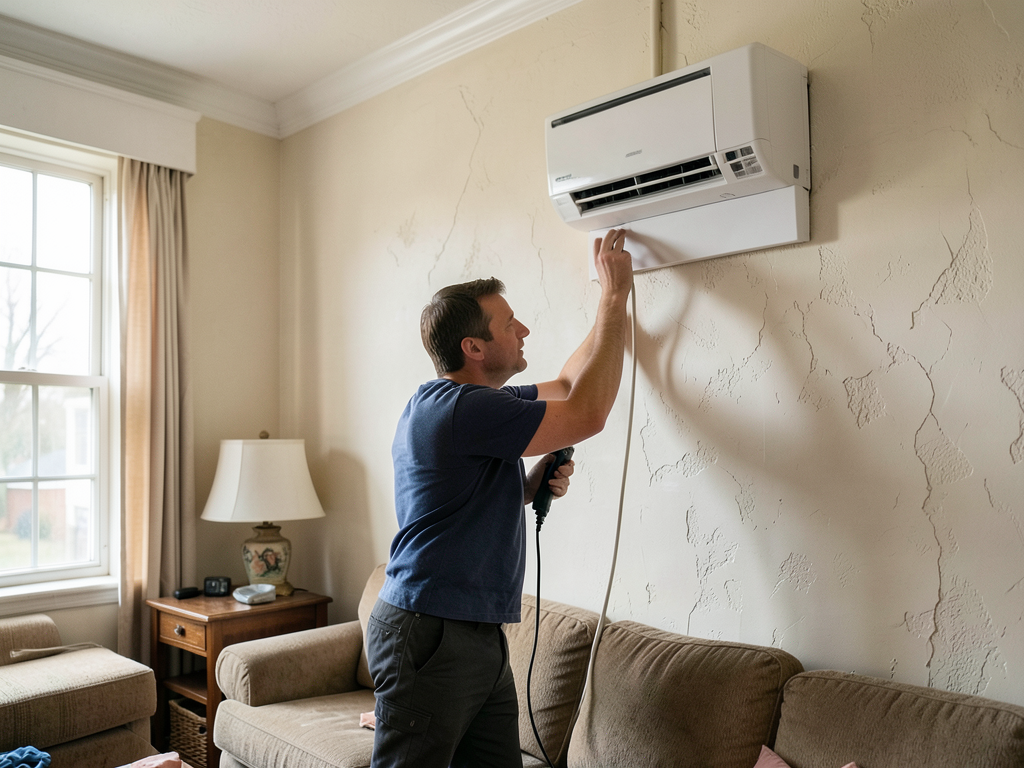
Modern Cooling Options for Vintage Condos in DeMun That Can't Use Window Units Living in a vintage condo in DeMun comes with undeniable charm but also unique cooling challenges. Many of these historic buildings were…
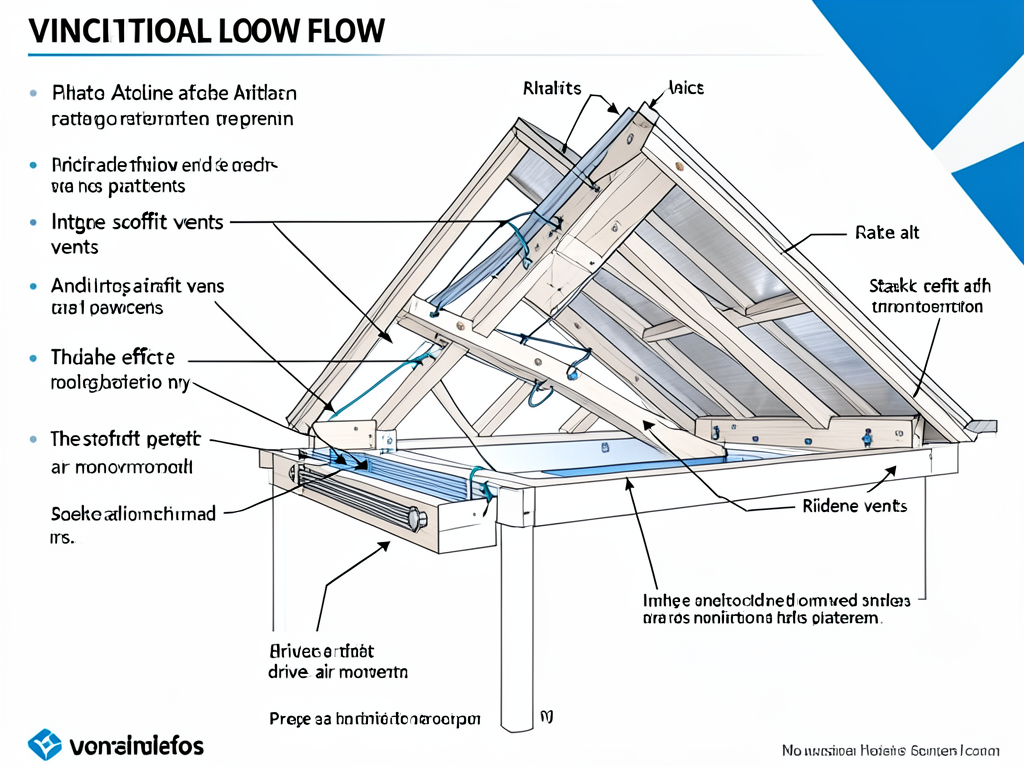
Does Your Maryland Heights Attic Have Enough Ventilation for the Summer Heat? Your Maryland Heights…
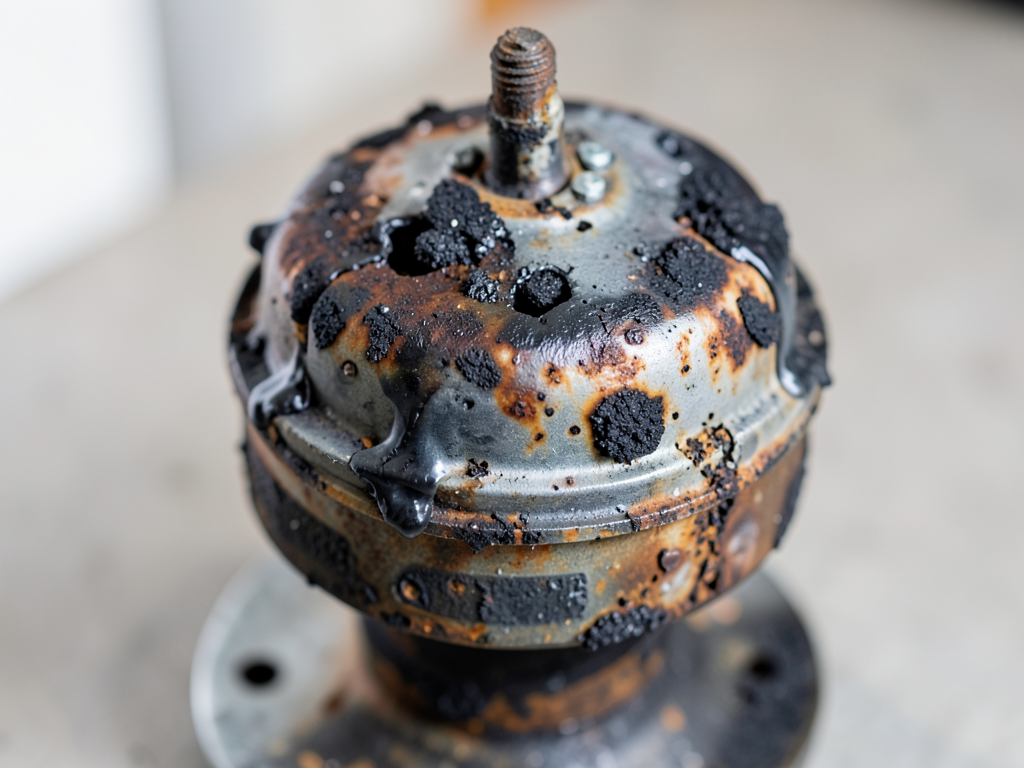
What That Strange Metallic or Burning Plastic Smell from Your Furnace Actually Means If your…
Many Ladue homeowners close vents in unused rooms to save money on energy bills. This…
Do not spend another hour uncomfortable. Call Keystone HVAC St. Louis at (314) 417-7771 right now for same-day service in Maryland Heights. We answer 24/7, dispatch immediately, and fix it right the first time.