


Kirkwood sits in the humid continental climate zone, which means extreme temperature swings and high moisture levels year-round. Summer temperatures regularly hit 90 degrees with 70 percent humidity, forcing air conditioners to work overtime removing both heat and moisture. Winter lows drop into the teens, putting serious demand on heating systems for months.
The clay-heavy soil throughout neighborhoods like Meacham Park and downtown Kirkwood retains moisture, creating damp basements that strain dehumidification systems. Spring and fall bring rapid temperature shifts, sometimes 40 degrees in a single day, which forces HVAC systems to cycle frequently between heating and cooling modes. This constant cycling wears components faster than in more stable climates.
Older homes near the train depot and along Kirkwood Road often have outdated ductwork with poor insulation, causing energy loss and uneven temperatures between rooms. The tree canopy throughout residential areas like Big Bend provides welcome shade but drops leaves and debris that clog outdoor condenser units if not maintained. Systems that run fine in milder climates struggle here, making regular maintenance and prompt repairs necessary to avoid complete breakdowns during temperature extremes.
We've built our reputation in Kirkwood by showing up when we say we will and fixing problems right the first time. Most comfort emergencies happen at the worst possible moment, and you need a team that responds fast with the skills to diagnose and repair systems quickly. We stock common parts on every truck, which means we can complete most repairs during the first visit instead of scheduling return trips while you suffer through equipment failure.
Our technicians train continuously on both legacy systems found in older Kirkwood homes and the latest high-efficiency equipment. This matters because a tech who only knows newer systems will struggle with the quirky furnaces and outdated AC units still running in homes built in the 1940s and 50s. We handle everything from gravity furnaces in historic homes near downtown to modern zoned systems in newer construction.
We price every job upfront before starting work. You'll know exactly what the repair costs before we touch your system, with no surprise charges or hidden fees added to the final bill. If we find additional problems during diagnosis, we explain what's wrong and what it will cost to fix before proceeding. This transparency matters when you're already stressed about unexpected repair expenses.
Our connection to Kirkwood runs deep. We service systems in the same neighborhoods where our families live, shop, and send our kids to school. That local accountability means we can't hide behind corporate call centers or disappear after taking your money. Our reputation depends on doing right by our neighbors, which keeps us honest and motivated to deliver exceptional service on every call.

When your system fails during extreme weather, waiting days for service isn't acceptable. We dispatch technicians to Kirkwood emergencies within hours, not days. Our trucks carry diagnostic tools and common repair parts, allowing us to fix most problems during the first visit and restore your comfort fast.

You receive the total repair cost before we start work. No hourly rates that climb while technicians troubleshoot. No surprise charges for parts or labor. If the job takes longer than expected, that's our problem, not yours. You'll know exactly what you're paying from the start.
Kirkwood homes range from 1940s bungalows to modern new builds, each with different HVAC configurations. Our technicians diagnose and repair all system types including older gravity furnaces, heat pumps, central air conditioning, ductless mini-splits, and high-efficiency variable-speed equipment. One call handles any system in any home.
We live and work in the communities we serve. Our families shop at the same stores and attend the same schools as yours. This isn't a corporate franchise operation where techs come from out of state. We answer directly to our Kirkwood neighbors, which keeps our service quality high and our prices fair.
Your heating and cooling needs change throughout the year and across the lifespan of your equipment. We handle everything from emergency breakdowns to planned system replacements, preventive maintenance to air quality improvements. This comprehensive service approach means you build a relationship with one trusted company instead of calling different contractors for each HVAC need.
Emergency repairs get top priority, with rapid response times when your comfort and safety are at risk. Routine maintenance keeps systems running efficiently and catches small problems before they become expensive failures. When repair costs approach replacement value, we help you evaluate options and select new equipment sized properly for your home. Our service categories reflect how homeowners actually use and maintain their HVAC systems throughout ownership, from the day a new system is installed through years of seasonal tune-ups and occasional repairs until eventual replacement becomes necessary.
Equipment breakdowns never happen at convenient times. We dispatch technicians quickly to diagnose furnace failures, AC breakdowns, and heating or cooling system malfunctions. Our trucks carry common replacement parts for blower motors, capacitors, contactors, thermostats, and circuit boards. This preparation means we complete most emergency repairs during the first visit, restoring your comfort within hours instead of leaving you waiting days for parts to arrive while living in uncomfortable temperatures.
Systems older than 15 years often cost more to repair than they're worth, especially when efficiency has declined and breakdowns become frequent. We perform load calculations to size new equipment correctly for your home's square footage, insulation levels, and ductwork configuration. Proper sizing prevents short cycling and ensures even temperatures throughout your home. We install all major brands and explain the real differences between equipment tiers so you can choose systems that fit your budget and performance expectations.
Regular maintenance extends equipment life and catches problems while they're still small and inexpensive to fix. We inspect electrical connections, measure refrigerant levels, test safety controls, clean condenser coils, check blower operation, and verify proper airflow. Most breakdowns happen because minor issues like dirty coils or low refrigerant went unnoticed until they caused component failure. Annual tune-ups cost a fraction of emergency repairs and keep your system running efficiently through summer heat and winter cold.
Kirkwood's climate extremes and housing stock create specific HVAC challenges. High humidity during summer months stresses air conditioning systems that must remove moisture while cooling air. Frequent temperature swings during spring and fall force systems to cycle between heating and cooling modes, wearing components faster. Older homes throughout neighborhoods near downtown and along Kirkwood Road have undersized ductwork or poor insulation that makes temperature control difficult.
Clay soil retains moisture, creating damp basements that strain dehumidification equipment. The mature tree canopy throughout residential areas drops leaves and debris onto outdoor condenser units, restricting airflow and reducing cooling efficiency. These local factors combine to create problems that homeowners in more stable climates rarely encounter. Understanding these Kirkwood-specific issues helps us diagnose problems quickly and recommend solutions that address root causes instead of just treating symptoms.
Systems that turn on and off repeatedly without completing full heating or cooling cycles waste energy and wear out components. This happens frequently during Kirkwood's spring and fall when outdoor temperatures fluctuate rapidly. Oversized equipment or failing thermostats often cause short cycling. We measure actual system capacity against your home's needs and replace improperly sized equipment or faulty controls.
Second floors that run 10 degrees hotter than main levels or rooms that never reach comfortable temperatures point to ductwork problems or inadequate airflow. Older Kirkwood homes often have undersized return ducts or blocked supply vents. We measure airflow in each room, inspect ductwork for leaks or restrictions, and balance the system so every space receives proper conditioned air.
Air conditioning should remove moisture while cooling, but systems that short cycle or have refrigerant problems fail to dehumidify properly. You feel sticky even though the thermostat shows 72 degrees. Low refrigerant charge, oversized equipment, or dirty evaporator coils prevent proper moisture removal. We measure refrigerant levels, check coil condition, and verify the system runs long enough to pull humidity from indoor air.
When monthly utility costs climb without changes to your usage patterns, your HVAC system is working harder than necessary. Dirty coils, low refrigerant, failing motors, or leaking ductwork force equipment to run longer to maintain set temperatures. We perform efficiency testing to identify what's causing excess runtime and recommend repairs that bring operating costs back to normal levels.
We know HVAC emergencies create stress and uncertainty. You're worried about cost, concerned about how long repairs will take, and frustrated by the discomfort. Our process removes the guesswork and keeps you informed at every step. From the moment you call until we verify your system runs properly, you'll know what's happening and why.
We answer phones with real people, not automated systems that leave you punching numbers. Our dispatcher gathers information about your problem and schedules a technician based on urgency. Emergency calls during extreme weather get priority response. The technician assigned to your job calls 30 minutes before arrival so you're not waiting around wondering when we'll show up. These simple communication steps reduce your stress during an already difficult situation.
Your technician arrives in a fully stocked service truck with diagnostic equipment and common repair parts. We inspect your system thoroughly, testing electrical components, measuring refrigerant pressures, checking airflow, and verifying safety controls. This comprehensive diagnosis identifies the actual problem instead of guessing and replacing parts until something works. You receive a clear explanation of what failed, why it failed, and what's required to fix it permanently.
Once we diagnose the problem, we provide exact repair costs before touching your system. The quoted price includes labor, parts, and any materials needed to complete the job. If we discover additional problems during diagnosis, we explain those issues and their costs separately. You decide what work to authorize. No surprise charges appear on the final bill because we quote everything upfront and stick to those prices regardless of how long repairs take.
After completing repairs, we test your system through multiple cycles to verify proper operation. We measure temperature output, check airflow, confirm electrical draws fall within normal ranges, and ensure safety controls function correctly. You see the system running properly before we leave. We clean up our work area and explain any maintenance recommendations that will prevent future problems. You receive documentation of all work performed for your records.
We've refined our service process to minimize your downtime and eliminate uncertainty. You'll know what's happening at each stage, from initial contact through final testing.
Call (314) 417-7771 and speak directly with our dispatch team. We ask questions about your system problem to ensure we send the right technician with appropriate parts and tools. Emergency calls during extreme weather get priority scheduling. We provide a arrival window and call 30 minutes before the technician reaches your home. This advance notice means you're not stuck waiting around all day wondering when we'll arrive.
Your technician performs comprehensive system testing using calibrated diagnostic equipment. We identify the failed component and explain what caused the failure and what's required to fix it. You receive an exact price quote before we proceed with repairs. If multiple repair options exist, we explain the differences in cost and longevity so you can make an informed decision about your repair investment.
After you approve the quoted price, we complete repairs using quality parts and proper installation techniques. We test the system through multiple heating or cooling cycles to verify proper operation, checking temperatures, airflows, and electrical performance. You see your system running correctly before we leave. We explain any maintenance steps that will prevent future breakdowns and provide documentation of all work performed.
Professional HVAC service requires understanding the technical standards that separate proper repairs from quick fixes that fail prematurely. In Kirkwood, we follow St. Louis County building codes which reference the International Mechanical Code and require permits for system replacements and major modifications. These codes exist to ensure safety and proper operation, but many homeowners don't realize that unpermitted work can create liability issues and problems when selling their home.
Refrigerant handling requires EPA Section 608 certification because improper charging damages equipment and wastes energy. Systems with low refrigerant don't just cool poorly, they freeze evaporator coils and can destroy compressors through liquid slugging. We measure refrigerant charge using superheat and subcooling methods, not just gauge pressures, because accurate charging requires accounting for outdoor temperature and system design. This precision prevents the chronic undercharging that plagues systems serviced by less experienced technicians.
Air conditioning systems should produce supply air 15-20 degrees cooler than return air when operating properly. Lower temperature splits indicate refrigerant problems or airflow restrictions. Furnaces should achieve 80-95 percent efficiency depending on their AFUE rating, with flue gas temperatures and draft measurements confirming complete combustion. We test these parameters during service calls because they reveal developing problems before complete failure occurs.
Ductwork leakage wastes 20-30 percent of conditioned air in typical homes, forcing systems to run longer and driving up utility bills. We perform visual inspections and measure static pressure across the system to identify excessive duct leakage. Proper duct sealing uses mastic or approved foil tape, never cloth duct tape which fails within months. These technical details matter because they determine whether repairs last years or fail within months.
Proper system sizing requires Manual J load calculations that account for your home's square footage, insulation levels, window area, air infiltration, and orientation. Oversized systems short cycle and fail to dehumidify. Undersized systems run constantly and never reach comfortable temperatures. We measure your home's actual characteristics instead of guessing based on square footage alone.
Systems older than 12-15 years face a calculation point where repair costs approach replacement value, especially when efficiency has declined. A $1,500 compressor replacement on a 14-year-old system might make less financial sense than investing that money toward new high-efficiency equipment. We provide honest guidance about when repairs make sense and when replacement becomes the smarter investment.
Most common repairs like capacitor replacement, thermostat installation, or blower motor swaps complete within two hours. Refrigerant leak detection and repair takes longer because we must locate the leak, repair it properly, evacuate the system, and recharge precisely. Compressor replacement or complete system changeouts require four to eight hours depending on installation complexity. We provide accurate time estimates upfront.
Equipment warranties require professional installation and often mandate regular maintenance to remain valid. We document all service work and provide records that preserve warranty coverage. This documentation proves valuable when selling your home because buyers want verification that HVAC systems received proper maintenance. Keep service records with other home maintenance documentation.
This video explains common HVAC problems faced by Kirkwood homeowners due to the area's humid continental climate and temperature extremes. Learn about system failures caused by high humidity, short cycling during seasonal transitions, and ductwork issues in older homes. Keystone HVAC St. Louis demonstrates proper diagnostic techniques for air conditioning repair, furnace service, and central air troubleshooting. Discover when repairs make financial sense versus system replacement for aging equipment in West County homes.
Keystone HVAC St. Louis provides heating and cooling service throughout Kirkwood and the surrounding West County area. We respond quickly to calls from downtown Kirkwood near the train depot and Kirkwood Road, where older commercial buildings and historic homes require expertise with both vintage and modern HVAC systems. The mature neighborhoods around Meacham Park and along Big Bend feature mid-century construction with original ductwork and equipment that often needs updating to handle modern comfort expectations.
Residents near Kirkwood Park and the neighborhoods surrounding North Kirkwood Middle School contact us for service on both newer subdivisions with modern systems and older homes undergoing renovation. The variation in housing age across these areas means we encounter everything from 1940s gravity furnaces to the latest high-efficiency heat pumps, sometimes within blocks of each other. This diversity keeps our technicians sharp and experienced across all system types.
West Kirkwood areas toward Des Peres have larger homes on bigger lots, often with zoned HVAC systems that require specialized knowledge to diagnose and repair. The commercial corridor along Manchester Road includes restaurants, offices, and retail spaces with rooftop units and complex ductwork that demand different expertise than residential service. We handle both residential and light commercial HVAC throughout the entire Kirkwood area.
Our service area extends beyond Kirkwood proper to nearby communities like Webster Groves, Glendale, Oakland, and Warson Woods. This broader coverage means we understand how HVAC challenges vary across West County microclimates and housing styles. The clay soil throughout the region affects basement humidity regardless of specific city boundaries. The mature tree canopy that makes these neighborhoods attractive also creates consistent issues with debris blocking condenser units.
We maintain fast response times across all service areas because our technicians start their days from various locations rather than driving from a single central shop. This distributed approach cuts travel time and gets us to your home faster when you're dealing with a comfort emergency. Whether you're in central Kirkwood near the historic downtown or in the residential areas near Interstate 44, we respond quickly with the skills and parts to complete most repairs during the first visit.
The $5000 rule helps you decide whether to repair or replace your HVAC system. Multiply the age of your unit by the repair cost. If the result exceeds $5000, replacement makes more financial sense. For example, a 15-year-old system needing a $400 repair equals $6000, suggesting replacement. Kirkwood's humid summers and cold winters stress HVAC systems, shortening their lifespan. This rule prevents you from pouring money into aging equipment that will fail again soon. Consider efficiency gains too. Modern systems cut energy bills by 20 to 40 percent compared to units over 10 years old.
A new HVAC system costs between $5000 and $12000 for most Kirkwood homes, depending on size, efficiency rating, and complexity. A basic 2.5-ton unit for a 1500-square-foot home starts lower, while larger homes need 4 to 5-ton systems. High-efficiency heat pumps and multi-zone systems increase costs but reduce monthly utility bills. Installation complexity matters. Homes with outdated ductwork or electrical panels require additional work. St. Louis County permits and inspections add fees. Equipment brand and warranty coverage also affect price. Get multiple quotes to compare system sizing and efficiency recommendations specific to your home's layout.
Average HVAC job costs in Kirkwood range from $150 for routine maintenance to $12000 for full system replacement. Repair jobs typically run $300 to $800, depending on the component. Compressor replacement costs more than a simple capacitor swap. Duct cleaning averages $400 to $600. Thermostat upgrades range from $200 to $500 for smart models. Emergency after-hours service adds premium charges. Get a detailed written estimate before approving work. Beware of quotes that seem too low. Proper refrigerant handling, leak testing, and code-compliant electrical connections take time. Rushed work leads to callbacks and shortened equipment life.
The $5000 rule helps you decide whether to repair or replace your HVAC system. Multiply the age of your unit by the repair cost. If the result exceeds $5000, replacement makes more financial sense. For example, a 15-year-old system needing a $400 repair equals $6000, suggesting replacement. Kirkwood's humid summers and cold winters stress HVAC systems, shortening their lifespan. This rule prevents you from pouring money into aging equipment that will fail again soon. Consider efficiency gains too. Modern systems cut energy bills by 20 to 40 percent compared to units over 10 years old.
A new HVAC system costs between $5000 and $12000 for most Kirkwood homes, depending on size, efficiency rating, and complexity. A basic 2.5-ton unit for a 1500-square-foot home starts lower, while larger homes need 4 to 5-ton systems. High-efficiency heat pumps and multi-zone systems increase costs but reduce monthly utility bills. Installation complexity matters. Homes with outdated ductwork or electrical panels require additional work. St. Louis County permits and inspections add fees. Equipment brand and warranty coverage also affect price. Get multiple quotes to compare system sizing and efficiency recommendations specific to your home's layout.
Average HVAC job costs in Kirkwood range from $150 for routine maintenance to $12000 for full system replacement. Repair jobs typically run $300 to $800, depending on the component. Compressor replacement costs more than a simple capacitor swap. Duct cleaning averages $400 to $600. Thermostat upgrades range from $200 to $500 for smart models. Emergency after-hours service adds premium charges. Get a detailed written estimate before approving work. Beware of quotes that seem too low. Proper refrigerant handling, leak testing, and code-compliant electrical connections take time. Rushed work leads to callbacks and shortened equipment life.
A 3000-square-foot house in Kirkwood needs a 3.5 to 5-ton HVAC system, costing $7000 to $14000 installed. Exact size depends on insulation quality, window count, ceiling height, and sun exposure. Two-story homes often need zoned systems for balanced comfort. High-efficiency variable-speed units cost more upfront but handle Kirkwood's temperature swings better than single-stage systems. Proper load calculation prevents oversizing, which causes short cycling and humidity problems. Undersized systems run constantly and fail early. Ductwork modifications may add $2000 to $4000. Older homes with settling foundations sometimes need duct repairs before new equipment installation.
HVAC for a 4000-square-foot home costs $9000 to $16000, requiring a 5-ton system or dual-zone setup. Larger homes benefit from variable-speed air handlers and two-stage compressors for even temperature distribution. Kirkwood's clay soil causes foundation shifting, which can disconnect or damage ductwork over time. Inspect ducts before installation to avoid air loss. High ceilings and bonus rooms affect sizing calculations. Multi-story layouts often need separate systems for upper and lower floors. Energy-efficient models with SEER ratings above 16 reduce summer cooling costs. Factor in upgraded electrical service if your panel cannot handle the new system's amperage requirements.
The 3-minute rule prevents compressor damage by requiring a wait time between restart attempts. After your AC shuts off, pressure between the high and low sides of the refrigerant system needs time to equalize. Restarting too quickly forces the compressor to work against high pressure, causing overheating and potential failure. Modern thermostats and control boards enforce this delay automatically. If your system short cycles and restarts within 3 minutes, you have a problem. Common causes include oversized equipment, refrigerant leaks, or faulty pressure switches. Short cycling reduces efficiency and lifespan. Call a technician to diagnose the root cause before compressor damage occurs.
Installing central AC in a 2000-square-foot house costs $5000 to $10000 in Kirkwood, depending on existing ductwork. Homes with forced-air heating already have ducts, reducing installation costs. Adding ductwork from scratch adds $3000 to $6000. A 2.5 to 3.5-ton system fits most 2000-square-foot homes. Insulation quality and window efficiency affect sizing. Older Kirkwood homes with plaster walls make duct installation more complex. Ductless mini-split systems offer an alternative, costing $4000 to $8000 for multi-zone coverage. They avoid ductwork but require exterior wall penetrations for refrigerant lines. Energy rebates from Ameren Missouri can offset costs for high-efficiency models.
The average HVAC system lasts 15 to 20 years with proper maintenance. Furnaces often reach 20 years, while air conditioners typically last 15 to 17 years. Kirkwood's humid summers and freezing winters stress components more than milder climates. Heat pumps work year-round, reducing their lifespan to 12 to 15 years. Lifespan depends on installation quality, maintenance frequency, and usage patterns. Systems running constantly in poorly insulated homes fail sooner. Annual tune-ups, clean filters, and prompt repairs extend life. Neglected systems accumulate dirt, lose refrigerant, and develop electrical problems. Plan replacement when your system reaches 12 years old to avoid emergency breakdowns during peak seasons.
October through March offers the best HVAC pricing in Kirkwood. Demand drops after summer, giving you negotiating power and faster installation scheduling. Manufacturers release rebates in fall to clear inventory before new models arrive. Contractors offer discounts to keep crews busy during slow months. Avoid June through August when emergency replacements spike and wait times stretch to weeks. Spring brings moderate demand and decent pricing. Replacing before summer lets you test cooling performance when stakes are low. Emergency replacements during heat waves cost more and limit equipment choices. Plan ahead if your system is over 12 years old or showing signs of decline.
HVAC for a 1200-square-foot house in Kirkwood costs $4000 to $8000 for a complete system replacement. A 1.5 to 2.5-ton unit handles most homes this size. Smaller systems cost less but still require proper sizing based on insulation, windows, and layout. Single-story ranch homes common in Kirkwood neighborhoods simplify installation compared to multi-level houses. Existing ductwork condition affects final cost. Leaky or undersized ducts reduce efficiency and comfort. Budget an extra $1000 to $2000 for duct sealing or modifications. High-efficiency models with SEER ratings above 16 add upfront cost but lower monthly bills. Financing options spread payments over time without large upfront expense.
A 3000-square-foot house in Kirkwood needs a 3.5 to 5-ton HVAC system, costing $7000 to $14000 installed. Exact size depends on insulation quality, window count, ceiling height, and sun exposure. Two-story homes often need zoned systems for balanced comfort. High-efficiency variable-speed units cost more upfront but handle Kirkwood's temperature swings better than single-stage systems. Proper load calculation prevents oversizing, which causes short cycling and humidity problems. Undersized systems run constantly and fail early. Ductwork modifications may add $2000 to $4000. Older homes with settling foundations sometimes need duct repairs before new equipment installation.
HVAC for a 4000-square-foot home costs $9000 to $16000, requiring a 5-ton system or dual-zone setup. Larger homes benefit from variable-speed air handlers and two-stage compressors for even temperature distribution. Kirkwood's clay soil causes foundation shifting, which can disconnect or damage ductwork over time. Inspect ducts before installation to avoid air loss. High ceilings and bonus rooms affect sizing calculations. Multi-story layouts often need separate systems for upper and lower floors. Energy-efficient models with SEER ratings above 16 reduce summer cooling costs. Factor in upgraded electrical service if your panel cannot handle the new system's amperage requirements.
The 3-minute rule prevents compressor damage by requiring a wait time between restart attempts. After your AC shuts off, pressure between the high and low sides of the refrigerant system needs time to equalize. Restarting too quickly forces the compressor to work against high pressure, causing overheating and potential failure. Modern thermostats and control boards enforce this delay automatically. If your system short cycles and restarts within 3 minutes, you have a problem. Common causes include oversized equipment, refrigerant leaks, or faulty pressure switches. Short cycling reduces efficiency and lifespan. Call a technician to diagnose the root cause before compressor damage occurs.
Installing central AC in a 2000-square-foot house costs $5000 to $10000 in Kirkwood, depending on existing ductwork. Homes with forced-air heating already have ducts, reducing installation costs. Adding ductwork from scratch adds $3000 to $6000. A 2.5 to 3.5-ton system fits most 2000-square-foot homes. Insulation quality and window efficiency affect sizing. Older Kirkwood homes with plaster walls make duct installation more complex. Ductless mini-split systems offer an alternative, costing $4000 to $8000 for multi-zone coverage. They avoid ductwork but require exterior wall penetrations for refrigerant lines. Energy rebates from Ameren Missouri can offset costs for high-efficiency models.
The average HVAC system lasts 15 to 20 years with proper maintenance. Furnaces often reach 20 years, while air conditioners typically last 15 to 17 years. Kirkwood's humid summers and freezing winters stress components more than milder climates. Heat pumps work year-round, reducing their lifespan to 12 to 15 years. Lifespan depends on installation quality, maintenance frequency, and usage patterns. Systems running constantly in poorly insulated homes fail sooner. Annual tune-ups, clean filters, and prompt repairs extend life. Neglected systems accumulate dirt, lose refrigerant, and develop electrical problems. Plan replacement when your system reaches 12 years old to avoid emergency breakdowns during peak seasons.
October through March offers the best HVAC pricing in Kirkwood. Demand drops after summer, giving you negotiating power and faster installation scheduling. Manufacturers release rebates in fall to clear inventory before new models arrive. Contractors offer discounts to keep crews busy during slow months. Avoid June through August when emergency replacements spike and wait times stretch to weeks. Spring brings moderate demand and decent pricing. Replacing before summer lets you test cooling performance when stakes are low. Emergency replacements during heat waves cost more and limit equipment choices. Plan ahead if your system is over 12 years old or showing signs of decline.
HVAC for a 1200-square-foot house in Kirkwood costs $4000 to $8000 for a complete system replacement. A 1.5 to 2.5-ton unit handles most homes this size. Smaller systems cost less but still require proper sizing based on insulation, windows, and layout. Single-story ranch homes common in Kirkwood neighborhoods simplify installation compared to multi-level houses. Existing ductwork condition affects final cost. Leaky or undersized ducts reduce efficiency and comfort. Budget an extra $1000 to $2000 for duct sealing or modifications. High-efficiency models with SEER ratings above 16 add upfront cost but lower monthly bills. Financing options spread payments over time without large upfront expense.
Our service area spans across the St. Louis metropolitan area and surrounding communities. We’re dedicated to bringing our top-quality HVAC services directly to your doorstep. Use the map to see our coverage and feel free to contact us with any questions about whether we can service your specific location. We’re always here to help you find the comfort solutions you need.
Address:
Kirkwood, MO, 63122
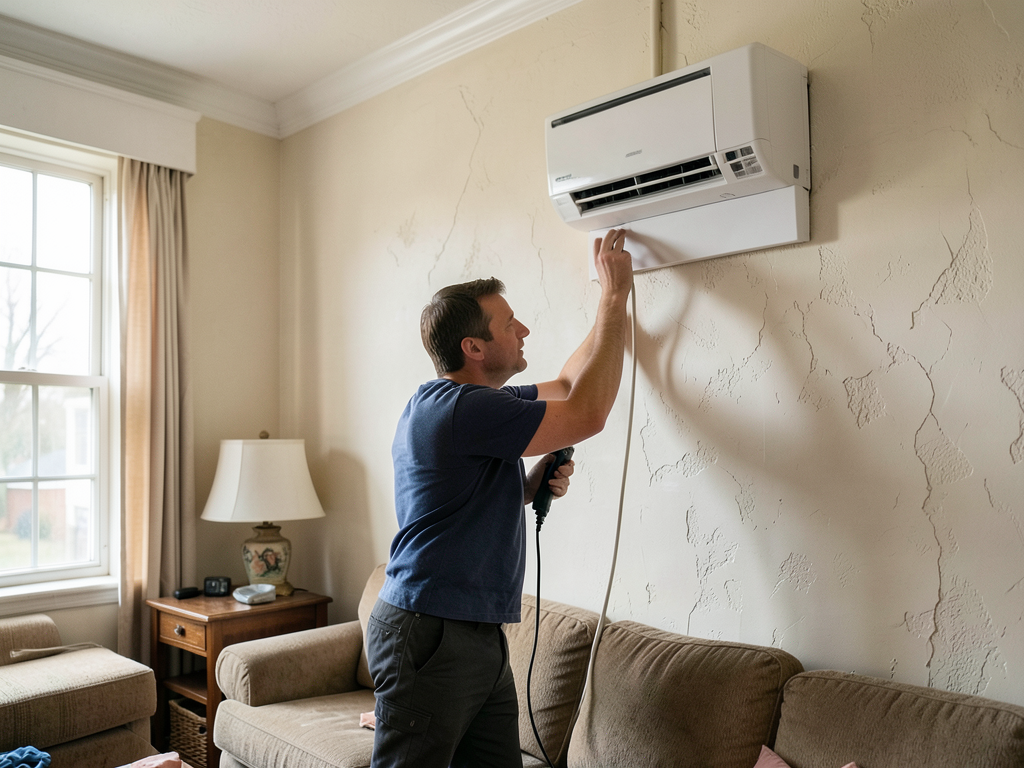
Modern Cooling Options for Vintage Condos in DeMun That Can't Use Window Units Living in a vintage condo in DeMun comes with undeniable charm but also unique cooling challenges. Many of these historic buildings were…
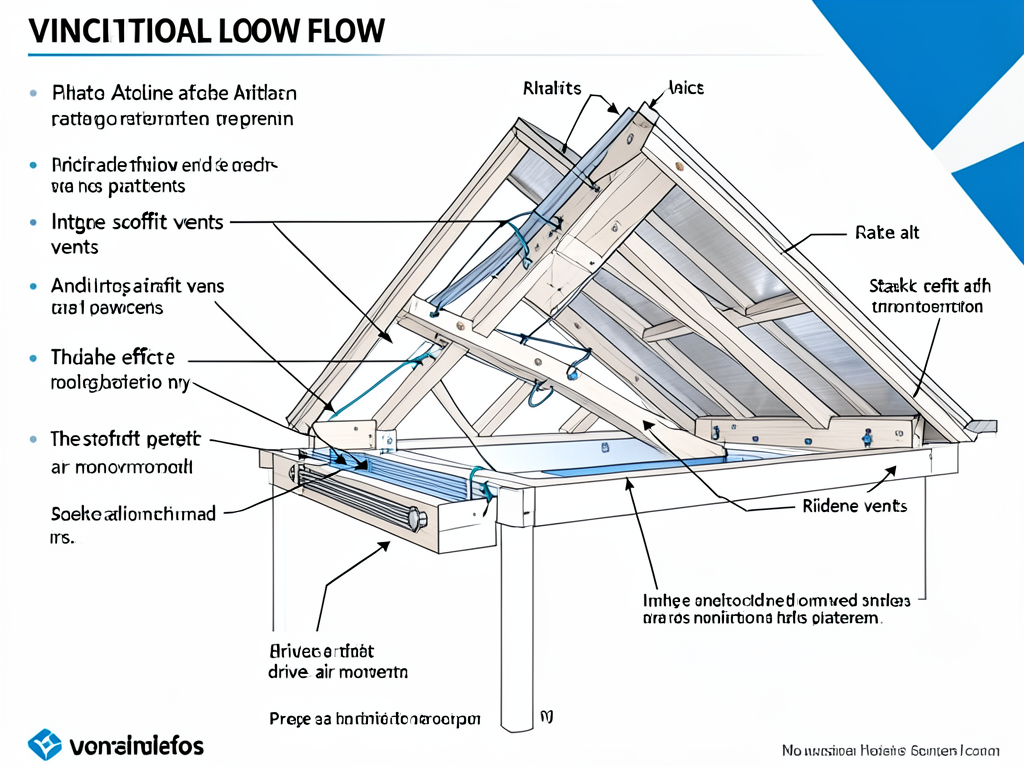
Does Your Maryland Heights Attic Have Enough Ventilation for the Summer Heat? Your Maryland Heights…
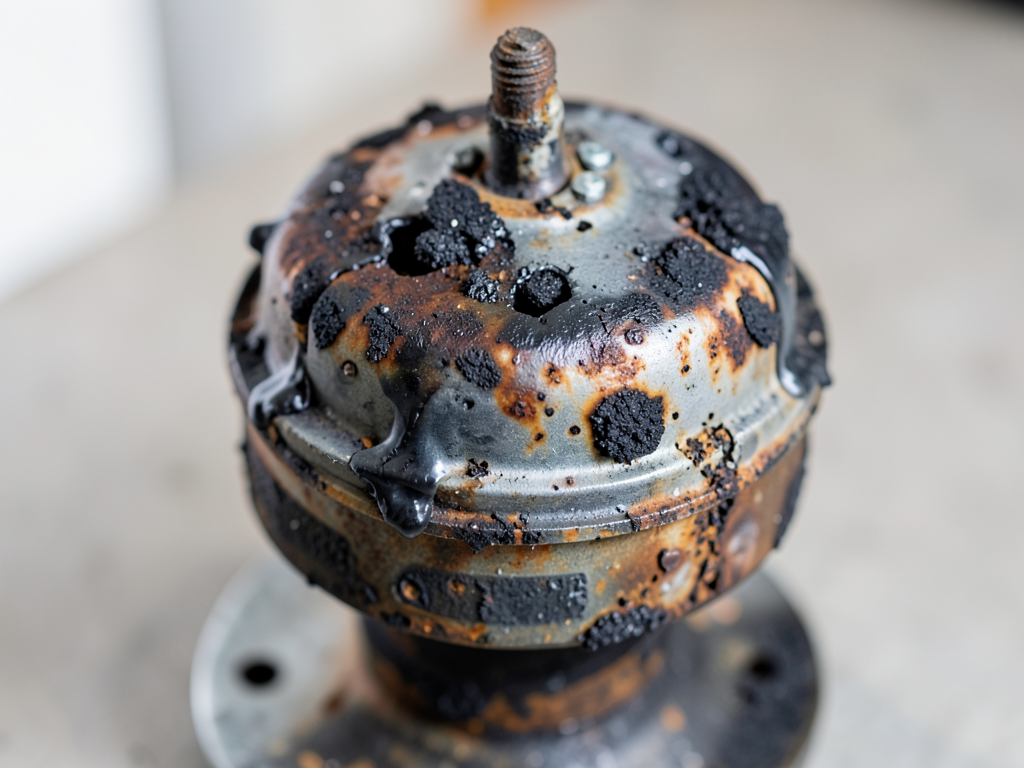
What That Strange Metallic or Burning Plastic Smell from Your Furnace Actually Means If your…
Many Ladue homeowners close vents in unused rooms to save money on energy bills. This…
Your comfort matters, especially during temperature extremes. Call Keystone HVAC St. Louis at (314) 417-7771 right now for same-day service. We'll dispatch a technician quickly, diagnose your problem accurately, and provide upfront pricing before starting any work. Don't suffer through another day of equipment failure.