Menu

Winterizing Your HVAC System in St. Louis – Protect Your Furnace Before Missouri's Brutal Cold Snaps Hit

Comprehensive heating system winterization that addresses St. Louis's extreme temperature swings, ensuring your furnace runs efficiently through ice storms, sub-zero nights, and the region's unpredictable freeze-thaw cycles that stress mechanical systems.

Slider Image 1
Slider Image 2
Slider Image 3
Slider Image 4
Slider Image 5
Slider Image 7
Slider Image 8
Slider Image 9
Slider Image 10
Slider Image 11

Why St. Louis Winter Conditions Demand Professional HVAC Preparation

St. Louis winters punish heating systems in ways most homeowners never anticipate. The region experiences temperature swings of 40 degrees within 24 hours, forcing furnaces to cycle constantly. This on-off pattern accelerates wear on heat exchangers, blower motors, and ignition systems. Add the Mississippi River valley humidity that infiltrates ductwork during mild periods, and you create condensation issues that freeze during cold snaps.

The clay soil throughout St. Louis County shifts during freeze-thaw cycles, stressing gas lines and outdoor HVAC components. A furnace that ran fine in November can fail catastrophically in January when temperatures plummet to single digits. Preparing your HVAC for winter means more than changing a filter. It requires inspecting heat exchangers for microfractures that leak carbon monoxide, testing pressure switches that fail in extreme cold, and verifying your system can handle the sustained load of sub-zero nights.

Getting your heating system ready for winter in St. Louis also means addressing the unique challenge of ice dams in older neighborhoods like Tower Grove and The Hill. Poor attic ventilation caused by inadequate return air pathways creates temperature differentials that damage roofing and increase heating costs. HVAC winter maintenance must evaluate the entire thermal envelope, not just the furnace cabinet.

The cost of emergency furnace repair during a January cold snap runs three times higher than preventive winterization. When your system fails at 2 AM with temperatures at 5 degrees, you face not just discomfort but genuine safety risks. Proper winter HVAC preparation eliminates these scenarios.

Why St. Louis Winter Conditions Demand Professional HVAC Preparation
The Technical Process Behind Effective Heating System Winterization

The Technical Process Behind Effective Heating System Winterization

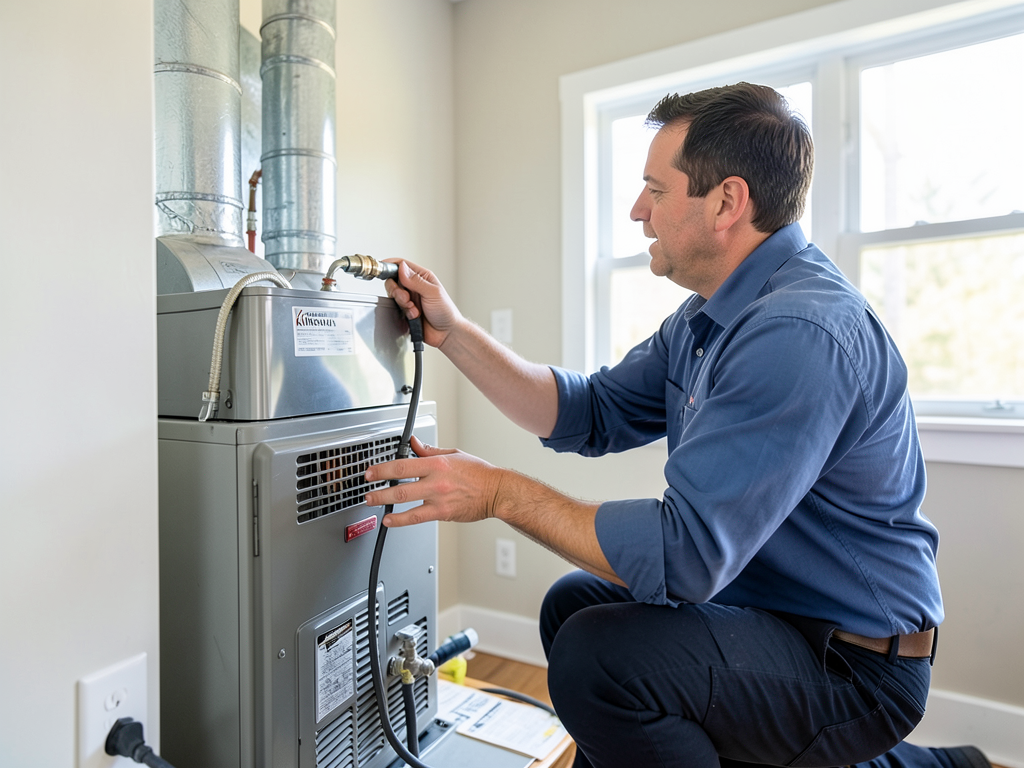
Heating system winterization starts with combustion analysis. We measure flue gas composition using digital analyzers to verify your furnace achieves proper air-to-fuel ratios. St. Louis's variable natural gas pressure, especially in older neighborhoods south of Highway 44, requires recalibration of gas valves to prevent incomplete combustion that creates carbon monoxide.

Heat exchanger inspection involves removing blower assemblies to visually examine for stress cracks that develop from repeated thermal expansion. A pinhole crack invisible during summer operation becomes a life-threatening carbon monoxide leak when the furnace runs continuously during winter. We perform pressure testing on questionable exchangers to verify structural integrity.

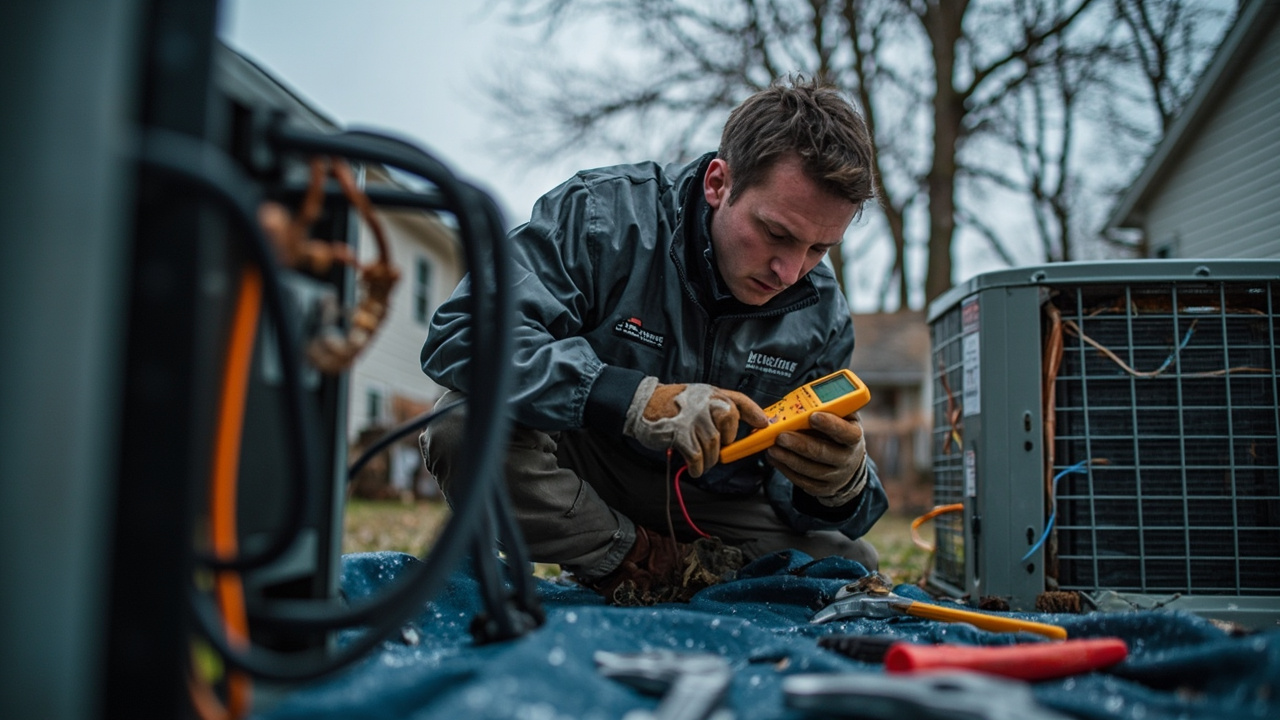
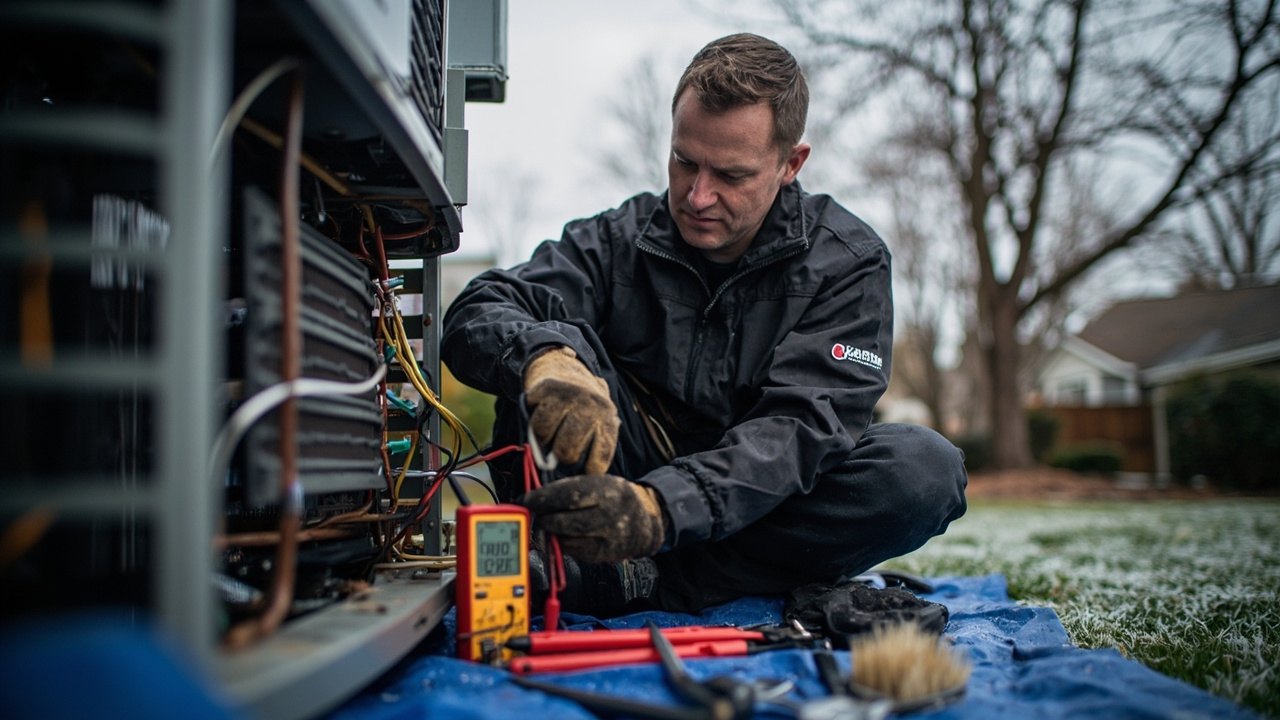
Blower motor amp draw testing identifies bearings beginning to fail before they seize completely. Motors drawing higher amperage than nameplate specifications will fail during extended cold periods when runtime increases by 300 percent. We measure static pressure across the entire duct system to identify restrictions that force motors to work harder. Homes in neighborhoods like Webster Groves and Clayton often have undersized return ducts that starve furnaces of airflow.

Flame sensor cleaning and igniter inspection prevent nuisance lockouts during the coldest nights. Corrosion from summer humidity buildup on flame sensors causes intermittent failures that strand homeowners without heat. Hot surface igniters develop microfractures that fail when thermal stress peaks. We replace igniters showing resistance values outside manufacturer specifications.

Condensate system preparation prevents frozen drain lines that shut down high-efficiency furnaces. We verify trap primers contain adequate water and confirm drain lines slope properly to exterior discharge points.

What Happens During Your Winterization Service

Winterizing Your HVAC System in St. Louis – Protect Your Furnace Before Missouri's Brutal Cold Snaps Hit
01

Initial System Assessment

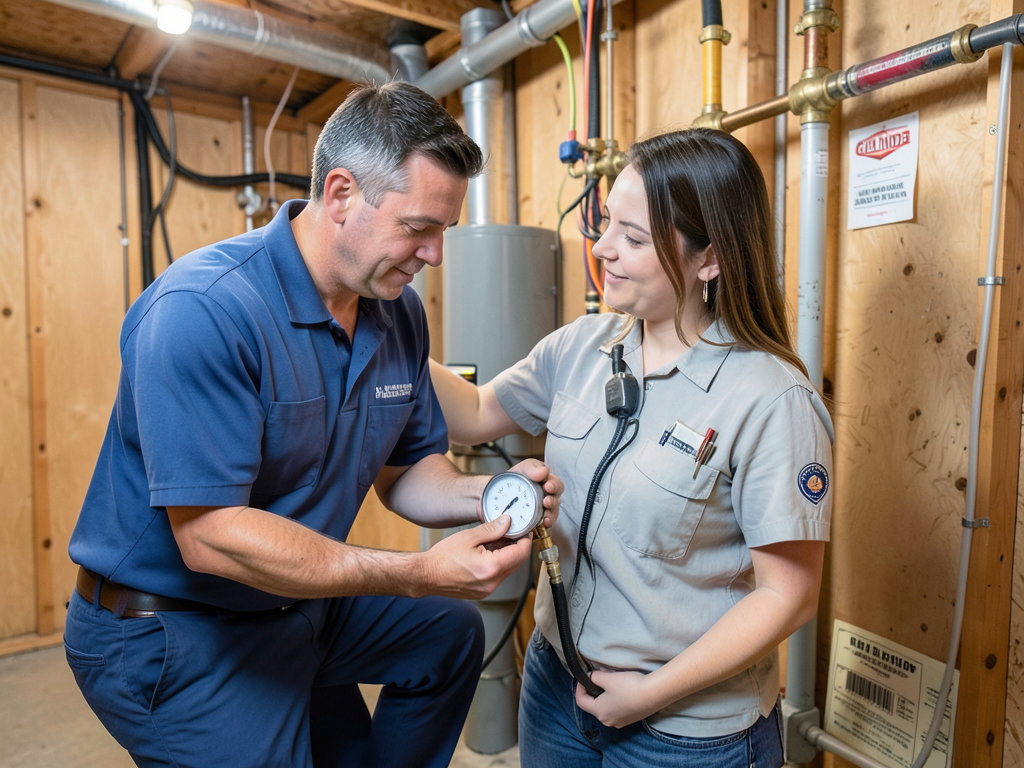
We arrive with diagnostic equipment to test your furnace under actual load conditions, measuring supply air temperature, gas pressure at the manifold, and blower performance metrics. This baseline assessment identifies components operating outside normal parameters before they fail during peak winter demand. We document current system efficiency to show you exactly how your furnace performs compared to design specifications.
02

Component Service and Calibration

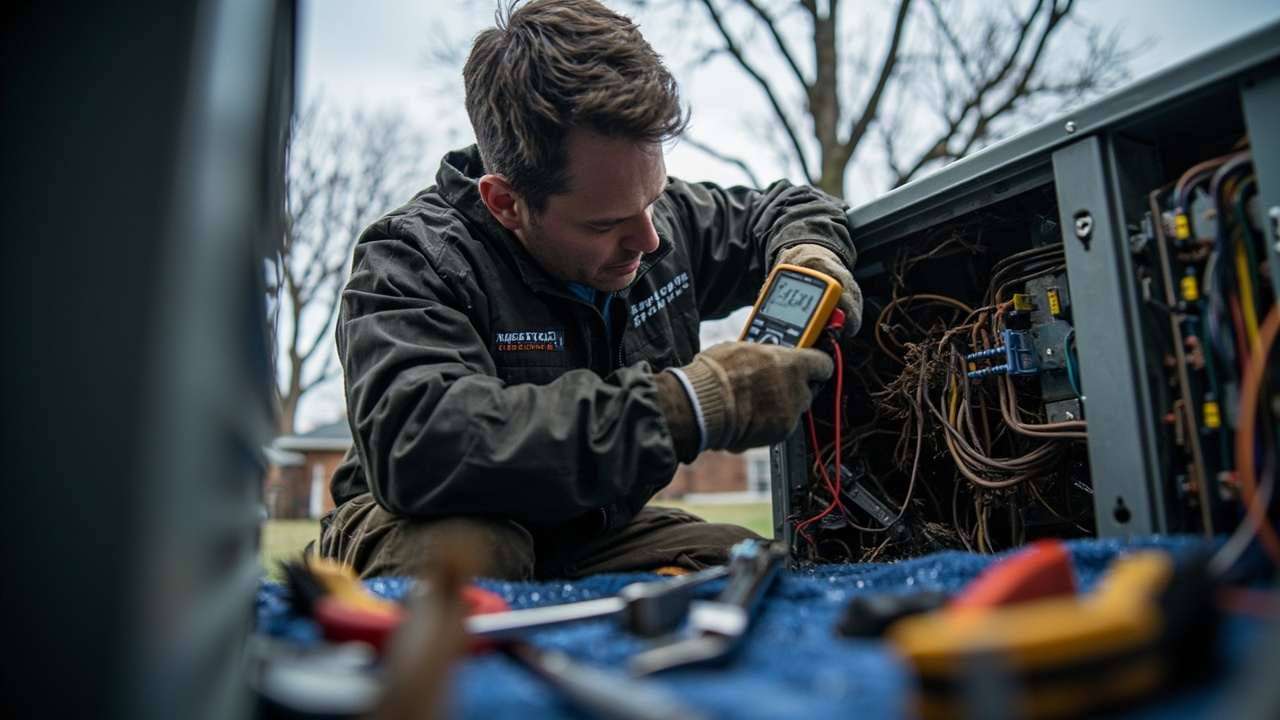
Our technicians clean burner assemblies, adjust pilot flame or hot surface igniter positioning, lubricate blower motor bearings where applicable, and verify limit switch operation. We test thermostat calibration and check for voltage drops that indicate failing transformers. Every gas connection receives leak testing using electronic sensors more sensitive than soap bubbles. This hands-on work corrects developing problems before Missouri winter weather exposes them.
03

Performance Verification and Documentation

After service completion, we run your furnace through multiple heating cycles while monitoring temperatures, pressures, and electrical draw. You receive documentation showing combustion efficiency, airflow measurements, and safety test results. We explain any components approaching end of service life and provide clear guidance on replacement timing. This transparency helps you budget for repairs before emergency situations force hasty decisions during the coldest weeks.

Why St. Louis Homeowners Choose Keystone HVAC for Winter Preparation

St. Louis's housing stock presents unique challenges that generic HVAC companies miss. Homes built before 1950 in neighborhoods like Soulard and Lafayette Square have gravity furnaces or early forced-air systems requiring specialized knowledge. We understand how these older systems interact with modern thermostats and how to optimize performance without complete replacement.

Our technicians recognize the signs of foundation settlement common in St. Louis's expansive clay soil. When ductwork separates at joints due to structural movement, conditioned air leaks into crawlspaces and walls. We identify these losses during winterization inspections and recommend sealing priorities that deliver immediate comfort improvements and lower heating bills.

We stock parts for the furnace brands most common in the St. Louis metro area. When we identify a failing inducer motor or cracked secondary heat exchanger during winter preparation, we can often complete repairs the same day. This prevents the callback appointments that leave you without heat while waiting for parts to arrive.

Understanding St. Louis's municipal code requirements matters during furnace service. The city requires carbon monoxide detectors within 15 feet of sleeping areas. We verify your home complies and can install detectors during winterization visits. When we red-tag a furnace for safety violations, we clearly explain the specific hazard and provide options for resolution.

Our experience with St. Louis's diverse architecture means we optimize HVAC performance for your specific home style. The brick Tudor homes in University City require different duct sealing approaches than the frame construction prevalent in South County. We adapt our winterization process to your home's actual construction and thermal characteristics.

What Your Winterization Service Includes

Service Timeline and Scheduling

Complete winterization takes 90 to 120 minutes depending on your furnace type and home size. We schedule appointments throughout October and November before the first hard freeze, typically mid-November in St. Louis. Early scheduling ensures availability before the rush when temperatures drop. If inspection reveals components needing replacement, we discuss options immediately and can often complete repairs during the same visit when parts are in stock. Emergency winterization is available for customers who delayed seasonal maintenance, though appointment availability becomes limited once sustained cold weather arrives.

Comprehensive System Evaluation

Your winterization begins with furnace performance testing under operating conditions. We measure temperature rise across the heat exchanger, verify proper gas pressure at the manifold, and test safety controls including high-limit switches and rollout sensors. Electrical connections receive torque testing to prevent loose terminals that cause arcing and component failure. We inspect ductwork accessible from the basement or attic for separation, damage, or inadequate insulation. Thermostat operation receives verification including checking anticipator settings on older mercury switch units common in St. Louis homes built before 1990.

Documented Performance Results

You receive a written report detailing combustion efficiency, measured in both steady-state efficiency and temperature rise across the heat exchanger. We document blower motor amp draw compared to nameplate specifications and note any deviation indicating bearing wear. Safety test results include carbon monoxide measurements at the flue and in living spaces, gas leak test outcomes, and limit switch operation verification. Photographs document component conditions when replacement recommendations are made. This transparency gives you confidence in our assessments and helps you plan for future maintenance needs based on actual equipment condition.

Post-Service Support and Monitoring

After winterization, you receive priority scheduling if service needs arise during winter months. We maintain detailed service records in our system, so any technician responding to a future call understands your equipment history. If we identify components approaching failure during winterization, we note their condition and can proactively follow up as winter progresses. Customers who complete fall winterization qualify for spring air conditioning preparation at a reduced rate, ensuring year-round system reliability. We provide guidance on filter replacement frequency based on your home's specific conditions and occupancy patterns.

Frequently Asked Questions

You Have Questions,
We Have Answers

How do you winterize your HVAC system? +

Start by replacing your air filter and cleaning debris from around your outdoor unit. Inspect ductwork for leaks and seal them with mastic or metal tape. Check your thermostat settings and switch to heat mode. Schedule a professional furnace inspection to verify safe operation, especially if you heat with gas. St. Louis winters bring freeze-thaw cycles that stress equipment, so test your system early before temperatures drop. Clear vents and registers inside your home. Drain outdoor condensate lines if applicable. A professional tune-up catches small issues before they become expensive mid-winter emergencies.

What is the $5000 rule for HVAC? +

The $5000 rule helps homeowners decide between repair and replacement. If your system age multiplied by the repair cost exceeds $5000, replacement makes more financial sense. For example, a $400 repair on a 10-year-old unit equals $4000, so repair it. A $600 repair on a 15-year-old system equals $9000, so replace it. This guideline accounts for declining efficiency and rising repair frequency as equipment ages. In St. Louis, older systems struggle with high summer humidity and winter heating demands. Consider energy savings from modern high-efficiency units when making your decision.

Should you cover your HVAC during an ice storm? +

Do not cover your heat pump during an ice storm. Heat pumps run year-round for heating and need airflow to function properly. Covering the unit traps moisture, promotes rust, and blocks necessary ventilation. Ice buildup is normal during defrost cycles. Your system is designed to handle St. Louis winter weather, including ice and snow. If you have a standard air conditioner that only cools, a breathable cover protects the top from falling debris but leave the sides open for airflow. Never use plastic tarps or wraps that seal the unit completely.

How to prepare your HVAC system for winter? +

Schedule a professional heating inspection before cold weather arrives. A technician checks your heat exchanger for cracks, tests carbon monoxide levels, lubricates blower motors, and calibrates your thermostat. Replace your air filter and clear supply and return vents of furniture or rugs. Test your system by switching to heat mode while outdoor temperatures remain mild. Check weatherstripping around doors and windows to reduce heat loss. St. Louis homes face fluctuating winter temperatures, so confirm your system maintains consistent indoor comfort. Address strange noises or weak airflow immediately to avoid breakdowns during January cold snaps.

What is the 3 minute rule for AC? +

The 3 minute rule prevents compressor damage by allowing refrigerant pressures to equalize before restart. After shutting off your air conditioner, wait at least 3 minutes before turning it back on. Starting the compressor under unequal pressure strains internal components and shortens equipment life. This rule applies to power outages, thermostat adjustments, and manual shutoffs. Modern thermostats include built-in delay timers for protection. If you experience frequent short cycling where your system turns on and off rapidly, call a technician. Short cycling wastes energy, damages your compressor, and signals underlying problems like refrigerant leaks or faulty controls.

Should you cover up your central air unit in the winter? +

Only cover the top of your central air conditioner to block falling leaves and debris. Use a breathable cover or plywood piece that shields the top but leaves sides open for ventilation. Never seal the entire unit with plastic or tarps. Air conditioners need airflow to prevent moisture buildup, rust, and mold growth. Mice and small animals seek warm shelter inside covered units during St. Louis winters. Most manufacturers design outdoor units to withstand rain, snow, and ice without protection. If you cover your unit, remove the cover before running your system in spring to prevent overheating and compressor damage.

What HVAC qualifies for tax credit 2025? +

The Inflation Reduction Act extends tax credits through 2032 for qualifying equipment. Central air conditioners and heat pumps meeting ENERGY STAR Most Efficient ratings qualify for up to 30 percent of costs, with annual limits. Gas furnaces with AFUE ratings of 97 percent or higher qualify. Ductless mini-splits and geothermal systems also receive credits. Check the manufacturer efficiency rating before purchase. St. Louis homeowners benefit from high-efficiency equipment that handles humid summers and cold winters effectively. Consult your tax professional for specific eligibility requirements and documentation needed when filing. Rebates may also apply through your utility company.

What is the average lifespan of an HVAC system? +

Expect 15 to 20 years from a well-maintained HVAC system. Furnaces typically last 15 to 20 years, while air conditioners last 12 to 15 years. Heat pumps work harder year-round and last 10 to 15 years. St. Louis climate extremes stress equipment more than moderate regions. Regular maintenance extends lifespan by preventing breakdowns and maintaining efficiency. Neglected systems fail earlier, often around 10 years. Signs your system nears end of life include rising repair costs, uneven temperatures, increased energy bills, and loud operation. Replace aging equipment before complete failure to avoid emergency replacement costs and limited contractor availability.

Does keeping the AC at 72 save money? +

Setting your thermostat at 72 degrees does not save money compared to higher temperatures in summer. Every degree above 72 reduces cooling costs by 3 to 5 percent. The Department of Energy recommends 78 degrees when home and 85 degrees when away. St. Louis humidity makes higher temperatures feel uncomfortable, so use ceiling fans to improve comfort without lowering your thermostat. Constant temperature settings prevent energy waste from repeated system starts. Programmable thermostats automatically adjust settings based on your schedule. Reduce costs further by sealing air leaks, adding insulation, and scheduling annual maintenance to keep your system running efficiently.

At what temperature will an AC unit freeze? +

Your air conditioner freezes when the evaporator coil drops below 32 degrees, typically caused by restricted airflow or low refrigerant. Dirty filters, blocked return vents, and failing blower motors reduce airflow over the coil. Refrigerant leaks lower system pressure and coil temperature. Running your AC below 60 degrees outdoor temperature risks freezing because the system cannot absorb enough heat. St. Louis spring and fall temperature swings tempt homeowners to cool during mild weather. If you notice ice on refrigerant lines or reduced cooling, turn off your system immediately and call a technician. Continued operation damages your compressor permanently.

How St. Louis's Freeze-Thaw Cycles Impact Heating System Reliability

St. Louis experiences an average of 25 freeze-thaw cycles each winter, where temperatures cross the 32-degree threshold repeatedly between November and March. This cycling creates condensation inside ductwork and furnace cabinets that accelerates corrosion on heat exchangers and blower housings. The Mississippi River valley humidity compounds this effect, creating moisture levels inside HVAC systems that exceed those in drier climates. Preparing your HVAC for winter in St. Louis requires addressing this moisture intrusion through proper condensate drainage and verifying heat exchanger integrity before corrosion creates safety hazards.

The St. Louis region's clay soil composition creates unique challenges for HVAC installations. As ground moisture levels change seasonally, the soil expands and contracts, shifting foundations and stressing gas lines connecting to outdoor meters. A gas line that passes inspection in summer can develop micro-leaks by January when soil contraction pulls on fittings. Local HVAC contractors familiar with these soil conditions inspect external components and gas connections as part of comprehensive winter preparation. This local expertise prevents dangerous situations that out-of-area technicians unfamiliar with St. Louis's geology might miss during routine maintenance.
HVAC Services in The St. Louis Area

Our service area spans across the St. Louis metropolitan area and surrounding communities. We’re dedicated to bringing our top-quality HVAC services directly to your doorstep. Use the map to see our coverage and feel free to contact us with any questions about whether we can service your specific location. We’re always here to help you find the comfort solutions you need.

Address:
Keystone HVAC St. Louis, 4452 Manchester Ave, St. Louis, MO, 63110

Additional Services We Offer

Our news updates

Latest Articles & News from The Blogs

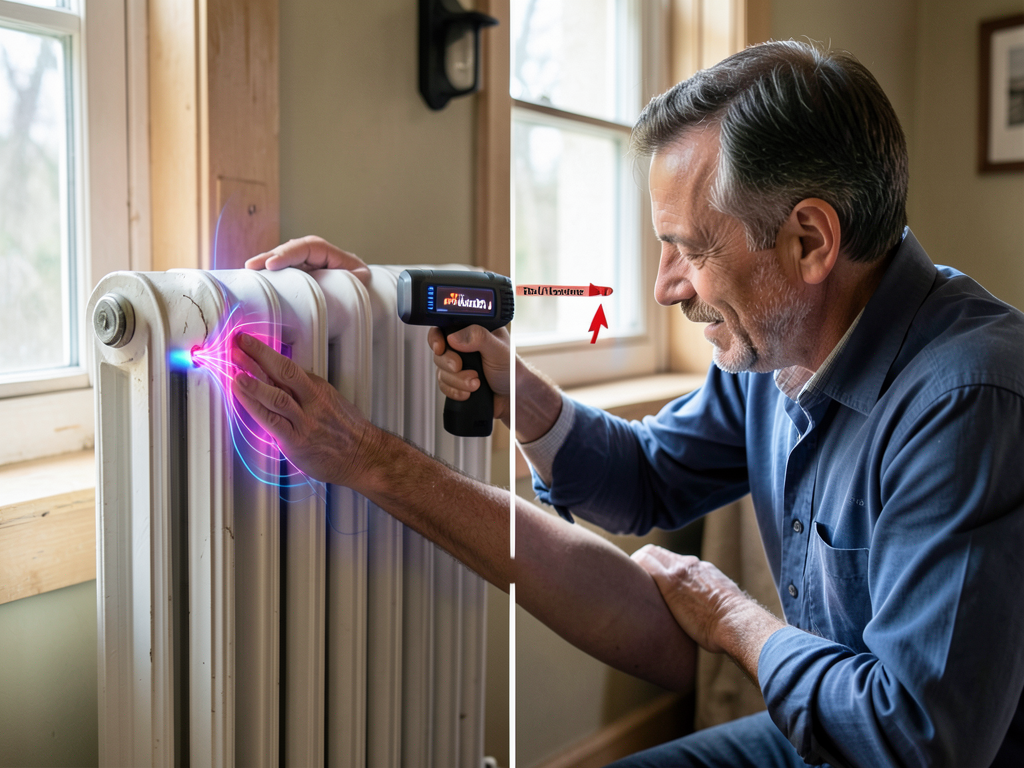
How Painting Your Historic Soulard Radiators Could Be Impacting Your Heating Efficiency Painting your cast iron radiators in Soulard’s historic…

How Painting Your Historic Soulard Radiators Could Be Impacting Your Heating Efficiency

How Painting Your Historic Soulard Radiators Could Be Impacting Your Heating Efficiency Painting your cast iron radiators in Soulard’s historic…

Does Your New Radon Mitigation System Affect HVAC Performance in Your Glendale Home?

Does Your New Radon Mitigation System Affect HVAC Performance in Your Glendale Home? Radon mitigation systems and HVAC performance connect…

Finding the Safest and Most Consistent HVAC Settings for Your New Baby’s Nursery in Kirkwood

Finding the Safest and Most Consistent HVAC Settings for Your New Baby’s Nursery in Kirkwood New parents in Kirkwood need…

Contact Us

Do not wait until your furnace fails during the coldest night of January. Call Keystone HVAC St. Louis at (314) 417-7771 to schedule comprehensive heating system winterization. Our technicians will verify your furnace is ready for whatever Missouri winter delivers.