
How Painting Your Historic Soulard Radiators Could Be Impacting Your Heating Efficiency
Painting your cast iron radiators in Soulard’s historic homes might seem like a simple aesthetic upgrade, but the type of paint you choose can significantly impact your heating system’s performance. Many homeowners discover too late that the wrong paint can reduce heat output by up to 20%, leaving rooms colder and energy bills higher. The science behind this involves heat transfer principles that directly affect how efficiently your radiators warm your space. Commercial Heating Services.
The key issue lies in emissivity – how well a surface radiates heat. Metallic paints containing aluminum or bronze particles reflect infrared radiation, while matte finishes absorb and radiate heat more effectively. In Soulard’s century-old buildings with original hydronic systems, this difference becomes especially noticeable during St. Louis’s harsh winters when every BTU counts.
Understanding Heat Transfer in Cast Iron Radiators
Cast iron radiators heat through two primary mechanisms: convection and radiation. Convection occurs when air passes over the radiator’s surface, warming and rising. Radiation involves the direct transfer of infrared energy from the hot metal to cooler objects and people in the room. The paint layer affects both processes, but radiation is most impacted by surface color and finish.
Dark, matte surfaces have higher emissivity ratings – typically around 0.95 for flat black paint. This means they radiate about 95% of their potential heat energy. Metallic silver or bronze paints can drop that rating to 0.50 or lower, essentially cutting heat output in half. For Soulard homeowners with original radiators, this translates to longer boiler run times and higher utility costs.
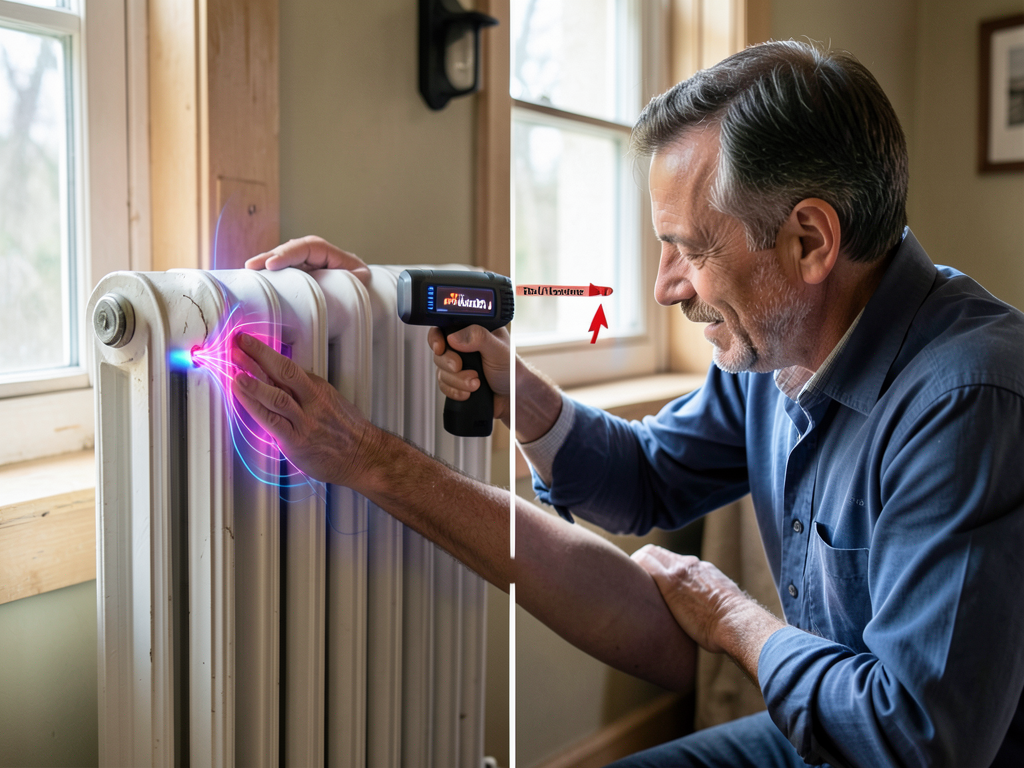
Technical Note: The thermal conductivity of paint itself is minimal – typically 0.15-0.25 W/m·K. However, the emissivity factor creates the dramatic performance differences. A radiator painted with high-emissivity matte black can achieve 10-15% better heat transfer than the same unit with metallic paint, even though both surfaces reach the same temperature.
Metallic vs. Non-Metallic Paints: The Emissivity Factor
When selecting paint for radiators, the chemical composition matters more than the color. Metallic paints contain powdered aluminum, bronze, or other reflective metals suspended in a binder. These particles create a surface that reflects infrared radiation rather than absorbing and re-emitting it as heat.
High-heat resistant latex or oil-based paints without metallic additives maintain higher emissivity. The flat or eggshell finish allows the infrared energy to pass through the paint layer and radiate into the room. For historic radiators in Soulard’s 63104 and 63118 zip codes, this difference can mean the difference between comfortable rooms and cold spots.
| Paint Type | Emissivity Rating | Heat Output Impact | Best Use Case |
|---|---|---|---|
| Flat Black (Non-metallic) | 0.95 | 100% (baseline) | Maximum heat output |
| Matte White (Non-metallic) | 0.90 | 95% of baseline | Balanced aesthetics |
| Metallic Silver | 0.45-0.55 | 45-55% of baseline | Industrial look only |
| High-Gloss Enamel | 0.80 | 80% of baseline | Decorative accent |
Step-by-Step: How to Paint Radiators Without Losing Heat
Proper preparation is essential for maintaining radiator efficiency while achieving the desired aesthetic. The process begins with system shutdown and surface preparation, followed by careful paint selection and application techniques. EPA RRP Rule.
- System Preparation
Turn off the boiler and allow radiators to cool completely. This prevents burns and ensures proper paint adhesion. Check for leaks around valves and bleed air from the system using the bleed valve.
- Surface Preparation
Remove loose paint with a wire brush or chemical stripper. For lead-based paint common in pre-1978 Soulard homes, follow EPA RRP Rule guidelines. Test with lead test kits available at hardware stores. Sand lightly to create a uniform surface.
- Primer Application
Apply high-heat primer rated for 200°F+ temperatures. This creates a uniform base and prevents rust. Allow to dry completely according to manufacturer specifications. Top Rated AC Installation Companies Serving Ladue and Clayton.
- Paint Selection
Choose high-heat resistant paint without metallic additives. Look for products rated for radiators, stoves, or engines. Matte or eggshell finishes provide the best heat transfer.
- Application Technique
Apply thin, even coats using a high-quality brush or sprayer. Multiple thin coats provide better coverage and heat transfer than one thick coat. Allow proper drying time between coats.

Common Mistakes That Kill Radiator Efficiency
Several common errors can dramatically reduce radiator performance. Understanding these pitfalls helps avoid costly mistakes that compromise both heating efficiency and system longevity.
Applying paint too thickly creates an insulating layer that slows heat transfer. Each additional coat of paint adds thermal resistance, reducing the radiator’s ability to radiate heat into the room. For maximum efficiency, limit paint application to two or three thin coats.
Using the wrong type of paint represents another frequent mistake. Standard wall paints cannot withstand the temperatures radiators reach during operation. They may blister, peel, or release harmful fumes when heated. Always select products specifically rated for high-temperature applications.
Neglecting lead paint safety poses serious health risks, especially in Soulard’s historic district where pre-1978 construction is common. The EPA’s Renovation, Repair and Painting Rule requires specific containment and cleanup procedures when disturbing lead-based paint. Violations can result in fines up to $37,500 per violation. Emergency AC Repair in Creve Coeur That Won’t Break the Bank.
Blocking radiator airflow with furniture, curtains, or decorative covers significantly reduces convective heat transfer. Radiators need clear space around them to function effectively. Maintain at least 12 inches of clearance above and 6 inches on each side for optimal performance.
Maintaining Historic St. Louis Radiators: Professional Tips
Soulard’s historic radiators require specialized maintenance beyond simple painting. The high humidity levels in St. Louis – averaging 70% in summer months – accelerates corrosion and scale buildup in these systems. Regular professional maintenance prevents efficiency losses and extends system life. Why Professional Air Duct Cleaning is Essential for Wildwood Homes.
Annual bleeding of radiators removes trapped air that creates cold spots and reduces heating efficiency. Air in the system forces the boiler to work harder, increasing energy consumption and wear on components. A properly bled system heats more evenly and responds faster to thermostat adjustments.
Scale buildup from St. Louis’s hard water reduces heat transfer efficiency by up to 30% over time. Professional descaling removes mineral deposits that insulate the metal from the water inside. This process requires system shutdown and specialized chemicals, making it a job for qualified technicians.
Valve maintenance ensures proper flow control and prevents leaks. Thermostatic radiator valves (TRVs) should be checked annually for proper operation. Stuck or leaking valves waste energy and can cause uneven heating throughout the home.
When to Call a Professional: Restoring vs. Replacing
Determining whether to restore or replace historic radiators depends on several factors including age, condition, and heating efficiency goals. Professional assessment helps make this decision based on technical rather than emotional considerations.
Radiators over 50 years old often benefit from professional restoration. This process includes sandblasting to remove all paint and corrosion, pressure testing for leaks, and reassembly with new gaskets and valves. Restoration can restore 90-95% of original efficiency at a fraction of replacement cost.
Modern high-efficiency boilers paired with restored radiators can achieve heating performance comparable to new systems. The key is ensuring the entire system – boiler, pipes, and radiators – works together efficiently. A professional heat loss calculation determines if your current radiators provide adequate output for your home’s needs.
Replacement becomes necessary when radiators are beyond repair or when major renovations require different heating configurations. Modern alternatives include baseboard heaters, radiant floor systems, or high-efficiency panel radiators. Each option has different installation requirements and cost implications.
Professional assessment includes checking for code compliance, especially important in Soulard’s historic district where exterior modifications may require permits. The St. Louis Building Code Section 1301.3 mandates specific clearances and safety features for heating equipment in residential buildings.
The Bottom Line on Radiator Painting and Efficiency
The paint you choose for your Soulard radiators directly impacts heating efficiency, energy costs, and comfort levels. High-emissivity matte finishes maximize heat output while metallic paints can reduce efficiency by up to 50%. Proper preparation, lead paint safety compliance, and professional maintenance ensure your historic radiators continue providing reliable heat for years to come. Finding a Reliable 24 Hour HVAC Technician in Chesterfield.
For homeowners in Soulard’s 63104 and 63118 zip codes, the decision to paint radiators should balance aesthetic preferences with practical heating considerations. When in doubt, consult with a qualified HVAC professional who understands the unique requirements of historic home heating systems in St. Louis’s climate.
Call (314) 417-7771 today to schedule your radiator assessment before the next cold snap hits. Our technicians can evaluate your system’s efficiency, recommend appropriate paint options, and ensure your historic radiators are operating at peak performance. Don’t let poor paint choices leave you in the cold this winter.
Frequently Asked Questions
Does painting radiators reduce their heating efficiency?
Yes, painting radiators can reduce heating efficiency depending on the paint type. Metallic paints can cut heat output by up to 50% due to their low emissivity, while high-heat resistant matte paints maintain most of the radiator’s original efficiency.
What type of paint should I use on cast iron radiators?
Use high-heat resistant paint specifically designed for radiators or similar applications. Look for products rated for 200°F+ temperatures without metallic additives. Matte or eggshell finishes provide the best heat transfer while offering good coverage and durability.
How do I know if my radiator paint contains lead?
Homes built before 1978 likely have lead-based paint on radiators. Use a lead test kit from a hardware store or hire a certified lead inspector. If lead is present, follow EPA RRP Rule guidelines for safe removal or hire a certified professional.
Can I paint radiators while the heating system is operating?
No, always turn off the heating system and allow radiators to cool completely before painting. Hot surfaces can cause paint to bubble, blister, or release harmful fumes. Wait at least 24 hours after the system was last operating before beginning work.
How much clearance do radiators need for proper operation?
Maintain at least 12 inches of clearance above and 6 inches on each side of radiators. This allows proper convective airflow, which is essential for efficient heat distribution. Blocking airflow with furniture or curtains significantly reduces heating performance. For more information, visit ASHRAE heating standards.
You may also find this helpful. Tracking Down Those Chilly Mystery Drafts in Your Historic Tower Grove South Home.
{
“@context”: “https://schema.org”,
“@type”: “BlogPosting”,
“headline”: “How Painting Your Historic Soulard Radiators Could Be Impacting Your Heating Efficiency”,
“description”: “Learn how painting cast iron radiators affects heat output and efficiency. Discover the science behind emissivity, lead paint safety, and St. Louis historic home restoration.”,
“wordCount”: 1698,
“datePublished”: “2026-05-21T13:29:00.000Z”,
“dateModified”: “2026-05-21T13:29:00.000Z”,
“inLanguage”: “en-US”,
“mainEntityOfPage”: {
“@type”: “WebPage”,
“@id”: “https://keystonehvacstlouis.com”
},
“publisher”: {
“@type”: “LocalBusiness”,
“name”: “Keystone HVAC St. Louis”,
“url”: “https://keystonehvacstlouis.com”
},
“author”: {
“@type”: “Organization”,
“name”: “Keystone HVAC St. Louis”,
“url”: “https://keystonehvacstlouis.com”
},
“image”: {
“@type”: “ImageObject”,
“url”: “https://keystonehvacstlouis.com/wp-content/uploads/2026/03/how-painting-your-historic-soulard-radiators-could-1.png”
}
}
{
“@context”: “https://schema.org”,
“@type”: “HVACBusiness”,
“name”: “Keystone HVAC St. Louis”,
“url”: “https://keystonehvacstlouis.com”,
“address”: {
“@type”: “PostalAddress”,
“addressLocality”: “St. Louis”
},
“areaServed”: {
“@type”: “City”,
“name”: “St. Louis”
}
}
{
“@context”: “https://schema.org”,
“@type”: “FAQPage”,
“mainEntity”: [
{
“@type”: “Question”,
“name”: “Does painting radiators reduce their heating efficiency?”,
“acceptedAnswer”: {
“@type”: “Answer”,
“text”: “Yes, painting radiators can reduce heating efficiency depending on the paint type. Metallic paints can cut heat output by up to 50% due to their low emissivity, while high-heat resistant matte paints maintain most of the radiator’s original efficiency.”
}
},
{
“@type”: “Question”,
“name”: “What type of paint should I use on cast iron radiators?”,
“acceptedAnswer”: {
“@type”: “Answer”,
“text”: “Use high-heat resistant paint specifically designed for radiators or similar applications. Look for products rated for 200°F+ temperatures without metallic additives. Matte or eggshell finishes provide the best heat transfer while offering good coverage and durability.”
}
},
{
“@type”: “Question”,
“name”: “How do I know if my radiator paint contains lead?”,
“acceptedAnswer”: {
“@type”: “Answer”,
“text”: “Homes built before 1978 likely have lead-based paint on radiators. Use a lead test kit from a hardware store or hire a certified lead inspector. If lead is present, follow EPA RRP Rule guidelines for safe removal or hire a certified professional.”
}
},
{
“@type”: “Question”,
“name”: “Can I paint radiators while the heating system is operating?”,
“acceptedAnswer”: {
“@type”: “Answer”,
“text”: “No, always turn off the heating system and allow radiators to cool completely before painting. Hot surfaces can cause paint to bubble, blister, or release harmful fumes. Wait at least 24 hours after the system was last operating before beginning work.”
}
},
{
“@type”: “Question”,
“name”: “How much clearance do radiators need for proper operation?”,
“acceptedAnswer”: {
“@type”: “Answer”,
“text”: “Maintain at least 12 inches of clearance above and 6 inches on each side of radiators. This allows proper convective airflow, which is essential for efficient heat distribution. Blocking airflow with furniture or curtains significantly reduces heating performance. For more information, visit ASHRAE heating standards.”
}
}
]
}
{
“@context”: “https://schema.org”,
“@type”: “HowTo”,
“name”: “How to Paint Radiators Without Losing Heat”,
“step”: [
{
“@type”: “HowToStep”,
“position”: 1,
“name”: “System Preparation”,
“text”: “Turn off the boiler and allow radiators to cool completely. This prevents burns and ensures proper paint adhesion. Check for leaks around valves and bleed air from the system using the bleed valve.”
},
{
“@type”: “HowToStep”,
“position”: 2,
“name”: “Surface Preparation”,
“text”: “Remove loose paint with a wire brush or chemical stripper. For lead-based paint common in pre-1978 Soulard homes, follow EPA RRP Rule guidelines. Test with lead test kits available at hardware stores. Sand lightly to create a uniform surface.”
},
{
“@type”: “HowToStep”,
“position”: 3,
“name”: “Primer Application”,
“text”: “Apply high-heat primer rated for 200°F+ temperatures. This creates a uniform base and prevents rust. Allow to dry completely according to manufacturer specifications. Top Rated AC Installation Companies Serving Ladue and Clayton.”
},
{
“@type”: “HowToStep”,
“position”: 4,
“name”: “Paint Selection”,
“text”: “Choose high-heat resistant paint without metallic additives. Look for products rated for radiators, stoves, or engines. Matte or eggshell finishes provide the best heat transfer.”
},
{
“@type”: “HowToStep”,
“position”: 5,
“name”: “Application Technique”,
“text”: “Apply thin, even coats using a high-quality brush or sprayer. Multiple thin coats provide better coverage and heat transfer than one thick coat. Allow proper drying time between coats.”
}
],
“image”: “https://keystonehvacstlouis.com/wp-content/uploads/2026/03/how-painting-your-historic-soulard-radiators-could-1.png”
}
{
“@context”: “https://schema.org”,
“@type”: “BreadcrumbList”,
“itemListElement”: [
{
“@type”: “ListItem”,
“position”: 1,
“name”: “Home”,
“item”: “https://keystonehvacstlouis.com”
},
{
“@type”: “ListItem”,
“position”: 2,
“name”: “Blog”,
“item”: “https://keystonehvacstlouis.com/blog”
},
{
“@type”: “ListItem”,
“position”: 3,
“name”: “How Painting Your Historic Soulard Radiators Could Be Impacting Your Heating Efficiency”
}
]
}
{
“@context”: “https://schema.org”,
“@type”: “Service”,
“serviceType”: “HVAC”,
“provider”: {
“@type”: “LocalBusiness”,
“name”: “Keystone HVAC St. Louis”,
“url”: “https://keystonehvacstlouis.com”
},
“areaServed”: {
“@type”: “City”,
“name”: “St. Louis”
},
“description”: “Learn how painting cast iron radiators affects heat output and efficiency. Discover the science behind emissivity, lead paint safety, and St. Louis historic home restoration.”
}