
Does Your New Radon Mitigation System Affect HVAC Performance in Your Glendale Home?
Radon mitigation systems and HVAC performance connect closely in St. Louis homes. A radon system creates negative pressure under your slab to draw radon gas out. This pressure change can affect how your furnace and air conditioner operate. The interaction between these systems matters because improper integration can lead to higher energy bills reduced comfort or even safety hazards from combustion appliance backdrafting. St. Louis County Health Department.
In Glendale homes where many properties have basements and the region’s karst geology creates elevated radon levels understanding this relationship is essential. Your HVAC system moves hundreds of cubic feet of air per minute through your home. When a radon mitigation system is added it changes the pressure dynamics throughout your entire house.
How Radon Mitigation Creates Pressure Changes in Your Home
A typical sub-slab depressurization system uses a fan to create a vacuum beneath your concrete floor. This fan runs continuously pulling air from the soil and exhausting it above your roofline. The system creates a pressure differential that can range from -5 to -15 Pascals compared to indoor air pressure.
Diagram showing pressure zones in a home with radon mitigation system versus standard HVAC operation.
When your furnace or air conditioner runs its blower creates additional pressure changes. Supply ducts push air into rooms while return ducts pull air back to the system. If your ductwork has leaks or if the system wasn’t designed with the radon system in mind you might experience unintended pressure imbalances. The Best Local Furnace Replacement Options for Kirkwood Families.
The Stack Effect and Its Role in Glendale Homes
The stack effect occurs when warm air rises through your home creating natural convection currents. In winter heated air flows upward through ceiling penetrations while in summer cooler air sinks. This natural airflow pattern interacts with both your HVAC system and radon mitigation efforts.
Older Glendale homes built before 1980 often have more air leakage through walls windows and attic access points. These leaks can either help or hinder radon mitigation depending on their location and the season. A home with excessive stack effect might actually pull more radon from the soil during winter heating season. Commercial Heating Services.
Common HVAC Issues When Adding Radon Mitigation
Many Glendale homeowners notice changes in their HVAC performance after radon system installation. Some report rooms feeling stuffy or experiencing temperature swings. These issues often stem from pressure imbalances rather than equipment failure. Top Rated AC Installation Companies Serving Ladue and Clayton.
Duct leakage is a primary culprit. Return ducts in basements or crawl spaces can pull radon-laden air from the soil before it reaches the mitigation system. Even small leaks around duct joints can create enough negative pressure to increase radon entry by 20-30%.
Another issue involves combustion appliances. Furnaces water heaters and fireplaces need proper venting to operate safely. A radon system that creates too much negative pressure can cause backdrafting where combustion gases spill into your living space instead of exiting through the flue.
Energy Efficiency Impacts You Should Know
Radon fans typically use 70-200 watts of power continuously. While this adds to your electric bill the bigger energy concern involves your HVAC system working harder due to pressure imbalances. Your furnace might run longer cycles trying to maintain temperature in rooms affected by negative pressure.
Some Glendale homeowners report 10-15% increases in heating costs during the first winter after radon installation. This often occurs because the HVAC system compensates for the additional air being exhausted by the radon fan. The system pulls more makeup air through leaks which then needs to be heated or cooled.. Read more about Common HVAC Mistakes Homeowners Make When Finishing a Basement in Ballwin.
Proper system integration can actually improve efficiency. When designed together your radon mitigation and HVAC systems can work synergistically with the HVAC providing conditioned makeup air that reduces the load on your heating and cooling equipment. Air Purification Systems.
Integrated Solutions for Glendale Homes
Modern approaches to radon and HVAC integration focus on balanced pressure management. Heat Recovery Ventilators (HRVs) and Energy Recovery Ventilators (ERVs) can provide the makeup air your home needs while recovering energy from exhaust air.
Photo showing HRV unit installation with integrated radon mitigation controls.
An HRV exchanges heat between incoming fresh air and outgoing stale air reducing the energy penalty of increased ventilation. In Glendale’s climate where summers are humid and winters can be cold an ERV might be preferable because it also transfers moisture helping maintain indoor humidity levels.
Makeup air units represent another solution. These devices provide controlled replacement air whenever exhaust fans or the radon system create negative pressure. They can be set to activate based on pressure sensors ensuring your home maintains neutral pressure.. Read more about Why Air Scrubbers Are Becoming the Go To IAQ Solution for Manchester Families with Severe Allergies.
Diagnostic Testing for Pressure Imbalances
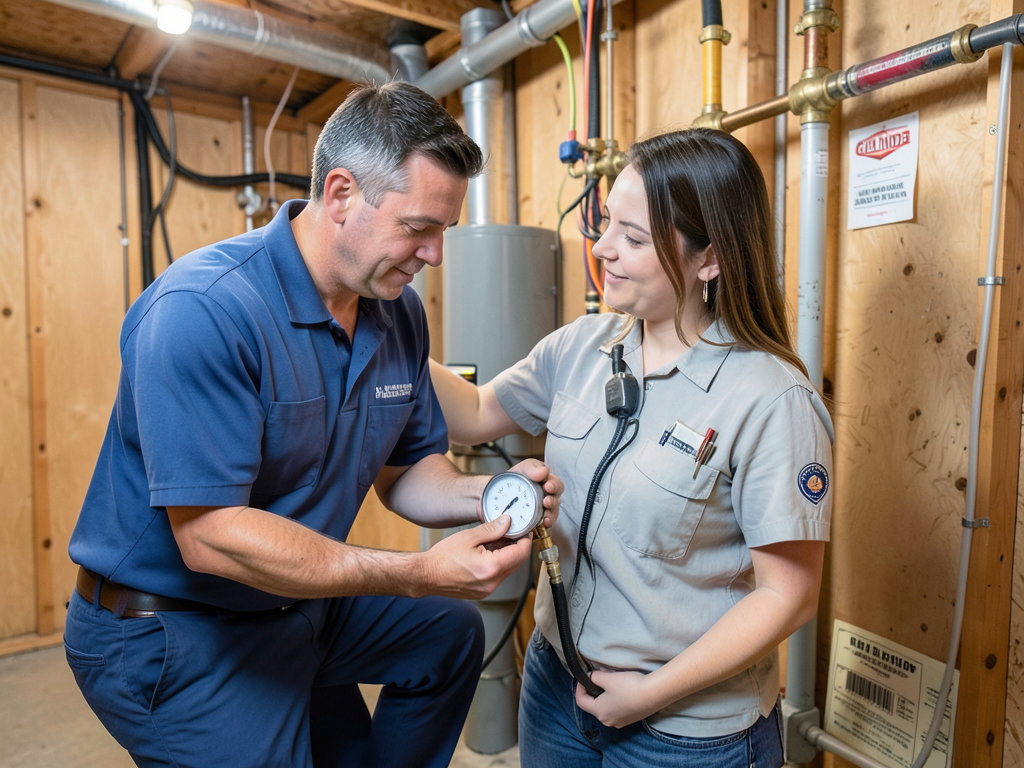
Professional HVAC technicians use manometers to measure pressure differentials throughout your home. This testing can identify whether your radon system is creating problematic negative pressure in specific areas like basements or utility rooms. Why Professional Air Duct Cleaning is Essential for Wildwood Homes.
Combustion appliance zone (CAZ) testing is critical for homes with gas furnaces or water heaters. This test measures whether exhaust gases are spilling into your home due to pressure imbalances. Missouri Department of Health and Senior Services guidelines recommend CAZ testing whenever a radon system is installed in homes with combustion appliances. EPA radon information.
Duct pressure testing can reveal leaks that allow soil gases to bypass your radon system. A typical home loses 20-30% of its conditioned air through duct leaks. Sealing these leaks not only improves HVAC efficiency but also enhances radon mitigation effectiveness.
St. Louis-Specific Considerations
Glendale sits in EPA Radon Zone 1 where average indoor radon levels often exceed 4 picocuries per liter (pCi/L). The region’s limestone bedrock and karst topography create natural pathways for radon to enter homes through foundation cracks and utility penetrations.
Missouri building codes require radon mitigation in new construction in high-risk areas but many existing Glendale homes built before these codes were adopted need retrofitting. The age of your home affects how easily radon can be mitigated – older homes often have more foundation cracks but also more air leakage that can help dilute radon concentrations.
Local soil conditions also matter. Glendale’s clay-heavy soil can create different pressure dynamics than sandy soils found in other parts of St. Louis County. Clay soil tends to hold moisture which can affect both radon entry rates and how your HVAC system performs.
Cost-Benefit Analysis for Glendale Homeowners
Integrating radon mitigation with HVAC upgrades often costs more upfront but provides better long-term value. A combined approach might cost $2500-4000 versus $1500-2500 for standalone radon mitigation. However the integrated system typically reduces energy costs by $150-300 annually.
Health benefits provide another dimension to the cost analysis. The EPA estimates that reducing radon from 4 pCi/L to below 2 pCi/L can decrease lung cancer risk by approximately 50% for smokers and 30% for non-smokers. For a family in Glendale where radon levels commonly range from 4-8 pCi/L this reduction represents significant health protection.
Maintenance Requirements for Both Systems
Radon fans typically need replacement every 5-10 years while HVAC systems last 15-20 years with proper maintenance. The interaction between these systems means that neglecting one can affect the other’s performance.
Annual inspections should check both systems’ operation. For the radon system this includes verifying fan operation checking for ice buildup on the vent stack and testing radon levels. For HVAC inspections should examine how pressure changes affect system performance and whether any new duct leaks have developed.
Filter changes also interact with system performance. A clogged HVAC filter can increase pressure drops while the radon system’s continuous operation means your home may need more frequent air filter changes to maintain good indoor air quality.
Building Code Compliance in Glendale
St. Louis County requires permits for both radon mitigation and significant HVAC modifications. The county’s mechanical code incorporates EPA radon mitigation standards which specify requirements for system design vent termination and electrical safety.
Local codes also address combustion air requirements. Missouri’s mechanical code mandates specific amounts of outdoor air for fuel-burning appliances and these requirements become more critical when a radon system creates negative pressure that could interfere with proper venting.
Homeowners should verify that contractors hold proper licenses – Missouri requires HVAC contractors to carry specific certifications and radon mitigation professionals should be certified by the National Radon Proficiency Program (NRPP) or the National Radon Safety Board (NRSB). National Radon Proficiency Program.
Frequently Asked Questions
Will my energy bills increase after installing a radon system?
Energy bills may increase 5-15% if the radon system creates pressure imbalances that make your HVAC work harder. Proper system design and duct sealing can minimize or eliminate this effect.
Can I install a radon system myself to save money?
DIY radon installation is not recommended because improper installation can create backdrafting hazards and may not effectively reduce radon levels. Professional installation ensures code compliance and safety.
How do I know if my radon system is affecting my HVAC?
Signs include rooms feeling stuffy temperature swings or increased heating/cooling costs. A professional pressure test can diagnose whether negative pressure from your radon system is causing HVAC issues.
What’s the best type of HVAC system for a home with radon mitigation?
Systems with dedicated makeup air provisions such as those integrated with HRVs or ERVs work best. These provide controlled replacement air that prevents the negative pressure issues common with standard HVAC systems.
Take Action for Better Indoor Air Quality
If you’re experiencing HVAC performance issues after radon mitigation installation or if you’re planning to add a radon system to your Glendale home professional evaluation is essential. The interaction between these systems affects your comfort energy costs and even your family’s safety.
Call (314) 417-7771 today to schedule a comprehensive assessment of your radon and HVAC systems. Our technicians understand the unique pressure dynamics of Glendale homes and can recommend solutions that protect your family from radon while keeping your heating and cooling systems operating efficiently.
Don’t wait until small pressure imbalances become major comfort or safety issues. Pick up the phone and call (314) 417-7771 before the next heating or cooling season hits. Your home’s air quality and your family’s comfort depend on getting these systems working together properly.
{
“@context”: “https://schema.org”,
“@type”: “BlogPosting”,
“headline”: “Does Your New Radon Mitigation System Affect HVAC Performance in Your Glendale Home?”,
“description”: “Learn how radon mitigation systems impact HVAC performance in Glendale homes. Discover pressure imbalances, energy efficiency effects, and integrated solutions for your St. Louis property.”,
“wordCount”: 1717,
“datePublished”: “2026-05-19T13:36:00.000Z”,
“dateModified”: “2026-05-19T13:36:00.000Z”,
“inLanguage”: “en-US”,
“mainEntityOfPage”: {
“@type”: “WebPage”,
“@id”: “https://keystonehvacstlouis.com”
},
“publisher”: {
“@type”: “LocalBusiness”,
“name”: “Keystone HVAC St. Louis”,
“url”: “https://keystonehvacstlouis.com”
},
“author”: {
“@type”: “Organization”,
“name”: “Keystone HVAC St. Louis”,
“url”: “https://keystonehvacstlouis.com”
},
“image”: {
“@type”: “ImageObject”,
“url”: “https://keystonehvacstlouis.com/wp-content/uploads/2026/03/does-your-new-radon-mitigation-system-affect-hvac-1.png”
}
}
{
“@context”: “https://schema.org”,
“@type”: “HVACBusiness”,
“name”: “Keystone HVAC St. Louis”,
“url”: “https://keystonehvacstlouis.com”,
“address”: {
“@type”: “PostalAddress”,
“addressLocality”: “St. Louis”
},
“areaServed”: {
“@type”: “City”,
“name”: “St. Louis”
}
}
{
“@context”: “https://schema.org”,
“@type”: “FAQPage”,
“mainEntity”: [
{
“@type”: “Question”,
“name”: “Will my energy bills increase after installing a radon system?”,
“acceptedAnswer”: {
“@type”: “Answer”,
“text”: “Energy bills may increase 5-15% if the radon system creates pressure imbalances that make your HVAC work harder. Proper system design and duct sealing can minimize or eliminate this effect.”
}
},
{
“@type”: “Question”,
“name”: “Can I install a radon system myself to save money?”,
“acceptedAnswer”: {
“@type”: “Answer”,
“text”: “DIY radon installation is not recommended because improper installation can create backdrafting hazards and may not effectively reduce radon levels. Professional installation ensures code compliance and safety.”
}
},
{
“@type”: “Question”,
“name”: “How do I know if my radon system is affecting my HVAC?”,
“acceptedAnswer”: {
“@type”: “Answer”,
“text”: “Signs include rooms feeling stuffy temperature swings or increased heating/cooling costs. A professional pressure test can diagnose whether negative pressure from your radon system is causing HVAC issues.”
}
},
{
“@type”: “Question”,
“name”: “What’s the best type of HVAC system for a home with radon mitigation?”,
“acceptedAnswer”: {
“@type”: “Answer”,
“text”: “Systems with dedicated makeup air provisions such as those integrated with HRVs or ERVs work best. These provide controlled replacement air that prevents the negative pressure issues common with standard HVAC systems.”
}
}
]
}
{
“@context”: “https://schema.org”,
“@type”: “BreadcrumbList”,
“itemListElement”: [
{
“@type”: “ListItem”,
“position”: 1,
“name”: “Home”,
“item”: “https://keystonehvacstlouis.com”
},
{
“@type”: “ListItem”,
“position”: 2,
“name”: “Blog”,
“item”: “https://keystonehvacstlouis.com/blog”
},
{
“@type”: “ListItem”,
“position”: 3,
“name”: “Does Your New Radon Mitigation System Affect HVAC Performance in Your Glendale Home?”
}
]
}
{
“@context”: “https://schema.org”,
“@type”: “Service”,
“serviceType”: “HVAC”,
“provider”: {
“@type”: “LocalBusiness”,
“name”: “Keystone HVAC St. Louis”,
“url”: “https://keystonehvacstlouis.com”
},
“areaServed”: {
“@type”: “City”,
“name”: “St. Louis”
},
“description”: “Learn how radon mitigation systems impact HVAC performance in Glendale homes. Discover pressure imbalances, energy efficiency effects, and integrated solutions for your St. Louis property.”
}