
Finding the Safest and Most Consistent HVAC Settings for Your New Baby’s Nursery in Kirkwood
New parents in Kirkwood need to know that keeping your baby’s nursery at the right temperature and humidity can make the difference between safe sleep and serious health risks. The American Academy of Pediatrics recommends keeping the nursery between 68–72°F with relative humidity between 30% and 50% to reduce the risk of Sudden Infant Death Syndrome and protect your baby’s developing respiratory system. Missouri’s humid summers and dry winters make this harder than it sounds, but with the right HVAC setup you can create a stable environment that keeps your baby safe and comfortable year-round. American Academy of Pediatrics.
Why St. Louis Climate Makes Nursery HVAC So Critical
Kirkwood sits in the heart of the St. Louis Metro where summer humidity regularly climbs above 80% and winter air drops to near single digits. That means your nursery needs more than a portable humidifier or window AC unit. You need a system that can remove excess moisture in July without freezing in January. The Missouri Department of Health warns that high indoor humidity encourages mold growth, which can trigger allergies and asthma in infants. Low humidity in winter dries nasal passages and increases the risk of respiratory infections. A whole-home humidifier connected to your furnace and a properly sized air conditioner with a dehumidification cycle are your best defense. EPA indoor air quality recommendations.
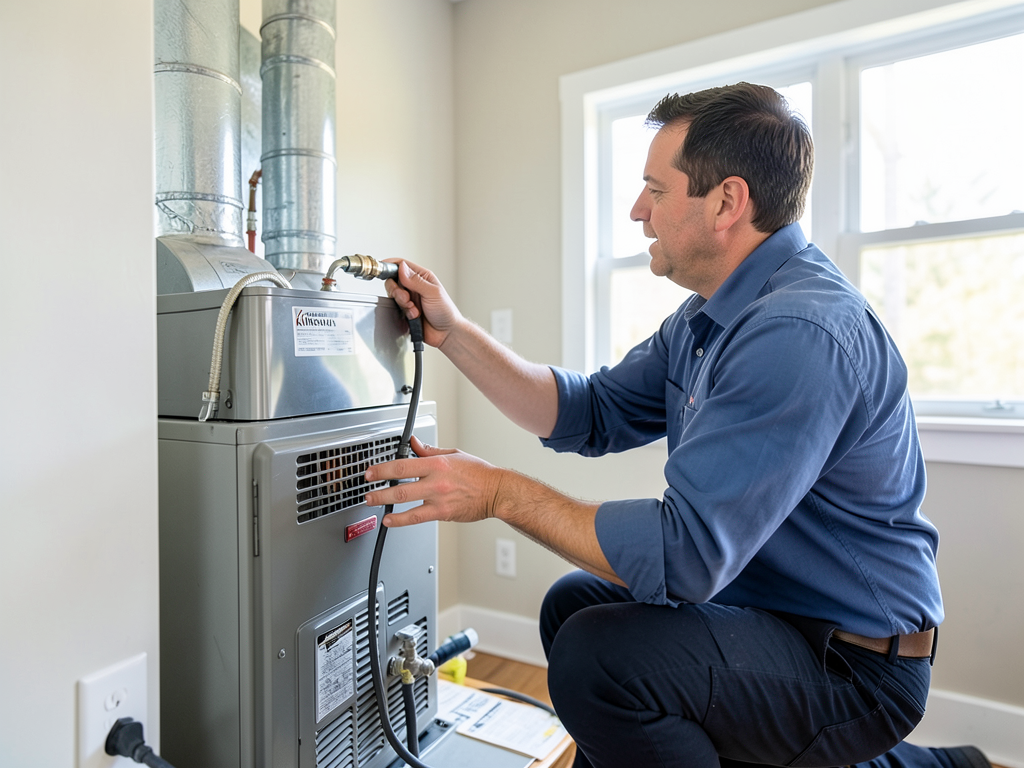
AAP-Recommended Nursery Conditions and What They Mean for Your HVAC
The AAP’s safe sleep guidelines are clear: overheating is a major SIDS risk factor. That means your nursery should never feel stuffy or too warm. Use a digital hygrometer to monitor both temperature and relative humidity. If the room consistently reads above 72°F or above 50% humidity, your system needs adjustment. A smart thermostat with remote sensors can give you real-time readings from the nursery instead of the hallway where your main thermostat sits. This small change prevents the rest of the house from being too cold while keeping the nursery in the safe zone. Commercial Heating Services.
Whole-Home vs. Portable Humidification: The Hidden Cost of Cutting Corners
Portable humidifiers might seem cheaper but they create more problems than they solve. They require constant refilling, can grow bacteria if not cleaned daily, and only treat one room. A whole-home bypass or fan-powered humidifier ties directly into your furnace and delivers consistent moisture throughout the house. In Kirkwood’s older homes, where ductwork often runs through unconditioned attics or crawlspaces, a professional HVAC technician can install a dedicated humidifier with a humidistat that automatically adjusts output based on outdoor temperature. This prevents window condensation and ice dam formation on your roof—two common winter problems in St. Louis brick bungalows. The Best Local Furnace Replacement Options for Kirkwood Families.

Smart Thermostats and Remote Sensors: Precision Climate Control
Basic thermostats only measure the temperature where they are mounted. In most homes, that’s the hallway or living room—not the nursery. Smart thermostats with remote room sensors let you place a small wireless sensor directly in the nursery. The system then prioritizes that room’s temperature when cycling the HVAC. Some models even track humidity and can trigger your whole-home humidifier or dehumidifier automatically. This level of control is critical in Kirkwood where one side of the house might get direct sun while the nursery stays shaded. Without sensors, you’re guessing—and guessing can mean an overheated or under-humidified baby.. Read more about How Your HVAC System Prevents Your Expensive Hardwood Floors from Warping in Frontenac.
Air Quality: HEPA Filters and UV Lights for Nursery Safety
Temperature and humidity are only half the battle. Indoor air quality affects your baby’s developing lungs. A MERV 11 or higher filter captures dust, pollen, and pet dander. For even better protection, a UV germicidal light installed in your HVAC system kills airborne bacteria and mold spores before they circulate. In Kirkwood’s older homes, where ductwork can harbor years of accumulated dust, professional duct cleaning every 3–5 years removes the source of many allergens. The EPA recommends these steps especially for homes with infants, elderly residents, or anyone with respiratory conditions. Why Professional Air Duct Cleaning is Essential for Wildwood Homes.
Seasonal HVAC Maintenance: The Key to Year-Round Safety
Missouri’s “swing seasons” can stress your HVAC system. A coil that ices up in July might freeze completely in January if refrigerant levels are low. Annual maintenance by a NATE-certified technician includes checking refrigerant charge, cleaning evaporator and condenser coils, and testing the humidification system. In Kirkwood, where many homes are over 50 years old, this inspection also catches failing capacitors, corroded electrical connections, and duct leaks that waste energy and compromise air quality. A $150 tune-up now can prevent a $3,000 emergency repair when your furnace fails on a sub-zero night. Emergency AC Repair in Creve Coeur That Won’t Break the Bank.
Common HVAC Problems That Threaten Nursery Safety
Uneven cooling is the most frequent complaint. If the nursery feels warmer than the rest of the house, your ductwork may have leaks or the system may be undersized. A duct blaster test can quantify air loss. Another issue is short cycling, where the AC turns on and off too quickly to remove humidity effectively. This often happens when the system is too large for the home. Finally, a clogged condensate drain can cause water to back up and grow mold right next to the nursery. These are not DIY fixes—they require professional diagnosis and repair.. Read more about Everything You Need to Check on the HVAC System Before Buying a Home in Kirkwood.
Cost-Benefit Analysis: Whole-Home Solutions vs. Portable Appliances
| Feature | Whole-Home System | Portable Units |
|---|---|---|
| Initial Cost | $1,200–$2,500 installed | $30–$200 each |
| Energy Efficiency | High (integrated with HVAC) | Low (multiple devices running) |
| Maintenance | Annual professional service | Daily cleaning and refilling |
| Coverage | Entire home | One room at a time |
| Safety for Infants | Consistent, automatic control | Manual monitoring required |
The numbers make the choice clear. Whole-home systems cost more upfront but save time, energy, and most importantly, provide the consistent conditions your baby needs. Portable units might work for a weekend trip but they are not a long-term solution for Kirkwood’s climate.. Read more about Why Air Scrubbers Are Becoming the Go To IAQ Solution for Manchester Families with Severe Allergies.
Local Building Codes and HVAC Safety Standards
St. Louis County requires all HVAC installations to comply with the International Mechanical Code and local amendments. This includes proper duct sealing, refrigerant handling, and electrical connections. The Missouri Division of Fire Safety also mandates carbon monoxide detectors within 15 feet of all sleeping areas—including the nursery. If your home was built before 1978, lead-safe work practices must be followed when cutting into walls or ceilings. These are not optional; they are legal requirements that protect your family. A licensed HVAC contractor will pull the necessary permits and schedule inspections to ensure compliance. Top Rated AC Installation Companies Serving Ladue and Clayton.
Frequently Asked Questions
What is the ideal nursery temperature for a newborn?
The American Academy of Pediatrics recommends keeping the nursery between 68°F and 72°F to reduce the risk of Sudden Infant Death Syndrome.
How often should I check the humidity in my baby’s room?
Use a digital hygrometer to monitor humidity daily. The ideal range is 30% to 50%. If levels fall outside this range, adjust your HVAC system or portable humidifier accordingly.
Can a smart thermostat really make a difference in nursery comfort?
Yes. Smart thermostats with remote sensors measure the actual temperature in the nursery rather than the hallway, ensuring the room stays within the safe range without overcooling the rest of the house.
Is whole-home humidification worth the investment?
For Kirkwood’s climate, yes. Whole-home systems provide consistent moisture, reduce mold risk, and eliminate the daily maintenance required by portable units.
How do I know if my HVAC system is the right size for my home?
A professional Manual J load calculation determines the correct system size. An oversized unit short cycles and fails to remove humidity; an undersized unit runs constantly and may never reach the set temperature.
Take the Next Step for Your Baby’s Safety
Don’t leave your baby’s comfort and safety to chance. Call (314) 417-7771 today to schedule a professional nursery HVAC assessment. Our NATE-certified technicians will test your system, check humidity levels, and recommend the right whole-home solutions for your Kirkwood home. We offer same-day service and upfront pricing so you can make the best decision for your family without pressure or surprises.
Pick up the phone and call (314) 417-7771 before the next heat wave or cold snap hits. Your baby’s health is worth it.
You may also find this helpful. Why a Cooler Bedroom Leads to Better Sleep for Your Family in St. Louis Hills.
You may also find this helpful. What That Strange Metallic or Burning Plastic Smell from Your Furnace Actually Means.
You may also find this helpful. Creating a Comfortable and Quiet Home Office in Your Brentwood Spare Bedroom.
{
“@context”: “https://schema.org”,
“@type”: “BlogPosting”,
“headline”: “Finding the Safest and Most Consistent HVAC Settings for Your New Baby’s Nursery in Kirkwood”,
“description”: “Discover how to maintain ideal nursery temperatures and humidity levels in Kirkwood. Learn AAP guidelines, St. Louis climate tips, and whole-home HVAC solutions for infant safety.”,
“wordCount”: 1391,
“datePublished”: “2026-05-18T10:59:00.000Z”,
“dateModified”: “2026-05-18T10:59:00.000Z”,
“inLanguage”: “en-US”,
“mainEntityOfPage”: {
“@type”: “WebPage”,
“@id”: “https://keystonehvacstlouis.com”
},
“publisher”: {
“@type”: “LocalBusiness”,
“name”: “Keystone HVAC St. Louis”,
“url”: “https://keystonehvacstlouis.com”
},
“author”: {
“@type”: “Organization”,
“name”: “Keystone HVAC St. Louis”,
“url”: “https://keystonehvacstlouis.com”
},
“image”: {
“@type”: “ImageObject”,
“url”: “https://keystonehvacstlouis.com/wp-content/uploads/2026/03/finding-the-safest-and-most-consistent-hvac-settin-1.png”
}
}
{
“@context”: “https://schema.org”,
“@type”: “HVACBusiness”,
“name”: “Keystone HVAC St. Louis”,
“url”: “https://keystonehvacstlouis.com”,
“address”: {
“@type”: “PostalAddress”,
“addressLocality”: “St. Louis”
},
“areaServed”: {
“@type”: “City”,
“name”: “St. Louis”
}
}
{
“@context”: “https://schema.org”,
“@type”: “FAQPage”,
“mainEntity”: [
{
“@type”: “Question”,
“name”: “What is the ideal nursery temperature for a newborn?”,
“acceptedAnswer”: {
“@type”: “Answer”,
“text”: “The American Academy of Pediatrics recommends keeping the nursery between 68°F and 72°F to reduce the risk of Sudden Infant Death Syndrome.”
}
},
{
“@type”: “Question”,
“name”: “How often should I check the humidity in my baby’s room?”,
“acceptedAnswer”: {
“@type”: “Answer”,
“text”: “Use a digital hygrometer to monitor humidity daily. The ideal range is 30% to 50%. If levels fall outside this range, adjust your HVAC system or portable humidifier accordingly.”
}
},
{
“@type”: “Question”,
“name”: “Can a smart thermostat really make a difference in nursery comfort?”,
“acceptedAnswer”: {
“@type”: “Answer”,
“text”: “Yes. Smart thermostats with remote sensors measure the actual temperature in the nursery rather than the hallway, ensuring the room stays within the safe range without overcooling the rest of the house.”
}
},
{
“@type”: “Question”,
“name”: “Is whole-home humidification worth the investment?”,
“acceptedAnswer”: {
“@type”: “Answer”,
“text”: “For Kirkwood’s climate, yes. Whole-home systems provide consistent moisture, reduce mold risk, and eliminate the daily maintenance required by portable units.”
}
},
{
“@type”: “Question”,
“name”: “How do I know if my HVAC system is the right size for my home?”,
“acceptedAnswer”: {
“@type”: “Answer”,
“text”: “A professional Manual J load calculation determines the correct system size. An oversized unit short cycles and fails to remove humidity; an undersized unit runs constantly and may never reach the set temperature.”
}
}
]
}
{
“@context”: “https://schema.org”,
“@type”: “BreadcrumbList”,
“itemListElement”: [
{
“@type”: “ListItem”,
“position”: 1,
“name”: “Home”,
“item”: “https://keystonehvacstlouis.com”
},
{
“@type”: “ListItem”,
“position”: 2,
“name”: “Blog”,
“item”: “https://keystonehvacstlouis.com/blog”
},
{
“@type”: “ListItem”,
“position”: 3,
“name”: “Finding the Safest and Most Consistent HVAC Settings for Your New Baby’s Nursery in Kirkwood”
}
]
}
{
“@context”: “https://schema.org”,
“@type”: “Service”,
“serviceType”: “HVAC”,
“provider”: {
“@type”: “LocalBusiness”,
“name”: “Keystone HVAC St. Louis”,
“url”: “https://keystonehvacstlouis.com”
},
“areaServed”: {
“@type”: “City”,
“name”: “St. Louis”
},
“description”: “Discover how to maintain ideal nursery temperatures and humidity levels in Kirkwood. Learn AAP guidelines, St. Louis climate tips, and whole-home HVAC solutions for infant safety.”
}