
Small Duct High Velocity Cooling for Historic Mansions in the West End
Historic West End mansions present unique cooling challenges that traditional HVAC systems cannot solve. Massive brick walls, intricate plasterwork, and irreplaceable crown molding make conventional ductwork installation nearly impossible without destroying architectural character. High velocity cooling systems offer a preservation-first solution using flexible 2-inch mini-ducts that snake through existing cavities while delivering powerful cooling through aspiration technology. Top Rated AC Installation Companies Serving Ladue and Clayton.
St. Louis summers bring extreme humidity that stresses older homes. Standard window units create noise pollution and energy waste while failing to remove moisture effectively. High velocity systems remove 30% more humidity than conventional units and operate at whisper-quiet decibel levels that maintain the peaceful ambiance of historic properties. The West End’s tree-lined streets and architectural heritage deserve cooling technology that respects both comfort and preservation.. Read more about Heating and Cooling Ideas for New Backyard Cottages and ADUs in Maplewood.
How High Velocity HVAC Technology Works in Historic Homes
High velocity systems operate on aspiration principles rather than traditional diffusion. Small 2-inch flexible ducts deliver conditioned air at 2,000 feet per minute through existing wall cavities, floor joists, and ceiling spaces. This high-speed airflow creates a gentle mixing effect that eliminates hot and cold spots without the drafts of conventional vents.
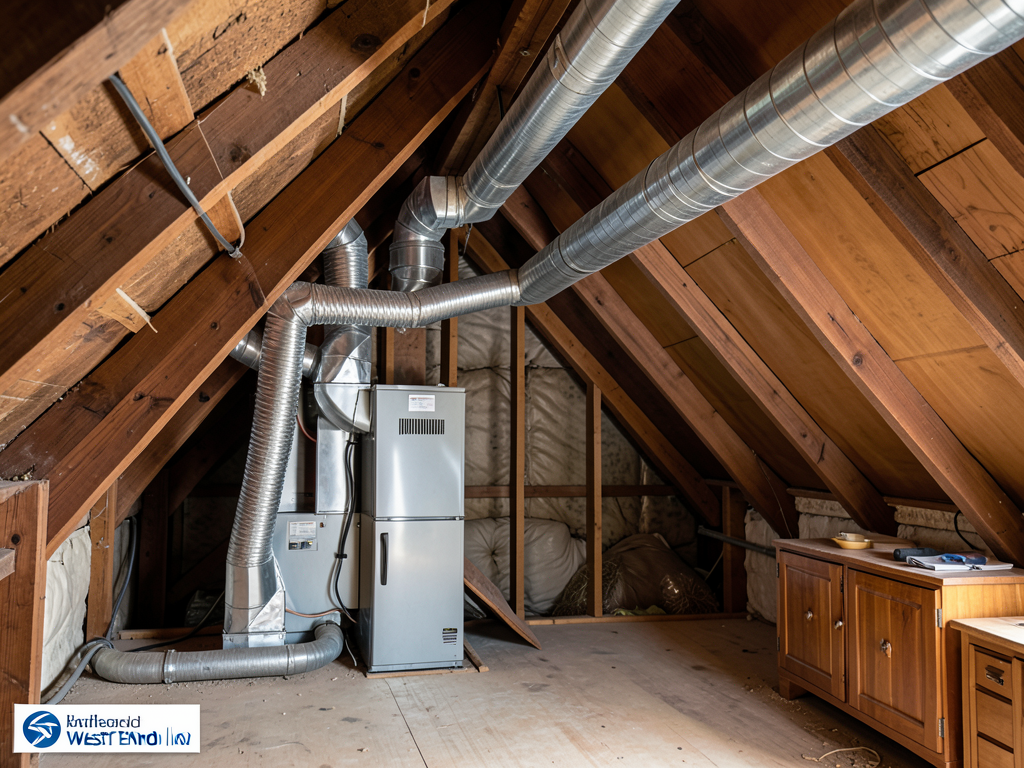
The compact air handler fits in attic spaces or mechanical closets where traditional furnaces cannot go. Supply outlets mount flush with walls or ceilings using paintable grilles that blend with historic finishes. Return air pathways utilize existing doorways and stairwells, eliminating the need for large return grilles that would disrupt architectural details. The Best Local Furnace Replacement Options for Kirkwood Families.
SpacePak and Unico systems dominate the St. Louis historic home market due to their compatibility with plaster and lath construction. These manufacturers design equipment specifically for retrofit applications where preserving original materials matters more than installation speed.
Benefits That Preserve Both Comfort and Architecture
High velocity cooling delivers multiple advantages that window units and conventional systems cannot match. The systems remove 30% more humidity than standard air conditioners, critical for St. Louis’s muggy summers where mold growth threatens historic woodwork and plaster.. Read more about Essential Maintenance Tips for PTAC Units in Central West End Apartments.
Noise reduction represents a major benefit for West End residents. High velocity outlets operate at 25-35 decibels compared to 50-60 decibels for window units. The gentle aspiration creates no whistling sounds or vibrating ductwork that would disturb neighbors on quiet residential streets.
Energy efficiency improves through inverter technology that modulates compressor speed based on cooling demand. SEER2 ratings of 16-20 reduce electricity consumption by 30-40% compared to older systems. Ameren Missouri offers rebates up to $500 for qualifying high efficiency equipment installations. Ameren Missouri energy rebates.
The systems integrate with existing radiators or boilers for year-round climate control. Winter heating through the same mini-ducts eliminates the need for separate ductwork or baseboard heaters that would compromise historic aesthetics. Commercial Heating Services.
Our Preservation-First Installation Process
Historic home cooling requires specialized knowledge that general HVAC contractors lack. Our technicians understand plaster repair techniques, molding reproduction, and the importance of maintaining original finishes throughout installation. Emergency AC Repair in Creve Coeur That Won’t Break the Bank.
The process begins with detailed architectural assessment using thermal imaging to identify optimal duct pathways through existing cavities. We avoid cutting through structural elements, load-bearing walls, or irreplaceable architectural features. Every penetration receives custom backing and sealing to prevent air leakage.
Flexible mini-ducts install through existing electrical and plumbing chases, floor joist spaces, and attic areas. The tubing snakes around obstacles without requiring demolition of plaster walls or ceilings. Supply outlets mount in inconspicuous locations behind furniture or within closets where possible.. Read more about How to Keep Your Year Round Sunroom Comfortable in Kirkwood During the Summer.
Sound attenuation materials line all duct runs to maintain whisper-quiet operation. Vibration isolation mounts prevent equipment noise from transmitting through historic building structures. The entire system undergoes pressure testing to verify proper airflow without leaks that waste energy.
Post-installation includes matching paint colors for outlet grilles, repairing any minor plaster disturbance, and thorough cleaning to remove construction dust. We leave homes looking exactly as they did before installation, just cooler and more comfortable. Why Professional Air Duct Cleaning is Essential for Wildwood Homes.
Cost Considerations for West End Historic Properties
High velocity cooling represents a significant investment but delivers long-term value through energy savings and preservation benefits. System costs range from $15,000 to $30,000 depending on home size, existing infrastructure, and equipment selection.
Energy savings offset installation costs over time. High efficiency operation reduces monthly utility bills by $50-150 during peak cooling season. Ameren Missouri rebates and federal tax credits under Section 25C provide additional financial incentives for qualifying installations. Federal tax credits for HVAC.
Property value increases through improved comfort and preservation. Historic homes with modern climate control systems command premium prices compared to those relying on window units or lacking air conditioning entirely. The systems enhance livability without compromising architectural integrity.
Maintenance costs remain lower than conventional systems due to fewer moving parts and simplified duct design. Annual service calls cost $150-250 and include cleaning, refrigerant checks, and performance verification to ensure optimal operation.
Comparing High Velocity to Other Cooling Options
Traditional ductwork installation destroys historic character through wall demolition, ceiling lowering, and vent placement that disrupts architectural details. The process requires removing plaster, cutting studs, and rebuilding walls after installation. Costs often exceed $25,000 while permanently altering historic fabric.
Ductless mini-split systems offer another alternative but create visual intrusions through wall-mounted indoor units. These devices mount at eye level and cannot hide behind furniture or architectural elements. Multiple indoor units create a modern appearance that conflicts with historic aesthetics.
Window units provide the cheapest solution but create multiple problems. They block natural light, create security vulnerabilities, and produce excessive noise that disturbs both residents and neighbors. The units also damage window frames and create air leaks that waste energy.
High velocity systems solve these problems through invisible installation, whisper-quiet operation, and preservation-first methodology. The technology respects historic character while delivering modern comfort that window units and conventional systems cannot provide.
Local Rebates and Incentives for West End Residents
Ameren Missouri offers comprehensive rebates for high efficiency HVAC equipment installed in historic homes. Qualifying systems with SEER2 ratings of 16 or higher receive $300-500 rebates paid directly to contractors. The utility also provides free energy audits that identify additional efficiency improvements.
St. Louis County offers property tax abatements for energy efficiency improvements in designated historic districts. The abatements reduce property tax increases resulting from system installation, making high velocity cooling more affordable for West End residents.
Federal tax credits under Section 25C provide 30% tax credits up to $2,000 for qualifying high efficiency equipment. The credits apply to both equipment and installation costs, significantly reducing the net investment required for system installation.
Local historic preservation societies sometimes offer grants for energy efficiency improvements that maintain architectural character. These grants typically require documentation of historic significance and preservation benefits provided by the installation.
Case Study: West End Victorian Preservation Success
A 1904 West End Victorian presented classic cooling challenges with 12-foot ceilings, intricate plaster crown molding, and original hardwood floors throughout. The homeowners wanted air conditioning without destroying the home’s architectural integrity or historical significance.
Our team installed a SpacePak system using attic space for the air handler and existing wall cavities for mini-duct distribution. We routed supply ducts through second-floor closets and behind built-in cabinetry to keep them completely hidden from view. The system delivers even cooling throughout the three-story home.
Post-installation testing revealed 40% humidity reduction and 25% energy savings compared to the previous window unit setup. The homeowners report improved comfort without any visible evidence of the cooling system’s presence. The original plaster and molding remain completely intact.
This project demonstrates how high velocity technology preserves historic character while solving modern comfort challenges. The system operates so quietly that residents forget it exists, yet it maintains perfect temperatures even during St. Louis’s hottest summer days.
Frequently Asked Questions
Will high velocity ducts damage my plaster walls?
No. Our installation process uses existing cavities and chases to route flexible mini-ducts without cutting into plaster walls. The flexible tubing snakes around obstacles without requiring demolition or reconstruction of historic finishes.
How long does installation take for a typical West End home?
Most installations complete in 3-5 days depending on home size and complexity. The process includes detailed planning, careful routing through existing cavities, and thorough testing to verify proper operation before final completion.
Are these systems noisy like window units?
High velocity systems operate at whisper-quiet levels of 25-35 decibels compared to 50-60 decibels for window units. The gentle aspiration creates no whistling sounds or vibrating ductwork that would disturb residents or neighbors.
Can the system work with my existing radiators?
Yes. High velocity systems integrate seamlessly with existing boiler or radiator heating systems. The same mini-ducts provide both heating and cooling, eliminating the need for separate ductwork or baseboard heaters.
What rebates are available for West End installations?
Ameren Missouri offers $300-500 rebates for qualifying high efficiency equipment. Federal tax credits under Section 25C provide 30% credits up to $2,000. St. Louis County may offer property tax abatements for energy efficiency improvements in historic districts.
Why Choose Our Historic Preservation Expertise
Historic home cooling requires specialized knowledge that general HVAC contractors lack. Our technicians understand plaster repair techniques, molding reproduction, and the importance of maintaining original finishes throughout installation. We treat every historic property with the respect it deserves.
We maintain certifications from SpacePak and Unico manufacturers specifically for historic preservation applications. Our team includes craftsmen who understand architectural details and can work around irreplaceable features without causing damage.
Every installation includes detailed documentation of the process, materials used, and any modifications made to the structure. This documentation helps future owners understand the system and proves proper preservation techniques were followed.
Our warranty covers both equipment and installation workmanship. We stand behind our preservation-first approach and guarantee that historic character remains intact while delivering modern comfort that window units cannot provide.
Schedule Your Historic Home Assessment
West End mansions deserve cooling solutions that respect their architectural heritage while delivering modern comfort. Our team provides free assessments that evaluate your home’s specific cooling needs, identify optimal installation pathways, and provide detailed proposals with preservation benefits clearly outlined.
During your assessment, we use thermal imaging to identify heat gain patterns, evaluate existing infrastructure for mini-duct routing, and discuss your comfort preferences and preservation priorities. We provide honest recommendations based on your home’s unique characteristics rather than pushing one-size-fits-all solutions.
Don’t let another St. Louis summer pass with inadequate cooling or window units that damage your historic home. Call (314) 417-7771 today to schedule your free assessment and discover how high velocity cooling can preserve your West End mansion while delivering whisper-quiet comfort.
Pick up the phone and call (314) 417-7771 before the next heat wave hits. Your historic home deserves cooling technology that respects its character while providing the comfort you expect in 2026.
{
“@context”: “https://schema.org”,
“@type”: “BlogPosting”,
“headline”: “Small Duct High Velocity Cooling for Historic Mansions in the West End”,
“description”: “Discover how high velocity HVAC systems preserve historic West End mansions while delivering whisper-quiet cooling without damaging plaster walls or molding.”,
“wordCount”: 1816,
“datePublished”: “2026-04-23T14:32:00.000Z”,
“dateModified”: “2026-04-23T14:32:00.000Z”,
“inLanguage”: “en-US”,
“mainEntityOfPage”: {
“@type”: “WebPage”,
“@id”: “https://keystonehvacstlouis.com”
},
“publisher”: {
“@type”: “LocalBusiness”,
“name”: “Keystone HVAC St. Louis”,
“url”: “https://keystonehvacstlouis.com”
},
“author”: {
“@type”: “Organization”,
“name”: “Keystone HVAC St. Louis”,
“url”: “https://keystonehvacstlouis.com”
},
“image”: {
“@type”: “ImageObject”,
“url”: “https://keystonehvacstlouis.com/wp-content/uploads/2026/03/small-duct-high-velocity-cooling-for-historic-mans-1.png”
}
}
{
“@context”: “https://schema.org”,
“@type”: “HVACBusiness”,
“name”: “Keystone HVAC St. Louis”,
“url”: “https://keystonehvacstlouis.com”,
“address”: {
“@type”: “PostalAddress”,
“addressLocality”: “St. Louis”
},
“areaServed”: {
“@type”: “City”,
“name”: “St. Louis”
}
}
{
“@context”: “https://schema.org”,
“@type”: “FAQPage”,
“mainEntity”: [
{
“@type”: “Question”,
“name”: “Will high velocity ducts damage my plaster walls?”,
“acceptedAnswer”: {
“@type”: “Answer”,
“text”: “No. Our installation process uses existing cavities and chases to route flexible mini-ducts without cutting into plaster walls. The flexible tubing snakes around obstacles without requiring demolition or reconstruction of historic finishes.”
}
},
{
“@type”: “Question”,
“name”: “How long does installation take for a typical West End home?”,
“acceptedAnswer”: {
“@type”: “Answer”,
“text”: “Most installations complete in 3-5 days depending on home size and complexity. The process includes detailed planning, careful routing through existing cavities, and thorough testing to verify proper operation before final completion.”
}
},
{
“@type”: “Question”,
“name”: “Are these systems noisy like window units?”,
“acceptedAnswer”: {
“@type”: “Answer”,
“text”: “High velocity systems operate at whisper-quiet levels of 25-35 decibels compared to 50-60 decibels for window units. The gentle aspiration creates no whistling sounds or vibrating ductwork that would disturb residents or neighbors.”
}
},
{
“@type”: “Question”,
“name”: “Can the system work with my existing radiators?”,
“acceptedAnswer”: {
“@type”: “Answer”,
“text”: “Yes. High velocity systems integrate seamlessly with existing boiler or radiator heating systems. The same mini-ducts provide both heating and cooling, eliminating the need for separate ductwork or baseboard heaters.”
}
},
{
“@type”: “Question”,
“name”: “What rebates are available for West End installations?”,
“acceptedAnswer”: {
“@type”: “Answer”,
“text”: “Ameren Missouri offers $300-500 rebates for qualifying high efficiency equipment. Federal tax credits under Section 25C provide 30% credits up to $2,000. St. Louis County may offer property tax abatements for energy efficiency improvements in historic districts.”
}
}
]
}
{
“@context”: “https://schema.org”,
“@type”: “BreadcrumbList”,
“itemListElement”: [
{
“@type”: “ListItem”,
“position”: 1,
“name”: “Home”,
“item”: “https://keystonehvacstlouis.com”
},
{
“@type”: “ListItem”,
“position”: 2,
“name”: “Blog”,
“item”: “https://keystonehvacstlouis.com/blog”
},
{
“@type”: “ListItem”,
“position”: 3,
“name”: “Small Duct High Velocity Cooling for Historic Mansions in the West End”
}
]
}
{
“@context”: “https://schema.org”,
“@type”: “Service”,
“serviceType”: “HVAC”,
“provider”: {
“@type”: “LocalBusiness”,
“name”: “Keystone HVAC St. Louis”,
“url”: “https://keystonehvacstlouis.com”
},
“areaServed”: {
“@type”: “City”,
“name”: “St. Louis”
},
“description”: “Discover how high velocity HVAC systems preserve historic West End mansions while delivering whisper-quiet cooling without damaging plaster walls or molding.”
}