
How to Keep Mice and Squirrels Out of Your Southampton HVAC Vents
Rodents in your HVAC vents create more than just noise. Mice and squirrels chew through duct insulation damage wiring and contaminate airflow with droppings and dander. In Southampton’s mature tree canopy and older homes exterior vents offer easy entry points for pests seeking shelter from Missouri’s seasonal swings.. Read more about Why Your Vents Are Making a High Pitched Whistling Sound in Bel-Nor.
The first sign is often scratching sounds from supply or return registers. You might also notice a musty odor visible droppings near floor vents or unexplained allergy symptoms. These pests enter through damaged vent caps gaps around pipe penetrations or corroded metal flashing. Once inside they travel through the duct system and nest near the air handler.
St. Louis homeowners in neighborhoods like Southampton face unique challenges. The area’s mix of 1920s bungalows and mature landscaping creates perfect conditions for rodent entry. Squirrels jump from overhanging branches onto roofs. Mice squeeze through dime-sized openings around exterior vents. The humid Midwest climate also means damaged ducts can develop mold within days of pest intrusion.
Quick action prevents costly repairs. Block obvious entry points with heavy-gauge hardware cloth. Keep tree limbs at least six feet from your roofline. Schedule annual HVAC inspections to catch early signs of damage before pests establish colonies. Emergency AC Repair in Creve Coeur That Won’t Break the Bank.
Call (314) 417-7771 today to schedule your inspection.
Common Entry Points in Southampton Homes
Southampton’s architectural diversity means multiple vulnerability points. Many homes feature original 1920s-1940s construction with aging materials. Here’s where pests commonly enter:
| Entry Point | Typical Damage | Prevention Method |
|---|---|---|
| Roof vent caps | Chewed mesh missing screens | Install galvanized hardware cloth |
| Foundation gaps | Openings around pipe penetrations | Seal with concrete patch |
| Deteriorated flashing | Corroded metal allowing entry | Replace with stainless steel |
| Damaged siding | Wood rot creating holes | Repair and seal with caulk |
St. Louis County Code Section 27.08.150 requires all exterior penetrations to be properly sealed to prevent pest entry. This includes HVAC vents which must maintain proper airflow while blocking rodents.
Signs You Have Rodents in Your Ductwork
Early detection prevents extensive damage. Listen for these specific sounds in your HVAC system:
- Scratching or scurrying noises when the system starts or stops
- Rustling sounds from supply registers
- High-pitched squeaks from wall cavities
Visual indicators include:
- Small black droppings near floor registers
- Chewed insulation visible through vent grates
- Nesting materials like shredded paper or leaves
Health symptoms may appear before you see physical evidence:
- Increased allergy or asthma symptoms
- Frequent sneezing when HVAC runs
- Unexplained respiratory irritation
According to the EPA’s IAQ guidelines rodent dander and droppings in ductwork can trigger severe respiratory reactions especially in children and elderly residents.
Damage Assessment What Rodents Do to Your System
Mice and squirrels cause different types of damage based on their behaviors:
| Pest Type | Damage Pattern | Repair Cost Range |
|---|---|---|
| Mice | Chewed insulation contaminated ducts | $300-$800 |
| Squirrels | Chewed wiring damaged vent caps | $500-$1,500 |
| Raccoons | Large duct damage insulation removal | $1,000-$3,000 |
The damage extends beyond immediate repairs. Contaminated ductwork requires professional cleaning with antimicrobial treatment. According to NADCA standards ducts with confirmed rodent activity need complete sanitization before reuse. Why Professional Air Duct Cleaning is Essential for Wildwood Homes.
Professional Inspection Process
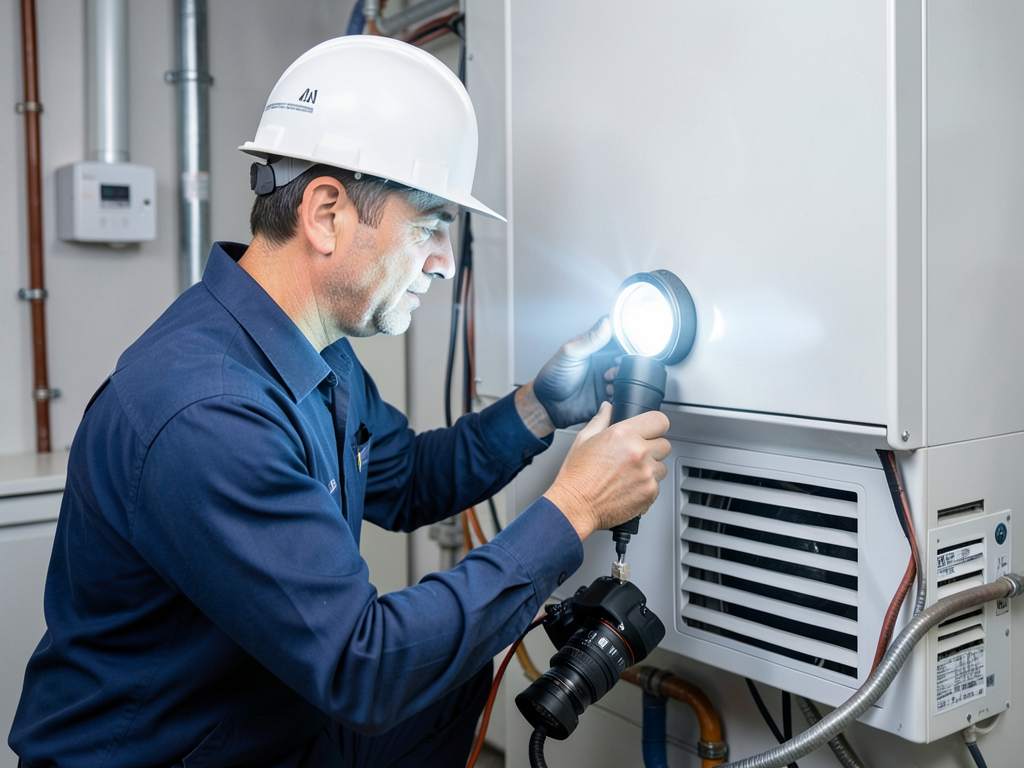
A thorough HVAC inspection for rodent activity follows specific steps:
- Visual Exterior Assessment
Technician examines all exterior vents looking for chew marks missing screens or gaps around penetrations.
- Ductwork Camera Inspection
Using specialized cameras the technician inspects duct interiors for nests droppings or damage.
- Air Handler Examination
Checking the air handler unit for signs of nesting chewed wiring or contaminated insulation.
- Air Quality Testing
Measuring particulate levels to assess contamination from rodent activity.
The inspection typically takes 60-90 minutes for a standard home. Technicians document findings with photos and provide specific repair recommendations. Finding a Reliable 24 Hour HVAC Technician in Chesterfield.
Prevention Strategies That Work
Effective rodent prevention combines physical barriers with habitat modification. Here’s what actually works in Southampton:
Physical Barriers
Install 1/4-inch galvanized hardware cloth over all exterior vents. This mesh prevents entry while maintaining proper airflow. Replace damaged vent caps with models featuring built-in screens. Seal all foundation gaps wider than 1/4 inch with concrete patching compound.
Landscape Management
Keep tree branches at least six feet from your roofline. Remove wood piles and debris from within ten feet of your foundation. Trim shrubs so they don’t touch exterior walls. These steps eliminate rodent pathways and nesting sites.
Maintenance Schedule
Schedule HVAC inspections twice yearly – spring and fall. Check vent screens quarterly. Replace damaged screens immediately. Clean debris from around exterior units monthly.
When to Call a Professional
DIY prevention works for minor issues. Call a professional when:
- You hear persistent scratching sounds
- Visible damage appears in multiple vents
- Allergy symptoms worsen when HVAC runs
- You discover droppings inside registers
Professional services include complete system inspection damage repair duct cleaning and antimicrobial treatment. The process restores both system function and indoor air quality.
Call (314) 417-7771 today to schedule your inspection.
DIY vs. Professional Assessment
| Task | DIY Approach | Professional Service |
|---|---|---|
| Vent Screen Installation | Basic hardware cloth | Galvanized mesh with proper airflow testing |
| Duct Inspection | Visual check only | Camera inspection of entire system |
| Damage Repair | Basic patching | Code-compliant repairs with documentation |
| Sanitization | Household cleaners | EPA-registered antimicrobial treatment |
Seasonal Considerations for St. Louis
Missouri’s climate creates specific rodent patterns:
- Fall/Winter: Mice seek warm shelter as temperatures drop
- Spring: Squirrels nest in attics and wall cavities
- Summer: Raccoons may damage outdoor units seeking cool areas
The clay soil common in St. Louis expands and contracts with moisture changes creating foundation gaps that widen over time. This makes older Southampton homes particularly vulnerable.
Health and Safety Considerations
Rodent contamination poses serious health risks. Hantavirus transmitted through rodent droppings and urine can survive in dust for weeks. Leptospirosis spreads through contaminated water. The CDC recommends professional cleaning for any confirmed rodent infestation in HVAC systems. Air Purification Systems.
Never vacuum rodent droppings with standard household equipment. This aerosolizes contaminants. Professional remediation uses HEPA filtration and containment procedures.
Cost Factors in Southampton
Repair costs vary based on damage extent and home age. Southampton’s older homes often require:
- Custom vent cap fabrication for historic properties
- Specialized cleaning for original ductwork
- Foundation repair before vent sealing
Basic vent screening starts around $150-200 per opening. Complete duct cleaning with sanitization ranges from $500-1,200 depending on system size.
Frequently Asked Questions
Can I use poison to get rid of rodents in my vents?
Poison creates more problems than it solves. Dead rodents in your ductwork cause severe odor issues and require complete system disassembly to remove. Professional trapping and exclusion is safer and more effective.
How long does professional duct cleaning take?
Standard residential cleaning takes 3-5 hours. Homes with confirmed rodent activity may require 6-8 hours plus additional time for sanitization and repairs.
Will my homeowner’s insurance cover rodent damage?
Most policies exclude rodent damage as a maintenance issue. However if rodents enter through a covered peril like storm damage related HVAC repairs might be covered. Check your specific policy details.
How can I tell if rodents are still in my system?
Continued scratching sounds new droppings near vents or persistent odors indicate active infestation. Professional inspection with cameras can confirm presence or absence of rodents.
Long-term Protection Strategies
Preventing future infestations requires ongoing vigilance. Install motion-activated lights near exterior units to deter nocturnal activity. Keep vegetation trimmed back from your foundation. Monitor for new gaps or damage quarterly.
Consider upgrading to rodent-resistant vent designs if your home experiences repeated issues. Modern vent caps feature reinforced screens and tamper-resistant fasteners.
Why Choose Keystone HVAC
Keystone HVAC St. Louis technicians understand Southampton’s unique challenges. We’ve worked on homes from the 1920s through modern construction giving us insight into how different building methods affect rodent entry points.
Our inspection process includes thermal imaging to detect temperature differences that indicate gaps or damage. We use EPA-registered antimicrobials that eliminate 99.9% of bacteria and viruses. All repairs meet or exceed St. Louis County mechanical codes.
Call (314) 417-7771 today to schedule your inspection.
Don’t wait for expensive damage or health issues. Rodent problems only worsen with time. Our team provides same-day service for urgent situations and comprehensive solutions for long-term protection.
Pick up the phone and call (314) 417-7771 before the next storm hits. Your HVAC system’s integrity and your family’s health depend on quick professional action.
Additional Resources
For more information on HVAC maintenance and pest prevention visit these trusted sources:
Remember early intervention prevents costly repairs and protects your family’s health. Contact Keystone HVAC St. Louis at (314) 417-7771 for professional inspection and remediation services.
You may also find this helpful. How to Use Your Fireplace Without Freezing the Rest of Your Southampton Home.
{
“@context”: “https://schema.org”,
“@type”: “BlogPosting”,
“headline”: “How to Keep Mice and Squirrels Out of Your Southampton HVAC Vents”,
“description”: “Protect your Southampton HVAC vents from mice and squirrels with proven exclusion methods. Learn local codes, signs of infestation, and professional solutions for St. Louis homes.”,
“wordCount”: 1449,
“datePublished”: “2026-05-02T11:57:00.000Z”,
“dateModified”: “2026-05-02T11:57:00.000Z”,
“inLanguage”: “en-US”,
“mainEntityOfPage”: {
“@type”: “WebPage”,
“@id”: “https://keystonehvacstlouis.com”
},
“publisher”: {
“@type”: “LocalBusiness”,
“name”: “Keystone HVAC St. Louis”,
“url”: “https://keystonehvacstlouis.com”
},
“author”: {
“@type”: “Organization”,
“name”: “Keystone HVAC St. Louis”,
“url”: “https://keystonehvacstlouis.com”
},
“image”: {
“@type”: “ImageObject”,
“url”: “https://keystonehvacstlouis.com/wp-content/uploads/2026/03/how-to-keep-mice-and-squirrels-out-of-your-southam-1.png”
}
}
{
“@context”: “https://schema.org”,
“@type”: “HVACBusiness”,
“name”: “Keystone HVAC St. Louis”,
“url”: “https://keystonehvacstlouis.com”,
“address”: {
“@type”: “PostalAddress”,
“addressLocality”: “St. Louis”
},
“areaServed”: {
“@type”: “City”,
“name”: “St. Louis”
}
}
{
“@context”: “https://schema.org”,
“@type”: “FAQPage”,
“mainEntity”: [
{
“@type”: “Question”,
“name”: “Can I use poison to get rid of rodents in my vents?”,
“acceptedAnswer”: {
“@type”: “Answer”,
“text”: “Poison creates more problems than it solves. Dead rodents in your ductwork cause severe odor issues and require complete system disassembly to remove. Professional trapping and exclusion is safer and more effective.”
}
},
{
“@type”: “Question”,
“name”: “How long does professional duct cleaning take?”,
“acceptedAnswer”: {
“@type”: “Answer”,
“text”: “Standard residential cleaning takes 3-5 hours. Homes with confirmed rodent activity may require 6-8 hours plus additional time for sanitization and repairs.”
}
},
{
“@type”: “Question”,
“name”: “Will my homeowner’s insurance cover rodent damage?”,
“acceptedAnswer”: {
“@type”: “Answer”,
“text”: “Most policies exclude rodent damage as a maintenance issue. However if rodents enter through a covered peril like storm damage related HVAC repairs might be covered. Check your specific policy details.”
}
},
{
“@type”: “Question”,
“name”: “How can I tell if rodents are still in my system?”,
“acceptedAnswer”: {
“@type”: “Answer”,
“text”: “Continued scratching sounds new droppings near vents or persistent odors indicate active infestation. Professional inspection with cameras can confirm presence or absence of rodents.”
}
}
]
}
{
“@context”: “https://schema.org”,
“@type”: “HowTo”,
“name”: “HVAC Rodent Inspection Process”,
“step”: [
{
“@type”: “HowToStep”,
“position”: 1,
“name”: “Visual Exterior Assessment”,
“text”: “Technician examines all exterior vents looking for chew marks missing screens or gaps around penetrations.”
},
{
“@type”: “HowToStep”,
“position”: 2,
“name”: “Ductwork Camera Inspection”,
“text”: “Using specialized cameras the technician inspects duct interiors for nests droppings or damage.”
},
{
“@type”: “HowToStep”,
“position”: 3,
“name”: “Air Handler Examination”,
“text”: “Checking the air handler unit for signs of nesting chewed wiring or contaminated insulation.”
},
{
“@type”: “HowToStep”,
“position”: 4,
“name”: “Air Quality Testing”,
“text”: “Measuring particulate levels to assess contamination from rodent activity.”
}
],
“image”: “https://keystonehvacstlouis.com/wp-content/uploads/2026/03/how-to-keep-mice-and-squirrels-out-of-your-southam-1.png”
}
{
“@context”: “https://schema.org”,
“@type”: “BreadcrumbList”,
“itemListElement”: [
{
“@type”: “ListItem”,
“position”: 1,
“name”: “Home”,
“item”: “https://keystonehvacstlouis.com”
},
{
“@type”: “ListItem”,
“position”: 2,
“name”: “Blog”,
“item”: “https://keystonehvacstlouis.com/blog”
},
{
“@type”: “ListItem”,
“position”: 3,
“name”: “How to Keep Mice and Squirrels Out of Your Southampton HVAC Vents”
}
]
}
{
“@context”: “https://schema.org”,
“@type”: “Service”,
“serviceType”: “HVAC”,
“provider”: {
“@type”: “LocalBusiness”,
“name”: “Keystone HVAC St. Louis”,
“url”: “https://keystonehvacstlouis.com”
},
“areaServed”: {
“@type”: “City”,
“name”: “St. Louis”
},
“description”: “Protect your Southampton HVAC vents from mice and squirrels with proven exclusion methods. Learn local codes, signs of infestation, and professional solutions for St. Louis homes.”
}