
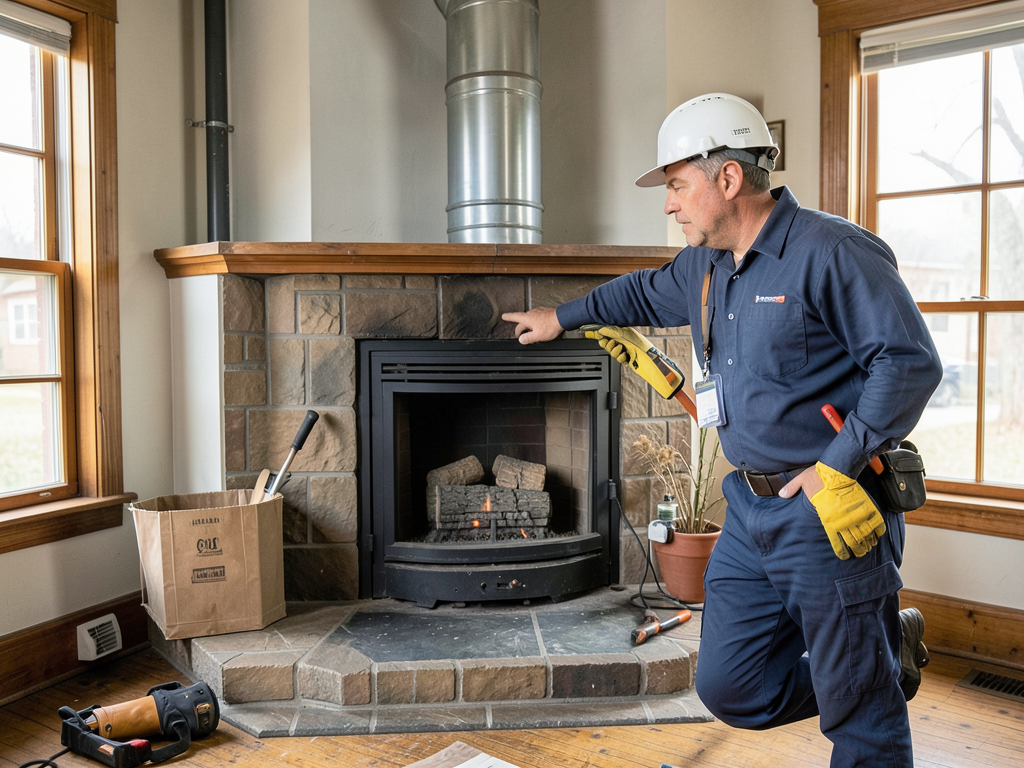
How to Use Your Fireplace Without Freezing the Rest of Your Southampton Home
Your fireplace is supposed to warm your home, but if you’re feeling colder when it’s burning, you’re experiencing a common St. Louis problem. The physics of airflow in your home is working against you. Fireplaces create negative pressure that pulls cold outside air through every crack and crevice in your house, making other rooms feel like an icebox. This happens because your fireplace needs combustion air, and it’s literally sucking warmth right out of your living space.
The stack effect is stronger in older Southampton homes built before modern air-sealing standards. Your historic brick chimney creates a powerful draft that can pull more cold air into your home than the fireplace can actually heat. This is especially true during Missouri’s frigid winters when temperature differences between indoors and outdoors are extreme.
The Science Behind Your Cold House
When you light a fire, your chimney becomes a giant vacuum. It pulls air up and out of your home, creating negative pressure throughout the entire house. This pressure difference forces cold air to rush in through gaps around windows, doors, electrical outlets, and even through your basement rim joists. The fireplace is essentially creating its own cold draft system.. Read more about How Your HVAC System Prevents Your Expensive Hardwood Floors from Warping in Frontenac.
St. Louis’s clay soil and older home foundations contribute to this problem. Many Southampton homes have settled over decades, creating small gaps where cold air infiltrates. When your fireplace creates negative pressure, these gaps become highways for cold air. The Missouri Building Code now requires combustion air provisions for fireplaces, but many older homes weren’t built to these standards.
Four Common Culprits Making Your Home Colder
Open dampers are the most obvious problem. If your chimney damper isn’t completely closed when the fireplace isn’t in use, you’re losing heated air 24/7. A single open damper can waste enough energy to heat an entire room all winter long. Check your damper with a flashlight – if you can see light from outside, it’s not sealed properly.
Poor insulation around your fireplace creates thermal bridges. Many Southampton homes have brick fireplaces that extend through multiple floors without proper insulation. This allows cold from the exterior walls to travel directly into your living space. The brick acts like a heat sink, absorbing warmth from your room and conducting cold from outside.
Air thieving combustion is the technical term for what your fireplace does to your HVAC system. When your furnace kicks on while the fireplace is burning, the fireplace can pull conditioned air from your vents before it reaches your rooms. This makes your furnace work harder and your home feel colder in the areas farthest from the fireplace. The Best Local Furnace Replacement Options for Kirkwood Families.
The lack of glass doors on your fireplace opening is a major heat loss source. Without doors, all the warm air your fireplace generates goes straight up the chimney instead of into your room. Heat rises naturally, and without a barrier, that warm air escapes before it can actually warm your space.
How Your Furnace and Fireplace Compete
Your thermostat doesn’t know you have a fire going. When you light a fireplace, the room with the fire may warm up, but your thermostat is likely in a hallway or another room. The fireplace tricks your thermostat into thinking your house is warmer than it actually is, causing your furnace to shut off. Meanwhile, other rooms are getting colder because the fireplace is pulling their warm air away.
This competition creates a cycle where your HVAC system short-cycles. Your furnace turns on, heats a little, then shuts off because the fireplace-warmed room signals the thermostat. But by the time the fireplace dies down, other rooms have lost significant heat through the negative pressure effect. Your furnace then has to work overtime to catch up.
The EPA’s Energy Star program identifies this as a major efficiency problem in homes with fireplaces. A properly sealed and balanced system should maintain consistent temperatures throughout your home, but a fireplace without proper air management can reduce your overall heating efficiency by 10-20%. EPA Energy Star program.
Quick Fixes You Can Try Today
Install a top-sealing damper if you don’t already have one. These dampers mount at the top of your chimney and create an airtight seal when closed. They’re much more effective than traditional throat dampers and can reduce heat loss by up to 90% when the fireplace isn’t in use. A professional installation costs around $300-500 but pays for itself in energy savings within a year or two. Why Professional Air Duct Cleaning is Essential for Wildwood Homes.
Check your fireplace damper operation. Many dampers get stuck open due to rust, debris, or warping from heat. A properly functioning damper should close completely with a tight seal. If yours doesn’t seal, it needs repair or replacement. This is a simple fix that makes an immediate difference in your home’s comfort. Emergency AC Repair in Creve Coeur That Won’t Break the Bank.
Add glass fireplace doors if you don’t have them. Quality tempered glass doors can reduce heat loss through the fireplace opening by 70-80%. They also provide a safety barrier and make your fireplace look more finished. Installation is usually a half-day project for a professional. Top Rated AC Installation Companies Serving Ladue and Clayton.
Consider a chimney balloon for temporary use. These inflatable plugs fit inside your chimney and create an airtight seal. They’re inexpensive (around $50-100) and can be installed in minutes. However, you must remove them before lighting a fire – they’re for when the fireplace isn’t in use.
Professional Solutions for Lasting Comfort
A direct vent fireplace insert transforms your inefficient fireplace into a modern heating appliance. These units draw combustion air from outside and vent exhaust directly out, eliminating negative pressure problems entirely. They’re up to 80% efficient compared to 10-20% for open hearths. Installation includes new venting and typically takes 1-2 days. Commercial Heating Services.
Outdoor air kits provide combustion air directly from outside, preventing your fireplace from stealing air from inside your home. This simple modification can solve most negative pressure issues. The kit includes a duct that brings fresh air to the firebox, creating a balanced system that doesn’t affect your home’s internal pressure.. Read more about Preventing Frozen HVAC Pipes and Drainage Lines During a St. Louis Flash Freeze in Wildwood.
Heat exchanger systems capture heat that would otherwise go up the chimney and circulate it into your room. These can be installed in existing fireplaces and can significantly increase the amount of usable heat you get from each fire. Some models include blowers to distribute heat more effectively throughout your space.
Zoned HVAC systems can help manage the temperature differences caused by fireplace use. By creating separate heating zones, you can maintain comfortable temperatures in rooms away from the fireplace while allowing the fireplace-warmed room to be slightly warmer. This requires professional design and installation but provides year-round comfort benefits.
Safety Considerations You Can’t Ignore
Carbon monoxide safety becomes critical when you’re modifying how your fireplace operates. Any changes to your fireplace system should include CO detector installation and testing. The EPA recommends CO detectors on every level of your home, especially near sleeping areas. Backdrafting can occur when negative pressure is strong enough to pull exhaust gases back down the chimney.
Creosote buildup increases when you’re using your fireplace more efficiently. Better combustion means more complete burning, but any fireplace still produces creosote that needs regular cleaning. The National Fire Protection Association recommends annual chimney inspections and cleaning when buildup exceeds 1/8 inch.
Moisture problems can develop if you’re sealing your home too tightly without proper ventilation. St. Louis’s humid climate means indoor air quality becomes a concern when you’re reducing natural air exchange. Consider an energy recovery ventilator (ERV) if you’re making significant air-sealing improvements to your home.. Read more about The Best Ventilation Strategies for Your High End Kitchen Remodel in Shaw.
When to Call a St. Louis HVAC Professional
Call a professional if you’re experiencing persistent cold spots, if your furnace seems to be working harder than normal, or if you notice drafts around your fireplace that you can’t identify. These symptoms indicate underlying issues that quick fixes won’t solve. A professional can perform a blower door test to identify air leaks and pressure imbalances.
Professional assessment is crucial if you’re planning major modifications like fireplace inserts or outdoor air kits. These installations must comply with local building codes and manufacturer specifications. Improper installation can create safety hazards or void warranties. A certified technician understands the specific requirements for St. Louis homes.
Don’t wait until you have a complete system failure. The stack effect and negative pressure problems will only get worse as your home ages and settles. Early intervention prevents more expensive repairs later and keeps your family comfortable all winter long.
Maintaining Your Solution
Regular maintenance keeps your fireplace and HVAC system working together efficiently. Check your damper operation monthly during heating season. Clean or replace your furnace filter every 1-3 months. Inspect weatherstripping around doors and windows annually. These simple tasks prevent the small problems that lead to big comfort issues.
Schedule annual HVAC maintenance before each heating season. A technician can identify developing problems before they cause system failures. They’ll check for proper combustion, clean critical components, and ensure your system is operating at peak efficiency. This preventive care typically costs $100-200 but can save thousands in emergency repairs.
Monitor your energy bills for unexplained increases. A sudden jump in heating costs often indicates developing problems with your system or home envelope. Compare year-over-year usage to identify trends. Your utility company may offer free energy audits that can identify efficiency improvements.
Cost vs. Comfort Analysis
Open fireplaces typically provide 10-20% of the heat they consume, meaning 80-90% goes up the chimney. A high-efficiency fireplace insert can reverse this, providing 70-80% efficiency. The initial investment of $2,000-4,000 for an insert pays for itself in 3-5 years through reduced heating costs and increased comfort.
Simple fixes like damper repair ($150-300) or glass door installation ($500-1,500) offer quick returns on investment. These improvements can reduce your heating costs by 10-30% while eliminating the cold drafts that make rooms uncomfortable. The payback period is typically 1-2 heating seasons.
Consider the comfort factor beyond pure economics. A home that maintains consistent temperatures is more enjoyable to live in and better for your health. Cold drafts can aggravate respiratory issues and make your home feel unwelcoming. The value of comfort is hard to quantify but very real to homeowners.
St. Louis Climate Considerations
Missouri’s climate creates unique challenges for fireplace efficiency. Our humid winters mean that cold air entering your home carries more moisture than in drier climates. This moisture can condense on cold surfaces, potentially causing mold growth or water damage. Proper air sealing becomes even more important in our climate.
The temperature swings common in St. Louis stress building materials and create gaps that widen over time. A home that was tight when built may develop significant air leaks after 20-30 years of seasonal expansion and contraction. Regular inspection and maintenance become essential for maintaining efficiency.
Local energy codes have evolved to address these issues. The 2018 International Energy Conservation Code, adopted by St. Louis County, requires specific air sealing standards for new construction. While your older Southampton home isn’t required to meet these standards, the principles apply to any efficiency improvements you make.
Making the Right Choice for Your Home
Every home is different, and the best solution depends on your specific situation. Consider your budget, how often you use your fireplace, and your long-term plans for the home. A rarely-used fireplace might only need simple fixes, while a daily-use fireplace warrants a more substantial investment.
Think about your home’s overall efficiency strategy. A fireplace is just one component of your home’s heating system. Improvements to insulation, windows, and air sealing often provide bigger returns than fireplace modifications alone. A whole-house approach ensures all systems work together effectively.
Don’t let perfect be the enemy of good. Even small improvements can make a noticeable difference in your comfort and energy bills. Start with the quick fixes, then plan for larger upgrades as your budget allows. Every step toward efficiency makes your home more comfortable and affordable to heat.
Frequently Asked Questions
Why does my house feel colder when I use the fireplace?
Your fireplace creates negative pressure that pulls cold outside air into your home through gaps and cracks. This air infiltration can make other rooms feel colder than if you weren’t using the fireplace at all. The effect is stronger in older homes with poor air sealing.
How much heat is lost through an open fireplace?
Traditional open fireplaces are only 10-20% efficient, meaning 80-90% of the heat produced goes up the chimney. During the time the fire is burning and for hours afterward, your fireplace can pull more heated air from your home than it actually provides.
Can I install a fireplace insert myself?
Fireplace inserts require professional installation to ensure proper venting, clearances, and code compliance. Improper installation can create serious safety hazards including carbon monoxide poisoning and fire risks. Professional installation also maintains manufacturer warranties.
How often should I have my chimney inspected?
The National Fire Protection Association recommends annual chimney inspections for all fireplaces. If you use your fireplace regularly, you may need annual cleaning as well. Creosote buildup should be removed when it exceeds 1/8 inch thickness.
Will glass doors really make a difference?
Yes, quality glass fireplace doors can reduce heat loss through the fireplace opening by 70-80%. They prevent warm room air from being pulled up the chimney and help radiate more heat back into your living space. They also provide important safety benefits.
What’s the most cost-effective improvement I can make?
Ensuring your damper is properly sealed when the fireplace isn’t in use provides the quickest return on investment. A top-sealing damper or chimney balloon can reduce heat loss by up to 90% when the fireplace is idle, paying for itself within one heating season.
Take Action Today
Don’t spend another winter freezing in your own home. The longer you wait, the more energy and money you’re wasting. Simple fixes can provide immediate relief, while professional solutions offer long-term comfort and efficiency. Your family deserves a warm, comfortable home without the drafts and cold spots that make winter miserable.
Call (314) 417-7771 today to schedule your fireplace and HVAC inspection. Our St. Louis technicians understand the unique challenges of Southampton homes and can recommend solutions that work for your specific situation. We’ll help you enjoy your fireplace without sacrificing comfort in the rest of your home.
Pick up the phone and call (314) 417-7771 before the next cold snap hits. Our team is ready to help you solve your fireplace problems quickly and professionally. Don’t let another winter pass with a cold, uncomfortable home – take the first step toward year-round comfort today.
Additional Resources
For more information about fireplace efficiency and home heating, visit the EPA’s Energy Star website at energystar.gov or the U.S. Department of Energy’s fireplace efficiency guide at energy.gov/energysaver/fireplaces-and-woodstoves. These resources provide detailed information about improving your home’s heating efficiency. U.S. Department of Energy fireplace efficiency guide.
The National Fire Protection Association offers safety guidelines at nfpa.org. Their standards ensure your fireplace modifications meet current safety requirements and building codes.
{
“@context”: “https://schema.org”,
“@type”: “BlogPosting”,
“headline”: “How to Use Your Fireplace Without Freezing the Rest of Your Southampton Home”,
“description”: “Discover why your fireplace is making your Southampton home colder and learn expert HVAC solutions from St. Louis technicians. Call (314) 417-7771 today.”,
“wordCount”: 2542,
“datePublished”: “2026-05-12T14:30:00.000Z”,
“dateModified”: “2026-05-12T14:30:00.000Z”,
“inLanguage”: “en-US”,
“mainEntityOfPage”: {
“@type”: “WebPage”,
“@id”: “https://keystonehvacstlouis.com”
},
“publisher”: {
“@type”: “LocalBusiness”,
“name”: “Keystone HVAC St. Louis”,
“url”: “https://keystonehvacstlouis.com”
},
“author”: {
“@type”: “Organization”,
“name”: “Keystone HVAC St. Louis”,
“url”: “https://keystonehvacstlouis.com”
},
“image”: {
“@type”: “ImageObject”,
“url”: “https://keystonehvacstlouis.com/wp-content/uploads/2026/03/how-to-use-your-fireplace-without-freezing-the-res-1.png”
}
}
{
“@context”: “https://schema.org”,
“@type”: “HVACBusiness”,
“name”: “Keystone HVAC St. Louis”,
“url”: “https://keystonehvacstlouis.com”,
“address”: {
“@type”: “PostalAddress”,
“addressLocality”: “St. Louis”
},
“areaServed”: {
“@type”: “City”,
“name”: “St. Louis”
}
}
{
“@context”: “https://schema.org”,
“@type”: “FAQPage”,
“mainEntity”: [
{
“@type”: “Question”,
“name”: “Why does my house feel colder when I use the fireplace?”,
“acceptedAnswer”: {
“@type”: “Answer”,
“text”: “Your fireplace creates negative pressure that pulls cold outside air into your home through gaps and cracks. This air infiltration can make other rooms feel colder than if you weren’t using the fireplace at all. The effect is stronger in older homes with poor air sealing.”
}
},
{
“@type”: “Question”,
“name”: “How much heat is lost through an open fireplace?”,
“acceptedAnswer”: {
“@type”: “Answer”,
“text”: “Traditional open fireplaces are only 10-20% efficient, meaning 80-90% of the heat produced goes up the chimney. During the time the fire is burning and for hours afterward, your fireplace can pull more heated air from your home than it actually provides.”
}
},
{
“@type”: “Question”,
“name”: “Can I install a fireplace insert myself?”,
“acceptedAnswer”: {
“@type”: “Answer”,
“text”: “Fireplace inserts require professional installation to ensure proper venting, clearances, and code compliance. Improper installation can create serious safety hazards including carbon monoxide poisoning and fire risks. Professional installation also maintains manufacturer warranties.”
}
},
{
“@type”: “Question”,
“name”: “How often should I have my chimney inspected?”,
“acceptedAnswer”: {
“@type”: “Answer”,
“text”: “The National Fire Protection Association recommends annual chimney inspections for all fireplaces. If you use your fireplace regularly, you may need annual cleaning as well. Creosote buildup should be removed when it exceeds 1/8 inch thickness.”
}
},
{
“@type”: “Question”,
“name”: “Will glass doors really make a difference?”,
“acceptedAnswer”: {
“@type”: “Answer”,
“text”: “Yes, quality glass fireplace doors can reduce heat loss through the fireplace opening by 70-80%. They prevent warm room air from being pulled up the chimney and help radiate more heat back into your living space. They also provide important safety benefits.”
}
},
{
“@type”: “Question”,
“name”: “What’s the most cost-effective improvement I can make?”,
“acceptedAnswer”: {
“@type”: “Answer”,
“text”: “Ensuring your damper is properly sealed when the fireplace isn’t in use provides the quickest return on investment. A top-sealing damper or chimney balloon can reduce heat loss by up to 90% when the fireplace is idle, paying for itself within one heating season.”
}
}
]
}
{
“@context”: “https://schema.org”,
“@type”: “BreadcrumbList”,
“itemListElement”: [
{
“@type”: “ListItem”,
“position”: 1,
“name”: “Home”,
“item”: “https://keystonehvacstlouis.com”
},
{
“@type”: “ListItem”,
“position”: 2,
“name”: “Blog”,
“item”: “https://keystonehvacstlouis.com/blog”
},
{
“@type”: “ListItem”,
“position”: 3,
“name”: “How to Use Your Fireplace Without Freezing the Rest of Your Southampton Home”
}
]
}
{
“@context”: “https://schema.org”,
“@type”: “Service”,
“serviceType”: “HVAC”,
“provider”: {
“@type”: “LocalBusiness”,
“name”: “Keystone HVAC St. Louis”,
“url”: “https://keystonehvacstlouis.com”
},
“areaServed”: {
“@type”: “City”,
“name”: “St. Louis”
},
“description”: “Discover why your fireplace is making your Southampton home colder and learn expert HVAC solutions from St. Louis technicians. Call (314) 417-7771 today.”
}