
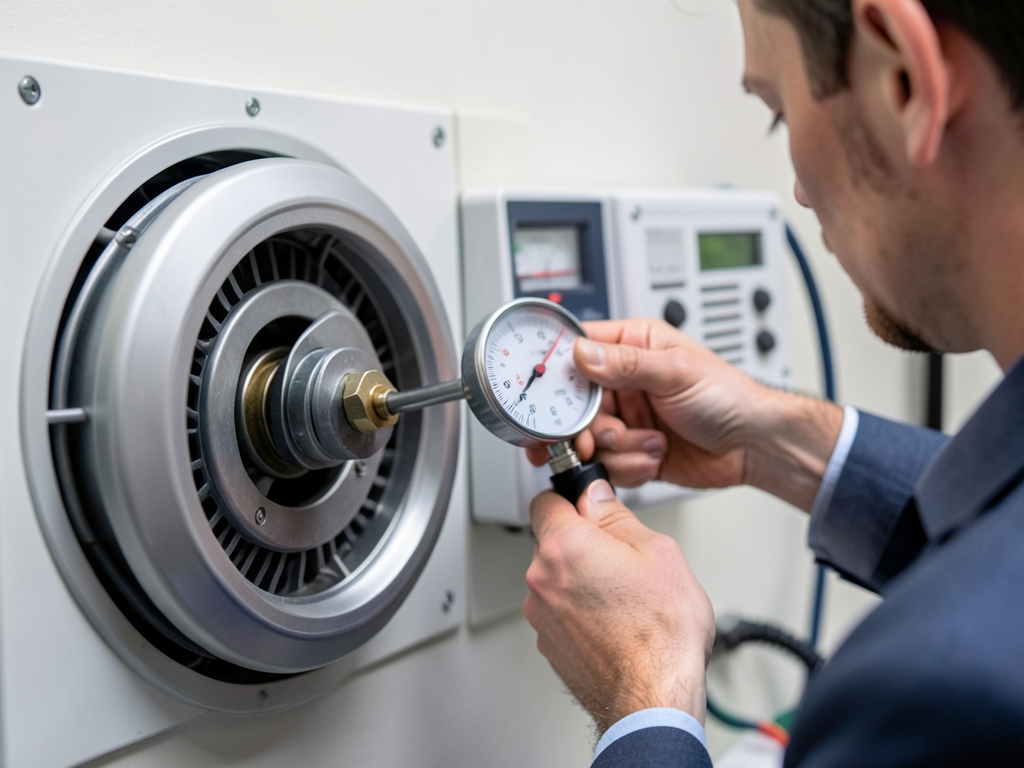
Why Your Vents Are Making a High Pitched Whistling Sound in Bel-Nor
That annoying high-pitched whistle coming from your vents isn’t just irritating. It’s your HVAC system screaming for help. In Bel-Nor homes, this sound typically means air is being forced through a bottleneck somewhere in your ductwork. The whistle happens when air velocity increases through a narrowed opening, creating turbulence that vibrates at a frequency your ears interpret as a whistle.. Read more about Using Smart Vents to Control the Temperature in Different Rooms in University City.
Before you reach for earplugs, understand this: that whistle is telling you something important about your system’s performance. It could be a simple fix like a dirty filter, or it could signal a more serious issue like undersized ducts or a failing blower motor. Let’s diagnose the problem and get your home quiet again.. Read more about Does Your New Radon Mitigation System Affect HVAC Performance in Your Glendale Home?.
The Science of the Whistle: Understanding Static Pressure
Static pressure is the resistance to airflow in your duct system. Think of it like water pressure in pipes. When your HVAC system pushes air through your home, it encounters friction from duct walls, filters, and any obstructions. If the total resistance gets too high, the system has to work harder to move the same amount of air.
In Bel-Nor’s older homes, many were built before modern HVAC standards existed. These houses often have narrow, corrugated metal ducts that create more friction than smooth, modern ductwork. When your system tries to deliver the same airflow through these restrictive passages, the air speeds up through the smallest openings. That’s when you hear the whistle.
The International Mechanical Code (IMC) Section 601.2 requires proper duct sizing to maintain acceptable static pressure. When your system exceeds these design limits, the whistle is your first warning sign. Ignore it, and you risk higher energy bills, reduced comfort, and premature equipment failure.
5 Common Reasons for Whistling Air Vents
1. Clogged or High-MERV Air Filters
Your air filter is the first place to check. A filter loaded with dust and debris restricts airflow just like a clogged drain slows water. The more particles it catches, the harder your system must work to pull air through.
High-MERV filters (rated 11-16) are excellent for trapping allergens and fine particles. However, they also create more resistance than standard filters. In older Bel-Nor homes with already restrictive ductwork, a high-MERV filter can be the final straw that causes whistling. Top Rated AC Installation Companies Serving Ladue and Clayton.
Diagnostic test: Remove the filter and run your system. If the whistle disappears, you’ve found your culprit. Don’t run without a filter long-term, but this test confirms the diagnosis.
2. Closed or Blocked Supply Registers
Supply registers are the vents where conditioned air enters your rooms. When too many are closed or blocked by furniture, the remaining open vents must handle all the system’s airflow. This creates the same bottleneck effect as a kinked garden hose.
Bel-Nor homes often have beautiful hardwood floors and antique furniture that can accidentally block floor registers. Even partially closed dampers inside the registers can cause whistling by forcing air through a smaller opening.
Check every room. Make sure registers are fully open and have at least 6 inches of clearance above and around them. This simple step fixes whistling in many cases.
3. Undersized Return Air Grilles
Return air grilles bring air back to your HVAC system for reconditioning. If these are too small for your system’s airflow requirements, the system creates a vacuum effect that causes whistling at the return location.
Many Bel-Nor homes have single central returns that were adequate when the house was built but can’t handle modern HVAC systems’ airflow demands. The International Energy Conservation Code (IECC) Section C403.2.2 requires proper return air sizing based on system capacity. Air Purification Systems.
Visual check: Feel the return grille while the system runs. If it’s pulling your hand toward it with noticeable force, it’s likely undersized.
4. Leaky or Disconnected Ductwork
Older duct systems in Bel-Nor homes often have joints that have separated over decades of temperature cycling. These gaps don’t just leak air; they can create whistling sounds as air rushes through the irregular openings. EPA duct sealing guidelines.
Leaky ducts also pull in unfiltered air from attics, crawl spaces, or wall cavities. This contamination reduces indoor air quality and makes your system work harder. The EPA estimates that typical homes lose 20-30% of their conditioned air through duct leaks.
Professional test: A duct blaster test measures leakage and identifies problem areas. This diagnostic tool is essential for older homes.
5. Issues with the Blower Motor Speed
Your blower motor moves air through your system. If it’s set too high for your duct design, or if it’s failing and can’t maintain proper speed, you’ll hear whistling as it struggles to push air through restrictions.
Many Bel-Nor homes have original equipment that’s decades old. These motors often have multiple speed settings, and the wrong setting can cause exactly the whistling you’re hearing.
DIY Troubleshooting vs. When to Call a St. Louis HVAC Pro
Start with these simple checks before calling for service:
- Check and replace air filter
Remove the filter and hold it up to light. If you can’t see light through it, replace it with a standard MERV 8-11 filter.
- Inspect all supply registers
Walk through every room and ensure all registers are fully open and unobstructed by furniture or curtains.
- Listen for location
Determine if the whistle comes from supply vents, return grilles, or near the furnace/air handler. This helps narrow down the cause. The Best Local Furnace Replacement Options for Kirkwood Families.
- Check thermostat fan setting
Set your thermostat to “auto” instead of “on” if it’s currently on continuous fan mode.
Call a professional if:
- The whistle persists after basic troubleshooting
- You hear whistling from multiple locations
- Your energy bills have increased significantly
- The system short-cycles (turns on and off frequently)
- You notice uneven heating or cooling
Professional diagnosis includes static pressure testing with a manometer, duct leakage testing, and airflow measurements that require specialized equipment. These tests follow ACCA Manual D standards for residential duct design. ACCA Manual D standards.
How Ductwork Design in St. Louis Homes Contributes to Noise
Bel-Nor, like much of St. Louis County, developed primarily between the 1920s and 1960s. Homes from this era were built with different HVAC expectations than today’s standards. Many have ductwork that was adequate for the original equipment but struggles with modern high-efficiency systems.
The clay soil common in St. Louis causes foundation movement over time. This shifting can misalign duct joints, creating gaps that whistle. Additionally, the region’s humidity fluctuations cause duct materials to expand and contract seasonally, potentially opening new gaps each year.
Older homes often have supply ducts that are too small for the air volume modern systems deliver. The National Comfort Institute recommends a maximum velocity of 700 feet per minute in supply ducts. Many older systems exceed this, causing noise and reducing efficiency.
Cost Factors for Professional Duct Repair in the St. Louis Metro Area
Professional duct repairs in Bel-Nor typically range from $300 to $2,500 depending on the scope of work. Simple sealing of accessible joints might cost $300-600, while comprehensive duct replacement in difficult-to-access areas can exceed $2,000. Emergency AC Repair in Creve Coeur That Won’t Break the Bank.
Factors affecting cost include:
- Accessibility of ductwork (attic, crawl space, walls)
- Extent of damage or leakage
- Need for new duct sizing calculations
- Permits required by St. Louis County
- Energy efficiency upgrades (insulation, sealing)
Most reputable contractors offer free estimates and can provide before/after static pressure readings to prove the improvement.
Frequently Asked Questions
Is a whistling vent dangerous?
Not immediately dangerous, but it indicates your system is working harder than designed. This leads to higher energy costs, reduced comfort, and potential equipment failure if ignored long-term.
Can a dirty filter cause whistling?
Yes. A clogged filter restricts airflow, forcing air through smaller openings at higher velocity. This creates the whistling sound and can damage your blower motor over time.
How much does it cost to fix whistling vents?
Costs vary widely. Simple fixes like filter replacement are under $50. Professional duct sealing ranges from $300-1,500. Complete duct replacement can exceed $3,000 but may be necessary in very old homes. Why Professional Air Duct Cleaning is Essential for Wildwood Homes.
Should I be worried about my energy bills?
Yes. Whistling indicates restricted airflow, which makes your system run longer to heat or cool your home. This directly increases your utility costs by 15-30% in many cases.
How long can I wait before fixing whistling vents?
Address the issue within 30 days. While not immediately dangerous, prolonged operation under these conditions reduces system lifespan and increases operating costs significantly.
Take Action Today
That whistle isn’t going to fix itself. Every day you ignore it, you’re paying higher energy bills and potentially shortening your HVAC system’s life. The solution might be as simple as a $15 filter replacement, or it might require professional diagnosis to identify duct restrictions or equipment issues.
Bel-Nor homeowners trust local expertise for HVAC problems. The unique construction of these homes requires understanding of their specific challenges. Don’t waste time with generic advice that doesn’t account for your home’s age and design.
Call (314) 417-7771 today to schedule your inspection. Our technicians carry the diagnostic tools needed to identify the exact cause of your whistling vents and provide lasting solutions. We’ll test your system’s static pressure, inspect your ductwork, and recommend the most cost-effective fix for your specific situation.
Pick up the phone and call (314) 417-7771 before the next storm hits. Don’t let a simple whistle turn into an expensive breakdown when you need your system most.
You may also find this helpful. Upgrading Your Demun Home with Decorative Vent Covers That Don’t Restrict Airflow.
{
“@context”: “https://schema.org”,
“@type”: “BlogPosting”,
“headline”: “Why Your Vents Are Making a High Pitched Whistling Sound in Bel-Nor”,
“description”: “High-pitched whistling from your vents? Learn the common causes in Bel-Nor homes and how to fix them. Call (314) 417-7771 for expert HVAC service.”,
“wordCount”: 1606,
“datePublished”: “2026-05-13T06:50:00.000Z”,
“dateModified”: “2026-05-13T06:50:00.000Z”,
“inLanguage”: “en-US”,
“mainEntityOfPage”: {
“@type”: “WebPage”,
“@id”: “https://keystonehvacstlouis.com”
},
“publisher”: {
“@type”: “LocalBusiness”,
“name”: “Keystone HVAC St. Louis”,
“url”: “https://keystonehvacstlouis.com”
},
“author”: {
“@type”: “Organization”,
“name”: “Keystone HVAC St. Louis”,
“url”: “https://keystonehvacstlouis.com”
},
“image”: {
“@type”: “ImageObject”,
“url”: “https://keystonehvacstlouis.com/wp-content/uploads/2026/03/why-your-vents-are-making-a-high-pitched-whistling-1.png”
}
}
{
“@context”: “https://schema.org”,
“@type”: “HVACBusiness”,
“name”: “Keystone HVAC St. Louis”,
“url”: “https://keystonehvacstlouis.com”,
“address”: {
“@type”: “PostalAddress”,
“addressLocality”: “St. Louis”
},
“areaServed”: {
“@type”: “City”,
“name”: “St. Louis”
}
}
{
“@context”: “https://schema.org”,
“@type”: “FAQPage”,
“mainEntity”: [
{
“@type”: “Question”,
“name”: “Is a whistling vent dangerous?”,
“acceptedAnswer”: {
“@type”: “Answer”,
“text”: “Not immediately dangerous, but it indicates your system is working harder than designed. This leads to higher energy costs, reduced comfort, and potential equipment failure if ignored long-term.”
}
},
{
“@type”: “Question”,
“name”: “Can a dirty filter cause whistling?”,
“acceptedAnswer”: {
“@type”: “Answer”,
“text”: “Yes. A clogged filter restricts airflow, forcing air through smaller openings at higher velocity. This creates the whistling sound and can damage your blower motor over time.”
}
},
{
“@type”: “Question”,
“name”: “How much does it cost to fix whistling vents?”,
“acceptedAnswer”: {
“@type”: “Answer”,
“text”: “Costs vary widely. Simple fixes like filter replacement are under $50. Professional duct sealing ranges from $300-1,500. Complete duct replacement can exceed $3,000 but may be necessary in very old homes. Why Professional Air Duct Cleaning is Essential for Wildwood Homes.”
}
},
{
“@type”: “Question”,
“name”: “Should I be worried about my energy bills?”,
“acceptedAnswer”: {
“@type”: “Answer”,
“text”: “Yes. Whistling indicates restricted airflow, which makes your system run longer to heat or cool your home. This directly increases your utility costs by 15-30% in many cases.”
}
},
{
“@type”: “Question”,
“name”: “How long can I wait before fixing whistling vents?”,
“acceptedAnswer”: {
“@type”: “Answer”,
“text”: “Address the issue within 30 days. While not immediately dangerous, prolonged operation under these conditions reduces system lifespan and increases operating costs significantly.”
}
}
]
}
{
“@context”: “https://schema.org”,
“@type”: “HowTo”,
“name”: “How to Troubleshoot Whistling Vents”,
“step”: [
{
“@type”: “HowToStep”,
“position”: 1,
“name”: “Check and replace air filter”,
“text”: “Remove the filter and hold it up to light. If you can’t see light through it, replace it with a standard MERV 8-11 filter.”
},
{
“@type”: “HowToStep”,
“position”: 2,
“name”: “Inspect all supply registers”,
“text”: “Walk through every room and ensure all registers are fully open and unobstructed by furniture or curtains.”
},
{
“@type”: “HowToStep”,
“position”: 3,
“name”: “Listen for location”,
“text”: “Determine if the whistle comes from supply vents, return grilles, or near the furnace/air handler. This helps narrow down the cause. The Best Local Furnace Replacement Options for Kirkwood Families.”
},
{
“@type”: “HowToStep”,
“position”: 4,
“name”: “Check thermostat fan setting”,
“text”: “Set your thermostat to \”auto\” instead of \”on\” if it’s currently on continuous fan mode.”
}
],
“image”: “https://keystonehvacstlouis.com/wp-content/uploads/2026/03/why-your-vents-are-making-a-high-pitched-whistling-1.png”
}
{
“@context”: “https://schema.org”,
“@type”: “BreadcrumbList”,
“itemListElement”: [
{
“@type”: “ListItem”,
“position”: 1,
“name”: “Home”,
“item”: “https://keystonehvacstlouis.com”
},
{
“@type”: “ListItem”,
“position”: 2,
“name”: “Blog”,
“item”: “https://keystonehvacstlouis.com/blog”
},
{
“@type”: “ListItem”,
“position”: 3,
“name”: “Why Your Vents Are Making a High Pitched Whistling Sound in Bel-Nor”
}
]
}
{
“@context”: “https://schema.org”,
“@type”: “Service”,
“serviceType”: “HVAC”,
“provider”: {
“@type”: “LocalBusiness”,
“name”: “Keystone HVAC St. Louis”,
“url”: “https://keystonehvacstlouis.com”
},
“areaServed”: {
“@type”: “City”,
“name”: “St. Louis”
},
“description”: “High-pitched whistling from your vents? Learn the common causes in Bel-Nor homes and how to fix them. Call (314) 417-7771 for expert HVAC service.”
}