
Why Your Berkeley Attic Insulation Is Making Your AC Work Twice as Hard
Your air conditioner should keep your Berkeley home cool without running nonstop. If your AC cycles on and off every few minutes or struggles to reach the thermostat setting, the problem might not be the unit itself. St. Louis’s hot summers and high humidity mean your attic can reach 140 degrees, creating a heat load that forces your AC to work 20-30% harder than necessary. Poor insulation allows that heat to radiate into your living space, making your system fight a losing battle.
Most Berkeley homeowners blame their AC unit when energy bills spike or rooms feel uneven. But before you replace a perfectly good compressor, check your attic insulation. Many homes in the area were built before modern energy codes, leaving them with R-11 or R-13 insulation when they need R-49 to R-60 for our Zone 4 climate. That’s like trying to hold back a flood with a coffee filter. Energy Star Climate Zone 4.
How Heat Transfer Makes Your AC Struggle
Heat moves from hot to cold through three pathways: conduction through solid materials, convection through air movement, and radiation across open spaces. Your attic becomes a heat trap during St. Louis summers, and without proper insulation, that heat conducts through your ceiling into your conditioned space. The stack effect then pulls warm air up through your home, creating negative pressure that draws in more hot air from outside.
This constant heat gain forces your AC to run longer cycles, increasing wear on the compressor and raising your utility bills. A properly insulated attic can reduce cooling costs by 15-25% and extend your HVAC system’s lifespan by years. The Department of Energy estimates that proper insulation pays for itself in 3-5 years through energy savings alone.. Read more about How a Professional Home Energy Audit Finds Hidden Savings for Carondelet Families.
Recommended R-Values for St. Louis Homes
St. Louis sits in Energy Star Climate Zone 4, which requires different insulation strategies than northern or southern regions. For attics, the target is R-49 to R-60, which translates to 14-20 inches of blown-in cellulose or fiberglass. Walls need R-13 to R-21 depending on construction, and floors over unconditioned spaces require R-25 to R-30.
Older Berkeley homes often have fiberglass batts that have settled over decades, reducing their effective R-value by 30-50%. Blown-in cellulose can achieve higher R-values per inch and fills gaps better than batts. Spray foam offers the highest performance but requires professional installation and proper ventilation to prevent moisture problems in our humid climate. Why Professional Air Duct Cleaning is Essential for Wildwood Homes.
| Area | Climate Zone 4 Minimum | High Performance |
|---|---|---|
| Attic | R-49 | R-60 |
| Exterior Walls | R-13 | R-21 |
| Floors | R-25 | R-30 |
| Basement Walls | R-11 | R-15 |
5 Signs Your Attic Insulation is Failing Your HVAC System
Uneven temperatures between rooms often indicate heat gain through poorly insulated ceilings. If your second floor feels 5-10 degrees warmer than your first floor during summer afternoons, your attic insulation may be the culprit. This happens because heat rises and accumulates in upper levels.
Frequent AC cycling points to a system struggling to maintain temperature. When your AC runs for less than 10 minutes at a time or cycles on and off every few minutes, it’s working inefficiently. This short cycling increases energy use and accelerates component wear.
High summer utility bills without increased usage suggest your system is running longer than necessary. Compare your current bills to the same month last year. If you’re using similar amounts of electricity but paying 20-30% more, heat gain through your attic could be the cause.. Read more about Hidden Reasons Your Electric Bill Is Spiking This Summer in North County.
Ice dams forming on your roof in winter indicate poor attic insulation allowing heat to escape and melt snow, which then refreezes at the eaves. This creates dangerous ice buildup that can damage your roof and gutters.
Dusty vents or registers may seem unrelated, but they often indicate air pressure imbalances caused by poor insulation. When your attic leaks conditioned air, your HVAC system pulls in dust and allergens through gaps, distributing them throughout your home.. Read more about How to Keep Mice and Squirrels Out of Your Southampton HVAC Vents.
Types of Insulation: Which Works Best in Missouri?
Blown-in cellulose offers excellent performance for St. Louis homes. Made from recycled paper treated with fire retardants, it provides an R-value of about 3.2-3.8 per inch. Its dense packing reduces air infiltration, which is crucial in our humid climate where moisture control matters.
Fiberglass batts remain popular due to lower upfront costs, but they require perfect installation to achieve rated performance. Gaps, compression, and settling reduce effectiveness over time. In our climate, fiberglass can also allow more air movement than cellulose, letting humidity into your attic space. Top Rated AC Installation Companies Serving Ladue and Clayton.
Spray foam provides the highest R-value per inch at 6.0-7.0, creating an air seal that prevents both heat transfer and moisture infiltration. However, closed-cell spray foam can trap moisture if your attic isn’t properly ventilated, potentially causing mold growth in our humid summers.
Radiant barriers reflect heat rather than slowing its transfer, making them effective in hot climates. In St. Louis, combining a radiant barrier with traditional insulation provides the best performance. The barrier reflects summer heat while insulation slows winter heat loss.
Local Incentives: St. Louis Utility Rebates and Tax Credits
Ameren Missouri offers rebates up to $400 for attic insulation improvements when installed by participating contractors. The program requires minimum R-38 in existing homes and covers both materials and labor. Spire Energy provides similar incentives for natural gas customers, with rebates ranging from $200 to $500 depending on the scope. Ameren Missouri energy efficiency rebates.
The federal Energy Efficiency Tax Credit allows homeowners to claim 30% of insulation costs up to $1,200 for improvements made in 2023-2032. This credit applies to both materials and installation, making professional upgrades more affordable.
St. Louis County’s weatherization assistance program helps qualifying low-income homeowners with free insulation upgrades. The program targets homes with the highest energy burden, providing whole-house improvements including attic insulation, air sealing, and HVAC efficiency upgrades.
Local utility companies also offer free energy audits to identify insulation gaps and air leaks. These assessments use thermal imaging and blower door tests to pinpoint exactly where your home loses energy, helping you prioritize improvements for maximum return on investment. The Best Local Furnace Replacement Options for Kirkwood Families.
ROI Analysis: How Much Can You Save?
The average Berkeley home with poor attic insulation spends $1,200-1,800 annually on cooling. Upgrading to proper R-60 insulation typically costs $2,500-4,000 for professional installation. Most homeowners see energy savings of 15-25%, translating to $180-450 in annual cooling cost reductions.
Beyond direct energy savings, proper insulation extends your AC’s lifespan by reducing runtime hours. A system that runs 20% less often experiences 20% less wear on the compressor, fan motor, and electrical components. This can delay replacement costs by 2-4 years, saving $3,000-8,000 on premature system failure.
Improved comfort is harder to quantify but equally valuable. Homes with proper insulation maintain consistent temperatures, reducing the need for thermostat adjustments and eliminating hot spots that make certain rooms unusable during summer afternoons.
| Improvement | Typical Cost | Annual Savings | Payback Period |
|---|---|---|---|
| Attic Insulation Upgrade | $2,500-4,000 | $180-450 | 5-8 years |
| Air Sealing Package | $800-1,500 | $100-250 | 3-6 years |
| Whole House Weatherization | $4,000-7,000 | $300-700 | 6-10 years |
The Air Sealing Connection: Why Insulation Alone Isn’t Enough
Many homeowners assume adding more insulation will solve their HVAC problems, but air sealing is equally important. Insulation works by slowing heat transfer, but it doesn’t stop air movement. In fact, compressed insulation from air pressure can reduce its effectiveness by 30-50%.
Common air leak sources include attic access hatches, recessed light fixtures, plumbing penetrations, and ductwork connections. These gaps allow conditioned air to escape and unconditioned air to enter, forcing your HVAC system to work overtime. A blower door test can identify these leaks by depressurizing your home and using smoke pencils to visualize air movement.
Professional air sealing typically costs $800-1,500 and can reduce energy bills by an additional 10-15% beyond insulation improvements. The process involves caulking gaps, installing weatherstripping, and sealing ductwork connections. For homes over 20 years old, air sealing often provides better ROI than adding more insulation.
Building codes now require air sealing as part of insulation upgrades in many jurisdictions. The International Energy Conservation Code Section 402.4.1 mandates that thermal envelope penetrations be sealed to limit air movement, recognizing that insulation without air sealing is incomplete.
Moisture Control: Preventing Mold and Ice Dams
St. Louis’s high humidity creates unique challenges for attic insulation. Warm, moist air from your living space can condense on cold attic surfaces during winter, leading to mold growth and wood rot. Proper vapor barriers and ventilation prevent this moisture migration.
Attic ventilation works with insulation to maintain temperature balance. Soffit vents allow cool air to enter at the eaves while ridge vents or gable vents exhaust hot air at the peak. This airflow prevents heat buildup that can damage shingles and create ice dams in winter.
The recommended ventilation ratio is 1 square foot of net free vent area per 150 square feet of attic floor space. Homes with proper ventilation maintain attic temperatures within 10-15 degrees of outdoor temperature, preventing the extreme heat that stresses HVAC systems.. Read more about Preventing Costly Water Damage from AC Clogs in Tower Grove East with Smart Sensors.
Radiant barriers can reduce attic temperatures by 20-30 degrees in summer but require proper installation to avoid moisture problems. Perforated radiant barriers allow some moisture transmission, preventing condensation in our humid climate.
Professional Assessment: When to Call an Expert
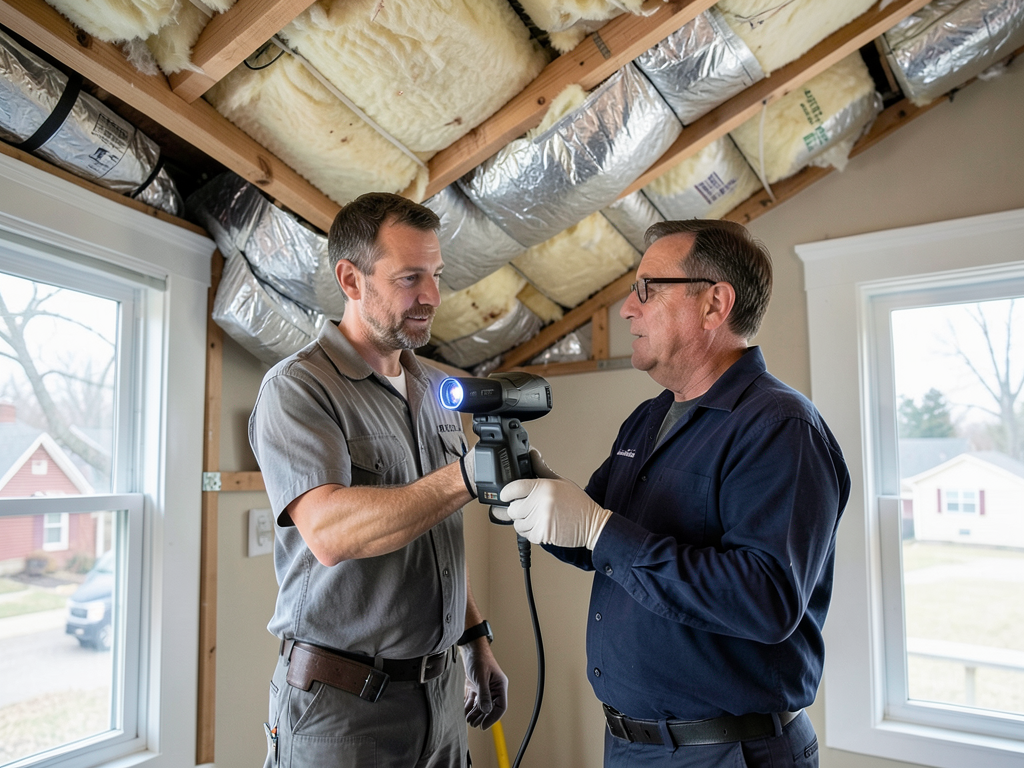
While DIY insulation projects can save money, professional assessment ensures optimal results. HVAC contractors use thermal imaging cameras to identify heat loss patterns invisible to the naked eye. These cameras reveal exactly where insulation is missing or compressed, allowing targeted improvements rather than blanket coverage.
A comprehensive home energy audit includes blower door testing, duct leakage testing, and combustion safety checks. These tests identify problems that simple visual inspection misses, such as negative pressure drawing in attic air or duct leaks wasting conditioned air.
Professional installers also understand building science principles like dew point control and pressure balancing. They know when to add vapor barriers, how to maintain proper attic ventilation, and how to integrate insulation with your existing HVAC system for maximum efficiency.
Before investing in major insulation upgrades, have your HVAC system evaluated. An oversized AC unit won’t benefit as much from insulation improvements because it’s already cycling on and off frequently. Proper system sizing through Manual J calculations ensures your HVAC equipment matches your home’s actual load requirements.
Common Mistakes to Avoid
Blocking attic vents with insulation is a frequent error that eliminates ventilation benefits. Soffit baffles or rafter vents maintain air channels even when insulation depth increases, ensuring proper airflow from eaves to ridge.
Ignoring recessed lights can create significant heat loss. Standard can lights require three inches of clearance from insulation, creating uninsulated voids. IC-rated airtight fixtures allow insulation contact and prevent air leakage through the housing.
Overlooking ductwork in unconditioned spaces wastes energy even with perfect attic insulation. Ducts running through hot attics gain heat in summer and lose heat in winter. Insulating and sealing ductwork provides immediate energy savings and improves HVAC efficiency.
Settling is inevitable with most insulation types. Cellulose can settle 20% over the first year, reducing R-value. Professional installers account for settling by installing extra material or using netting to contain loose fill.
DIY installation often results in uneven coverage and compressed areas that reduce overall performance. Professional installation includes quality control measures like depth gauges and thermal imaging verification to ensure consistent coverage.
Maintenance and Long-Term Performance
Insulation doesn’t last forever. Fiberglass batts can settle 30-50% over 20 years, while cellulose may settle 20% in the first year then stabilize. Regular inspection every 5-7 years helps identify problems before they impact energy bills.
Rodent activity can destroy insulation and create health hazards. Signs include droppings, nesting materials, or disturbed insulation. Professional pest control and exclusion prevent recurring damage to your insulation investment.
Water damage from roof leaks compromises insulation effectiveness immediately. Wet insulation loses 90% of its R-value and becomes a mold growth medium. Prompt leak repair and insulation replacement prevent structural damage and indoor air quality issues. Emergency AC Repair in Creve Coeur That Won’t Break the Bank.
Attic ventilation systems require occasional maintenance. Turbine vents can seize from dust accumulation, and ridge vents can become blocked by debris. Annual inspection ensures your ventilation system continues protecting your insulation investment.
Conclusion: The Smart Investment for Your Home
Proper attic insulation represents one of the highest-ROI home improvements available. Unlike kitchen remodels or bathroom upgrades that may or may not increase home value, insulation upgrades provide immediate returns through lower utility bills while increasing comfort and extending HVAC system life.
For Berkeley homeowners dealing with high cooling costs and uncomfortable rooms, the solution often starts in the attic rather than with the AC unit. Before replacing a perfectly good air conditioner, consider whether your home is fighting against its own insulation—or lack thereof.
The combination of utility rebates, tax credits, and energy savings makes professional insulation upgrades more affordable than ever. Most homeowners recover their investment within 5-8 years while enjoying improved comfort immediately.
Don’t let poor attic insulation make your AC work twice as hard. Call (314) 417-7771 today to schedule your professional assessment and take the first step toward lower energy bills and a more comfortable home.
Frequently Asked Questions
How do I know if my attic has enough insulation?
Measure the depth of your existing insulation. If it’s less than 14 inches deep, you likely need more. You can also look for uneven coverage, compressed areas, or gaps around pipes and ductwork. Professional thermal imaging provides the most accurate assessment.
Can I add new insulation over old insulation?
Yes, you can add new insulation over existing material in most cases. However, if the old insulation is wet, moldy, or contains vermiculite (which may contain asbestos), it should be removed first. Professional assessment determines the best approach for your specific situation.
How long does attic insulation installation take?
Most residential attic insulation projects take 1-2 days for professional installation. The timeline depends on attic accessibility, existing insulation removal needs, and the scope of air sealing work required. Homeowners can usually remain in the house during installation.
Will insulation help with winter heating costs too?
Absolutely. While this article focuses on cooling, proper attic insulation provides year-round benefits. In winter, it prevents heat from escaping through your ceiling, reducing heating costs by 15-25% and eliminating cold drafts from the attic space. Commercial Heating Services.
{
“@context”: “https://schema.org”,
“@type”: “BlogPosting”,
“headline”: “Why Your Berkeley Attic Insulation Is Making Your AC Work Twice as Hard”,
“description”: “Poor attic insulation forces your AC to run constantly in St. Louis’s extreme climate. Learn how proper R-value, air sealing, and utility rebates can cut energy bills.”,
“wordCount”: 2409,
“datePublished”: “2026-05-05T14:29:00.000Z”,
“dateModified”: “2026-05-05T14:29:00.000Z”,
“inLanguage”: “en-US”,
“mainEntityOfPage”: {
“@type”: “WebPage”,
“@id”: “https://keystonehvacstlouis.com”
},
“publisher”: {
“@type”: “LocalBusiness”,
“name”: “Keystone HVAC St. Louis”,
“url”: “https://keystonehvacstlouis.com”
},
“author”: {
“@type”: “Organization”,
“name”: “Keystone HVAC St. Louis”,
“url”: “https://keystonehvacstlouis.com”
},
“image”: {
“@type”: “ImageObject”,
“url”: “https://keystonehvacstlouis.com/wp-content/uploads/2026/03/why-your-berkeley-attic-insulation-is-making-your-1.png”
}
}
{
“@context”: “https://schema.org”,
“@type”: “HVACBusiness”,
“name”: “Keystone HVAC St. Louis”,
“url”: “https://keystonehvacstlouis.com”,
“address”: {
“@type”: “PostalAddress”,
“addressLocality”: “St. Louis”
},
“areaServed”: {
“@type”: “City”,
“name”: “St. Louis”
}
}
{
“@context”: “https://schema.org”,
“@type”: “FAQPage”,
“mainEntity”: [
{
“@type”: “Question”,
“name”: “Types of Insulation: Which Works Best in Missouri?”,
“acceptedAnswer”: {
“@type”: “Answer”,
“text”: “Blown-in cellulose offers excellent performance for St. Louis homes. Made from recycled paper treated with fire retardants, it provides an R-value of about 3.2-3.8 per inch. Its dense packing reduces air infiltration, which is crucial in our humid climate where moisture control matters.”
}
},
{
“@type”: “Question”,
“name”: “ROI Analysis: How Much Can You Save?”,
“acceptedAnswer”: {
“@type”: “Answer”,
“text”: “The average Berkeley home with poor attic insulation spends $1,200-1,800 annually on cooling. Upgrading to proper R-60 insulation typically costs $2,500-4,000 for professional installation. Most homeowners see energy savings of 15-25%, translating to $180-450 in annual cooling cost reductions.”
}
},
{
“@type”: “Question”,
“name”: “How do I know if my attic has enough insulation?”,
“acceptedAnswer”: {
“@type”: “Answer”,
“text”: “Measure the depth of your existing insulation. If it’s less than 14 inches deep, you likely need more. You can also look for uneven coverage, compressed areas, or gaps around pipes and ductwork. Professional thermal imaging provides the most accurate assessment.”
}
},
{
“@type”: “Question”,
“name”: “Can I add new insulation over old insulation?”,
“acceptedAnswer”: {
“@type”: “Answer”,
“text”: “Yes, you can add new insulation over existing material in most cases. However, if the old insulation is wet, moldy, or contains vermiculite (which may contain asbestos), it should be removed first. Professional assessment determines the best approach for your specific situation.”
}
},
{
“@type”: “Question”,
“name”: “Will insulation help with winter heating costs too?”,
“acceptedAnswer”: {
“@type”: “Answer”,
“text”: “Absolutely. While this article focuses on cooling, proper attic insulation provides year-round benefits. In winter, it prevents heat from escaping through your ceiling, reducing heating costs by 15-25% and eliminating cold drafts from the attic space. Commercial Heating Services.”
}
}
]
}
{
“@context”: “https://schema.org”,
“@type”: “BreadcrumbList”,
“itemListElement”: [
{
“@type”: “ListItem”,
“position”: 1,
“name”: “Home”,
“item”: “https://keystonehvacstlouis.com”
},
{
“@type”: “ListItem”,
“position”: 2,
“name”: “Blog”,
“item”: “https://keystonehvacstlouis.com/blog”
},
{
“@type”: “ListItem”,
“position”: 3,
“name”: “Why Your Berkeley Attic Insulation Is Making Your AC Work Twice as Hard”
}
]
}
{
“@context”: “https://schema.org”,
“@type”: “Service”,
“serviceType”: “HVAC”,
“provider”: {
“@type”: “LocalBusiness”,
“name”: “Keystone HVAC St. Louis”,
“url”: “https://keystonehvacstlouis.com”
},
“areaServed”: {
“@type”: “City”,
“name”: “St. Louis”
},
“description”: “Poor attic insulation forces your AC to run constantly in St. Louis’s extreme climate. Learn how proper R-value, air sealing, and utility rebates can cut energy bills.”
}