
Reducing Urban Allergens with Better HVAC Filtration in the Central West End
Urban living in the Central West End means dealing with higher concentrations of dust, pollen, and pollution that can trigger allergies and respiratory issues. Your HVAC system is your first line of defense against these airborne irritants. By upgrading your filtration system with high-efficiency options like HEPA or advanced MERV-rated filters, you can dramatically improve your indoor air quality and create a healthier home environment. EPA Indoor Air Quality Guidelines.
The Central West End’s mix of historic brick buildings, mature trees, and busy streets creates unique air quality challenges. Tree pollen from Forest Park and construction dust from ongoing development projects combine with vehicle emissions to create a constant stream of allergens that flow through older HVAC systems. Standard fiberglass filters simply can’t capture these microscopic particles effectively. Air Purification Systems.
Better filtration doesn’t just mean cleaner air. It also protects your HVAC equipment from premature wear. When your system doesn’t have to work as hard to push air through clogged filters, it runs more efficiently, uses less energy, and lasts longer. This is especially important in Central West End homes where many HVAC systems are decades old and struggling with the demands of modern urban air quality.
How Urban Allergens Affect Central West End Homes
The Central West End sits in a unique microclimate where urban heat islands meet the natural cooling effects of Forest Park. This creates temperature inversions that trap pollutants close to the ground, especially during summer months when windows are open and HVAC systems cycle more frequently.
Common urban allergens in this area include ragweed pollen from late summer through fall, mold spores that thrive in our humid climate, and particulate matter from vehicle exhaust along major corridors like Euclid and Kingshighway. These particles are often smaller than 2.5 microns, making them invisible to the naked eye but capable of penetrating deep into your lungs.
Historic Central West End homes built before 1970 often have duct systems that weren’t designed for modern filtration standards. These older systems may have gaps, poor seals, or inadequate return air pathways that allow unfiltered air to bypass the filter entirely. This means even if you install a high-quality filter, much of the air in your home may never pass through it.
Call (314) 417-7771 today to schedule your indoor air quality assessment.
Understanding MERV Ratings and Filter Performance
MERV stands for Minimum Efficiency Reporting Value, a standardized rating system that measures how effectively a filter captures particles of different sizes. The scale runs from 1 to 16, with higher numbers indicating better filtration performance.
| MERV Rating | Particle Size Captured | Best For | Common Applications |
|---|---|---|---|
| MERV 8 | 3.0-10.0 microns | Dust, pollen, mold spores | Standard residential |
| MERV 11 | 1.0-3.0 microns | All MERV 8 plus pet dander, smoke | Better residential |
| MERV 13 | 0.3-1.0 microns | All MERV 11 plus bacteria, virus carriers | High-performance homes |
| HEPA | 0.3 microns and larger | All contaminants including viruses | Medical facilities, premium homes |
For Central West End homes, MERV 11 or MERV 13 filters typically offer the best balance of filtration performance and system compatibility. MERV 8 filters may not capture enough urban pollutants, while MERV 16 or HEPA filters can restrict airflow in older systems, causing them to work harder and potentially fail prematurely.
The key is matching the right filter to your specific HVAC system. Older furnaces and air handlers may not have sufficient fan power to push air through very dense filters. A professional assessment can determine which MERV rating your system can handle while still maintaining proper airflow and efficiency. The Best Local Furnace Replacement Options for Kirkwood Families.
HEPA Filtration for Maximum Allergen Reduction
HEPA (High-Efficiency Particulate Air) filters capture at least 99.97% of particles that are 0.3 microns in diameter. This includes most bacteria, mold spores, pollen, and many virus carriers. For Central West End residents with severe allergies or respiratory conditions, HEPA filtration can provide significant relief.
However, standard residential HVAC systems cannot accommodate true HEPA filters due to their density and the powerful fans required to push air through them. Instead, HEPA performance can be achieved through whole-home air purification systems that work alongside your existing HVAC equipment.
These systems typically include a pre-filter for larger particles, a HEPA-grade filter for microscopic contaminants, and sometimes additional stages for odor and chemical removal. They connect to your ductwork and treat all the air circulating through your home, not just what passes through a single return vent.
According to EPA guidelines on indoor air quality, proper ventilation combined with high-efficiency filtration is one of the most effective ways to reduce indoor air pollutants. The EPA recommends at least a MERV 13 filter for homes in areas with high outdoor pollution levels.
Professional vs. DIY Filter Installation
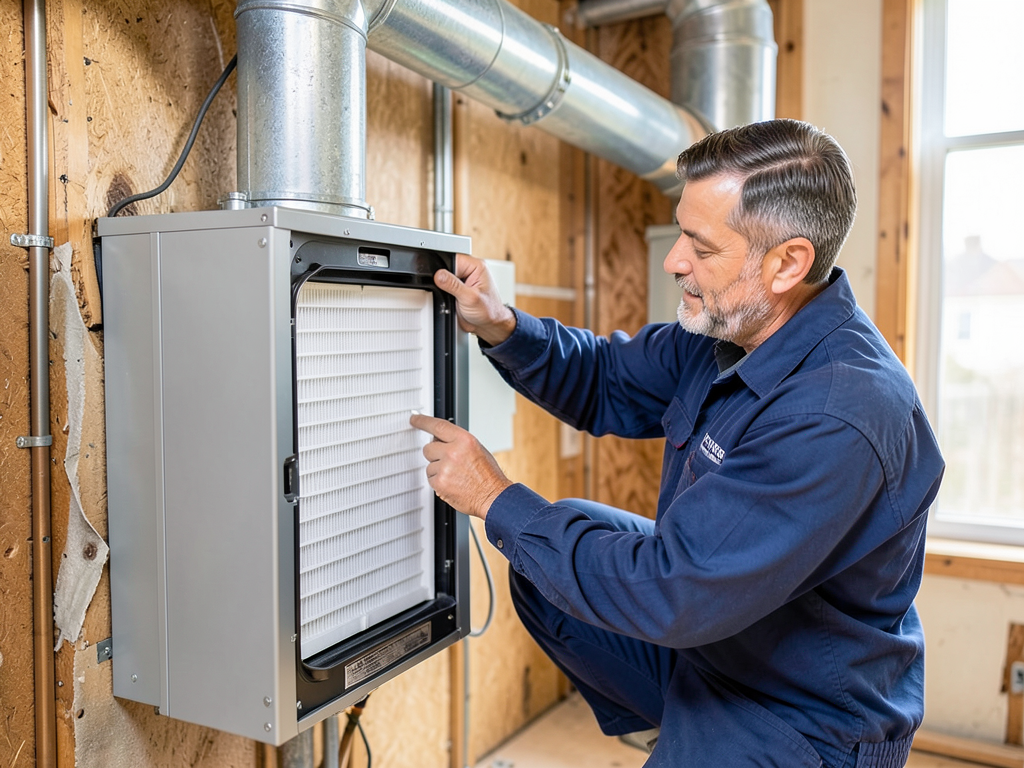
While changing a basic HVAC filter seems simple, upgrading to high-performance filtration requires professional expertise. Here’s why professional installation matters for Central West End homes: Why Professional Air Duct Cleaning is Essential for Wildwood Homes.
- System Assessment
Technicians measure static pressure, check fan performance, and evaluate ductwork to determine optimal filter specifications.
- Compatibility Testing
Ensures your system can handle the selected MERV rating without airflow restrictions or energy waste.
- Airflow Calibration
Adjusts fan speeds and damper positions to maintain proper circulation with the new filtration.
- Seal and Gasket Inspection
Checks for air leaks around the filter housing that could allow unfiltered air to bypass the system.
DIY filter changes often miss these critical steps. A filter that’s slightly too restrictive can cause your system to short-cycle, run longer than necessary, or even freeze up in summer. Professional installation includes a 30-day performance check to ensure everything is working optimally. Top Rated AC Installation Companies Serving Ladue and Clayton.
Central West End homes often have unique challenges like narrow mechanical closets, historic ductwork, or systems integrated with radiant heating. These factors require specialized knowledge to upgrade filtration without compromising the integrity of the original system. Commercial Heating Services.
Maintenance and Replacement Schedules
Urban environments like the Central West End typically require more frequent filter changes than suburban areas. The constant exposure to higher pollution levels means filters clog faster and lose effectiveness.
- Standard MERV 8 filters: Replace every 30-60 days
- MERV 11 filters: Replace every 45-90 days
- MERV 13 filters: Replace every 60-120 days
- HEPA systems: Replace pre-filters every 3 months, main filters annually
Several factors can shorten these intervals. Homes with pets, recent construction nearby, or residents with allergies may need more frequent changes. During peak pollen seasons in spring and fall, even high-quality filters can become saturated in half the normal time.
Many Central West End homeowners find that a professional maintenance plan makes sense. These plans include scheduled filter replacements, system inspections, and priority service if issues arise. The cost is often offset by improved efficiency and prevented breakdowns.. Read more about HVAC Service and Maintenance for Midtown Property Managers and Landlords.
Ready to breathe easier in your Central West End home? Call (314) 417-7771 for your free consultation.
Cost Considerations and Energy Savings
High-efficiency filters cost more upfront than standard fiberglass options, but the investment pays off in several ways. Better filtration reduces the need for dusting and cleaning, extends the life of your HVAC system, and can lower energy bills by improving airflow efficiency.
A study by the Department of Energy found that dirty filters can increase HVAC energy consumption by 5-15%. In St. Louis’s climate, where heating and cooling systems run frequently, this translates to significant annual savings. Clean, properly sized filters can reduce your utility bills while improving comfort. Department of Energy HVAC Maintenance.
The initial cost for upgrading to MERV 13 filtration in a typical Central West End home ranges from $200-$400 for professional installation, including the first year of premium filters. This compares to $50-$100 annually for basic filter replacements, making the upgrade cost-effective within 2-3 years.
Additional costs may include minor duct modifications to accommodate thicker filters or the installation of a whole-home air purifier for HEPA-level performance. These investments typically add $800-$2,500 but can be especially valuable for households with asthma, allergies, or other respiratory sensitivities.
Frequently Asked Questions
What’s the best MERV rating for my Central West End home?
MERV 11 or MERV 13 typically offers the best balance of filtration and system compatibility for most Central West End homes. The specific recommendation depends on your HVAC system’s age, your sensitivity to allergens, and whether you have pets or other indoor air quality concerns.
Can I just buy better filters at the hardware store?
While you can purchase high-MERV filters at retail stores, professional installation ensures they’re compatible with your system and properly sealed. Incorrect installation can actually worsen air quality by allowing unfiltered air to bypass the filter or by restricting airflow enough to damage your HVAC equipment.
How do I know if my current filter is working properly?
Signs of poor filtration include excessive dust accumulation, visible particles coming from vents, allergy symptoms that improve when away from home, and HVAC systems that run constantly without maintaining desired temperatures. A professional indoor air quality test can measure exactly what contaminants are present.
Will better filtration make my HVAC system work harder?
When properly matched to your system, high-efficiency filters actually improve HVAC performance by maintaining clean coils and preventing debris buildup. The key is professional assessment to ensure your system can handle the selected filter without airflow restrictions.
How long does professional filter installation take?
Most filter upgrades can be completed in 1-2 hours, including system assessment and calibration. More complex installations involving whole-home air purifiers or significant duct modifications may require 4-6 hours and multiple technicians.
Taking the Next Step for Cleaner Air
Living in the Central West End doesn’t mean you have to accept poor indoor air quality. With the right filtration system, you can significantly reduce allergens, protect your HVAC investment, and create a healthier home environment for your family.
The first step is understanding your current air quality and system capabilities. A professional assessment can identify specific contaminants in your home, evaluate your existing filtration, and recommend solutions tailored to your needs and budget.
Don’t wait until allergy season peaks or your system fails under the strain of poor filtration. Better indoor air quality is an investment in your health, comfort, and home’s efficiency. The Central West End’s unique urban environment demands a filtration solution that goes beyond basic store-bought filters.
Take control of your indoor air quality today. Call (314) 417-7771 to schedule your professional HVAC filtration assessment and breathe easier in your Central West End home.
{
“@context”: “https://schema.org”,
“@type”: “BlogPosting”,
“headline”: “Reducing Urban Allergens with Better HVAC Filtration in the Central West End”,
“description”: “Improve your Central West End home’s air quality with expert HVAC filtration upgrades. Learn how HEPA and MERV filters reduce allergens in St. Louis’s urban environment.”,
“wordCount”: 1753,
“datePublished”: “2026-03-09T15:48:00.000Z”,
“dateModified”: “2026-03-09T15:48:00.000Z”,
“inLanguage”: “en-US”,
“mainEntityOfPage”: {
“@type”: “WebPage”,
“@id”: “https://keystonehvacstlouis.com”
},
“publisher”: {
“@type”: “LocalBusiness”,
“name”: “Keystone HVAC St. Louis”,
“url”: “https://keystonehvacstlouis.com”
},
“author”: {
“@type”: “Organization”,
“name”: “Keystone HVAC St. Louis”,
“url”: “https://keystonehvacstlouis.com”
},
“image”: {
“@type”: “ImageObject”,
“url”: “https://keystonehvacstlouis.com/wp-content/uploads/2026/03/reducing-urban-allergens-with-better-hvac-filtrati-1.png”
}
}
{
“@context”: “https://schema.org”,
“@type”: “HVACBusiness”,
“name”: “Keystone HVAC St. Louis”,
“url”: “https://keystonehvacstlouis.com”,
“address”: {
“@type”: “PostalAddress”,
“addressLocality”: “St. Louis”
},
“areaServed”: {
“@type”: “City”,
“name”: “St. Louis”
}
}
{
“@context”: “https://schema.org”,
“@type”: “FAQPage”,
“mainEntity”: [
{
“@type”: “Question”,
“name”: “What’s the best MERV rating for my Central West End home?”,
“acceptedAnswer”: {
“@type”: “Answer”,
“text”: “MERV 11 or MERV 13 typically offers the best balance of filtration and system compatibility for most Central West End homes. The specific recommendation depends on your HVAC system’s age, your sensitivity to allergens, and whether you have pets or other indoor air quality concerns.”
}
},
{
“@type”: “Question”,
“name”: “Can I just buy better filters at the hardware store?”,
“acceptedAnswer”: {
“@type”: “Answer”,
“text”: “While you can purchase high-MERV filters at retail stores, professional installation ensures they’re compatible with your system and properly sealed. Incorrect installation can actually worsen air quality by allowing unfiltered air to bypass the filter or by restricting airflow enough to damage your HVAC equipment.”
}
},
{
“@type”: “Question”,
“name”: “Will better filtration make my HVAC system work harder?”,
“acceptedAnswer”: {
“@type”: “Answer”,
“text”: “When properly matched to your system, high-efficiency filters actually improve HVAC performance by maintaining clean coils and preventing debris buildup. The key is professional assessment to ensure your system can handle the selected filter without airflow restrictions.”
}
},
{
“@type”: “Question”,
“name”: “How long does professional filter installation take?”,
“acceptedAnswer”: {
“@type”: “Answer”,
“text”: “Most filter upgrades can be completed in 1-2 hours, including system assessment and calibration. More complex installations involving whole-home air purifiers or significant duct modifications may require 4-6 hours and multiple technicians.”
}
}
]
}
{
“@context”: “https://schema.org”,
“@type”: “HowTo”,
“name”: “Professional Filter Installation Process”,
“step”: [
{
“@type”: “HowToStep”,
“position”: 1,
“name”: “System Assessment”,
“text”: “Technicians measure static pressure, check fan performance, and evaluate ductwork to determine optimal filter specifications.”
},
{
“@type”: “HowToStep”,
“position”: 2,
“name”: “Compatibility Testing”,
“text”: “Ensures your system can handle the selected MERV rating without airflow restrictions or energy waste.”
},
{
“@type”: “HowToStep”,
“position”: 3,
“name”: “Airflow Calibration”,
“text”: “Adjusts fan speeds and damper positions to maintain proper circulation with the new filtration.”
},
{
“@type”: “HowToStep”,
“position”: 4,
“name”: “Seal and Gasket Inspection”,
“text”: “Checks for air leaks around the filter housing that could allow unfiltered air to bypass the system.”
}
],
“image”: “https://keystonehvacstlouis.com/wp-content/uploads/2026/03/reducing-urban-allergens-with-better-hvac-filtrati-1.png”
}
{
“@context”: “https://schema.org”,
“@type”: “BreadcrumbList”,
“itemListElement”: [
{
“@type”: “ListItem”,
“position”: 1,
“name”: “Home”,
“item”: “https://keystonehvacstlouis.com”
},
{
“@type”: “ListItem”,
“position”: 2,
“name”: “Blog”,
“item”: “https://keystonehvacstlouis.com/blog”
},
{
“@type”: “ListItem”,
“position”: 3,
“name”: “Reducing Urban Allergens with Better HVAC Filtration in the Central West End”
}
]
}
{
“@context”: “https://schema.org”,
“@type”: “Service”,
“serviceType”: “HVAC”,
“provider”: {
“@type”: “LocalBusiness”,
“name”: “Keystone HVAC St. Louis”,
“url”: “https://keystonehvacstlouis.com”
},
“areaServed”: {
“@type”: “City”,
“name”: “St. Louis”
},
“description”: “Improve your Central West End home’s air quality with expert HVAC filtration upgrades. Learn how HEPA and MERV filters reduce allergens in St. Louis’s urban environment.”
}